Ghumoopedia — Explore, Discover, Experience
Sign in

City guide · Rajasthan

Asind

Asind is a municipality and tehsil headquarters in Bhilwara district, in Rajasthan’s Mewar region. Its importance today is practical as well as religious: government offices and a lower court serve Asind and surrounding villages, while the town’s markets and services support a broad rural catchment.

Famous for

  • Sawai Bhoj temple
  • Devnarayan worship
  • Bhilwara district administration
  • Rural tehsil services

Why Asind matters

Asind is a municipality and tehsil headquarters in Bhilwara district, in Rajasthan’s Mewar region. Its importance today is practical as well as religious: government offices and a lower court serve Asind and surrounding villages, while the town’s markets and services support a broad rural catchment. It is an administrative centre rather than a large, specialised tourist or manufacturing destination.

The best-known visitor draw nearby is the Sawai Bhoj temple, associated with Devnarayan, a revered figure in regional worship. Pilgrims and local visitors come to pay their respects, and the temple gives Asind a wider religious profile than its modest town centre might suggest. Visitors can combine a temple visit with a look around the bazaar and the surrounding countryside. Asind lies at about 467 metres above sea level, in a landscape of settlements and agricultural land. Its role as a service centre, and its connection to local religious traditions, are the main reasons it matters within Bhilwara district.
Famous for: crafts, trade & products

Asind is not widely established as a centre for a particular textile, saree, handicraft or GI-tagged product. The town’s best-known identity is administrative and religious: its tehsil offices and court serve nearby villages, while the Sawai Bhoj temple draws devotees associated with Devnarayan worship. The local bazaar caters mainly to everyday needs, with shops and services for residents and visitors from the surrounding area.

Bhilwara district has a strong textile reputation, but that does not by itself make Asind a textile-manufacturing or saree-shopping destination. Visitors looking for specialised cloth, crafts or a wider choice of goods may find more options in Bhilwara city. In Asind, explore the central market for routine purchases and locally available provisions; ask locally about any seasonal stalls or products around temple gatherings. There is no well-documented signature craft market or named shopping district to seek out, so the town is best approached for its regional services and religious setting rather than as a dedicated retail stop.

History

Asind’s history is best understood in the context of the wider Bhilwara and Mewar region. Before Rajasthan’s post-independence administrative system took shape, the area formed part of the Mewar princely-state landscape, which remained under British paramountcy rather than being governed as a directly administered British province. Specific accounts of Asind’s growth under individual rulers or during the colonial period are limited, so a detailed local ruler-by-ruler chronology cannot be stated with confidence.

In modern times, Asind developed as a tehsil headquarters and municipal centre. Its magistrate’s office, lower court and other public services made it an important point of contact for surrounding villages. The town’s role has continued to be shaped by this administrative function, alongside local commerce and the religious importance of the nearby Sawai Bhoj temple. Its development is therefore closely tied to serving the rural region rather than to a documented history of major industry or urban expansion.

Food, festivals & culture

Daily life reflects the rural culture of the Bhilwara–Mewar region. Hindi is widely used, alongside local Rajasthani speech and regional dialects. Meals commonly draw on familiar Rajasthani fare: dal baati churma, gatte-based dishes, breads and seasonal vegetables. Sweets such as laddoo or ghevar may be found, particularly around festivals, though no single food is especially associated with Asind.

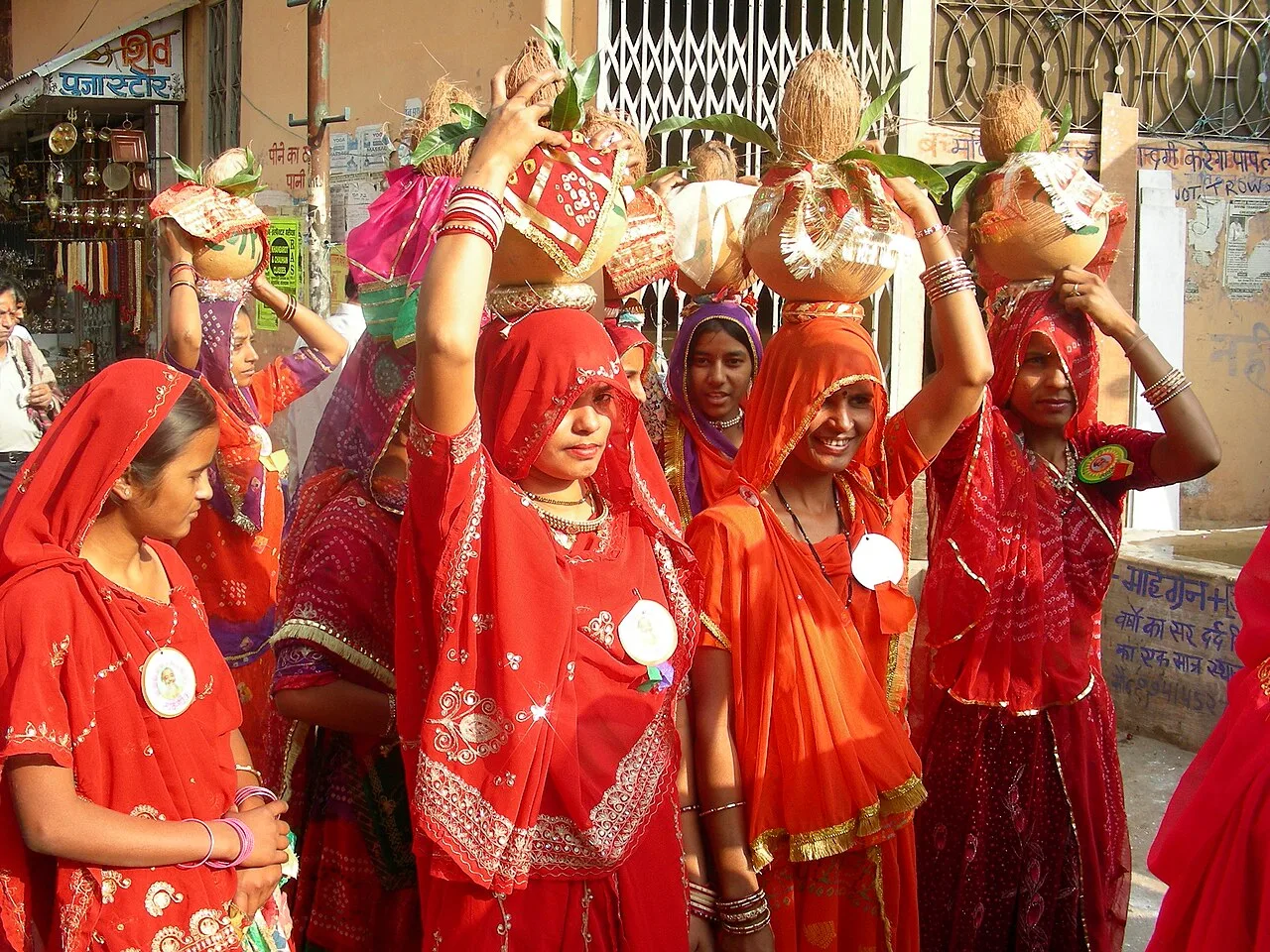
Diwali, Holi, Gangaur, Teej and Navratri are observed in the usual seasons of the Hindu calendar, with family gatherings, worship and community celebrations. Devnarayan traditions are important to the area, and religious gatherings connected with the Sawai Bhoj temple are a notable part of local devotional life; event timing can vary by the lunar calendar. Folk music and dance belong to the wider regional tradition, especially at celebrations and fairs. Temples and neighbourhood places of worship form the main public settings for religious observance; visitors should dress respectfully and follow local customs.

Visiting the city

The cooler months, roughly October to March, are generally the most comfortable for visiting. Summer can be very hot, while monsoon showers may affect road journeys. Kishangarh Airport is a practical airport to check for access, and Bijainagar railway station is a useful rail point for reaching the area; onward travel is by road. Confirm current connections before setting out, as services and routes can change.

Buses and taxis connect Asind with nearby towns, and local autorickshaws or hired vehicles are useful for short journeys. Explore the central bazaar for everyday town life and visit the Sawai Bhoj temple, located near Asind. The surrounding villages and countryside offer a sense of the area’s rural character. Asind is compact, so it works well as a short regional stop or as a base for visits to nearby religious sites rather than as a destination with many separate visitor districts.

Trips from the city

Nearest places to visit from Asind

Our closest destination guides, by straight-line distance.

Taragarh Fort, Ajmer

84 km away · Ajmer district

Taragarh Fort, Ajmer

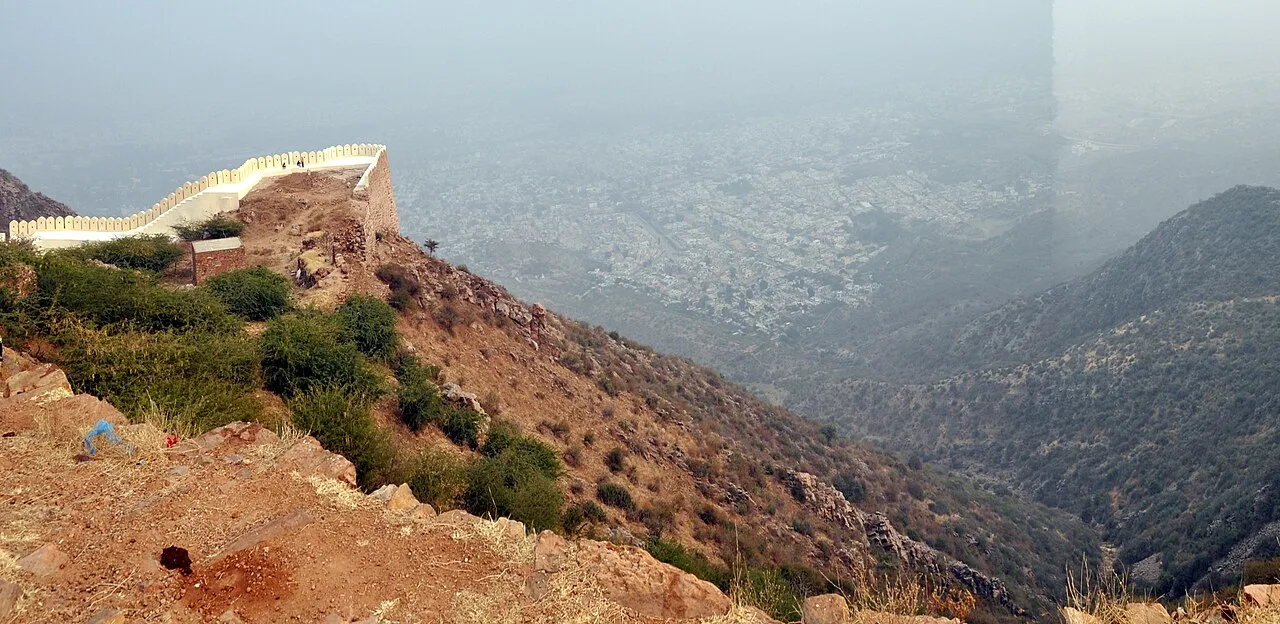
Set on a steep slope in Ajmer, Rajasthan, Taragarh Fort is a historic stronghold associated with the Parmar Rajputs and Ajayaraja Chauhan. Visitors come to see the fortress and learn about its earlier name, Ajaymeru Durg.

Adhai Din Ka Jhonpra

85 km away · Ajmer district

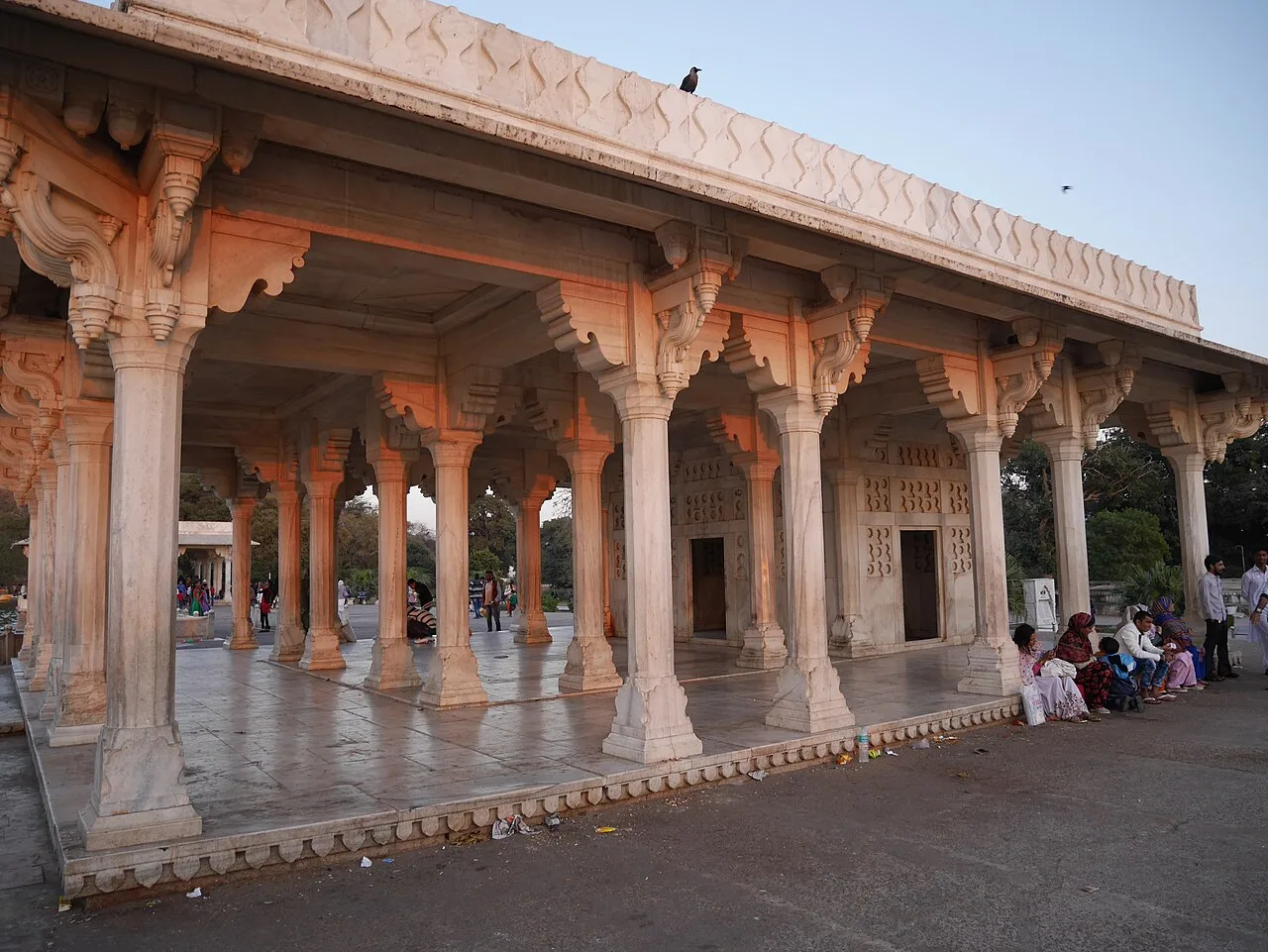
Adhai Din Ka Jhonpra

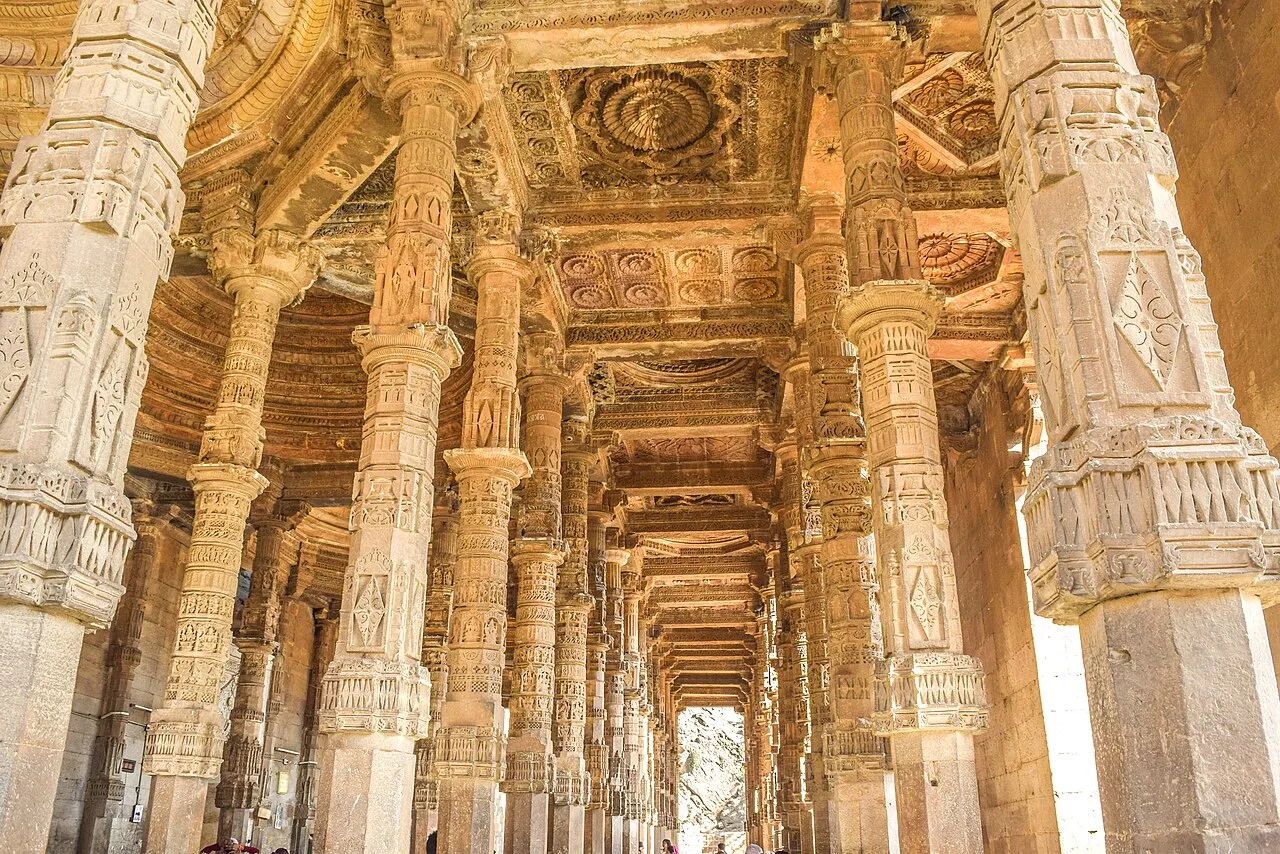
This former mosque in Ajmer, Rajasthan, is among India’s oldest mosques and the city’s oldest surviving monument. Visitors come to see its early Indo-Islamic design and its Hindu, Jain and Islamic architectural elements.

Shrine of Mu'in al-Din Chishti

86 km away · Ajmer district

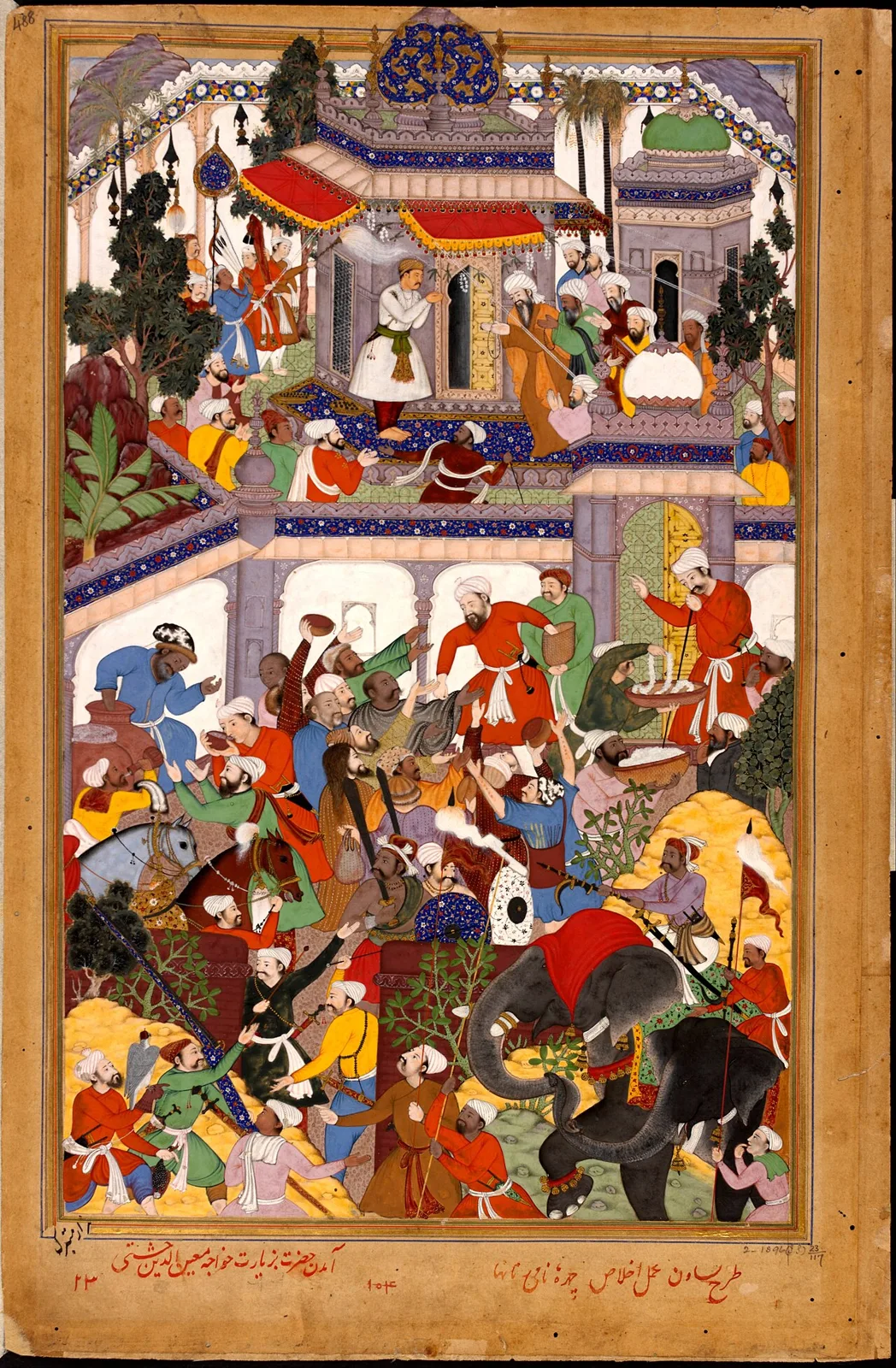
Shrine of Mu'in al-Din Chishti

A Sufi pilgrimage complex in Ajmer, Rajasthan, centred on Mu'in al-Din Chishti’s shrine and including tombs and a mosque. Sunni Muslims visit in large numbers, particularly for Chishti’s urs.

Ana Sagar Lake

87 km away · Ajmer district

Ana Sagar Lake

Ana Sagar is a man-made lake in Ajmer, Rajasthan, associated with its builder Arnoraja, also called Ana. Visitors come to see this historic water body, which extends across 13 km.

Brahma Temple

87 km away · Ajmer district

Brahma Temple

Located in Pushkar, Rajasthan, the Brahma Temple is a Hindu shrine near Pushkar Lake and among India’s few temples for Brahma. Pilgrims especially gather there on Kartik Poornima.

Pushkar

87 km away · Ajmer district

Pushkar

Pushkar is a historic pilgrimage town in Rajasthan, centred on a sacred lake and temples, including one of the few shrines to Brahma. Visitors come for worship, ritual bathing and its heritage.

Pushkar Lake

87 km away · Ajmer district

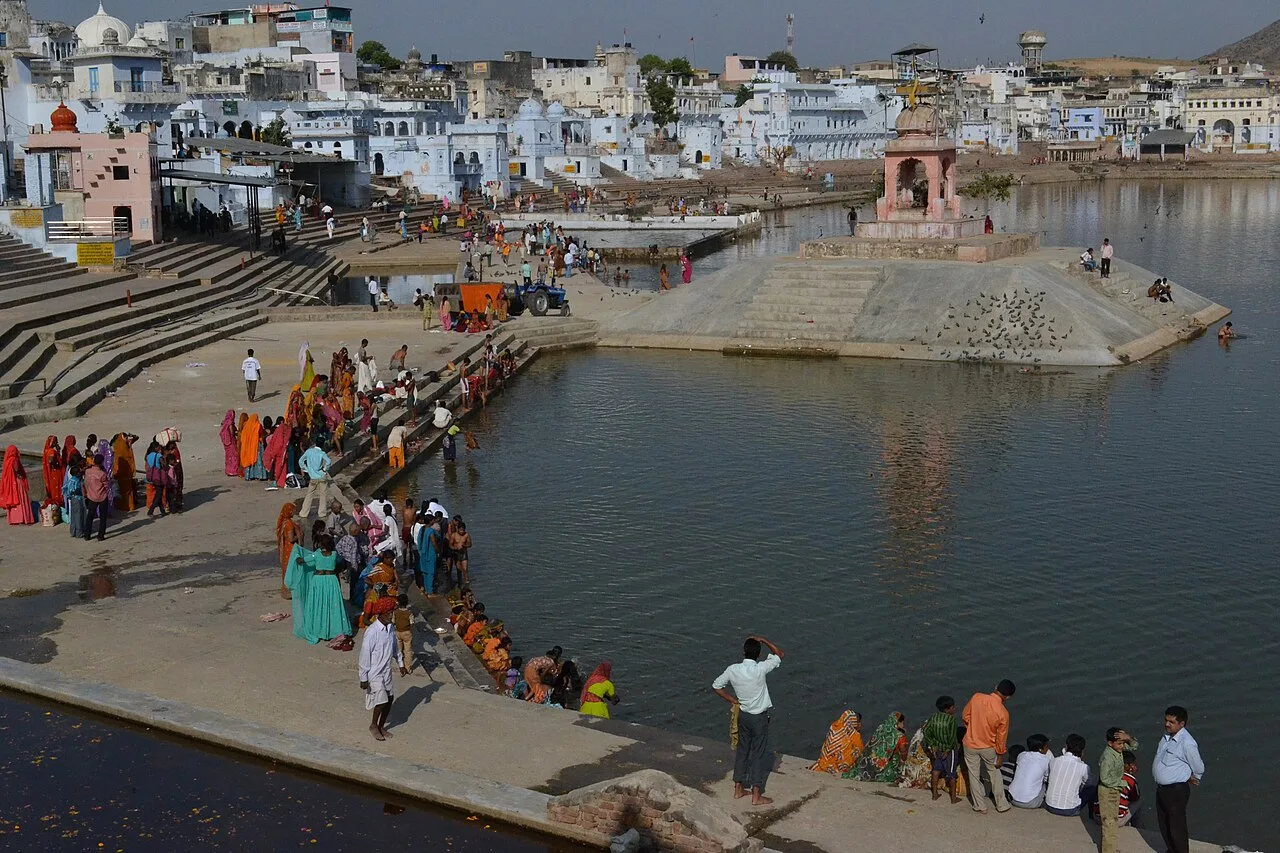
Pushkar Lake

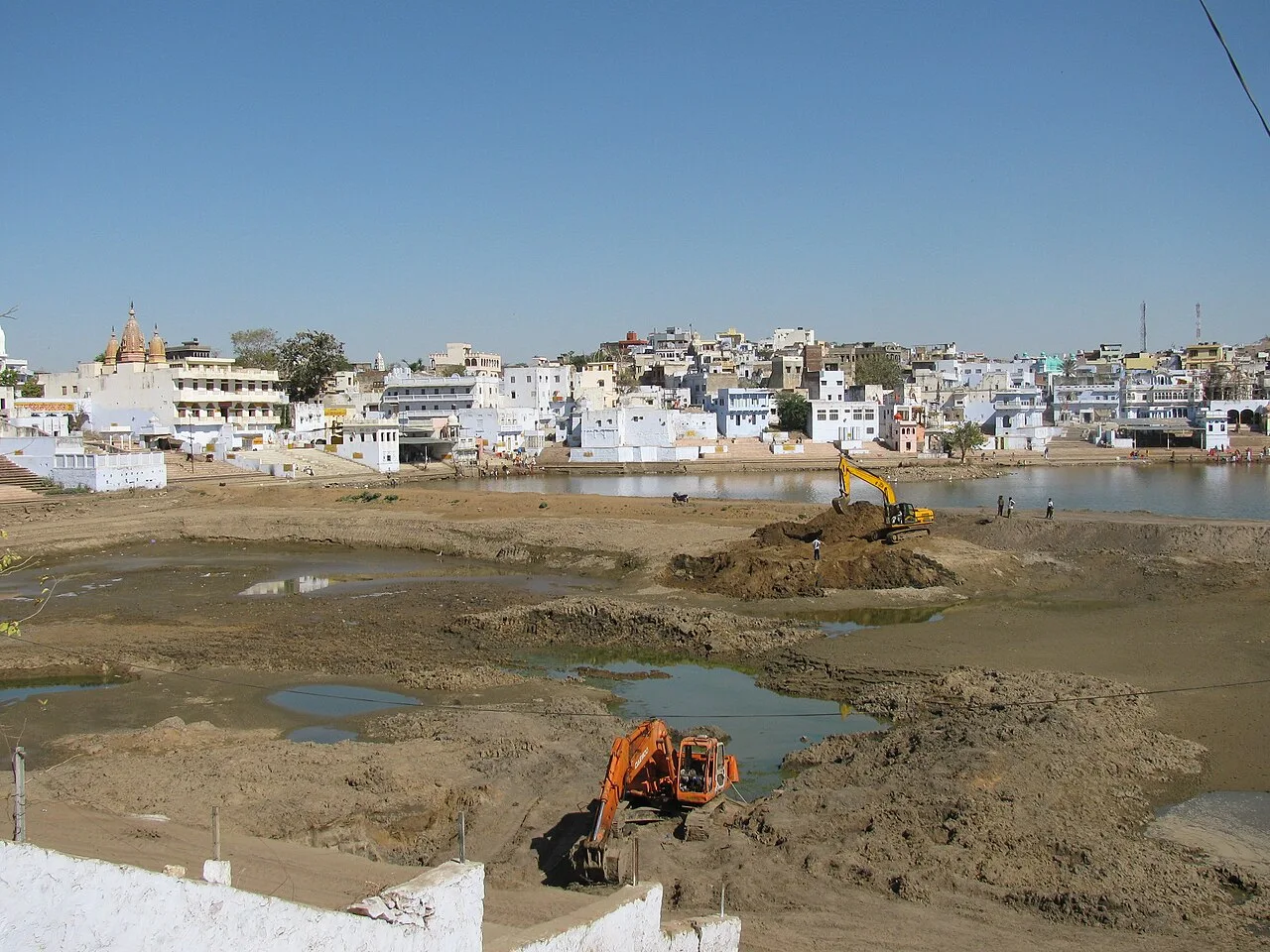
Pushkar Lake, also called Pushkar Sarovar, is a sacred lake in Rajasthan’s Ajmer district. Pilgrims come to bathe at its ghats, especially around Kartik Poornima, when the Pushkar Fair takes place.

Rajsamand Lake

87 km away · Rajsamand district

Rajsamand Lake

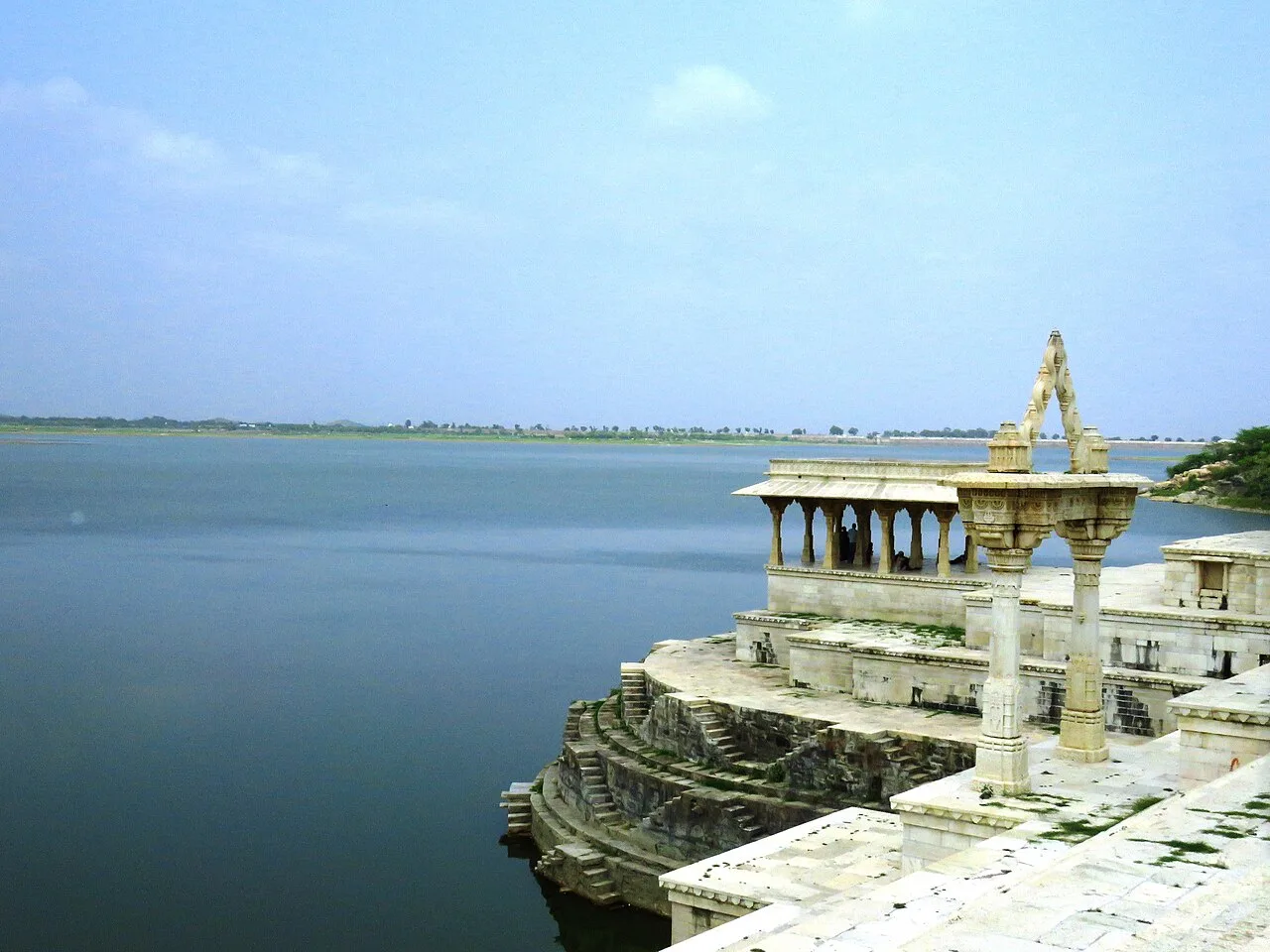
A large reservoir in Rajasthan’s Rajsamand district, Rajsamand Lake is also called Rajsamudra. Visitors come to see its scale and the historic work associated with Rana Raj Singh.

Map

Asind on the map

  1. 1Taragarh Fort, Ajmer
  2. 2Adhai Din Ka Jhonpra
  3. 3Shrine of Mu'in al-Din Chishti
  4. 4Ana Sagar Lake
  5. 5Brahma Temple
  6. 6Pushkar
  7. 7Pushkar Lake
  8. 8Rajsamand Lake

Rajasthan

Other cities to explore