Ghumoopedia — Explore, Discover, Experience
Sign in

City guide · Rajasthan

Bhim

Bhim is a small town in Rajsamand district, set among the Aravalli foothills of southern Rajasthan. Its importance is chiefly regional: it serves nearby villages with everyday services and markets, and sits on a road corridor linking parts of Mewar and Marwar.

Famous for

  • Aravalli foothill setting
  • Mewar–Marwar road corridor
  • Regional rural markets
  • Gateway to Rajsamand district
Plan a tripHotels near Bhim

Why Bhim matters

Bhim is a small town in Rajsamand district, set among the Aravalli foothills of southern Rajasthan. Its importance is chiefly regional: it serves nearby villages with everyday services and markets, and sits on a road corridor linking parts of Mewar and Marwar. Travellers may use it as a practical stop while exploring the district and the wider landscape of Rajasthan’s hill country, rather than as a major destination for monuments or large museums.

The town offers a glimpse of everyday life beyond the state’s better-known tourist centres. Local shops, places of worship and roadside food stops sit alongside the surrounding agricultural settlements and rugged terrain. Rajsamand district is also associated with marble production and with destinations such as Kumbhalgarh and Nathdwara, which can be visited as part of a broader regional itinerary. Bhim is best approached as a service town and a base for exploring its rural surroundings; visitors should plan specific sightseeing around nearby destinations rather than expect a concentrated circuit of major attractions within the town itself.
Famous for: crafts, trade & products

Bhim is primarily a local trading and service centre, not a major textile or handicraft hub. Its shops and market area cater to residents of the town and surrounding villages, with everyday provisions, clothing, household goods and agricultural needs. Visitors can browse these local businesses for a sense of the regional economy, but there is no widely recognised Bhim-specific craft or GI-tagged product to seek out.

The wider Rajsamand district is known for marble quarrying and stone processing, an important part of its economy. Marble is a regional industry rather than a souvenir uniquely associated with Bhim. Rajasthan’s colourful textiles, block-printed fabrics, leather goods and metalwork may be available through general shops, but for specialist craft shopping visitors are better served by larger centres such as Udaipur or Nathdwara. Nearby towns and attractions can also offer more focused opportunities to see regional art and craft traditions. In Bhim, ask locally about current market days and products from surrounding villages; small shops and weekly trading activity are the most useful places to look for locally made or grown goods.

History

Bhim’s history is best understood in the context of Mewar, the historic region whose influence extended across parts of today’s Rajsamand district. The town developed as a settlement serving its surrounding villages and as a stop on routes across the Aravalli region. Detailed accounts of a distinct ruling dynasty or major historic event centred specifically on Bhim are limited, so the broader history of Mewar provides the clearest context for its past.

During the colonial period, Mewar remained a princely state under British paramountcy rather than becoming a directly administered British province. After independence, the former princely territories were incorporated into Rajasthan. Bhim’s modern role has grown through local administration, road connections and services for the rural hinterland. Rajsamand district was established in 1991, giving the town a place within the district’s administrative network. Today, its character reflects this practical role: a small regional centre linking nearby settlements with larger towns and services.

Food, festivals & culture

Daily life in Bhim reflects the rural culture of southern Rajasthan. Hindi is widely used, alongside regional speech forms including Mewari and Marwari. Meals commonly draw on familiar Rajasthani dishes such as dal baati churma, gatte ki sabzi and ker sangri; local eateries are a good place to try simple, freshly prepared food. Sweets and snacks vary by shop and season, with popular Rajasthani treats available in the market area.

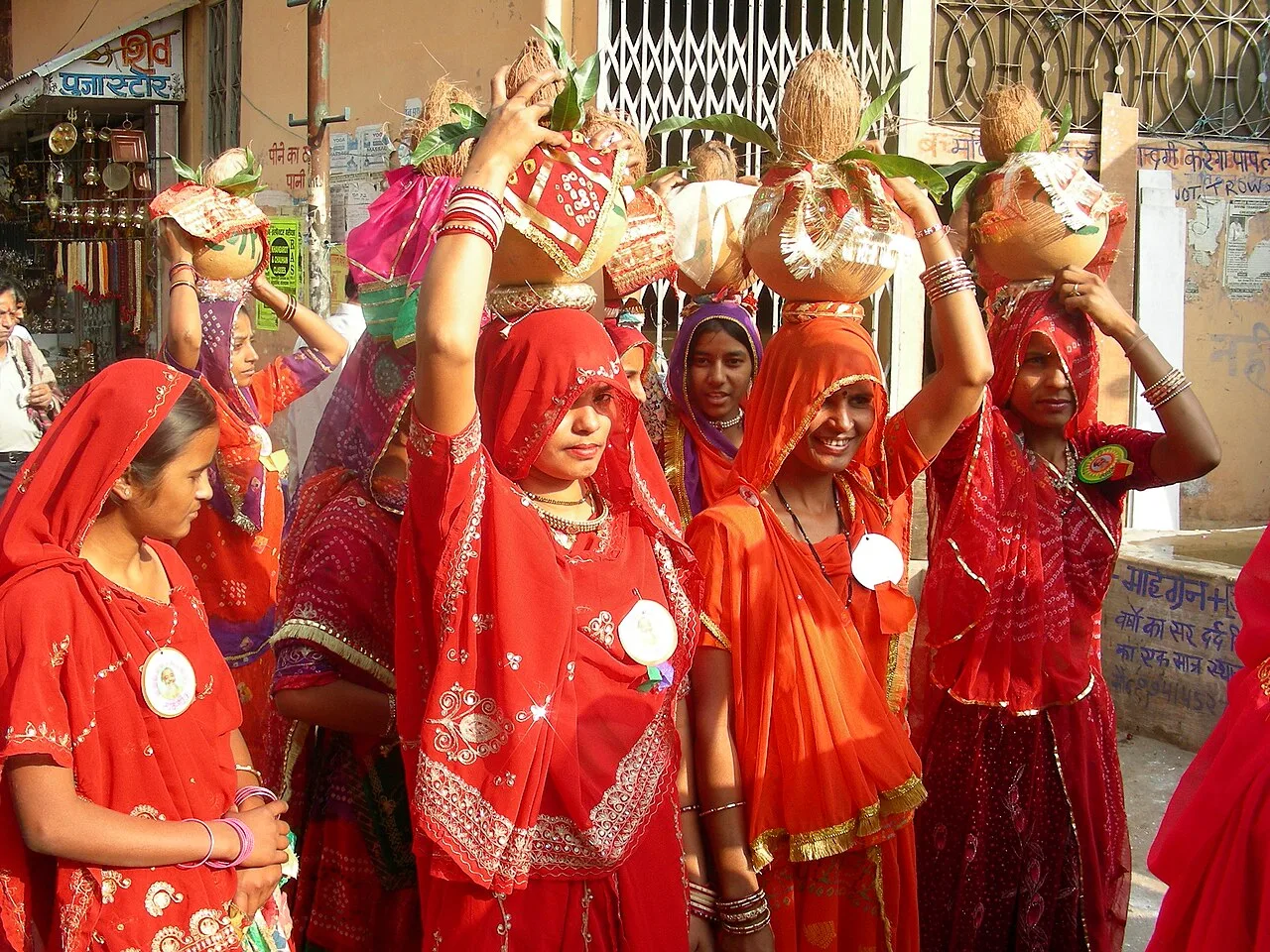
Holi, usually celebrated in spring, and Diwali, in autumn, are important occasions, while Teej and Gangaur bring seasonal customs and community celebrations. Religious life is expressed through local temples and shrines, and festivals often include family visits, devotional music and gatherings. Folk songs and forms such as ghoomar belong to the wider cultural region, though performances are more likely at festivals or community events than on a regular tourist programme. Visitors should dress respectfully at places of worship and ask before photographing ceremonies or people.

Visiting the city

The cooler months, roughly October to March, are generally the most comfortable time to visit. Summer can be very hot, while monsoon weather may bring rain and affect road conditions. Kishangarh Airport is a nearby air option; Maharana Pratap Airport at Udaipur is another useful choice, depending on flight connections. Beawar railway station is a practical railhead for reaching Bhim, with the onward journey made by road.

Buses, taxis and shared vehicles connect towns in the region; within Bhim, local transport and walking can cover the central market area. Ask locally about current services before setting out to smaller villages. Explore the town centre for everyday shops and food, and use Bhim as a starting point for the surrounding countryside or a wider trip through Rajsamand district. Arrange transport in advance for rural excursions.

Trips from the city

Nearest places to visit from Bhim

Our closest destination guides, by straight-line distance.

Rajsamand Lake

77 km away · Rajsamand district

Rajsamand Lake

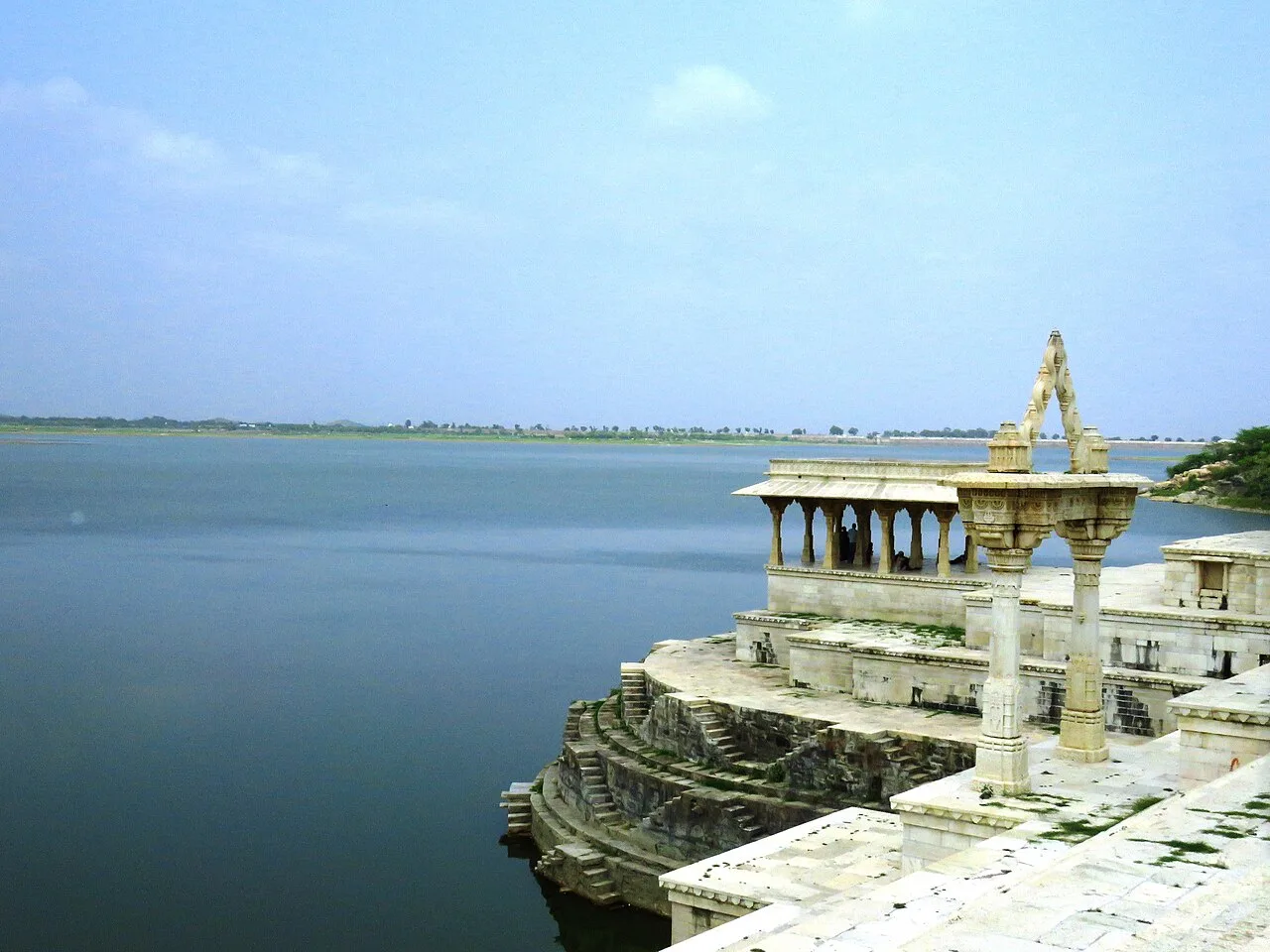
A large reservoir in Rajasthan’s Rajsamand district, Rajsamand Lake is also called Rajsamudra. Visitors come to see its scale and the historic work associated with Rana Raj Singh.

Kumbhalgarh

83 km away · Rajsamand district

Kumbhalgarh

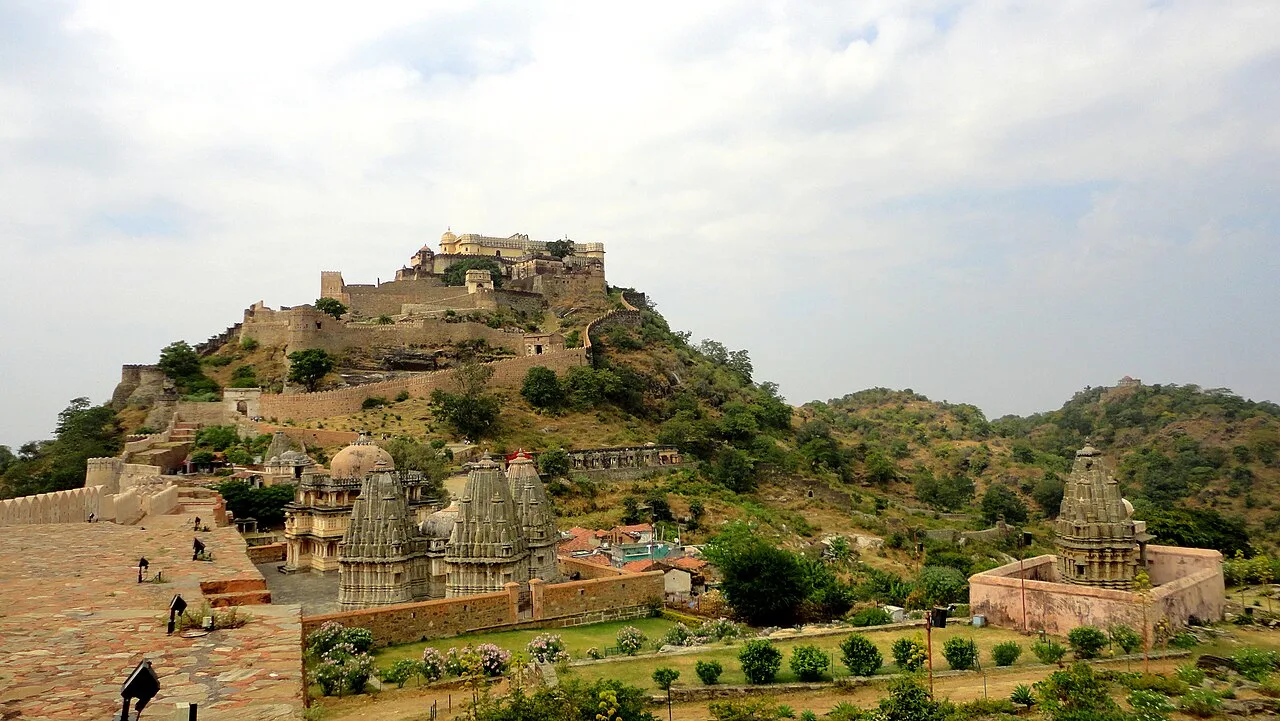
Kumbhalgarh, often called the Great Wall of India, is a 15th-century fortress in Rajasthan’s Aravalli Hills, visited for its fortifications, historical associations and UNESCO World Heritage status.

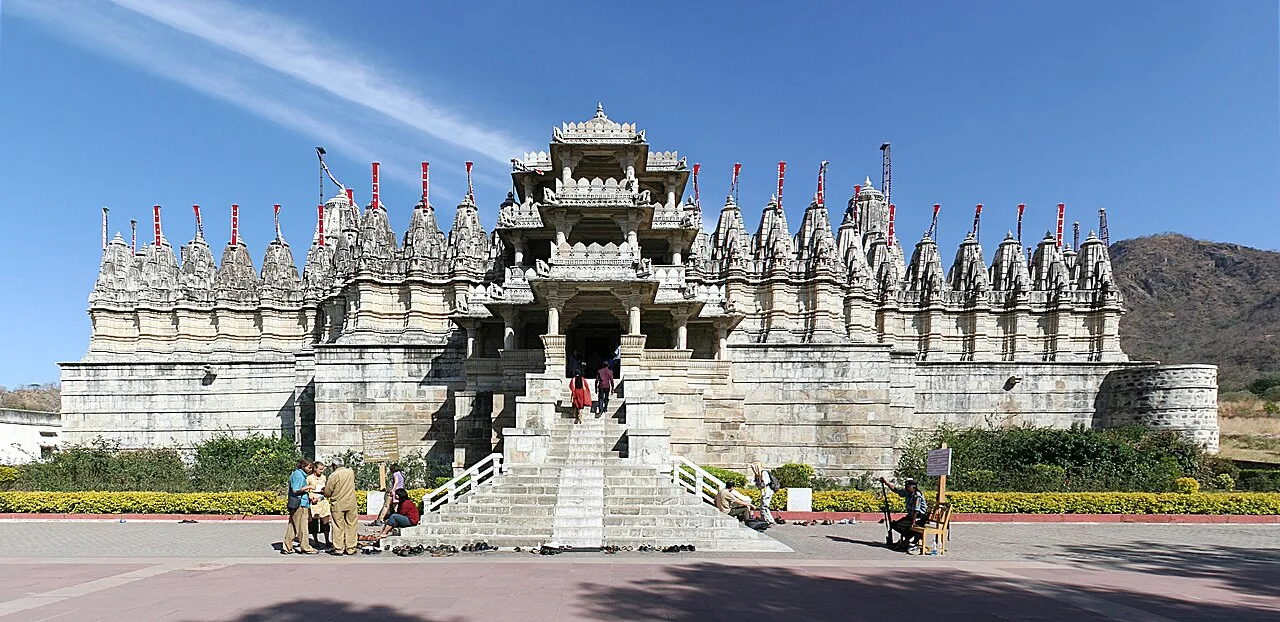
Ranakpur Jain temple

92 km away · Pali district

Ranakpur Jain temple

The Ranakpur Jain temple, also known as Chaturmukha Dharana Vihara, is a Śvētāmbara shrine devoted to Rishabhanatha. Jain pilgrims visit this important religious site and its group of associated temples.

Nathdwara

94 km away · Rajsamand district

Nathdwara

Nathdwara is a city in Rajasthan known for its Shrinathji shrine and its place in the Vaishnavite Pushti Marg tradition, drawing devotees from Rajasthan, Gujarat and beyond.

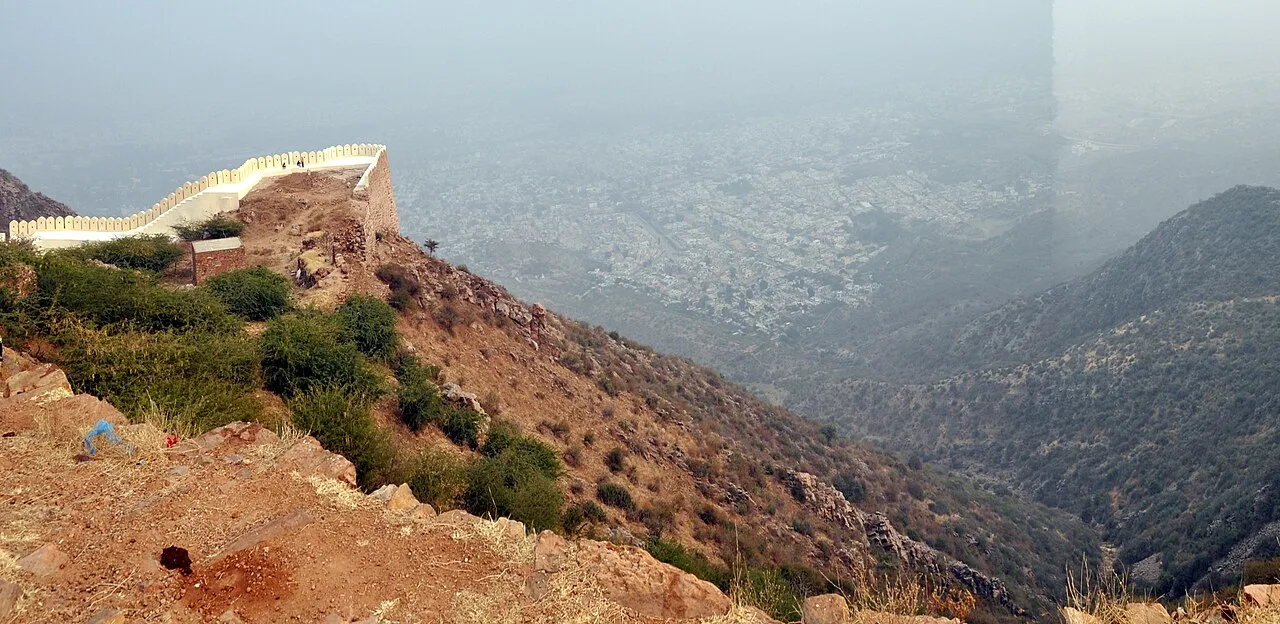
Taragarh Fort, Ajmer

95 km away · Ajmer district

Taragarh Fort, Ajmer

Set on a steep slope in Ajmer, Rajasthan, Taragarh Fort is a historic stronghold associated with the Parmar Rajputs and Ajayaraja Chauhan. Visitors come to see the fortress and learn about its earlier name, Ajaymeru Durg.

Brahma Temple

96 km away · Ajmer district

Brahma Temple

Located in Pushkar, Rajasthan, the Brahma Temple is a Hindu shrine near Pushkar Lake and among India’s few temples for Brahma. Pilgrims especially gather there on Kartik Poornima.

Pushkar

96 km away · Ajmer district

Pushkar

Pushkar is a historic pilgrimage town in Rajasthan, centred on a sacred lake and temples, including one of the few shrines to Brahma. Visitors come for worship, ritual bathing and its heritage.

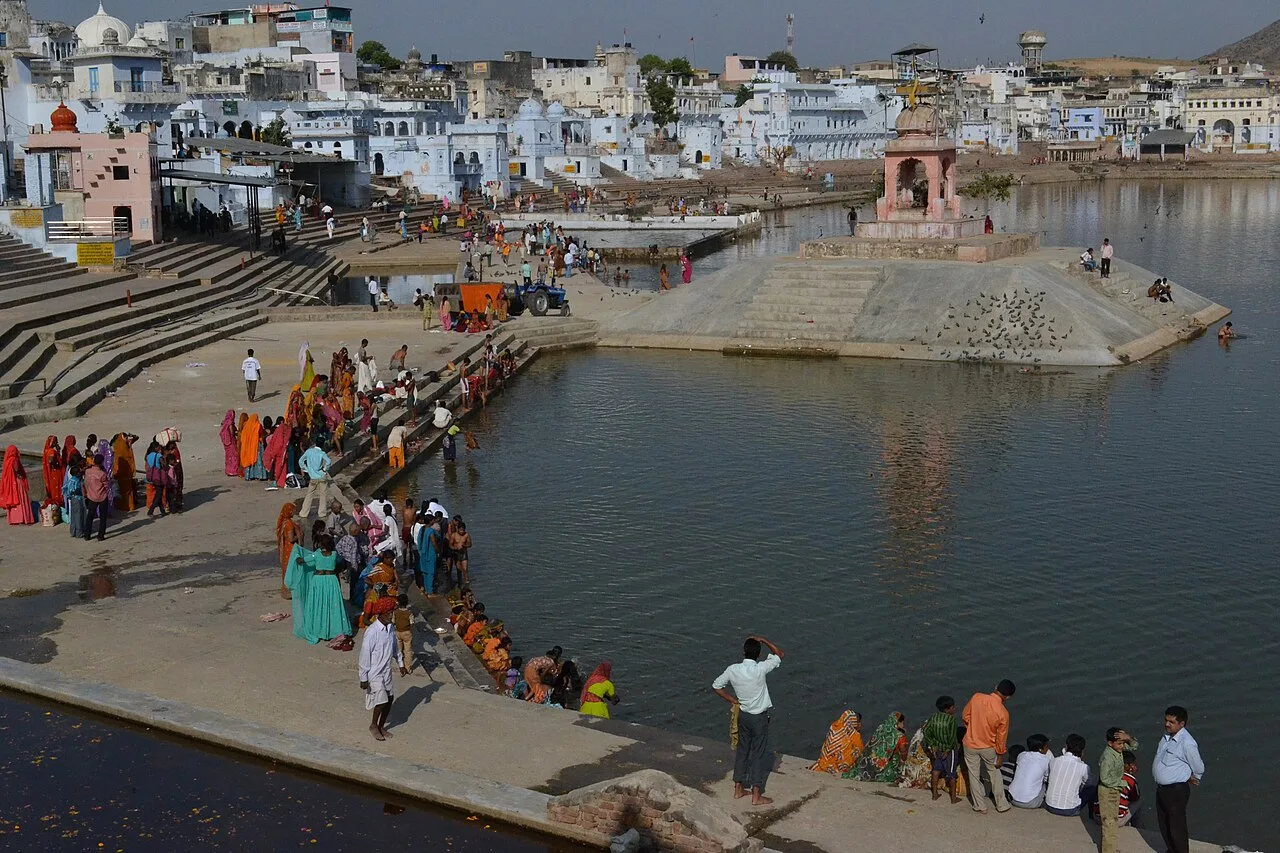
Pushkar Lake

96 km away · Ajmer district

Pushkar Lake

Pushkar Lake, also called Pushkar Sarovar, is a sacred lake in Rajasthan’s Ajmer district. Pilgrims come to bathe at its ghats, especially around Kartik Poornima, when the Pushkar Fair takes place.

Map

Bhim on the map

  1. 1Rajsamand Lake
  2. 2Kumbhalgarh
  3. 3Ranakpur Jain temple
  4. 4Nathdwara
  5. 5Taragarh Fort, Ajmer
  6. 6Brahma Temple
  7. 7Pushkar
  8. 8Pushkar Lake

Rajasthan

Other cities to explore