Ghumoopedia — Explore, Discover, Experience
Sign in
Mandawa, near Ramgarh

City guide · Rajasthan

Ramgarh

Ramgarh, more commonly called Jamwa Ramgarh, is a subdivision in Jaipur district, east-northeast of Jaipur city. Set along State Highway 55, it connects the state capital with villages and rural landscapes on Jaipur’s eastern side.

Famous for

  • Jamway Mata Temple
  • Historic Manchi settlement
  • Ramgarh Lake basin
  • Dhundhar rural landscape

Why Ramgarh matters

Ramgarh, more commonly called Jamwa Ramgarh, is a subdivision in Jaipur district, east-northeast of Jaipur city. Set along State Highway 55, it connects the state capital with villages and rural landscapes on Jaipur’s eastern side. Its importance today is mainly regional: it serves as a local administrative and service centre, while its proximity to Jaipur makes it a possible excursion for visitors interested in the district beyond the capital’s forts and bazaars.

The town is closely associated with Jamway Mata, the Kachhwaha rulers’ clan goddess, and with the basin of Ramgarh Lake. The artificial lake once supplied water to Jaipur and spread across a broad area when full; it has been dry since 2000. Its changing landscape is a reminder of the region’s dependence on seasonal rainfall and careful water management. Visitors come chiefly for the temple, the area’s history and its open, semi-rural setting. Ramgarh is not a major shopping or resort destination, so many travellers combine a visit with time in Jaipur.
Famous for: crafts, trade & products

Ramgarh is not widely recognised as a centre for a particular textile, handicraft, industrial product or GI-tagged good. Its local markets mainly serve everyday needs in the town and surrounding villages; visitors should not expect a specialist craft district or a large tourist bazaar. The area’s better-known associations are its temple, its history and the former lake rather than a signature product.

For crafts and souvenirs, Jaipur offers a much broader choice and is the practical shopping stop before or after visiting Ramgarh. The city’s established markets sell items such as block-printed textiles, jewellery, lac bangles and blue pottery, alongside clothing and household goods. Bapu Bazaar and Johari Bazaar are among the familiar areas for browsing, though individual shops and product origins vary. These are Jaipur offerings, not crafts unique to Jamwa Ramgarh. Travellers interested in locally made goods can ask in town about village artisans or seasonal markets, but should confirm availability rather than assume a particular craft is produced there.

History

The settlement was formerly known as Manchi, a name associated with Rao Maanchdev Sihra of the Meena community. Local historical accounts place its beginnings in the early centuries CE. In 1038, Kachhwaha Rajputs took the settlement during their expansion into Dhundhar and renamed it Ramgarh. They established a temple to Jamway Mata, their clan goddess; the temple gave rise to the name Jamwa Ramgarh.

The surrounding area later formed part of the Jaipur princely state. Under British rule, Jaipur remained a princely state, and Ramgarh developed within its regional orbit rather than as a separate colonial-era city. After independence, it became part of Rajasthan and was incorporated into Jaipur district’s administrative structure. The artificial Ramgarh Lake became an important water source for Jaipur, but its last recorded inflow was in 1999 and it has remained dry since 2000. Today, the town’s identity reflects its temple heritage, rural setting and connection to the Jaipur region.

Food, festivals & culture

Everyday life in Jamwa Ramgarh reflects the wider Dhundhar region. Hindi and local Rajasthani varieties, including Dhundhari, are spoken. Regional meals commonly feature dal baati churma, gatte ki sabzi and seasonal preparations such as ker sangri; sweets such as ghewar are especially associated with the broader Jaipur area. These are regional foods rather than dishes unique to Ramgarh, and Jaipur offers the widest choice of restaurants and sweet shops.

Gangaur, usually celebrated in spring, and Teej, generally observed during the monsoon season, are important festivals across the Jaipur region. Navratri brings particular religious significance to temples dedicated to the Goddess, including Jamway Mata Temple. Devotional singing and Rajasthani folk traditions, including ghoomar at community celebrations, form part of the area’s cultural setting. The temple is the town’s principal place of worship and a focus for local devotion; visitors should be mindful of worshippers and customary dress and conduct.

Visiting the city

October to March is generally the most comfortable period to visit, with milder weather than the hot summer months. The monsoon, usually from June to September, can bring heavy rain; Ramgarh Lake has been dry since 2000, so do not plan on seeing a full lake. Jaipur International Airport is the nearest airport, and Jaipur Junction is the main railway station for onward travel.

From Jaipur, Ramgarh is reached by road, including State Highway 55. Taxis and local buses may be available, while travel within the town and surrounding villages is easiest by local vehicle or arranged car. Explore Jamway Mata Temple and the old town, then see the former lake basin and nearby rural settlements. Jaipur is the most convenient base for accommodation, dining and broader sightseeing; check local conditions before setting out to less-visited areas.

Trips from the city

Nearest places to visit from Ramgarh

Our closest destination guides, by straight-line distance.

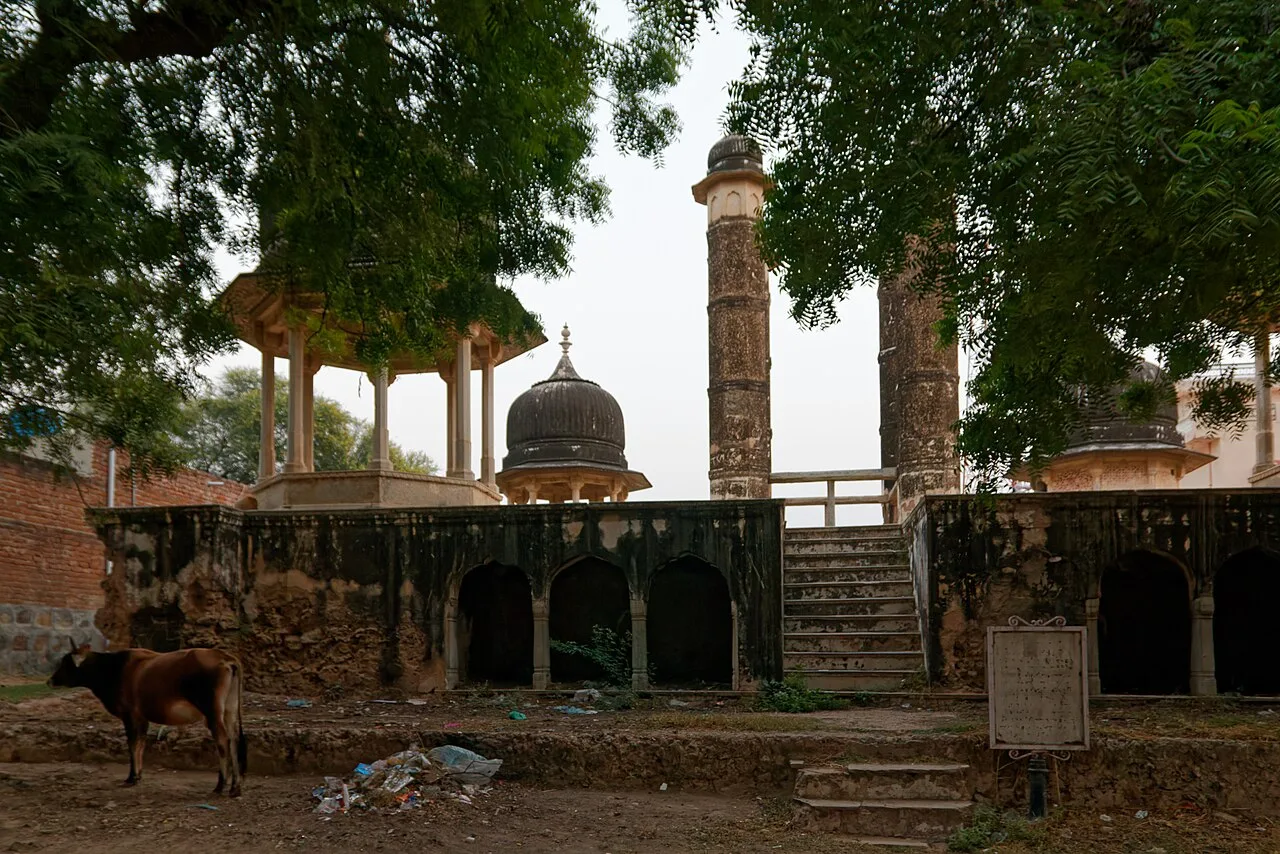
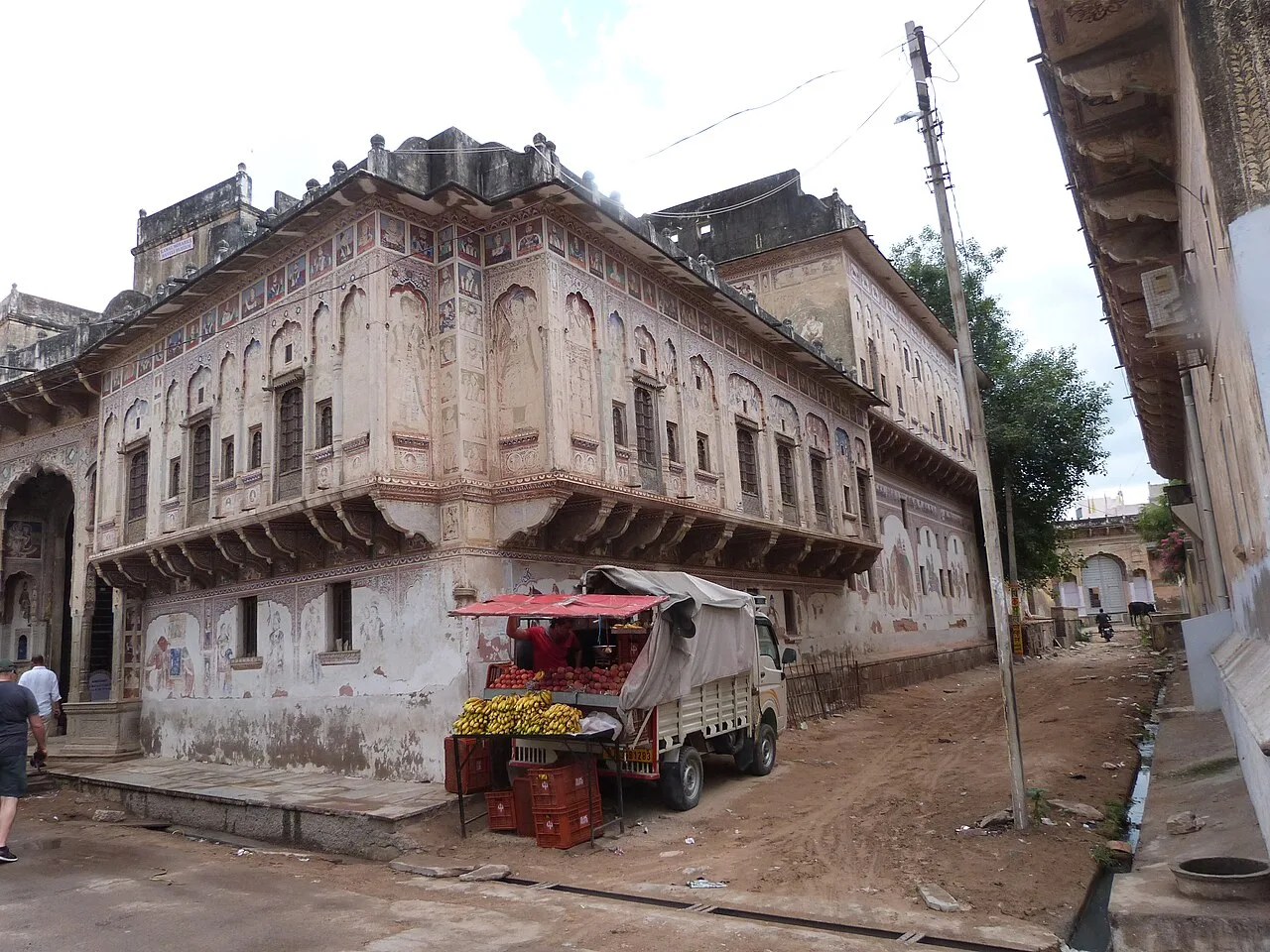
Mandawa

21 km away · Jhunjhunu district

Mandawa

Mandawa is a town in Rajasthan’s Jhunjhunu district, within the Shekhawati region. Travellers visit it as part of journeys through the region and nearby Jhunjhunu.

Nawalgarh

46 km away · Jhunjhunu district

Nawalgarh

Nawalgarh is a heritage city in Rajasthan’s Shekhawati region, within Jhunjhunu district. Visitors are drawn by its heritage character, and it is 30.5 km from Sikar and 39.2 km from Jhunjhunu.

Tal Chhapar Sanctuary

68 km away · Churu district

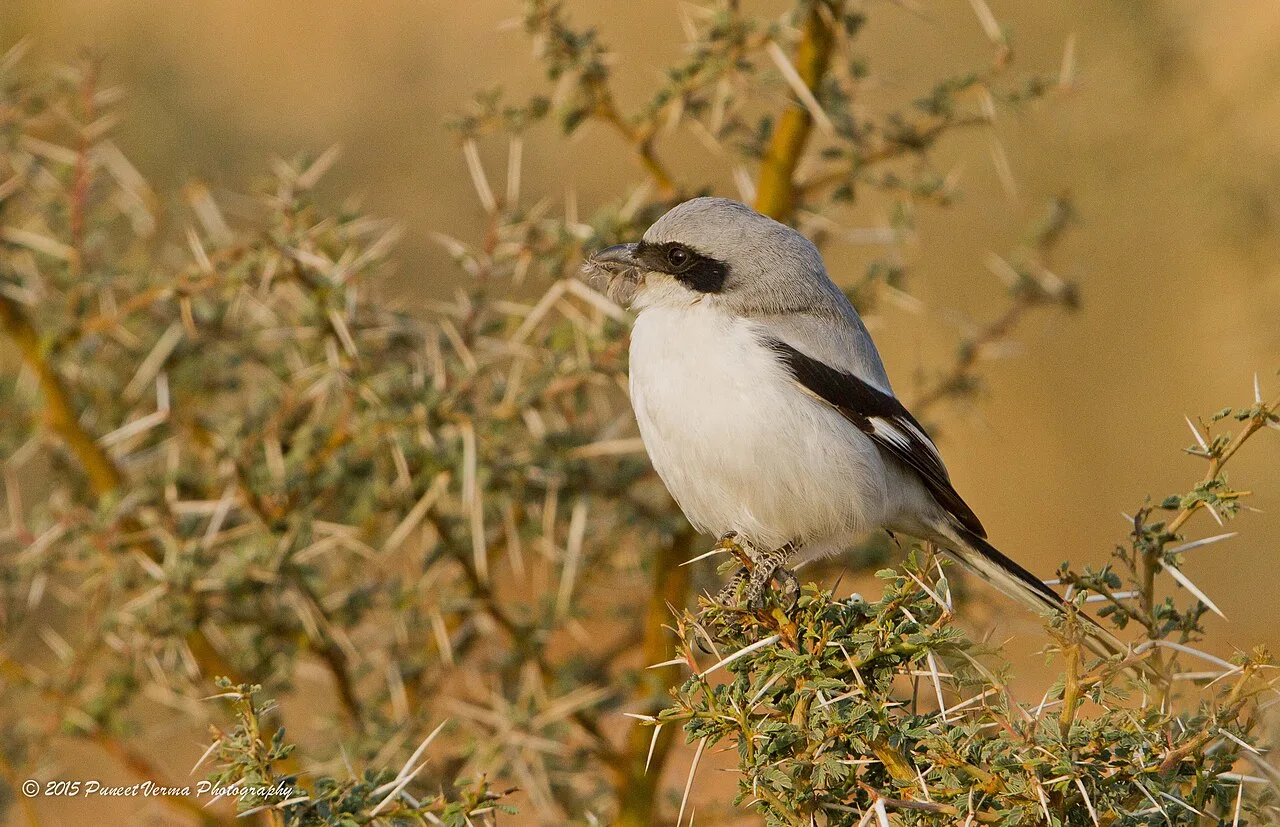
Tal Chhapar Sanctuary

Tal Chhapar is a wildlife sanctuary in Rajasthan’s Churu district, known for blackbucks and birdlife. Visitors come to see its wildlife in a setting near the Great Indian Desert.

Khatu Shyam Temple

99 km away · Sikar district

Khatu Shyam Temple

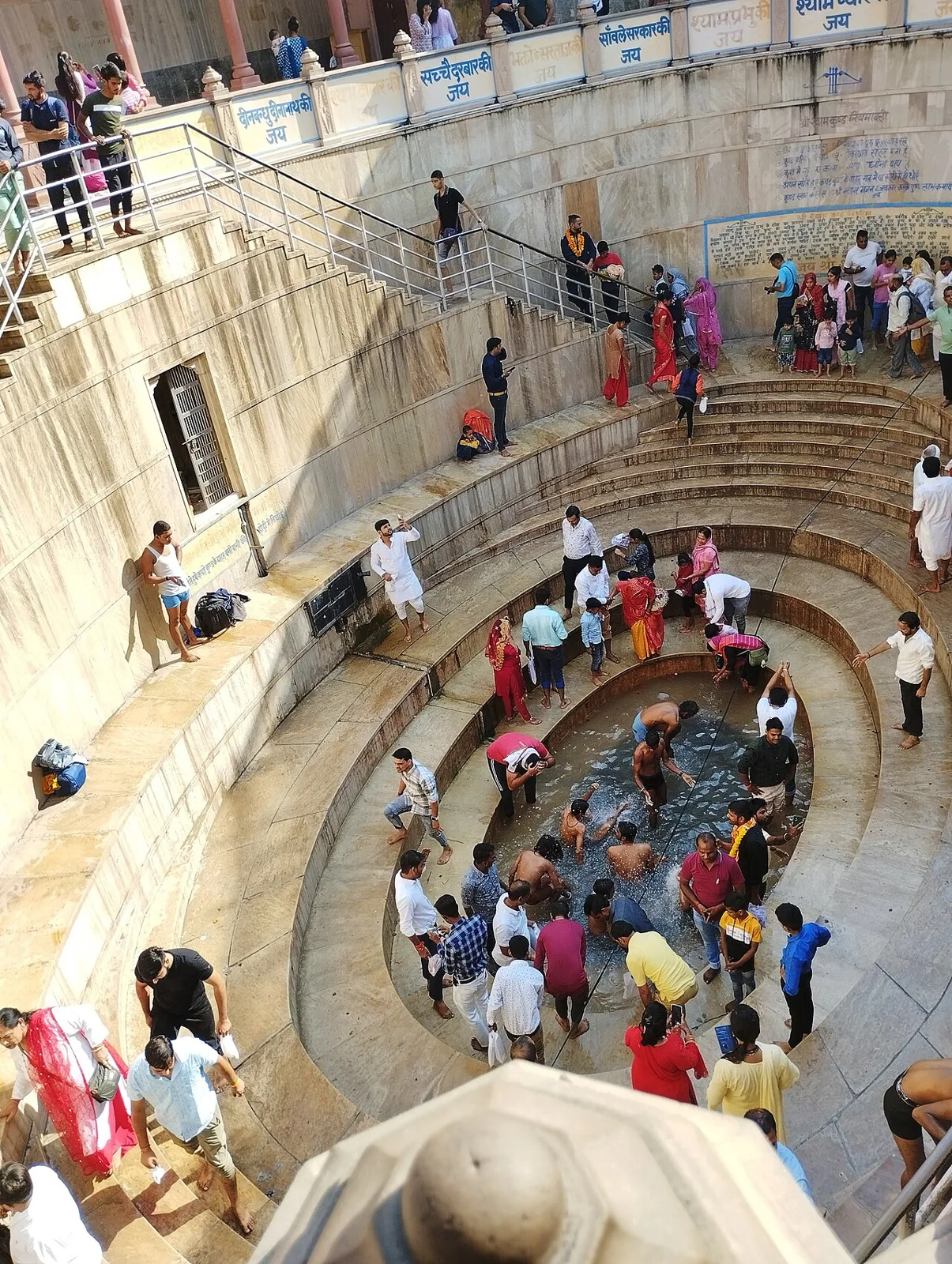
In KhatuShyamJi town, Rajasthan, this Hindu shrine honours Khatu Shyam, believed to be a divine manifestation of Barbareek from the Mahabharat. Pilgrims visit throughout the year, especially for the Falgun Mela.

Samode

135 km away · Jaipur district

Samode

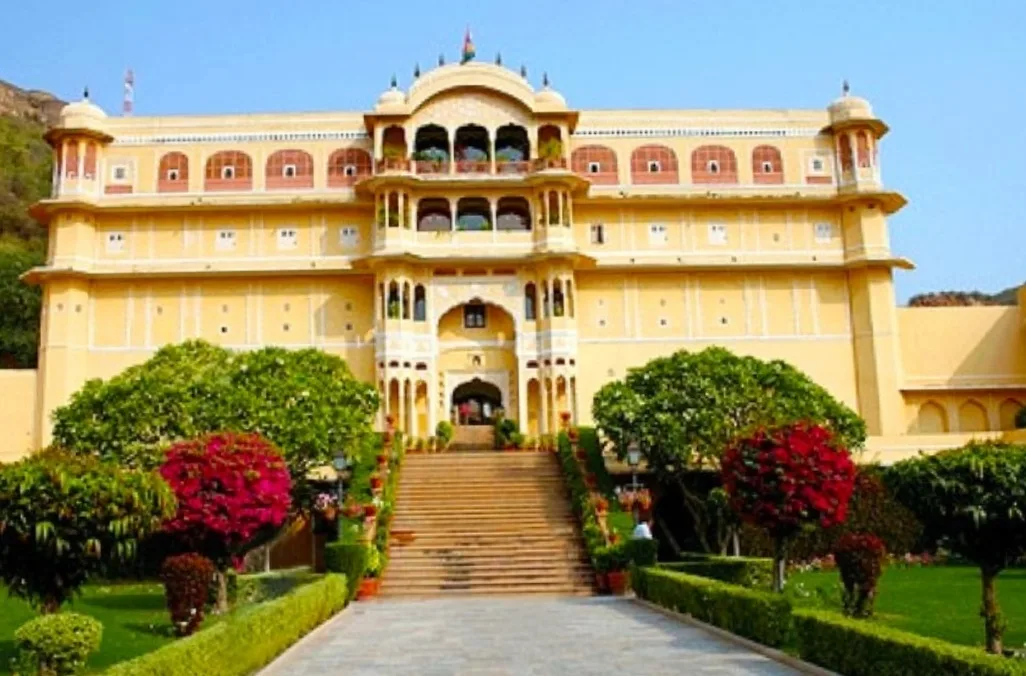
Samode is a village in Rajasthan’s Aravalli hills, north-west of Jaipur. Visitors come for its palace, haveli and garden, historic properties now operated as heritage hotels.

Sambhar Salt Lake

137 km away · Jaipur district

Sambhar Salt Lake

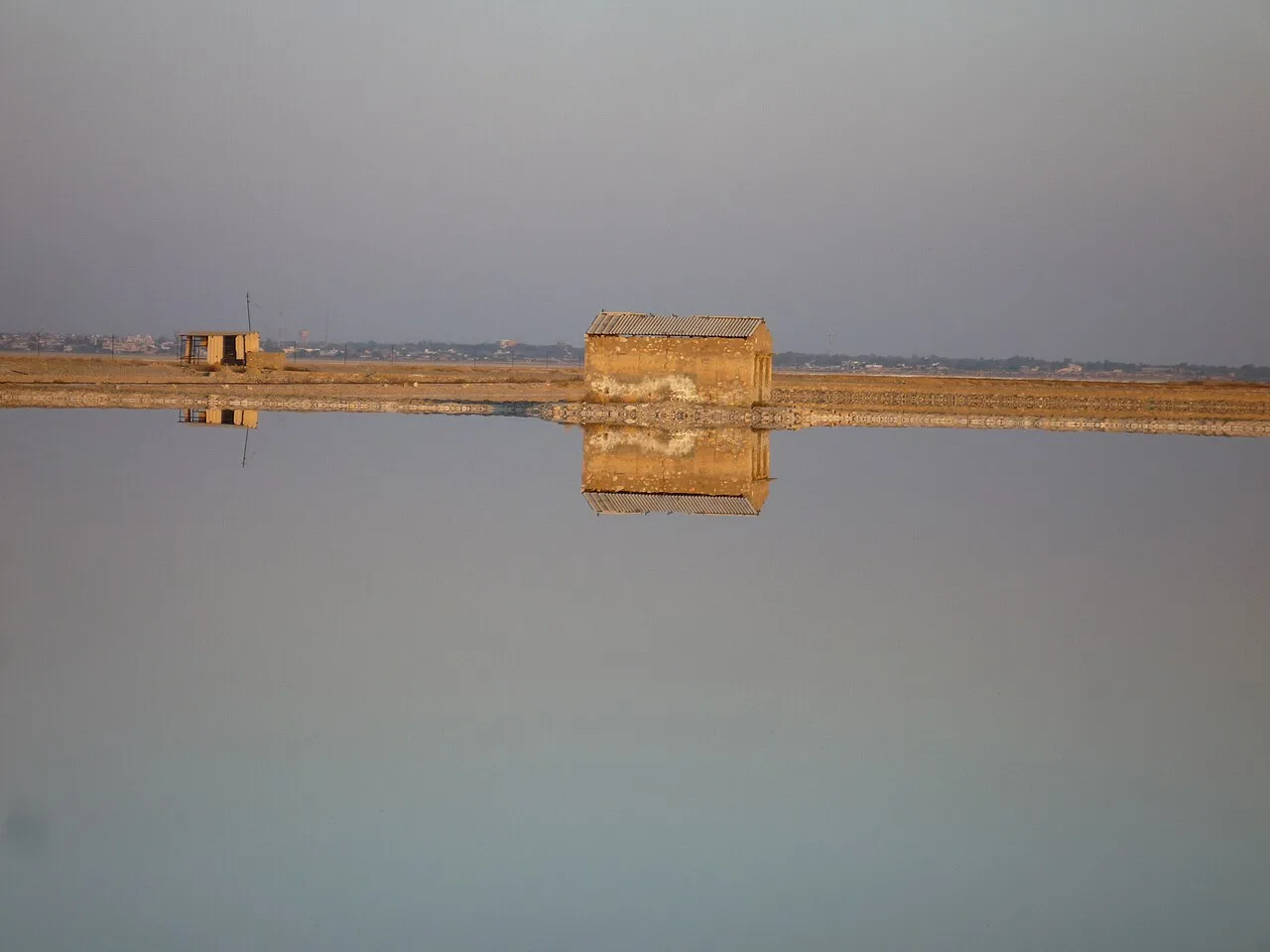
Sambhar Salt Lake is Rajasthan’s largest inland salt lake, in Jaipur district. Visitors come to see the lake and the historic settlement of Sambhar Lake Town, which it surrounds.

Amber Fort

157 km away · Jaipur district

Amber Fort

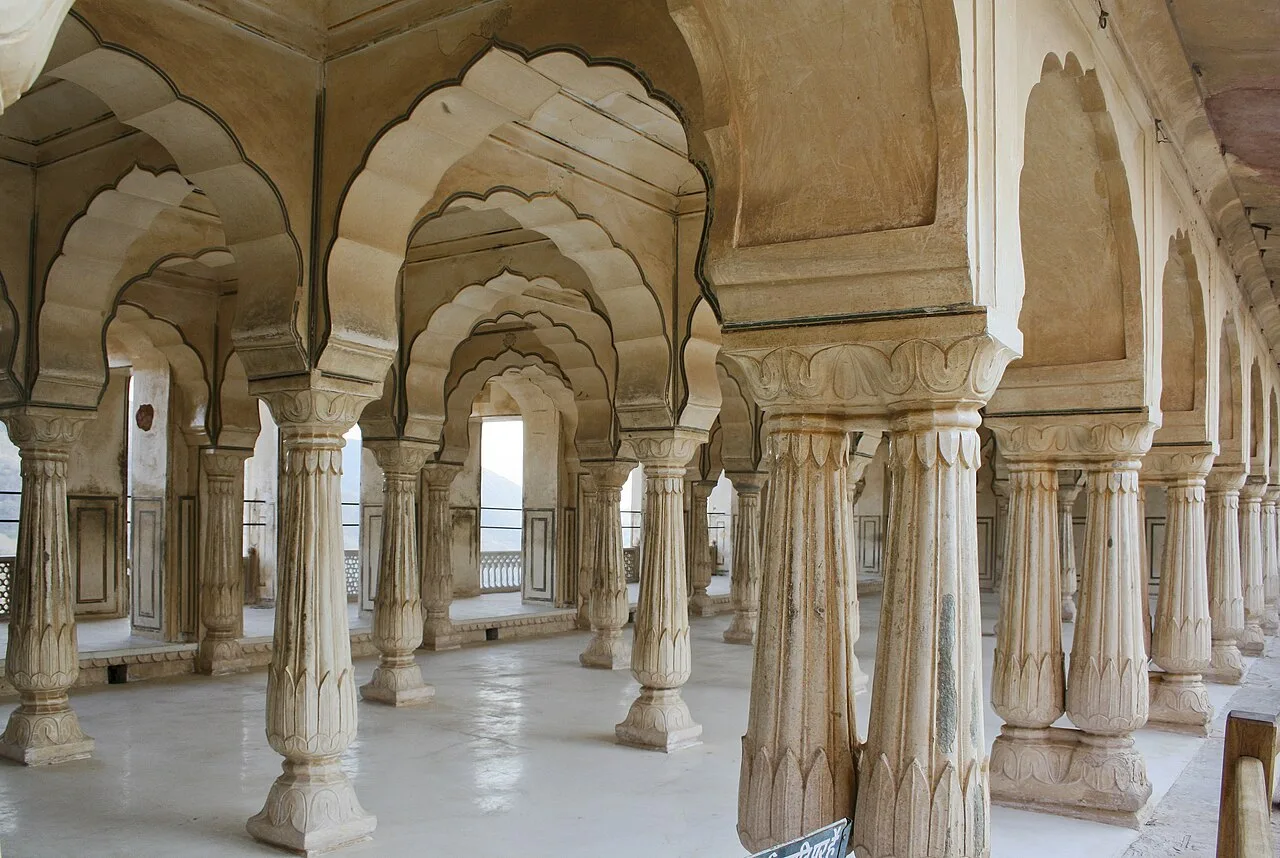
Amber Fort, also known as Amer Palace, is a hilltop fort in Amer, Rajasthan. Visitors explore its Rajput and Mughal-influenced design, palace halls and setting above Maota Lake.

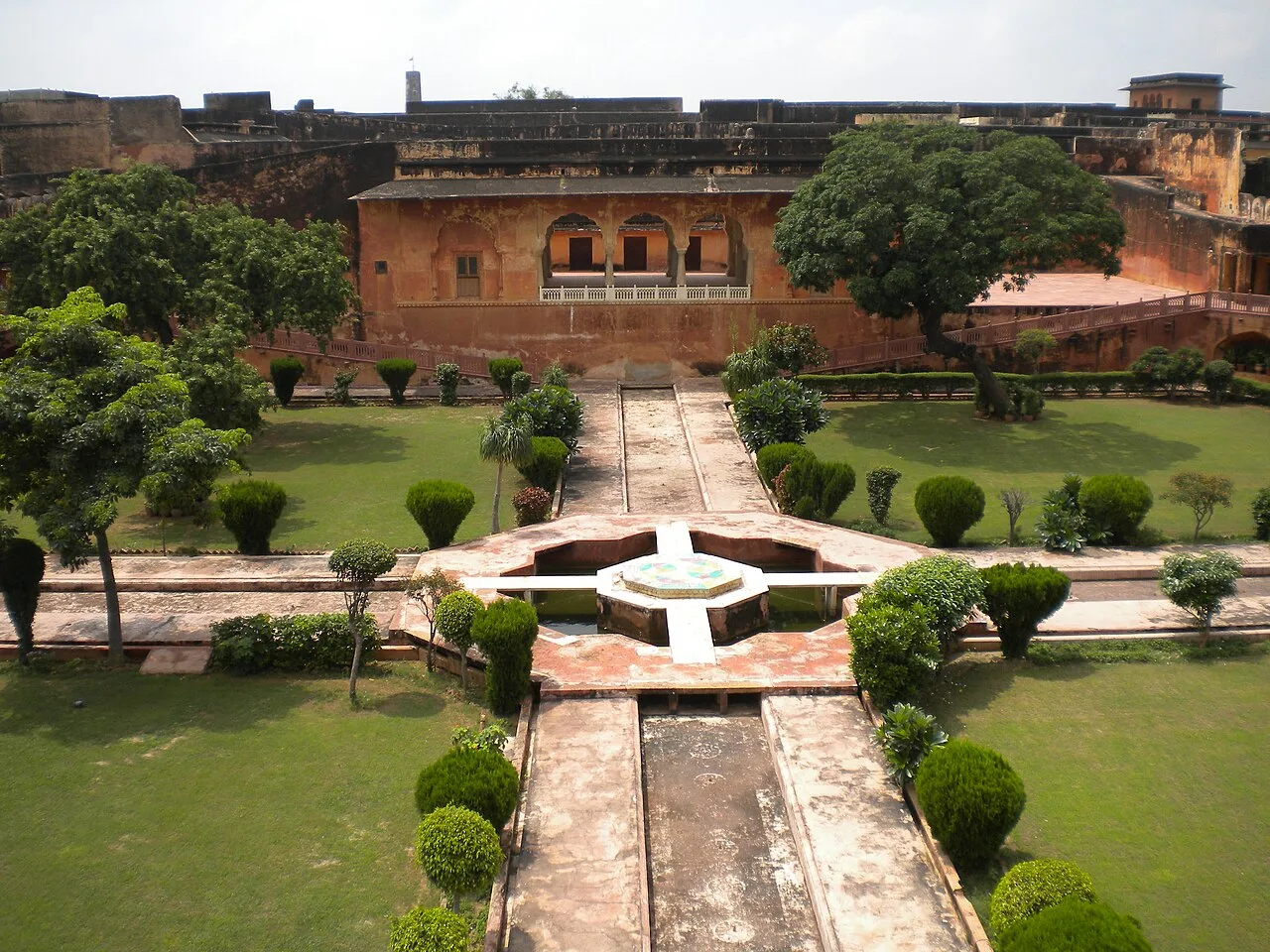
Jaigarh Fort

157 km away · Jaipur district

Jaigarh Fort

Near Amer in Rajasthan, Jaigarh Fort occupies a hilltop above Amer Fort and Maota Lake. Visitors come to see its historic fortifications, its connection to Amer Fort and the Jaivana cannon.

Map

Ramgarh on the map

  1. 1Mandawa
  2. 2Nawalgarh
  3. 3Tal Chhapar Sanctuary
  4. 4Khatu Shyam Temple
  5. 5Samode
  6. 6Sambhar Salt Lake
  7. 7Amber Fort
  8. 8Jaigarh Fort

Rajasthan

Other cities to explore