Ghumoopedia — Explore, Discover, Experience
Sign in
Mount Abu, near Abu Road

City guide · Rajasthan

Abu Road

Abu Road is a regional transport and industrial centre in southern Rajasthan, close to the Gujarat border. Set beside the West Banas River and framed by the Aravalli Range, it connects Sirohi district with cities in Rajasthan and Gujarat.

Famous for

  • Gateway to Mount Abu
  • Abu Road railway station
  • Marble and granite
  • Mineral-based industries
  • West Banas River
  • Brahma Kumaris Shantivan

Why Abu Road matters

Abu Road is a regional transport and industrial centre in southern Rajasthan, close to the Gujarat border. Set beside the West Banas River and framed by the Aravalli Range, it connects Sirohi district with cities in Rajasthan and Gujarat. Its railway station lies on the important Delhi–Ahmedabad rail route, making the city a practical arrival point for travellers heading into the region.

The best-known visitor draw nearby is Mount Abu, the hill station reached by a winding road that climbs from Abu Road. The city itself serves as a base for onward travel, supplies and services, while Shantivan, a large Brahma Kumaris centre, adds a significant spiritual presence. Abu Road also supports industries including marble and granite processing, cement, mineral grinding, steel, synthetic yarn and insulation products. Its combination of rail access, road links and industrial activity gives it importance beyond tourism: it is a working gateway between Rajasthan’s interior, the Aravallis and Gujarat.
Famous for: crafts, trade & products

Abu Road is better known for manufacturing and trade than for a signature textile, saree or handicraft tradition. Its industrial activity includes marble and granite, miniature cement plants, mineral grinding, HDPE bags, synthetic yarn, ABS resin, steel and electrical insulators. These products are associated with industrial units and trade networks rather than a dedicated visitor shopping district; access to individual factories may be restricted.

The town’s shops and markets mainly serve residents, railway passengers and people travelling to Mount Abu, with everyday goods, food and travel necessities. Visitors looking for Rajasthan handicrafts, textiles or regionally distinctive products will generally find a wider selection in larger tourist centres rather than treating Abu Road as a specialist craft market. There is no widely recognised Abu Road GI-tagged product or locally celebrated saree tradition to seek out. Marble and granite are prominent local industries, but buying stone is usually a trade or project purchase rather than a casual souvenir. For a sense of the city’s commercial character, explore the central market and the areas around the railway station; for industrial products, enquiries are best directed to businesses or suppliers rather than retail stalls.

History

Before it became known as Abu Road, the settlement was called Kharadi. Its development was closely tied to the route into the Aravallis and the rise of rail travel. In 1845, during the rule of Maharao Shiv Singh of Sirohi, a road was built to connect the plains with Mount Abu. This helped make the hill station more accessible from the south.

A railway station was established here by the Rajputana–Malwa Railway in 1880 and given the name Abu Road. The station linked the area to a wider rail network and helped the town grow as a transport stop and service centre. In the decades that followed, its position on the main route between Delhi and Ahmedabad strengthened its role in passenger and goods movement. As the surrounding region developed, Abu Road also became an industrial centre, with mineral processing and manufacturing adding to its transport-based economy. Today it serves as a sub-district headquarters and an important gateway for Sirohi district and Mount Abu.

Food, festivals & culture

Daily life in Abu Road reflects its position near the Rajasthan–Gujarat border. Hindi is widely used, alongside Rajasthani varieties and Gujarati. Food commonly draws on the vegetarian cooking of the region: dal baati churma, gatte ki sabzi, rotis and seasonal vegetables are familiar choices. Sweets such as ghewar and jalebi are enjoyed around festive occasions, though Abu Road is not especially known for a distinct local dish.

Holi and Diwali bring community celebrations, while Navratri in autumn is marked by devotional gatherings and, in the wider region, Gujarati-influenced garba. Gangaur and Teej are also observed in the Rajasthani calendar, particularly by local families. Folk music and dances such as ghoomar form part of the broader regional cultural repertoire. Hindu temples serve neighbourhood worship, and Shantivan near the city is an important centre for Brahma Kumaris meditation and spiritual activities. Mount Abu’s Dilwara Jain temples and the Ambaji pilgrimage centre in neighbouring Gujarat are significant places of worship within reach for visitors making regional excursions.

Visiting the city

October to March is generally the most comfortable season to visit, with cooler conditions for exploring the town and travelling up to Mount Abu. Summer can be hot in the lower-lying city, while the monsoon brings greener hills but may affect road journeys. Maharana Pratap Airport at Udaipur is the nearest major airport; Ahmedabad is another option. Abu Road railway station is the main rail arrival point, with services on the Delhi–Ahmedabad route.

Auto-rickshaws and taxis are useful for getting around town, and taxis or buses can take visitors up the hill to Mount Abu, about 27 km away. Explore the central market and railway-station area for everyday local activity, or visit Shantivan. The West Banas river setting offers a quieter contrast to the transport and industrial districts.

Trips from the city

Nearest places to visit from Abu Road

Our closest destination guides, by straight-line distance.

Mount Abu

15 km away · Sirohi district

Mount Abu

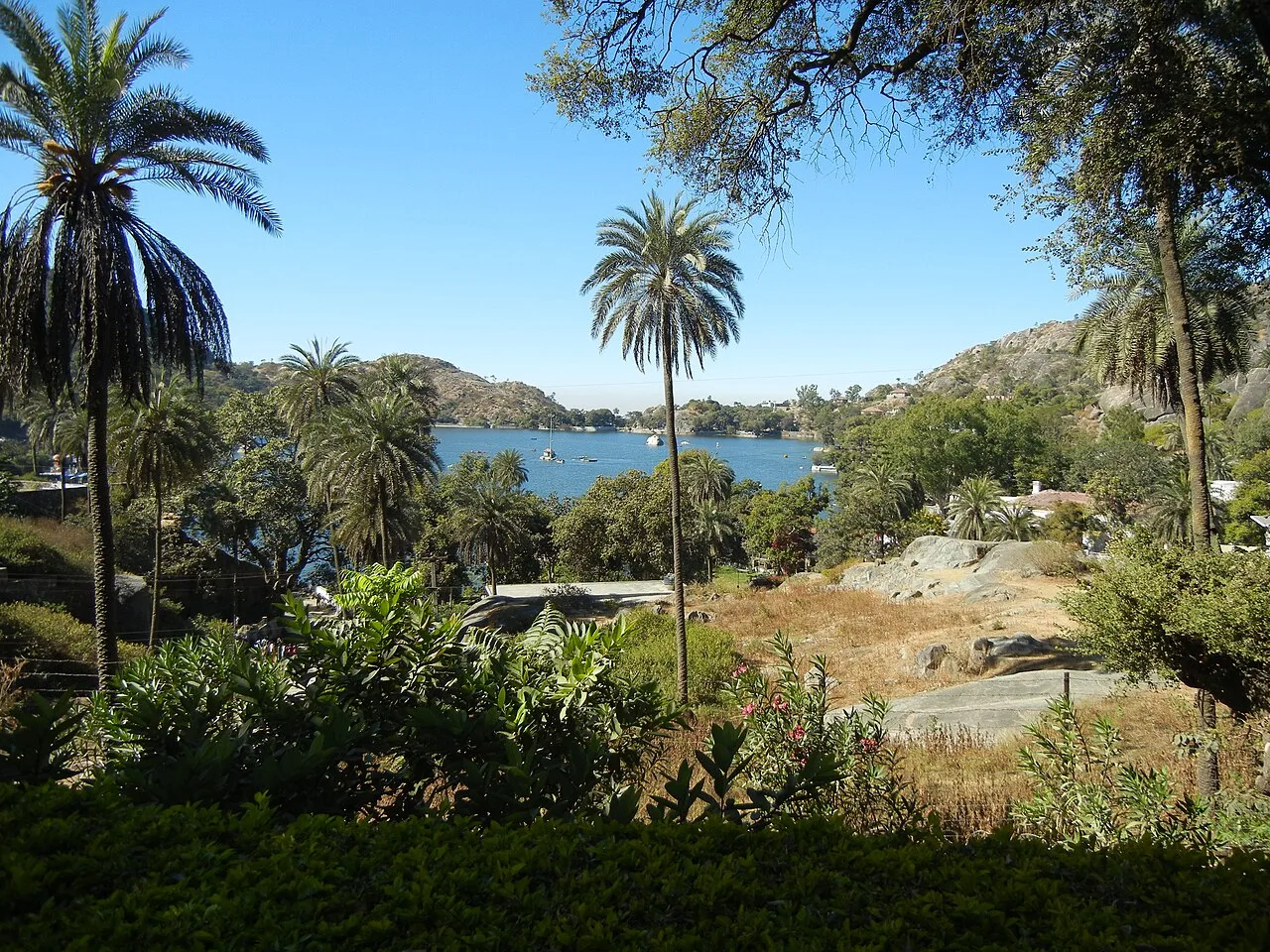
In Rajasthan’s Sirohi district, Mount Abu, also known as Abu Raj, is a hill station on a rocky plateau. Visitors come for its water features, evergreen forests and Hindu and Jain temples.

Nakki Lake

15 km away · Sirohi district

Nakki Lake

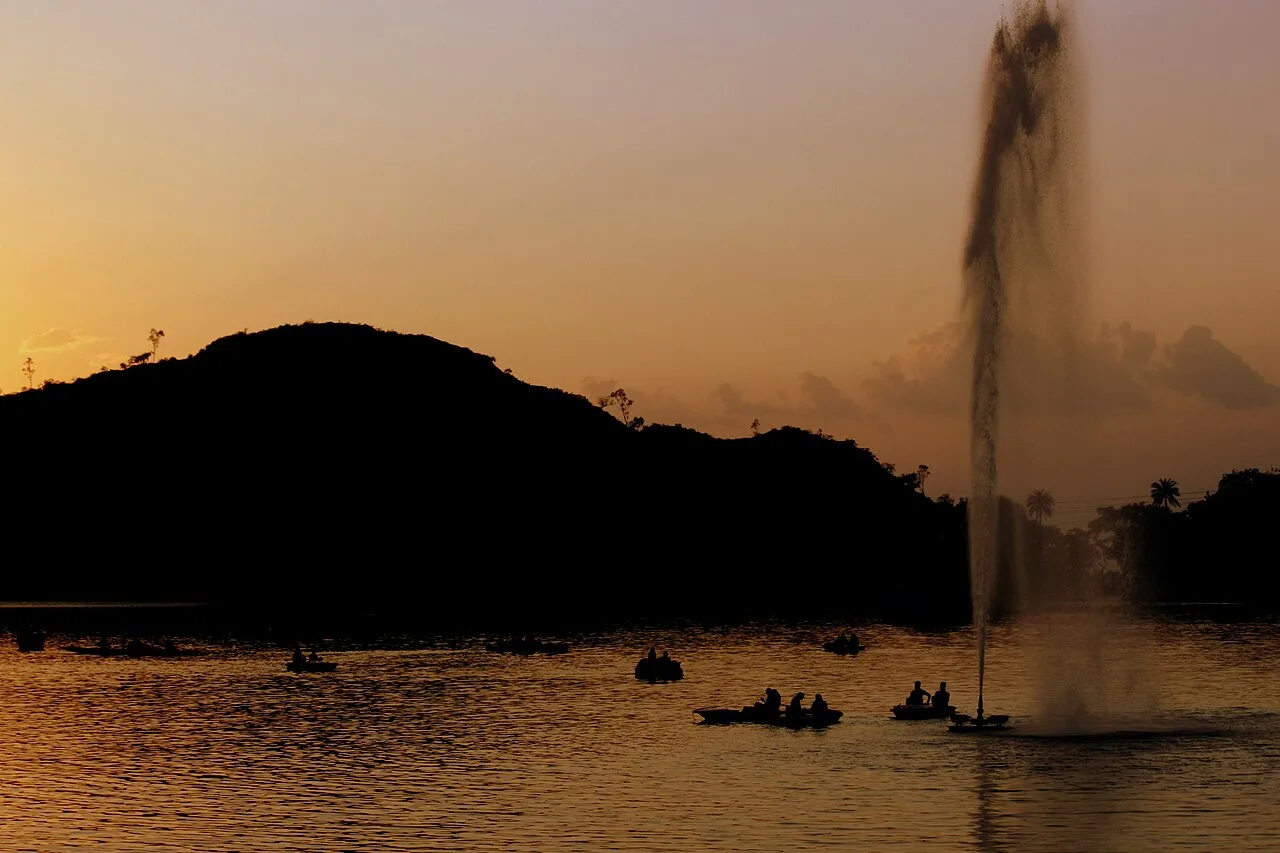
Nakki Lake is a lake at Mount Abu, a hill station in Rajasthan’s Sirohi district and the Aravalli range. Visitors come to see it while spending time at Mount Abu.

Dilwara Temples

16 km away · Sirohi district

Dilwara Temples

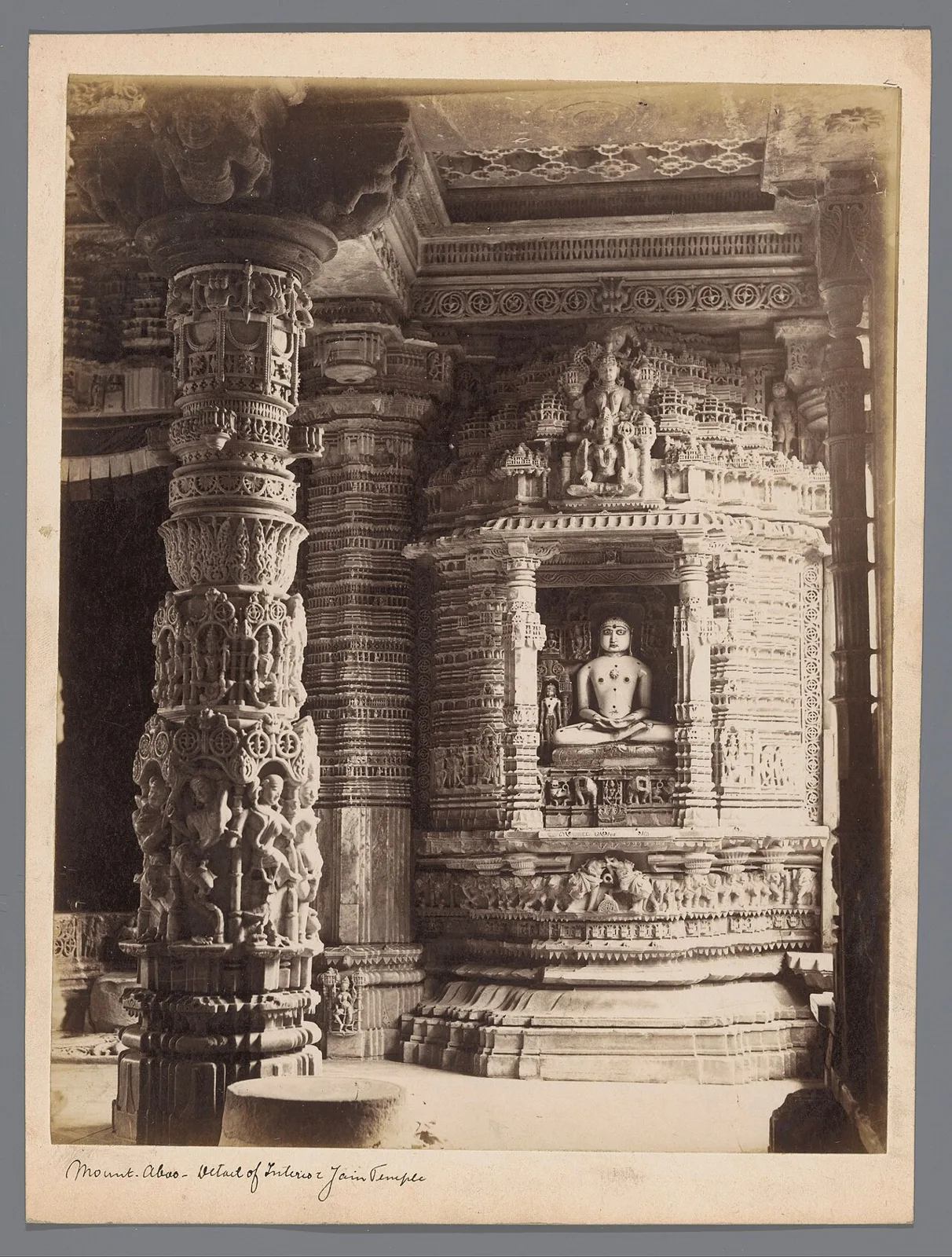
Dilwara Temples are a Śvetāmbara Jain complex near Mount Abu, Rajasthan, visited for pilgrimage and admired for their carved marble architecture.

Guru Shikhar

19 km away · Sirohi district

Guru Shikhar

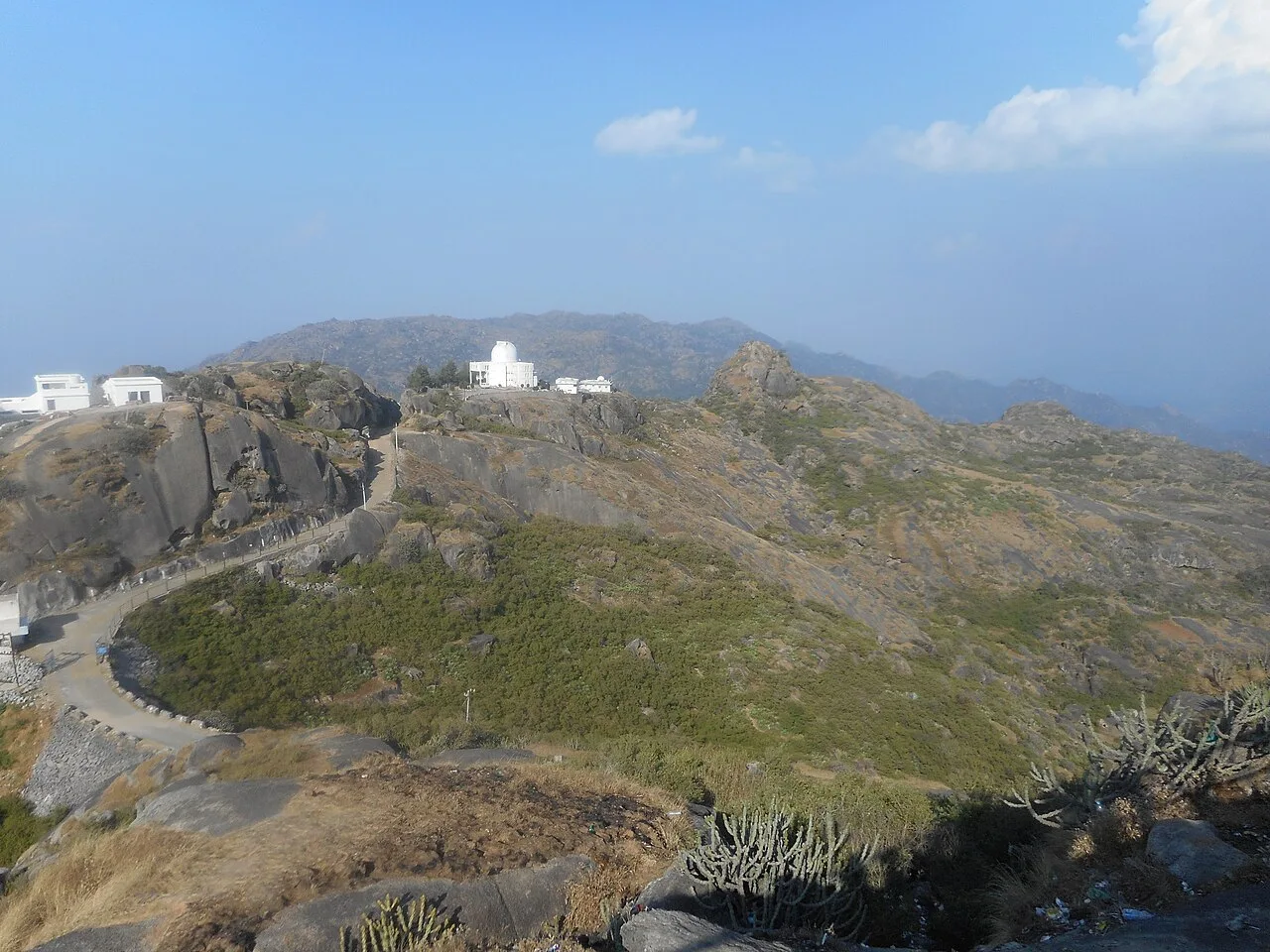
Guru Shikhar is a 1,722-metre summit in Rajasthan’s Arbuda Mountains, valued as the Aravalli Range’s highest point and visited for its hilltop shrines and nearby astronomical observatory.

Monsoon Palace

88 km away · Udaipur district

Monsoon Palace

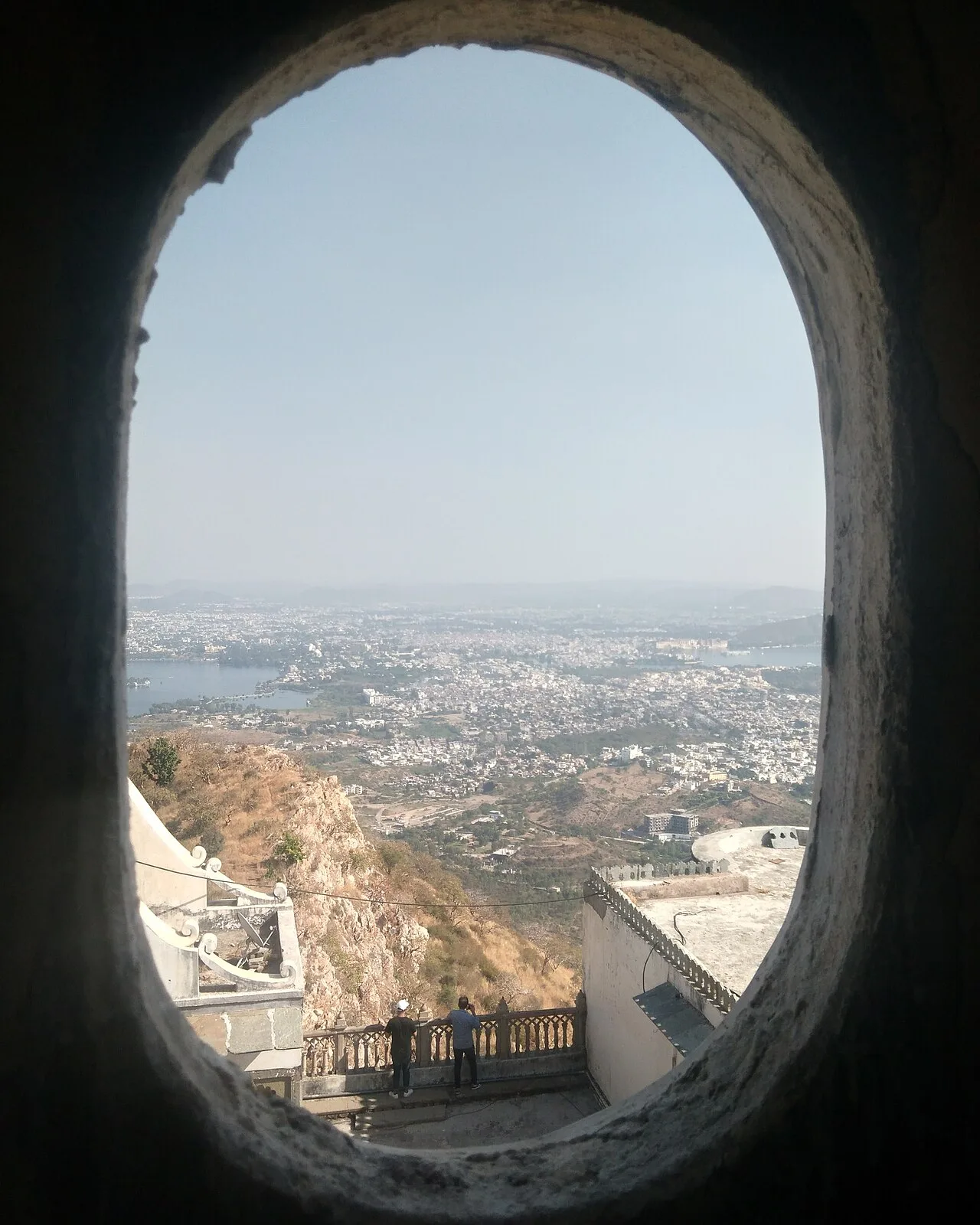
Above Udaipur in Rajasthan, Monsoon Palace, also known as Sajjangarh, was built for Maharana Sajjan Singh. Visitors come for its outlook over lakes, palaces and countryside, and for sunset views.

Fateh Sagar Lake

91 km away · Udaipur district

Fateh Sagar Lake

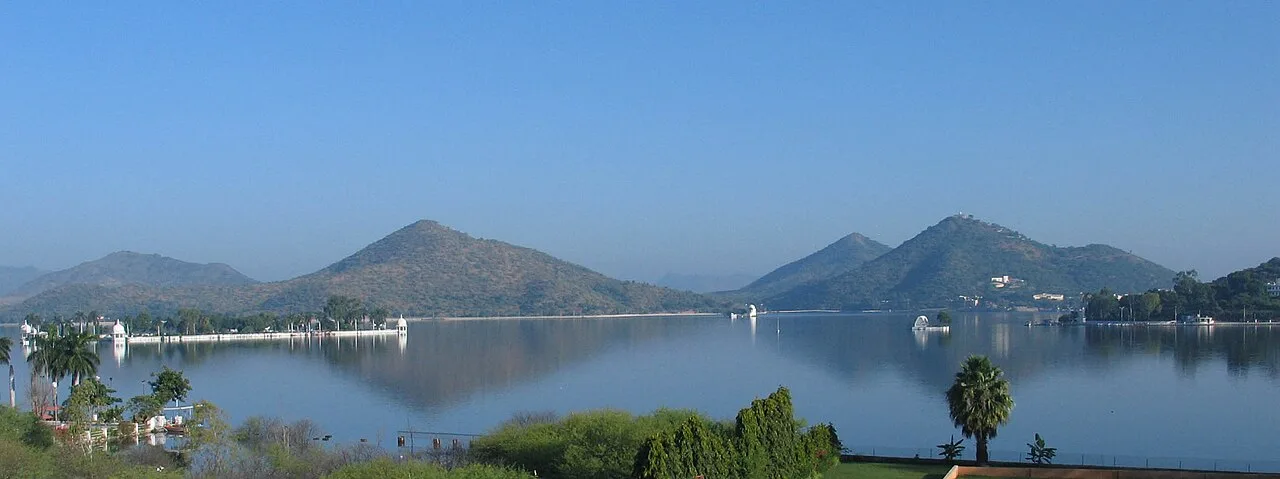
Fateh Sagar Lake is an artificial lake in Udaipur, Rajasthan. Visitors come to see its three islands, including parkland and the Udaipur Solar Observatory, while the lake also serves several water needs.

Jag Mandir Palace

91 km away · Udaipur district

Jag Mandir Palace

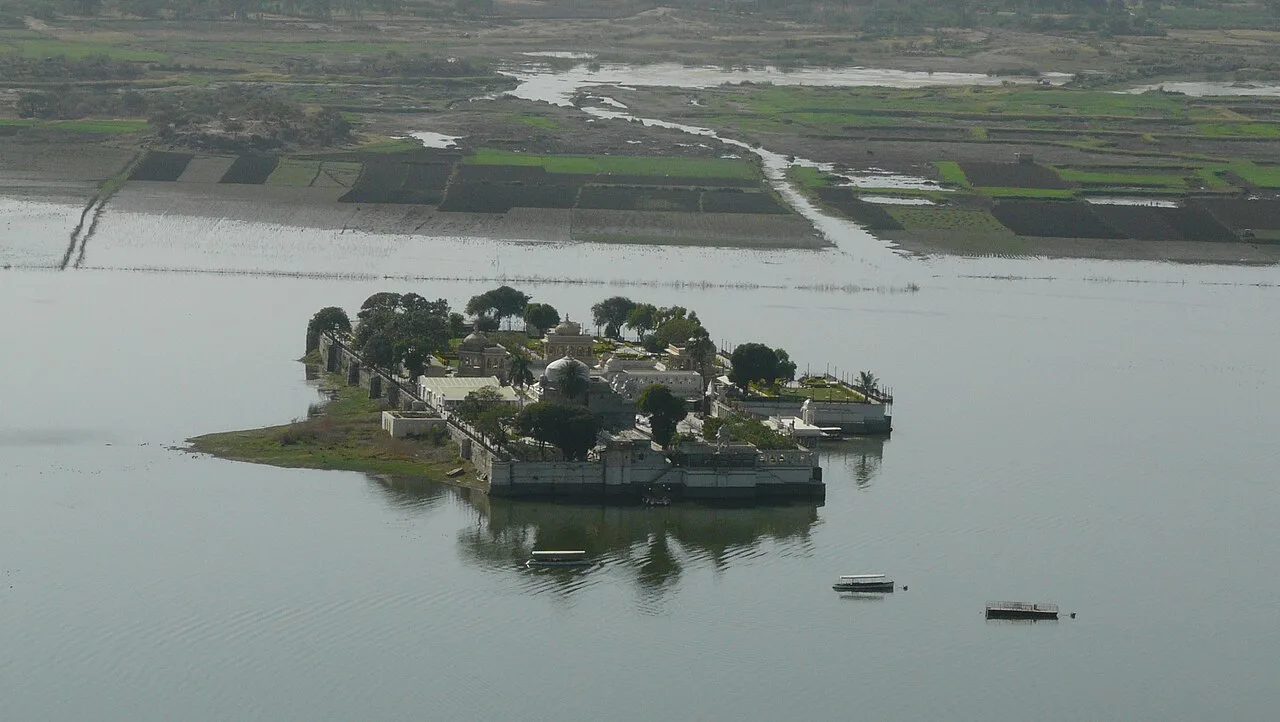
Set within Lake Pichola in Udaipur, Jag Mandir Palace is a royal island residence. Visitors are drawn to its history, Mughal-influenced design and past as a retreat, celebration venue and place of refuge.

Lake Palace

91 km away · Udaipur district

Lake Palace

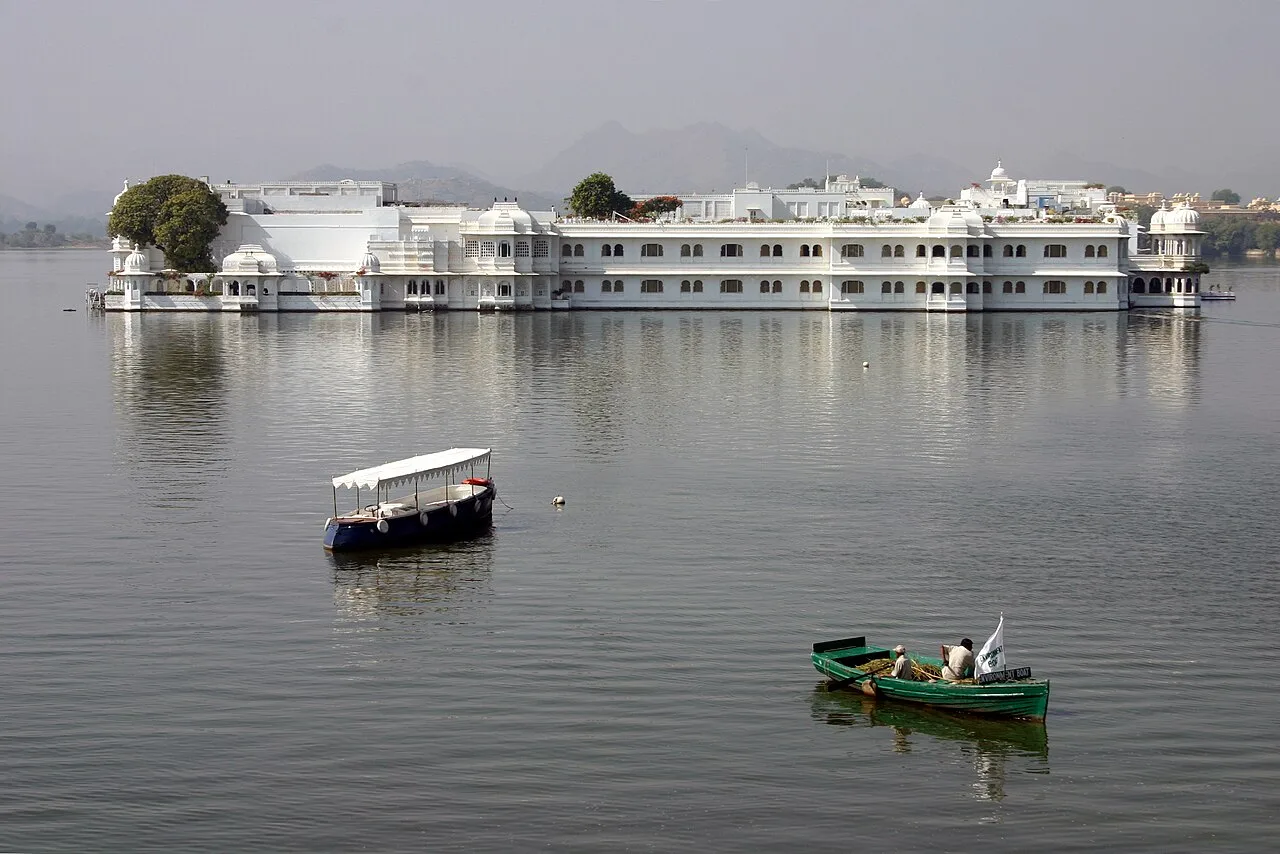
Lake Palace is a former Mewar royal summer residence on an island in Udaipur’s Lake Pichola, now a hotel. Visitors recognise it for its lake setting and appearances in several hit films.

Map

Abu Road on the map

  1. 1Mount Abu
  2. 2Nakki Lake
  3. 3Dilwara Temples
  4. 4Guru Shikhar
  5. 5Monsoon Palace
  6. 6Fateh Sagar Lake
  7. 7Jag Mandir Palace
  8. 8Lake Palace

Rajasthan

Other cities to explore