Ghumoopedia — Explore, Discover, Experience
Sign in
Adhai Din Ka Jhonpra, near Ajmer

City guide · Rajasthan

Ajmer

Set in a valley of the Aravalli Range, Ajmer is an administrative centre for Rajasthan and an important meeting point of pilgrimage, history and regional travel. Its best-known draw is the Dargah of Sufi saint Khwaja Moinuddin Chishti, visited throughout the year and especially busy during the annual Urs.

Famous for

  • Khwaja Moinuddin Chishti Dargah
  • Adhai Din Ka Jhonpra
  • Taragarh Fort
  • Ana Sagar Lake
  • Ajmer Sohan Halwa

Why Ajmer matters

Set in a valley of the Aravalli Range, Ajmer is an administrative centre for Rajasthan and an important meeting point of pilgrimage, history and regional travel. Its best-known draw is the Dargah of Sufi saint Khwaja Moinuddin Chishti, visited throughout the year and especially busy during the annual Urs. The old city’s mosques, gateways and bazaars sit alongside landmarks such as Adhai Din Ka Jhonpra, while Ana Sagar Lake and the hilltop remains of Taragarh offer a different view of the city.

Ajmer’s central location makes it a useful base for visiting nearby Pushkar as well as other parts of Rajasthan. It is also known for its educational institutions, including Mayo College, and for its role in rail and public administration. The city combines a living pilgrimage tradition with layers of Rajput, Mughal and colonial history, giving visitors reasons to linger beyond a brief stop at the Dargah.
Famous for: crafts, trade & products

Ajmer is better known for pilgrimage, trade and services than for a single signature textile or craft. Its bazaars offer Rajasthani garments, embroidered fabrics, jewellery, footwear and household handicrafts, alongside goods used by visitors to the Dargah. Around Dargah Bazaar, stalls and shops sell chadars, prayer beads, incense and other devotional items. Naya Bazaar and Kaiserganj are useful areas to browse for everyday shopping and local merchandise. Ajmer is not especially identified with a widely recognised GI-tagged textile or craft of its own.

Food shops are part of the city’s trading identity: Ajmer Sohan Halwa is a popular sweet to seek out, while bakeries and snack shops sell regional savouries. The city also has a longstanding railway engineering and repair presence, as well as commercial activity serving the surrounding district. For a mix of souvenirs and practical shopping, explore the lanes around the Dargah and the busier central markets; compare quality and ask shopkeepers about materials and origins when buying handicrafts.

History

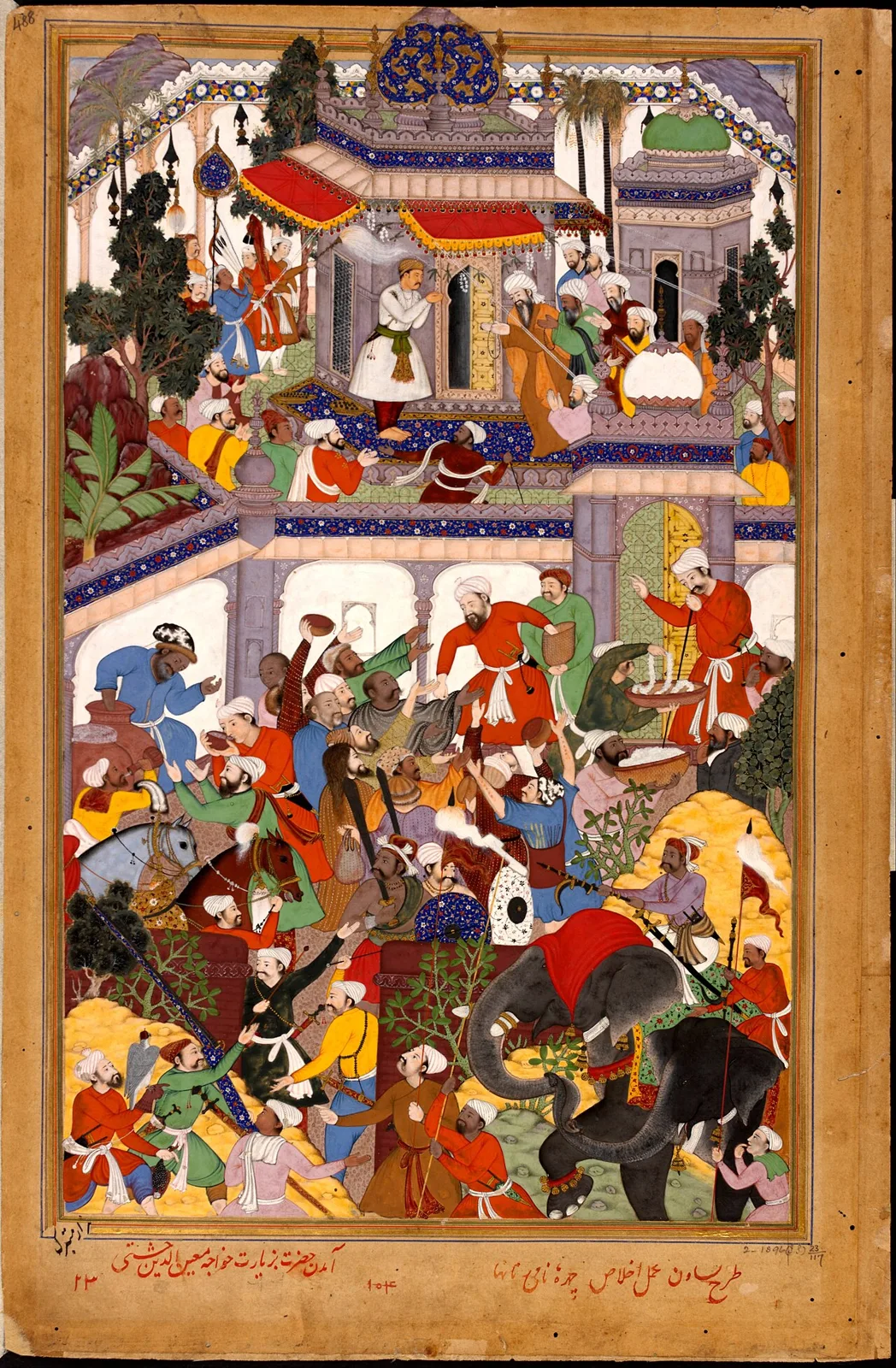
Ajmer’s origins are associated with the Chahamana rulers and the name Ajayameru, often interpreted as “invincible hill” in reference to Taragarh. The city developed as a Chahamana stronghold and capital, with its early history linked to the hill fort. It came under Ghurid control in the late 12th century, later passed among Rajput powers, and was conquered by the Mughal emperor Akbar in 1556. Mughal patronage brought buildings and investment, while the Dargah made Ajmer an important destination for rulers and pilgrims.

The Scindias took control in the 18th century, followed by the British in 1818. Under colonial rule, Ajmer became the centre of Ajmer-Merwara, with administrative, military and railway functions. After independence it remained a separate state before joining Rajasthan in 1956. Today it serves as the headquarters of Ajmer district and division, and its historic core sits alongside modern civic, educational and transport institutions.

Food, festivals & culture

Ajmer’s food reflects Rajasthan’s hearty everyday cooking and its busy pilgrimage markets. Kachori and other fried snacks are common breakfast or tea-time choices; dal baati churma is a familiar regional meal, and Ajmer Sohan Halwa is a well-known sweet associated with the city. Hindi and Rajasthani varieties are widely spoken, with Urdu also heard in the old city and around the Dargah.

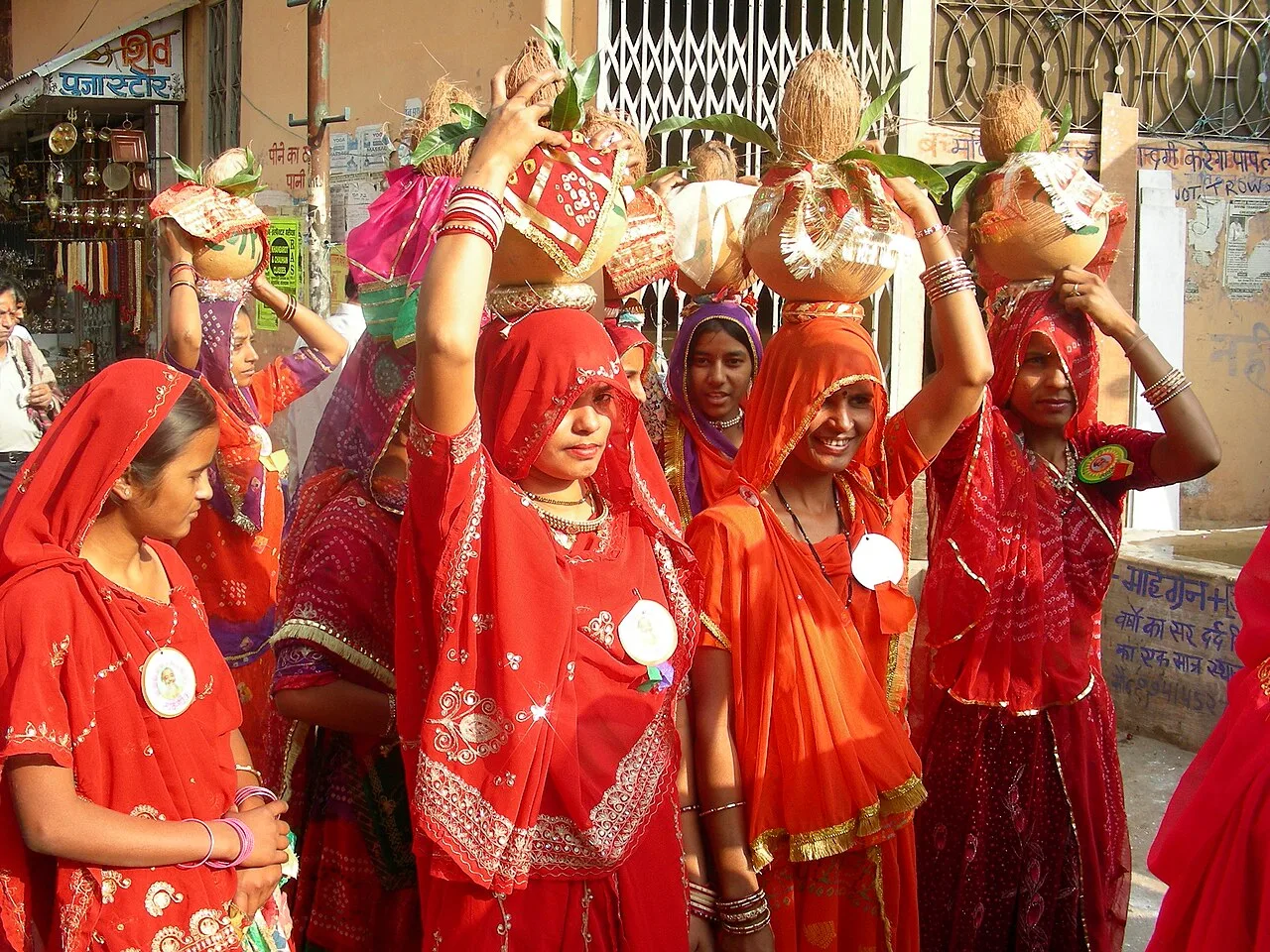
The annual Urs at the Dargah commemorates Khwaja Moinuddin Chishti and draws pilgrims from across India; its timing follows the Islamic lunar calendar. Ramadan and Eid are important in the city, while Holi, Diwali, Teej and Gangaur are also observed. Sufi devotional music, including qawwali, is closely connected with the Dargah. Places of worship range from the Dargah and Adhai Din Ka Jhonpra to Jain temples, including Soniji Ki Nasiyan. Ghoomar and other Rajasthani dance traditions are part of the wider regional culture.

Visiting the city

October to March is generally the most comfortable season for exploring Ajmer, with milder days than the hot months before the monsoon. Summer can be very hot, while June to September brings most of the rain. Kishangarh Airport is the nearest airport; Jaipur International Airport is another option, with a broader range of connections. Ajmer Junction is the city’s main railway station.

Auto-rickshaws, taxis and local buses are useful for getting between the station, the old city and lakeside areas. The Dargah Bazaar and surrounding old-city lanes are best explored on foot, allowing extra time for crowds and narrow streets. Visit Ana Sagar and its promenade for open views, and consider Civil Lines for a quieter contrast. Taragarh is reached by road from the city and involves time on a hill route.

Trips from the city

Nearest places to visit from Ajmer

Our closest destination guides, by straight-line distance.

Adhai Din Ka Jhonpra

1 km away · Ajmer district

Adhai Din Ka Jhonpra

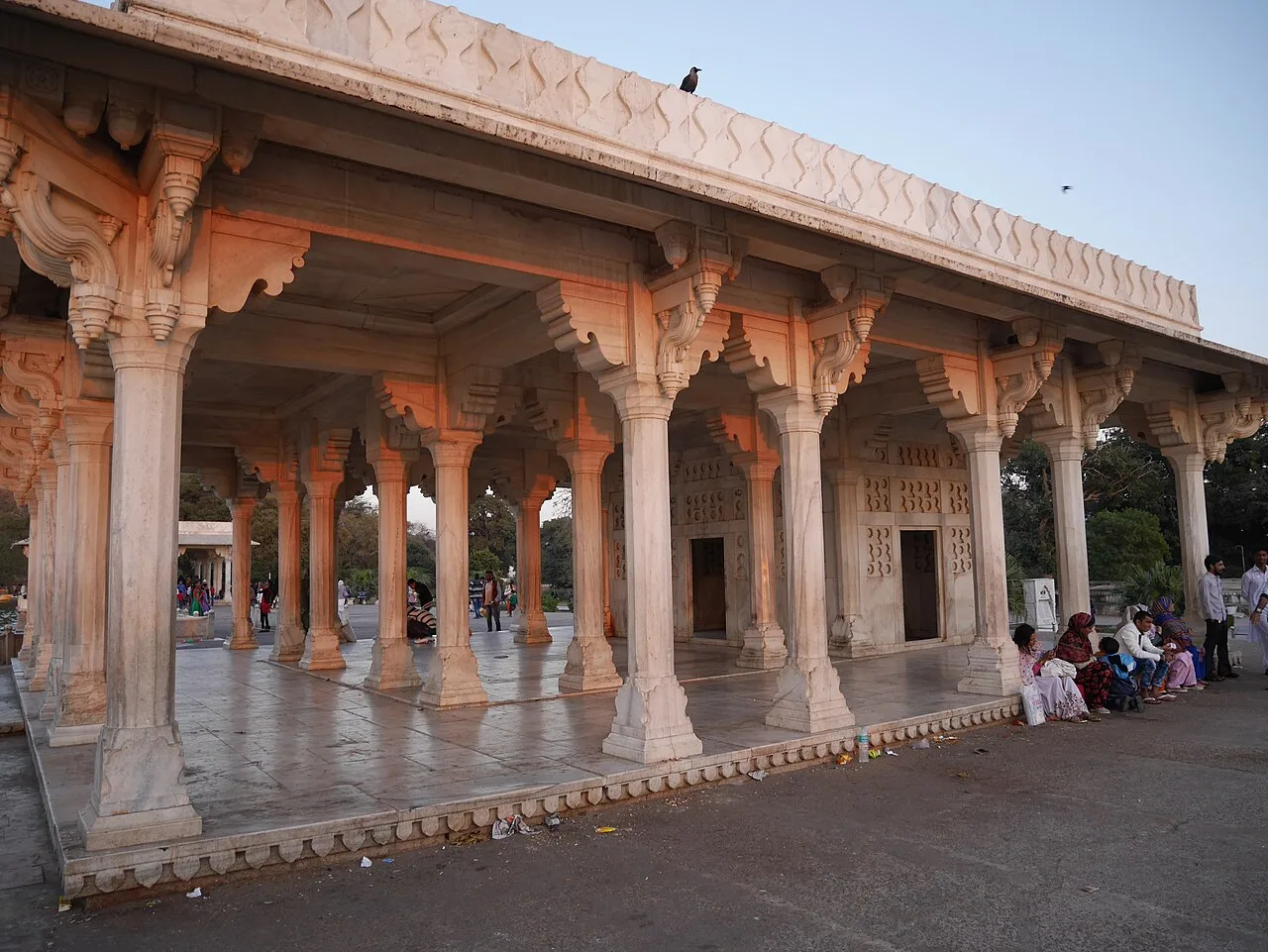
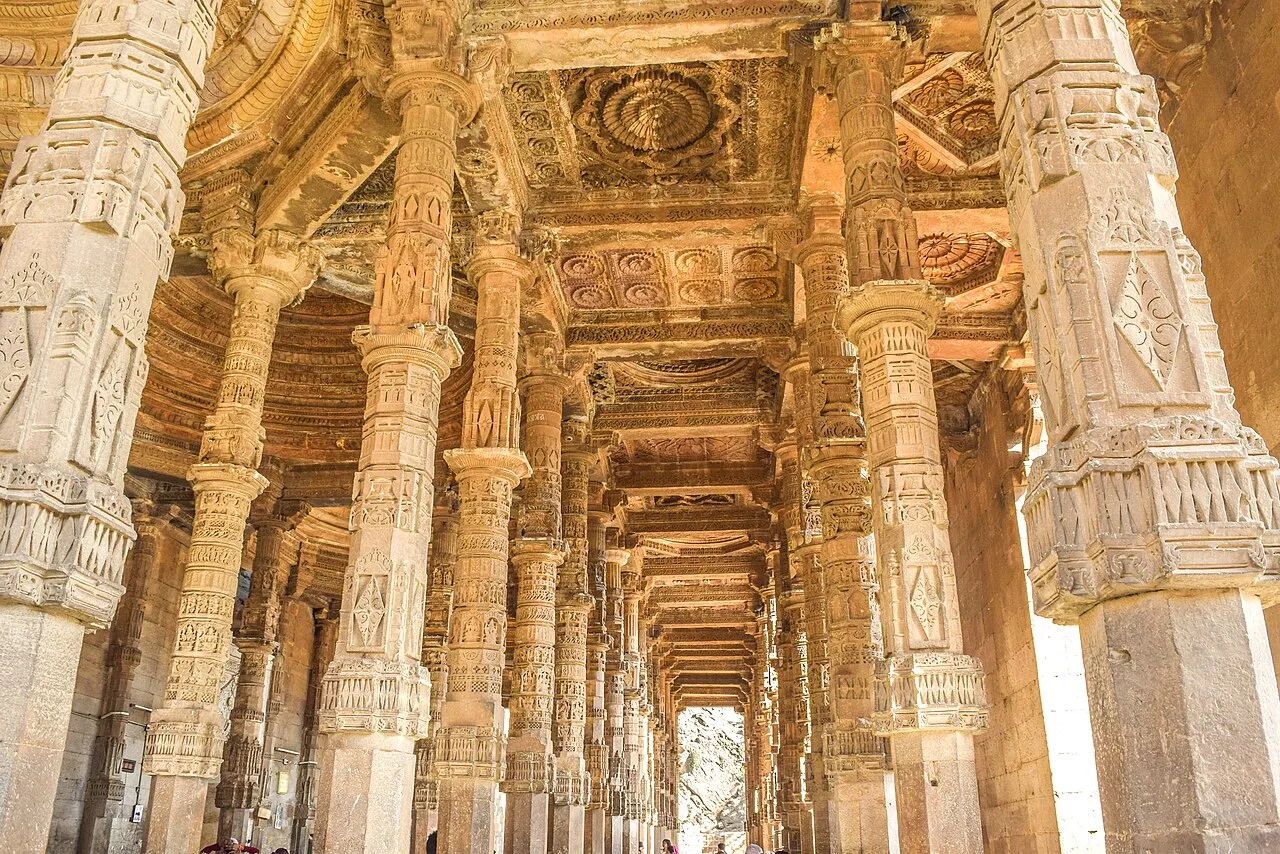
This former mosque in Ajmer, Rajasthan, is among India’s oldest mosques and the city’s oldest surviving monument. Visitors come to see its early Indo-Islamic design and its Hindu, Jain and Islamic architectural elements.

Shrine of Mu'in al-Din Chishti

1 km away · Ajmer district

Shrine of Mu'in al-Din Chishti

A Sufi pilgrimage complex in Ajmer, Rajasthan, centred on Mu'in al-Din Chishti’s shrine and including tombs and a mosque. Sunni Muslims visit in large numbers, particularly for Chishti’s urs.

Taragarh Fort, Ajmer

2 km away · Ajmer district

Taragarh Fort, Ajmer

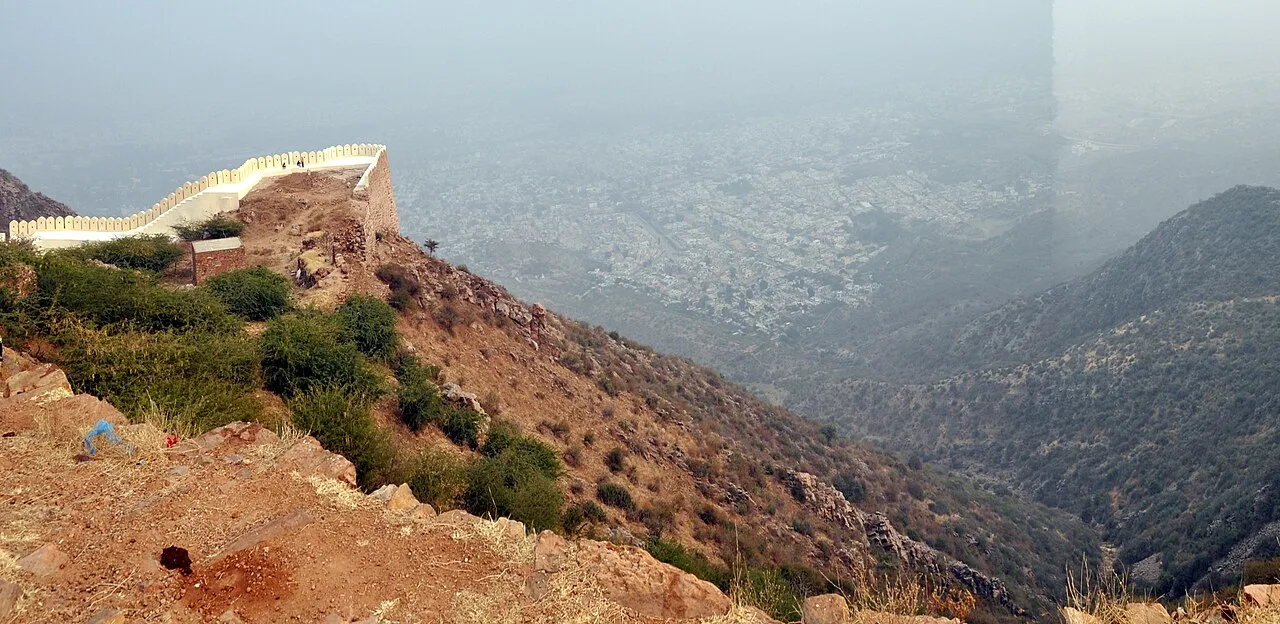
Set on a steep slope in Ajmer, Rajasthan, Taragarh Fort is a historic stronghold associated with the Parmar Rajputs and Ajayaraja Chauhan. Visitors come to see the fortress and learn about its earlier name, Ajaymeru Durg.

Ana Sagar Lake

3 km away · Ajmer district

Ana Sagar Lake

Ana Sagar is a man-made lake in Ajmer, Rajasthan, associated with its builder Arnoraja, also called Ana. Visitors come to see this historic water body, which extends across 13 km.

Brahma Temple

9 km away · Ajmer district

Brahma Temple

Located in Pushkar, Rajasthan, the Brahma Temple is a Hindu shrine near Pushkar Lake and among India’s few temples for Brahma. Pilgrims especially gather there on Kartik Poornima.

Pushkar

9 km away · Ajmer district

Pushkar

Pushkar is a historic pilgrimage town in Rajasthan, centred on a sacred lake and temples, including one of the few shrines to Brahma. Visitors come for worship, ritual bathing and its heritage.

Pushkar Lake

9 km away · Ajmer district

Pushkar Lake

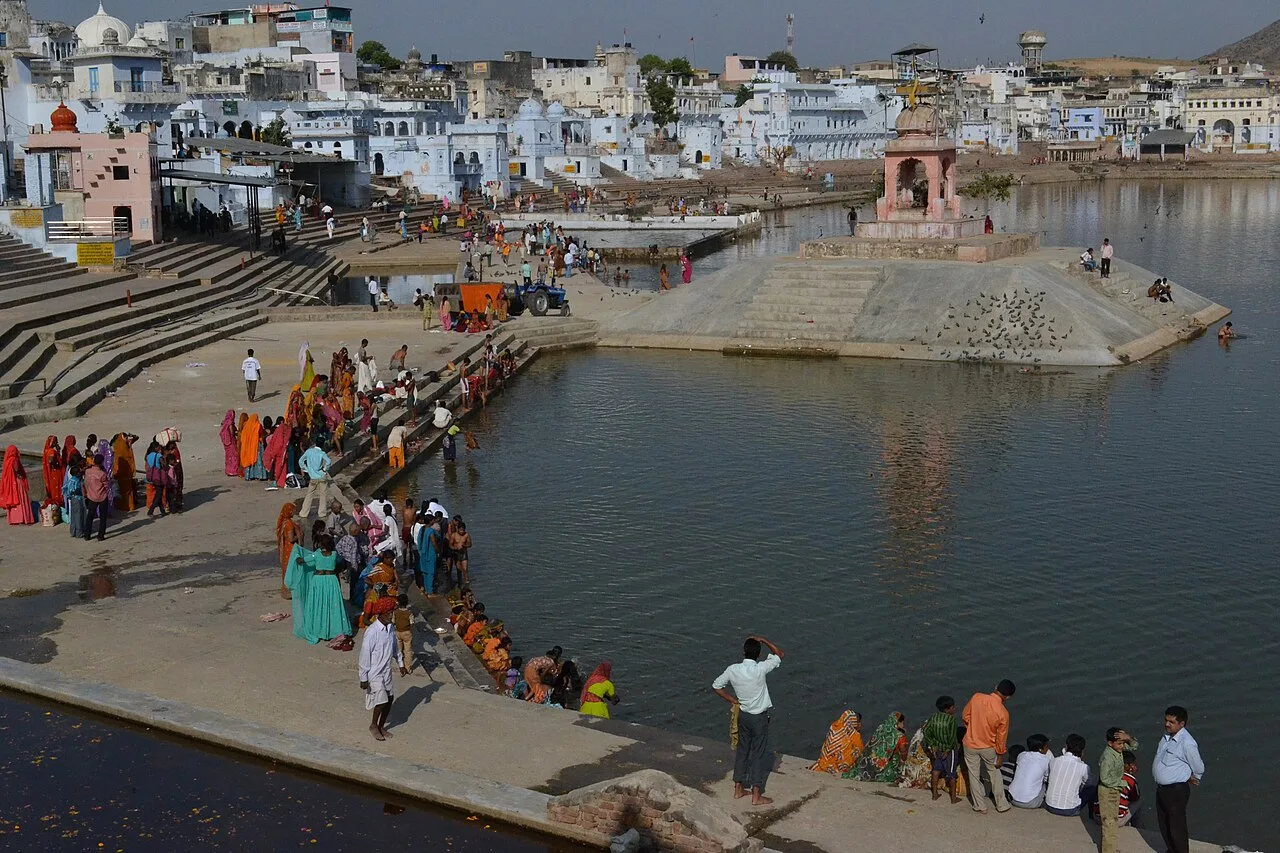
Pushkar Lake, also called Pushkar Sarovar, is a sacred lake in Rajasthan’s Ajmer district. Pilgrims come to bathe at its ghats, especially around Kartik Poornima, when the Pushkar Fair takes place.

Sambhar Salt Lake

70 km away · Jaipur district

Sambhar Salt Lake

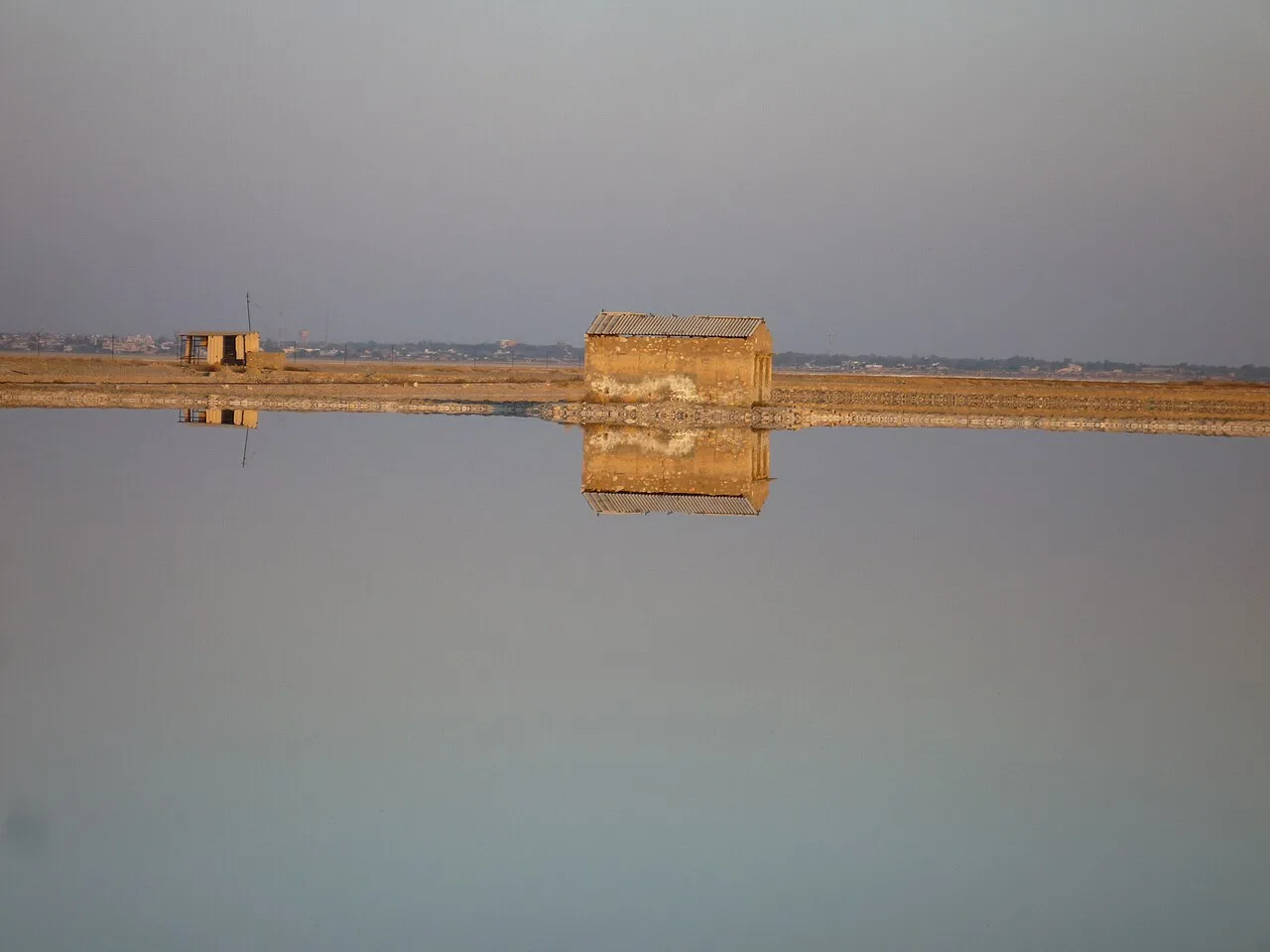
Sambhar Salt Lake is Rajasthan’s largest inland salt lake, in Jaipur district. Visitors come to see the lake and the historic settlement of Sambhar Lake Town, which it surrounds.

Map

Ajmer on the map

  1. 1Adhai Din Ka Jhonpra
  2. 2Shrine of Mu'in al-Din Chishti
  3. 3Taragarh Fort, Ajmer
  4. 4Ana Sagar Lake
  5. 5Brahma Temple
  6. 6Pushkar
  7. 7Pushkar Lake
  8. 8Sambhar Salt Lake

Rajasthan

Other cities to explore