Ghumoopedia — Explore, Discover, Experience
Sign in
Ranthambore Fort, near Uniara

City guide · Rajasthan

Uniara

Uniara is a town and municipality in Tonk district, serving as a tehsil centre for the surrounding area. Its position on National Highway 552 makes it a useful road link between Tonk and towns including Sawai Madhopur, Jaipur, Kota, Bundi and Ajmer.

Famous for

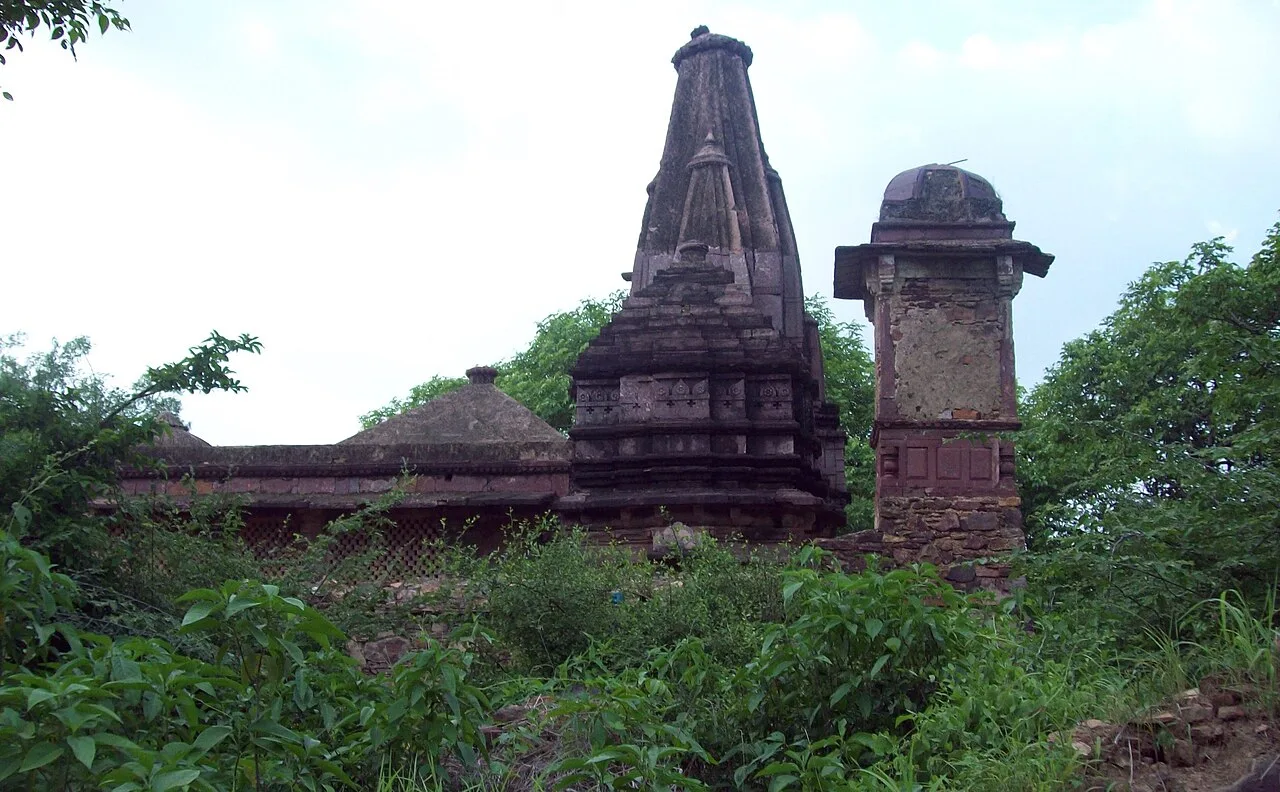
  • Uniara Fort
  • Heritage Palace
  • Galwa Dam
  • Kheda stone elephant
  • Hindu and Jain temples

Why Uniara matters

Uniara is a town and municipality in Tonk district, serving as a tehsil centre for the surrounding area. Its position on National Highway 552 makes it a useful road link between Tonk and towns including Sawai Madhopur, Jaipur, Kota, Bundi and Ajmer. The Banas River runs through the area, while Galwa Dam is about three kilometres from town and offers a nearby excursion beyond the built-up centre.

Visitors come for Uniara Fort and the Heritage Palace, as well as the town’s historic Hindu and Jain temples. Nearby Kheda village, close to Kakod, is known for a life-sized elephant carved from stone. Uniara also lies within reach of Ranthambhore National Park, making it a possible stop on a wider regional itinerary. Its appeal is less about a large tourism infrastructure than a combination of local history, religious heritage, rural landscapes and convenient road connections. Forested areas and settlements such as Banetha, Kakod, Nagarfort and Aligarh add to the interest of exploring the surrounding tehsil.
Famous for: crafts, trade & products

The town’s prominent attractions include Uniara Fort and the Heritage Palace; Kheda village, near Kakod, is notable for its carved stone elephant. Historic Hindu and Jain temples are another part of the area’s local identity and may interest visitors looking for traditional architecture and places of worship.

Visitors should therefore avoid expecting a dedicated craft district or a recognised product market. The town’s ordinary shops and markets serve residents and travellers with everyday goods, but individual outlets and stock can change. For locally made items, ask residents or shopkeepers about current crafts and produce rather than assuming a product is unique to Uniara. The strongest reasons to explore the town remain its built heritage, temples and access to Galwa Dam and nearby villages.

History

Uniara’s historical identity is closely linked to its status as a jagir under the rulers of Jaipur. Local authority was therefore shaped by the jagir system, with the town and its surrounding settlements forming part of a wider regional relationship with Jaipur. Uniara Fort and the Heritage Palace are reminders of this historic landscape, while the town’s Hindu and Jain temples reflect long-standing religious life in the area.

During the colonial period, Uniara’s story is best understood through its connection to Jaipur’s princely administration; detailed local changes from that era are not widely established. After the end of princely rule and the formation of Rajasthan, Uniara became part of the modern state’s Tonk district. Today it is a municipality and tehsil centre, with road connections supporting movement between nearby towns and villages. Its role is principally regional: local administration, services and commerce sit alongside a heritage identity that continues to draw visitors to the fort, palace and temples.

Food, festivals & culture

Uniara shares the food traditions of eastern Rajasthan. Meals in the area may include familiar regional dishes such as dal baati churma, gatte ki sabzi and seasonal preparations, while sweets and snacks vary between households and local shops. These are regional favourites rather than products uniquely associated with Uniara. Hindi is widely useful for visitors, and Rajasthani speech and local dialects are part of everyday community life.

Holi in spring and Diwali in autumn are important across the region; Teej and Gangaur are also observed in Rajasthan, with customs varying by community. Religious life is visible in Uniara’s Hindu and Jain temples, which form an important part of its historic character. The town’s cultural experience is generally local and community-centred rather than organised around a major visitor festival or a distinct performance tradition. Visitors may find that music, worship and celebrations are most readily encountered through temple visits and seasonal observances, so respectful dress and behaviour are appreciated.

Visiting the city

The cooler months, roughly October to March, are generally the most comfortable time to explore Uniara. Summer can be very hot; the monsoon season may bring greener surroundings. Jaipur is the nearest airport, about 136 kilometres away, and Sawai Madhopur is the nearest railway station, around 39 kilometres from town. Uniara is on National Highway 552 and has road connections with Tonk, Sawai Madhopur, Jaipur, Kota, Bundi and Ajmer. Local travel is mainly by road; arrange onward transport from the railway station or airport before setting out.

In town, explore Uniara Fort, the Heritage Palace and historic temples. Allow time for Galwa Dam, about three kilometres away, and for a trip toward Kheda village near Kakod to see its stone elephant. Uniara can also be included in a wider visit to the Ranthambhore area.

Trips from the city

Nearest places to visit from Uniara

Our closest destination guides, by straight-line distance.

Ranthambore Fort

44 km away · Sawai Madhopur district

Ranthambore Fort

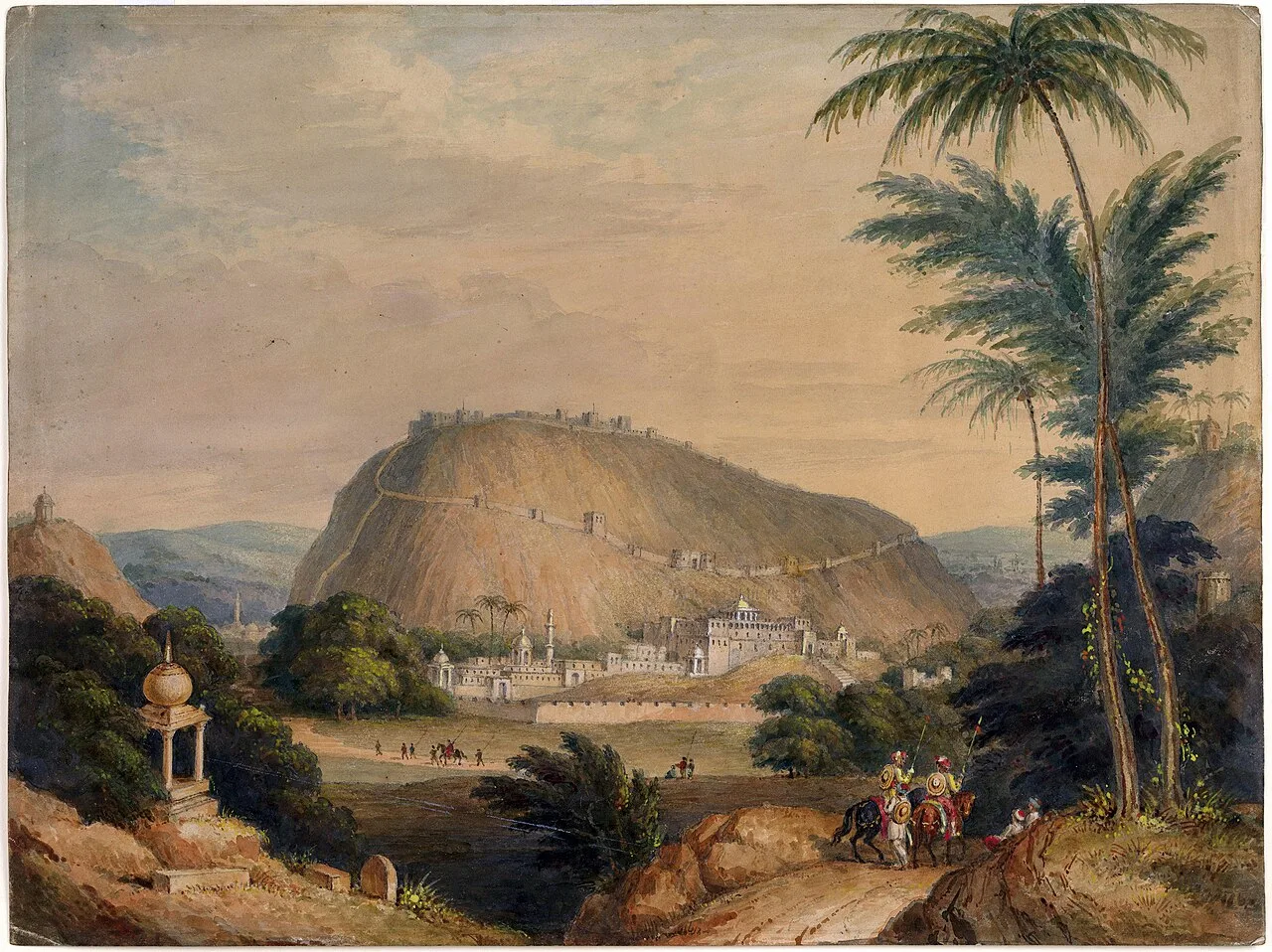
Set within Ranthambore National Park near Sawai Madhopur, this historic Rajasthan fort draws visitors for its past, elevated views over the park and UNESCO World Heritage status.

Ranthambore National Park

49 km away · Sawai Madhopur district

Ranthambore National Park

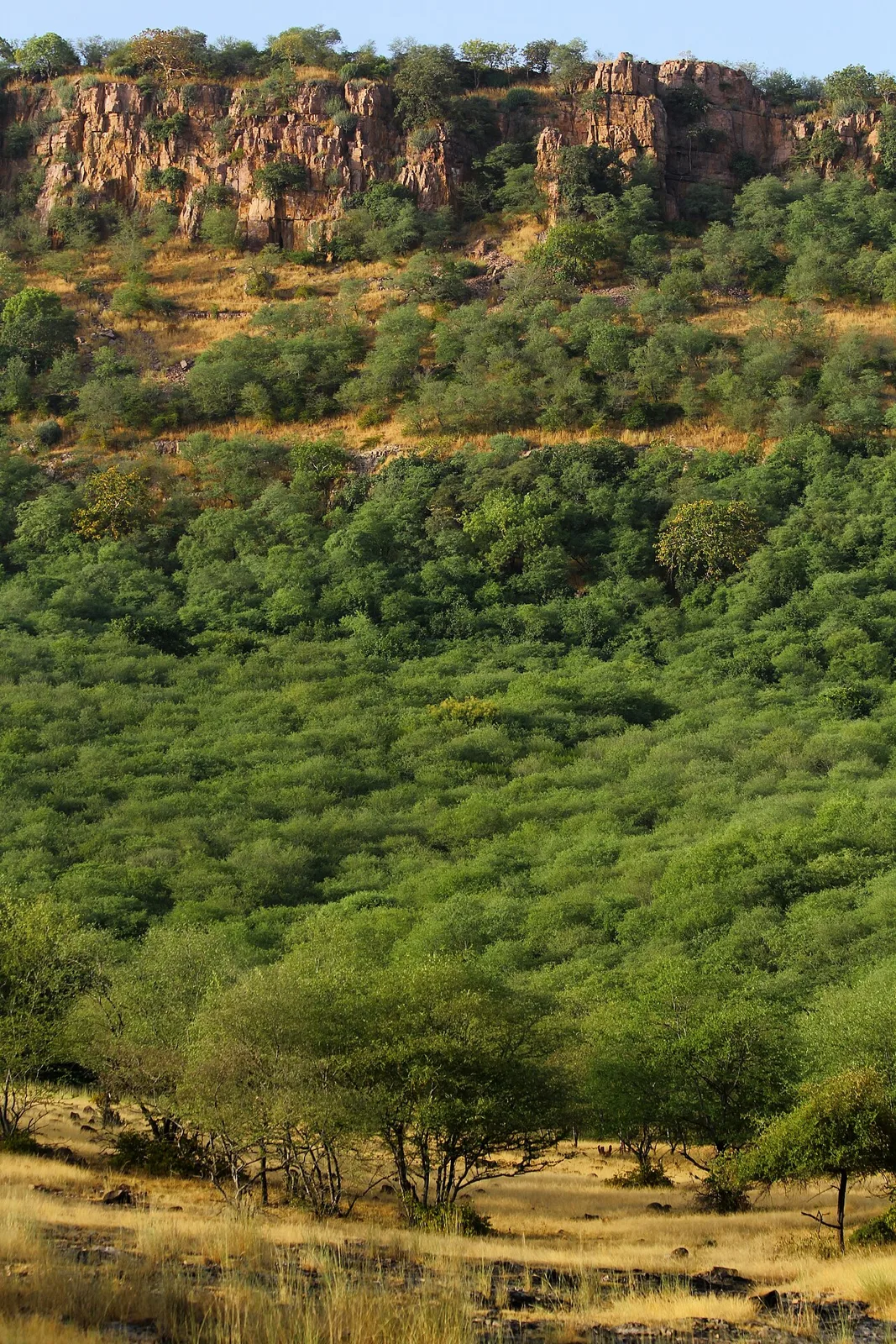
Ranthambore is a national park in Rajasthan’s Sawai Madhopur district, attracting visitors to its historic fort and its location between the Banas and Chambal rivers.

Bundi

65 km away · Bundi district

Bundi

Bundi is a city in Rajasthan’s Hadoti region, within Bundi district. Visitors come to explore the city and its setting in north-western India.

Raniji ki Baori

65 km away · Bundi district

Raniji ki Baori

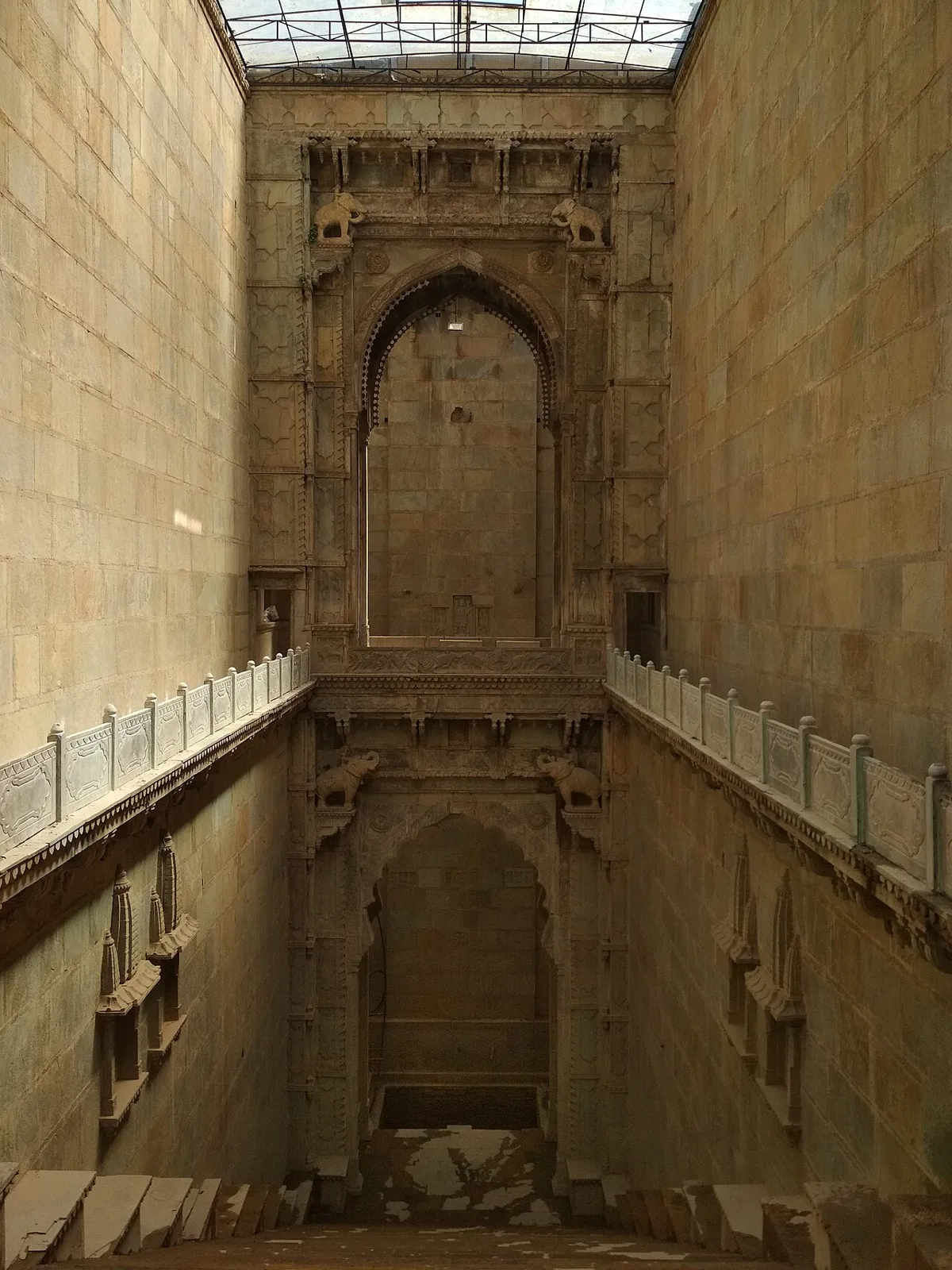
Raniji ki Baori is a multi-level stepwell in Bundi, Rajasthan, built by Rani Nathavati Solanki in 1699. Visitors come to see its deep stairwell, carved pillars and ornate arches.

Taragarh Fort, Bundi

65 km away · Bundi district

Taragarh Fort, Bundi

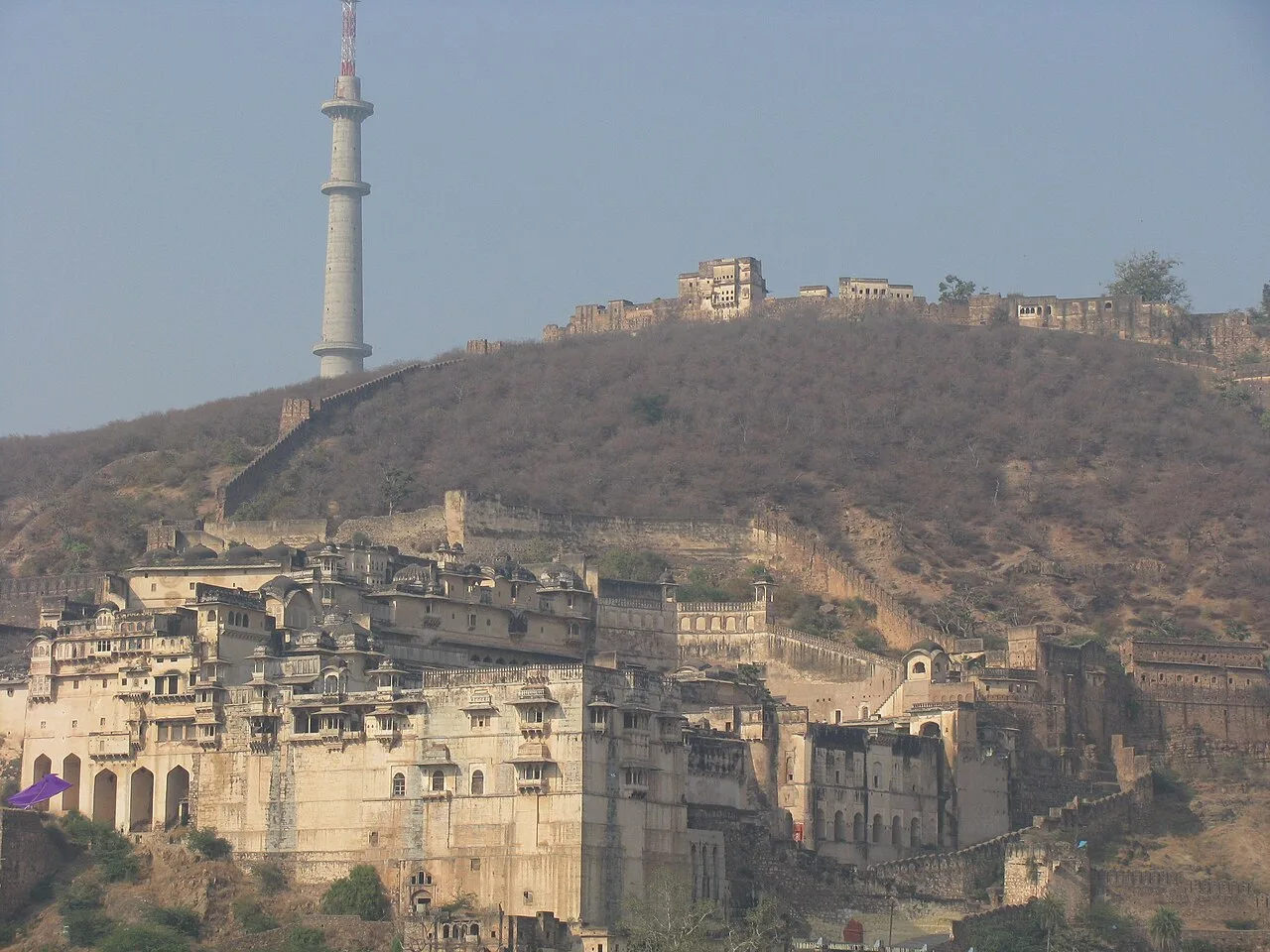
Taragarh Fort is a hilltop stronghold in Bundi, Rajasthan. Visitors come to see its Rajput architecture, elements influenced by Mughal design and passages made for wartime escape.

Kaithoon

86 km away · Kota district

Kaithoon

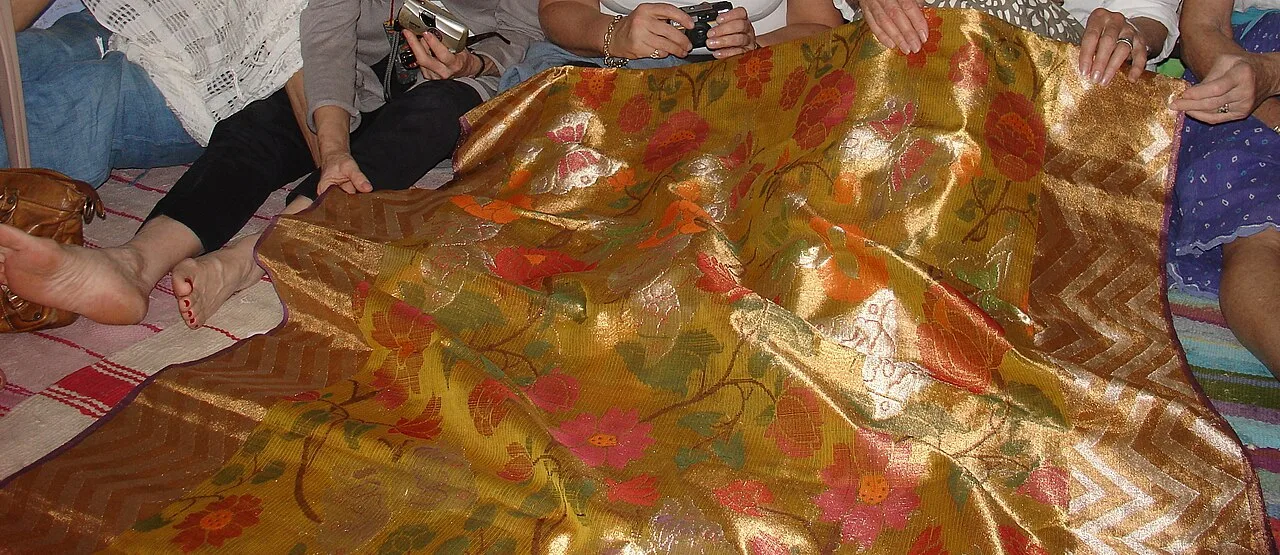
Kaithoon is a town and municipality in Rajasthan’s Kota district, known for its association with Kota Doria sarees, which are a reason for visitors’ interest.

Galtaji

107 km away · Jaipur district

Galtaji

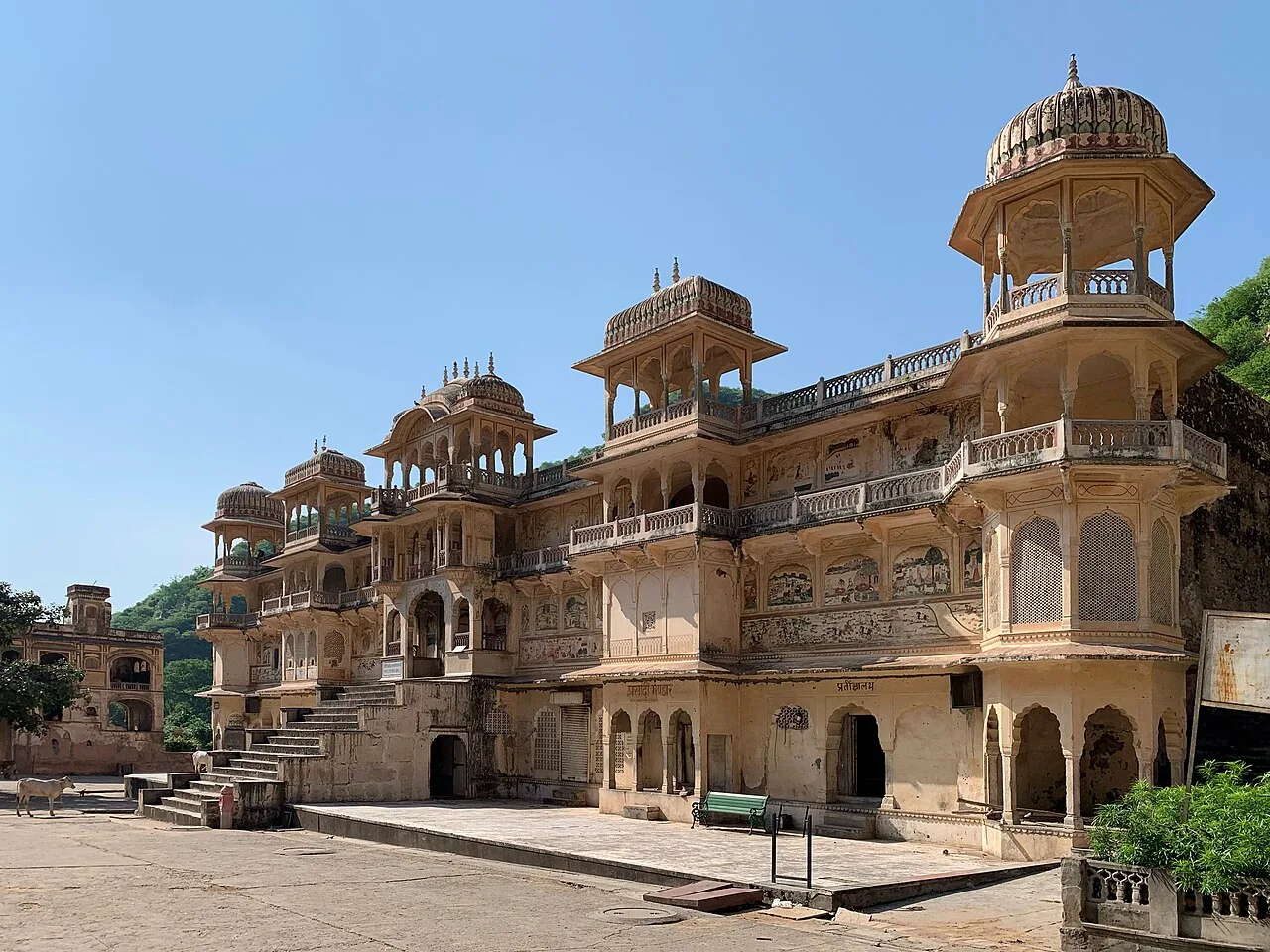
Galtaji is an ancient Hindu pilgrimage complex in Jaipur district, around 10 km east of Jaipur. Pilgrims visit its temples and bathe in tanks fed by a hillside spring.

Birla Mandir

111 km away · Jaipur district

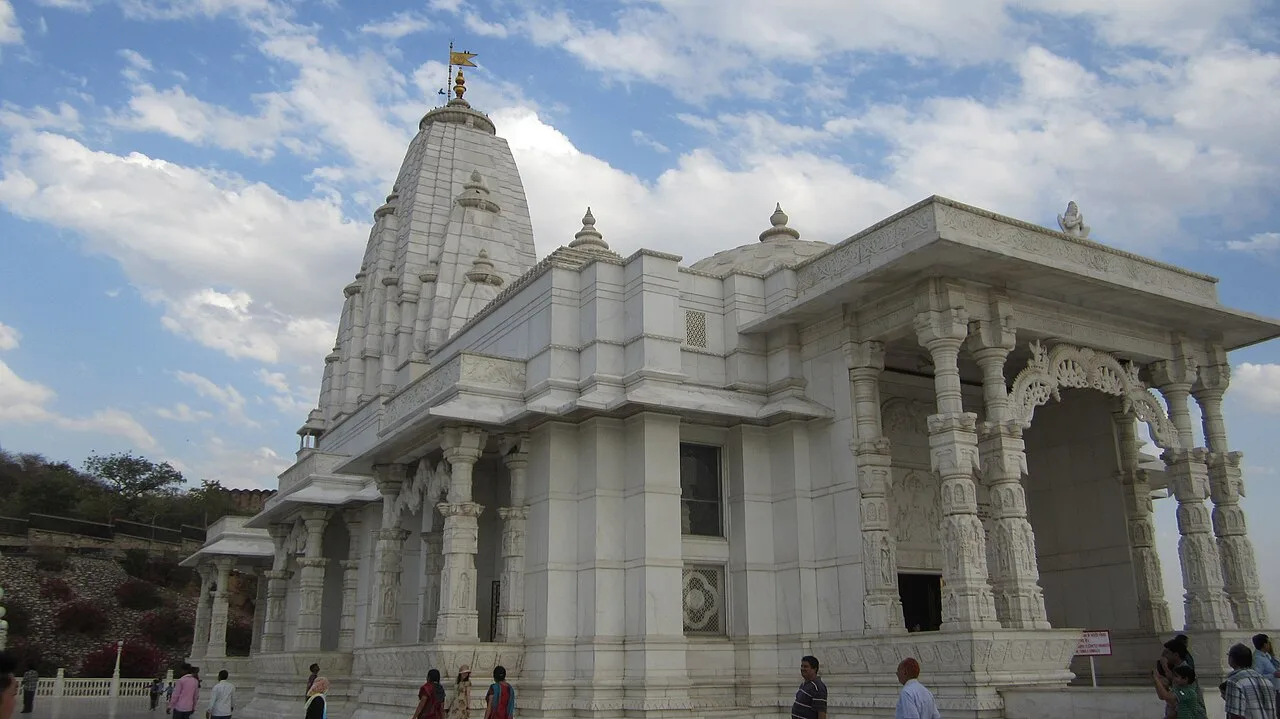
Birla Mandir

Birla Mandir, also known as Lakshmi Narayan Temple, is a Hindu place of worship in Jaipur, Rajasthan. Visitors come to worship and see its marble shrine and sacred images.

Map

Uniara on the map

  1. 1Ranthambore Fort
  2. 2Ranthambore National Park
  3. 3Bundi
  4. 4Raniji ki Baori
  5. 5Taragarh Fort, Bundi
  6. 6Kaithoon
  7. 7Galtaji
  8. 8Birla Mandir

Rajasthan

Other cities to explore