Ghumoopedia — Explore, Discover, Experience
Sign in

City guide · Rajasthan

Jalor

Jalore is a district headquarters in western Rajasthan, around 140 km south of Jodhpur. It serves as an administrative and trading centre for surrounding towns and villages, with a town centre that brings together banks, offices, shops and local services.

Famous for

  • Jalore Fort
  • Granite trade
  • Marwari horse heritage
  • Chauhan history
  • Jawai Nadi

Why Jalor matters

Jalore is a district headquarters in western Rajasthan, around 140 km south of Jodhpur. It serves as an administrative and trading centre for surrounding towns and villages, with a town centre that brings together banks, offices, shops and local services. Granite quarrying and processing are important parts of the region’s economy, earning Jalore the informal name “Granite City.”

The city’s best-known landmark is Jalore Fort, rising above the town on a hill historically called Suvarngiri, or Golden Mount. Its walls and gateways recall the city’s medieval importance, while the old town and its places of worship offer a sense of everyday life in this part of Rajasthan. Jawai Nadi passes through Jalore, adding a natural feature to its setting. Visitors come for the fort and regional history, and for a glimpse of a working Rajasthani town whose identity is shaped by stone trade, Marwari heritage and links with the wider Marwar region.
Famous for: crafts, trade & products

Jalore is best known commercially for granite. The district’s stone industry includes quarrying, cutting and polishing, and granite businesses can be found in and around the town. Buyers looking for stone are best served by contacting local granite yards and showrooms, where availability depends on the material and finish. The central market is useful for everyday goods and local shopping, rather than for a single specialist craft bazaar.

The city is not widely identified with a signature saree or textile tradition, nor is a particular GI-tagged product closely associated with Jalore. Its stronger cultural associations are Jalore Fort, the history of the Chauhan rulers and the Marwari horse, a breed prized for its endurance and distinctive appearance. Regional agricultural goods also circulate through local markets, although the selection varies by season. Visitors hoping to take home a locally distinctive item can look for small household goods and regional foods in the bazaar, or explore the town’s granite trade as a reflection of its modern economy.

History

Jalore’s early name, Jabalipura, is traditionally linked to the sage Jabali; it was also called Suvarngiri or Songir after the hill crowned by its fort. The town was an important centre under the Gurjara-Pratiharas, and the Jain scholar Uddyotana-suri composed the work Kuvalaya-mala here in 779. Paramara rulers later held the region. In 1181, Kirtipala, a Chahamana ruler from Nadol, captured Jalore and established a line of Chauhan rulers.

In 1311, Sultan Alauddin Khalji’s forces captured the fort after resistance led by Kanhadadeva and his son Viramadeva. Jalore later came under Mughal influence and was restored to Marwar in 1704. It remained part of the Marwar kingdom through the period of British rule, then became part of independent India after 1947. In modern Rajasthan, Jalore developed as the administrative headquarters of its district, while granite-related trade became a prominent feature of the local economy.

Food, festivals & culture

Daily life reflects the customs of western Rajasthan, with Marwari and other Rajasthani speech alongside Hindi. Meals commonly draw on the region’s hearty fare: dal baati churma, gatte ki sabzi, ker sangri and bajra rotla are familiar choices, though menus vary between homes and eateries. Sweets and snacks are available in town markets, but Jalore is not especially associated with one signature sweet.

Holi, Diwali and Navratri bring seasonal gatherings, while Gangaur and Teej are observed in keeping with wider Rajasthani traditions. Folk songs, devotional bhajans and dhol rhythms feature at community and religious occasions; Ghoomar may be seen at festive events. The city’s religious landscape includes Hindu temples and monastic centres as well as mosques and takiyas. These places, along with neighbourhood shrines and the fort’s historic setting, are part of the town’s cultural life. Visitors should dress respectfully and ask locally before photographing worshippers or ceremonies.

Visiting the city

The cooler months, roughly October to March, are generally the most comfortable time to visit. Summers can be intensely hot, and monsoon conditions may affect travel plans. The nearest major airport is Jodhpur Airport; Jalore has its own railway station, Jalore railway station. Road travel connects the town with Jodhpur and other centres in the region.

Auto-rickshaws and locally hired vehicles are practical for getting around, while the central area is manageable on foot. Set aside time for the climb or drive up to Jalore Fort and for a walk through the old-town lanes and central bazaar. The area around the fort offers the clearest sense of the city’s history; the market streets are better for everyday shopping and observing local life. Allow for heat and uneven surfaces when planning a fort visit.

Trips from the city

Nearest places to visit from Jalor

Our closest destination guides, by straight-line distance.

Pachpadra

72 km away · Barmer district

Pachpadra

Pachpadra is a town in Rajasthan’s Balotra district, near Balotra city. Visitors may see its salt-gathering lake, while the locality is also known for a large refinery and petrochemical complex.

Guru Shikhar

79 km away · Sirohi district

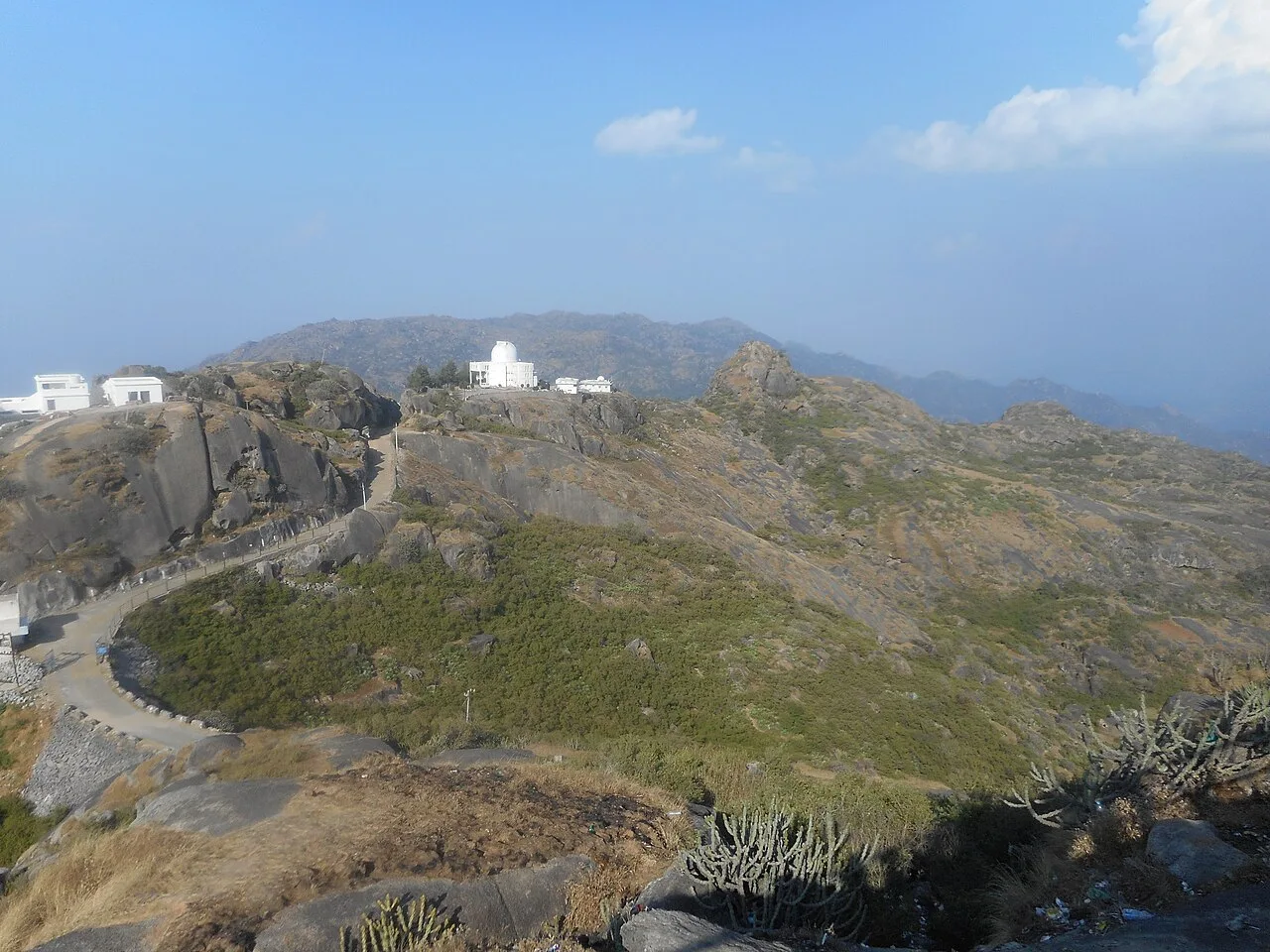
Guru Shikhar

Guru Shikhar is a 1,722-metre summit in Rajasthan’s Arbuda Mountains, valued as the Aravalli Range’s highest point and visited for its hilltop shrines and nearby astronomical observatory.

Dilwara Temples

83 km away · Sirohi district

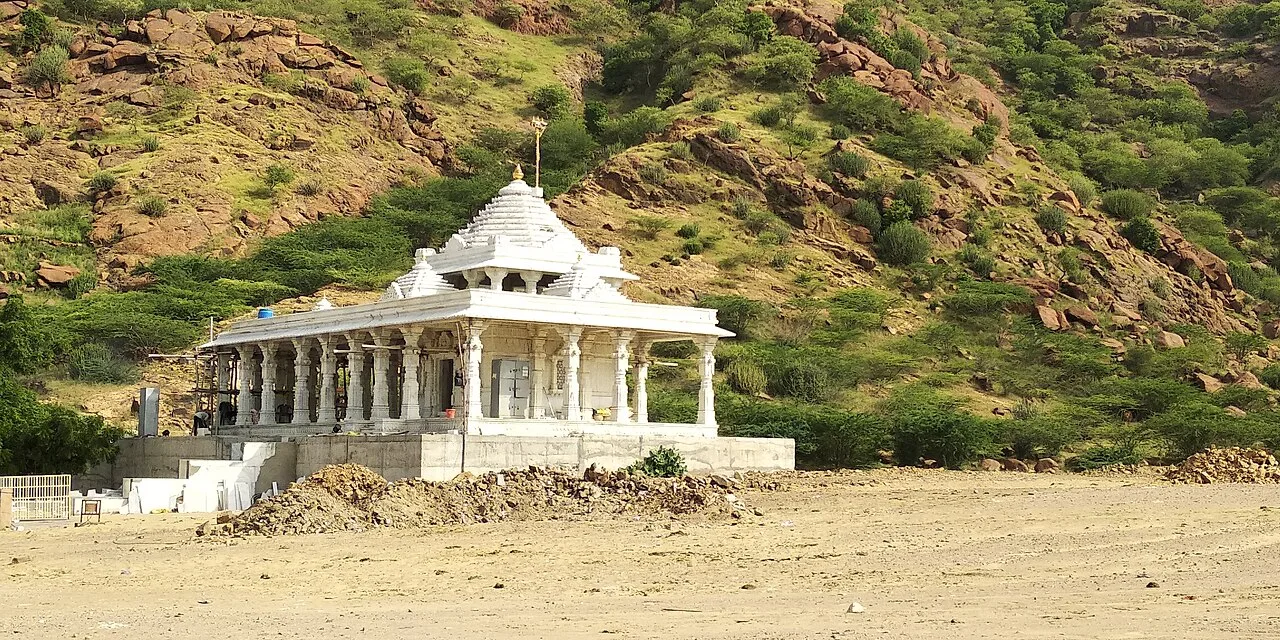
Dilwara Temples

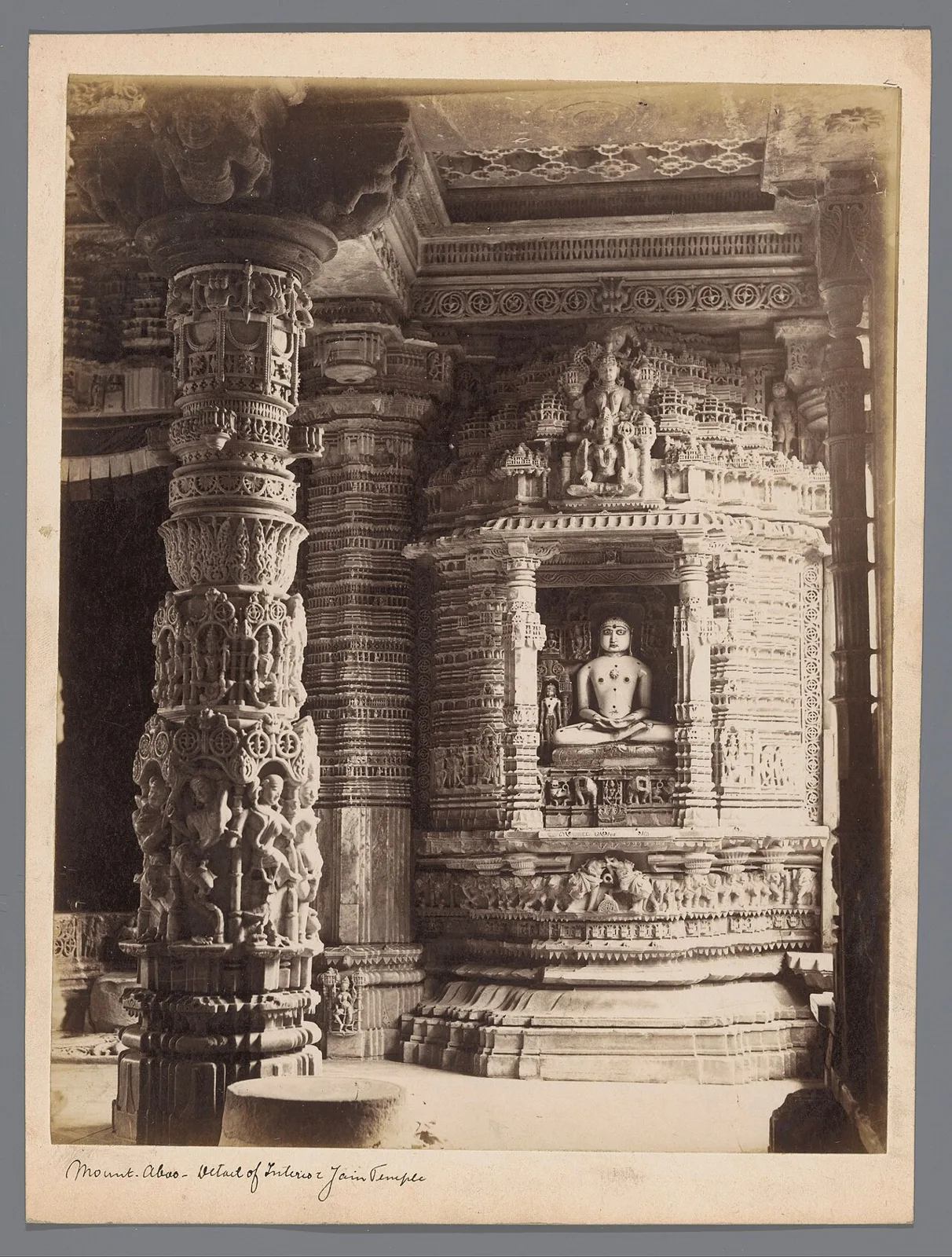
Dilwara Temples are a Śvetāmbara Jain complex near Mount Abu, Rajasthan, visited for pilgrimage and admired for their carved marble architecture.

Mount Abu

84 km away · Sirohi district

Mount Abu

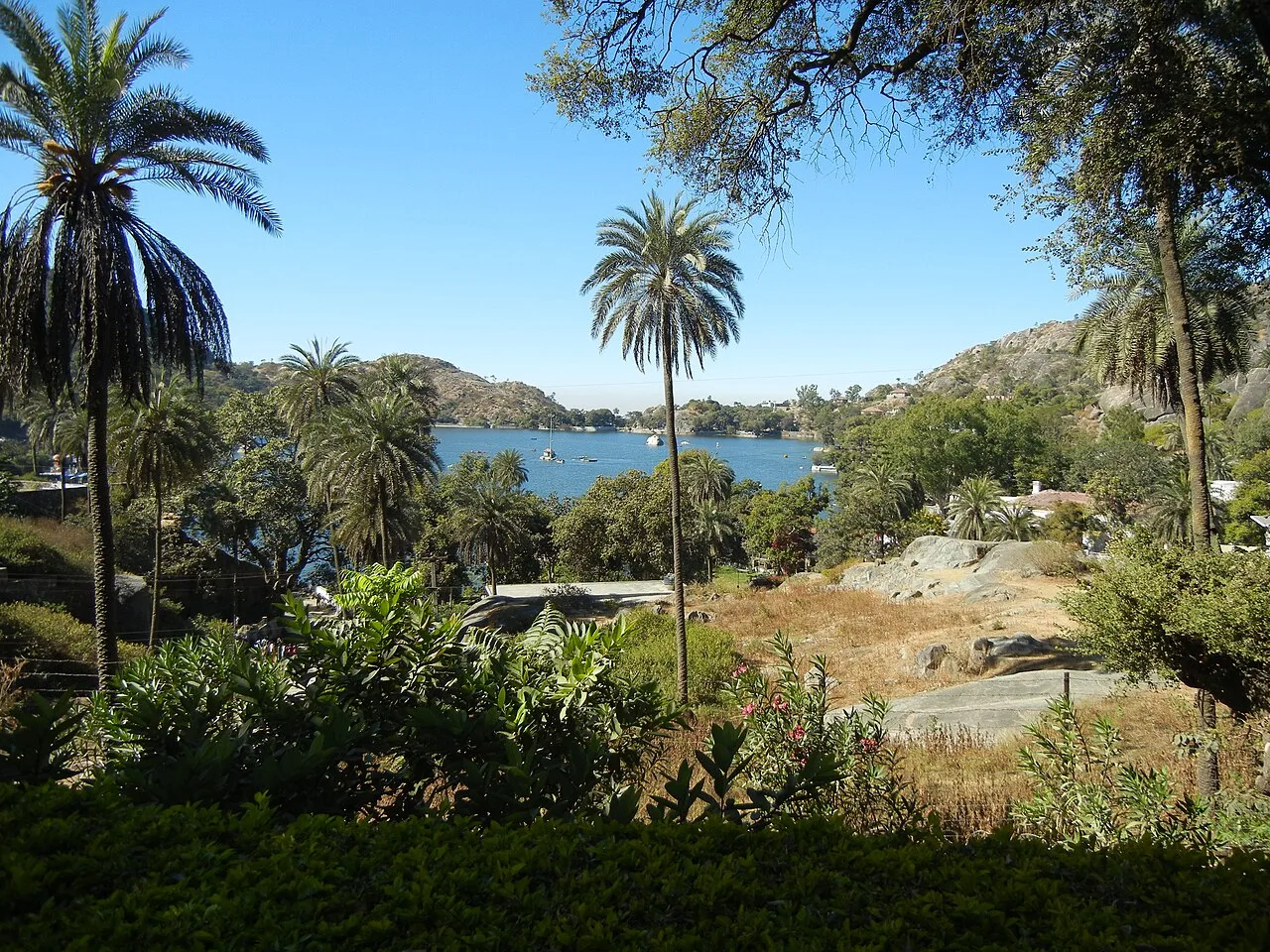
In Rajasthan’s Sirohi district, Mount Abu, also known as Abu Raj, is a hill station on a rocky plateau. Visitors come for its water features, evergreen forests and Hindu and Jain temples.

Nakki Lake

84 km away · Sirohi district

Nakki Lake

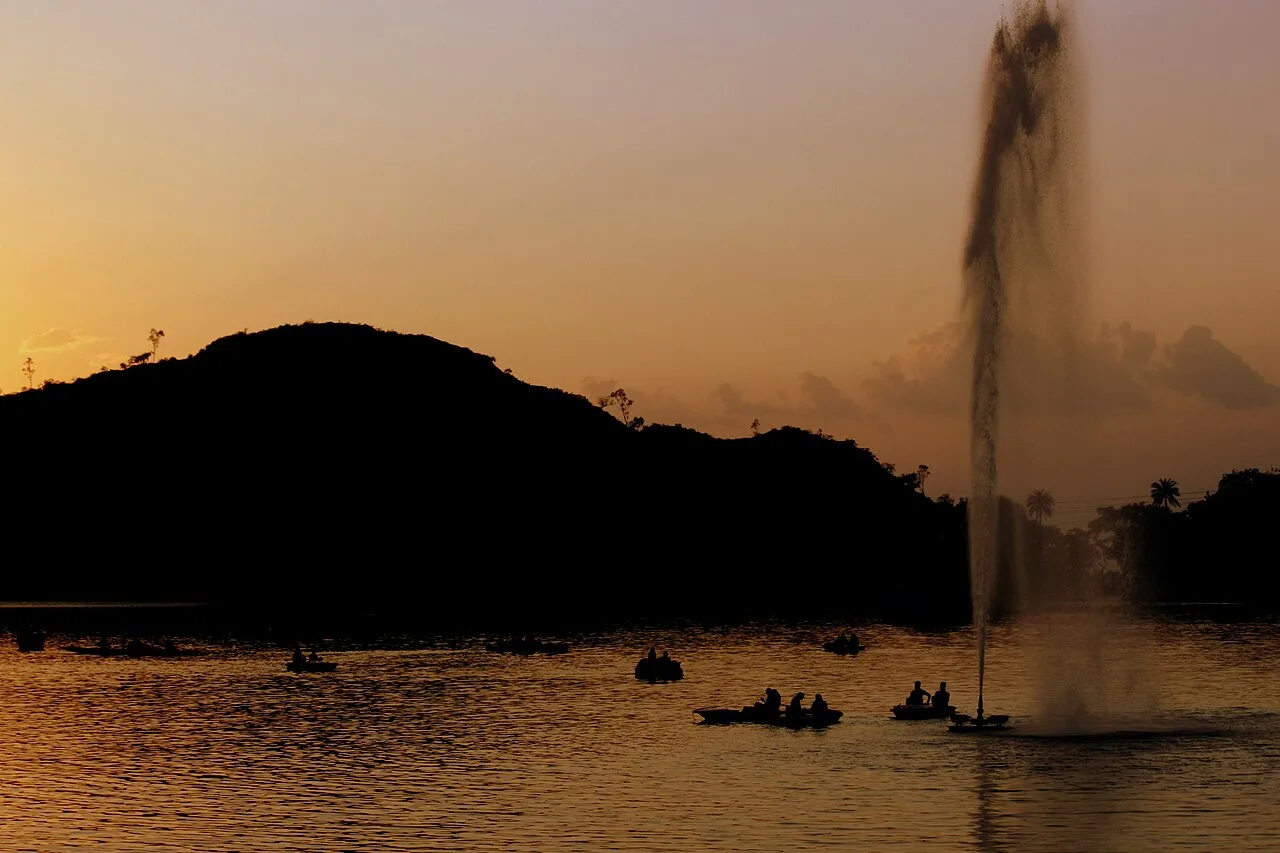
Nakki Lake is a lake at Mount Abu, a hill station in Rajasthan’s Sirohi district and the Aravalli range. Visitors come to see it while spending time at Mount Abu.

Ranakpur Jain temple

90 km away · Pali district

Ranakpur Jain temple

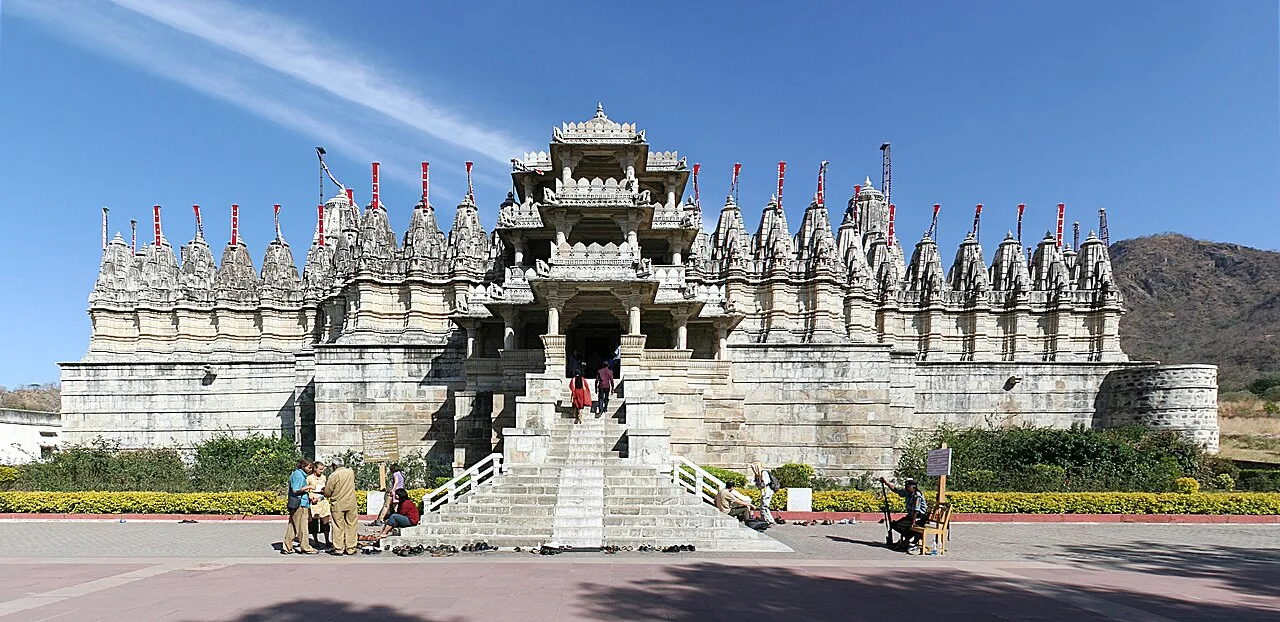
The Ranakpur Jain temple, also known as Chaturmukha Dharana Vihara, is a Śvētāmbara shrine devoted to Rishabhanatha. Jain pilgrims visit this important religious site and its group of associated temples.

97 km away · Jodhpur district

Salawas

Salawas is a village 22 km from Jodhpur, known for durries, or rugs, produced by local craftspeople. Visitors are drawn by its association with this traditional craft.

Kumbhalgarh

99 km away · Rajsamand district

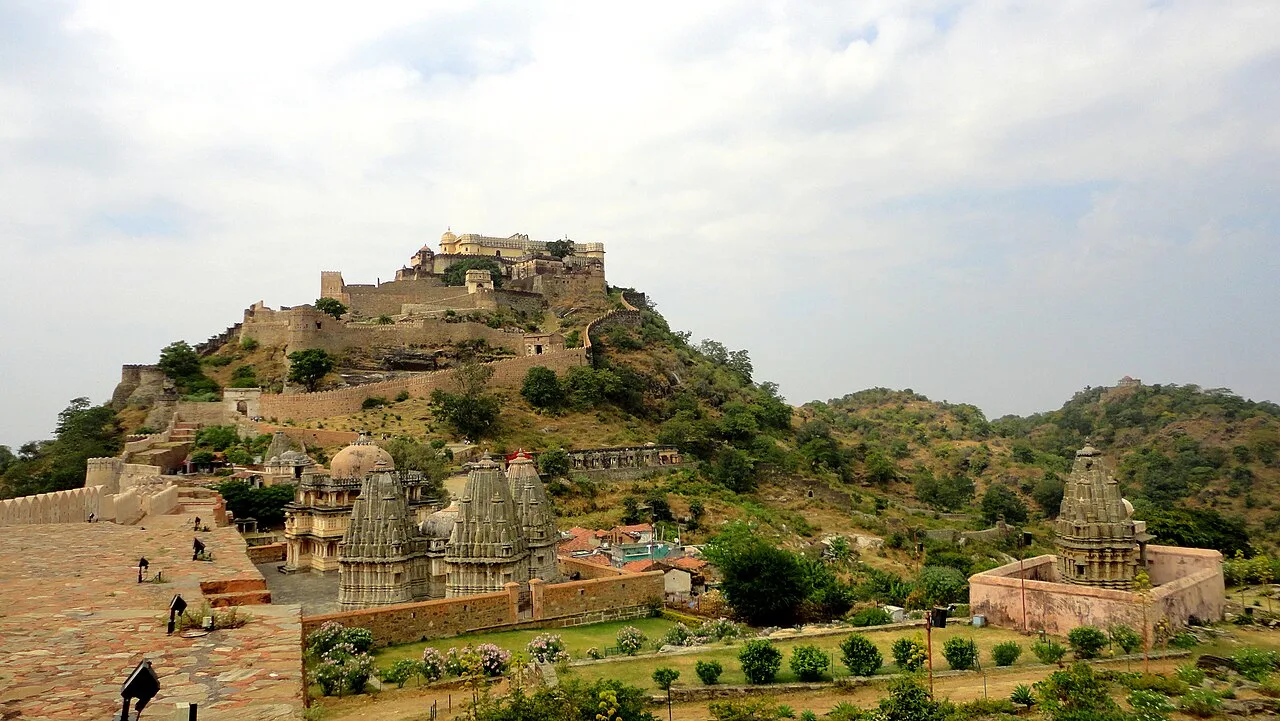
Kumbhalgarh

Kumbhalgarh, often called the Great Wall of India, is a 15th-century fortress in Rajasthan’s Aravalli Hills, visited for its fortifications, historical associations and UNESCO World Heritage status.

Map

Jalor on the map

  1. 1Pachpadra
  2. 2Guru Shikhar
  3. 3Dilwara Temples
  4. 4Mount Abu
  5. 5Nakki Lake
  6. 6Ranakpur Jain temple
  7. 7Salawas
  8. 8Kumbhalgarh

Rajasthan

Other cities to explore