Ghumoopedia — Explore, Discover, Experience
Sign in
Deeg Palace, near Govindgarh

City guide · Rajasthan

Govindgarh

Govindgarh is a small town in Jaipur district, in Rajasthan’s semi-arid northeast. Its strongest geographic distinction is its association with the meeting of the Saraswati and Sabarmati branches and the point where their joined waters are known as the Luni.

Famous for

  • Saraswati–Sabarmati confluence
  • Luni river emergence
  • Jaipur-district setting
  • Dhundhari regional culture

Why Govindgarh matters

Govindgarh is a small town in Jaipur district, in Rajasthan’s semi-arid northeast. Its strongest geographic distinction is its association with the meeting of the Saraswati and Sabarmati branches and the point where their joined waters are known as the Luni. This landscape gives the town a place in accounts of the region’s rivers, although Govindgarh is not a major conventional sightseeing destination.

For visitors, the town offers a quieter look at everyday life beyond Jaipur’s busy historic centre: local streets, shops and the surrounding countryside. Its location makes it more suitable as a brief stop or part of a wider journey through Jaipur district than as a base for a long list of established attractions. Govindgarh is best understood through its regional setting and local character rather than through a nationally recognised monument, craft or food. Jaipur remains the principal nearby centre for major museums, heritage sites and visitor services, while Govindgarh provides a smaller-town contrast and a chance to explore the landscape associated with the Luni’s beginnings.
Famous for: crafts, trade & products

Govindgarh is not widely identified with a particular textile, handicraft, GI-tagged product or large-scale industry. Its commercial life is primarily that of a local town serving residents and nearby villages. Small shops and everyday markets are the practical places to look for household goods, clothing and locally traded produce; visitors should not expect a specialised craft bazaar or a dedicated visitor market.

The town’s clearest point of distinction is geographic: the meeting of the Saraswati and Sabarmati branches and their passage into the Luni. This river connection is more useful for understanding Govindgarh’s place in Rajasthan than for shopping. For a broader selection of Rajasthani crafts, textiles, jewellery and regional foods, Jaipur’s established markets and specialist shops offer far more choice. Govindgarh can therefore be approached as a local trading centre and a stop in the surrounding countryside, not as a destination for a particular named product. No widely recognised local GI product or signature craft is associated with the town.

History

Govindgarh’s history is best viewed within the wider history of the Jaipur region. For generations, settlements in this area were connected to nearby villages and to the movement of people and goods across the countryside. The town’s position in Jaipur district also placed it within the historical sphere of the Jaipur princely state, whose authority shaped administration and landholding across much of the region.

During the colonial period, Jaipur remained a princely state under British paramountcy rather than being governed as a directly administered British province. Following independence and the integration of the princely states, the area became part of Rajasthan and was administered through the state’s modern district system. Govindgarh’s more recent role has been that of a small urban settlement supporting its surrounding rural area. Its development is not chiefly associated with a documented royal court, major battle or celebrated monument, so its story is most clearly understood through regional political change, local commerce and its continuing place in Jaipur district.

Food, festivals & culture

Daily life in Govindgarh reflects the wider culture of Jaipur district. Hindi is widely used, while Dhundhari, a regional Rajasthani variety, is also part of local speech. Meals commonly draw on the flavours of Rajasthan, including lentils, pulses, flatbreads and seasonal vegetables. Dal baati churma and regional sweets such as ghewar are familiar across the wider area, though they should be regarded as regional foods rather than exclusive specialities of Govindgarh.

Holi and Diwali are observed in spring and autumn respectively, while Teej and Gangaur bring seasonal devotional and community traditions associated with Rajasthan. Hindu worship is part of public and family life; visitors can ask locally about nearby temples and customary etiquette. Music and dance in the surrounding region include devotional singing and forms associated with Rajasthani folk performance, but major scheduled performances are more readily found in Jaipur. The town’s cultural appeal lies chiefly in ordinary local routines, festivals and regional language rather than in a large, established performing-arts venue.

Visiting the city

The cooler months, roughly October to March, are generally the most comfortable time to visit; summer can be very hot, and the monsoon brings changeable conditions. Jaipur International Airport is the nearest major airport, and Jaipur Junction is the principal railway station for long-distance connections. Check onward transport locally, as connections and services can vary.

Within Govindgarh, walking is practical for short distances in the central area; local auto-rickshaws, taxis or buses may help with longer journeys, depending on availability. The town centre and its everyday market streets are the most straightforward places to explore. Visitors interested in the river landscape can ask locally about access to the nearby meeting of the Saraswati and Sabarmati branches; riverbank conditions and routes may be seasonal. Jaipur is a useful base for major heritage attractions and broader visitor facilities.

Trips from the city

Nearest places to visit from Govindgarh

Our closest destination guides, by straight-line distance.

Deeg Palace

33 km away · Bharatpur district

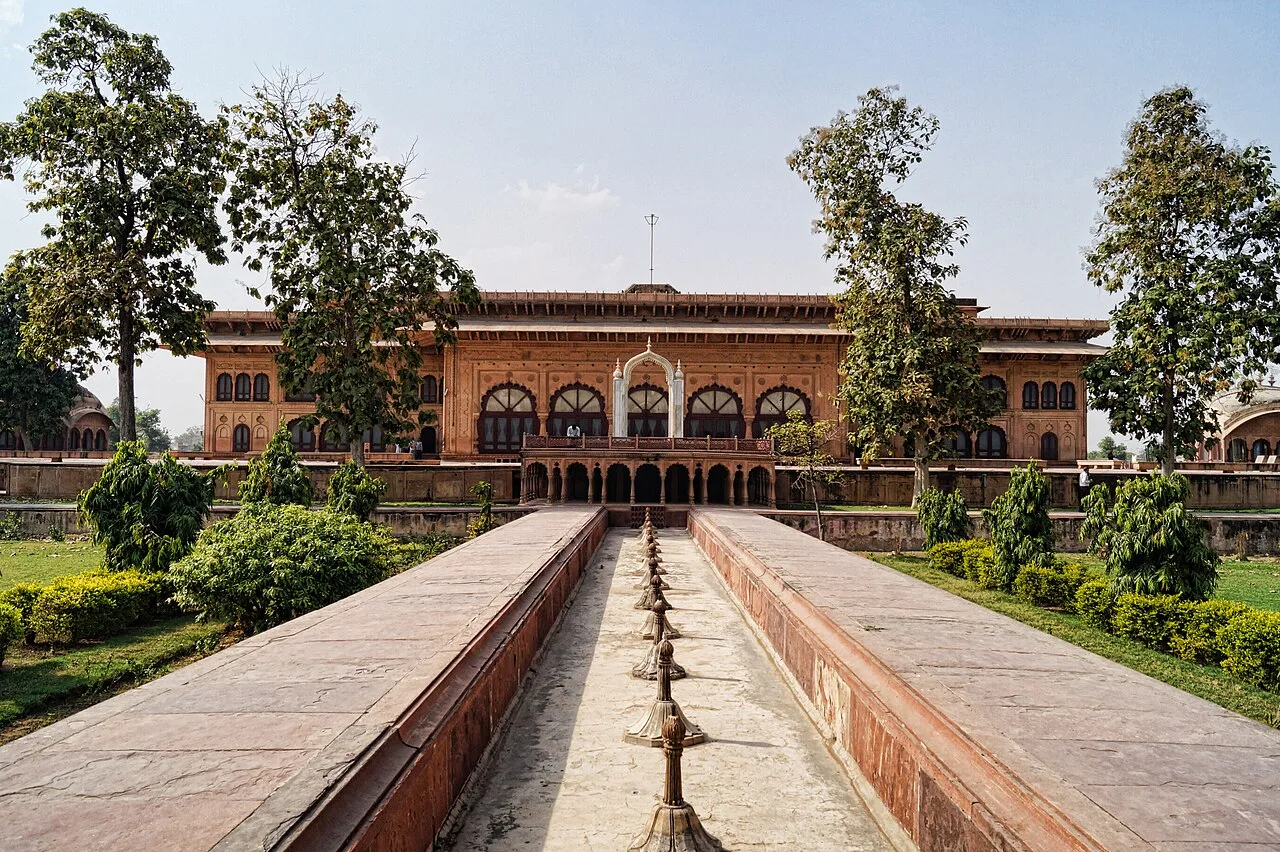
Deeg Palace

Deeg Palace is an eighteenth-century royal summer residence in Rajasthan; visitors come to see its Mughal and Rajput design and learn about its former defensive role.

Siliserh Lake

47 km away · Alwar district

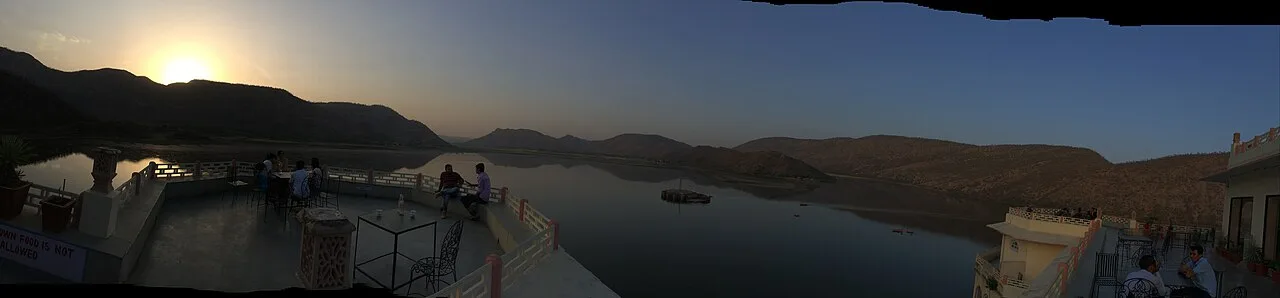
Siliserh Lake

Siliserh Lake is an artificial lake in Rajasthan, southwest of Alwar, with wooded banks and cenotaphs along its embankment that visitors come to see.

Lohagarh Fort

58 km away · Bharatpur district

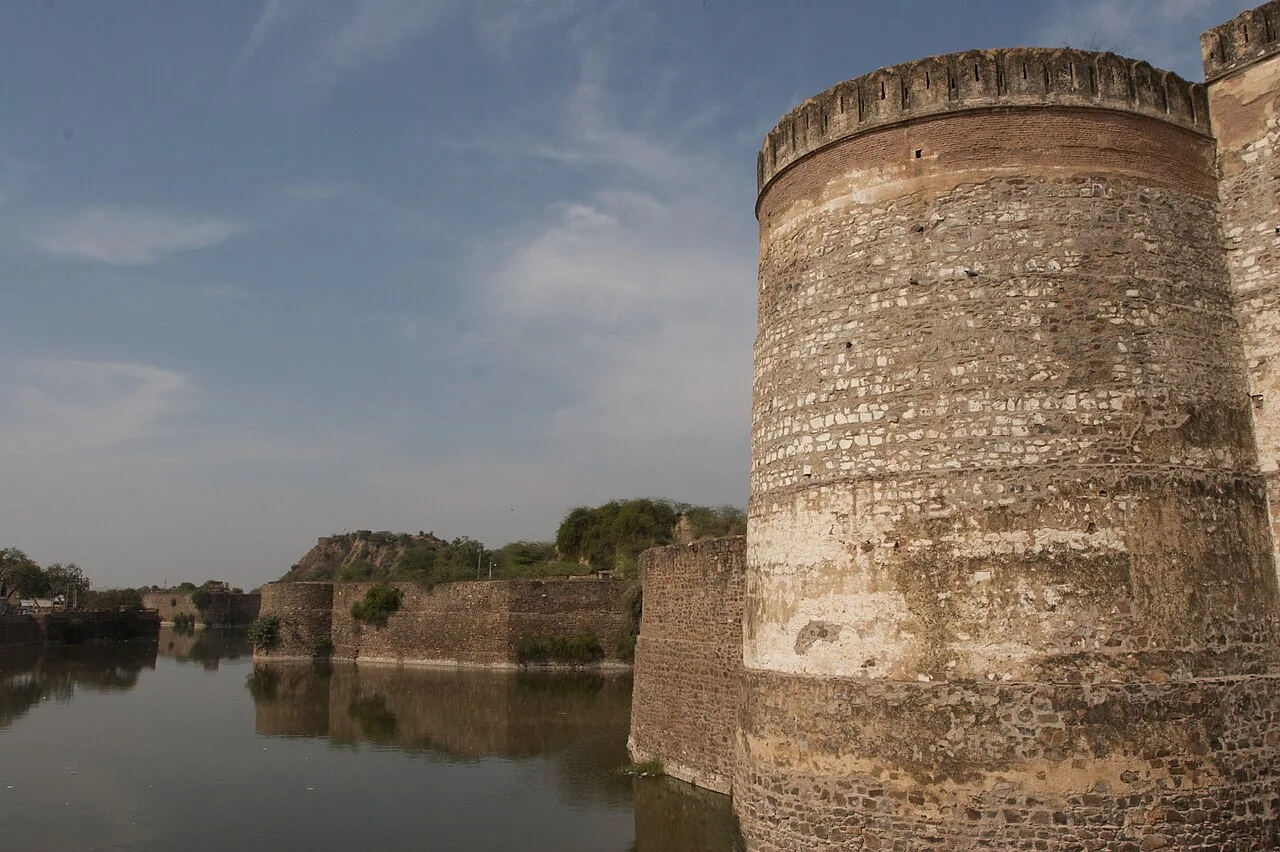
Lohagarh Fort

Lohagarh Fort is an eighteenth-century stronghold in Bharatpur, Rajasthan, commissioned by Maharaja Suraj Mal in 1732. Visitors learn about its resistance to British attacks and its eventual capture.

Sariska Tiger Reserve

59 km away · Alwar district

Sariska Tiger Reserve

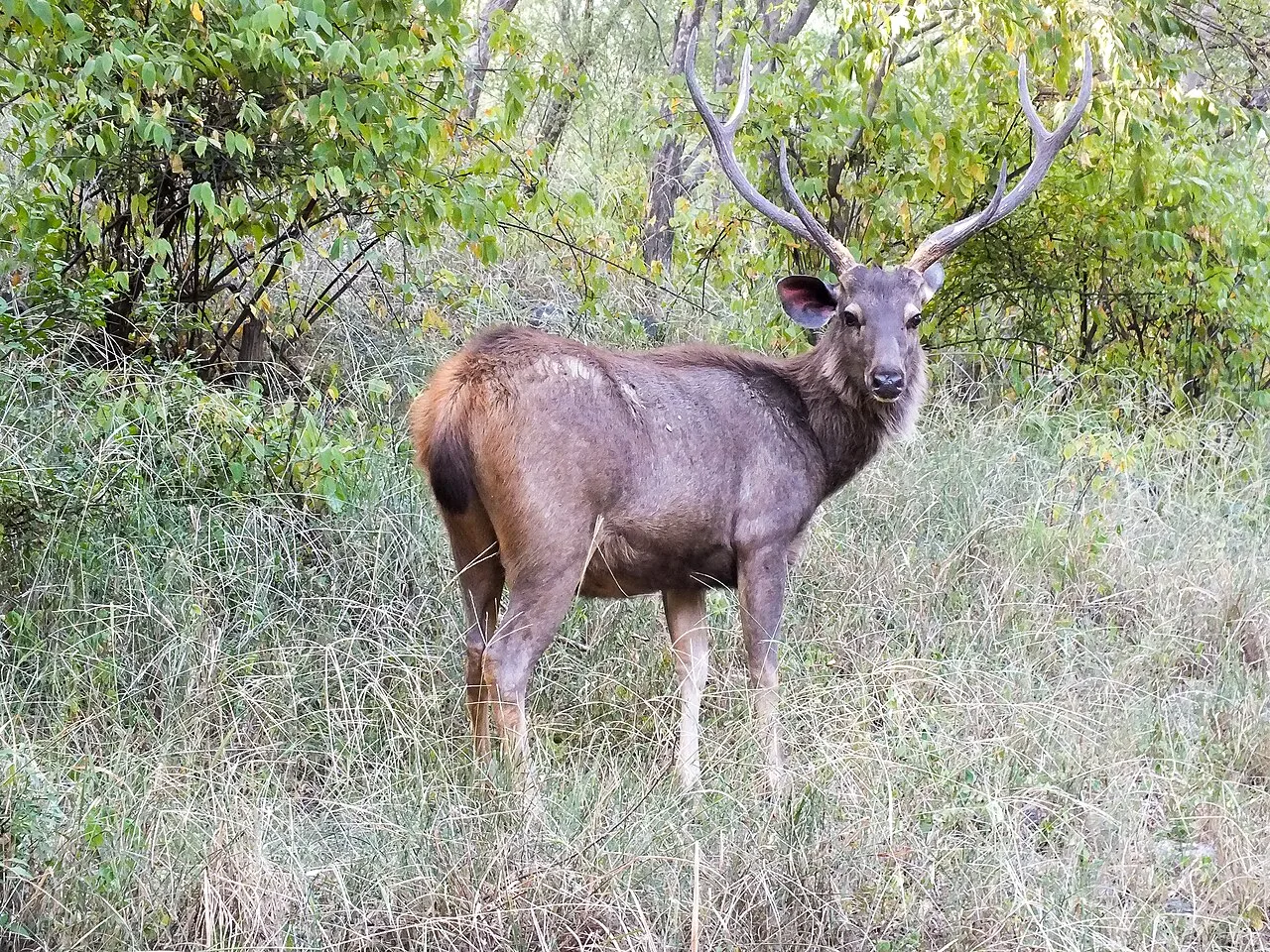
Sariska Tiger Reserve, in Rajasthan’s Alwar district, is a protected area with tiger-reserve status and varied forest, grassland and rocky habitats. Visitors come to experience its wildlife and conservation setting.

Keoladeo National Park

63 km away · Bharatpur district

Keoladeo National Park

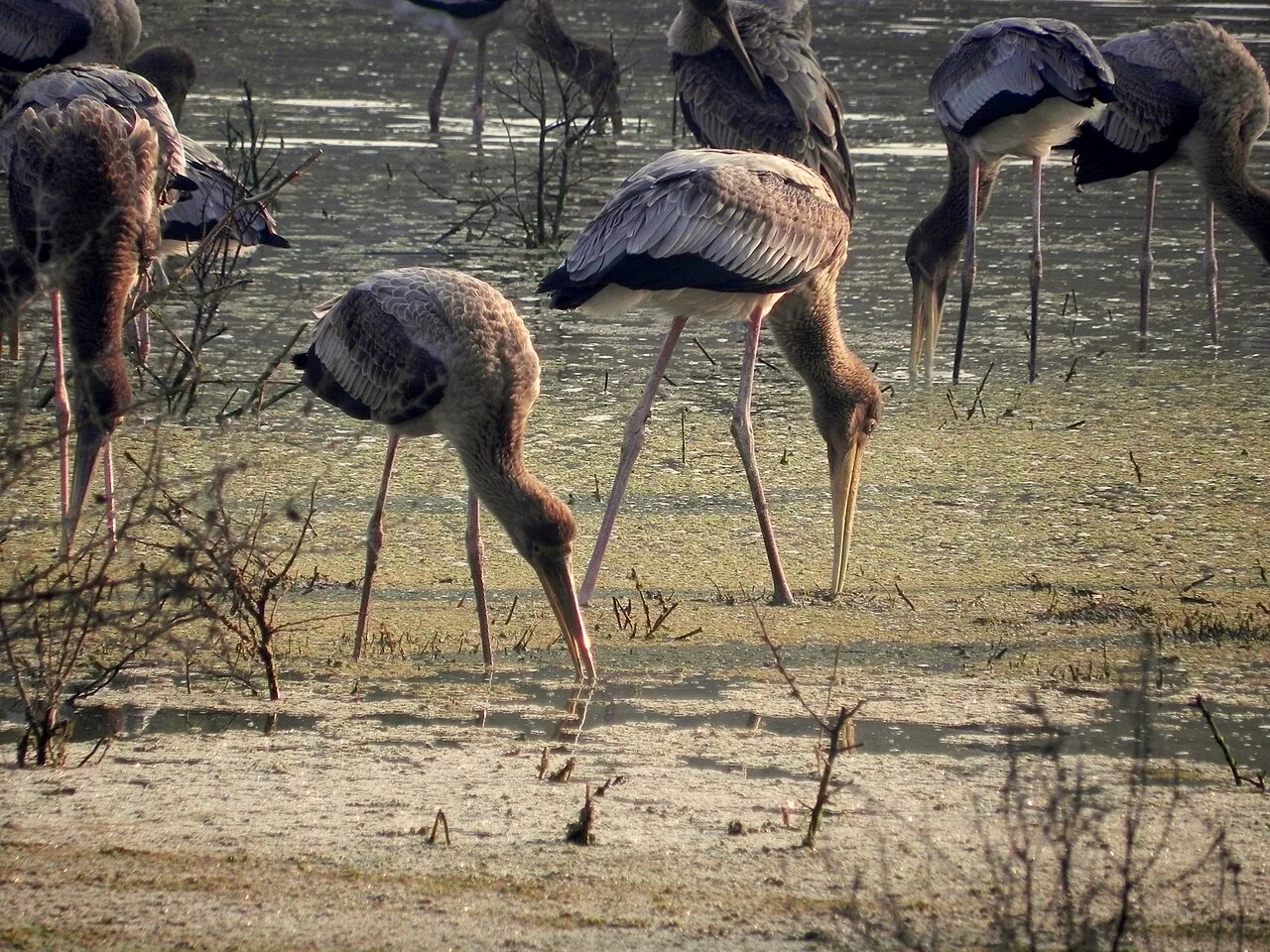
Keoladeo National Park is a wetland and wildlife reserve in Bharatpur district, Rajasthan. Visitors come to see its varied birdlife, particularly the many species that gather there during winter.

Mehandipur Balaji Temple

66 km away · Dausa district

Mehandipur Balaji Temple

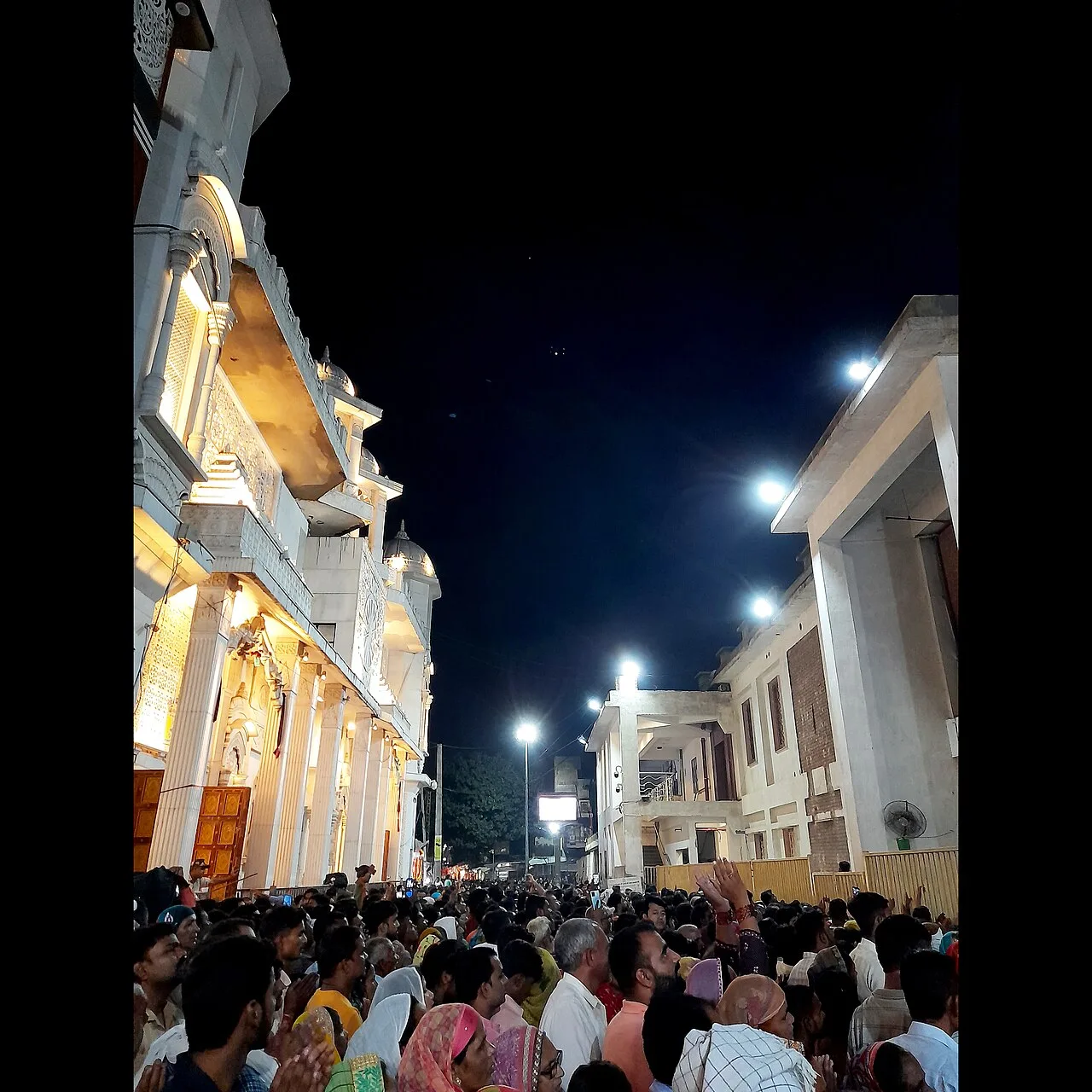
In Rajasthan’s Dausa district, Mehandipur Balaji Temple is a Hindu place of worship devoted to Hanuman. Pilgrims visit for its reputation for ritual healing and ceremonies to remove evil spirits.

Chand Baori

68 km away · Dausa district

Chand Baori

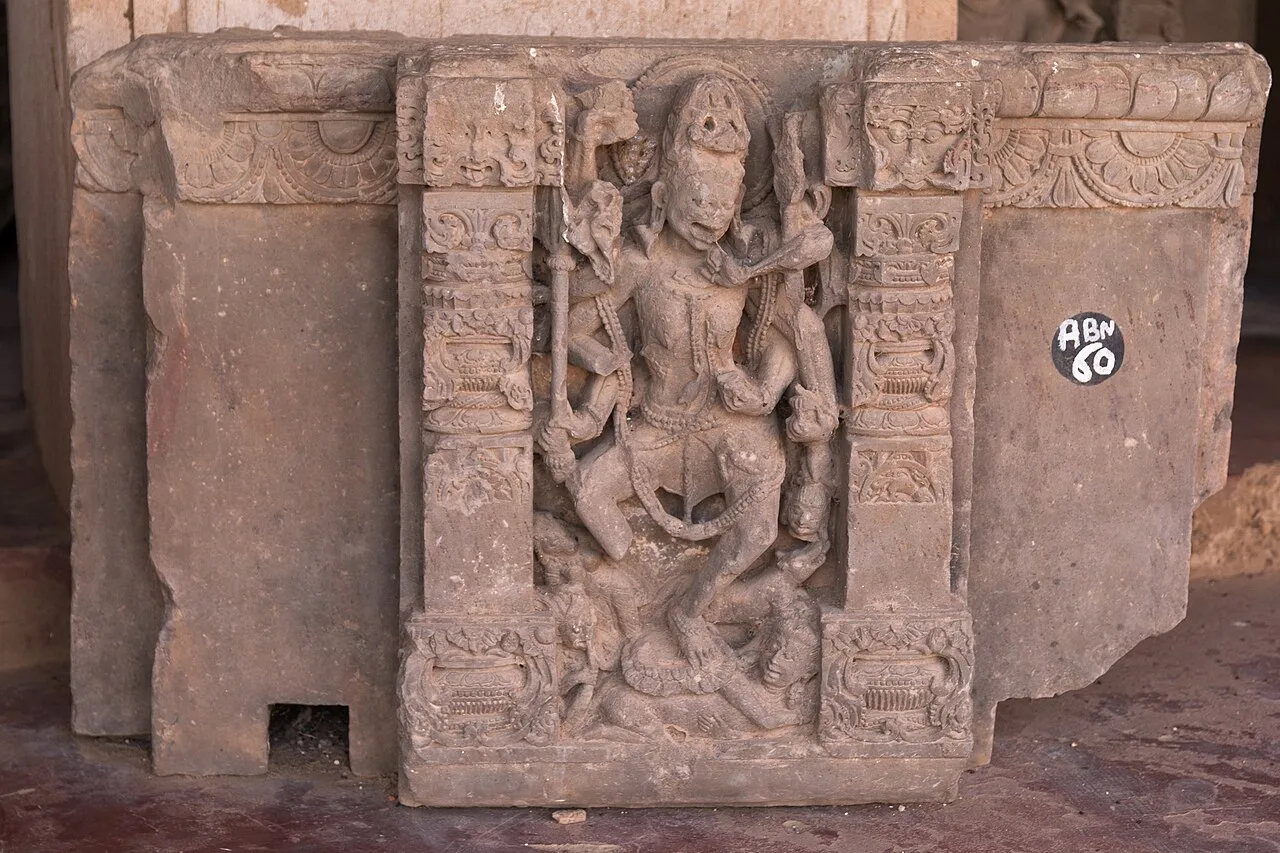
In Abhaneri, Chand Baori is a historic Rajasthan stepwell known for its depth and tiered stairways. Visitors come to see its inverted-pyramid layout and large reservoir.

Bhangarh Fort

84 km away · Alwar district

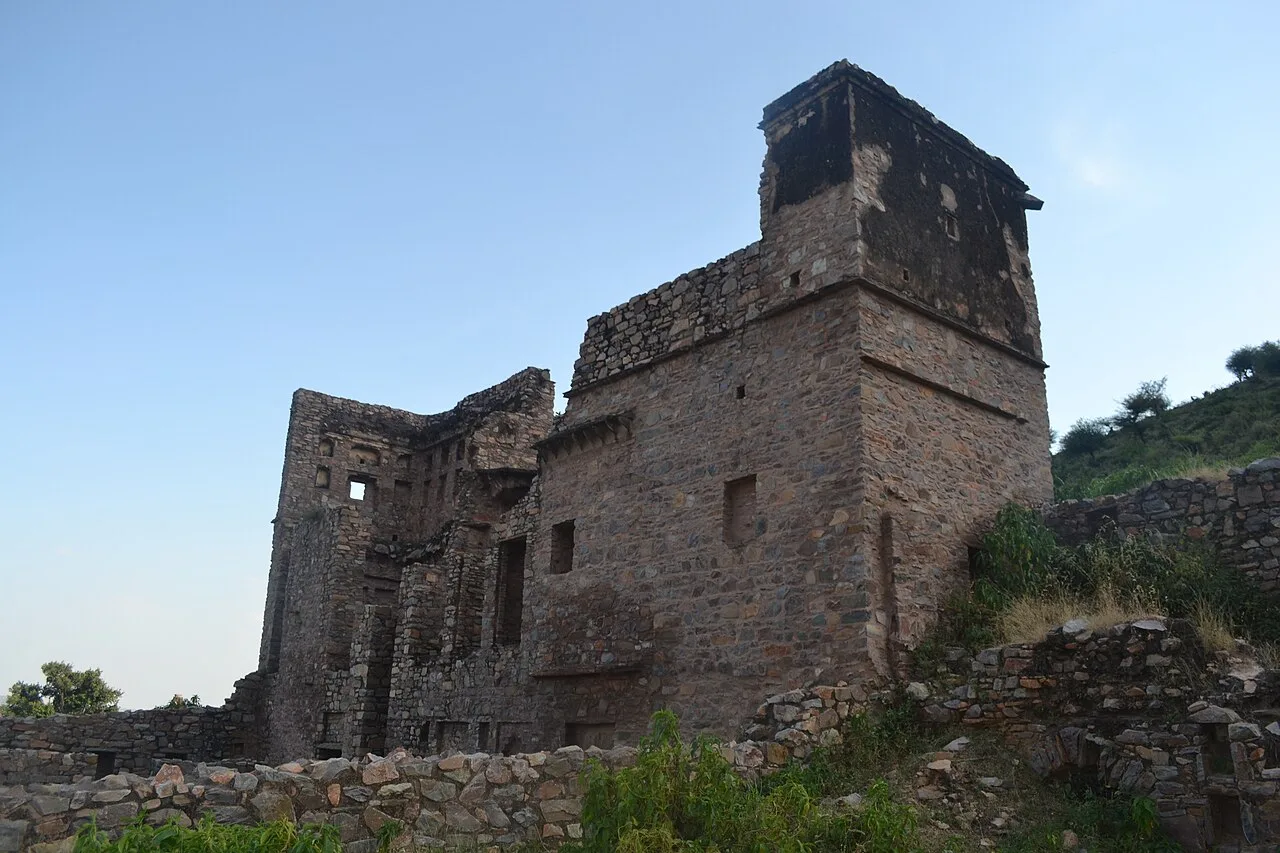
Bhangarh Fort

Dating to the sixteenth century, Bhangarh Fort in Rajasthan is linked to Madho Singh’s residence. Visitors come to view the preserved fort and its surrounding precincts.

Map

Govindgarh on the map

  1. 1Deeg Palace
  2. 2Siliserh Lake
  3. 3Lohagarh Fort
  4. 4Sariska Tiger Reserve
  5. 5Keoladeo National Park
  6. 6Mehandipur Balaji Temple
  7. 7Chand Baori
  8. 8Bhangarh Fort

Rajasthan

Other cities to explore