Ghumoopedia — Explore, Discover, Experience
Sign in
Mandawa, near Malsisar

City guide · Rajasthan

Malsisar

Malsisar is a town and tehsil in Jhunjhunu district, in Rajasthan’s Shekhawati region. Its importance today is chiefly local: it serves as an administrative and market centre for surrounding villages, while retaining the character of a small Marwari town.

Famous for

  • Marwari haveli architecture
  • Shekhawati heritage setting
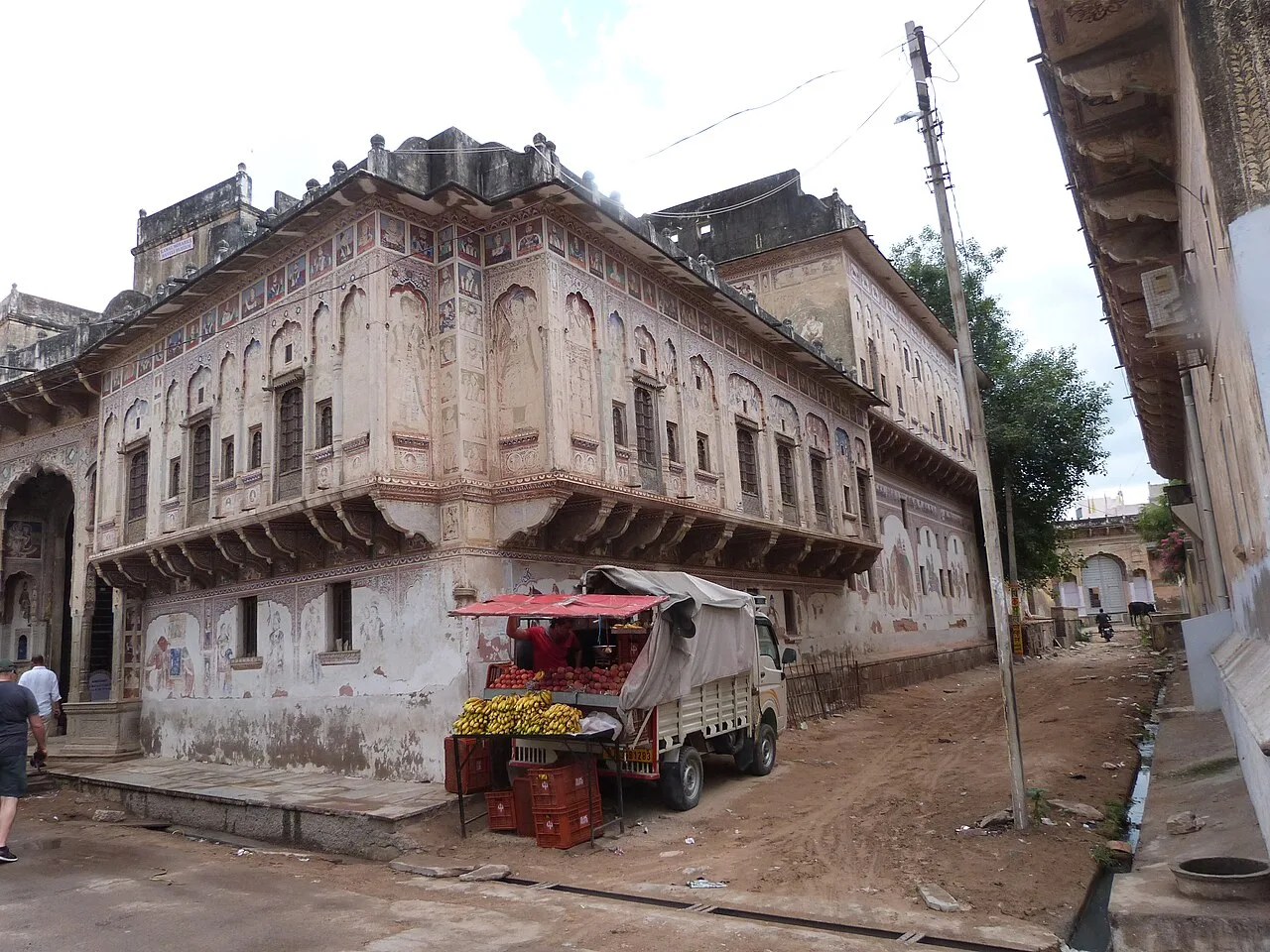
  • Traditional haveli façades
  • Jhunjhunu district tehsil

Why Malsisar matters

Malsisar is a town and tehsil in Jhunjhunu district, in Rajasthan’s Shekhawati region. Its importance today is chiefly local: it serves as an administrative and market centre for surrounding villages, while retaining the character of a small Marwari town. Traditional architecture and havelis give it a distinct built heritage within a region known for historic merchant homes.

Visitors drawn to Shekhawati’s architecture can include Malsisar in a wider journey through the district. The town offers a quieter look at everyday life beyond the region’s better-known heritage stops: old streets, local shops and residential façades form part of the experience. It is best approached as a place for observing regional architecture and rural-town life rather than as a large, purpose-built tourist centre. Its location in northern Rajasthan also makes it a useful point of interest for travellers exploring the towns and countryside of Jhunjhunu district.
Famous for: crafts, trade & products

Its heritage lies in the design of its older homes and in its place within Shekhawati, where merchant wealth helped shape distinctive residential architecture. Visitors interested in buildings can look around the older settlement and observe the façades from public streets, while respecting that many havelis are privately occupied.

The town’s local bazaar serves everyday needs for residents and nearby villages. It is a practical place to look for routine groceries, household goods and seasonal snacks, but shoppers should not expect a dedicated craft market or a guaranteed range of specialist souvenirs. No particular Malsisar-made product is firmly established as a visitor speciality. For regional crafts or a broader choice of keepsakes, ask locally about current availability or include larger Shekhawati towns on the itinerary. Malsisar’s strongest appeal for visitors is its architecture and local setting, not a specific manufacturing or retail industry.

History

Malsisar’s history is best understood in the context of Shekhawati, the historic region of northeastern Rajasthan associated with the Shekhawat Rajputs and the wider Jaipur state. The town’s traditional Marwari havelis reflect the region’s commercial connections and the prosperity of merchant families. However, a detailed, well-established chronology for Malsisar itself is not readily available, so specific founding dates or claims about individual patrons should be treated cautiously.

During the colonial period, trade and changing routes reshaped towns across Shekhawati. Merchant wealth contributed to the region’s notable homes, while political authority remained connected to the princely state of Jaipur until India’s independence and the subsequent integration of princely states. In modern Rajasthan, Malsisar has continued as a local settlement and tehsil centre within Jhunjhunu district. Its present-day role is administrative and community-focused, with its architectural heritage providing a link to the region’s earlier commercial life.

Food, festivals & culture

Daily life in Malsisar reflects the customs of the Shekhawati region. Marwari is widely associated with local speech, alongside Hindi, which is used for communication across Rajasthan. Meals draw on familiar regional staples such as bajra roti, dal, gatte ki sabzi and churma; availability varies by household and season. Sweets and festive foods are more likely to be found around celebrations than as a distinct Malsisar speciality.

Holi in spring and Diwali in autumn are major occasions, while Teej and Gangaur are observed in the broader Rajasthani cultural calendar. Family gatherings, worship and community events shape these celebrations. Folk songs, devotional bhajans and regional musical traditions form part of local cultural life; Ghoomar is associated with Rajasthan’s dance heritage, though performances are not guaranteed in town. Neighbourhood temples and other places of worship serve residents and visitors alike. Travellers should dress respectfully and ask before photographing worshippers or entering private spaces.

Visiting the city

The cooler months, roughly October to March, are generally the most comfortable for exploring Malsisar; summer days can be very hot. Jaipur International Airport is the nearest major airport commonly used for travel to the area. Jhunjhunu railway station is a practical railhead for reaching the district, followed by onward road travel. Check current transport connections before setting out.

Within Malsisar, local walks are a good way to see the older streets, havelis and bazaar. For trips between town and nearby villages, arrange a local taxi or other road transport; options may be limited compared with larger cities. Focus on the older settlement and its residential façades, and allow time to experience the surrounding countryside. As many havelis are homes rather than public attractions, view them from public areas unless access is clearly offered.

Trips from the city

Nearest places to visit from Malsisar

Our closest destination guides, by straight-line distance.

Mandawa

37 km away · Jhunjhunu district

Mandawa

Mandawa is a town in Rajasthan’s Jhunjhunu district, within the Shekhawati region. Travellers visit it as part of journeys through the region and nearby Jhunjhunu.

Nawalgarh

57 km away · Jhunjhunu district

Nawalgarh

Nawalgarh is a heritage city in Rajasthan’s Shekhawati region, within Jhunjhunu district. Visitors are drawn by its heritage character, and it is 30.5 km from Sikar and 39.2 km from Jhunjhunu.

Tal Chhapar Sanctuary

105 km away · Churu district

Tal Chhapar Sanctuary

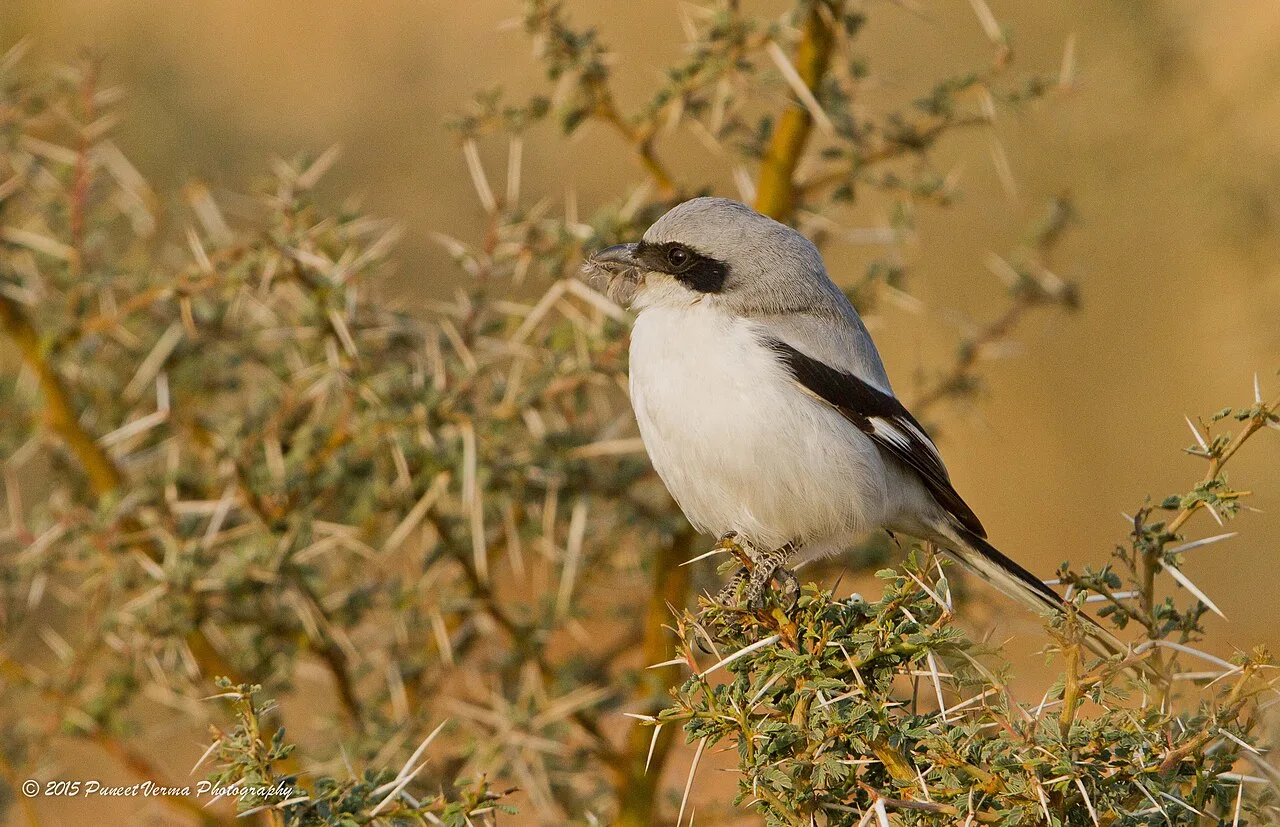
Tal Chhapar is a wildlife sanctuary in Rajasthan’s Churu district, known for blackbucks and birdlife. Visitors come to see its wildlife in a setting near the Great Indian Desert.

Khatu Shyam Temple

110 km away · Sikar district

Khatu Shyam Temple

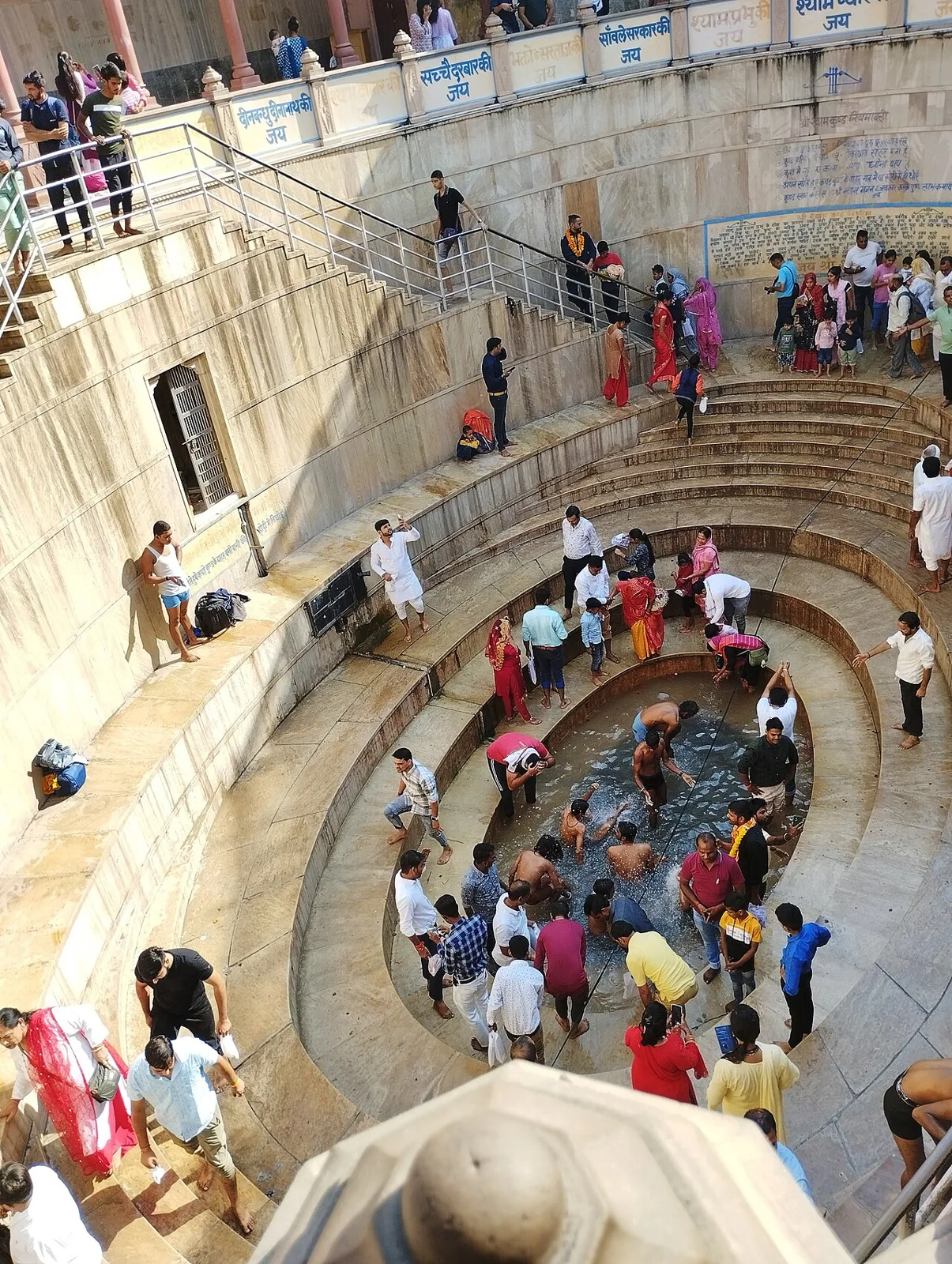
In KhatuShyamJi town, Rajasthan, this Hindu shrine honours Khatu Shyam, believed to be a divine manifestation of Barbareek from the Mahabharat. Pilgrims visit throughout the year, especially for the Falgun Mela.

Samode

137 km away · Jaipur district

Samode

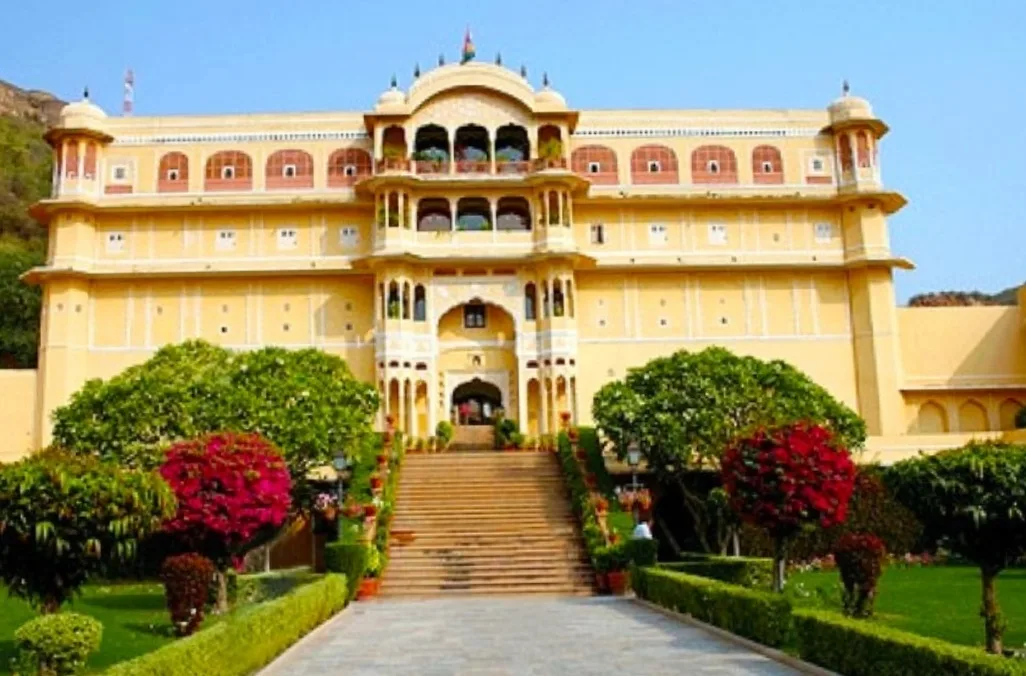
Samode is a village in Rajasthan’s Aravalli hills, north-west of Jaipur. Visitors come for its palace, haveli and garden, historic properties now operated as heritage hotels.

Siliserh Lake

152 km away · Alwar district

Siliserh Lake

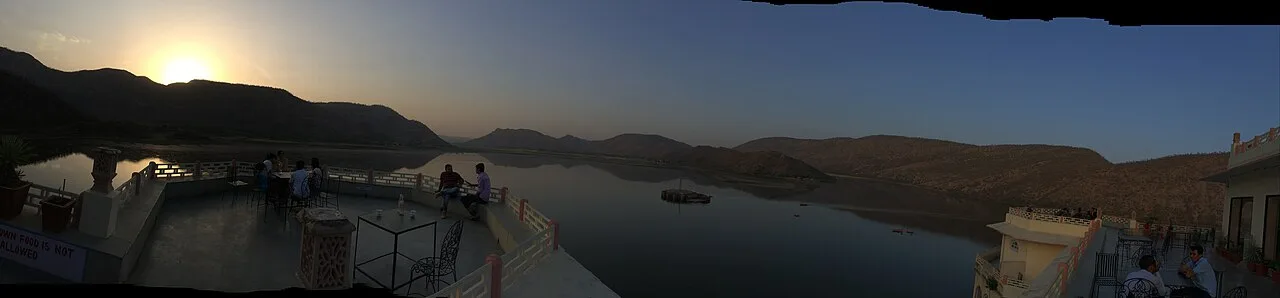
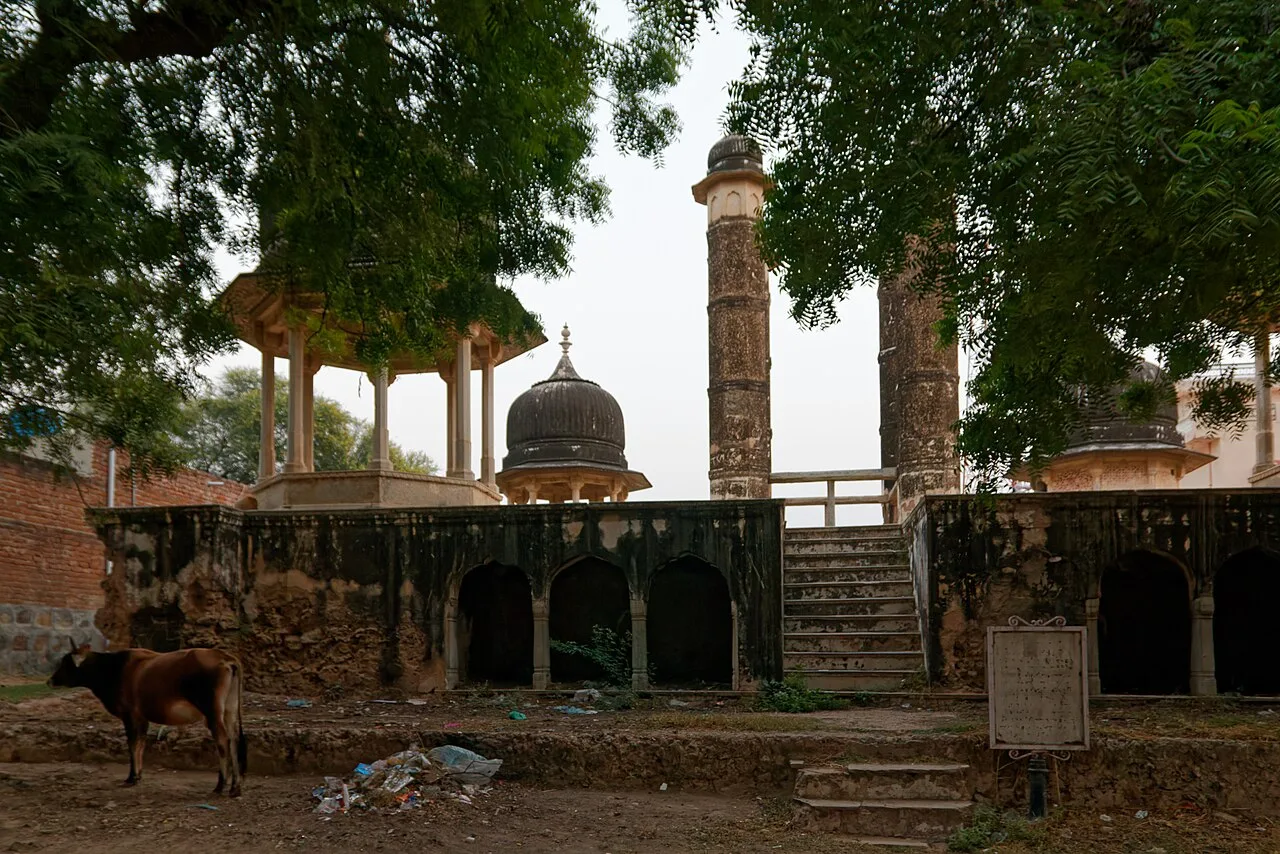
Siliserh Lake is an artificial lake in Rajasthan, southwest of Alwar, with wooded banks and cenotaphs along its embankment that visitors come to see.

Sambhar Salt Lake

159 km away · Jaipur district

Sambhar Salt Lake

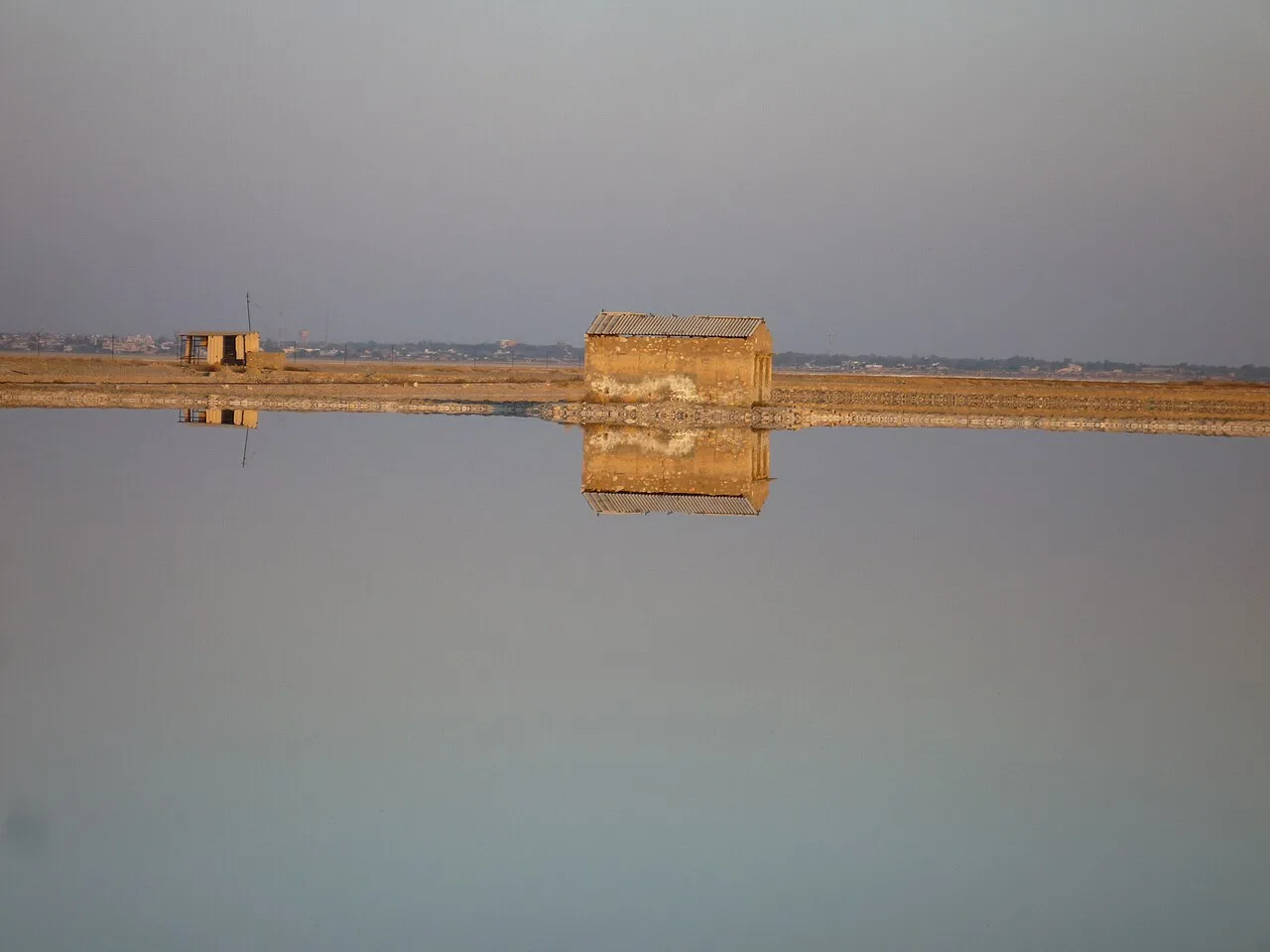
Sambhar Salt Lake is Rajasthan’s largest inland salt lake, in Jaipur district. Visitors come to see the lake and the historic settlement of Sambhar Lake Town, which it surrounds.

Sariska Tiger Reserve

161 km away · Alwar district

Sariska Tiger Reserve

Sariska Tiger Reserve, in Rajasthan’s Alwar district, is a protected area with tiger-reserve status and varied forest, grassland and rocky habitats. Visitors come to experience its wildlife and conservation setting.

Map

Malsisar on the map

  1. 1Mandawa
  2. 2Nawalgarh
  3. 3Tal Chhapar Sanctuary
  4. 4Khatu Shyam Temple
  5. 5Samode
  6. 6Siliserh Lake
  7. 7Sambhar Salt Lake
  8. 8Sariska Tiger Reserve

Rajasthan

Other cities to explore