Ghumoopedia — Explore, Discover, Experience
Sign in
Mandawa, near Baggar

City guide · Rajasthan

Baggar

Baggar, also spelt Bagar, is a small town in Jhunjhunu district and part of the historic Shekhawati region of northeastern Rajasthan. It lies about 12 kilometres from Jhunjhunu, on the road towards Chirawa and Loharu, and serves as a local centre for nearby settlements.

Famous for

  • Shekhawati heritage havelis
  • Frescoed mansion architecture
  • Semi-arid Shekhawati landscapes
  • Rajasthani folk traditions

Why Baggar matters

Baggar, also spelt Bagar, is a small town in Jhunjhunu district and part of the historic Shekhawati region of northeastern Rajasthan. It lies about 12 kilometres from Jhunjhunu, on the road towards Chirawa and Loharu, and serves as a local centre for nearby settlements. Its position on State Highway 8 makes it a convenient stop or base for exploring the district by road.

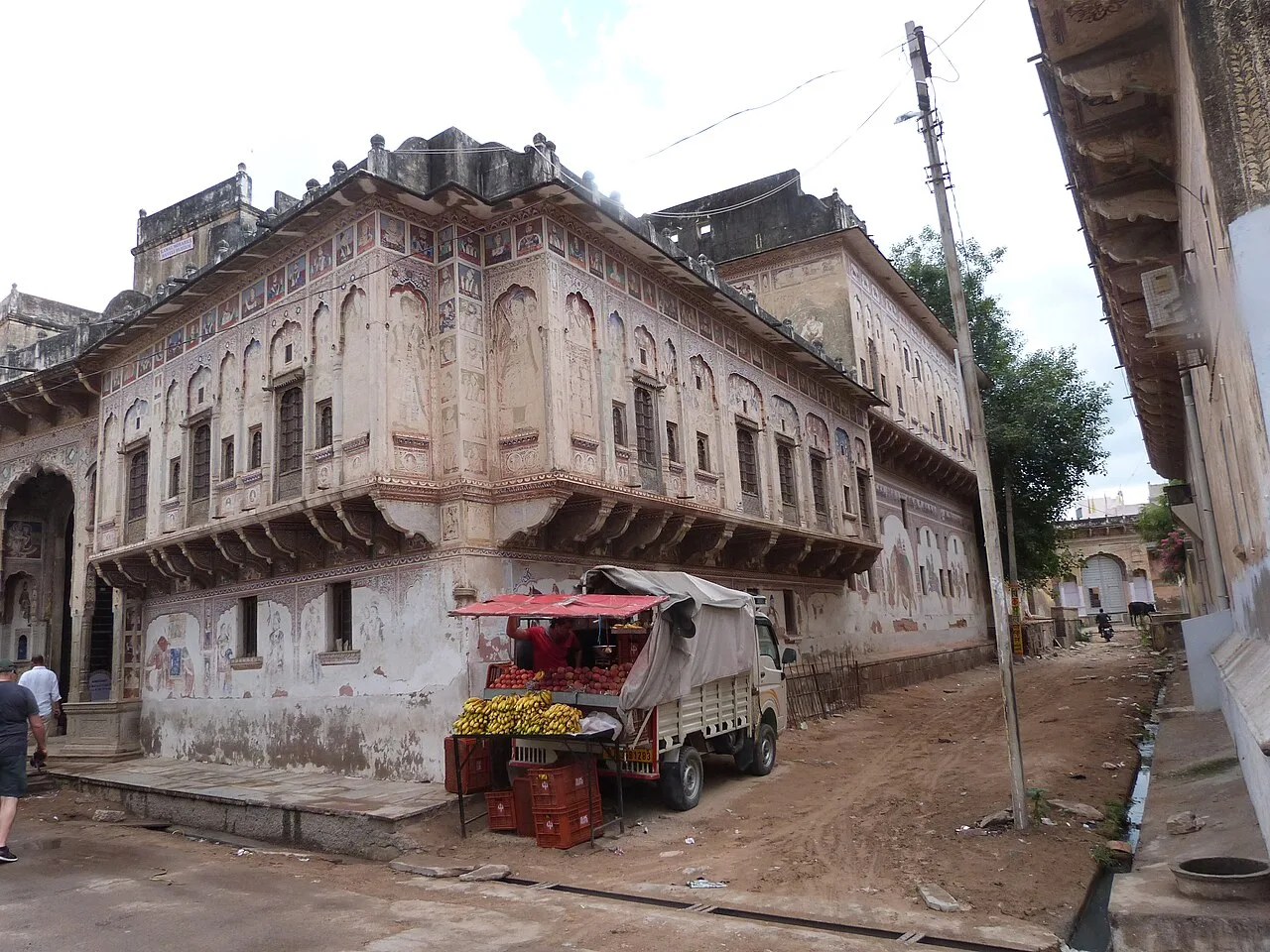
The town’s strongest appeal is its connection to Shekhawati’s distinctive heritage of havelis: grand merchant houses whose painted façades and courtyards reflect the region’s trading past. Baggar is quieter and less visited than some of Shekhawati’s better-known heritage stops, so its interest lies in an unhurried look at local streets and architecture rather than a large, formal tourist circuit. Visitors can combine a visit with Jhunjhunu and other towns in the region. Everyday town life, local worship and the surrounding semi-arid landscape add context to the architectural legacy.
Famous for: crafts, trade & products

Baggar is best known for its Shekhawati-style havelis and painted architectural details, rather than for a major textile, handicraft or manufacturing industry. The region’s historic mansions are the most distinctive local expression of craft: painters used vivid colours and detailed scenes to decorate walls and façades. These works are part of the built heritage, not goods sold through a dedicated craft market.

The town has everyday shops and local market streets serving residents, where visitors may find household goods, snacks and common regional products. For a broader choice of Rajasthani textiles, handicrafts and souvenirs, Jhunjhunu and larger Shekhawati towns are more practical stops. Baggar is not widely identified with a specific GI-tagged product or a signature saree, so it is best not to expect a specialist shopping destination. A respectful walk through accessible streets is a way to appreciate the town’s architectural craft; private homes and occupied havelis should be viewed without entering unless access is clearly invited.

History

Baggar’s history is tied to that of Shekhawati, a region shaped by Rajput chiefdoms and the growth of settlements along routes linking the interior of Rajasthan with wider trading networks. The name Shekhawati is associated with Rao Shekha, the fifteenth-century ruler whose descendants established branches of the Shekhawat clan across the region. Baggar developed within the historical orbit of Jhunjhunu and its local rulers; its story is best understood alongside that district’s changing political fortunes rather than as a separate princely capital.

From the eighteenth century onward, merchant families prospered in Shekhawati, and their wealth helped create the painted havelis for which the region is now celebrated. Trade and migration later shifted, leaving many mansions as reminders of that period. During British rule, the area formed part of the larger Rajputana political landscape. In modern Rajasthan, Baggar has grown as a municipal town connected by road to Jhunjhunu, Chirawa and Pilani, while retaining its regional architectural character.

Food, festivals & culture

Daily life in Baggar reflects the food and customs of the Shekhawati region. Meals commonly draw on Rajasthan’s hearty vegetarian cooking, including bajra roti, dal baati churma, gatte-based dishes and seasonal preparations such as ker sangri. Sweets such as ghevar are associated with festive occasions. Recipes and availability vary between households and local eateries, so asking locally is often the best way to find a particular dish.

Hindi and regional Rajasthani speech, including Shekhawati, are heard in everyday conversation. Holi, usually in spring, and Diwali, in autumn, are widely observed; Gangaur is a spring festival, while Teej is associated with the monsoon season. Folk music and dances such as ghoomar form part of the broader cultural traditions of Rajasthan, especially during celebrations. Temples and other neighbourhood places of worship are part of local community life. Visitors should dress respectfully and ask before photographing worshippers or private religious spaces.

Visiting the city

The cooler months, roughly October to March, are generally the most comfortable time to visit; summer days can be very hot, while monsoon weather can bring rain. Jaipur International Airport is the nearest major airport. Jhunjhunu railway station is the main nearby rail station; confirm current connections before planning a journey.

Baggar is reached most conveniently by road from Jhunjhunu, with State Highway 8 linking the area towards Chirawa and Pilani. Auto-rickshaws and local vehicles can help with short trips, while a hired car is useful for visiting several Shekhawati towns. Explore the central streets and accessible haveli façades at a relaxed pace, then combine the visit with Jhunjhunu or nearby heritage stops. Many havelis are private properties, so seek permission before entering.

Trips from the city

Nearest places to visit from Baggar

Our closest destination guides, by straight-line distance.

Mandawa

38 km away · Jhunjhunu district

Mandawa

Mandawa is a town in Rajasthan’s Jhunjhunu district, within the Shekhawati region. Travellers visit it as part of journeys through the region and nearby Jhunjhunu.

Nawalgarh

44 km away · Jhunjhunu district

Nawalgarh

Nawalgarh is a heritage city in Rajasthan’s Shekhawati region, within Jhunjhunu district. Visitors are drawn by its heritage character, and it is 30.5 km from Sikar and 39.2 km from Jhunjhunu.

Khatu Shyam Temple

92 km away · Sikar district

Khatu Shyam Temple

In KhatuShyamJi town, Rajasthan, this Hindu shrine honours Khatu Shyam, believed to be a divine manifestation of Barbareek from the Mahabharat. Pilgrims visit throughout the year, especially for the Falgun Mela.

Samode

113 km away · Jaipur district

Samode

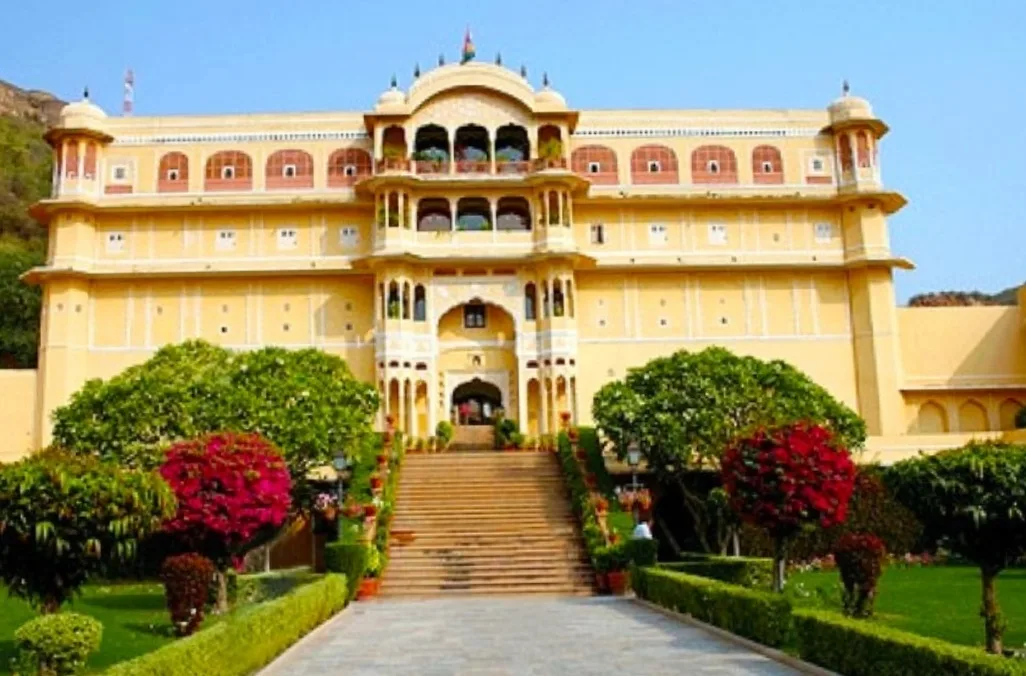
Samode is a village in Rajasthan’s Aravalli hills, north-west of Jaipur. Visitors come for its palace, haveli and garden, historic properties now operated as heritage hotels.

Tal Chhapar Sanctuary

113 km away · Churu district

Tal Chhapar Sanctuary

Tal Chhapar is a wildlife sanctuary in Rajasthan’s Churu district, known for blackbucks and birdlife. Visitors come to see its wildlife in a setting near the Great Indian Desert.

Siliserh Lake

125 km away · Alwar district

Siliserh Lake

Siliserh Lake is an artificial lake in Rajasthan, southwest of Alwar, with wooded banks and cenotaphs along its embankment that visitors come to see.

Sariska Tiger Reserve

134 km away · Alwar district

Sariska Tiger Reserve

Sariska Tiger Reserve, in Rajasthan’s Alwar district, is a protected area with tiger-reserve status and varied forest, grassland and rocky habitats. Visitors come to experience its wildlife and conservation setting.

Amber Fort

138 km away · Jaipur district

Amber Fort

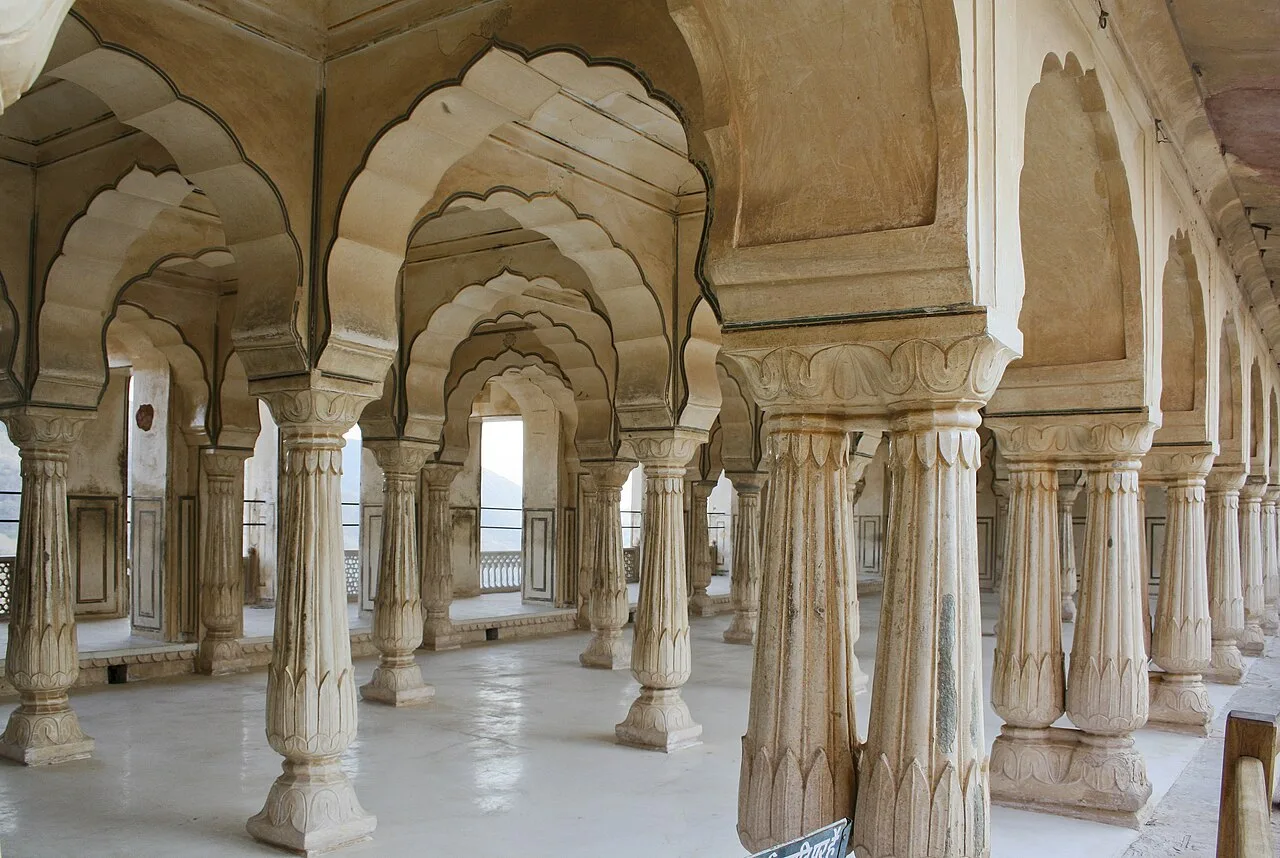
Amber Fort, also known as Amer Palace, is a hilltop fort in Amer, Rajasthan. Visitors explore its Rajput and Mughal-influenced design, palace halls and setting above Maota Lake.

Map

Baggar on the map

  1. 1Mandawa
  2. 2Nawalgarh
  3. 3Khatu Shyam Temple
  4. 4Samode
  5. 5Tal Chhapar Sanctuary
  6. 6Siliserh Lake
  7. 7Sariska Tiger Reserve
  8. 8Amber Fort

Rajasthan

Other cities to explore