Ghumoopedia — Explore, Discover, Experience
Sign in
Guru Shikhar, near Pindwara

City guide · Rajasthan

Pindwara

Pindwara is an important commercial and industrial town in Sirohi district, set between the Aravalli hills and the plains of the Marwar region. Its name is especially associated with marble and stone carving: local workshops and artisans produce finely worked stone for religious and architectural projects, making the town a point of interest for visitors curious about traditional craft as well as industry.

Famous for

  • Marble carving
  • Stone craftsmanship
  • Temple artisans
  • Aravalli foothills

Why Pindwara matters

Pindwara is an important commercial and industrial town in Sirohi district, set between the Aravalli hills and the plains of the Marwar region. Its name is especially associated with marble and stone carving: local workshops and artisans produce finely worked stone for religious and architectural projects, making the town a point of interest for visitors curious about traditional craft as well as industry. Pindwara artisans have contributed to carving for prominent temple projects, including the Akshardham temple network and the Ram temple in Ayodhya.

The town also serves as a centre for trade and everyday services in this part of the district, with road and rail links connecting it to other Rajasthan towns and cities farther afield. Its appeal is quieter than that of major tourist hubs: visitors can see craft work in progress, explore the busy town centre and use Pindwara as a base for discovering the surrounding Aravalli landscape. The blend of working-town energy, stonecraft and regional setting gives Pindwara its particular character.
Famous for: crafts, trade & products

Pindwara is best known for marble and stone carving. Local craft workshops shape stone into architectural details and religious sculpture, drawing on skills passed through generations of artisans. Their work has been used in major temple projects, including Akshardham temples and the Ram temple in Ayodhya. The town’s stone trade also includes related cutting, finishing and building-material businesses. Visitors interested in the craft can look for workshops and stone businesses around town; it is courteous to ask before entering a work area or photographing artisans.

Pindwara is not primarily known as a textile or saree centre, and no particular GI-tagged product is strongly associated with it. Rather than a single visitor-focused craft bazaar, much of its trade is conducted through working markets and specialist businesses. The town’s central commercial areas are useful for seeing everyday local commerce and asking about stonework. Products and availability vary by workshop, so visitors seeking a particular carving or stone item should compare makers and confirm what can be made or transported. The craft remains closely tied to the town’s identity and economy.

History

Pindwara’s earlier history is closely linked to that of Sirohi and the surrounding kingdom. The region was ruled in the 14th century by Rao Devraj, associated with the Chauhan Rajput clan. Over time, Pindwara developed within the political and commercial orbit of Sirohi, rather than as a separate major royal capital. During the colonial period, Sirohi was a princely state under British paramountcy, and the town’s history continued to follow the wider fortunes of the region.

In modern Rajasthan, Pindwara has grown as a municipality and tehsil centre, serving nearby communities with trade, services and transport connections. Its stone-working economy became a defining feature of its development, supporting workshops and businesses linked to marble and construction. The craft’s reach expanded through commissions for temples and other architectural projects across India. Today, Pindwara combines the functions of a regional town with an enduring reputation for skilled stone carving.

Food, festivals & culture

Daily life in Pindwara reflects the customs of southern Rajasthan and the wider Marwar region. Hindi and local Rajasthani speech, including Marwari varieties, are commonly heard. Meals draw on familiar regional cooking: dal baati churma, gatte ki sabzi and ker sangri are among the dishes visitors may encounter, while sweets such as ghevar are associated with Rajasthan more broadly. Menus and specialties differ from one household or eatery to another.

Holi in spring, Diwali in autumn and Navratri are important points in the Hindu festival calendar; Gangaur is also celebrated in Rajasthan, with local observances varying. Temple visits and community gatherings form part of festival life. Folk music and dance traditions such as ghoomar belong to the region’s cultural landscape, though performances are not necessarily scheduled for visitors. Pindwara’s places of worship include local temples and shrines, which offer a glimpse of everyday devotional life.

Visiting the city

The cooler months, roughly October to March, are generally the most comfortable time to visit. Pindwara Railway Station is the town’s main rail station. The nearest airports are Maharana Pratap Airport in Udaipur, about 100 km away, and Ahmedabad’s airport, farther to the southwest. Road buses connect Pindwara with towns across Rajasthan and with destinations including Ahmedabad, Delhi and Mumbai.

Auto-rickshaws and local vehicles are practical for getting around town; arrangements for visiting workshops or nearby areas can be made locally. Explore the central market streets for everyday trade, then seek out stone-carving workshops to understand the town’s best-known craft. The surrounding Aravalli foothills offer a change of scenery, although local transport and conditions are worth checking before setting out.

Trips from the city

Nearest places to visit from Pindwara

Our closest destination guides, by straight-line distance.

Guru Shikhar

33 km away · Sirohi district

Guru Shikhar

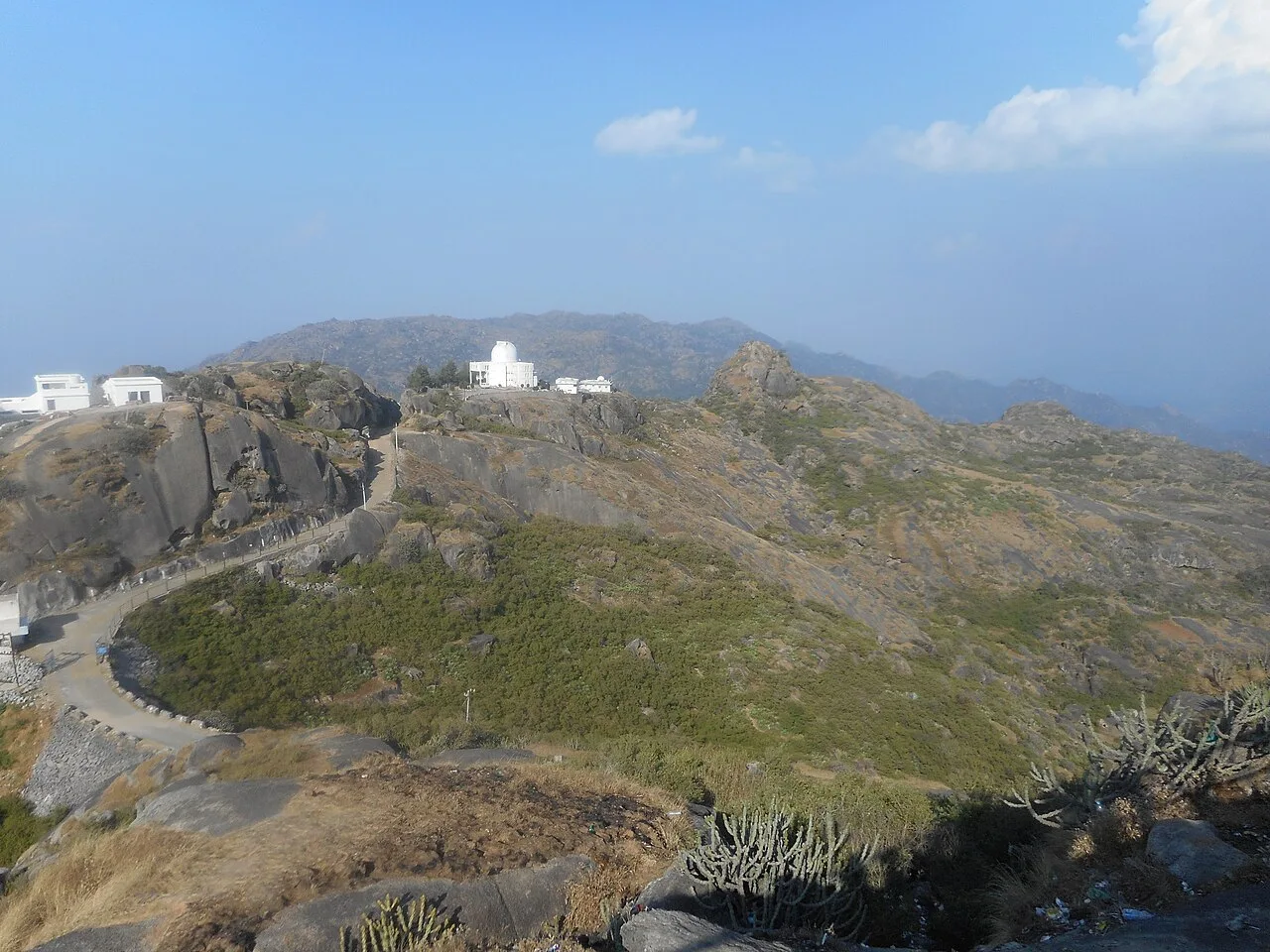
Guru Shikhar is a 1,722-metre summit in Rajasthan’s Arbuda Mountains, valued as the Aravalli Range’s highest point and visited for its hilltop shrines and nearby astronomical observatory.

Dilwara Temples

40 km away · Sirohi district

Dilwara Temples

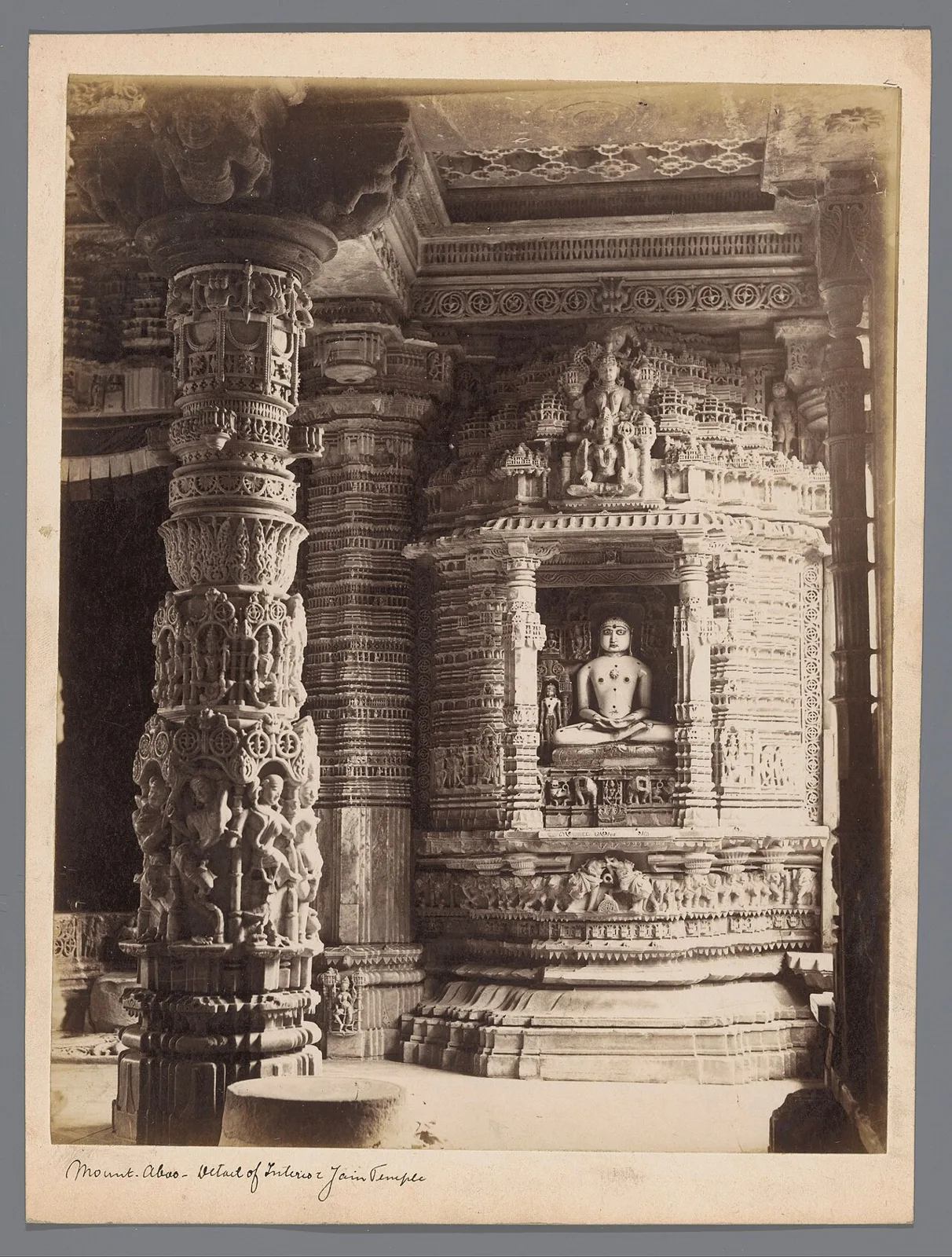
Dilwara Temples are a Śvetāmbara Jain complex near Mount Abu, Rajasthan, visited for pilgrimage and admired for their carved marble architecture.

Mount Abu

42 km away · Sirohi district

Mount Abu

In Rajasthan’s Sirohi district, Mount Abu, also known as Abu Raj, is a hill station on a rocky plateau. Visitors come for its water features, evergreen forests and Hindu and Jain temples.

Nakki Lake

42 km away · Sirohi district

Nakki Lake

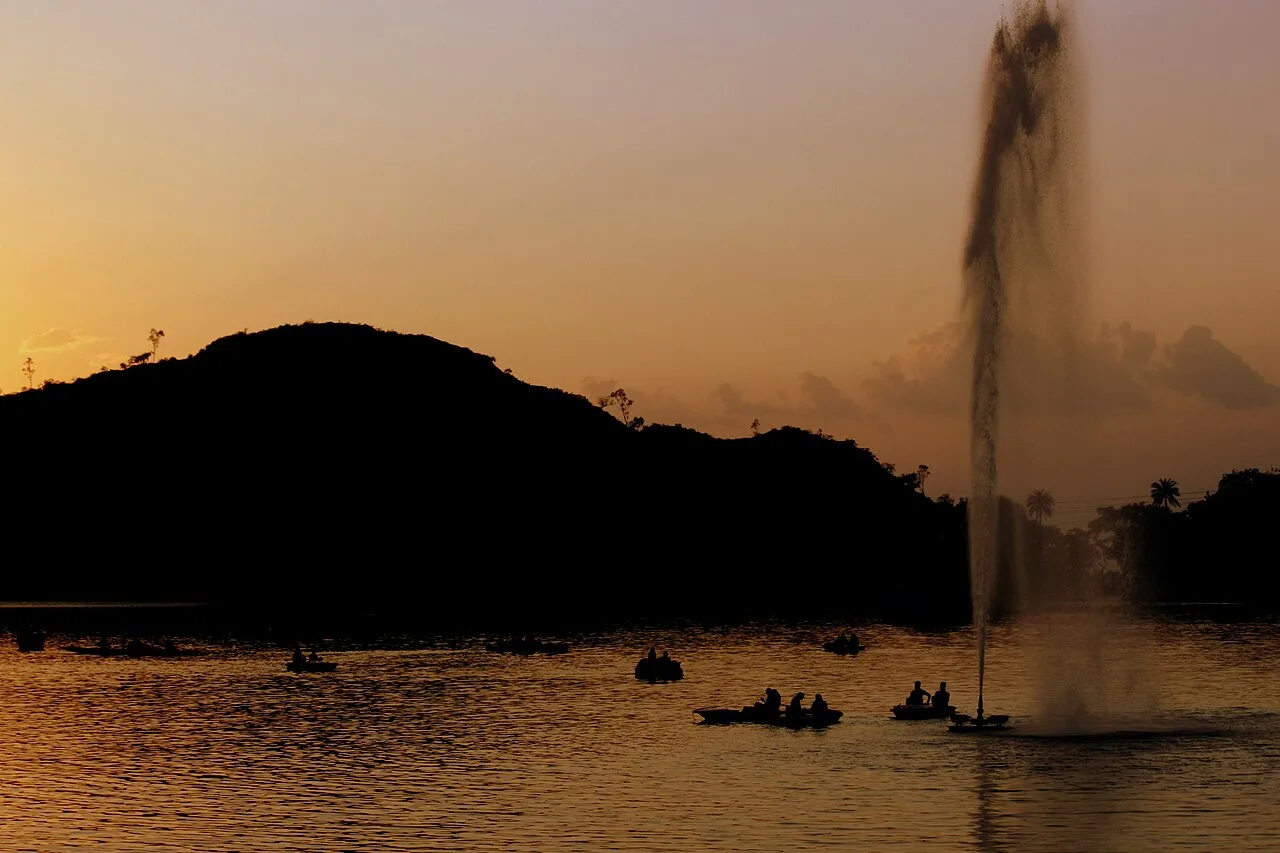
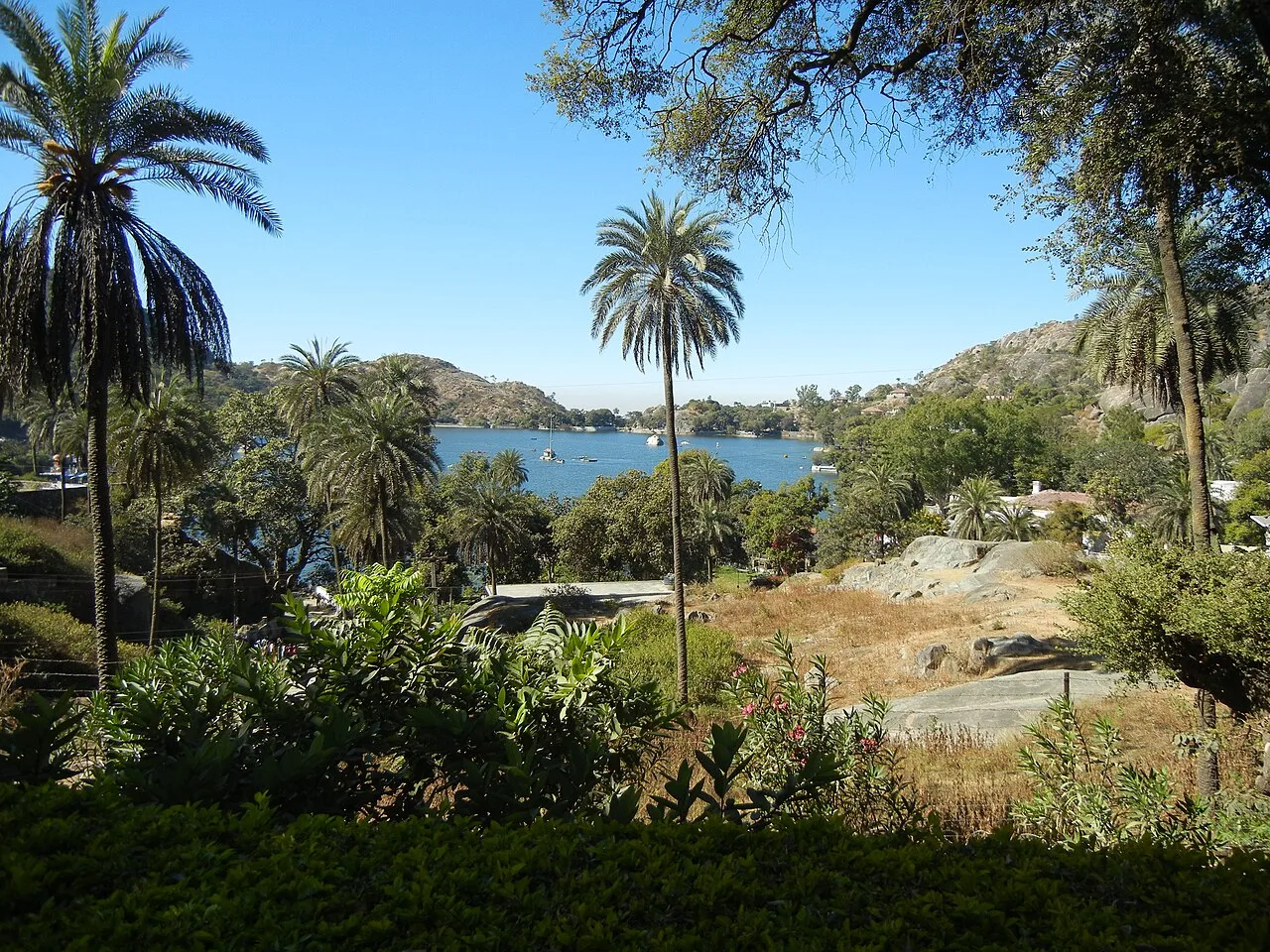
Nakki Lake is a lake at Mount Abu, a hill station in Rajasthan’s Sirohi district and the Aravalli range. Visitors come to see it while spending time at Mount Abu.

Ranakpur Jain temple

55 km away · Pali district

Ranakpur Jain temple

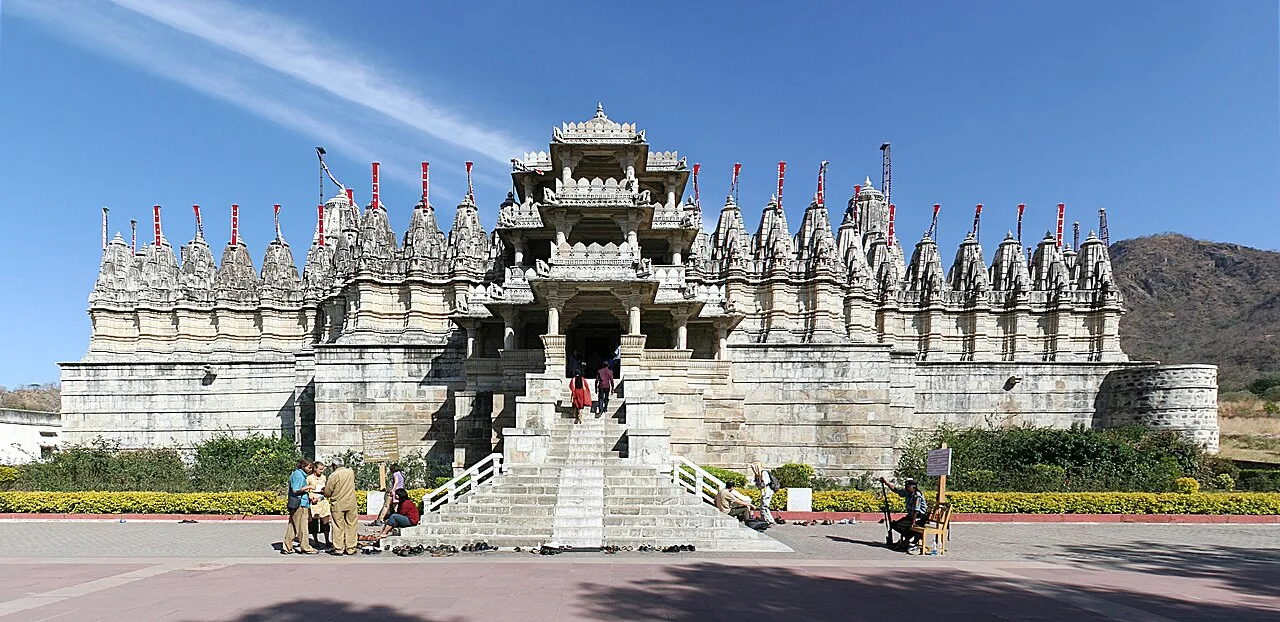
The Ranakpur Jain temple, also known as Chaturmukha Dharana Vihara, is a Śvētāmbara shrine devoted to Rishabhanatha. Jain pilgrims visit this important religious site and its group of associated temples.

Monsoon Palace

63 km away · Udaipur district

Monsoon Palace

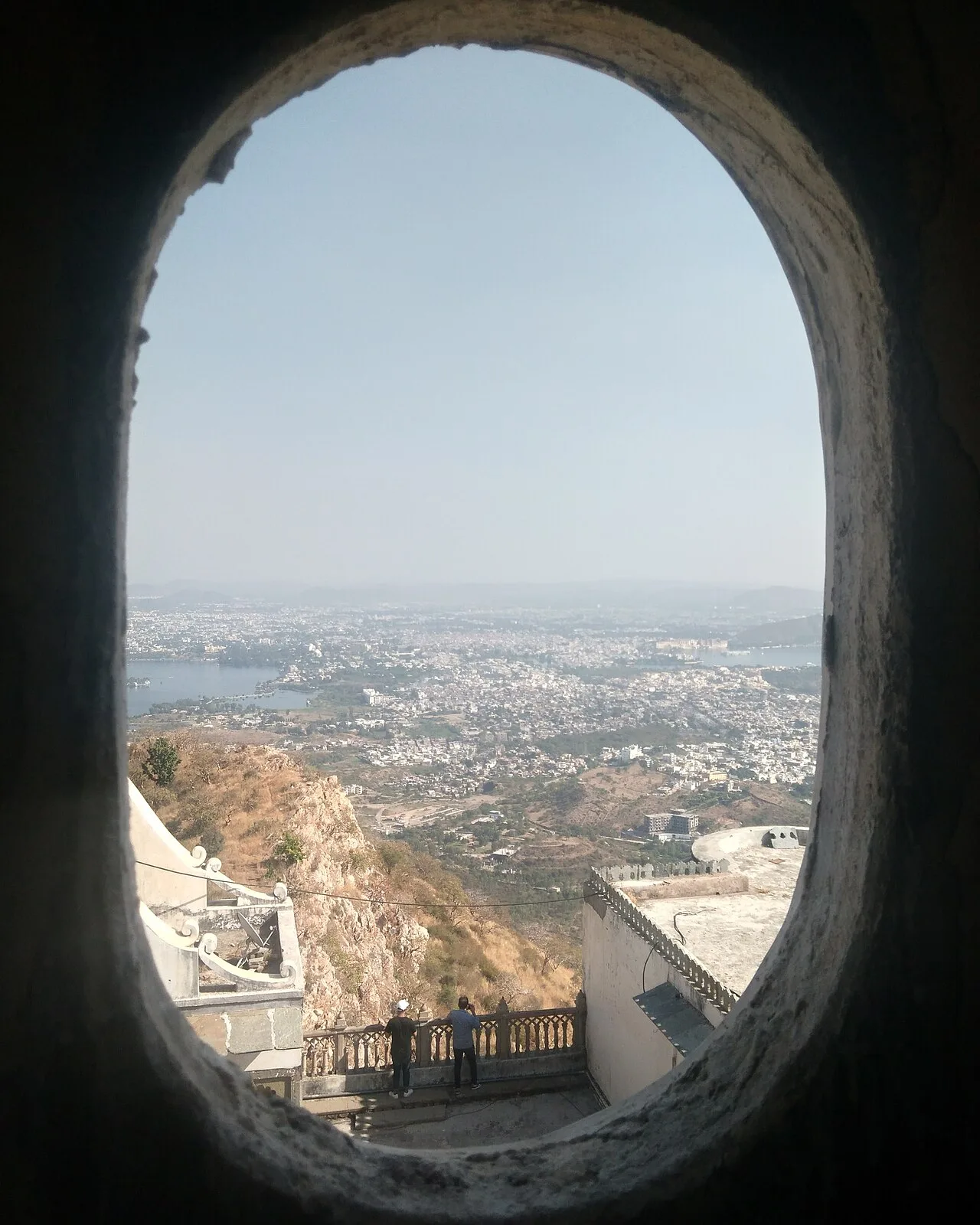
Above Udaipur in Rajasthan, Monsoon Palace, also known as Sajjangarh, was built for Maharana Sajjan Singh. Visitors come for its outlook over lakes, palaces and countryside, and for sunset views.

Fateh Sagar Lake

66 km away · Udaipur district

Fateh Sagar Lake

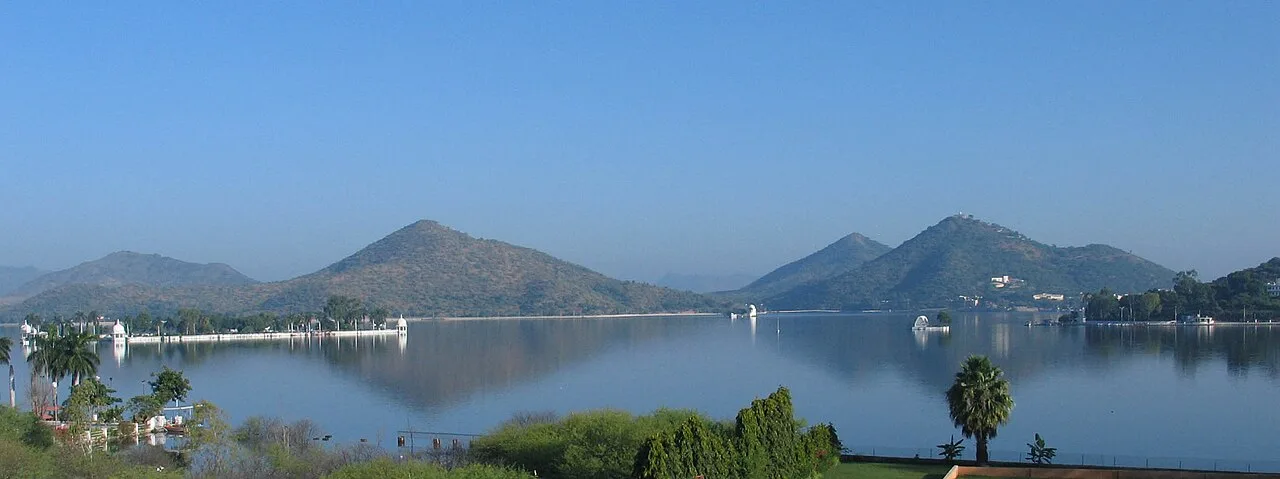
Fateh Sagar Lake is an artificial lake in Udaipur, Rajasthan. Visitors come to see its three islands, including parkland and the Udaipur Solar Observatory, while the lake also serves several water needs.

Haldighati

66 km away · Rajsamand district

Haldighati

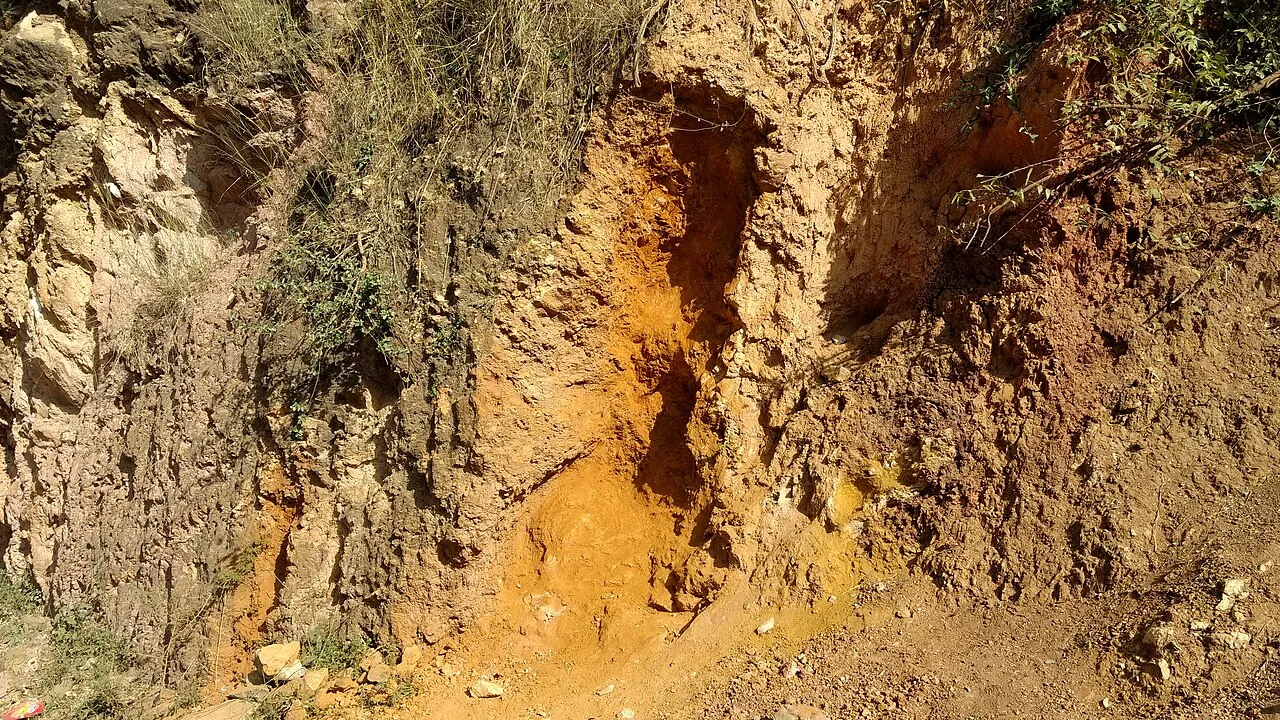
Haldighati is a historic route through Rajasthan’s Aravalli hills, connecting the Rajsamand and Udaipur districts. Visitors come to learn about its past and see the yellow soil associated with its name.

Map

Pindwara on the map

  1. 1Guru Shikhar
  2. 2Dilwara Temples
  3. 3Mount Abu
  4. 4Nakki Lake
  5. 5Ranakpur Jain temple
  6. 6Monsoon Palace
  7. 7Fateh Sagar Lake
  8. 8Haldighati

Rajasthan

Other cities to explore