Ghumoopedia — Explore, Discover, Experience
Sign in
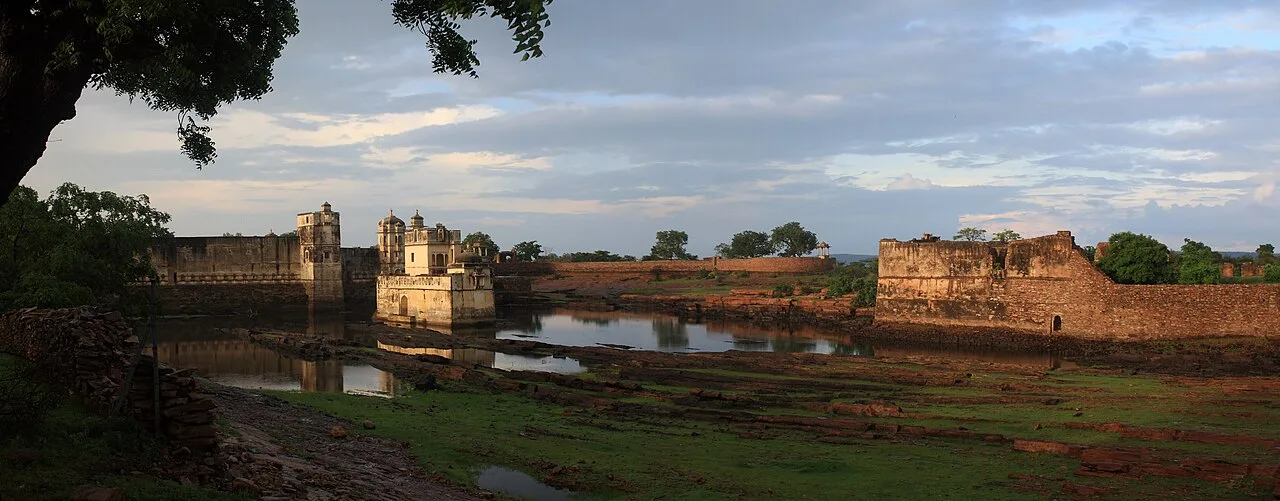
Chittor Fort, near Nimbahera

City guide · Rajasthan

Nimbahera

Nimbahera is a town in Chittorgarh district, about 32 kilometres from Chittorgarh city. Its importance today comes from a combination of industry, transport and its role as a local service centre.

Famous for

  • Cement manufacturing
  • Limestone resources
  • Navratri Dussehra fair
  • Mewati community
  • Ajmer–Ratlam rail link

Why Nimbahera matters

Nimbahera is a town in Chittorgarh district, about 32 kilometres from Chittorgarh city. Its importance today comes from a combination of industry, transport and its role as a local service centre. Limestone resources have helped make cement production a defining part of the town’s economy, while road and rail connections link it with other towns across southern Rajasthan and neighbouring Madhya Pradesh.

For visitors, Nimbahera offers a glimpse of a working Rajasthani town rather than a destination built around a single monument. Its most distinctive public event is the Dussehra fair, held over ten days during Navratri and organised by the municipality. The fair brings together religious observances, entertainment and community life. Nimbahera also has a significant Mewati community, adding to the town’s varied social character. Many travellers use it as a stop or base when moving through the Chittorgarh region, while those with an interest in regional industry can see how manufacturing shapes everyday life here.
Famous for: crafts, trade & products

Nimbahera is best known commercially for cement manufacturing. Limestone from the surrounding region supports this industry, and cement and related building materials are central to the town’s modern economic identity. Industrial facilities are generally working sites rather than visitor attractions, so travellers interested in the sector should view them from public areas and follow local access rules.

The town also serves as a market and service centre for nearby settlements. Its shops and commercial streets cater mainly to local needs, including groceries, household goods and construction supplies; cement is typically available through authorised dealers. Nimbahera is not especially identified with a signature textile, saree tradition, GI-tagged product or widely recognised handicraft, so visitors looking for those specialties may find a broader selection in larger regional centres. During the Dussehra fair, temporary stalls add a seasonal mix of food, household items and festive goods. For an everyday sense of local commerce, explore the town’s central shopping streets; for industrial context, ask locally about public viewpoints rather than entering factory premises.

History

Nimbahera’s history belongs to the wider story of southern Rajasthan and the changing political landscape of Mewar and Rajputana. It developed as a regional settlement rather than as a major royal capital, and its connections with nearby Chittorgarh placed it within a historically important part of Rajasthan. The area’s political history was shaped by local rulers and the shifting influence of neighbouring powers, though Nimbahera is not chiefly known for a surviving palace or fort of its own.

During the colonial period, the region formed part of the princely-state landscape of Rajputana under British paramountcy. After Indian independence and the formation of Rajasthan, Nimbahera’s role grew as a municipal and transport centre. Rail connections on the Ajmer–Ratlam route and improved road links strengthened its ties with surrounding towns. In the modern era, the availability of limestone and the expansion of cement manufacturing have been especially influential, transforming the town’s economic profile and making industry a prominent feature of local life.

Food, festivals & culture

Nimbahera’s food reflects the wider flavours of Rajasthan. Visitors may find dishes such as dal baati churma, gatte ki sabzi and seasonal sweets in local eateries, though menus vary and these are regional favourites rather than unique town specialties. Tea shops and everyday restaurants are part of the town’s social rhythm, especially around the market streets.

The main cultural event is the municipal Dussehra fair, held for ten days during Navratri according to the Hindu calendar. It combines festive gatherings and local entertainment with the season’s religious observances. Diwali and Holi are also widely celebrated, alongside other Hindu festivals observed across Rajasthan. Hindi is commonly used; Rajasthani and Mewati are also part of the area’s linguistic mix. The town’s significant Mewati community contributes to its diverse social life. Local temples and mosques serve as places of worship and community gathering, while music, devotional singing and folk performance are especially visible during festivals and fairs.

Visiting the city

The cooler months, roughly October to March, are generally the most comfortable time to visit. The nearest major airport is Maharana Pratap Airport at Dabok, serving Udaipur. Nimbahera has its own railway station on the Ajmer–Ratlam line, and the town is also connected by road with Chittorgarh and other regional centres.

Auto-rickshaws and local road transport are practical for getting around town; confirm the route locally before setting out. For an easy introduction, explore the central market streets and town centre, where shops and everyday eateries offer a sense of local life. Visitors interested in Nimbahera’s industrial character can view the broader manufacturing landscape from public roads, without entering restricted factory grounds. If your visit coincides with Navratri, ask locally about the municipal Dussehra fair and its current arrangements.

Trips from the city

Nearest places to visit from Nimbahera

Our closest destination guides, by straight-line distance.

Chittor Fort

30 km away · Chittorgarh district

Chittor Fort

Chittor Fort, also called Chittod Fort, is among India’s largest forts and the former capital of Mewar. Visitors explore its historic palaces, temples, water bodies, memorials and towers.

Vijaya Stambha

30 km away · Chittorgarh district

Vijaya Stambha

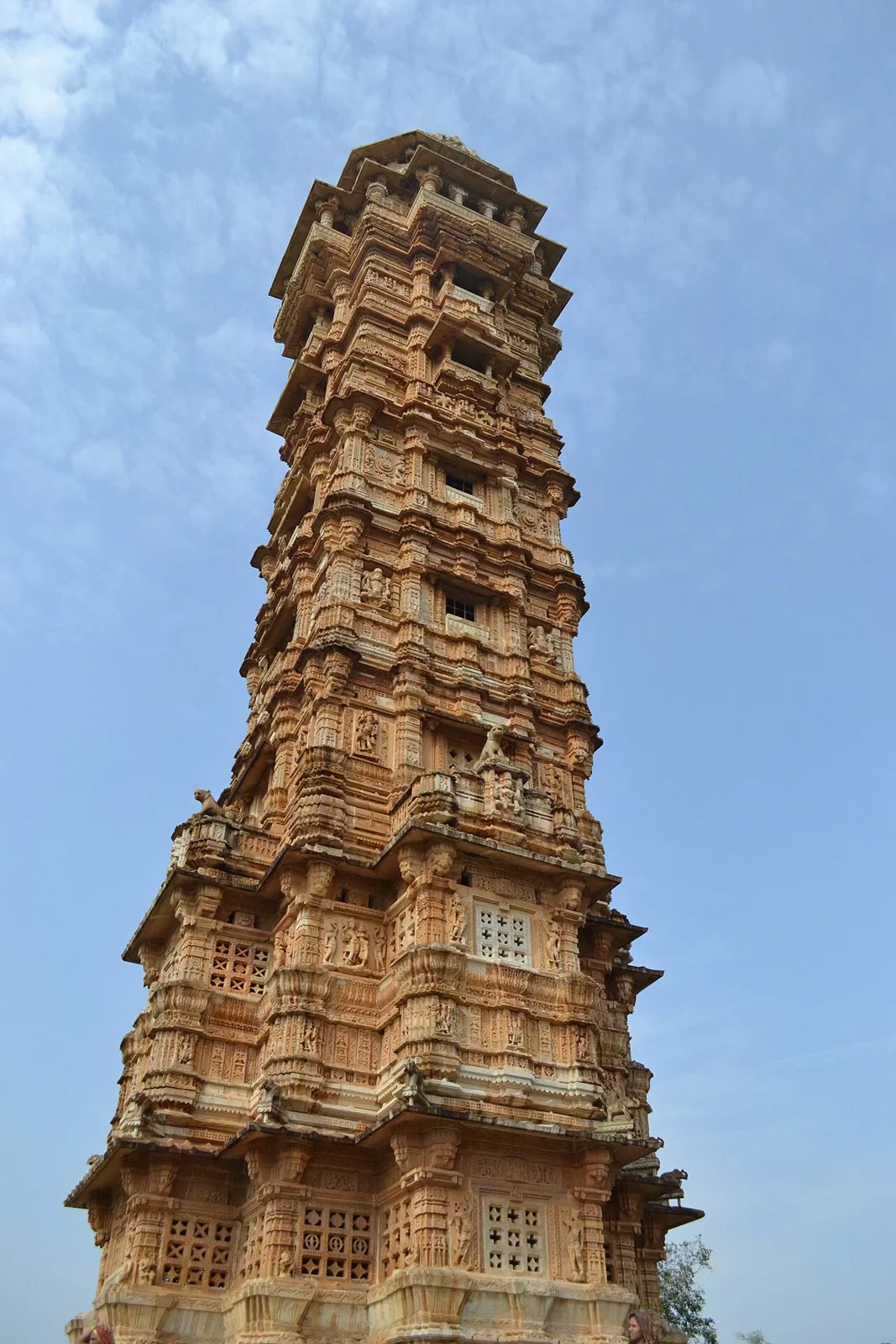
Vijaya Stambha is a victory tower in Chittor Fort, Chittorgarh district, Rajasthan. Visitors come to see its Rajput architecture and its association with Rana Kumbha’s 1448 triumph.

Akola (Dabu Print Village)

47 km away · Chittorgarh district

Akola (Dabu Print Village)

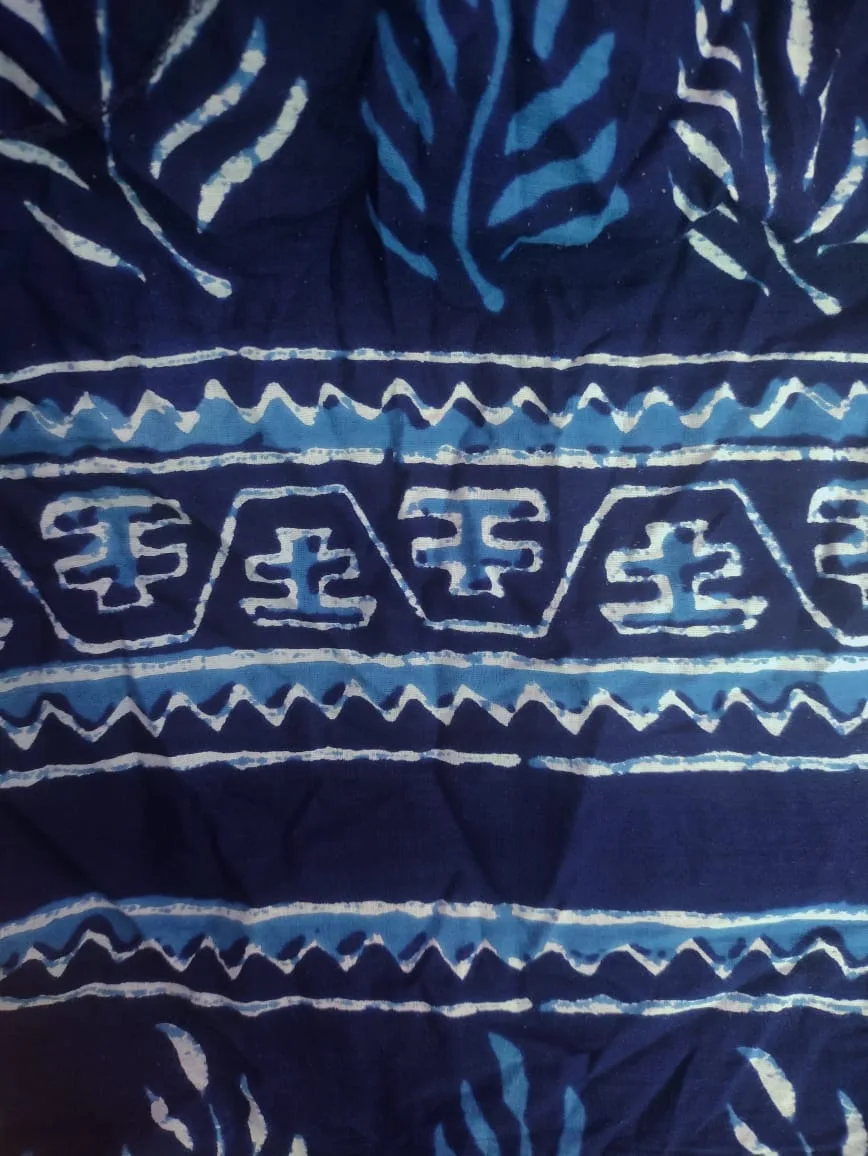
Akola, also called Chhipo ka Akola, is a village in Rajasthan’s Chittorgarh district. Visitors are drawn by its Dabu print, known across India.

Menal

72 km away · Bhilwara district

Menal

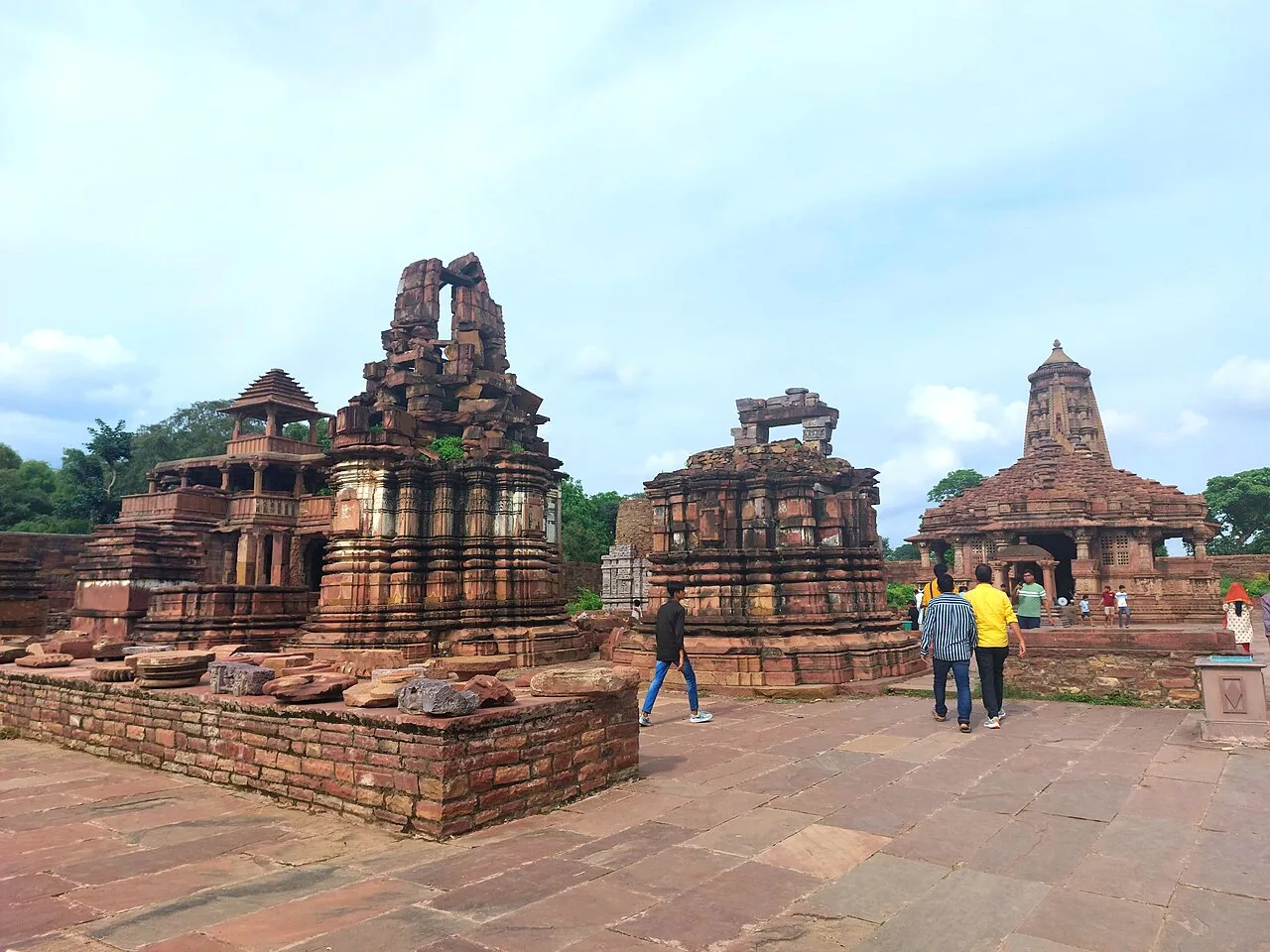
Menal is a village in Rajasthan linked with Begun Taluk and both Chittorgarh and Bhilwara districts; no particular attraction or reason for visiting is specified.

Dhebar Lake

79 km away · Udaipur district

Dhebar Lake

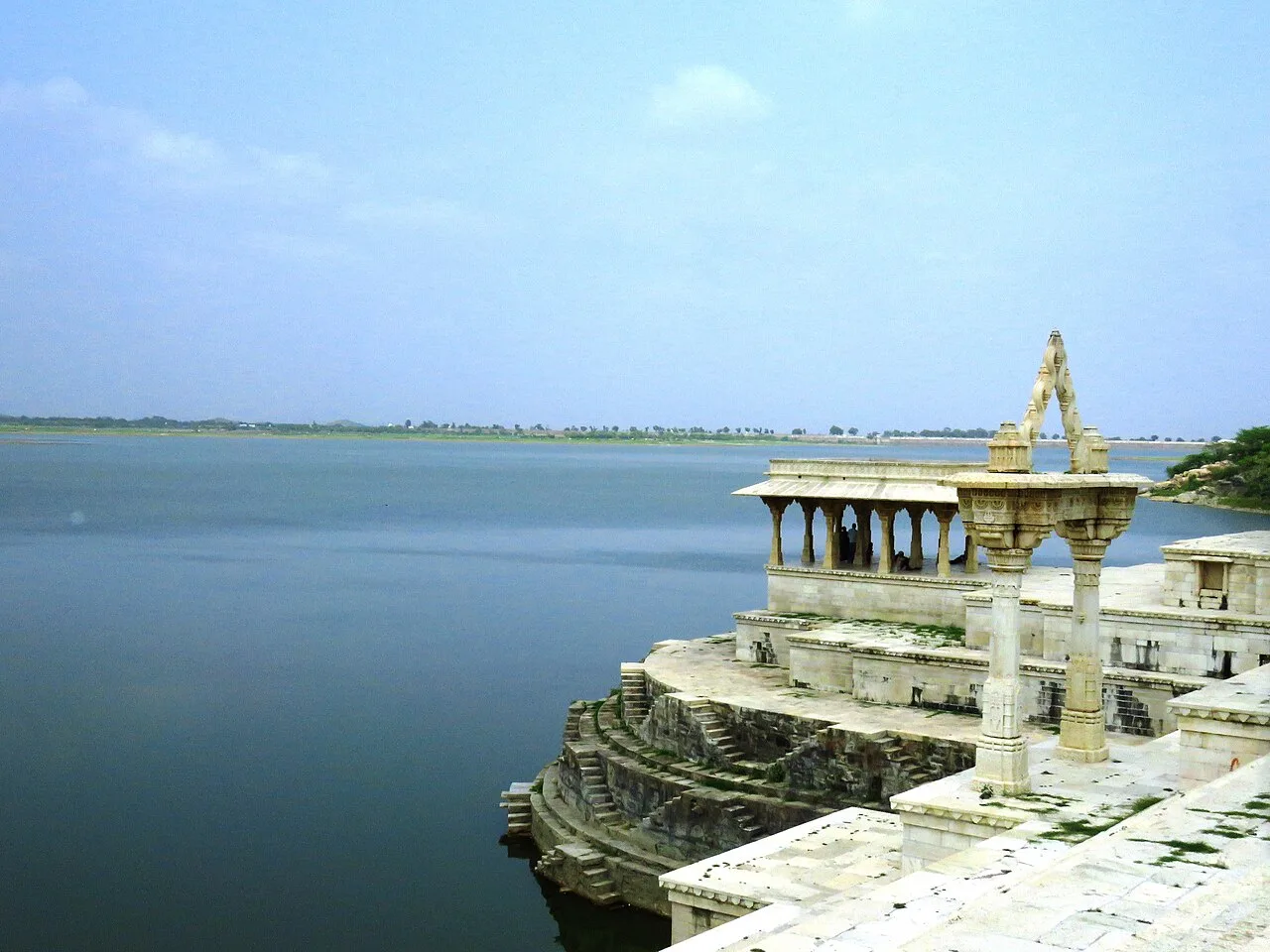
Dhebar Lake, also called Jaisamand, is a large reservoir in Rajasthan, known for its marble dam, islands and adjoining wildlife sanctuary. Visitors come to see its natural setting and historic links with Mewar.

Nathdwara

93 km away · Rajsamand district

Nathdwara

Nathdwara is a city in Rajasthan known for its Shrinathji shrine and its place in the Vaishnavite Pushti Marg tradition, drawing devotees from Rajasthan, Gujarat and beyond.

Rajsamand Lake

95 km away · Rajsamand district

Rajsamand Lake

A large reservoir in Rajasthan’s Rajsamand district, Rajsamand Lake is also called Rajsamudra. Visitors come to see its scale and the historic work associated with Rana Raj Singh.

Eklingji

98 km away · Udaipur district

Eklingji

Eklingji is a Hindu temple complex in Kailashpuri, Rajasthan, associated with Mewar’s ruling deity. People visit to worship the god revered by the region’s royal house.

Map

Nimbahera on the map

  1. 1Chittor Fort
  2. 2Vijaya Stambha
  3. 3Akola (Dabu Print Village)
  4. 4Menal
  5. 5Dhebar Lake
  6. 6Nathdwara
  7. 7Rajsamand Lake
  8. 8Eklingji

Rajasthan

Other cities to explore