Ghumoopedia — Explore, Discover, Experience
Sign in
Tal Chhapar Sanctuary, near Chhapar

City guide · Rajasthan

Chhapar

Chhapar is a small municipality in Churu district, in north-western Rajasthan’s Shekhawati region. Its best-known attraction is Tal Chhapar Sanctuary, a distinctive grassland reserve on the edge of the Great Indian Desert.

Famous for

  • Tal Chhapar Sanctuary
  • Blackbuck antelope
  • Grassland birdlife
  • Shekhawati landscapes

Why Chhapar matters

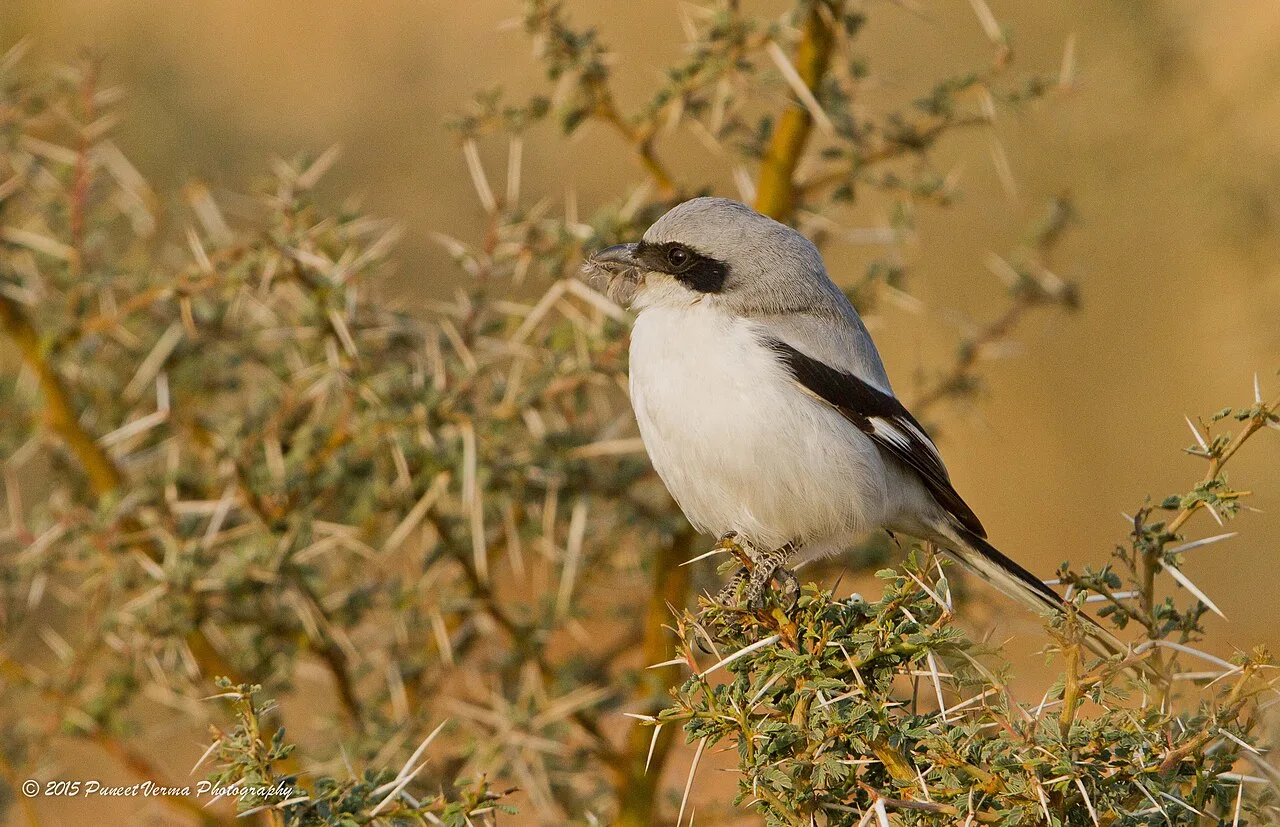
Chhapar is a small municipality in Churu district, in north-western Rajasthan’s Shekhawati region. Its best-known attraction is Tal Chhapar Sanctuary, a distinctive grassland reserve on the edge of the Great Indian Desert. The sanctuary is especially celebrated for blackbuck, whose herds move across its open, nearly level terrain, and it also draws visitors interested in resident and migratory birds.

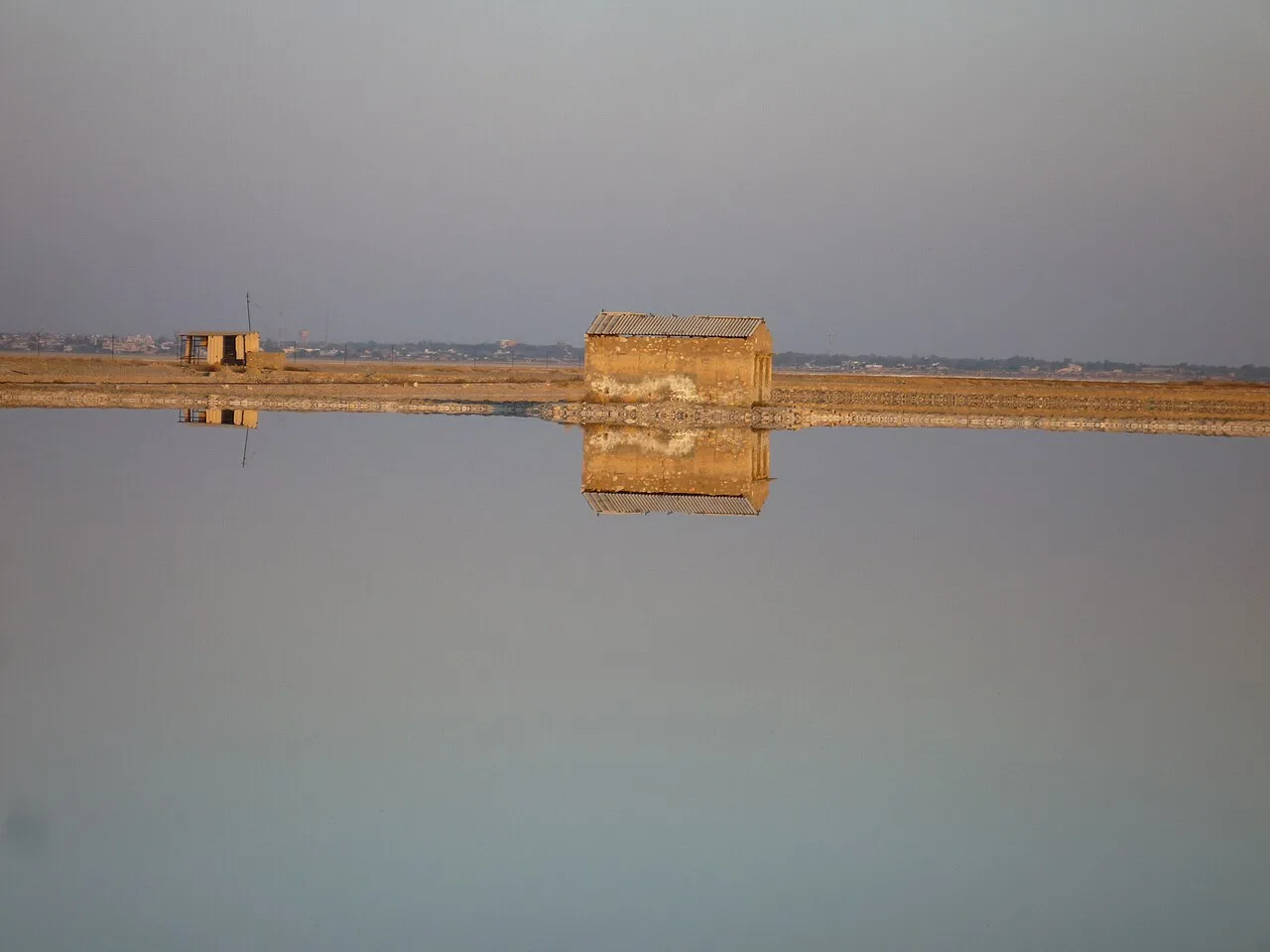
The surrounding landscape sets Chhapar apart from Rajasthan’s better-known desert destinations: shallow depressions collect seasonal rainwater, while scattered trees break up the grassland. The town also serves as a local centre for nearby settlements and lies on road routes linking Sujangarh with Ratangarh and the wider region. For most travellers, Chhapar is a nature-focused stop rather than a conventional heritage or shopping destination. A visit combines time in the sanctuary with a glimpse of everyday life in a small Shekhawati town. Its appeal is quiet, seasonal and closely tied to wildlife and open country.
Famous for: crafts, trade & products

Chhapar’s strongest identity is tied to nature rather than a signature textile, handicraft or commercial product. Tal Chhapar Sanctuary is the town’s defining attraction and the best-known reason to visit. The reserve’s open grassland supports blackbuck and a varied bird population, making wildlife observation the area’s principal visitor activity.

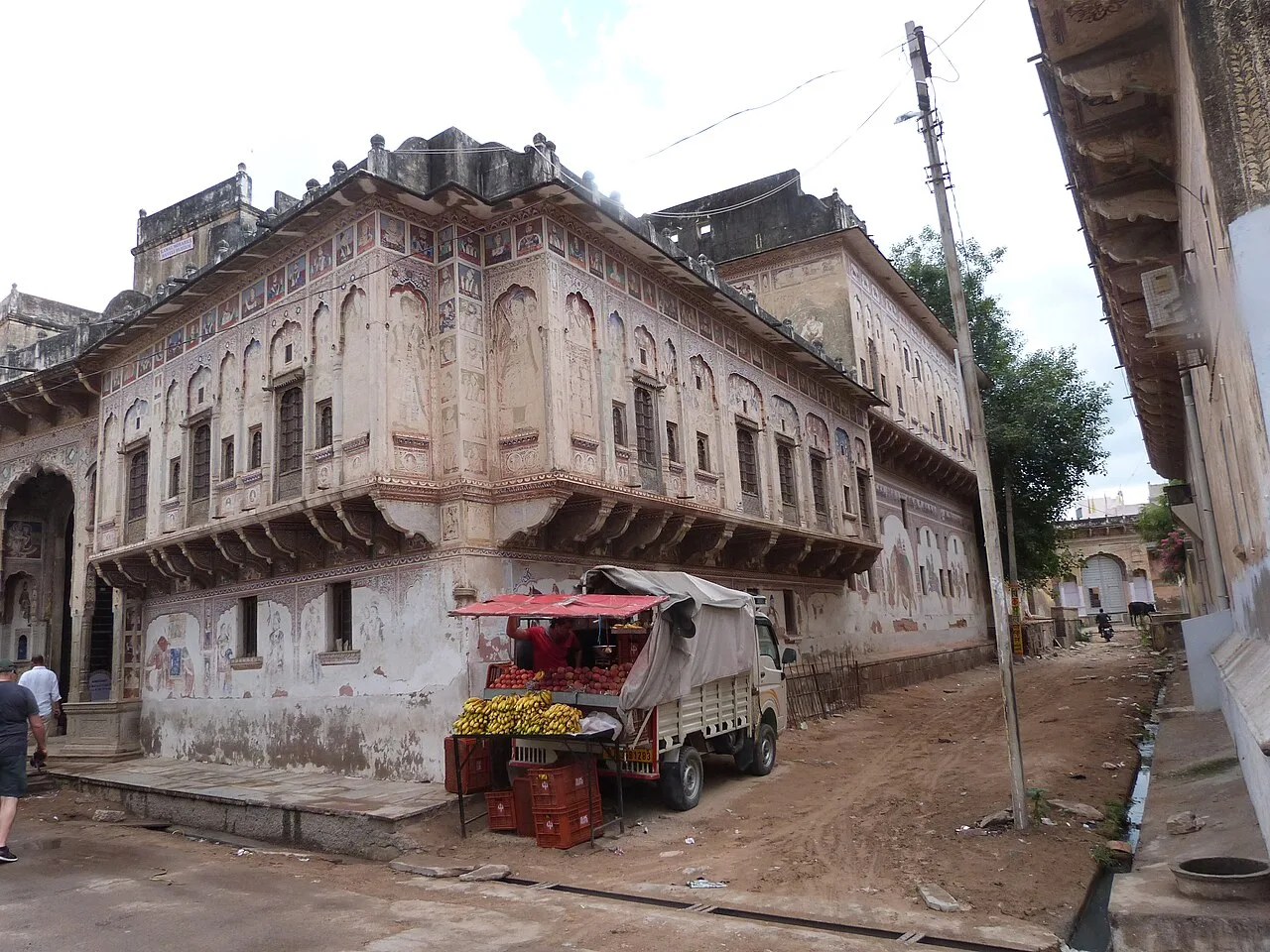
Chhapar is not widely recognised as a major centre for a particular craft, GI-tagged product or large specialist market. Its local shops and bazaar mainly serve residents and nearby villages with everyday goods and services. Travellers looking for regional provisions can explore the town centre, but should not expect the concentrated artisan workshops or textile markets found in larger Rajasthan cities. Local trade reflects Chhapar’s role as a small rural service town within an agricultural landscape. For distinctive Shekhawati crafts, painted-haveli heritage or a broader range of shopping, visitors may need to look beyond Chhapar.

History

Chhapar’s documented public identity is closely linked to the surrounding Shekhawati and Churu region. Before Indian independence, much of this part of north-western Rajasthan was associated with the princely state of Bikaner; it later became part of Rajasthan. The precise founding story and early growth of Chhapar are not widely recorded, so the town is best understood through its regional setting rather than a single celebrated dynasty or monument.

Over time, Chhapar developed as a small settlement serving nearby rural communities. Its position on routes connecting Sujangarh and Ratangarh, along with a railway station on the Degana–Churu–Rewari line, has supported regional movement. In modern times, the town is administered as a municipality in Churu district. Its wider recognition has come chiefly from Tal Chhapar Sanctuary, which protects a rare open grassland habitat and has made wildlife conservation central to Chhapar’s contemporary profile. The town’s growth remains modest compared with Rajasthan’s major historic cities.

Food, festivals & culture

Daily life in Chhapar reflects the customs of rural Shekhawati and north-western Rajasthan. Hindi is widely used, alongside regional Rajasthani speech, including Shekhawati varieties. Local meals commonly draw on the broader Rajasthani repertoire: breads, lentils, gram-flour dishes and vegetables suited to a dry climate. Sweets and savoury snacks are available through local shops, though Chhapar is not known for a distinctive named dish.

Holi in spring and Diwali in autumn are important calendar festivals, while Teej and Gangaur are observed in the wider region, particularly with seasonal songs and community gatherings. Folk music, devotional singing and traditional dance forms are part of the region’s cultural life, although performances are not a fixed daily attraction for visitors. Worship takes place at local temples and neighbourhood shrines; travellers should ask locally about specific sites and customary etiquette. The sanctuary also shapes the town’s culture of place: wildlife, open grassland and seasonal changes are prominent themes in how visitors experience Chhapar.

Visiting the city

The cooler months, broadly October to March, are generally the most comfortable time to visit; winter is also a rewarding period for birdwatching. Summer can be very hot, while monsoon conditions bring seasonal changes to the grassland. Tal Chhapar Sanctuary is the main destination, so check locally for current access conditions before setting out.

Chappar railway station is the town’s principal rail connection, on the Degana–Churu–Rewari line. The nearest major airport is Jaipur International Airport, about 215 km away, followed by a substantial road journey. Local taxis or hired vehicles are useful for reaching the sanctuary and travelling between nearby settlements; confirm transport availability in advance. Explore the town centre for everyday shops and a sense of local life, then spend time around the sanctuary and its open landscape. Chhapar is reached by roads linking the Sujangarh and Ratangarh area.

Trips from the city

Nearest places to visit from Chhapar

Our closest destination guides, by straight-line distance.

Tal Chhapar Sanctuary

2 km away · Churu district

Tal Chhapar Sanctuary

Tal Chhapar is a wildlife sanctuary in Rajasthan’s Churu district, known for blackbucks and birdlife. Visitors come to see its wildlife in a setting near the Great Indian Desert.

Mandawa

74 km away · Jhunjhunu district

Mandawa

Mandawa is a town in Rajasthan’s Jhunjhunu district, within the Shekhawati region. Travellers visit it as part of journeys through the region and nearby Jhunjhunu.

Nawalgarh

82 km away · Jhunjhunu district

Nawalgarh

Nawalgarh is a heritage city in Rajasthan’s Shekhawati region, within Jhunjhunu district. Visitors are drawn by its heritage character, and it is 30.5 km from Sikar and 39.2 km from Jhunjhunu.

Karni Mata Temple

108 km away · Bikaner district

Karni Mata Temple

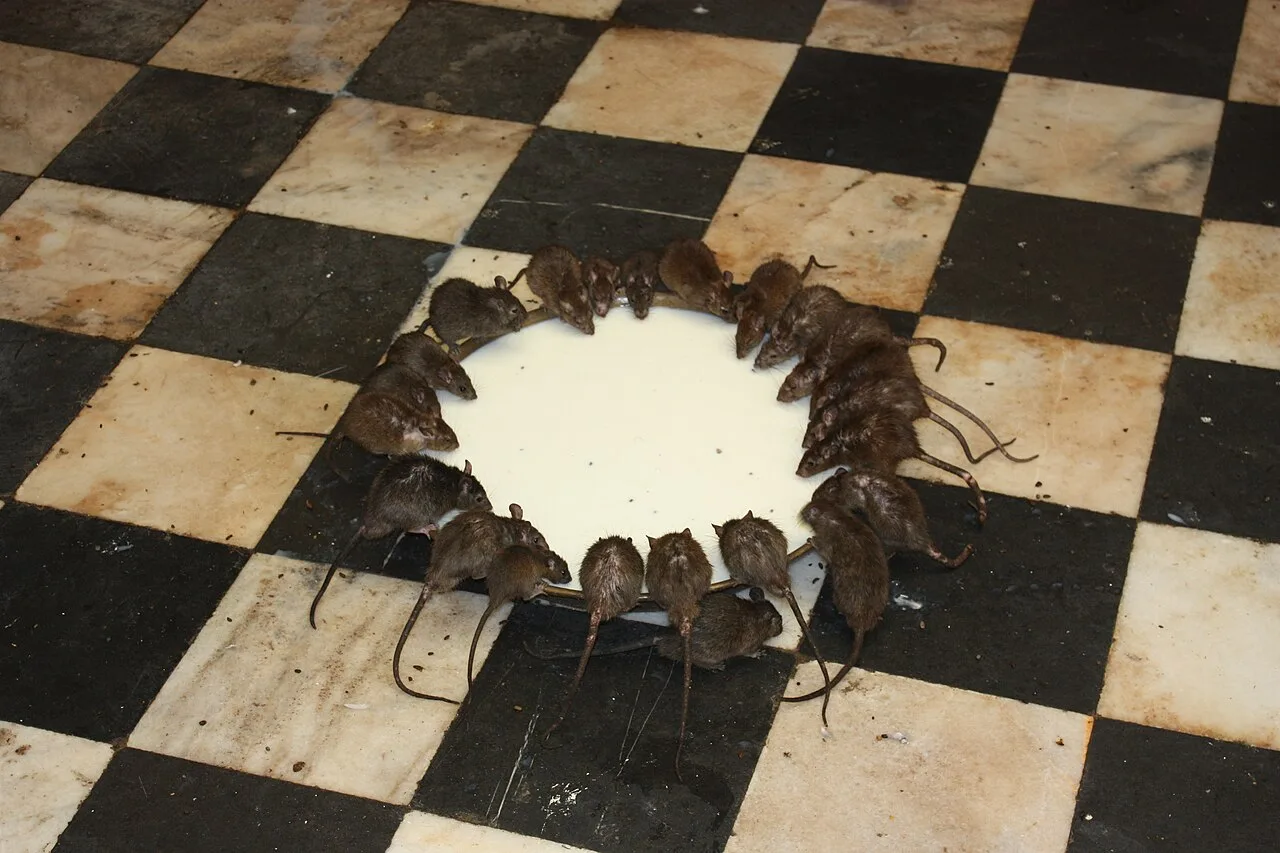
Karni Mata Temple is a Hindu shrine in Deshnoke, Rajasthan, associated with Karni Mata and sacred kābā rodents. Pilgrims seek blessings there, while visitors come to see its distinctive rat population.

Khatu Shyam Temple

108 km away · Sikar district

Khatu Shyam Temple

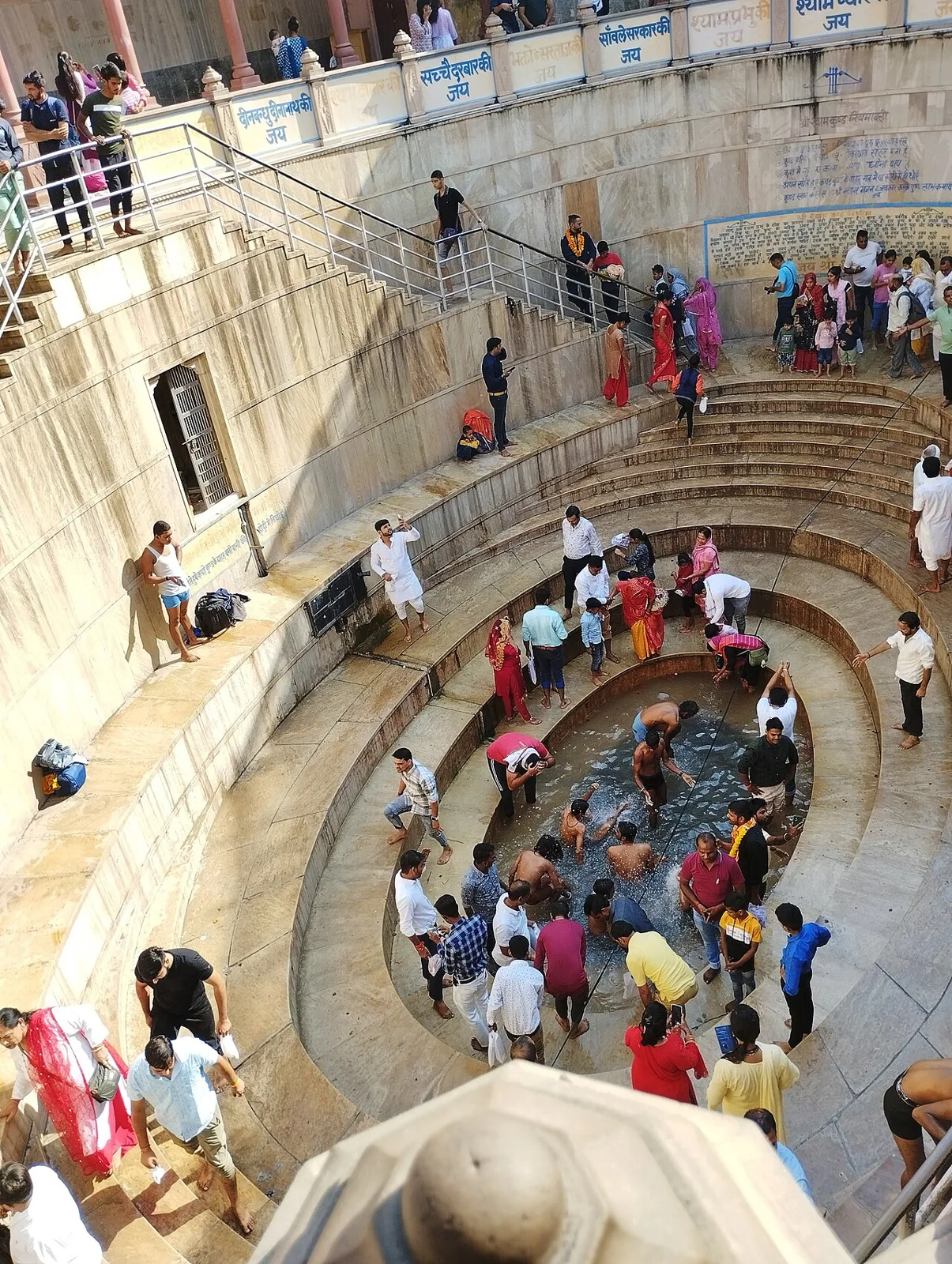
In KhatuShyamJi town, Rajasthan, this Hindu shrine honours Khatu Shyam, believed to be a divine manifestation of Barbareek from the Mahabharat. Pilgrims visit throughout the year, especially for the Falgun Mela.

Junagarh Fort

112 km away · Bikaner district

Junagarh Fort

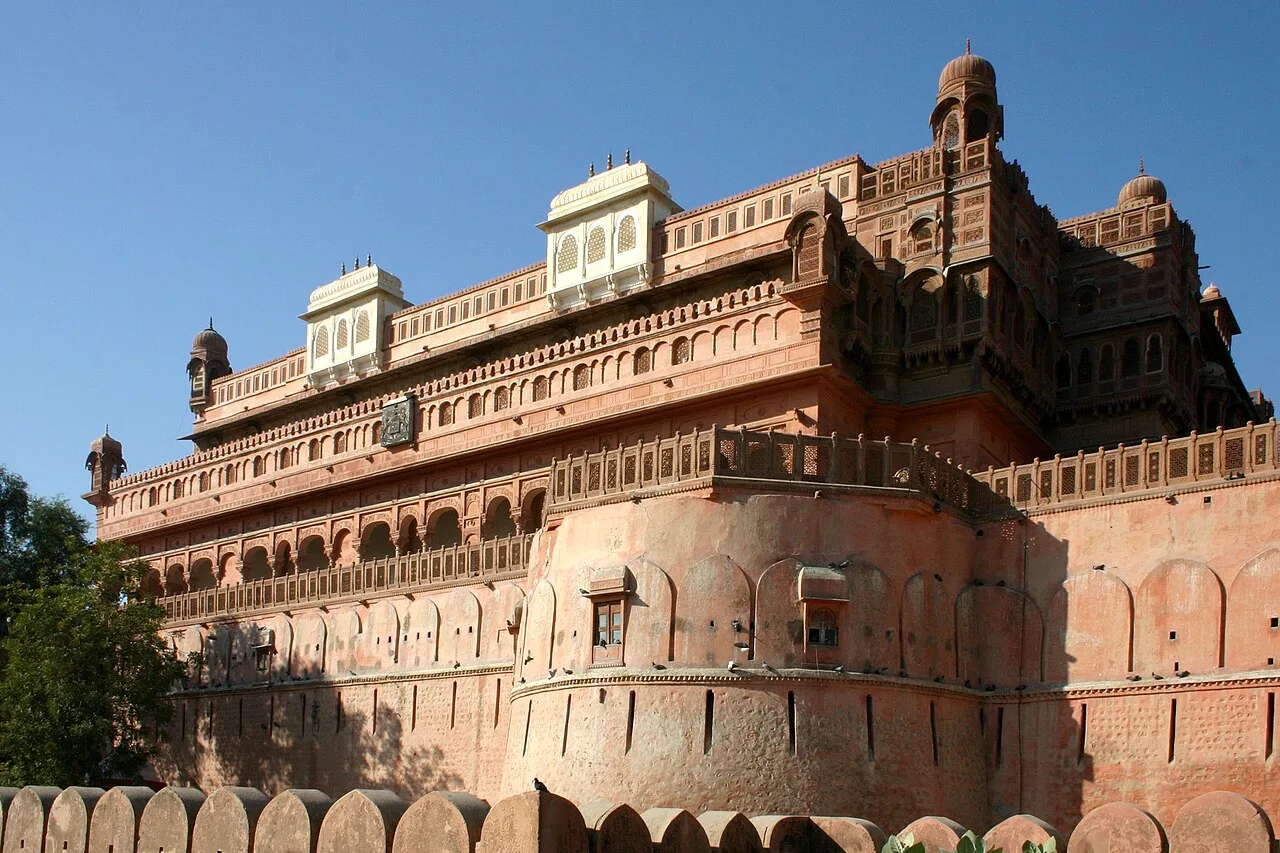
Junagarh Fort is a historic complex in Bikaner, Rajasthan, known for its palaces, temples and pavilions. Visitors can explore its layered history and blend of architectural traditions.

Lalgarh Palace

112 km away · Bikaner district

Lalgarh Palace

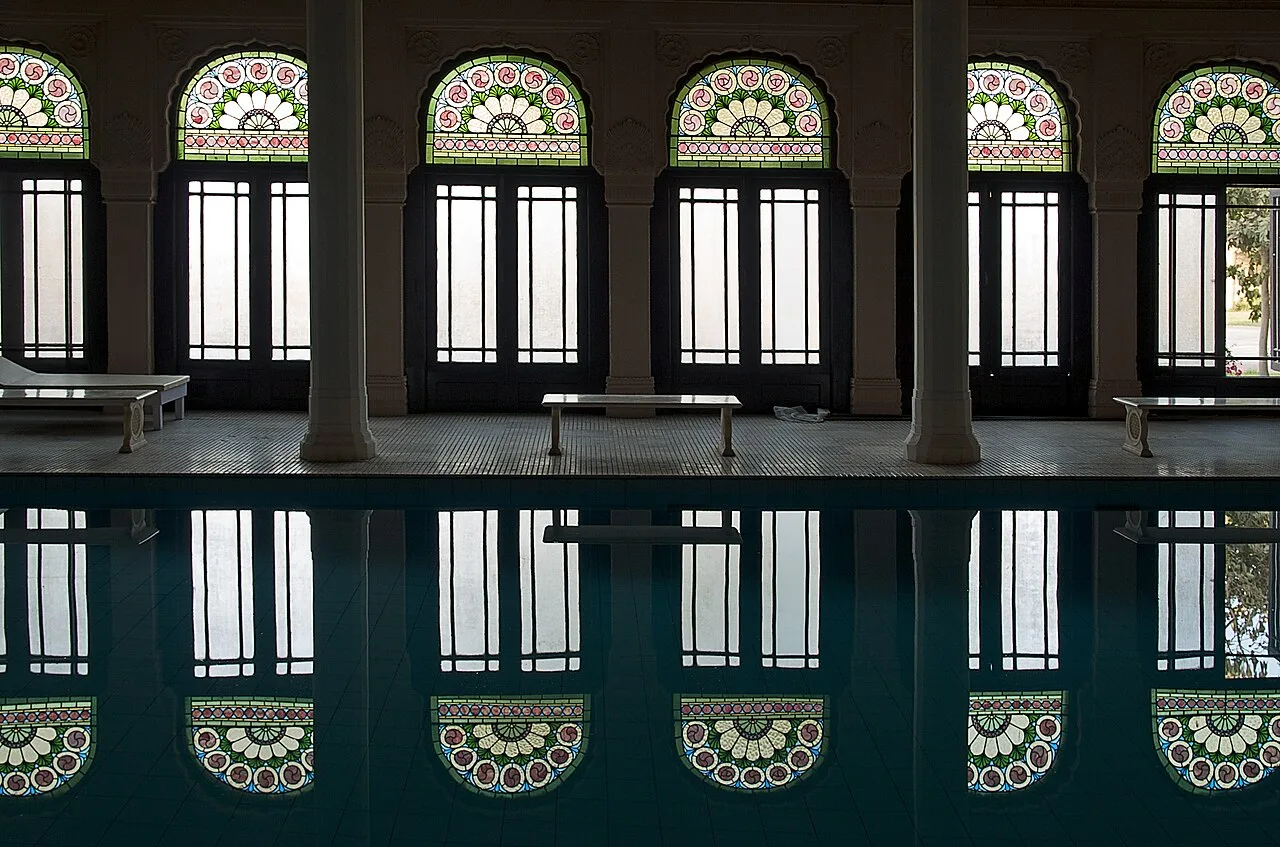
Lalgarh Palace is a palace and heritage-hotel property in Bikaner, Rajasthan, created for Maharaja Sir Ganga Singh. Visitors come to see the residence and its links to Bikaner’s royal history.

Sambhar Salt Lake

116 km away · Jaipur district

Sambhar Salt Lake

Sambhar Salt Lake is Rajasthan’s largest inland salt lake, in Jaipur district. Visitors come to see the lake and the historic settlement of Sambhar Lake Town, which it surrounds.

Map

Chhapar on the map

  1. 1Tal Chhapar Sanctuary
  2. 2Mandawa
  3. 3Nawalgarh
  4. 4Karni Mata Temple
  5. 5Khatu Shyam Temple
  6. 6Junagarh Fort
  7. 7Lalgarh Palace
  8. 8Sambhar Salt Lake

Rajasthan

Other cities to explore