Ghumoopedia — Explore, Discover, Experience
Sign in
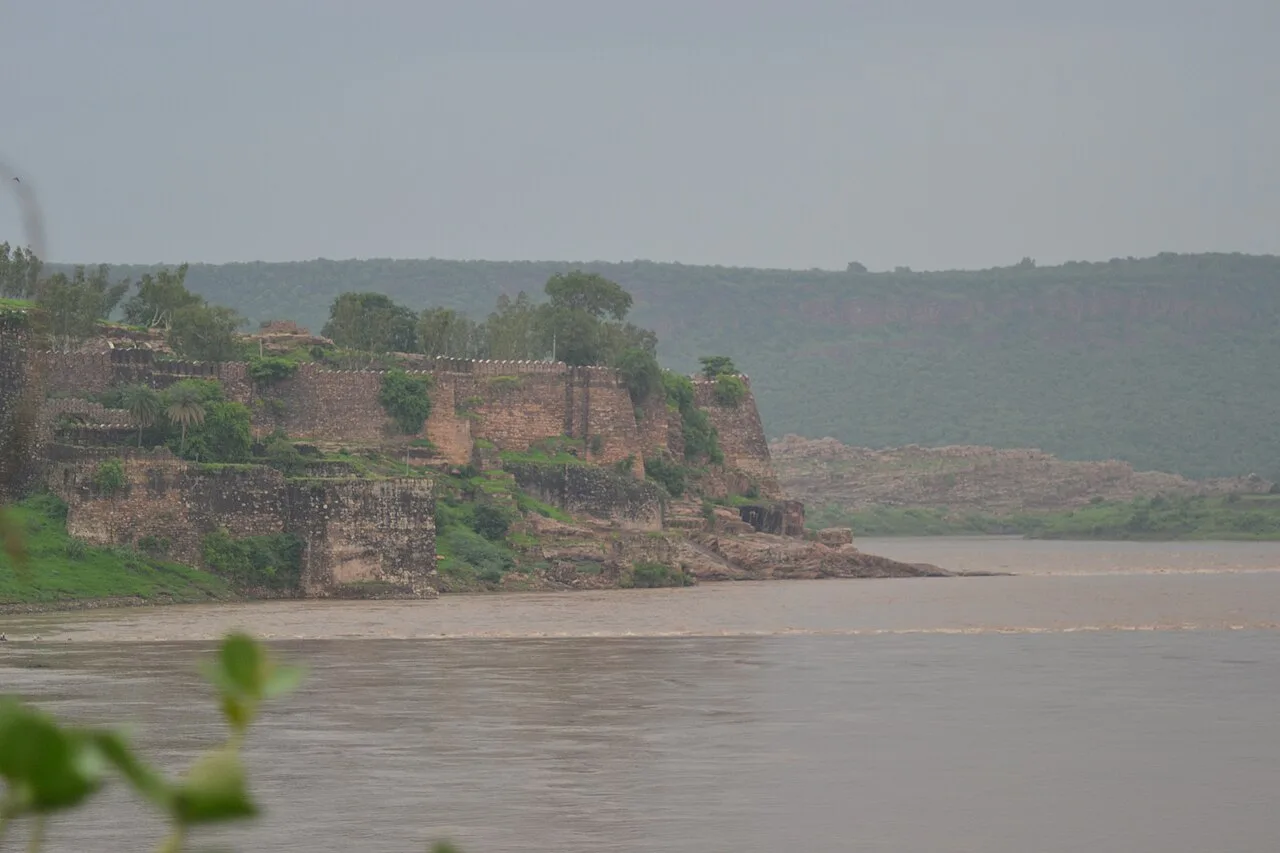
Gagron Fort, near Chhipa Barod

City guide · Rajasthan

Chhipa Barod

Chhipa Barod is a small town in Baran district, in southeastern Rajasthan. Its importance is chiefly local: it serves nearby villages as a place for everyday shopping, public services and trade, and connects the surrounding agricultural hinterland with larger towns in the Hadoti region.

Famous for

  • Hadoti-region culture
  • Rural market town
  • Agricultural hinterland
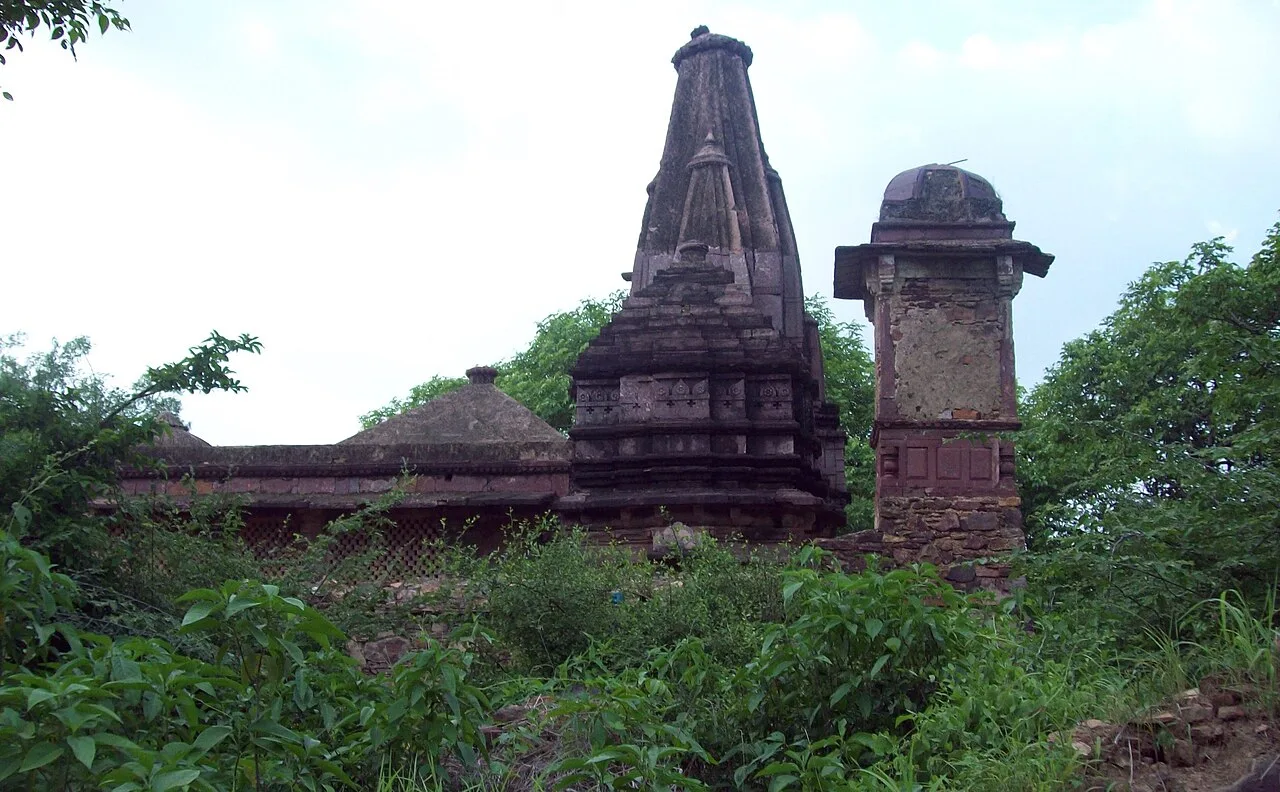
  • Local temples and shrines

Why Chhipa Barod matters

Chhipa Barod is a small town in Baran district, in southeastern Rajasthan. Its importance is chiefly local: it serves nearby villages as a place for everyday shopping, public services and trade, and connects the surrounding agricultural hinterland with larger towns in the Hadoti region. The town is not a major tourist centre, but it offers a glimpse of life beyond Rajasthan’s better-known palace and desert destinations.

Visitors passing through can experience a working market town and the region’s dry, open countryside. Chhipa Barod also makes a practical stop for travellers exploring rural Baran district, where local history and worship are woven into ordinary community life. The wider area is associated with Hadoti, a cultural region shaped by the history of the former Kota state. Chhipa Barod is not widely known for a single landmark, signature craft or celebrated food; its appeal is more modest and regional, rooted in its role as a service and trading centre.
Famous for: crafts, trade & products

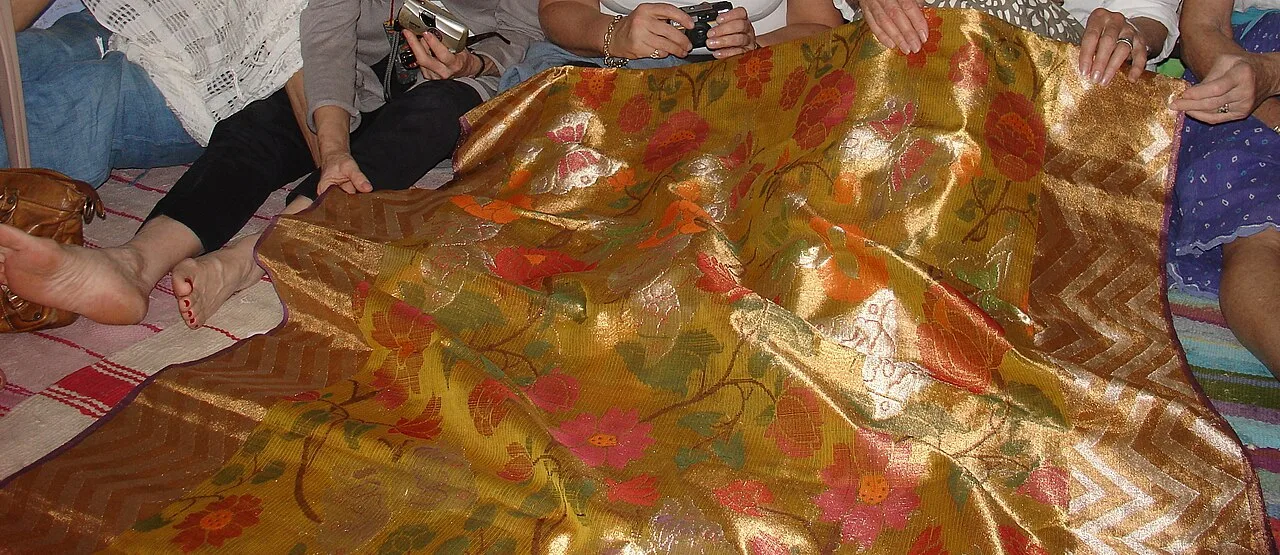
Chhipa Barod is best understood as a local trading town rather than a centre for a nationally recognised craft or manufactured product. The name alone should not be taken as evidence that visitors will find a distinctive printing or dyeing industry there.

The main place to look for local commerce is the town bazaar, where shops serve residents and people from surrounding villages with everyday goods. Agricultural produce from the broader area moves through local markets and trade networks; the exact mix varies by season. Travellers looking for specialist handicrafts, textiles or regional products may find a wider selection in larger Hadoti centres. In Chhipa Barod, ask locally about seasonal produce and household goods rather than expecting a dedicated craft district or visitor-oriented market. Its commercial significance is practical and community-focused, reflecting its role as a small-town hub for the rural surroundings.

History

Chhipa Barod’s history is part of the wider story of the Hadoti region and the former princely state of Kota. For generations, settlements in this area were connected through farming, local exchange and the authority of regional rulers. The town’s growth was shaped less by a single monumental event than by its role serving nearby villages and the countryside.

During the colonial period, Kota was a princely state under British paramountcy, rather than a directly governed British province. After India’s independence, the princely state joined Rajasthan as the state took shape. Chhipa Barod became part of Baran district when it was established in 1991, following the reorganisation of the former Kota district. In modern times, roads, public services and local commerce have strengthened the town’s role as a rural centre.

Food, festivals & culture

Daily life in Chhipa Barod reflects the food and customs of southeastern Rajasthan. Home cooking commonly draws on wheat, pulses, seasonal vegetables and locally available produce. Dishes associated with Rajasthan, such as dal baati churma and gatte ki sabzi, are familiar across the region, though what is served varies between households. Tea and simple sweets are part of everyday hospitality; visitors should ask locally about seasonal or festival treats rather than expect a celebrated town-specific speciality.

Hindi is widely used, alongside regional Hadoti speech and other forms of Rajasthani. Hindu festivals such as Holi in spring, Teej and Gangaur around the monsoon season, and Dussehra and Diwali in autumn are observed in the broader region. Community gatherings also mark religious occasions at local temples, shrines and mosques. Music and dance traditions belong to the wider Rajasthani and Hadoti cultural landscape, though performances are more likely to be tied to festivals and community events than staged regularly for visitors.

Visiting the city

The cooler months, roughly October to March, are generally the most comfortable time to visit; summers can be very hot, while the monsoon brings rain and greener countryside. Chhipa Barod is a small-town destination, so visitors should plan around local transport and services rather than expect a large tourist infrastructure.

Chhabra Gugor is a useful nearby railway station to check for rail access. For flights, Jaipur International Airport is a major gateway; Bhopal’s Raja Bhoj Airport may also be worth considering depending on the route and onward connections. From a railhead or airport, continue by road using a taxi or bus where available. In town, short trips are usually easiest by auto-rickshaw or local transport, with walking practical around the bazaar. The market area and nearby places of worship offer a simple introduction to local life; the surrounding countryside is best explored with a locally arranged ride.

Trips from the city

Nearest places to visit from Chhipa Barod

Our closest destination guides, by straight-line distance.

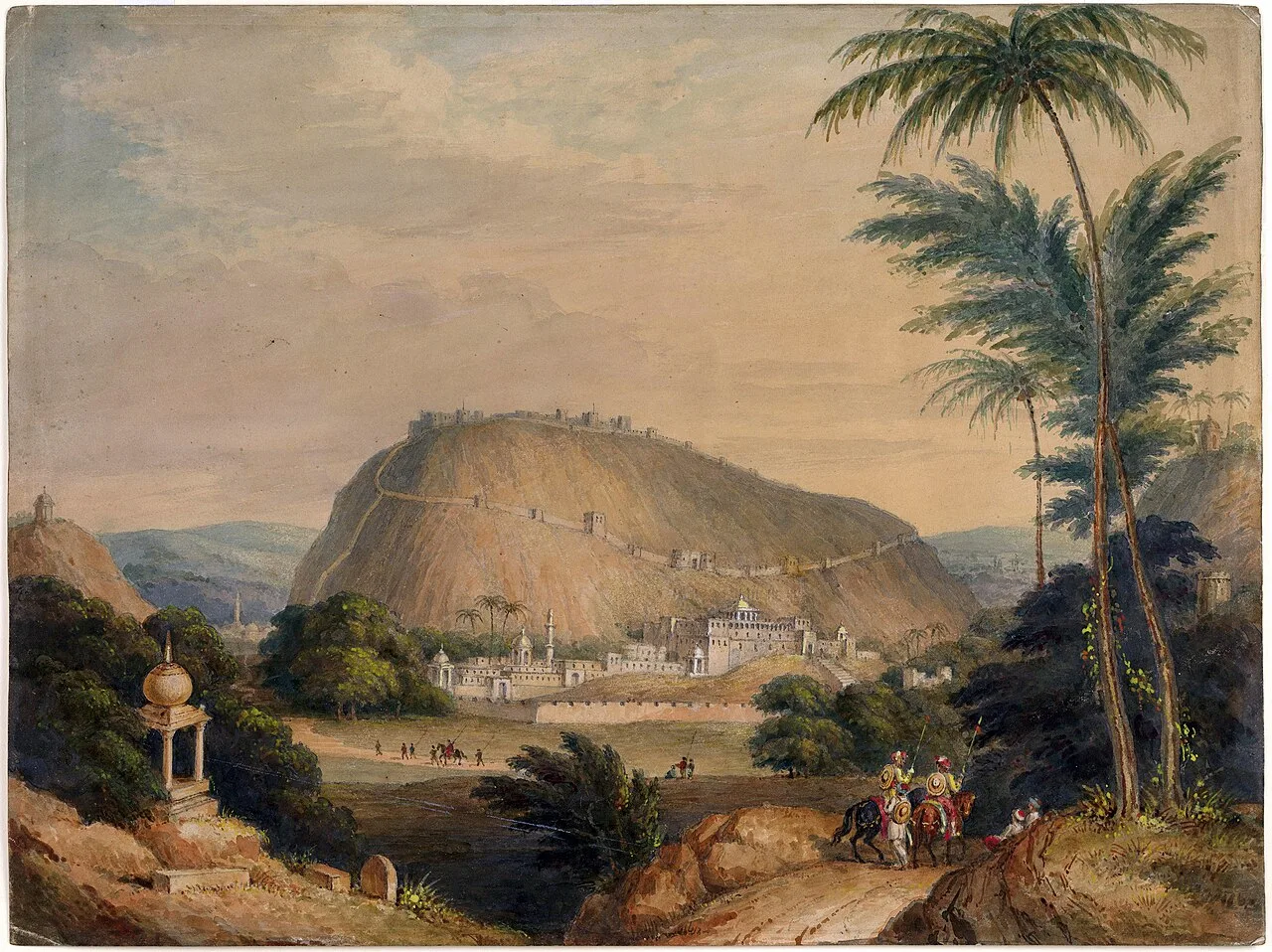
Gagron Fort

53 km away · Jhalawar district

Gagron Fort

Gagron Fort is a historic stronghold in Rajasthan’s Hadoti region, known for its river defences and UNESCO recognition. Visitors come to explore its history and distinctive setting.

Mukundara Hills Tiger Reserve

90 km away · Kota district

Mukundara Hills Tiger Reserve

In southeastern Rajasthan, Mukundara Hills Tiger Reserve protects a landscape of forest, hills and wildlife habitat. Visitors can explore a reserve centred on a national park and several adjoining sanctuaries.

Kaithoon

94 km away · Kota district

Kaithoon

Kaithoon is a town and municipality in Rajasthan’s Kota district, known for its association with Kota Doria sarees, which are a reason for visitors’ interest.

Bundi

141 km away · Bundi district

Bundi

Bundi is a city in Rajasthan’s Hadoti region, within Bundi district. Visitors come to explore the city and its setting in north-western India.

Raniji ki Baori

141 km away · Bundi district

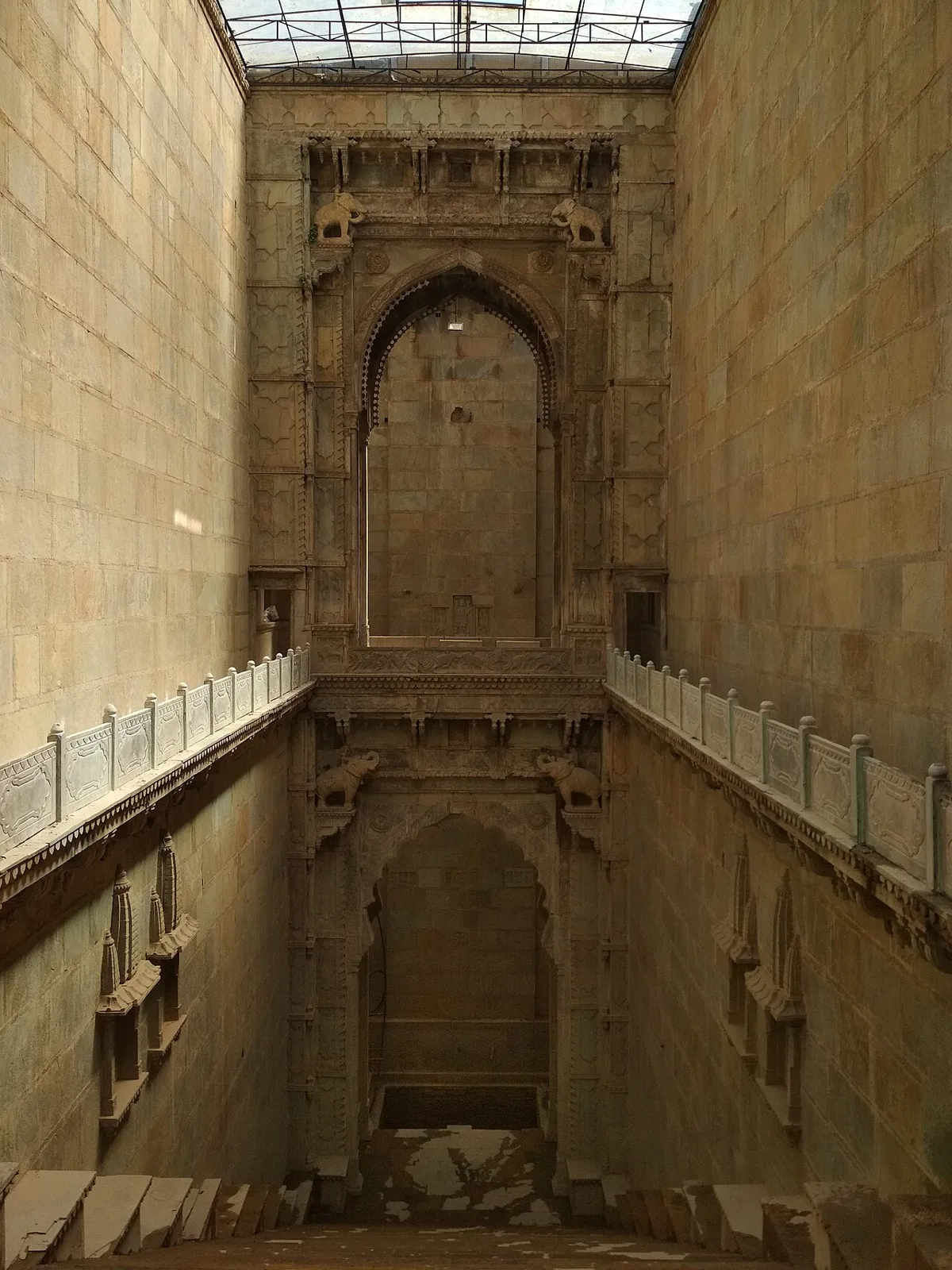
Raniji ki Baori

Raniji ki Baori is a multi-level stepwell in Bundi, Rajasthan, built by Rani Nathavati Solanki in 1699. Visitors come to see its deep stairwell, carved pillars and ornate arches.

Taragarh Fort, Bundi

142 km away · Bundi district

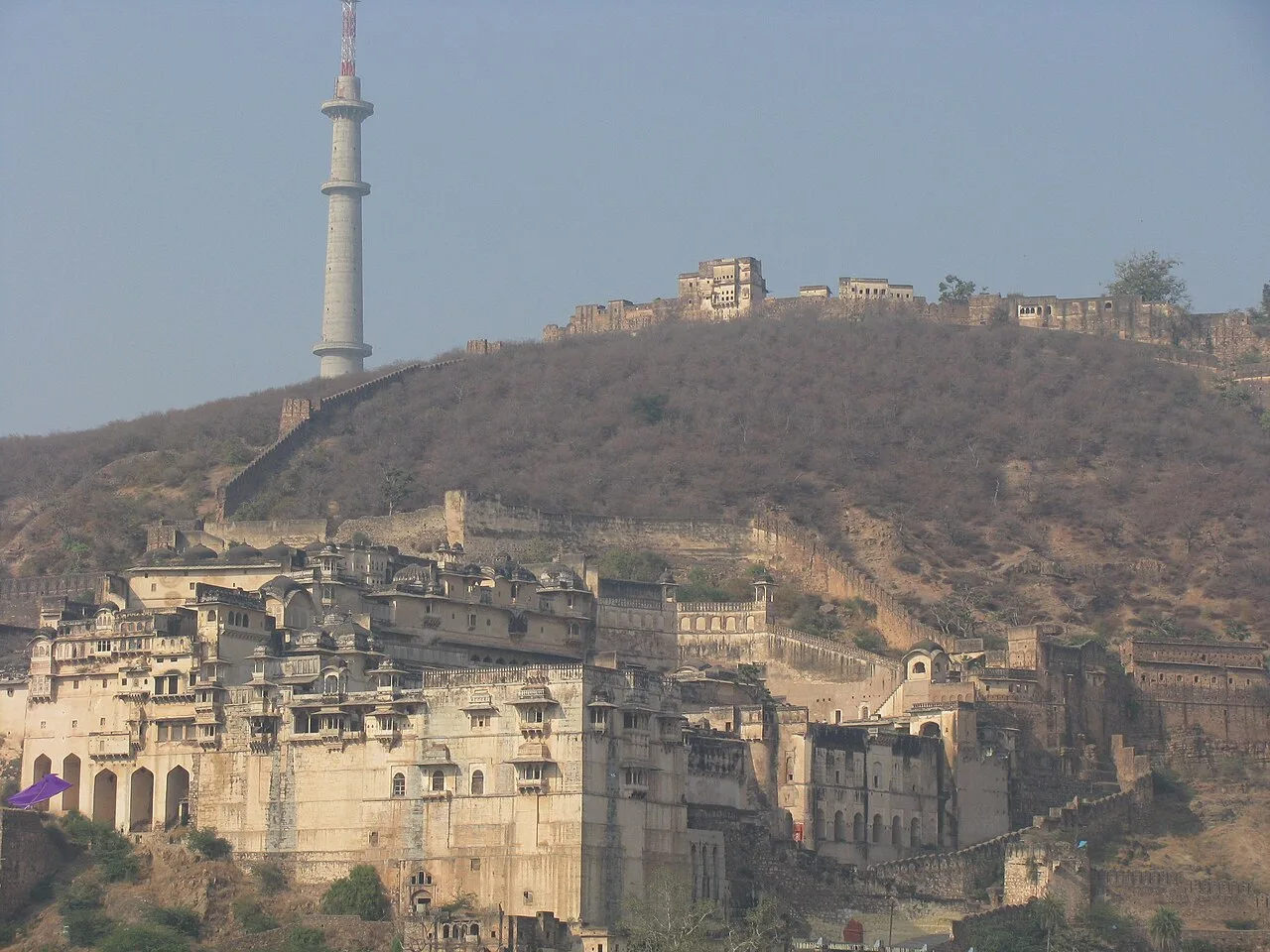
Taragarh Fort, Bundi

Taragarh Fort is a hilltop stronghold in Bundi, Rajasthan. Visitors come to see its Rajput architecture, elements influenced by Mughal design and passages made for wartime escape.

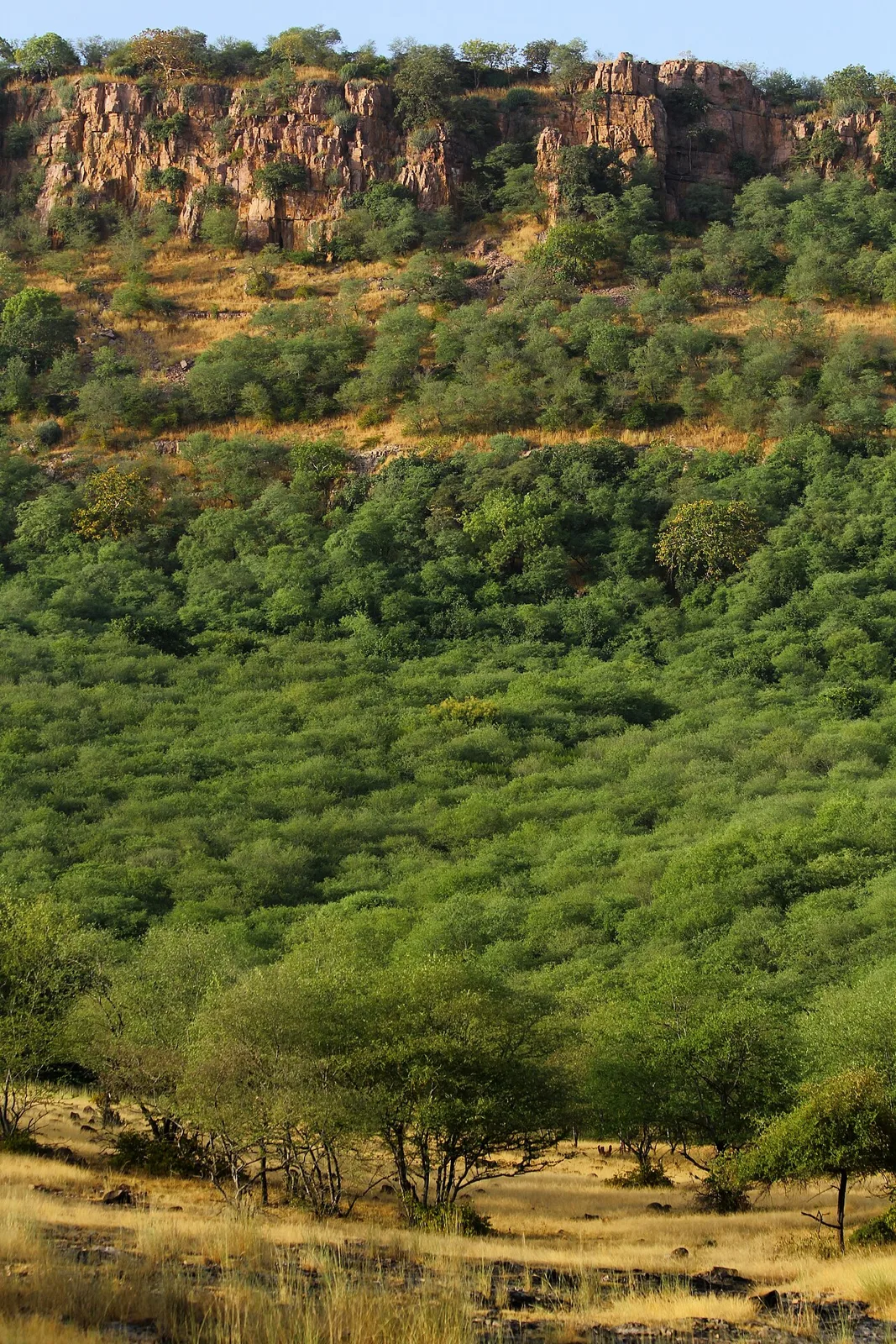
Ranthambore National Park

156 km away · Sawai Madhopur district

Ranthambore National Park

Ranthambore is a national park in Rajasthan’s Sawai Madhopur district, attracting visitors to its historic fort and its location between the Banas and Chambal rivers.

Ranthambore Fort

157 km away · Sawai Madhopur district

Ranthambore Fort

Set within Ranthambore National Park near Sawai Madhopur, this historic Rajasthan fort draws visitors for its past, elevated views over the park and UNESCO World Heritage status.

Map

Chhipa Barod on the map

  1. 1Gagron Fort
  2. 2Mukundara Hills Tiger Reserve
  3. 3Kaithoon
  4. 4Bundi
  5. 5Raniji ki Baori
  6. 6Taragarh Fort, Bundi
  7. 7Ranthambore National Park
  8. 8Ranthambore Fort

Rajasthan

Other cities to explore