Ghumoopedia — Explore, Discover, Experience
Sign in
Guru Shikhar, near Sirohi

City guide · Rajasthan

Sirohi

Sirohi is the administrative centre of its district in southern Rajasthan and a useful base for exploring the region’s historic sites, temples and countryside. Its story as a former princely capital is visible in the old settlement and the landscape around Siranwa Hill, where the town’s early foundations were laid.

Famous for

  • Former princely-state capital
  • Deora Chauhan heritage
  • Siranwa Hill and Shivpuri
  • Historic Sirohi swords
  • Sarneshwar Mahadev Temple

Why Sirohi matters

Sirohi is the administrative centre of its district in southern Rajasthan and a useful base for exploring the region’s historic sites, temples and countryside. Its story as a former princely capital is visible in the old settlement and the landscape around Siranwa Hill, where the town’s early foundations were laid. Sarneshwar Mahadev Temple is among the places of worship that draw visitors, while the ruins of Shivpuri offer a glimpse of an earlier settlement nearby.

The town is also a practical stop for journeys through the area, including trips towards Mount Abu, the better-known hill station in the district. Visitors come for a quieter experience of Rajasthan than the state’s larger tourist centres, as well as for local religious life and regional history. Sirohi’s importance today rests chiefly on its role as a district headquarters and market town, serving surrounding communities and connecting them with transport and public services. Its identity combines a princely past with the everyday rhythms of a small regional centre.
Famous for: crafts, trade & products

Sirohi has a historical association with the Sirohi sword, a locally named style of traditional weapon linked to the town’s Rajput past. The name is best understood as part of its heritage rather than a guarantee that a particular workshop or range of reproductions will be available. Visitors interested in metalwork can ask in the town’s general market area, but should check the origin and nature of any item before buying.

The town is not especially known as a centre for a signature saree or textile, and no particular GI-tagged product is closely identified with Sirohi town. Its role is more that of a district trading centre, with shops supplying daily needs and goods from the surrounding area. Stone quarrying and processing are part of the wider district economy; the town’s markets are a convenient place to enquire about regional products, though specialised stone goods may be handled outside the central shopping streets. For local shopping, explore the central bazaars and ask shopkeepers about district-made goods rather than expecting a dedicated tourist craft market. Sirohi’s most distinctive draw remains its historic identity and nearby places of worship.

History

The town’s origins are associated with Sobhaji, who founded Shivpuri on the eastern slope of Siranwa Hill in 1405. That settlement later fell into ruins. In 1425, his son and successor, Sehastramal, also known as Sainsmal, established a fortress on the same slope. The fortified settlement became the capital of the Deora Chauhan rulers and developed into present-day Sirohi.

Sirohi remained the capital of a princely state under the Deora Chauhan Rajputs. During the colonial era, the state continued under British paramountcy, while its rulers retained authority over internal affairs. After Indian independence, the former princely territory became part of Rajasthan. The town’s role then shifted from royal capital to the administrative headquarters of Sirohi district. Today, government offices, local commerce and transport links support its position as a service centre for nearby towns and rural communities. The old hill setting and surviving traces of its earlier history remain important to the town’s character.

Food, festivals & culture

Everyday food in Sirohi reflects the wider Rajasthani and Marwari kitchen. Visitors will commonly find dishes such as dal baati churma, gatte ki sabzi and ker sangri, along with breads, lentils and seasonal preparations. Sweets such as ghevar are associated with festive occasions across the region, though menus vary between shops and households. The town’s eateries and sweet shops are the easiest places to sample familiar local flavours.

Diwali and Holi are widely observed, while Gangaur and Teej bring seasonal traditions connected with worship, community gatherings and the monsoon period. Temple visits and local fairs are part of the region’s religious calendar; Sarneshwar Mahadev is an important place of worship in Sirohi. Hindi and Marwari are widely used, alongside local Rajasthani speech. Folk music and dance traditions belong to the broader region, with performances more likely at celebrations and community events than as regular staged attractions. Customs and celebrations can differ between the town and surrounding villages.

Visiting the city

The cooler months, roughly October to March, are generally the most comfortable time to visit. Summers can be very hot, while the monsoon brings rain and greener surroundings. The nearest airport commonly used for the journey is Maharana Pratap Airport at Udaipur; check onward road connections when planning. Sirohi Road railway station is the main rail station serving the town, but it is outside the town centre, so allow for a road transfer.

Auto-rickshaws and local taxis are useful for short trips, while buses and taxis connect Sirohi with nearby towns and attractions. Explore the central market streets for everyday shopping and food, and visit Sarneshwar Mahadev and the historic area around Siranwa Hill. Sirohi can also serve as a starting point for excursions towards Mount Abu and other places in the district. Check local conditions before setting out to more remote sites.

Trips from the city

Nearest places to visit from Sirohi

Our closest destination guides, by straight-line distance.

Guru Shikhar

27 km away · Sirohi district

Guru Shikhar

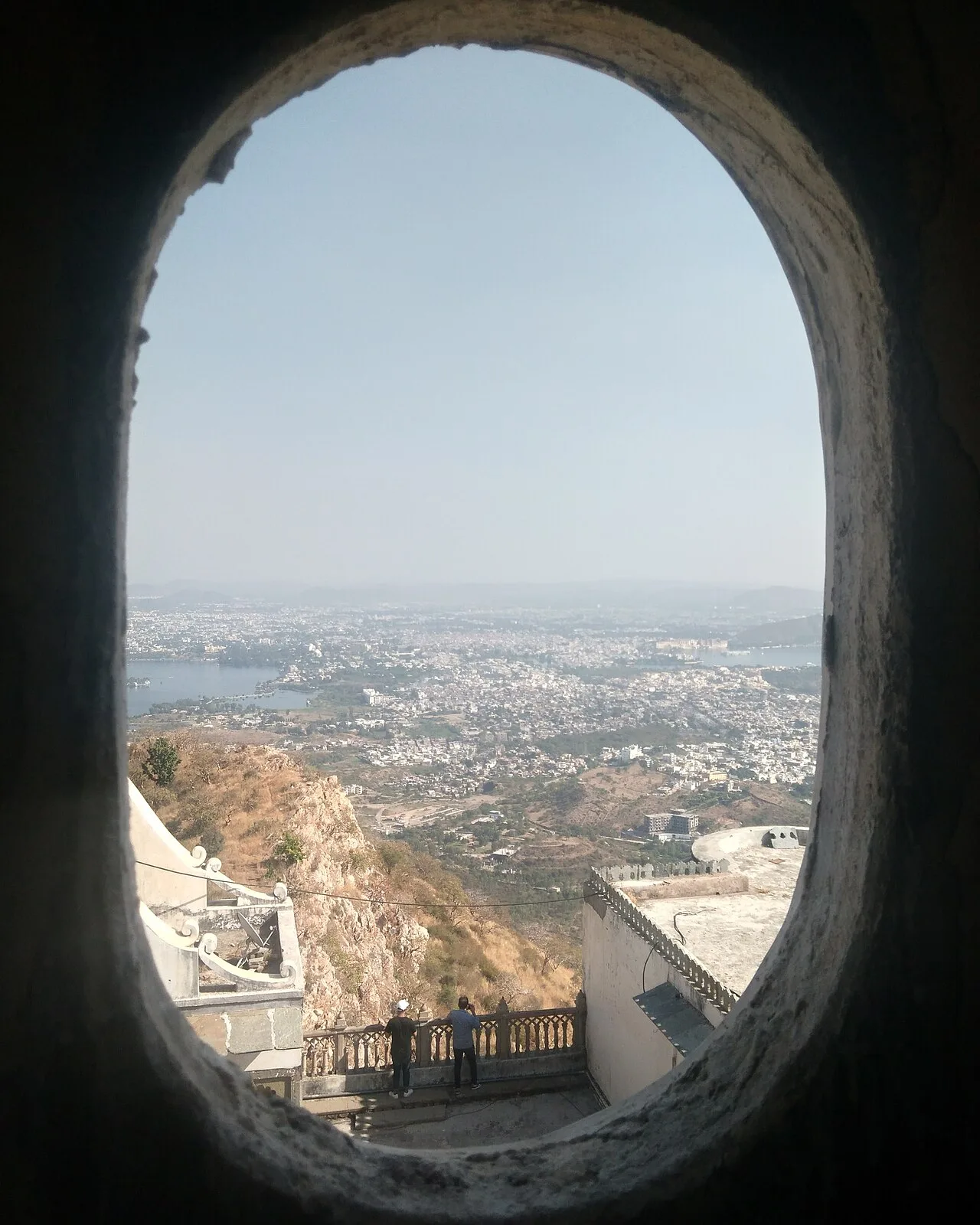
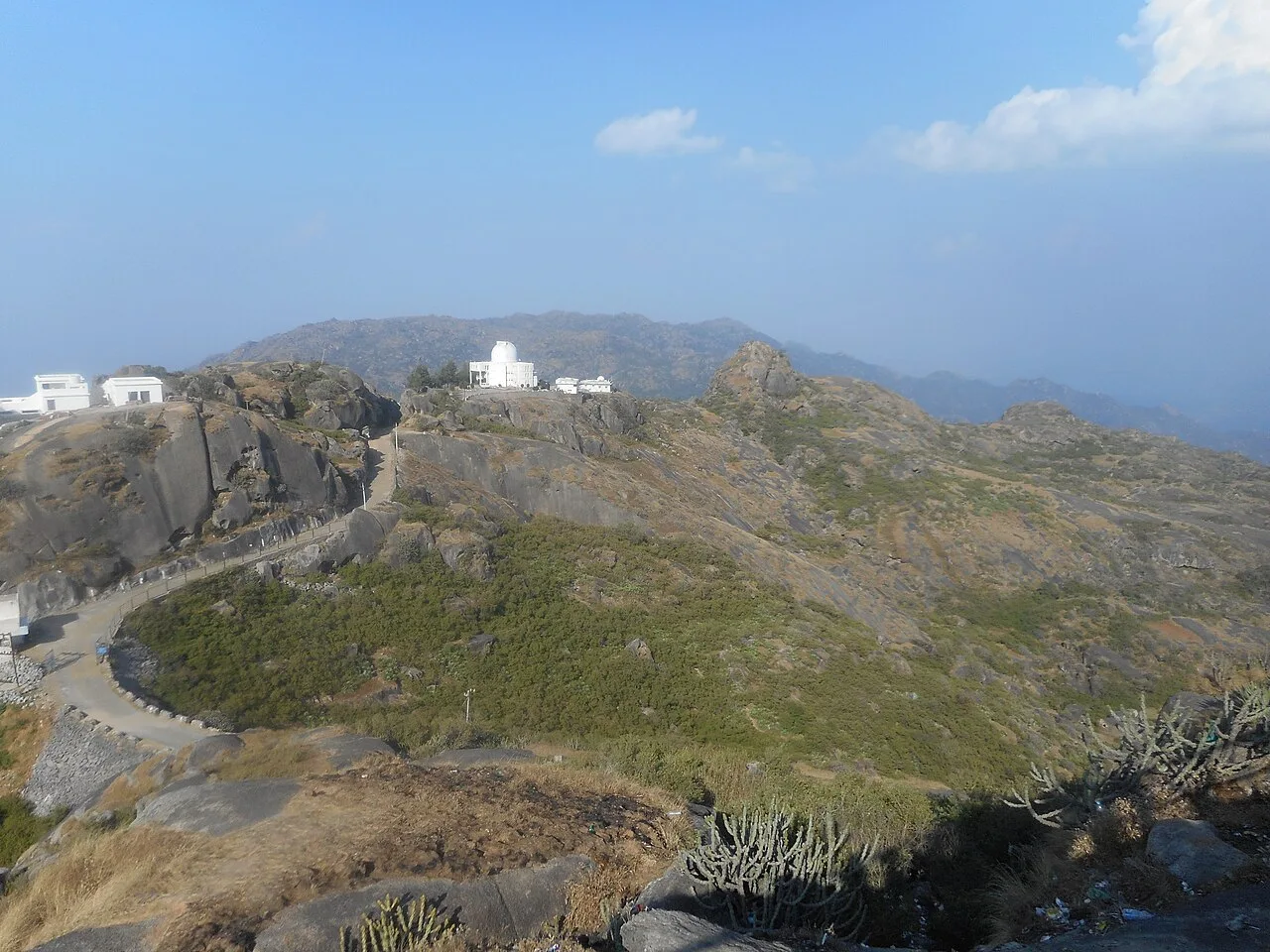
Guru Shikhar is a 1,722-metre summit in Rajasthan’s Arbuda Mountains, valued as the Aravalli Range’s highest point and visited for its hilltop shrines and nearby astronomical observatory.

Dilwara Temples

33 km away · Sirohi district

Dilwara Temples

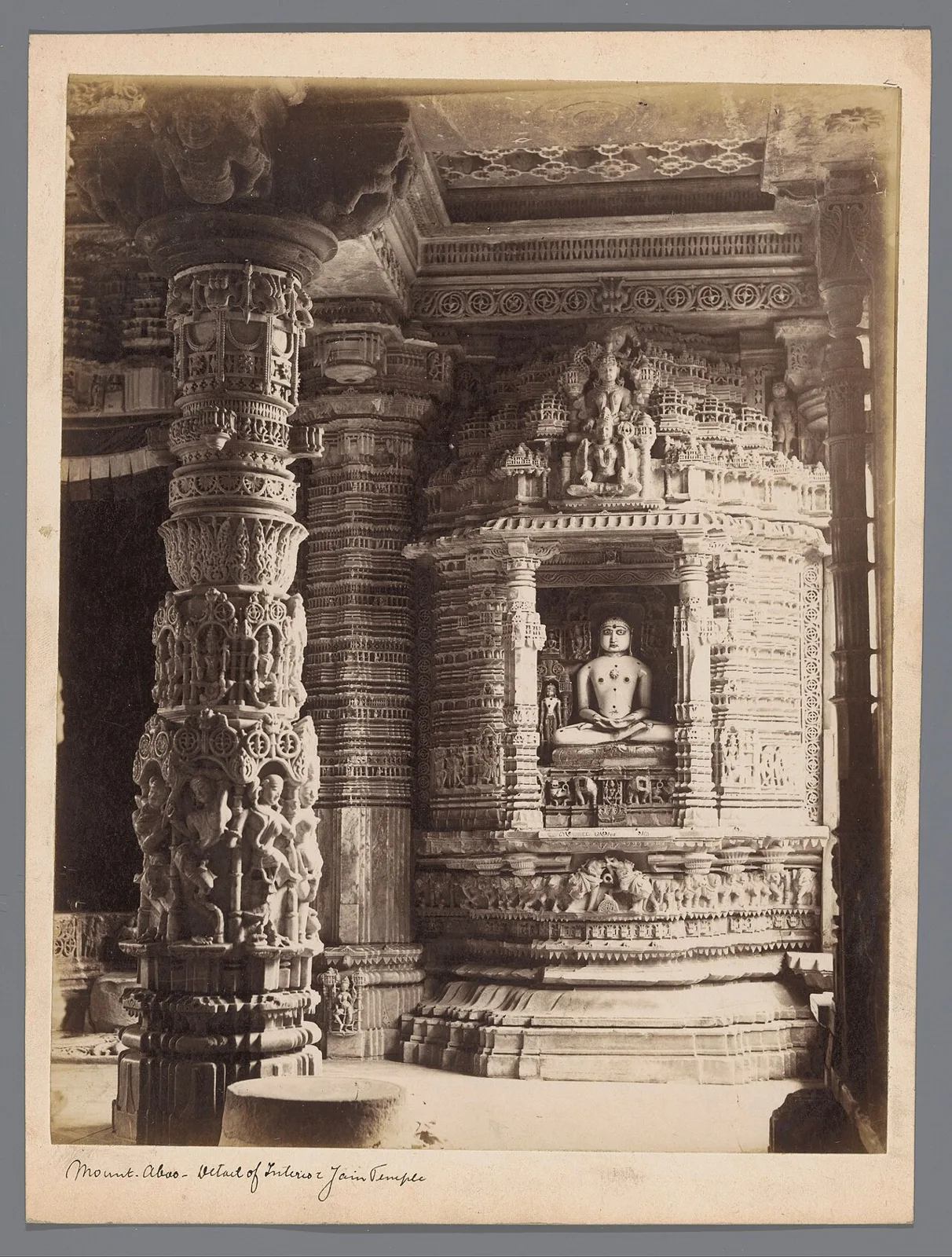
Dilwara Temples are a Śvetāmbara Jain complex near Mount Abu, Rajasthan, visited for pilgrimage and admired for their carved marble architecture.

Mount Abu

36 km away · Sirohi district

Mount Abu

In Rajasthan’s Sirohi district, Mount Abu, also known as Abu Raj, is a hill station on a rocky plateau. Visitors come for its water features, evergreen forests and Hindu and Jain temples.

Nakki Lake

36 km away · Sirohi district

Nakki Lake

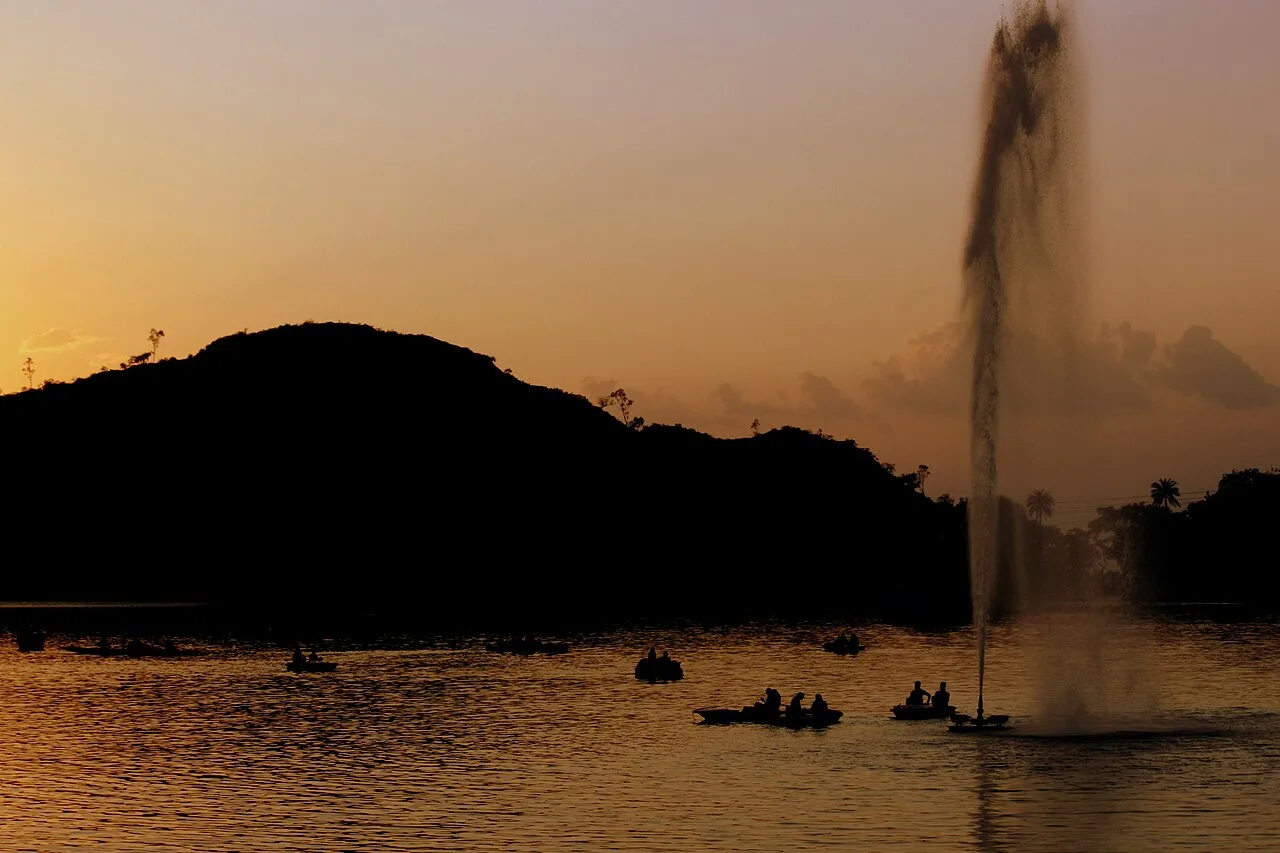
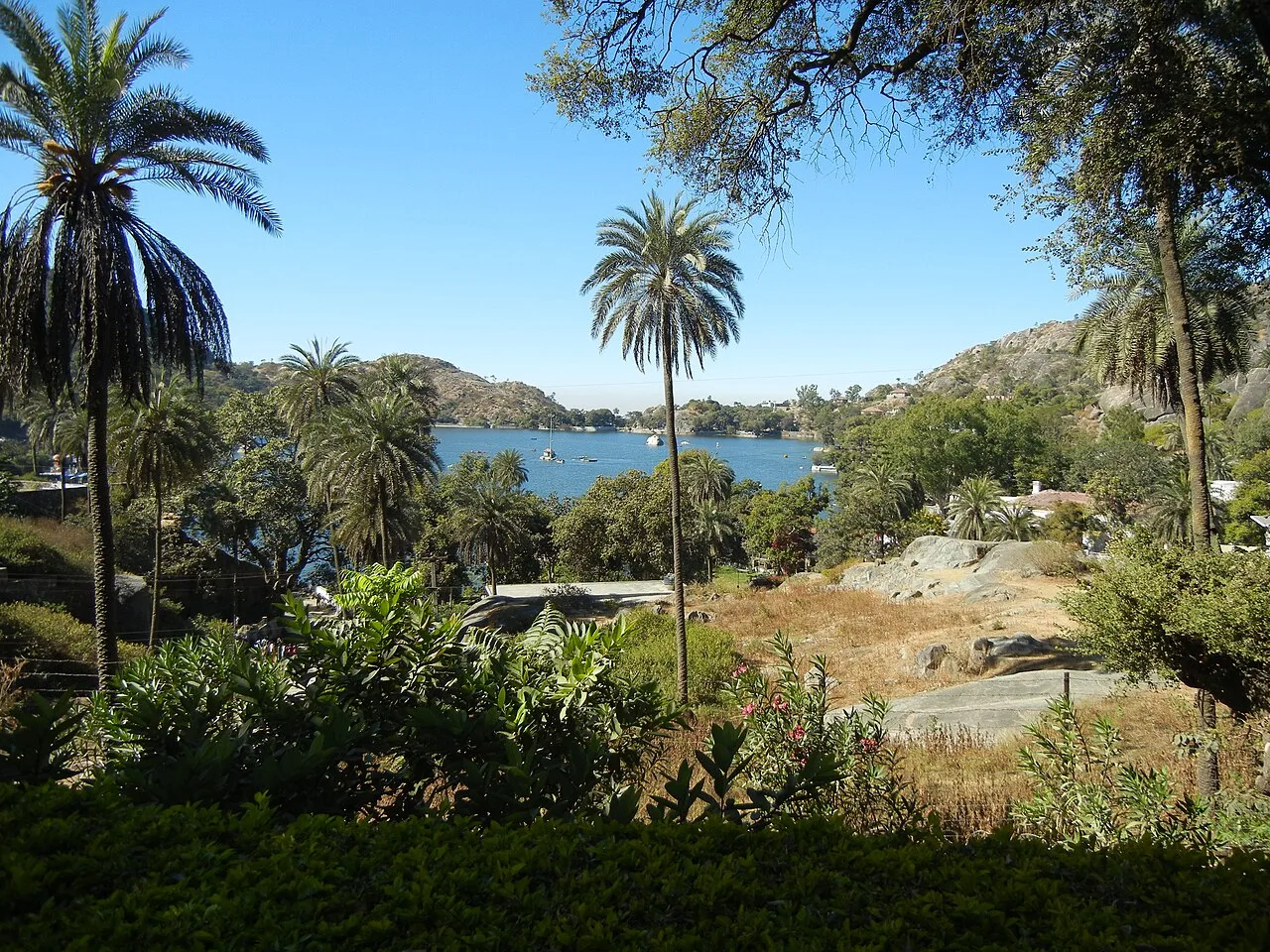
Nakki Lake is a lake at Mount Abu, a hill station in Rajasthan’s Sirohi district and the Aravalli range. Visitors come to see it while spending time at Mount Abu.

Ranakpur Jain temple

68 km away · Pali district

Ranakpur Jain temple

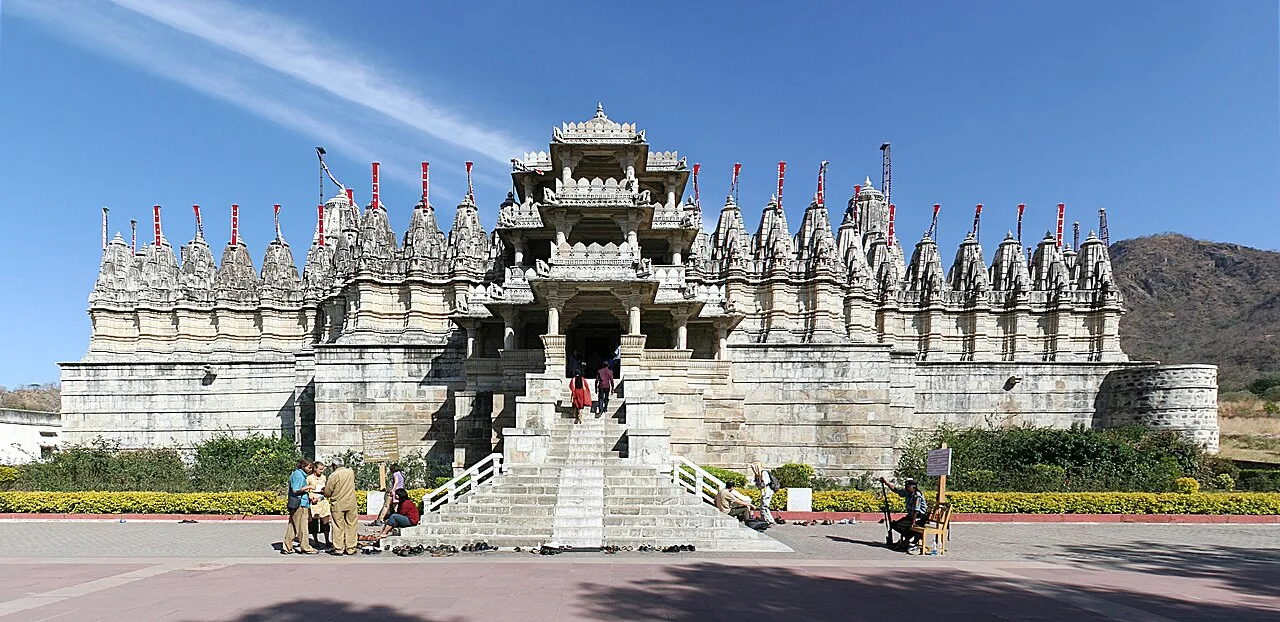
The Ranakpur Jain temple, also known as Chaturmukha Dharana Vihara, is a Śvētāmbara shrine devoted to Rishabhanatha. Jain pilgrims visit this important religious site and its group of associated temples.

Kumbhalgarh

79 km away · Rajsamand district

Kumbhalgarh

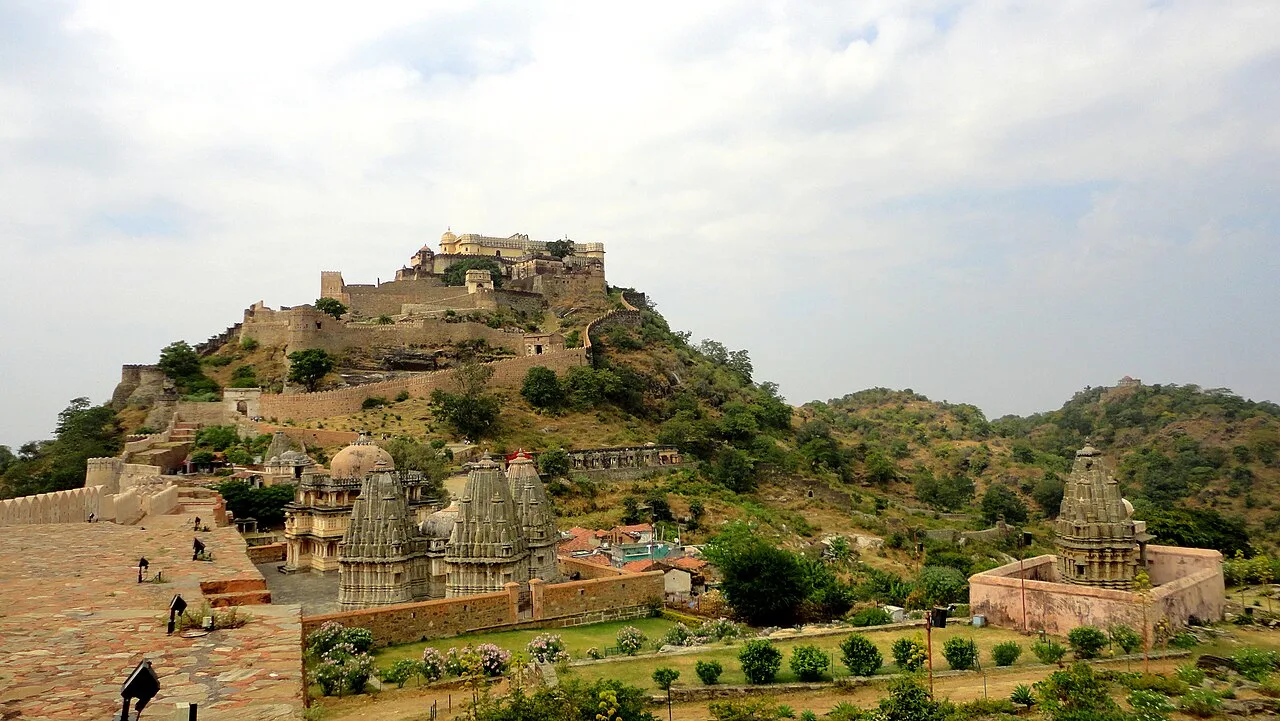
Kumbhalgarh, often called the Great Wall of India, is a 15th-century fortress in Rajasthan’s Aravalli Hills, visited for its fortifications, historical associations and UNESCO World Heritage status.

Haldighati

86 km away · Rajsamand district

Haldighati

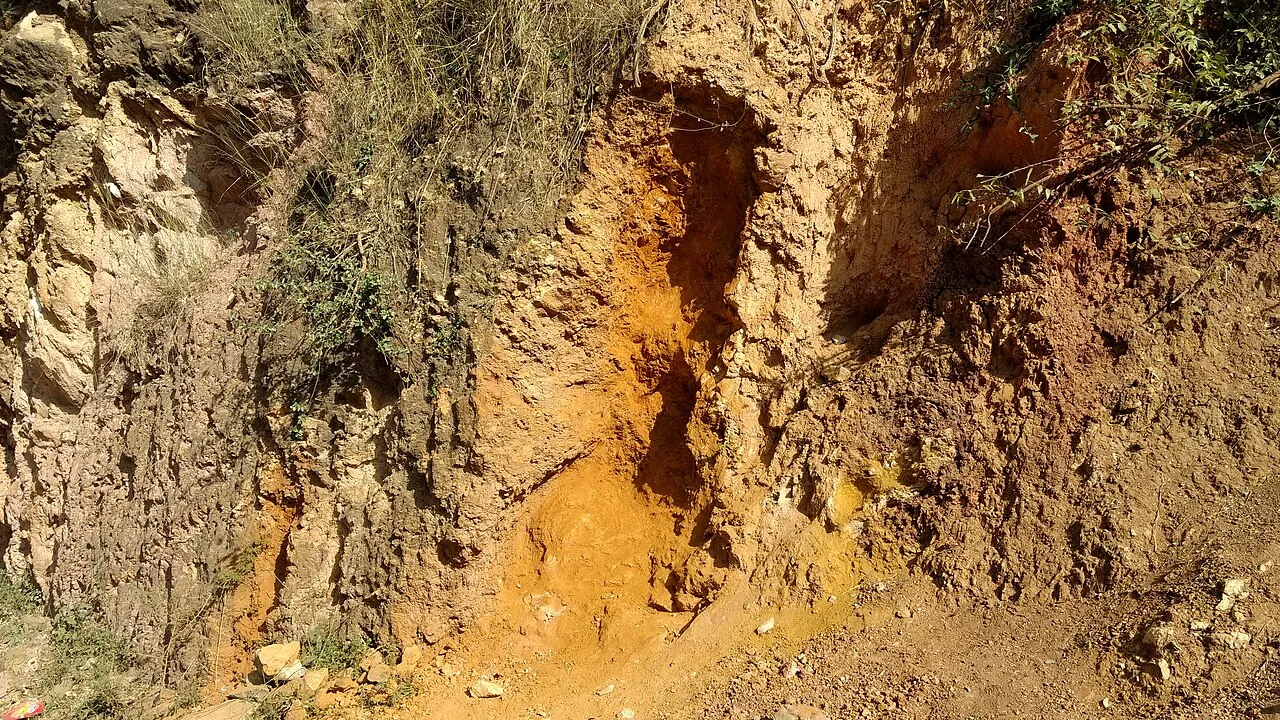
Haldighati is a historic route through Rajasthan’s Aravalli hills, connecting the Rajsamand and Udaipur districts. Visitors come to learn about its past and see the yellow soil associated with its name.

Monsoon Palace

86 km away · Udaipur district

Monsoon Palace

Above Udaipur in Rajasthan, Monsoon Palace, also known as Sajjangarh, was built for Maharana Sajjan Singh. Visitors come for its outlook over lakes, palaces and countryside, and for sunset views.

Map

Sirohi on the map

  1. 1Guru Shikhar
  2. 2Dilwara Temples
  3. 3Mount Abu
  4. 4Nakki Lake
  5. 5Ranakpur Jain temple
  6. 6Kumbhalgarh
  7. 7Haldighati
  8. 8Monsoon Palace

Rajasthan

Other cities to explore