Ghumoopedia — Explore, Discover, Experience
Sign in

City guide · Rajasthan

Singhana

Singhana is a municipal town in Jhunjhunu district, in Rajasthan’s Shekhawati region. Its importance is chiefly local: as a sub-tehsil centre, it serves residents of the town and surrounding settlements with everyday shopping, services and administrative connections.

Famous for

  • Shekhawati regional setting
  • Municipal and sub-tehsil centre
  • Local rural markets
  • Road links to Buhana

Why Singhana matters

Singhana is a municipal town in Jhunjhunu district, in Rajasthan’s Shekhawati region. Its importance is chiefly local: as a sub-tehsil centre, it serves residents of the town and surrounding settlements with everyday shopping, services and administrative connections. Buhana, about 13 km away, is one of its nearby reference points, while Jhunjhunu lies roughly 60 km to the west. Jaipur and Delhi connect the area to the state and national capitals.

For visitors, Singhana offers a quieter view of life in the Shekhawati countryside rather than the concentrated heritage attractions found in better-known towns. Its streets, shops and places of worship provide a sense of the rhythms of a regional market town. It can also be a practical stop for exploring the district by road. The wider Shekhawati landscape is associated with historic merchant towns, painted havelis and regional folk traditions, making Singhana a useful point from which to understand the district’s less-urban surroundings.
Famous for: crafts, trade & products

Singhana is best understood as a local service and trading centre, not as a major destination for a particular textile, handicraft or GI-tagged product. Shops in and around the central bazaar cater to daily needs, and the town’s market links nearby villages with supplies and services. Visitors can browse general stores and local food shops for an everyday sense of commerce in a small Shekhawati town.

The wider district has a strong heritage of merchant towns and havelis, and Shekhawati is known for painted architecture and regional craft traditions. Those interests are better pursued across the district, including in its established heritage towns, rather than assumed to be concentrated in Singhana. For locally made goods or seasonal produce, ask at the central market about what is available during a visit. The town’s role is primarily practical and regional: it connects surrounding communities to routine trade, transport and administration, rather than serving as a specialist shopping destination.

History

Singhana’s development is closely tied to the history of Shekhawati, a region shaped by Rajput principalities and the growth of trading communities. Across Shekhawati, merchant wealth helped create distinctive havelis and other architectural landmarks, especially in towns that became major commercial stops. Singhana’s story is more modest: it grew as a settlement serving its surrounding countryside and as a local point for trade and administration.

During the colonial period, political and commercial changes affected the wider region, while roads and rail connections gradually linked its towns with larger centres. Singhana’s present-day role reflects this pattern of regional connection rather than a single well-known royal court or historic event. Its status as a municipal town and sub-tehsil centre supports local civic and administrative functions. Today, it remains part of Jhunjhunu district’s network of small towns, linking nearby settlements with district services and routes towards larger urban centres.

Food, festivals & culture

Daily life reflects the rural and small-town traditions of Shekhawati. Hindi is widely used, alongside Rajasthani speech, including the local Shekhawati dialect. Meals draw on familiar regional staples such as bajra roti, dal, seasonal vegetables and buttermilk; sweets and snacks associated with Rajasthan are enjoyed at family gatherings and festivals. Local shops and eateries are the easiest places to encounter everyday food rather than a dedicated food-tourism scene.

Holi in spring and Diwali in autumn are prominent occasions, while Teej and Gangaur bring seasonal observances connected with Rajasthan’s folk traditions. Eid is also marked by Muslim residents. Folk songs, devotional music and community celebrations form part of the wider cultural life of the district; performances and dance traditions vary with the occasion. Temples and mosques serve as neighbourhood places of worship and gathering. For a visitor, respectful observation of local celebrations and everyday routines offers a more grounded picture than looking for staged cultural events.

Visiting the city

The cooler months, roughly October to March, are generally the most comfortable for exploring Singhana and the surrounding district. Summers can be very hot, while the monsoon brings changing road and weather conditions. The nearest major airport is Indira Gandhi International Airport in Delhi; Jaipur International Airport is another option. Nearby rail access can be planned through Chirawa or Narnaul, with onward travel by road. Confirm the most suitable connection for your route before setting out.

Buses, taxis and private vehicles connect Singhana with nearby towns, including Buhana, and with Jhunjhunu. Within town, short trips are usually made by local road transport or on foot. Explore the central bazaar, nearby residential lanes and the town’s places of worship for a sense of local life. Singhana also works as a base for road excursions around Jhunjhunu district.

Trips from the city

Nearest places to visit from Singhana

Our closest destination guides, by straight-line distance.

Nawalgarh

63 km away · Jhunjhunu district

Nawalgarh

Nawalgarh is a heritage city in Rajasthan’s Shekhawati region, within Jhunjhunu district. Visitors are drawn by its heritage character, and it is 30.5 km from Sikar and 39.2 km from Jhunjhunu.

Mandawa

68 km away · Jhunjhunu district

Mandawa

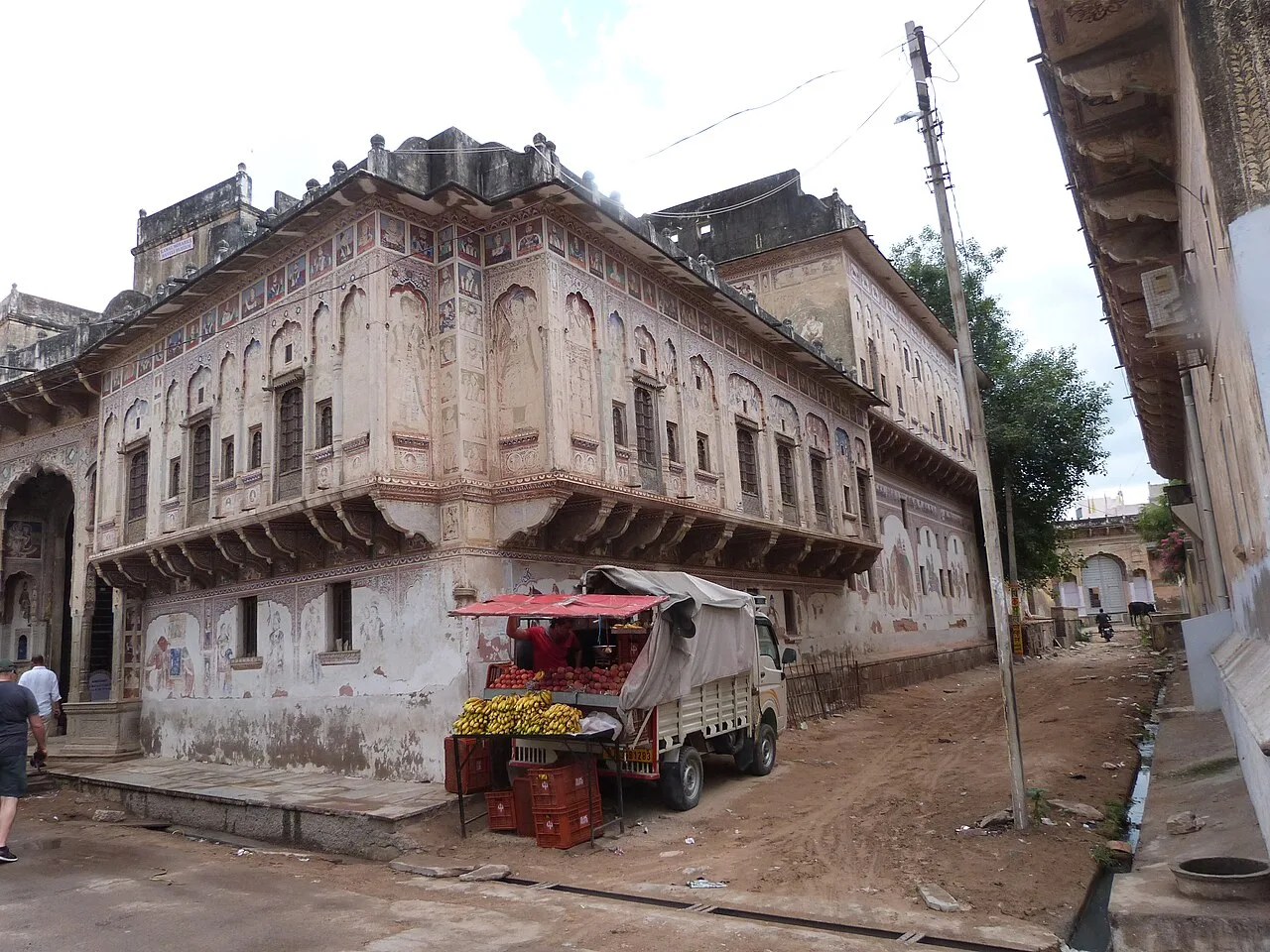
Mandawa is a town in Rajasthan’s Jhunjhunu district, within the Shekhawati region. Travellers visit it as part of journeys through the region and nearby Jhunjhunu.

Khatu Shyam Temple

92 km away · Sikar district

Khatu Shyam Temple

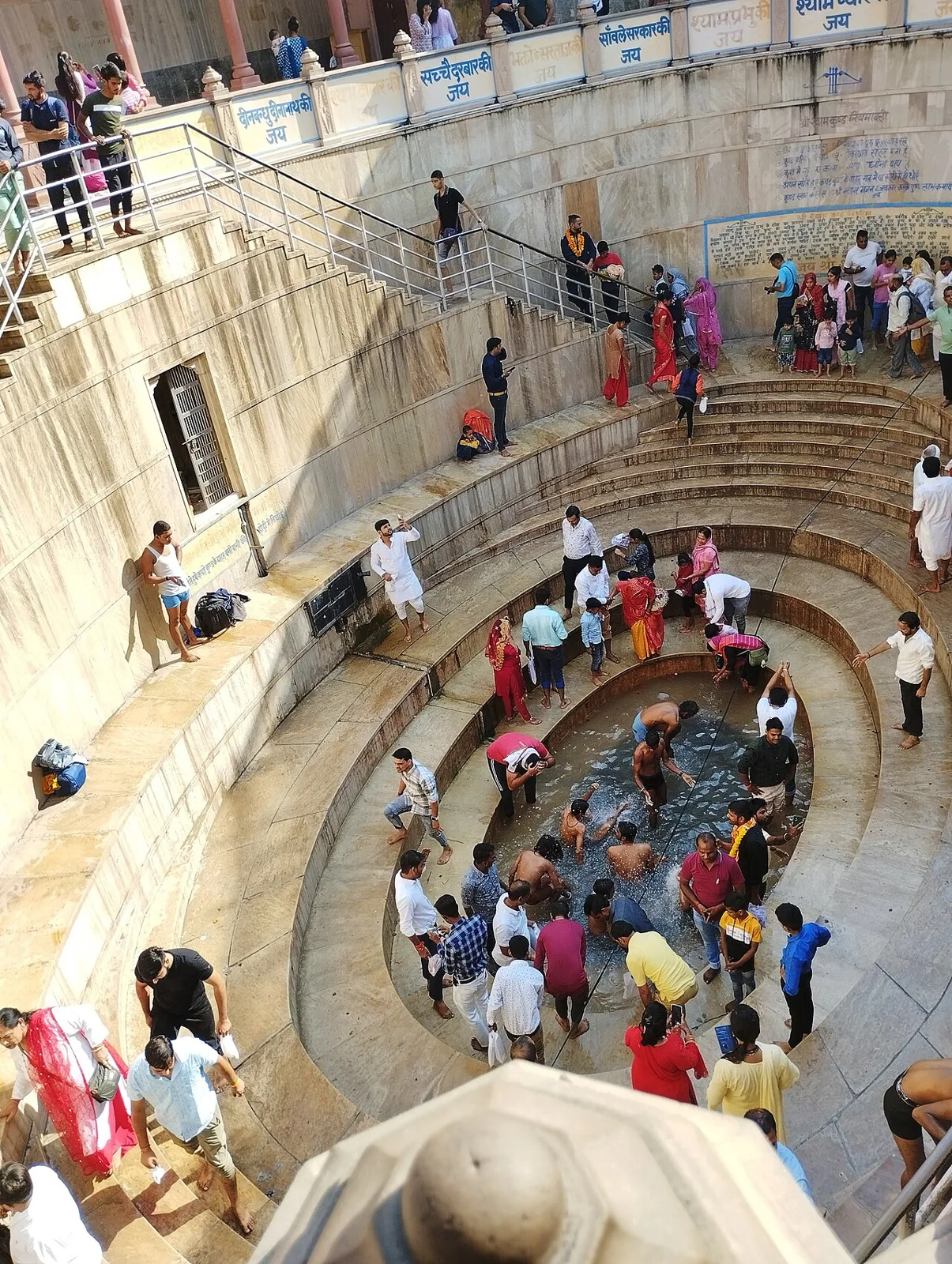
In KhatuShyamJi town, Rajasthan, this Hindu shrine honours Khatu Shyam, believed to be a divine manifestation of Barbareek from the Mahabharat. Pilgrims visit throughout the year, especially for the Falgun Mela.

Siliserh Lake

93 km away · Alwar district

Siliserh Lake

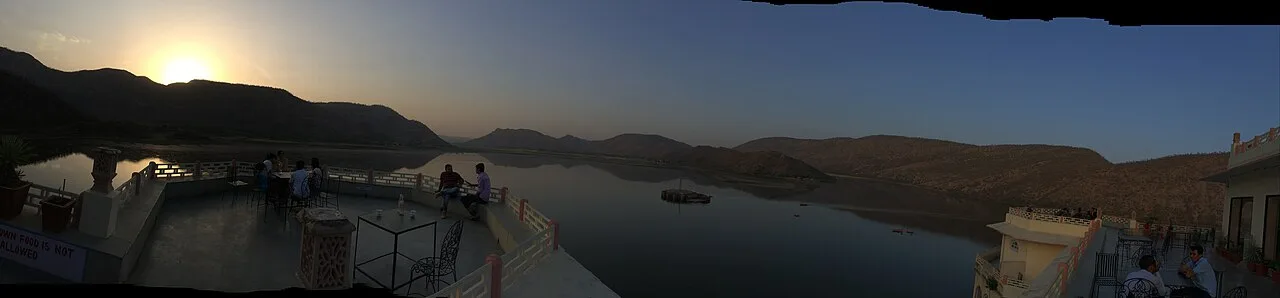
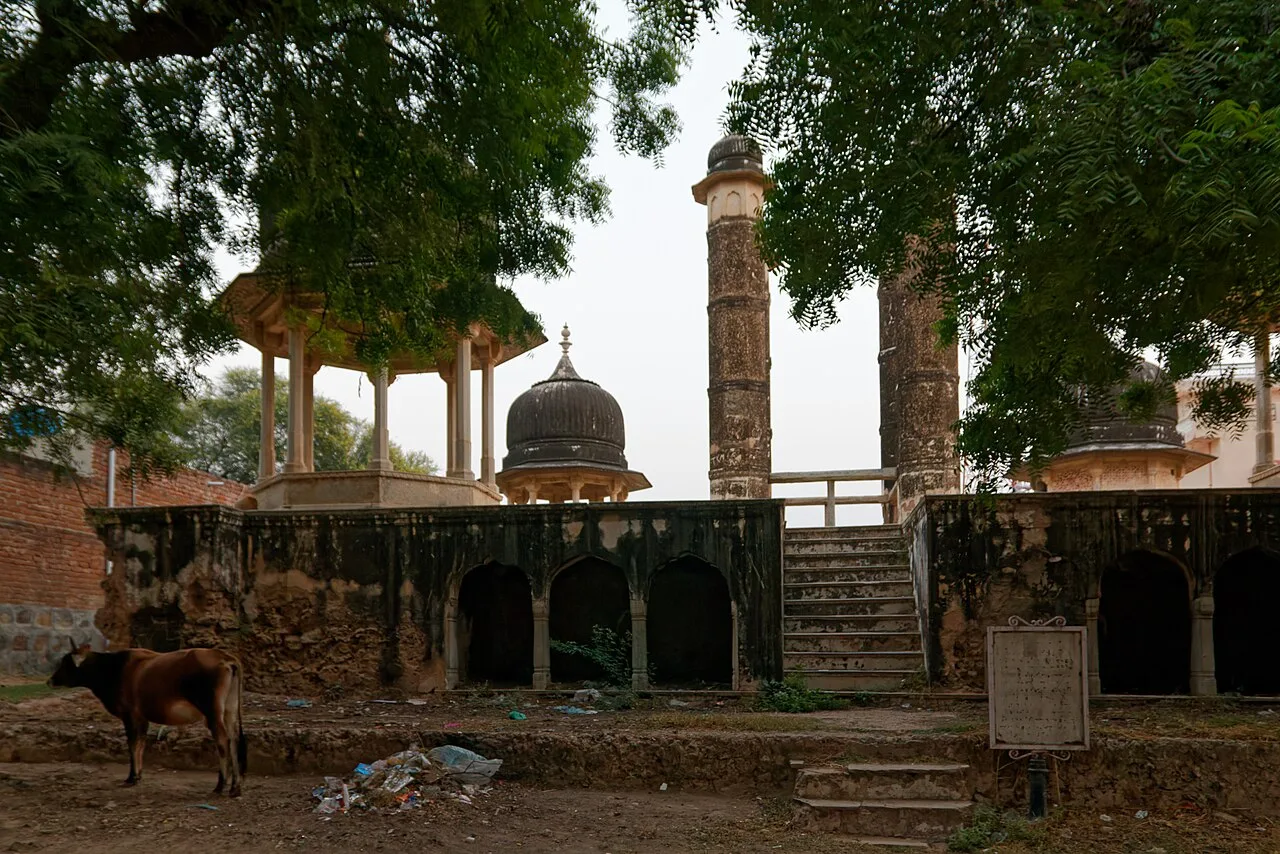
Siliserh Lake is an artificial lake in Rajasthan, southwest of Alwar, with wooded banks and cenotaphs along its embankment that visitors come to see.

Samode

100 km away · Jaipur district

Samode

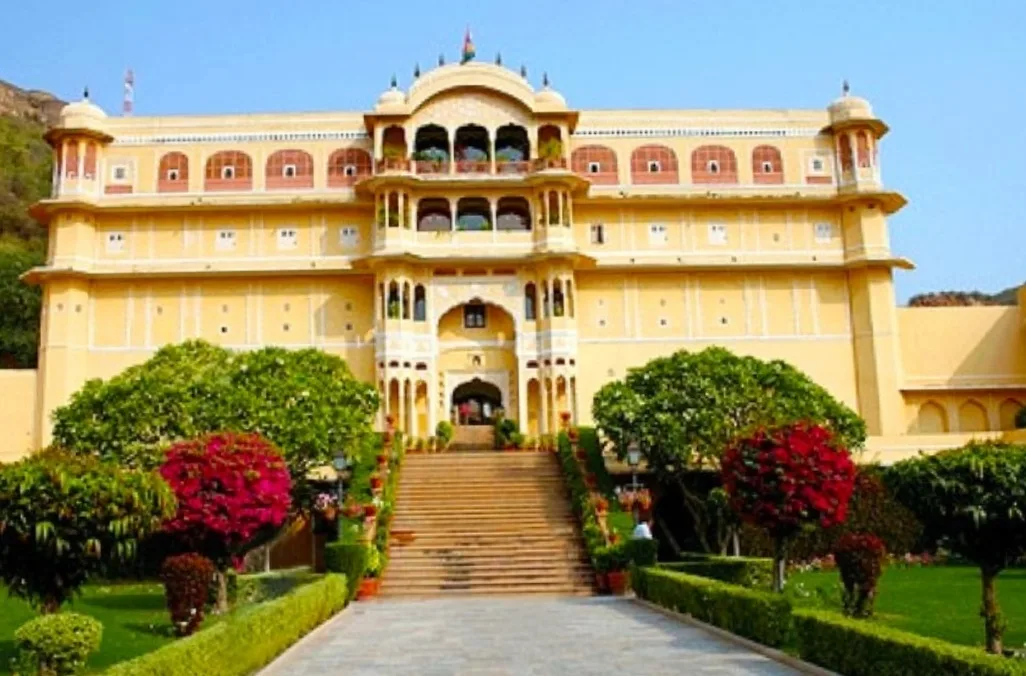
Samode is a village in Rajasthan’s Aravalli hills, north-west of Jaipur. Visitors come for its palace, haveli and garden, historic properties now operated as heritage hotels.

Sariska Tiger Reserve

105 km away · Alwar district

Sariska Tiger Reserve

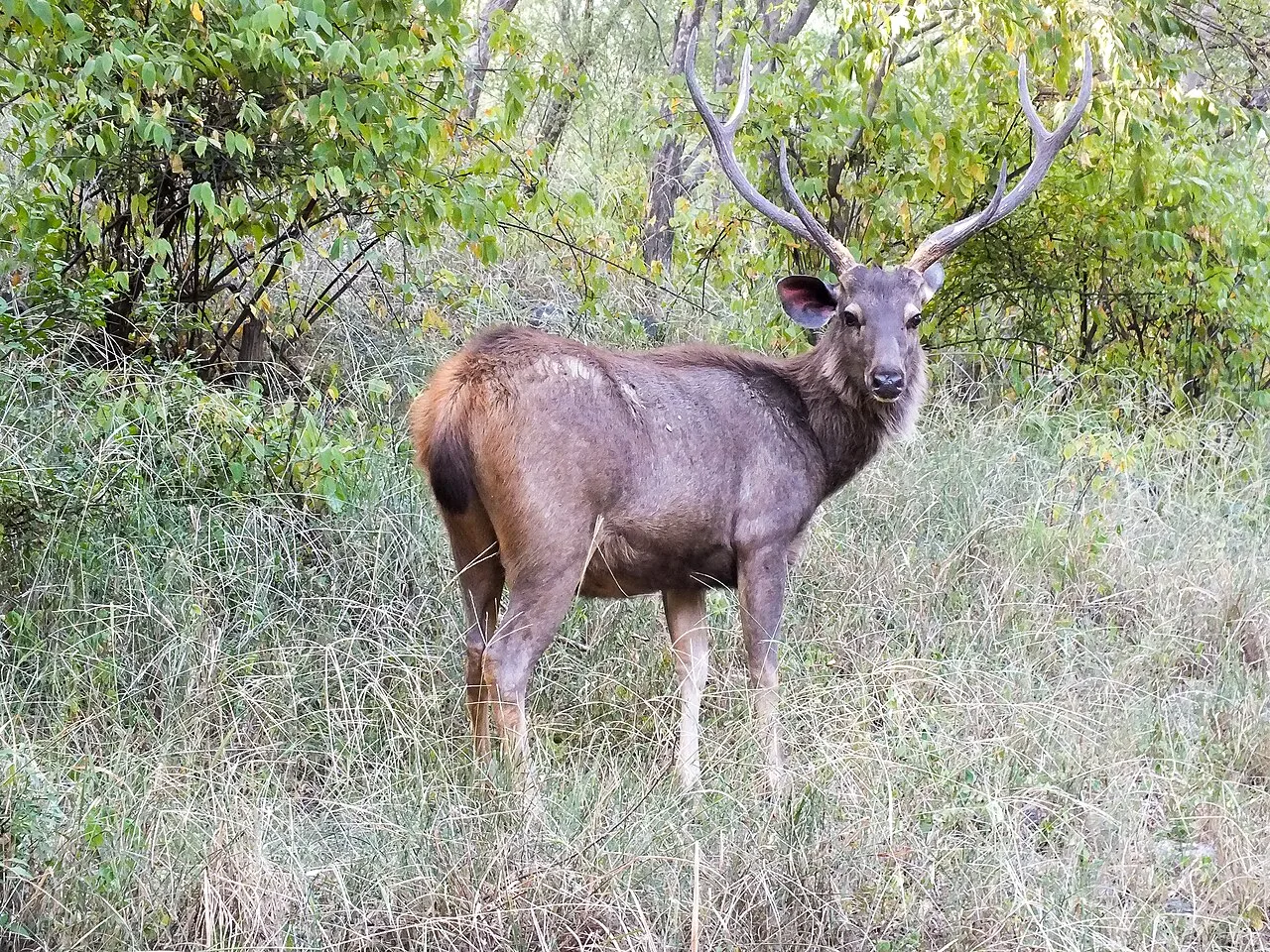
Sariska Tiger Reserve, in Rajasthan’s Alwar district, is a protected area with tiger-reserve status and varied forest, grassland and rocky habitats. Visitors come to experience its wildlife and conservation setting.

Bhangarh Fort

120 km away · Alwar district

Bhangarh Fort

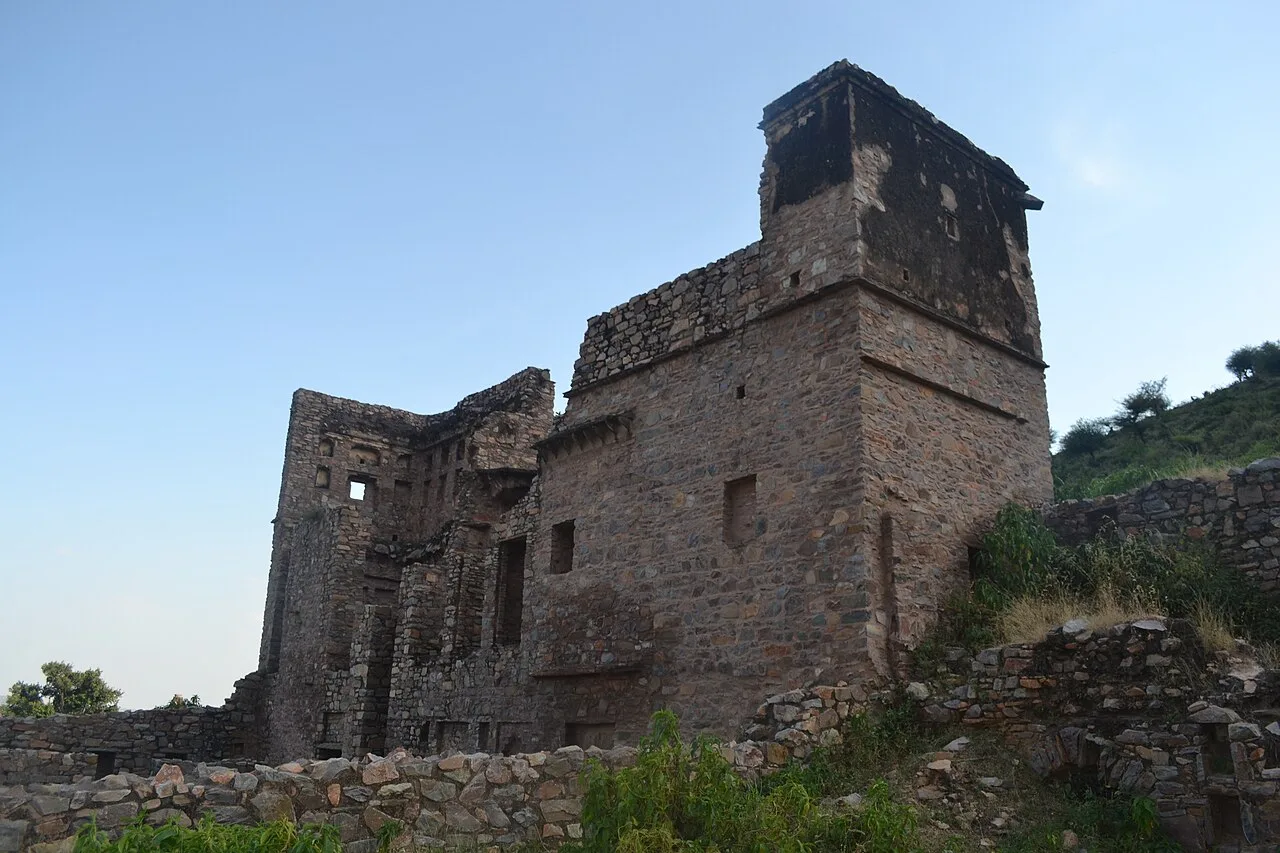
Dating to the sixteenth century, Bhangarh Fort in Rajasthan is linked to Madho Singh’s residence. Visitors come to view the preserved fort and its surrounding precincts.

Amber Fort

124 km away · Jaipur district

Amber Fort

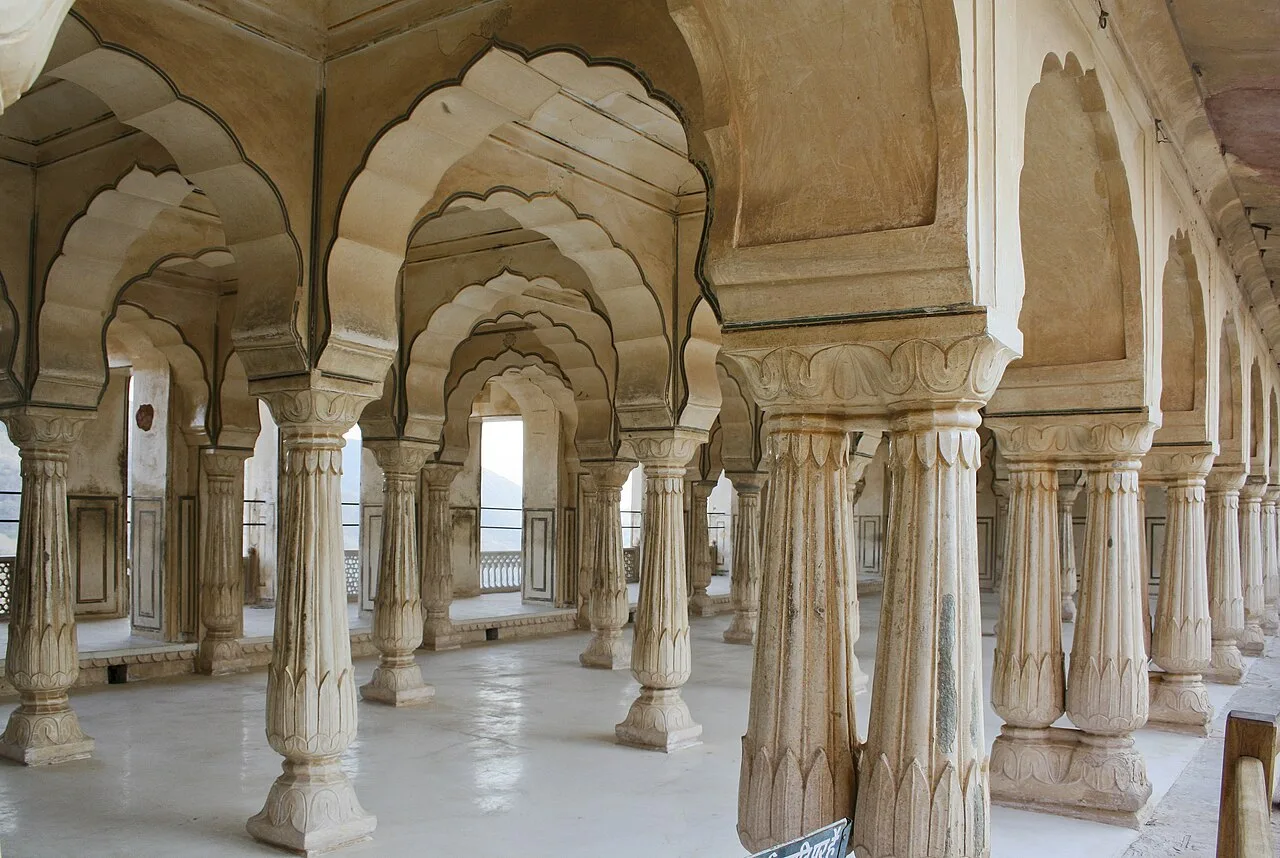
Amber Fort, also known as Amer Palace, is a hilltop fort in Amer, Rajasthan. Visitors explore its Rajput and Mughal-influenced design, palace halls and setting above Maota Lake.

Map

Singhana on the map

  1. 1Nawalgarh
  2. 2Mandawa
  3. 3Khatu Shyam Temple
  4. 4Siliserh Lake
  5. 5Samode
  6. 6Sariska Tiger Reserve
  7. 7Bhangarh Fort
  8. 8Amber Fort

Rajasthan

Other cities to explore