Ghumoopedia — Explore, Discover, Experience
Sign in
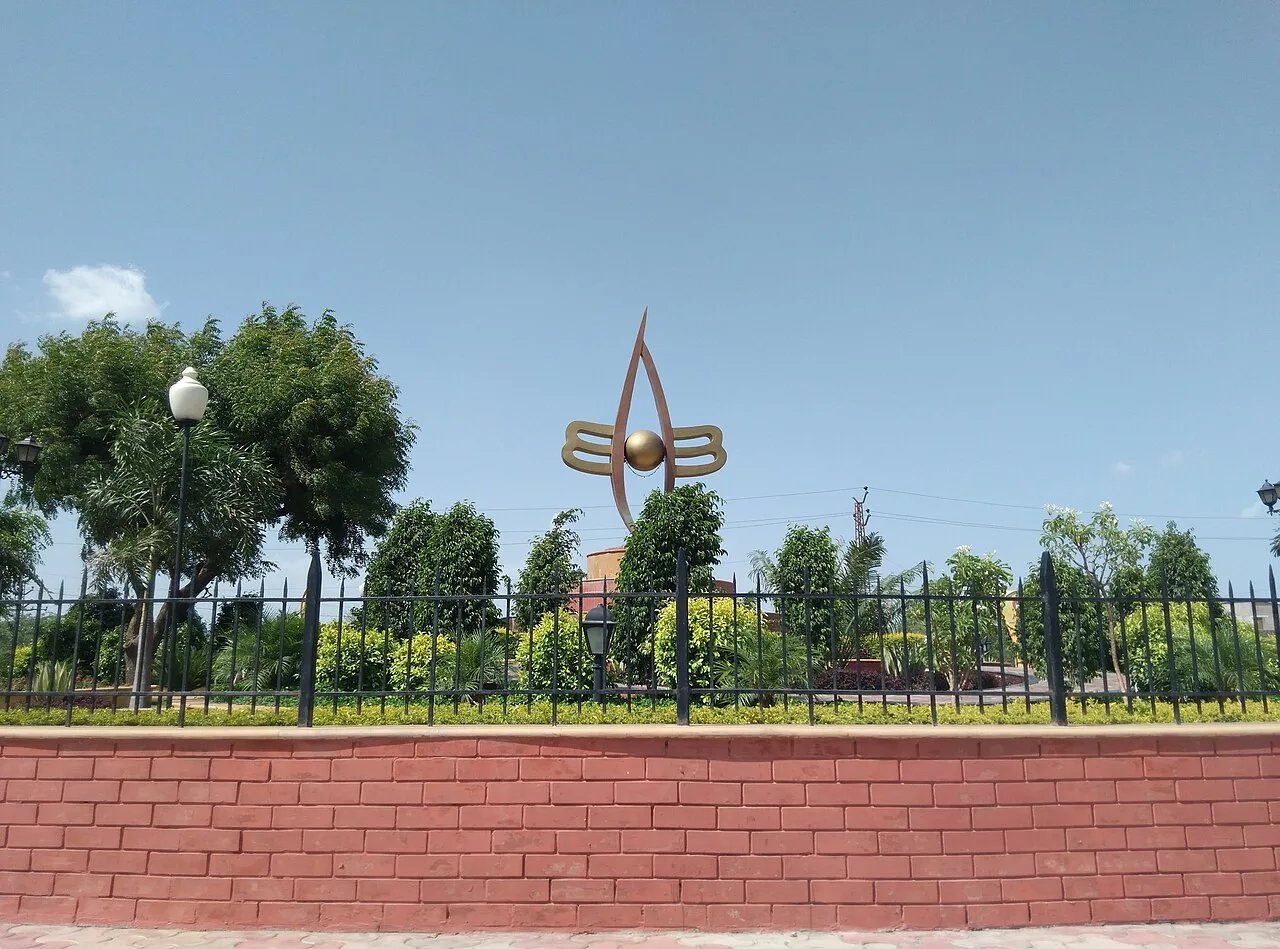
Rajsamand Lake, near Devgarh

City guide · Rajasthan

Devgarh

Devgarh, also called Deogarh, is a small town in Rajsamand district, set on a hill along the eastern side of the Aravalli Range. Its elevated position, rocky surroundings and pond at the hill’s base give it a distinctive landscape within the Mewar region.

Famous for

  • Chundawat Rajput heritage
  • Deogarh Mahal
  • Aravalli hill setting
  • Stone and granite work
  • Birdlife and countryside

Why Devgarh matters

Devgarh, also called Deogarh, is a small town in Rajsamand district, set on a hill along the eastern side of the Aravalli Range. Its elevated position, rocky surroundings and pond at the hill’s base give it a distinctive landscape within the Mewar region. Historically an estate of the Chundawat Rajputs, the town retains a heritage character that draws visitors interested in Rajasthan’s smaller historic settlements. Deogarh Mahal is among its best-known visitor draws, while the surrounding countryside offers opportunities to appreciate local scenery and birdlife.

Today, Devgarh serves as a local centre for nearby villages and is also associated with stone and granite quarrying and polishing. It is not a large resort city or a major textile centre; its appeal lies in the combination of Rajput-era associations, hilltop views and access to rural Aravalli landscapes. Visitors often use the town as a quieter stop while exploring the wider Rajsamand and Mewar region. Its setting and heritage make it a worthwhile destination for travellers seeking a less urban experience of Rajasthan.
Famous for: crafts, trade & products

Devgarh is not especially known for a distinctive saree tradition, a major handicraft market or a widely recognised GI-tagged product. Its more visible local trade is connected with stone and granite: quarries and polishing units operate in and around the town, reflecting the rocky landscape. These are working industries rather than visitor-oriented craft attractions, so visitors should ask locally about access before approaching a workshop.

For everyday purchases, the town’s local market is the practical place to look for household goods, snacks and basic supplies. It may also offer locally made items, but shoppers should not expect the range of specialist crafts found in Rajasthan’s larger tourist centres. Deogarh Mahal and heritage accommodation are prominent parts of the visitor economy, rather than retail institutions. Travellers seeking regional textiles, jewellery or a broader selection of handicrafts can look in larger towns and cities elsewhere in Mewar. Devgarh’s strongest identifiable commercial association remains stone and granite work, alongside its role as a service centre for surrounding settlements.

History

Devgarh developed as a Rajput estate associated with the Chundawat clan. It formed part of the historic Mewar region, whose rulers and subordinate estates shaped the political and cultural life of this part of Rajasthan. The town’s hilltop position offered a defensible setting, and its heritage buildings reflect its former role as an estate centre. Deogarh Mahal is a prominent reminder of that aristocratic past and is now closely linked with the town’s heritage tourism.

During the colonial period, Devgarh remained connected to the Mewar princely state rather than becoming a major directly administered British town. The end of princely rule and the integration of Rajasthan’s former states into independent India brought changes in administration and regional governance. In modern times, Devgarh has functioned as a municipality and a local centre within Rajsamand district. Road links, visitor accommodation and stone and granite activity contribute to its present-day economy, while its historic identity and surrounding landscape continue to shape its public profile.

Food, festivals & culture

Everyday food in Devgarh reflects the wider Mewar and Rajasthani kitchen. Visitors may encounter dishes such as dal baati churma, gatte ki sabzi and ker sangri, with sweets such as ghevar or malpua appearing around festive occasions. Menus and availability vary between local eateries and visitor accommodation. Hindi is widely used, alongside Mewari and other forms of Rajasthani speech in local life.

Holi and Diwali are widely observed, while Gangaur and Teej bring seasonal traditions associated with spring and the monsoon period. Family gatherings, worship and community celebrations are central to these occasions; the scale and customs can differ from one neighbourhood to another. Temples and smaller shrines provide places for daily worship, although Devgarh is not chiefly known as a major pilgrimage centre. Music and dance draw on broader Rajasthani traditions, including folk songs and performances at celebrations. Visitors should treat local religious spaces respectfully and ask before photographing people or ceremonies.

Visiting the city

The cooler months, generally October to March, are the most comfortable for exploring Devgarh and its surrounding countryside. The nearest airport serving the town is Maharana Pratap Airport at Udaipur. Deogarh Madariya is the local railway station; Marwar Junction is a larger rail interchange for onward travel, so check current connections before planning a journey. Road travel is useful for reaching the town and exploring nearby areas.

Within Devgarh, local taxis and auto-rickshaws may be available, while the compact central area can be explored on foot. Begin around the old town and Deogarh Mahal, then visit the local market and the pond below the hill. The rocky outskirts and nearby countryside are worth exploring for views and birdlife. Allow extra time for rural roads and confirm local transport options on arrival.

Trips from the city

Nearest places to visit from Devgarh

Our closest destination guides, by straight-line distance.

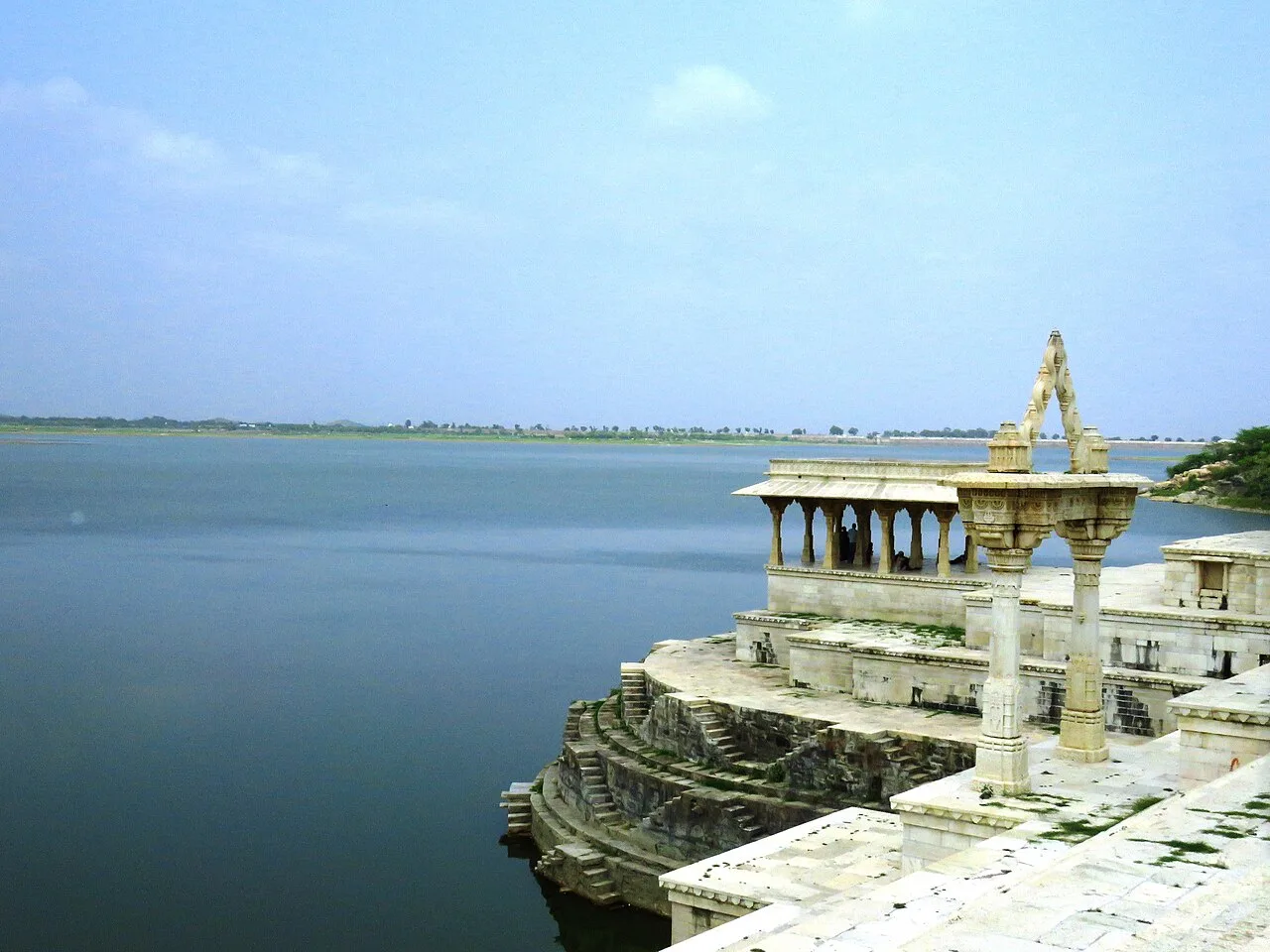
Rajsamand Lake

51 km away · Rajsamand district

Rajsamand Lake

A large reservoir in Rajasthan’s Rajsamand district, Rajsamand Lake is also called Rajsamudra. Visitors come to see its scale and the historic work associated with Rana Raj Singh.

Kumbhalgarh

53 km away · Rajsamand district

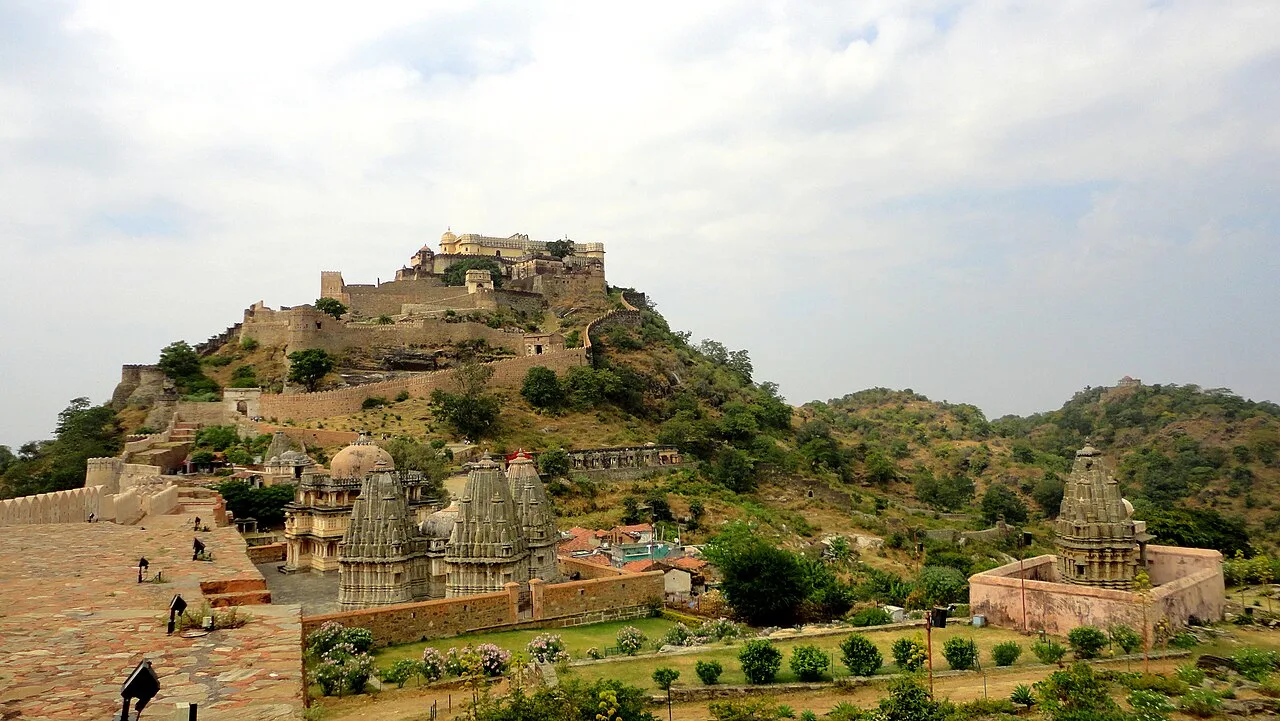
Kumbhalgarh

Kumbhalgarh, often called the Great Wall of India, is a 15th-century fortress in Rajasthan’s Aravalli Hills, visited for its fortifications, historical associations and UNESCO World Heritage status.

Ranakpur Jain temple

63 km away · Pali district

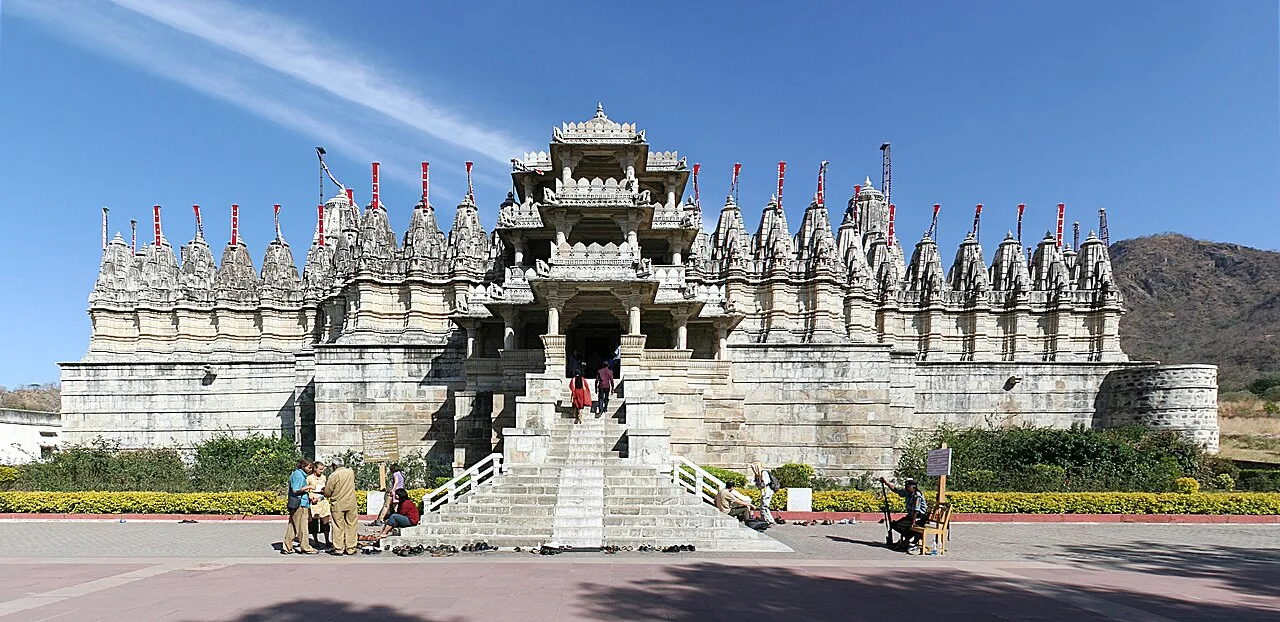
Ranakpur Jain temple

The Ranakpur Jain temple, also known as Chaturmukha Dharana Vihara, is a Śvētāmbara shrine devoted to Rishabhanatha. Jain pilgrims visit this important religious site and its group of associated temples.

Nathdwara

67 km away · Rajsamand district

Nathdwara

Nathdwara is a city in Rajasthan known for its Shrinathji shrine and its place in the Vaishnavite Pushti Marg tradition, drawing devotees from Rajasthan, Gujarat and beyond.

Haldighati

74 km away · Rajsamand district

Haldighati

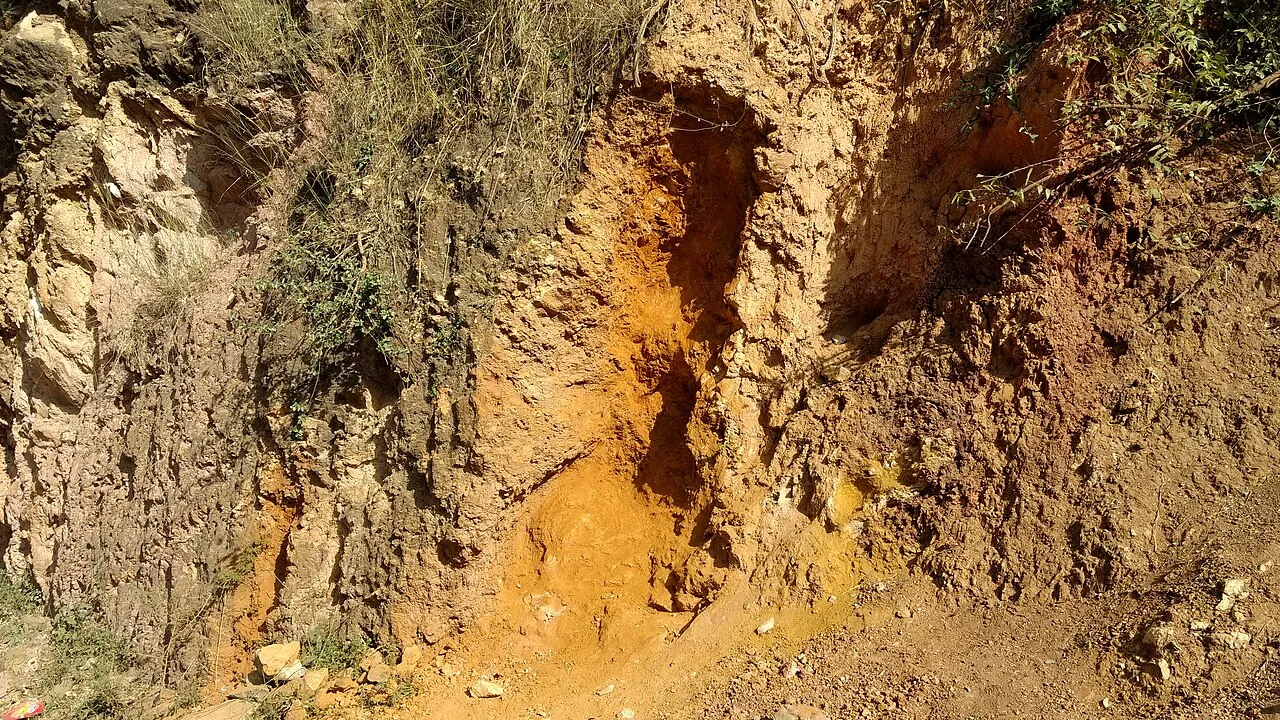
Haldighati is a historic route through Rajasthan’s Aravalli hills, connecting the Rajsamand and Udaipur districts. Visitors come to learn about its past and see the yellow soil associated with its name.

Akola (Dabu Print Village)

81 km away · Chittorgarh district

Akola (Dabu Print Village)

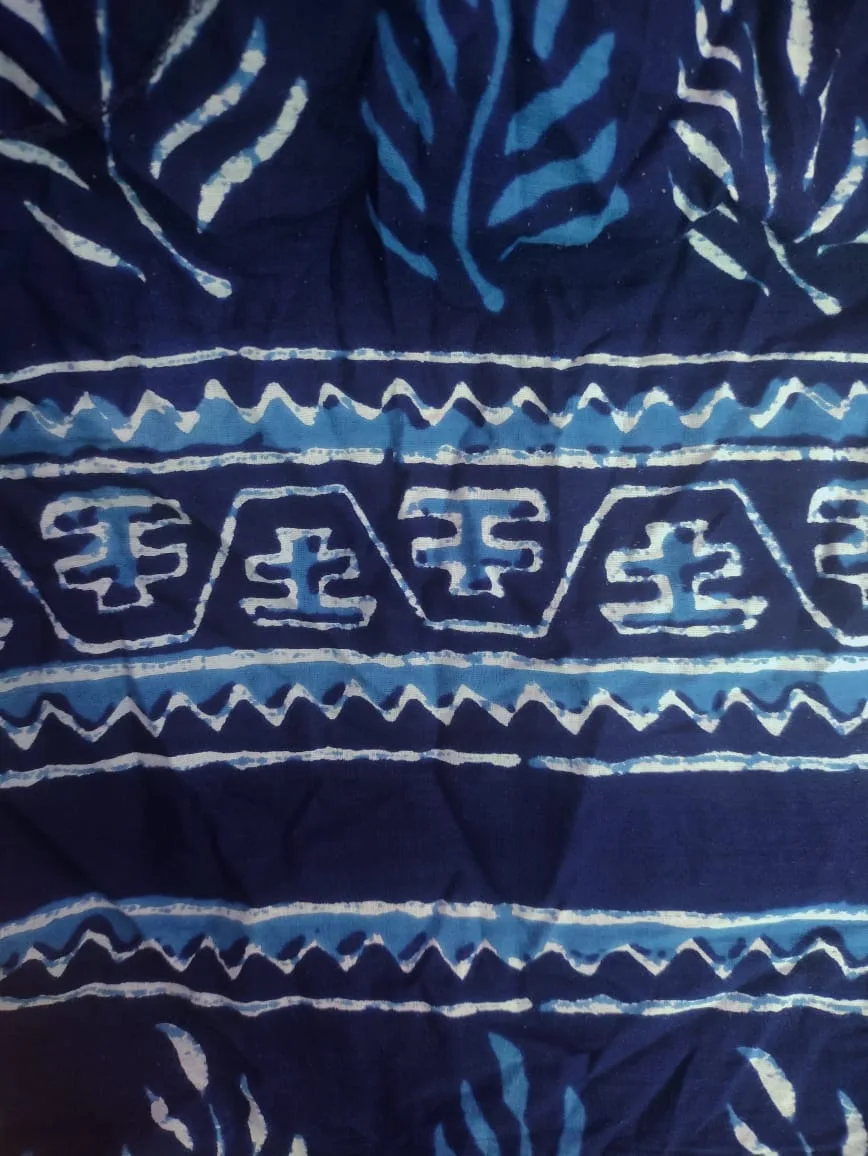
Akola, also called Chhipo ka Akola, is a village in Rajasthan’s Chittorgarh district. Visitors are drawn by its Dabu print, known across India.

Eklingji

89 km away · Udaipur district

Eklingji

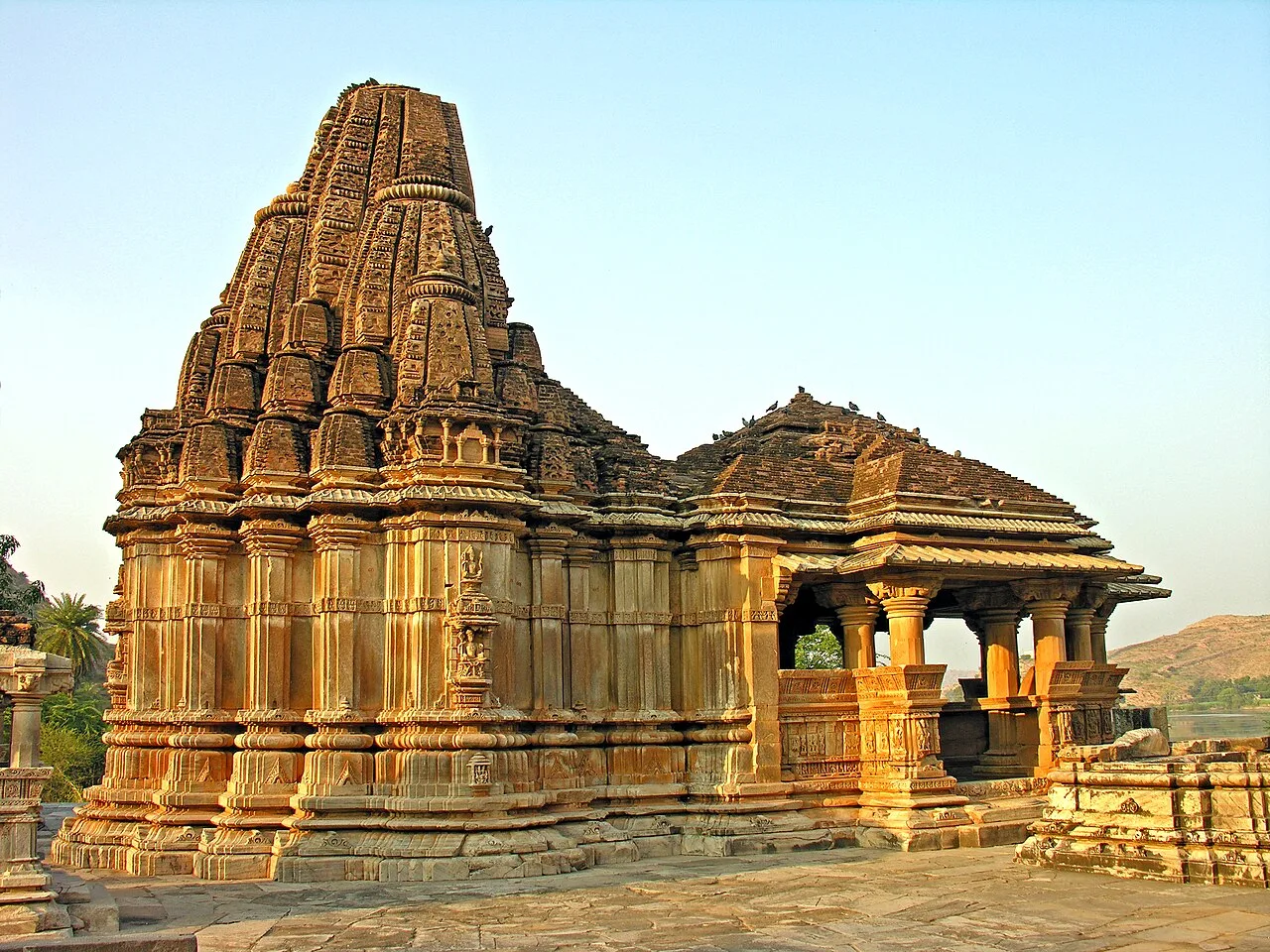
Eklingji is a Hindu temple complex in Kailashpuri, Rajasthan, associated with Mewar’s ruling deity. People visit to worship the god revered by the region’s royal house.

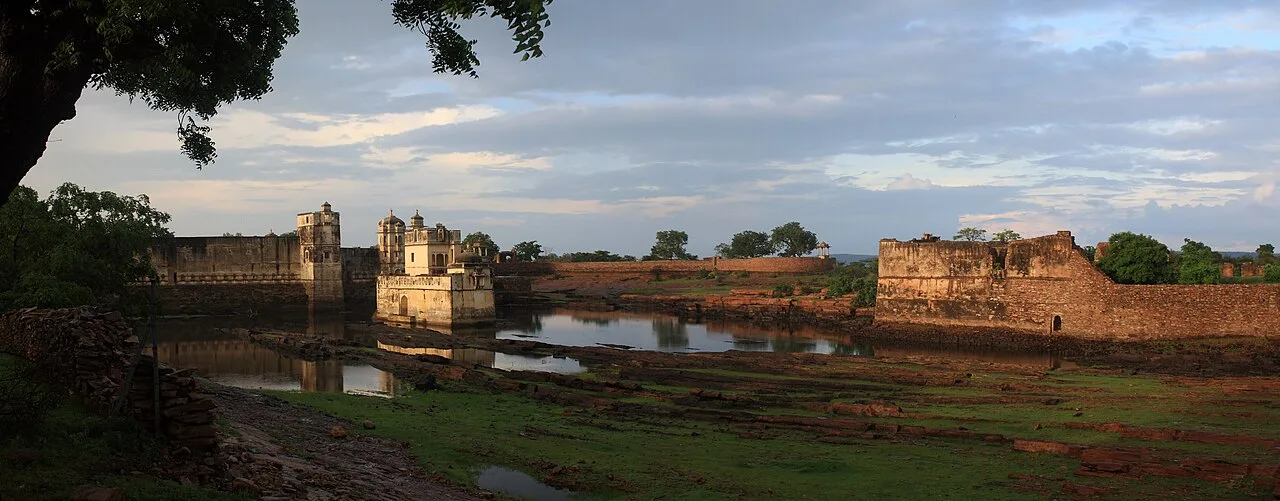
Chittor Fort

103 km away · Chittorgarh district

Chittor Fort

Chittor Fort, also called Chittod Fort, is among India’s largest forts and the former capital of Mewar. Visitors explore its historic palaces, temples, water bodies, memorials and towers.

Map

Devgarh on the map

  1. 1Rajsamand Lake
  2. 2Kumbhalgarh
  3. 3Ranakpur Jain temple
  4. 4Nathdwara
  5. 5Haldighati
  6. 6Akola (Dabu Print Village)
  7. 7Eklingji
  8. 8Chittor Fort

Rajasthan

Other cities to explore