Ghumoopedia — Explore, Discover, Experience
Sign in
Gagron Fort, near Ramganj Mandi

City guide · Rajasthan

Ramganj Mandi

Ramganj Mandi is a municipality in Kota district, in Rajasthan’s Hadoti region. Its importance comes less from sightseeing landmarks than from the trade and processing industries that connect the surrounding countryside with markets across India.

Famous for

  • Coriander seed trade
  • Limestone mining
  • Stone processing
  • Agricultural markets
  • Spice park development

Why Ramganj Mandi matters

Ramganj Mandi is a municipality in Kota district, in Rajasthan’s Hadoti region. Its importance comes less from sightseeing landmarks than from the trade and processing industries that connect the surrounding countryside with markets across India. The city is especially associated with coriander: during the peak season, arrivals at its market can reach around 6,500 tonnes in a single day. Farmers, traders and transporters make the market a central part of local economic life.

The other defining industry is limestone. Mines in the surrounding area supply stone to processing units, and finished material is sent to markets in states including Punjab, Haryana, Gujarat, Maharashtra and Madhya Pradesh. The city’s industrial area has around 1,000 stone-processing units. Visitors interested in regional commerce can see a working market town in action, while development of a spice park on the Nimana Road corridor reflects efforts to build on Ramganj Mandi’s established role in agricultural trade.
Famous for: crafts, trade & products

Coriander is Ramganj Mandi’s signature product and the focus of its busy seasonal trading. The market serves growers and buyers from a broad agricultural hinterland; peak-season activity can bring in around 6,500 tonnes of coriander seeds in a day. The town is also associated with other grain and spice trading. A spice park is being developed on Nimana Road, along the link between State Highway 9B and National Highway 12, to support the area’s spice-related business.

Limestone is the other major local product. More than 80 mines operate in the surrounding area, supplying stone to roughly 1,000 processing units in the industrial area. Processed limestone is transported to markets across northern, western and central India. These markets and workshops are working commercial sites rather than conventional craft-shopping districts, so visitors should ask locally before entering private premises. Ramganj Mandi is not especially known for a particular textile, handicraft or GI-tagged product; its identity is rooted in agricultural trade, mining and stone processing. For an introduction, explore the public-facing parts of the market area and ask shopkeepers about seasonal trading.

History

Ramganj Mandi’s story is closely tied to the wider Hadoti region and the growth of Kota as a political and commercial centre. Before modern district boundaries, this part of southeastern Rajasthan was associated with the Kota princely state, within the Rajputana landscape. Kota remained a princely state during the British colonial period, and the area’s connections with its regional centre helped shape its later development.

In modern times, Ramganj Mandi grew as a market and transport town serving agricultural communities nearby. Rail connections and road links strengthened the movement of crops and stone, while coriander trading became a defining part of its economy. The discovery and working of limestone deposits encouraged mining and the establishment of numerous processing units. After the integration of princely states into India, the town continued to develop as part of Kota district. Today, its economic character is shaped by the interaction of farming, wholesale trade, transport and stone industries, with the proposed spice park representing a newer phase of commercial development.

Food, festivals & culture

Everyday life in Ramganj Mandi reflects the food and customs of Hadoti and Rajasthan. Local eateries generally serve familiar regional dishes such as dal baati churma, gatte ki sabzi and kachori, alongside everyday North Indian meals. Sweets vary by shop and season; ghevar is commonly associated with Rajasthan’s festive calendar. The town is a practical place to try home-style regional food rather than a destination with a widely documented signature dish.

Hindi is widely used, and Hadoti and other Rajasthani speech forms are part of local conversation. Diwali in autumn and Holi in spring are widely observed; Gangaur is celebrated in spring, while Teej falls during the monsoon season. Religious life includes temples and mosques serving local communities. Folk songs, devotional music and Rajasthani dance traditions form part of the wider cultural setting, with performances most likely around community events and festivals rather than as a regular visitor attraction.

Visiting the city

The cooler months, roughly October to March, are generally the most comfortable time to visit; summer can be very hot, and monsoon brings rain. Ramganj Mandi Junction is the town’s main railway station. Kota Airport is the nearest airport, but scheduled passenger services are limited; Jaipur International Airport is a practical option for regular commercial flights, followed by a road journey.

Auto-rickshaws, local taxis and buses can help with short trips and connections. The market area is worth exploring for a sense of the town’s coriander trade, while the station vicinity offers a glimpse of its transport links. Nimana Road and the industrial area show the town’s commercial and stone-processing side, but these are working zones, so check access locally and avoid entering mines or private facilities without permission. Allow time for road travel between the town and larger regional centres.

Trips from the city

Nearest places to visit from Ramganj Mandi

Our closest destination guides, by straight-line distance.

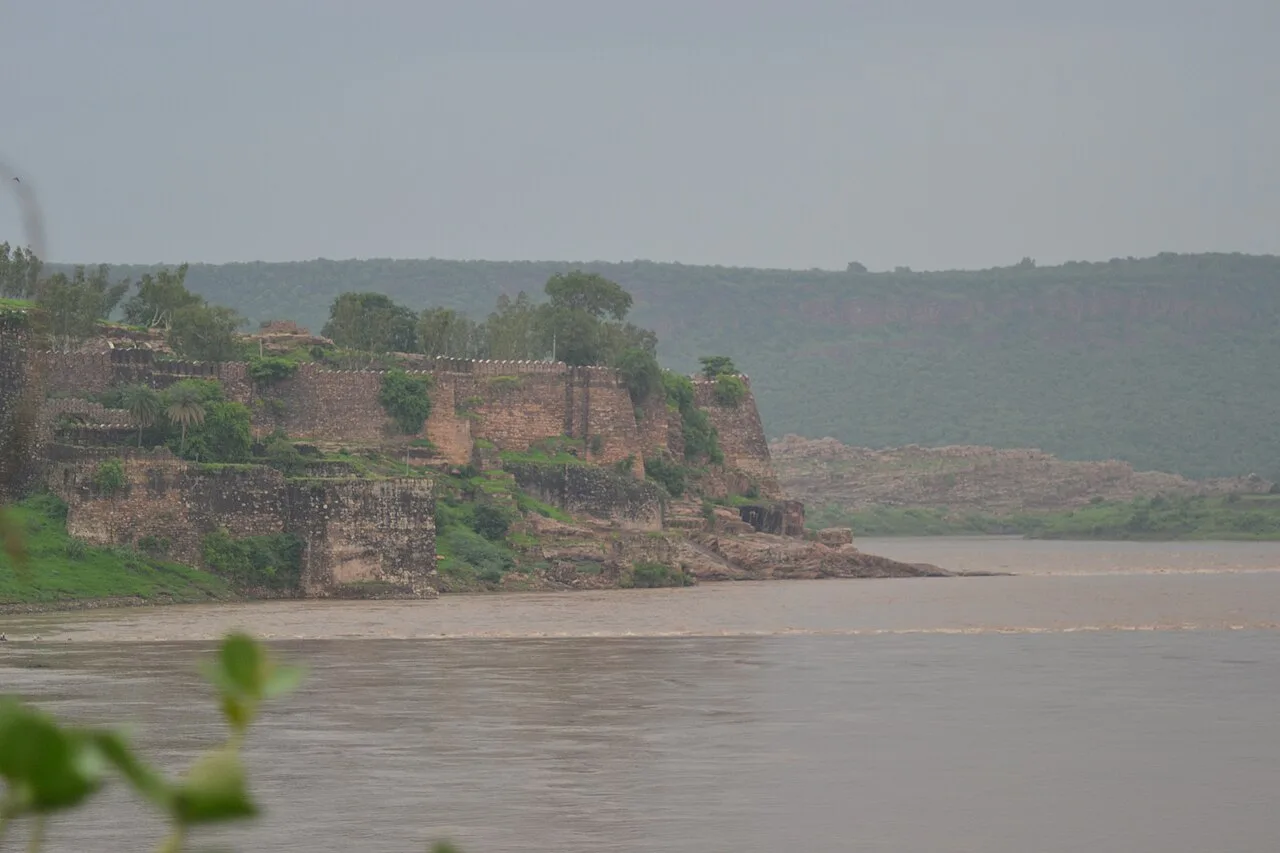
Gagron Fort

24 km away · Jhalawar district

Gagron Fort

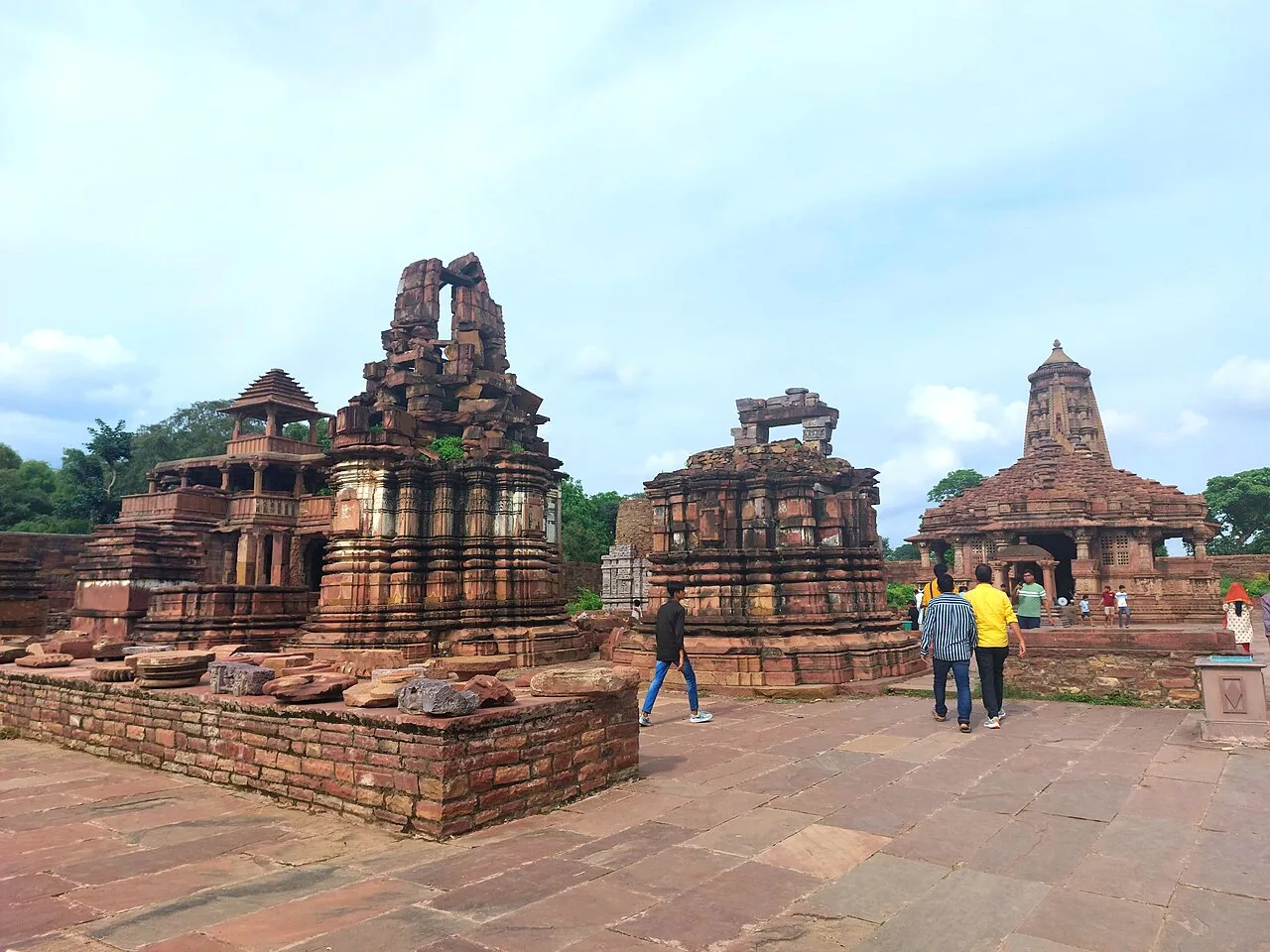
Gagron Fort is a historic stronghold in Rajasthan’s Hadoti region, known for its river defences and UNESCO recognition. Visitors come to explore its history and distinctive setting.

Mukundara Hills Tiger Reserve

26 km away · Kota district

Mukundara Hills Tiger Reserve

In southeastern Rajasthan, Mukundara Hills Tiger Reserve protects a landscape of forest, hills and wildlife habitat. Visitors can explore a reserve centred on a national park and several adjoining sanctuaries.

Kaithoon

55 km away · Kota district

Kaithoon

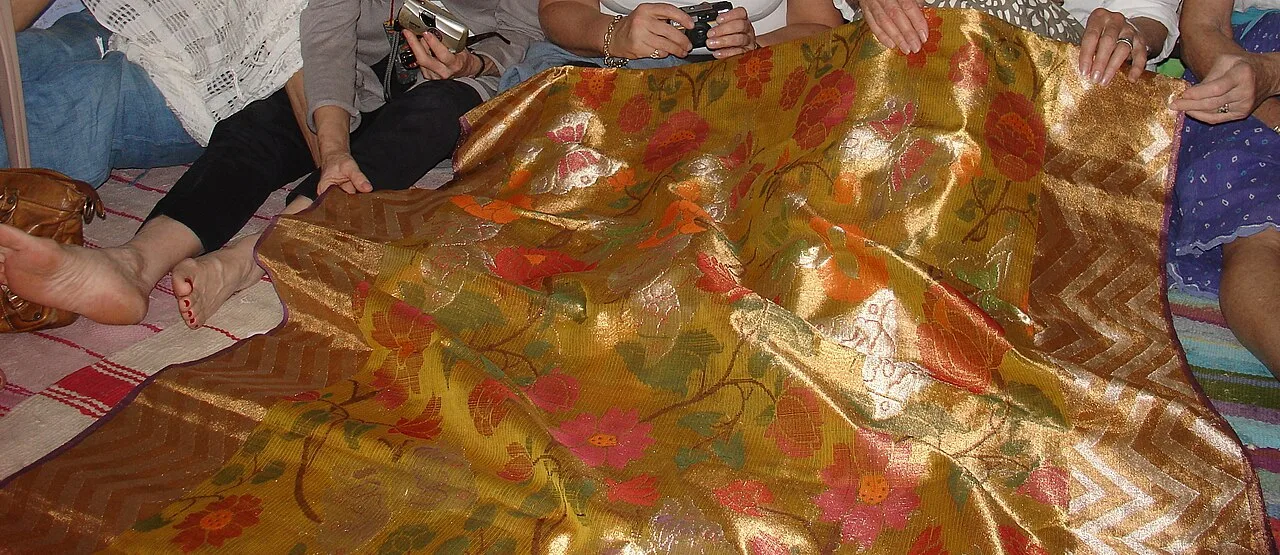
Kaithoon is a town and municipality in Rajasthan’s Kota district, known for its association with Kota Doria sarees, which are a reason for visitors’ interest.

Menal

92 km away · Bhilwara district

Menal

Menal is a village in Rajasthan linked with Begun Taluk and both Chittorgarh and Bhilwara districts; no particular attraction or reason for visiting is specified.

Bundi

93 km away · Bundi district

Bundi

Bundi is a city in Rajasthan’s Hadoti region, within Bundi district. Visitors come to explore the city and its setting in north-western India.

Raniji ki Baori

93 km away · Bundi district

Raniji ki Baori

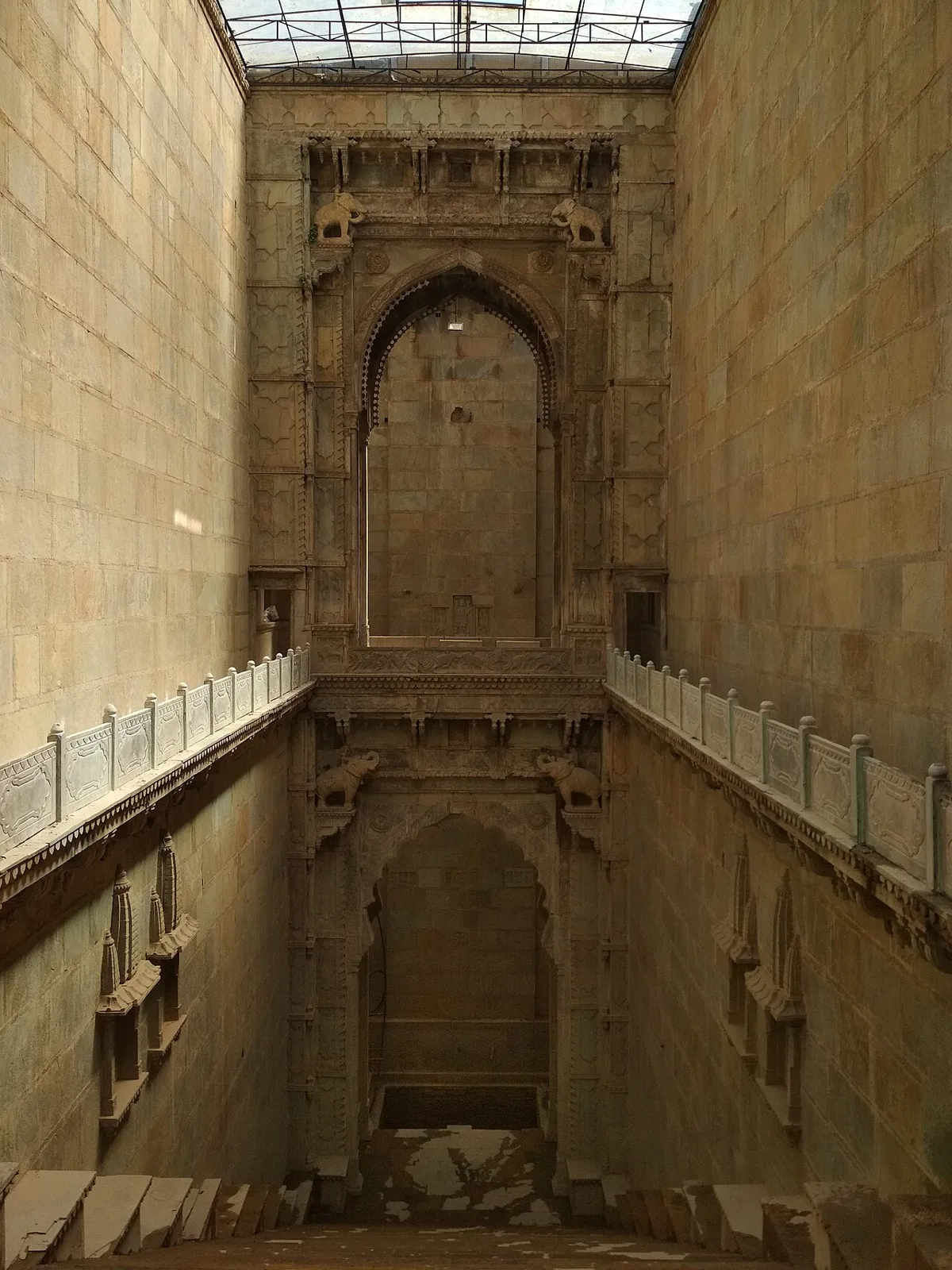
Raniji ki Baori is a multi-level stepwell in Bundi, Rajasthan, built by Rani Nathavati Solanki in 1699. Visitors come to see its deep stairwell, carved pillars and ornate arches.

Taragarh Fort, Bundi

95 km away · Bundi district

Taragarh Fort, Bundi

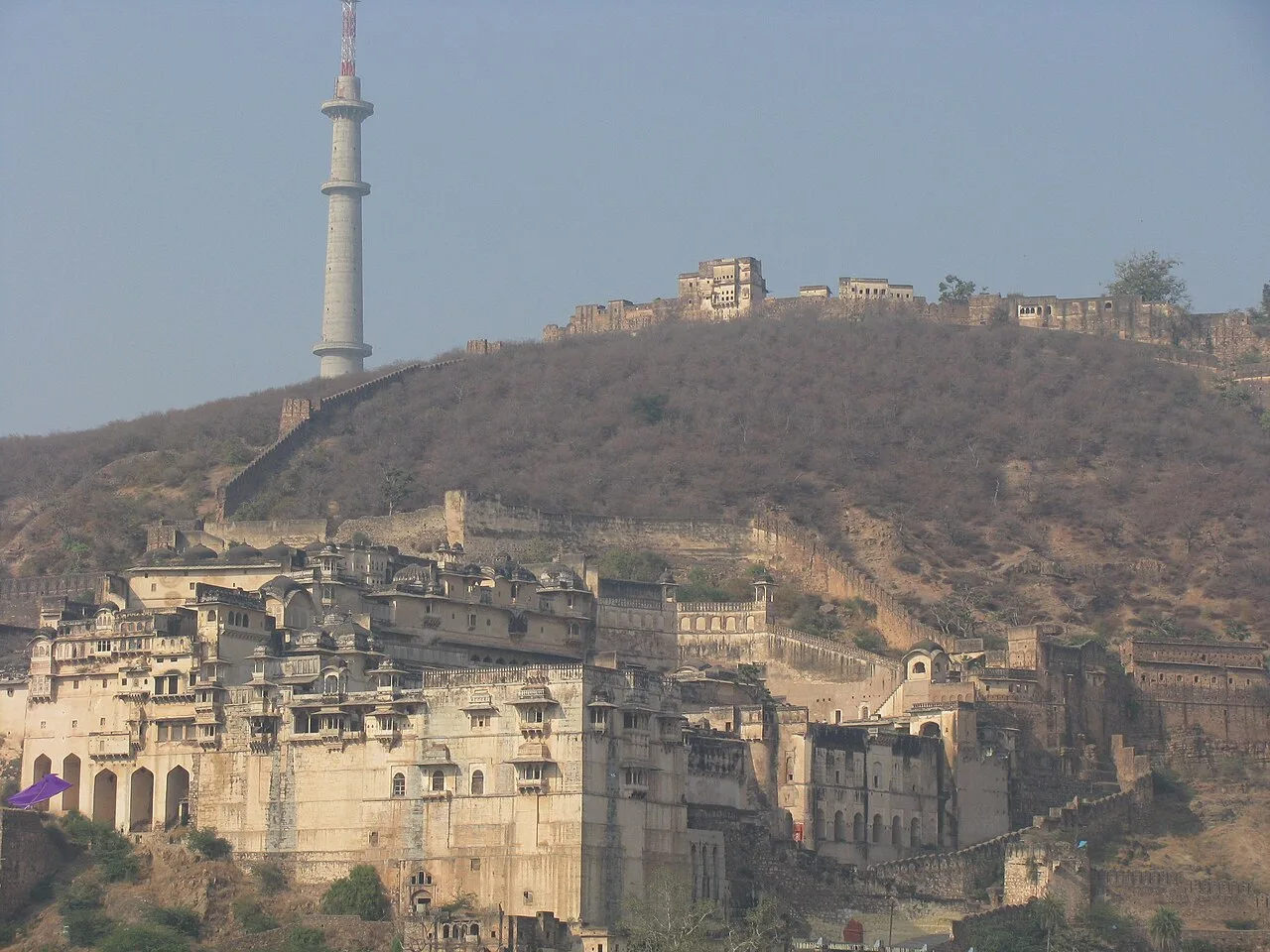
Taragarh Fort is a hilltop stronghold in Bundi, Rajasthan. Visitors come to see its Rajput architecture, elements influenced by Mughal design and passages made for wartime escape.

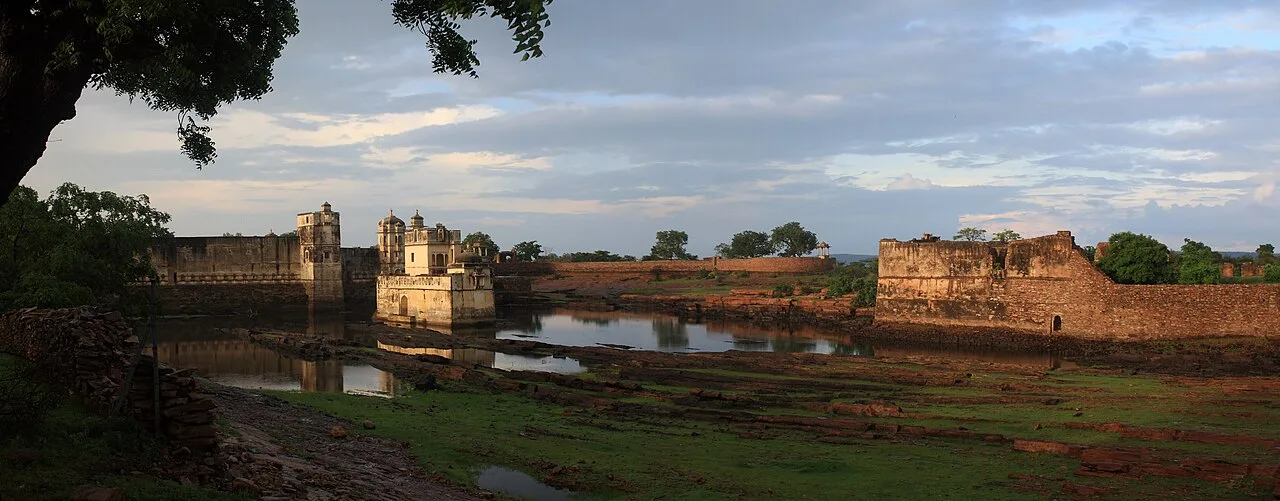
Chittor Fort

134 km away · Chittorgarh district

Chittor Fort

Chittor Fort, also called Chittod Fort, is among India’s largest forts and the former capital of Mewar. Visitors explore its historic palaces, temples, water bodies, memorials and towers.

Map

Ramganj Mandi on the map

  1. 1Gagron Fort
  2. 2Mukundara Hills Tiger Reserve
  3. 3Kaithoon
  4. 4Menal
  5. 5Bundi
  6. 6Raniji ki Baori
  7. 7Taragarh Fort, Bundi
  8. 8Chittor Fort

Rajasthan

Other cities to explore