Ghumoopedia — Explore, Discover, Experience
Sign in
Mandawa, near Fatehpur

City guide · Rajasthan

Fatehpur

Fatehpur is a historic town in Rajasthan’s Sikar district and part of the Shekhawati region. Set on National Highway 52 between Sikar and Bikaner, it serves as a local centre for surrounding communities and a rewarding stop for travellers exploring Shekhawati’s painted towns.

Famous for

  • Shekhawati painted havelis
  • Goenka Haveli frescoes
  • Nadine Cultural Centre
  • Dwarkadheesh Temple murals
  • Marwari merchant architecture

Why Fatehpur matters

Fatehpur is a historic town in Rajasthan’s Sikar district and part of the Shekhawati region. Set on National Highway 52 between Sikar and Bikaner, it serves as a local centre for surrounding communities and a rewarding stop for travellers exploring Shekhawati’s painted towns. Its most distinctive draw is its collection of merchant-built havelis, whose walls, ceilings and courtyards preserve elaborate murals and architectural details from the region’s prosperous trading past.

Visitors come to see landmarks such as Goenka Haveli, Saraf Haveli and the 19th-century Dwarkadheesh Temple, known for its wall paintings. The Nadine Cultural Centre brings together restored heritage architecture and local art, while the town’s old lanes reveal a broader concentration of historic homes and places of worship. Fatehpur also has a connection to Hindi cinema: the 1985 film Ghulami used several of its havelis and railway station as locations. Together, its art, architecture and regional setting make it an important heritage stop in Shekhawati.
Famous for: crafts, trade & products

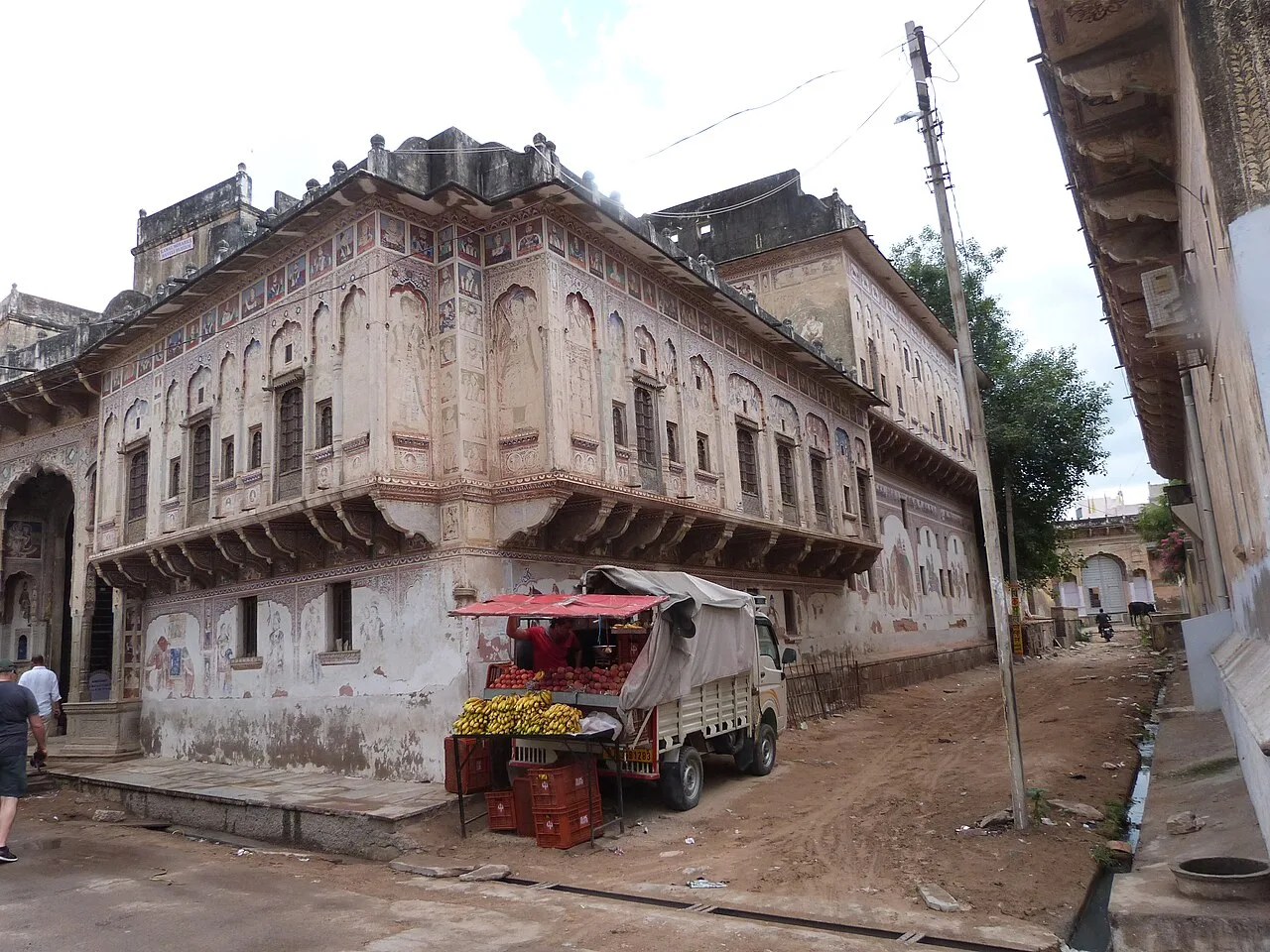
Fatehpur is best known for its painted havelis rather than for a distinctive textile, handicraft or GI-tagged product. Merchant families, including Marwaris, built many of the town’s grand houses, decorating them with murals, carved wooden doors and ornamental interiors. Goenka Haveli is noted for its frescoes, including scenes from Krishna stories; Saraf Haveli is associated with older mural paintings and crafted doors. Sitaram Kedia Ki Haveli, also called Bijliwali Haveli, is remembered locally as an early house in the town to have electricity.

The Nadine Cultural Centre occupies the restored Nand Lal Devra Haveli and showcases Shekhawati art and local painting traditions. Dwarkadheesh Temple, also called Asharam Temple, is another place to see painted interiors. For visitors interested in local commerce, the town’s bazaars are the practical places to browse everyday goods, snacks and household items, but Fatehpur is not especially established as a destination for a particular craft market or specialist product. The historic havelis and cultural centre remain its clearest cultural offerings.

History

Fatehpur was founded in 1449 by Fateh Khan Kayamkhani, a Muslim Rajput ruler. The town and surrounding Shekhawati territory later came under Shekhawat Rajput control and became part of the Jaipur state. In 1799, a battle was fought here between forces associated with the Maratha kingdom of Gwalior and Jaipur; Jaipur’s forces won. Inscriptions also attest to Jain practice in the town during the 18th century and under Shekhawat rule.

Fatehpur prospered as merchant families built havelis, temples and other civic landmarks, many decorated with the murals for which Shekhawati is known. During the colonial era, the area remained within the Jaipur princely state. It became part of Rajasthan after Indian independence in 1947 and is now in Sikar district. The arrival of rail service helped connect the town with the wider region. In the 20th century, Fatehpur gained another cultural association when several havelis and its railway station featured in the Hindi film Ghulami, released in 1985.

Food, festivals & culture

Everyday food reflects the wider cuisine of Rajasthan. Visitors are likely to find dishes such as dal baati churma, bajra roti and gatte ki sabzi, alongside savoury snacks and sweets sold in local shops. Recipes and availability vary by household and season, so Fatehpur is better approached as a place to sample regional cooking than as the home of one widely recognised signature dish.

Hindi is widely used, and local speech belongs to the Shekhawati and broader Rajasthani language traditions. Hindu festivals such as Holi in spring, Teej during the monsoon season and Diwali in autumn are observed, along with major calendar celebrations in the surrounding region. Temples, family shrines and the Shri Amrit Nath Ashram reflect the town’s religious life; Jainism also has a documented history here. Music, devotional singing and Rajasthani folk traditions form part of the broader cultural setting, though performances are not necessarily scheduled for visitors.

Visiting the city

The most comfortable time to explore Fatehpur is generally October to March, when days are cooler. Summers can be intensely hot, while winter nights may become very cold. Jaipur International Airport is the nearest major commercial airport commonly used for onward travel. The main rail stop is Fatehpur Shekhawati railway station, station code FPS; National Highway 52 also connects the town with Sikar and Bikaner.

Auto-rickshaws and local taxis can help with longer hops, while the old town is best explored on foot, especially around its haveli lanes and bazaar. Allow time to visit the painted mansions, Dwarkadheesh Temple and Nadine Cultural Centre; check access locally, as some historic properties may not always be open to visitors. The station area is convenient for arrivals, while the older central streets are the main focus for heritage walks and local shopping.

Trips from the city

Nearest places to visit from Fatehpur

Our closest destination guides, by straight-line distance.

Mandawa

20 km away · Jhunjhunu district

Mandawa

Mandawa is a town in Rajasthan’s Jhunjhunu district, within the Shekhawati region. Travellers visit it as part of journeys through the region and nearby Jhunjhunu.

Nawalgarh

35 km away · Jhunjhunu district

Nawalgarh

Nawalgarh is a heritage city in Rajasthan’s Shekhawati region, within Jhunjhunu district. Visitors are drawn by its heritage character, and it is 30.5 km from Sikar and 39.2 km from Jhunjhunu.

Tal Chhapar Sanctuary

56 km away · Churu district

Tal Chhapar Sanctuary

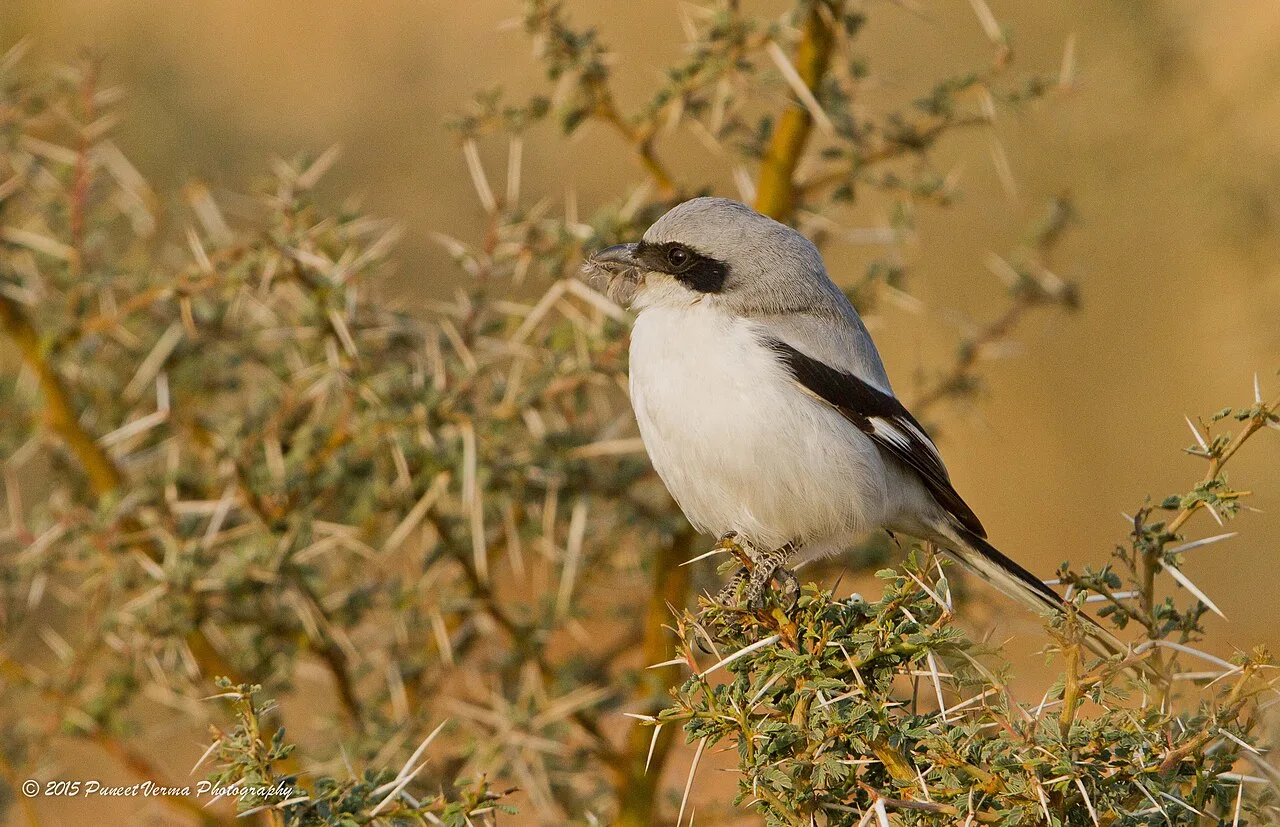
Tal Chhapar is a wildlife sanctuary in Rajasthan’s Churu district, known for blackbucks and birdlife. Visitors come to see its wildlife in a setting near the Great Indian Desert.

Khatu Shyam Temple

83 km away · Sikar district

Khatu Shyam Temple

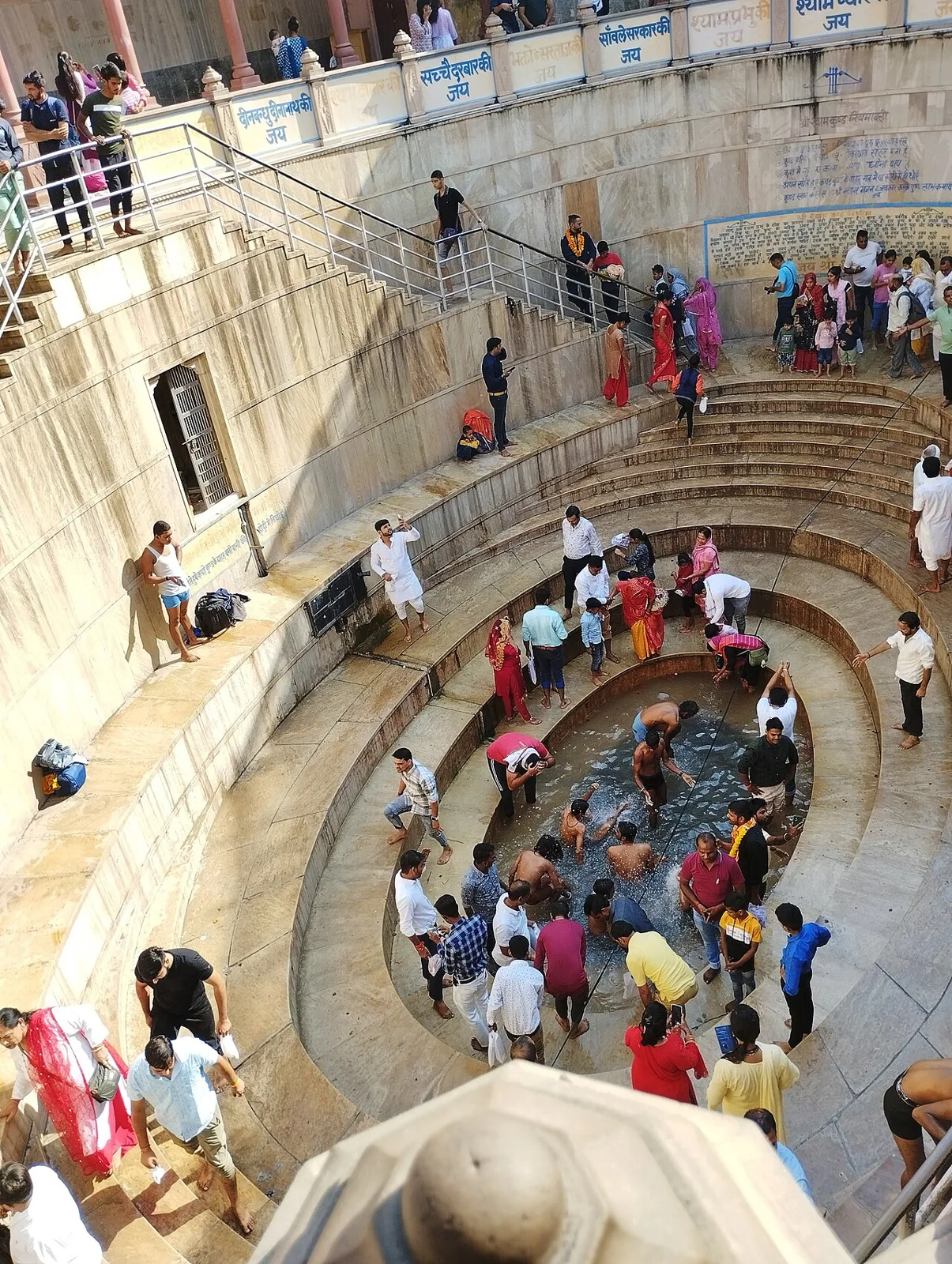
In KhatuShyamJi town, Rajasthan, this Hindu shrine honours Khatu Shyam, believed to be a divine manifestation of Barbareek from the Mahabharat. Pilgrims visit throughout the year, especially for the Falgun Mela.

Sambhar Salt Lake

118 km away · Jaipur district

Sambhar Salt Lake

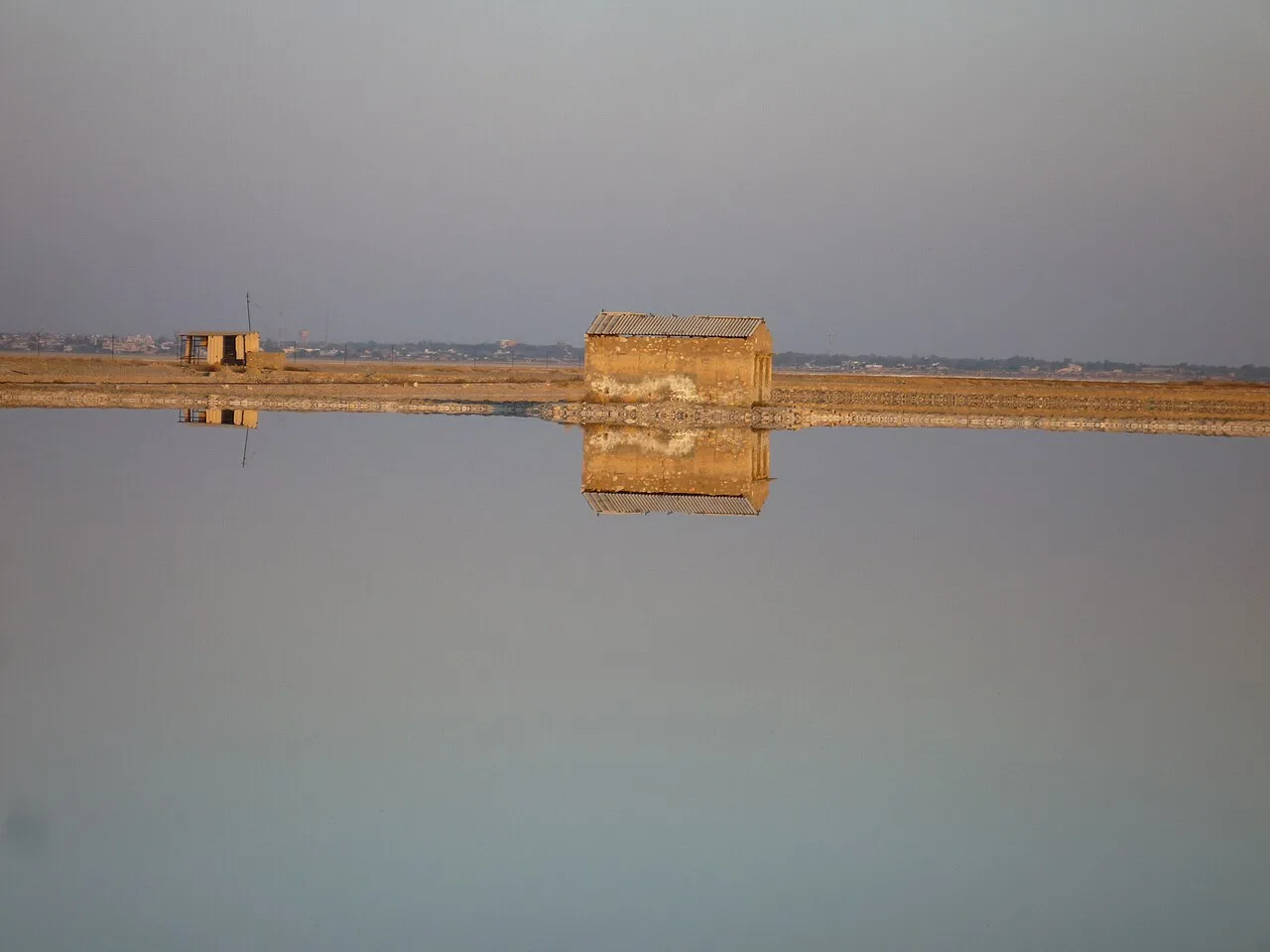
Sambhar Salt Lake is Rajasthan’s largest inland salt lake, in Jaipur district. Visitors come to see the lake and the historic settlement of Sambhar Lake Town, which it surrounds.

Samode

121 km away · Jaipur district

Samode

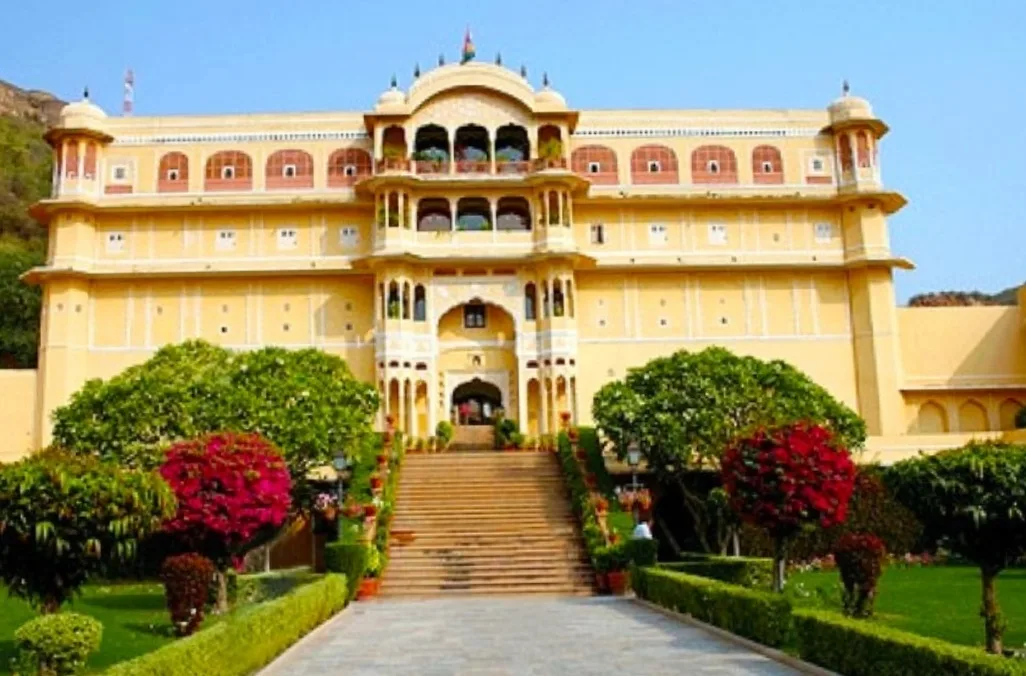
Samode is a village in Rajasthan’s Aravalli hills, north-west of Jaipur. Visitors come for its palace, haveli and garden, historic properties now operated as heritage hotels.

Amber Fort

143 km away · Jaipur district

Amber Fort

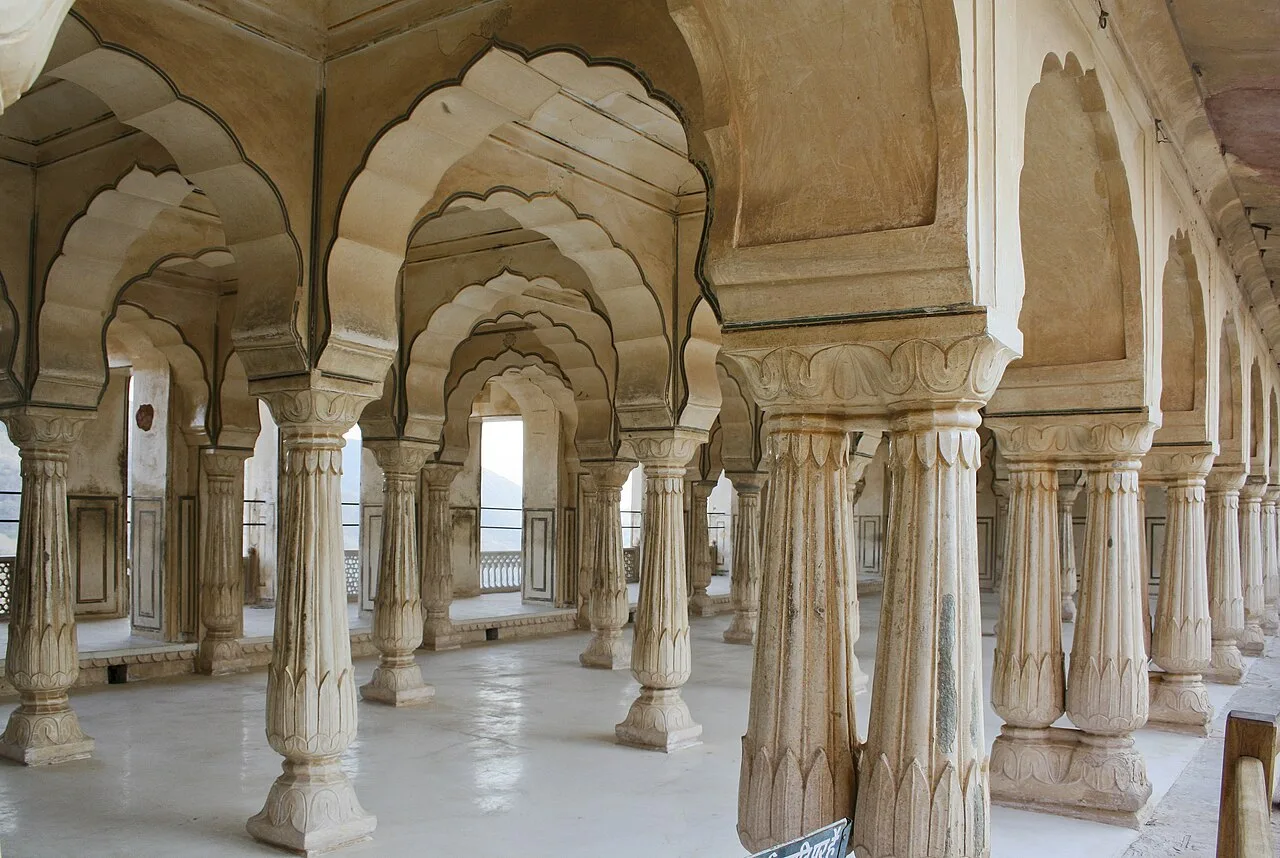
Amber Fort, also known as Amer Palace, is a hilltop fort in Amer, Rajasthan. Visitors explore its Rajput and Mughal-influenced design, palace halls and setting above Maota Lake.

Jaigarh Fort

143 km away · Jaipur district

Jaigarh Fort

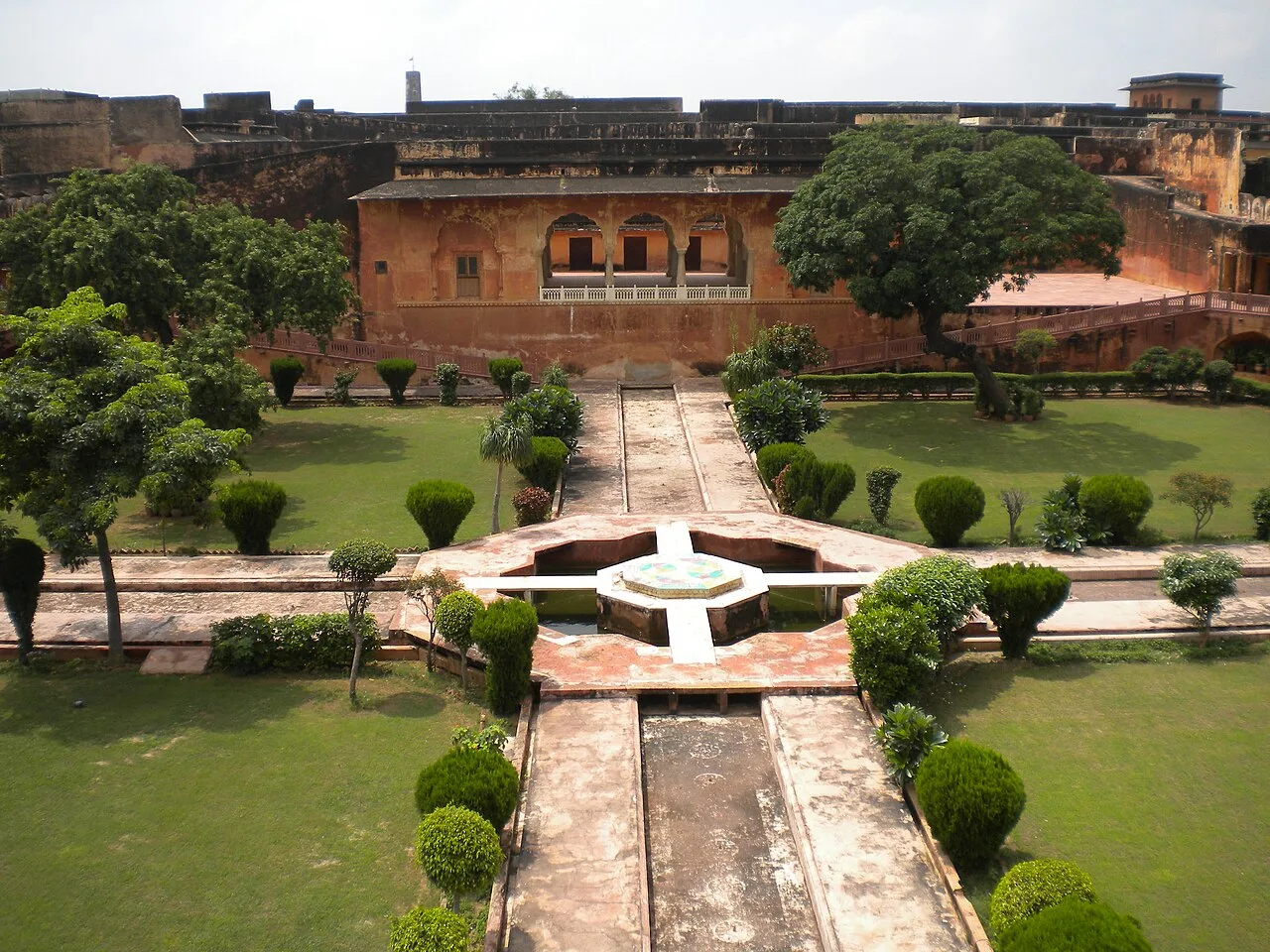
Near Amer in Rajasthan, Jaigarh Fort occupies a hilltop above Amer Fort and Maota Lake. Visitors come to see its historic fortifications, its connection to Amer Fort and the Jaivana cannon.

Map

Fatehpur on the map

  1. 1Mandawa
  2. 2Nawalgarh
  3. 3Tal Chhapar Sanctuary
  4. 4Khatu Shyam Temple
  5. 5Sambhar Salt Lake
  6. 6Samode
  7. 7Amber Fort
  8. 8Jaigarh Fort

Rajasthan

Other cities to explore