Ghumoopedia — Explore, Discover, Experience
Sign in
Khatu Shyam Temple, near Sri Madhopur

City guide · Rajasthan

Sri Madhopur

Sri Madhopur is a municipality and tehsil town in Rajasthan’s Sikar district. Founded in 1761 during the reign of Maharaja Sawai Madho Singh I, it has grown into a local centre for commerce and services in the surrounding area.

Famous for

  • Historic temples
  • Wheat trade
  • Sri Madhopur grain market
  • Sawai Madho Singh I
  • Delhi–Mumbai Freight Corridor

Why Sri Madhopur matters

Sri Madhopur is a municipality and tehsil town in Rajasthan’s Sikar district. Founded in 1761 during the reign of Maharaja Sawai Madho Singh I, it has grown into a local centre for commerce and services in the surrounding area. Its temples are an important part of the town’s identity, while its wheat market connects local farming with the wider regional grain trade.

The town matters today both as a market centre and as a transport location. It has a major wheat market for Sikar district, and the dedicated Delhi–Mumbai Freight Corridor passes through the area. A crossing station, known as Shri Madhopur DFC Station, has been selected for development on the corridor; this is a freight-rail project rather than a visitor passenger station. Travellers interested in Rajasthan beyond its major tourist cities can find a working market town, local places of worship and a glimpse of everyday life in Sikar district. Sri Madhopur Government School is also among the district’s significant educational institutions.
Famous for: crafts, trade & products

Sri Madhopur is best known commercially for wheat. Its grain market serves farmers and traders from the town and nearby parts of Sikar district, making agricultural trade a defining feature of the local economy. The market is primarily a place of wholesale business, so visitors should treat it as a working commercial area and ask locally about access and activity on the day.

The town is not widely identified with a particular textile tradition, handicraft, or GI-tagged product. Its more recognisable local specialities are its grain trade and temples rather than a signature craft or manufactured souvenir. For everyday shopping, the central bazaar and surrounding town shops are the practical places to look for household goods, snacks and routine provisions; availability varies, and specialist craft shopping is better sought in larger regional centres. The freight corridor adds to Sri Madhopur’s role in the movement of goods, but its proposed DFC crossing station should not be confused with a retail market or a passenger attraction. Visitors seeking a sense of the town’s economy will learn most from its bazaar and agricultural trade.

History

Sri Madhopur was founded on 18 April 1761 under the rule of Maharaja Sawai Madho Singh I, ruler of Jaipur. Its name recalls the maharaja, and the town’s temples remain among the most visible expressions of its historical and religious identity. It developed as a settlement serving the surrounding countryside, with local commerce and agriculture shaping daily life.

During the colonial period, the wider region experienced changes in administration and transport, though the available record does not establish a distinct town-specific colonial episode. In modern Rajasthan, Sri Madhopur became a municipality and one of the five tehsils of Sikar district. Its wheat market strengthened its role as a regional trading centre, while schools and other civic services support the surrounding communities. More recently, the passage of the dedicated Delhi–Mumbai Freight Corridor has brought new transport-planning significance: a crossing station named Shri Madhopur DFC Station has been selected for development along the route.

Food, festivals & culture

Daily life reflects the food and customs of Rajasthan’s Shekhawati region. Local meals commonly draw on staples such as bajra roti, pulses, seasonal vegetables and pickles; dishes such as dal baati churma and gatte are familiar across Rajasthan. Sweets including ghevar may be found around festive occasions, though offerings vary between shops and seasons. Hindi is widely used, alongside local Rajasthani speech, including forms associated with the Shekhawati area.

Holi in spring and Diwali in autumn are widely observed, while Teej and Gangaur bring seasonal customs associated with Rajasthan. Family gatherings, temple visits and neighbourhood celebrations are central to many observances. Folk music and dance traditions such as ghoomar are part of the broader regional culture, though performances are more likely during celebrations than as a regular visitor programme. Temples are important community spaces in Sri Madhopur; visitors should dress respectfully and follow local guidance, especially during worship.

Visiting the city

The cooler months, roughly October to March, are generally the most comfortable time to visit; summer days can be very hot, and monsoon conditions may affect road journeys. Jaipur International Airport is the nearest major airport. Sri Madhopur railway station is the town’s passenger rail station; the proposed Shri Madhopur DFC Station is for freight-corridor development and is not a substitute for passenger services.

Auto-rickshaws and local taxis are practical for short journeys, while walking suits the central bazaar and nearby temple areas. Visitors can explore the town centre, its places of worship and the grain-market surroundings, keeping in mind that the market is an active workplace. Check locally before travelling to any site outside town, as transport options and access can vary.

Trips from the city

Nearest places to visit from Sri Madhopur

Our closest destination guides, by straight-line distance.

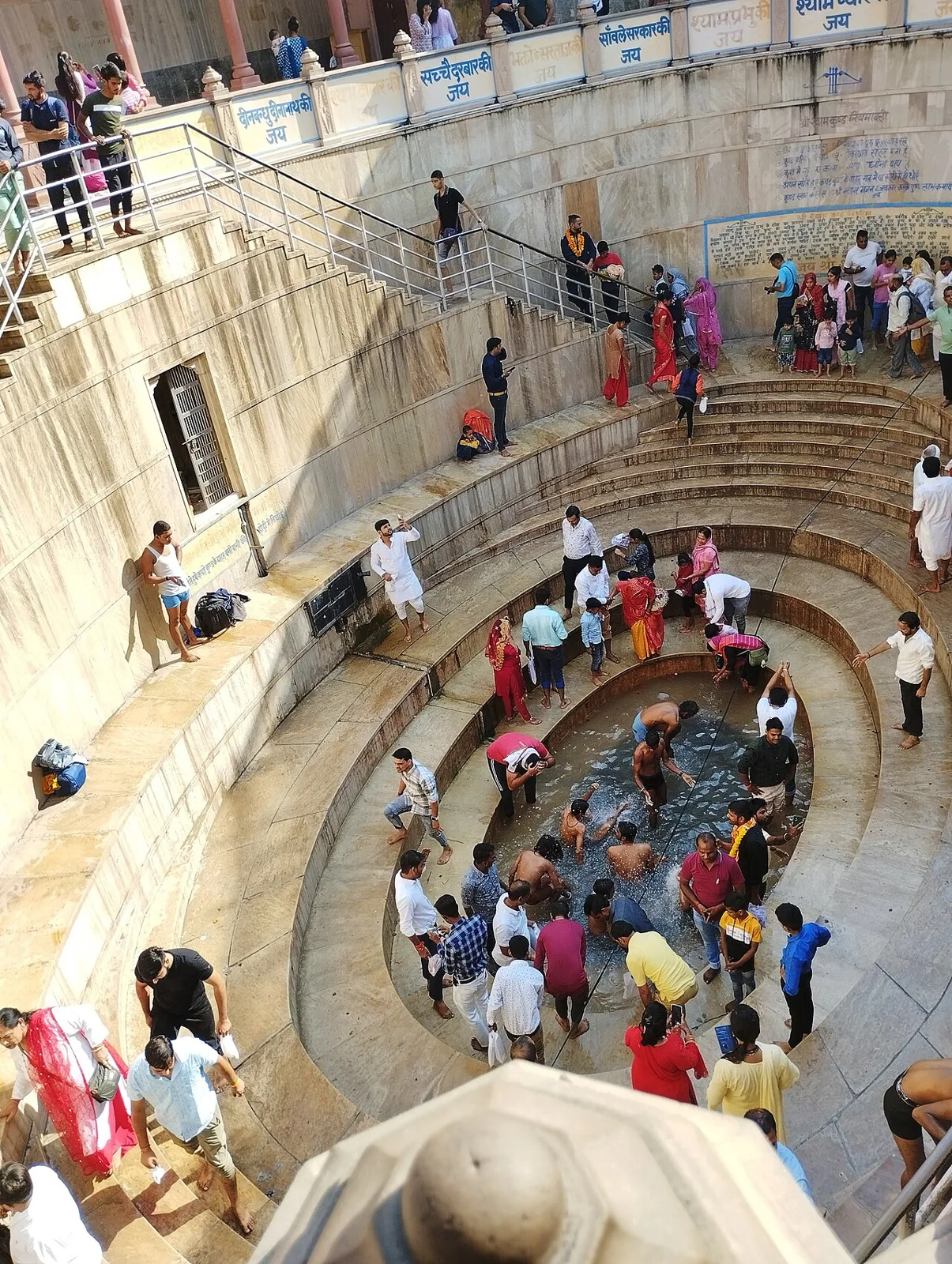
Khatu Shyam Temple

22 km away · Sikar district

Khatu Shyam Temple

In KhatuShyamJi town, Rajasthan, this Hindu shrine honours Khatu Shyam, believed to be a divine manifestation of Barbareek from the Mahabharat. Pilgrims visit throughout the year, especially for the Falgun Mela.

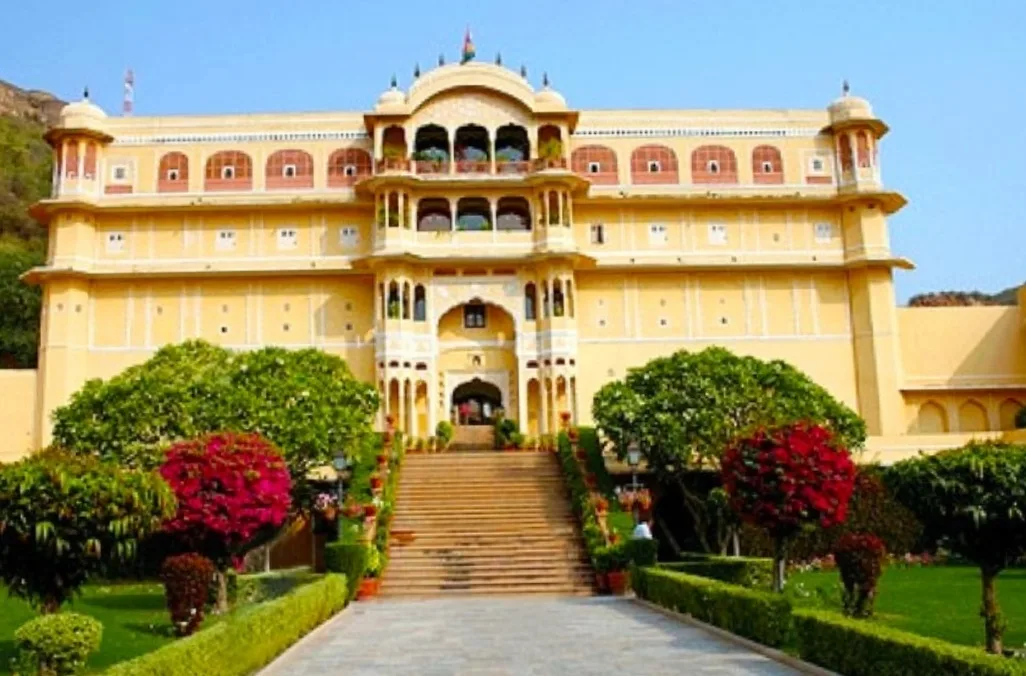
Samode

36 km away · Jaipur district

Samode

Samode is a village in Rajasthan’s Aravalli hills, north-west of Jaipur. Visitors come for its palace, haveli and garden, historic properties now operated as heritage hotels.

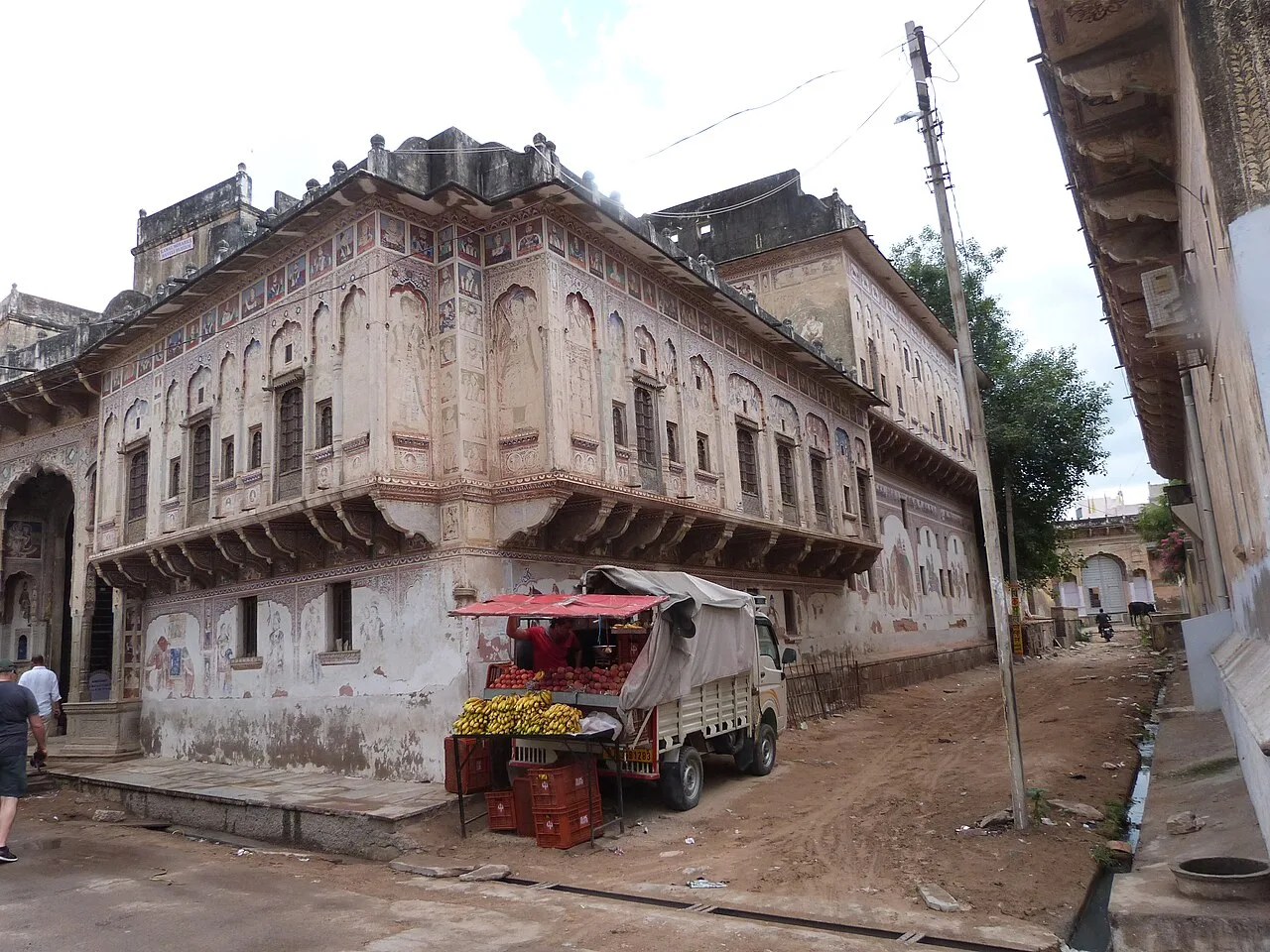
Nawalgarh

53 km away · Jhunjhunu district

Nawalgarh

Nawalgarh is a heritage city in Rajasthan’s Shekhawati region, within Jhunjhunu district. Visitors are drawn by its heritage character, and it is 30.5 km from Sikar and 39.2 km from Jhunjhunu.

Amber Fort

59 km away · Jaipur district

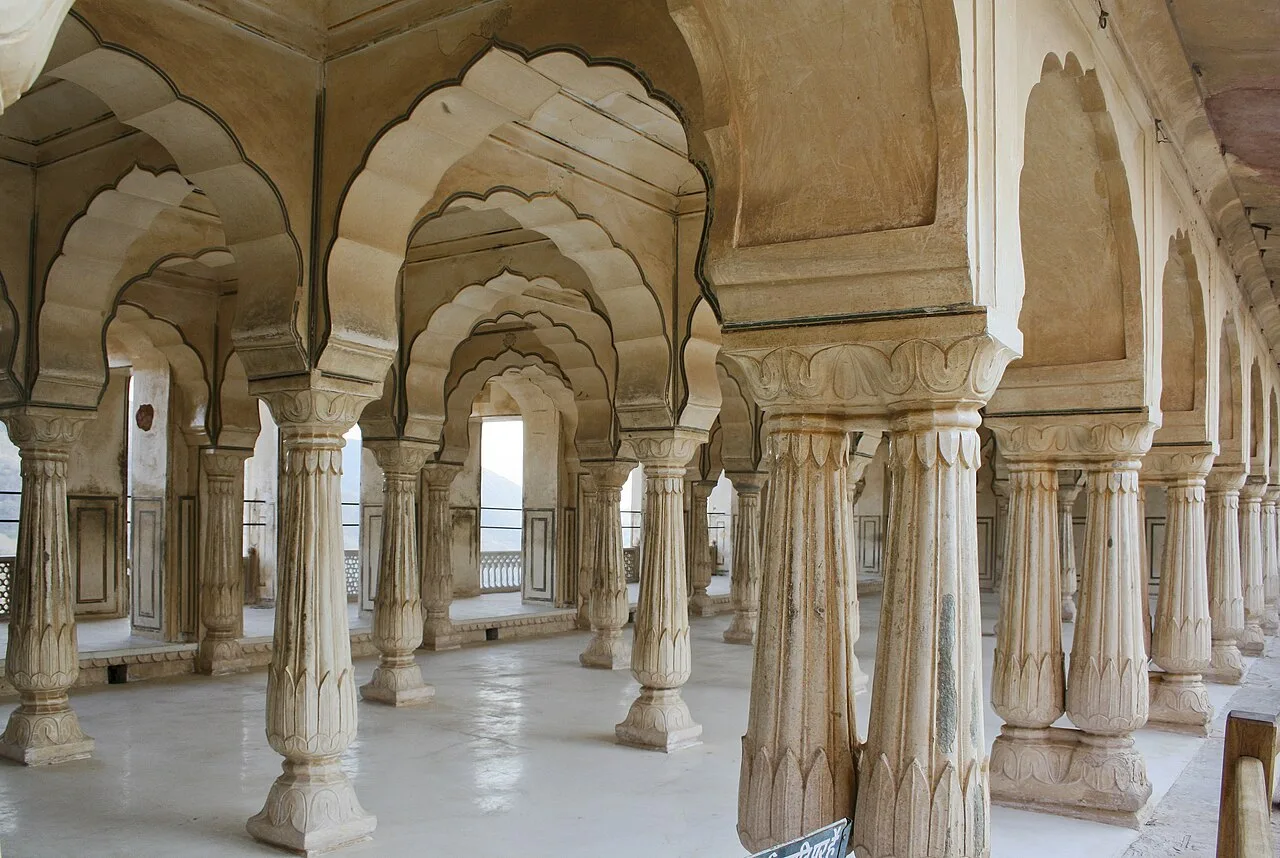
Amber Fort

Amber Fort, also known as Amer Palace, is a hilltop fort in Amer, Rajasthan. Visitors explore its Rajput and Mughal-influenced design, palace halls and setting above Maota Lake.

Jaigarh Fort

59 km away · Jaipur district

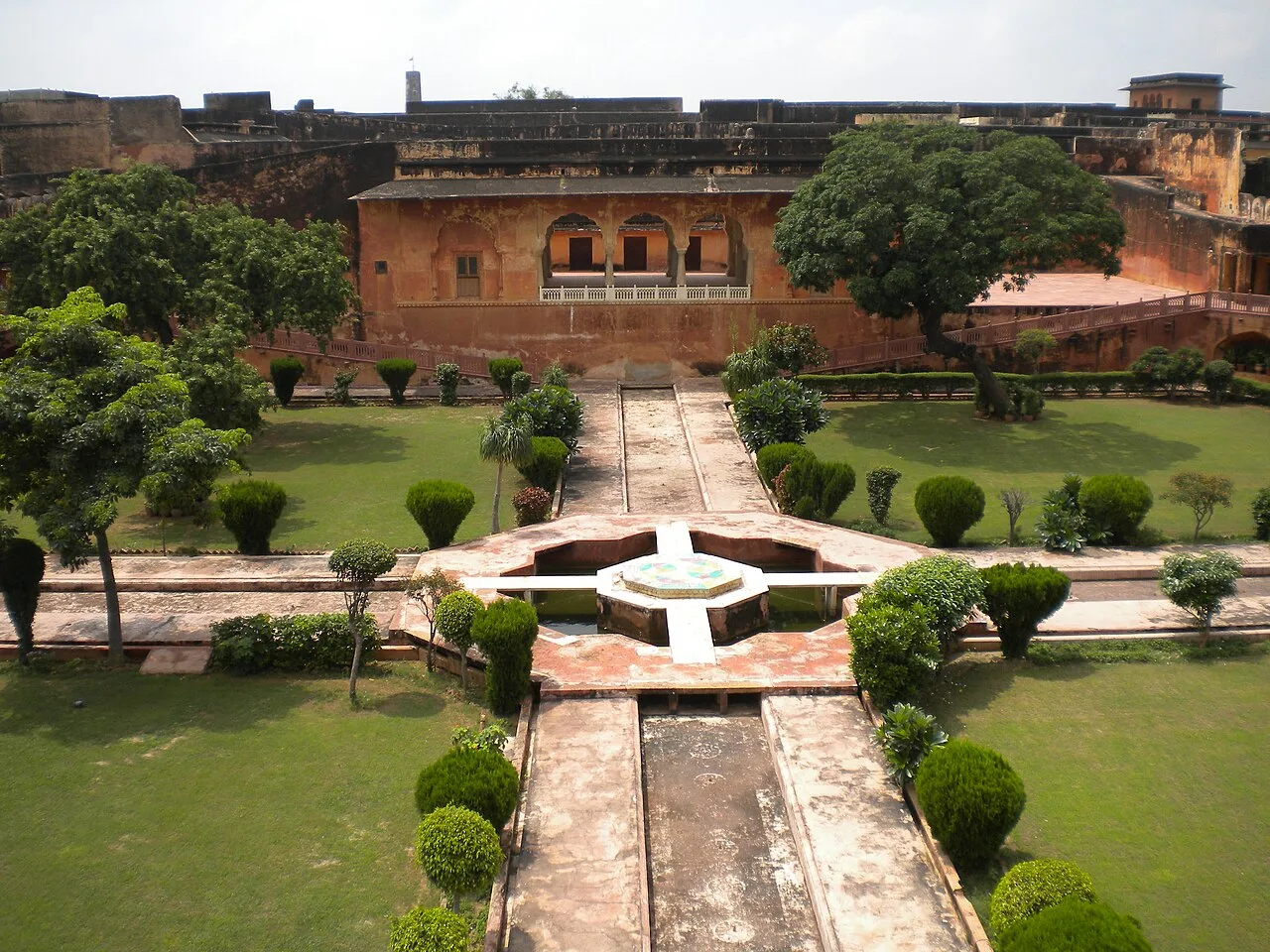
Jaigarh Fort

Near Amer in Rajasthan, Jaigarh Fort occupies a hilltop above Amer Fort and Maota Lake. Visitors come to see its historic fortifications, its connection to Amer Fort and the Jaivana cannon.

Jal Mahal

62 km away · Jaipur district

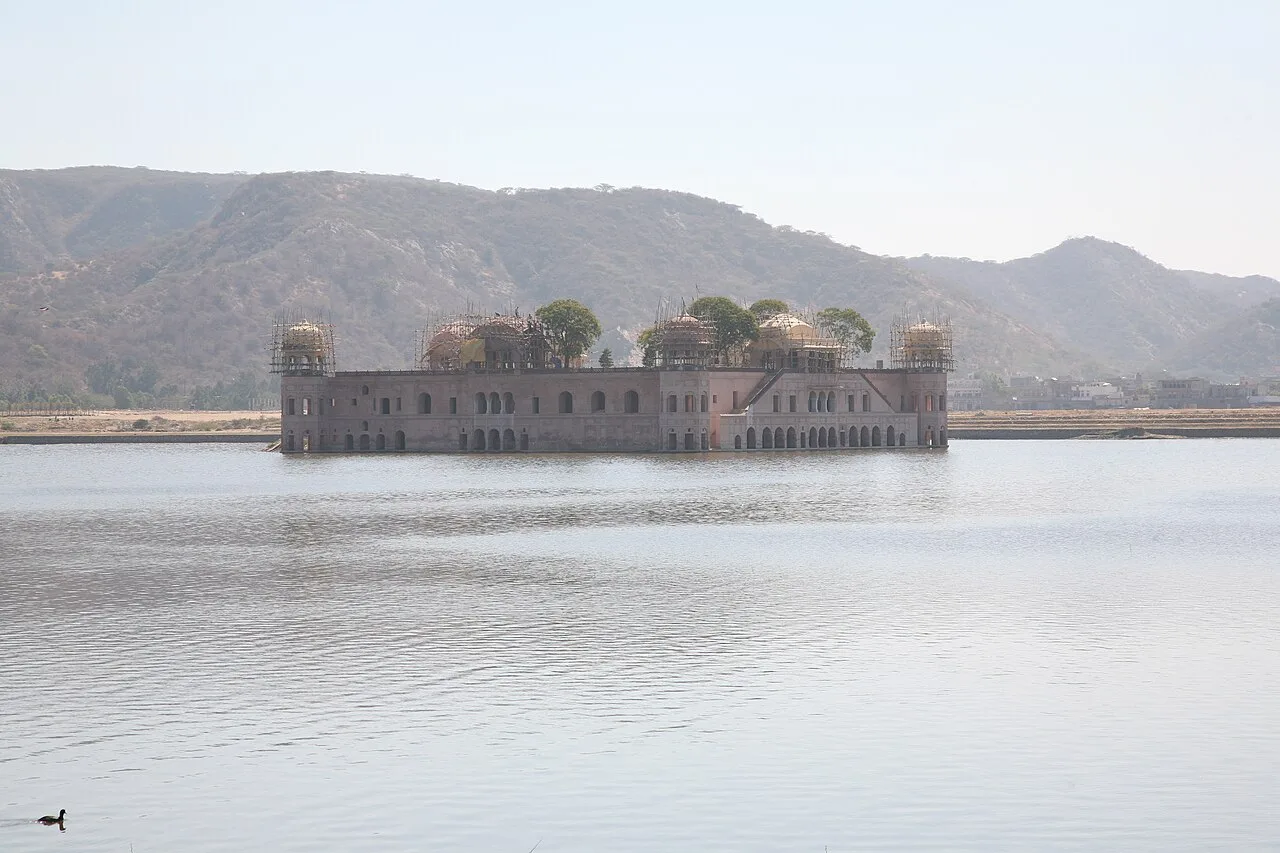
Jal Mahal

Jal Mahal is a historic palace set within Man Sagar Lake in Jaipur, Rajasthan. Visitors come to see the palace in its lake setting.

Nahargarh Fort

63 km away · Jaipur district

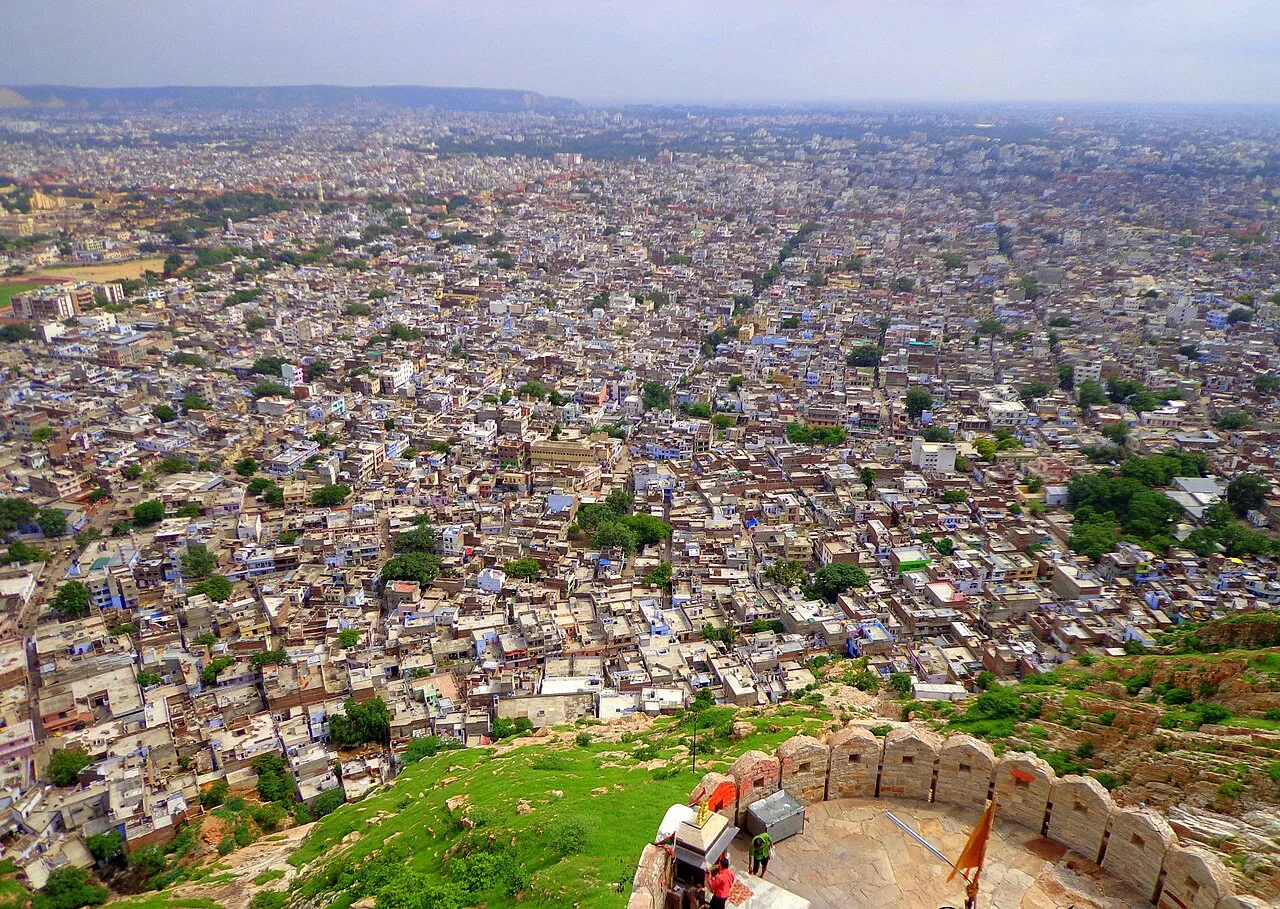
Nahargarh Fort

Nahargarh Fort is a historic stronghold in Jaipur, Rajasthan, overlooking the city from the Aravalli range. Visitors come for its elevated outlook and its role in Jaipur’s former defences.

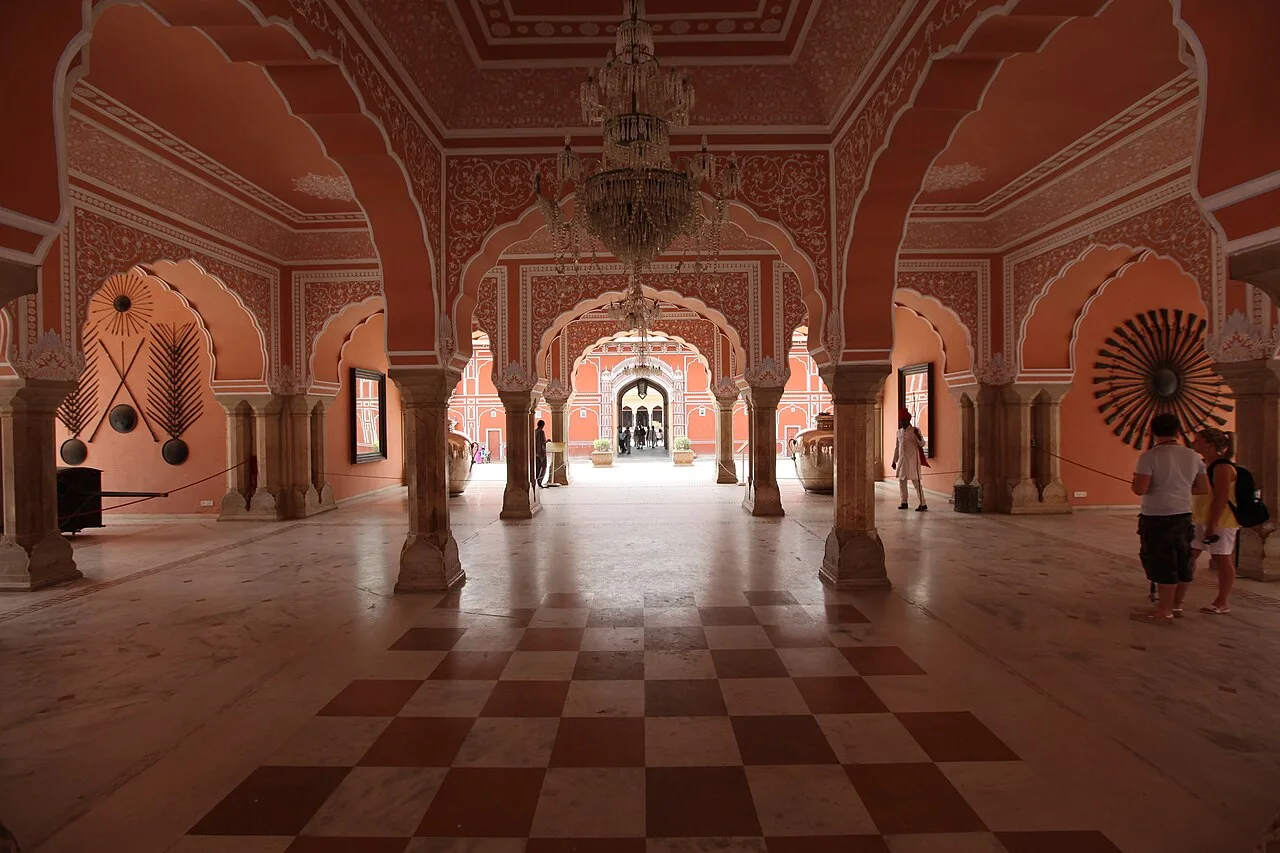
City Palace, Jaipur

64 km away · Jaipur district

City Palace, Jaipur

A historic royal complex in Jaipur, the City Palace served the city’s rulers and remains the royal family’s home. Visitors come to see its architecture and explore the museum.

Map

Sri Madhopur on the map

  1. 1Khatu Shyam Temple
  2. 2Samode
  3. 3Nawalgarh
  4. 4Amber Fort
  5. 5Jaigarh Fort
  6. 6Jal Mahal
  7. 7Nahargarh Fort
  8. 8City Palace, Jaipur

Rajasthan

Other cities to explore