Ghumoopedia — Explore, Discover, Experience
Sign in
Tal Chhapar Sanctuary, near Ratangarh

City guide · Rajasthan

Ratangarh

Ratangarh is a historic town and tehsil headquarters in Churu district, set among the sandy landscapes of Rajasthan’s Shekhawati region. Its best-known draw is its old townscape: merchant havelis decorated with painted frescoes, traditional temples and a bazaar planned around a distinctive cross-shaped layout.

Famous for

  • Shekhawati fresco havelis
  • Ratangarh Fort ruins
  • Local handicraft work
  • Cross-shaped bazaar
  • Karniji Temple
  • Ghantagar Clock Tower

Why Ratangarh matters

Ratangarh is a historic town and tehsil headquarters in Churu district, set among the sandy landscapes of Rajasthan’s Shekhawati region. Its best-known draw is its old townscape: merchant havelis decorated with painted frescoes, traditional temples and a bazaar planned around a distinctive cross-shaped layout. The Clock Tower, or Ghantagar, marks its central meeting point, while remnants of the town’s forts recall its former role as a fortified settlement.

Visitors come to explore the architecture and local craft shops, and to experience a market town that remains an important centre for the surrounding area. Ratangarh’s railway station connects it with other parts of Rajasthan, and its position on regional road routes makes it a useful stop between Churu and destinations farther west. The town also has a rich history of religious learning and civic contribution, reflected in its temples, old institutions and stories of notable residents. Together, its desert setting, frescoed buildings and active bazaar give Ratangarh a character distinct from larger tourist centres.
Famous for: crafts, trade & products

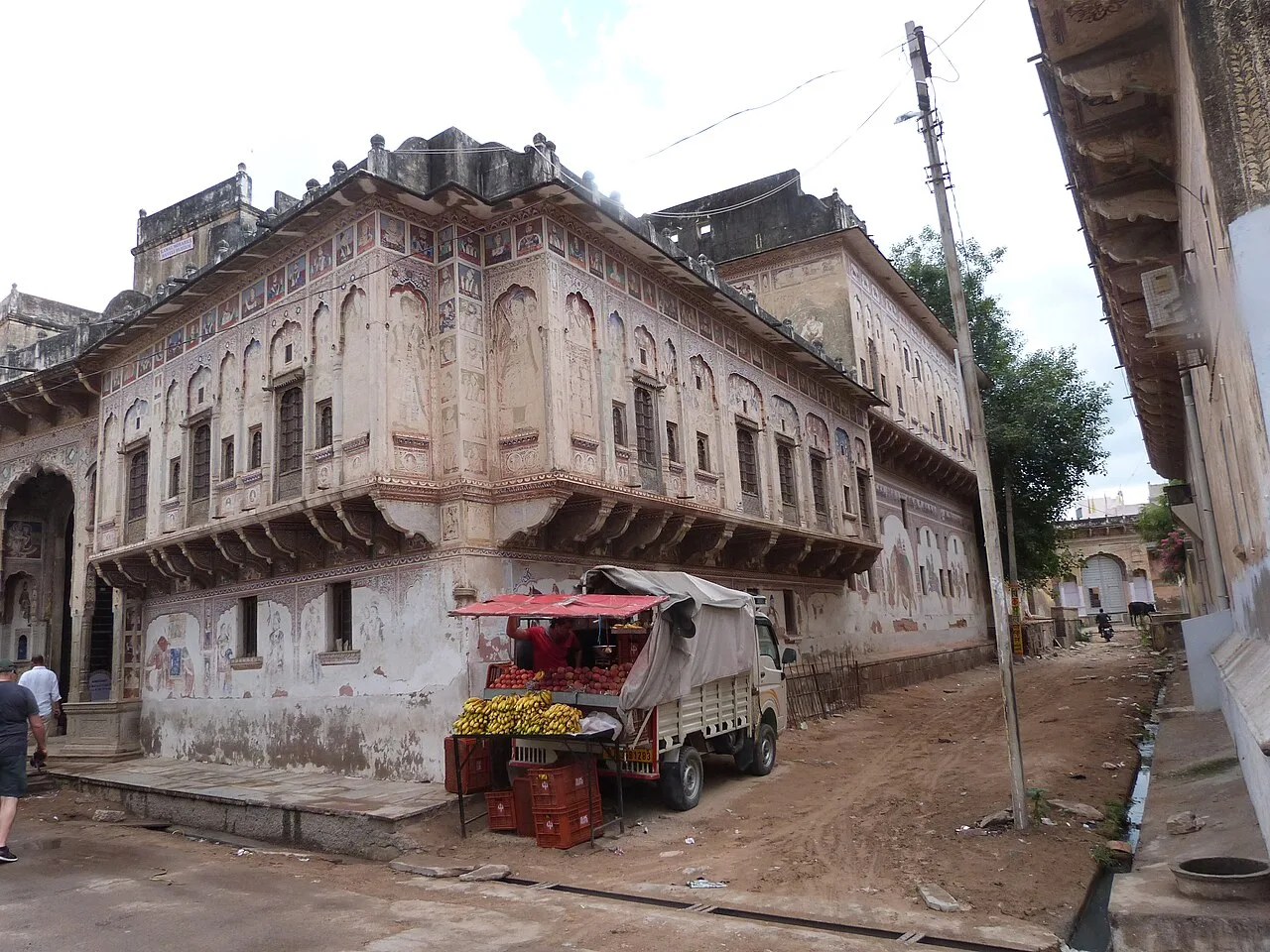
Ratangarh is most closely associated with the painted havelis of Shekhawati, where frescoes decorate façades and interior spaces. These buildings are a prominent part of the old town’s architectural heritage. The town is also known for handicraft work, though particular products and availability can vary. Visitors can browse local shops and stalls around the central bazaar and Ghantagar, asking shopkeepers about locally made goods and traditional techniques.

The cross-shaped market streets are the most convenient place to look for everyday shopping, household wares, clothing and regional specialties. Ratangarh is not widely identified with a specific GI-tagged product, nor is a particular textile or saree tradition distinctively associated with the town. For a more reliable sense of what is locally produced, ask at established shops in the bazaar rather than assuming every Rajasthani craft is made here. The town’s historic trading community helped shape its commercial streets, while charitable institutions, schools and public facilities contributed to its development. Fresco architecture and handicrafts remain its most visible cultural attractions.

History

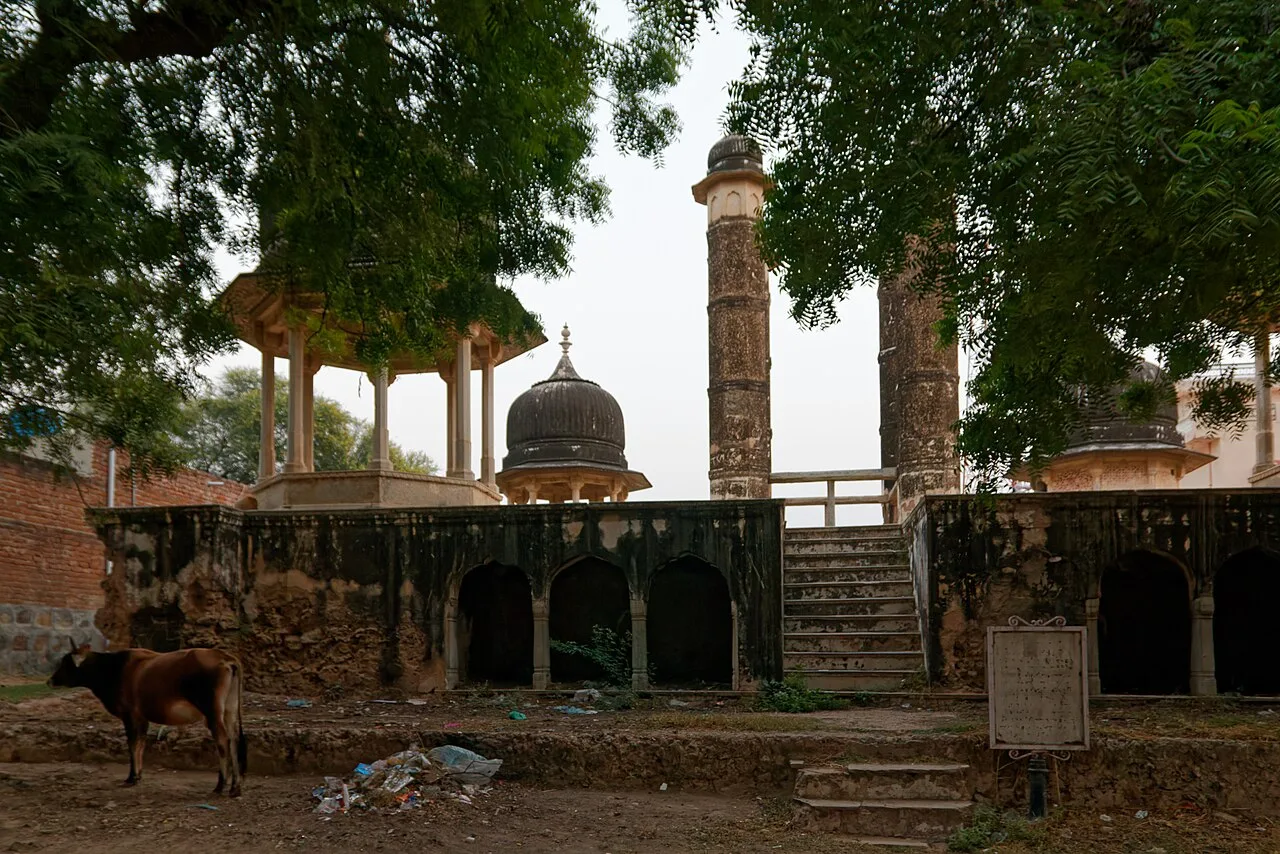
Ratangarh was formerly known as Kolasar. Historical accounts attribute its foundation in 1798 to Surat Singh, the Maharaja of Bikaner, who named the new town after his son Ratan Singh. The settlement was laid out as a planned town, and its fort was completed in 1812. A large fort and a boundary wall with gates once protected the town; today, only remnants remain, and parts of the former fort complex have been used for civic purposes. The bazaar’s cross-shaped plan is another legacy of this early layout.

The town faced attacks in 1815 and 1816 during regional conflicts. In 1834, Maharaja Ratan Singh met Colonel Velsin in connection with organising the Shekhawati Brigade. Ratangarh’s growth continued with the arrival of the railway in 1910, followed by electricity in 1930 and piped water in 1945. Local merchants supported roads, schools, healthcare and charitable institutions, helping the town develop as a service and trading centre. Older temples and nearby memorial stones also point to a longer history of settlement in the region.

Food, festivals & culture

Ratangarh shares the food traditions of the Churu and Shekhawati region. Meals commonly draw on wheat, millet, pulses and locally available ingredients; visitors may find dishes such as bajra roti, dal baati churma, gatte ki sabzi and ker sangri. Sweet shops and eateries serve familiar Rajasthani sweets, though offerings vary by season and establishment. Hindi and local Rajasthani varieties, including Marwari, are widely used in everyday life.

Hindu festivals shape the town calendar. Holi, usually in spring, and Diwali, in autumn, are widely observed; Gangaur and Teej bring seasonal customs associated with Rajasthan, while Navratri is marked with worship and community gatherings. Temples are central to local religious life, including the historic Karniji Temple and Raghunathji Temple. Folk music and dance traditions of the wider region may be heard at celebrations, with forms such as Ghoomar associated with Rajasthan. The town’s older havelis, shrines and market streets offer a sense of its merchant, devotional and community traditions.

Visiting the city

The cooler months, roughly October to March, are generally the most comfortable time to explore Ratangarh; summer heat can be intense. The nearest airport is Bikaner Airport (Nal), though flight options may be limited; Jaipur International Airport is another option for a wider range of connections. Ratangarh Railway Station is the town’s main rail stop. Local travel is usually by auto-rickshaw, taxi or on foot in the central market area.

Start around Ghantagar and follow the intersecting bazaar streets to see the old commercial core. Look out for frescoed havelis, temples and the remains of the fort, while respecting private property and any restricted civic areas. The station area is useful for arrivals, while the central bazaar is the best base for shops and everyday food. Hudera and Rajaldesar, in the surrounding region, may be considered for a longer local excursion.

Trips from the city

Nearest places to visit from Ratangarh

Our closest destination guides, by straight-line distance.

Tal Chhapar Sanctuary

36 km away · Churu district

Tal Chhapar Sanctuary

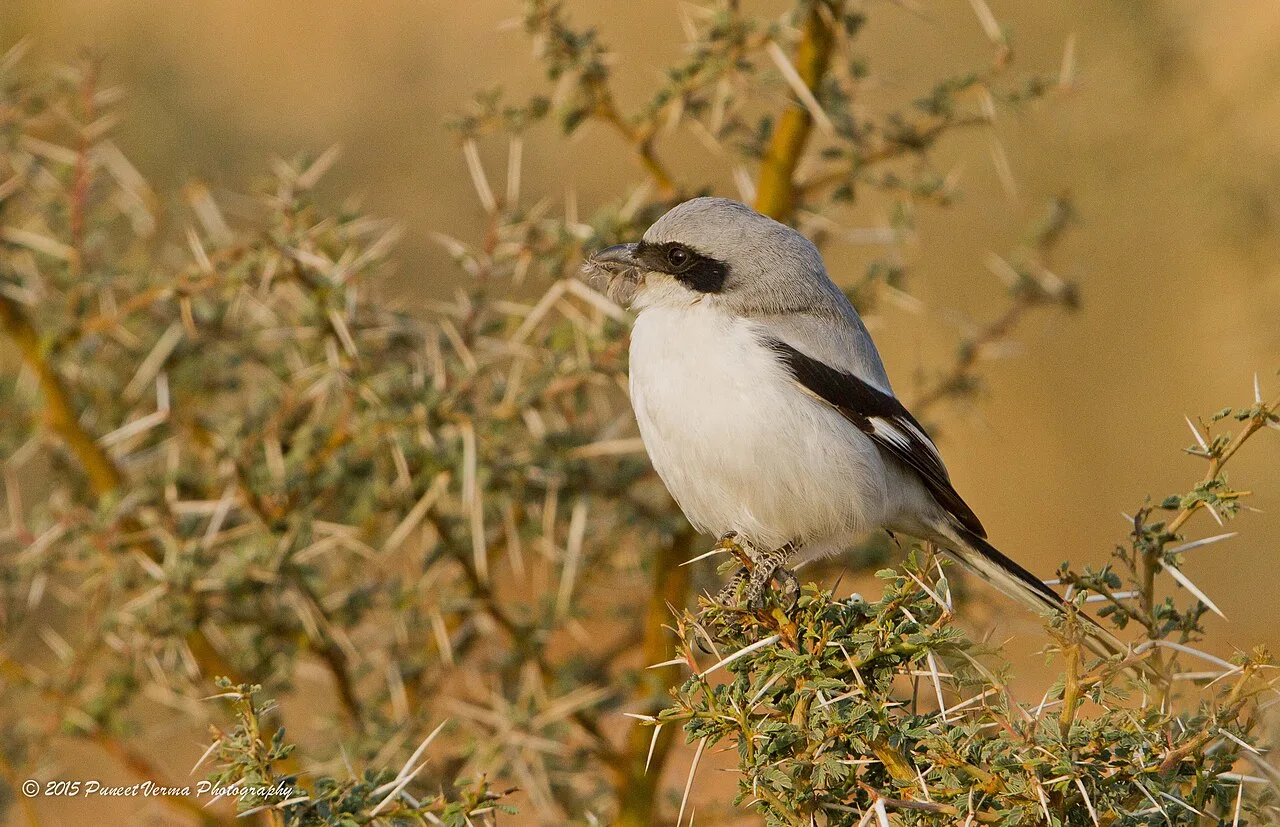
Tal Chhapar is a wildlife sanctuary in Rajasthan’s Churu district, known for blackbucks and birdlife. Visitors come to see its wildlife in a setting near the Great Indian Desert.

Mandawa

52 km away · Jhunjhunu district

Mandawa

Mandawa is a town in Rajasthan’s Jhunjhunu district, within the Shekhawati region. Travellers visit it as part of journeys through the region and nearby Jhunjhunu.

Nawalgarh

69 km away · Jhunjhunu district

Nawalgarh

Nawalgarh is a heritage city in Rajasthan’s Shekhawati region, within Jhunjhunu district. Visitors are drawn by its heritage character, and it is 30.5 km from Sikar and 39.2 km from Jhunjhunu.

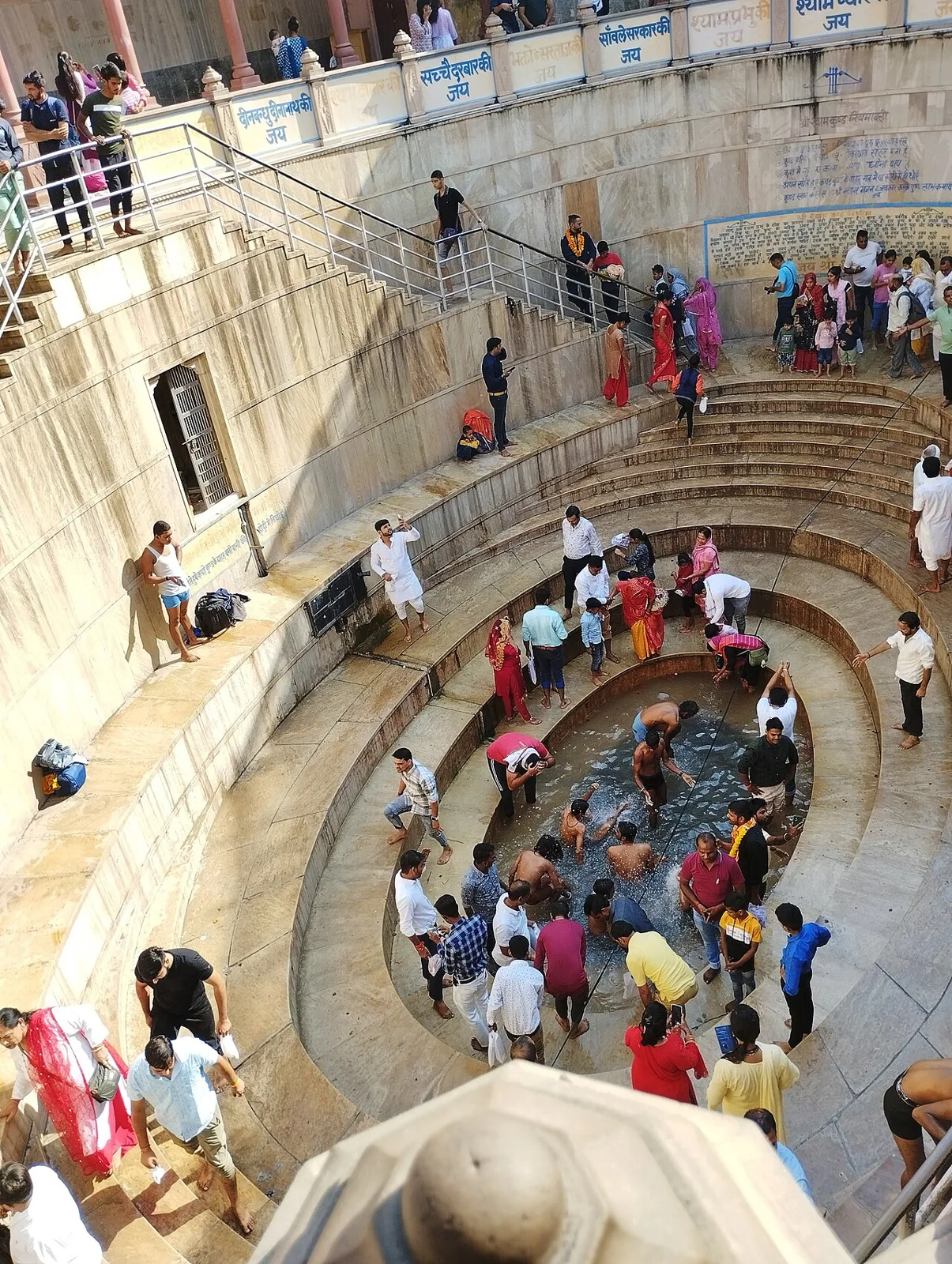
Khatu Shyam Temple

111 km away · Sikar district

Khatu Shyam Temple

In KhatuShyamJi town, Rajasthan, this Hindu shrine honours Khatu Shyam, believed to be a divine manifestation of Barbareek from the Mahabharat. Pilgrims visit throughout the year, especially for the Falgun Mela.

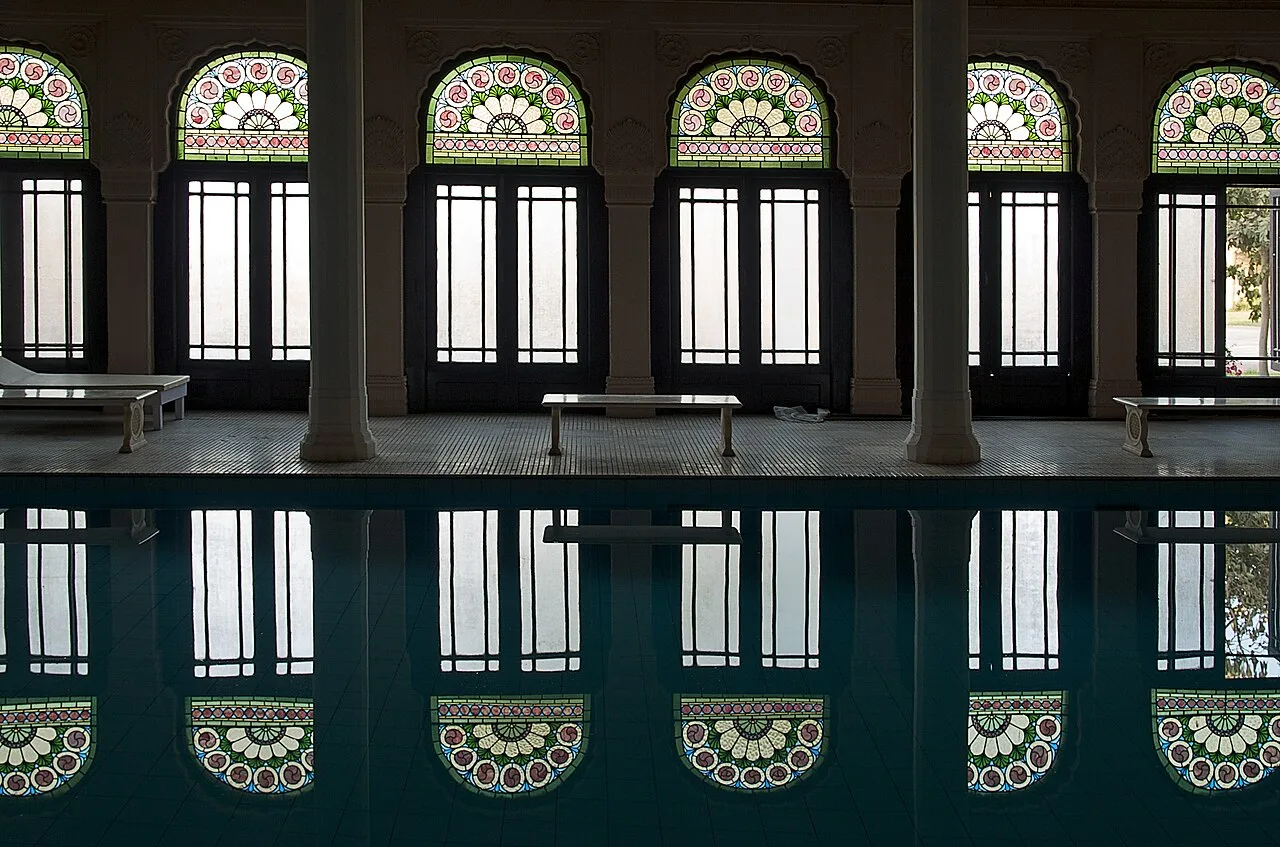
Lalgarh Palace

126 km away · Bikaner district

Lalgarh Palace

Lalgarh Palace is a palace and heritage-hotel property in Bikaner, Rajasthan, created for Maharaja Sir Ganga Singh. Visitors come to see the residence and its links to Bikaner’s royal history.

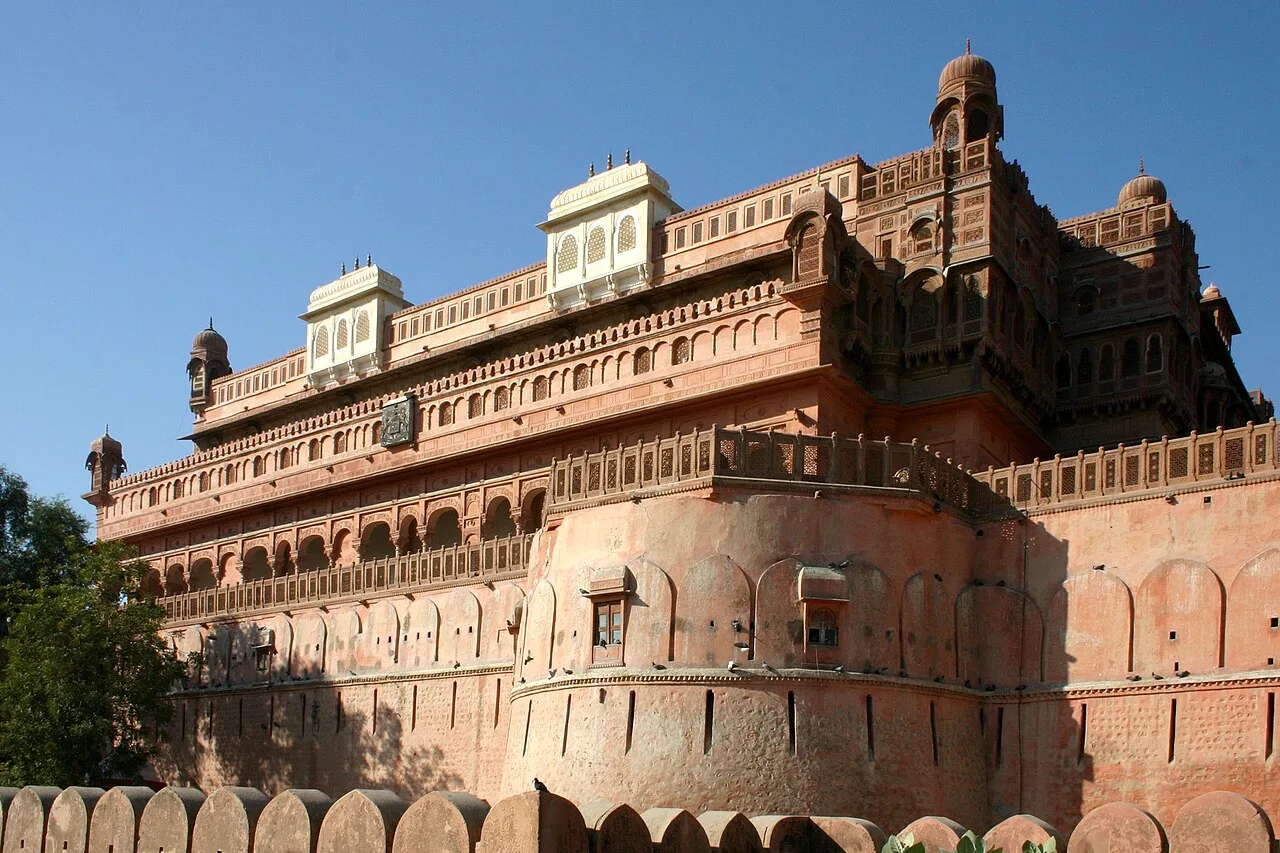
Junagarh Fort

128 km away · Bikaner district

Junagarh Fort

Junagarh Fort is a historic complex in Bikaner, Rajasthan, known for its palaces, temples and pavilions. Visitors can explore its layered history and blend of architectural traditions.

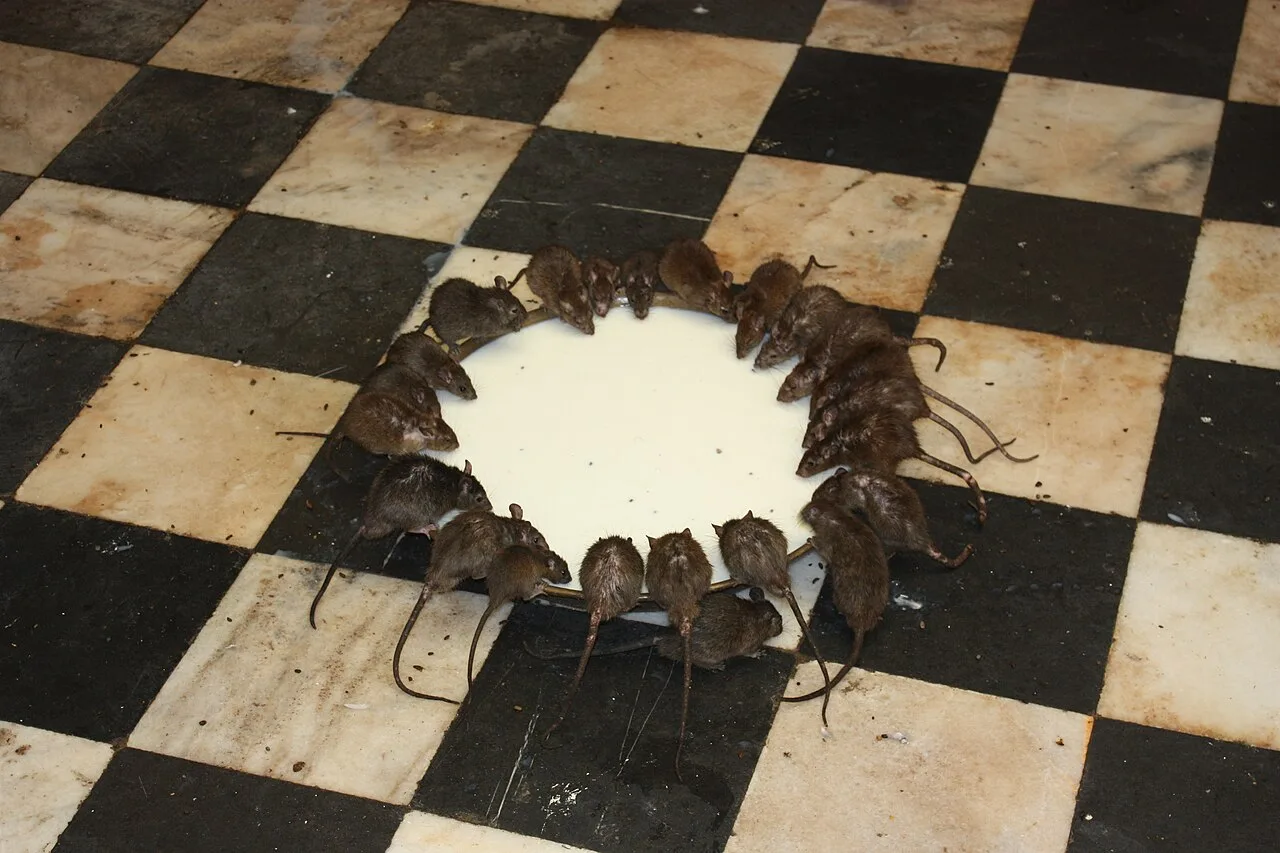
Karni Mata Temple

130 km away · Bikaner district

Karni Mata Temple

Karni Mata Temple is a Hindu shrine in Deshnoke, Rajasthan, associated with Karni Mata and sacred kābā rodents. Pilgrims seek blessings there, while visitors come to see its distinctive rat population.

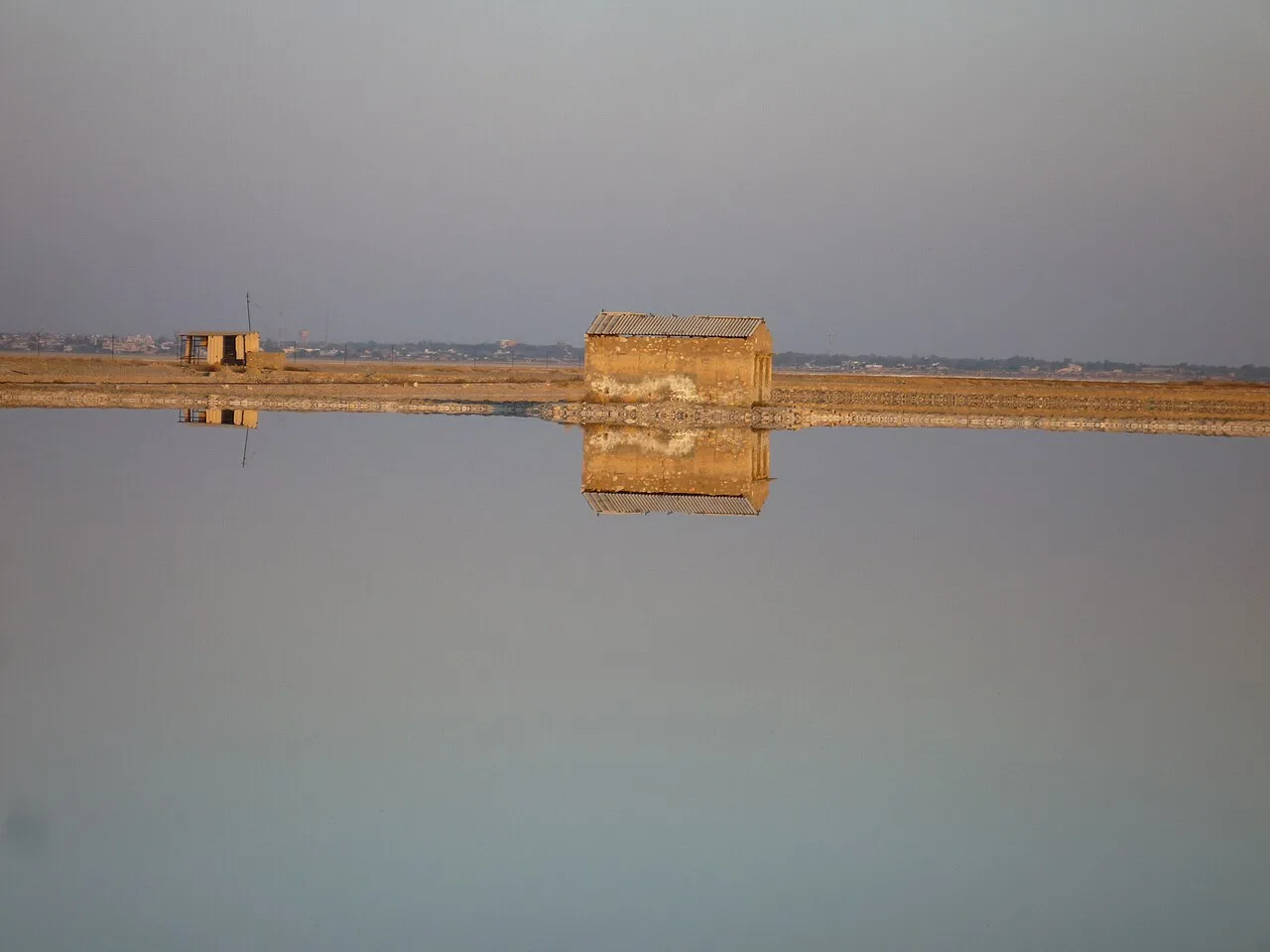
Sambhar Salt Lake

135 km away · Jaipur district

Sambhar Salt Lake

Sambhar Salt Lake is Rajasthan’s largest inland salt lake, in Jaipur district. Visitors come to see the lake and the historic settlement of Sambhar Lake Town, which it surrounds.

Map

Ratangarh on the map

  1. 1Tal Chhapar Sanctuary
  2. 2Mandawa
  3. 3Nawalgarh
  4. 4Khatu Shyam Temple
  5. 5Lalgarh Palace
  6. 6Junagarh Fort
  7. 7Karni Mata Temple
  8. 8Sambhar Salt Lake

Rajasthan

Other cities to explore