Ghumoopedia — Explore, Discover, Experience
Sign in

City guide · Rajasthan

Māndal

Māndal is a small town and tehsil centre in Bhilwara district, around 15 kilometres north of Bhilwara city. Its importance today is chiefly local: it serves nearby settlements and villages with administrative services, shops and everyday transport links.

Famous for

  • Medieval Mewar history
  • Mughal-era encampment remains
  • Historic watchtowers and ruins
  • Battis Khambon ki Chhatri
  • Bhilwara's textile region

Why Māndal matters

Māndal is a small town and tehsil centre in Bhilwara district, around 15 kilometres north of Bhilwara city. Its importance today is chiefly local: it serves nearby settlements and villages with administrative services, shops and everyday transport links. For travellers, it offers a quieter look at the historic countryside of southeastern Rajasthan, with traces of older structures that reflect the area's strategic past.

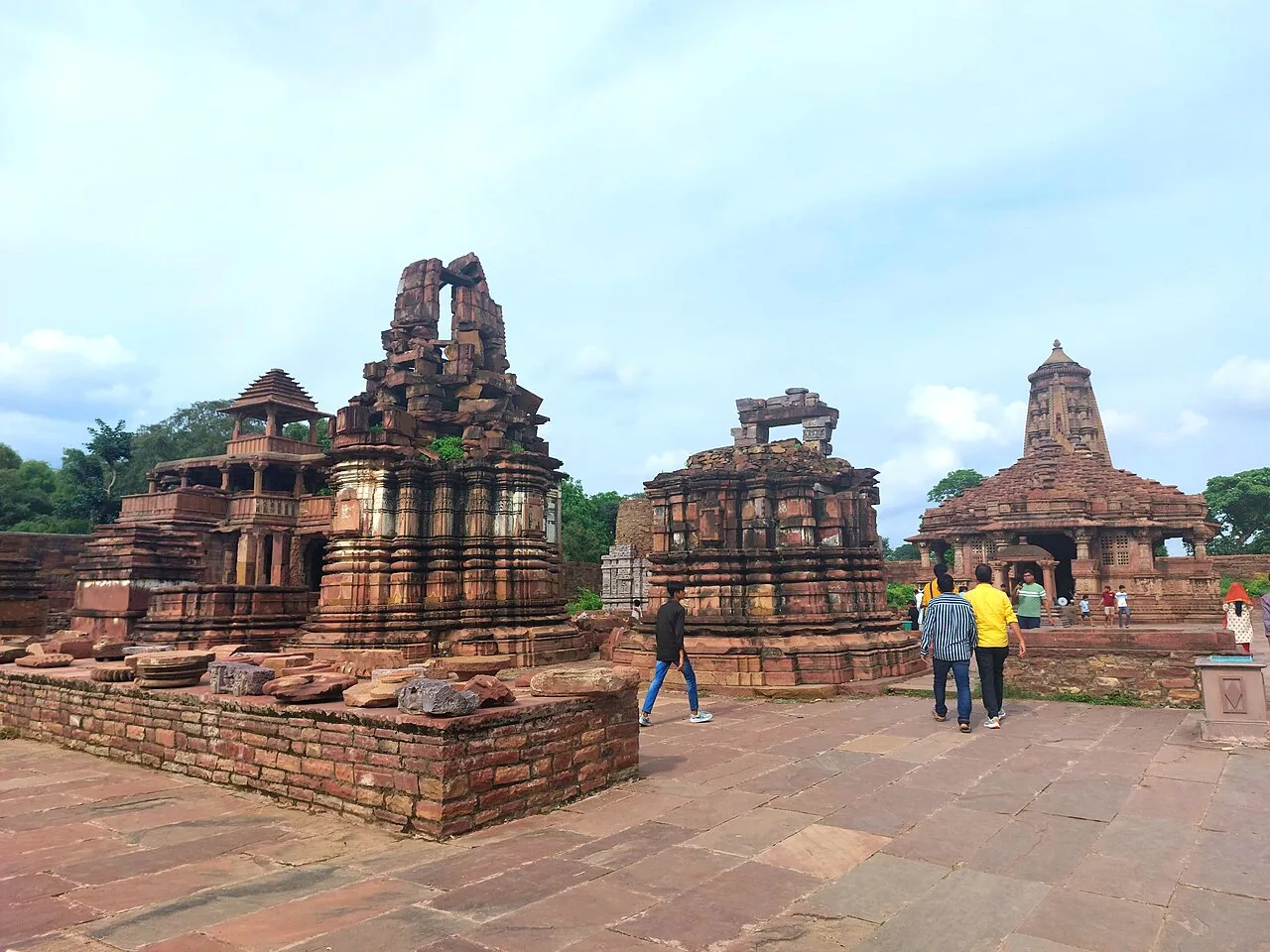
Māndal is associated with the military movements of the Mughal period in Mewar, including campaigns connected with the siege of Chittorgarh. Watchtowers, ruins and the locally known Battis Khambon ki Chhatri are among the heritage features that give the town interest, though it is not a large, developed tourist centre. Many visitors use Bhilwara as their practical base and make Māndal a short excursion. The wider district is also known for its textile economy, while Māndal itself is best approached as a small regional hub with a distinct historical setting rather than as a major shopping destination.
Famous for: crafts, trade & products

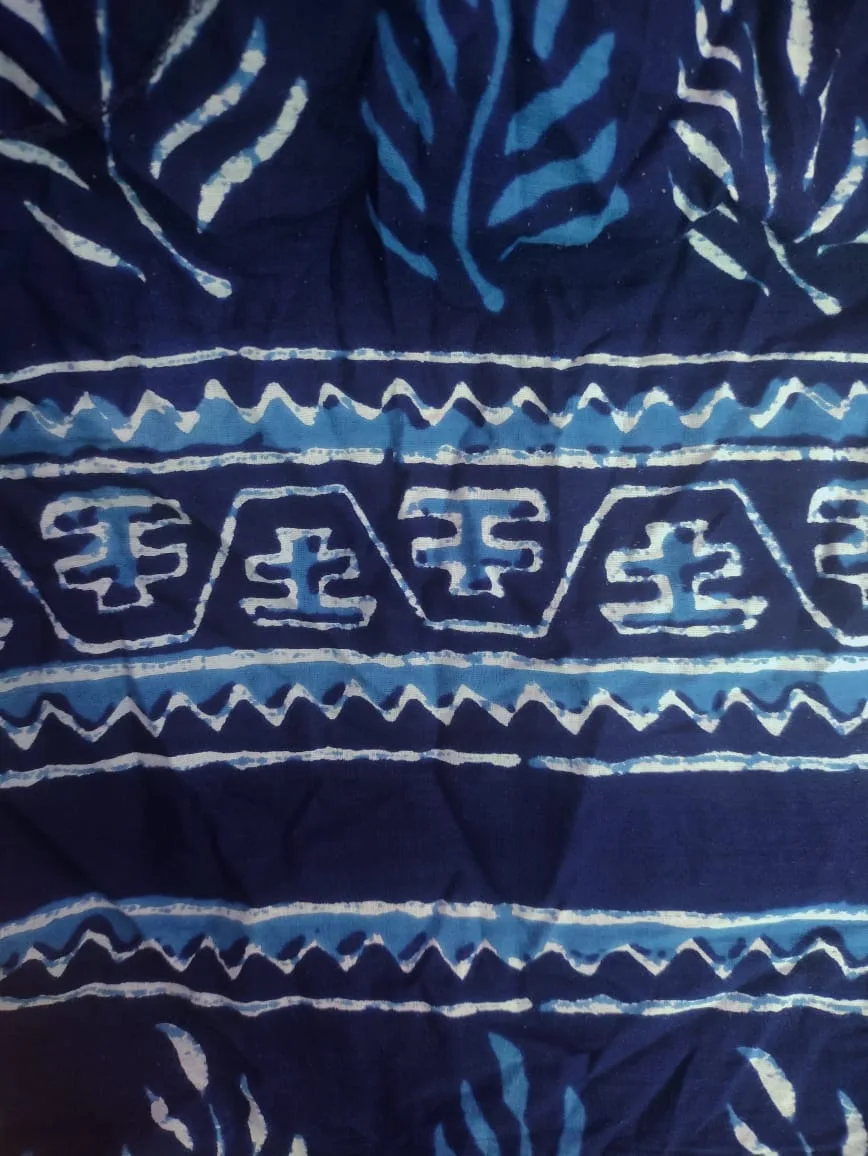
Māndal is not widely identified with a particular saree, handicraft, food product or GI-tagged good. Its most distinctive associations are its historical remains and its place in the Bhilwara region. The district’s textile industry is substantial, with Bhilwara city serving as the principal centre for fabric, yarn and related trade; this is a regional connection, not a claim that Māndal has a separate textile tradition of its own.

For a broader selection of clothing and everyday goods, visitors are more likely to find established shops and markets in Bhilwara city than in Māndal. Local shops in Māndal serve residents and nearby villages, but should not be confused with specialist craft bazaars. The town’s heritage interest is centred on surviving structures, including the Battis Khambon ki Chhatri and other remains associated with its past. There is no well-documented signature craft market or dedicated visitor shopping district in town, so travellers looking for Rajasthan handicrafts or a wide choice of textiles should plan to browse in larger regional centres.

History

Māndal’s history is tied to the contested Mewar region, where routes and settlements held strategic value. The area is believed to have served as a military encampment during Mughal campaigns in Mewar, including operations associated with the siege of Chittorgarh. Remains such as watchtowers and ruins are reminders of that period, while the Battis Khambon ki Chhatri is among the town’s notable historic structures.

Before independence, the surrounding territory was connected with princely states including Banera and Badnor. These states were integrated into Rajasthan in 1949, as the modern state took shape after the end of princely rule. The town subsequently developed as a tehsil and service centre within Bhilwara district. Its modern role is primarily administrative and local, supported by road links to Bhilwara and surrounding settlements. Unlike larger heritage destinations, Māndal has not grown into a major tourism centre, and its historical character is most evident in the surviving structures and its place in the wider story of Mewar.

Food, festivals & culture

Everyday food in Māndal reflects the wider Mewari and Rajasthani kitchen. Dal baati churma, gatte ki sabzi and seasonal preparations such as ker sangri are familiar regional dishes; sweets vary by shop and occasion, with offerings such as ghewar more broadly associated with Rajasthan. These are regional food traditions rather than dishes unique to Māndal.

Hindi and local Rajasthani speech, including Mewari influences, are heard in daily life. Hindu festivals such as Holi in spring, Gangaur around the spring season, Teej during the monsoon and Diwali in autumn are observed across the region, alongside local religious gatherings. Worship is centred on neighbourhood temples and shrines; the town is better suited to experiencing everyday devotional life than to seeking a large festival spectacle. Folk music and dance forms such as Mewari singing and ghoomar belong to the region’s cultural repertoire and may feature at weddings or community celebrations, though performances are not a regular visitor attraction.

Visiting the city

The cooler months, roughly October to March, are the most comfortable time to explore Māndal. Summers are very hot, while monsoon brings rain and greener surroundings. The nearest major air gateway is Maharana Pratap Airport at Udaipur; Bhilwara railway station is the principal rail connection for the area. From Bhilwara, Māndal is reached by road, with local buses and taxis serving the wider district. Within town, walking and local road transport are practical for short distances.

Explore the town centre and its historic structures, including the Battis Khambon ki Chhatri, then continue into the surrounding countryside for a sense of the former Mewar landscape. Bhilwara is the more convenient base for accommodation, broader markets and onward connections. Check local conditions before setting out to see individual heritage remains, as visitor facilities may be limited.

Trips from the city

Nearest places to visit from Māndal

Our closest destination guides, by straight-line distance.

Chittor Fort

62 km away · Chittorgarh district

Chittor Fort

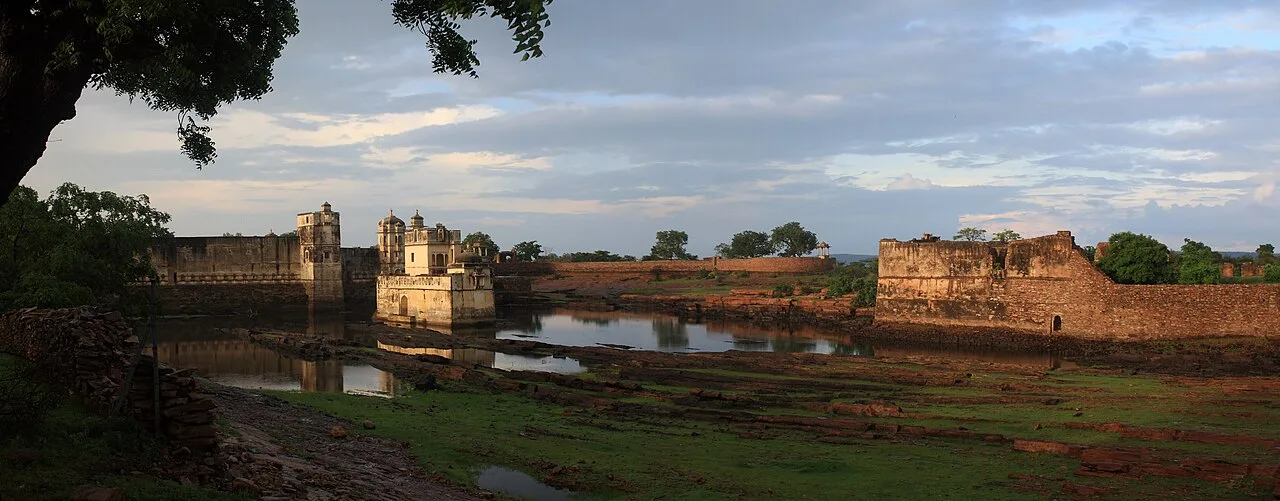
Chittor Fort, also called Chittod Fort, is among India’s largest forts and the former capital of Mewar. Visitors explore its historic palaces, temples, water bodies, memorials and towers.

Vijaya Stambha

62 km away · Chittorgarh district

Vijaya Stambha

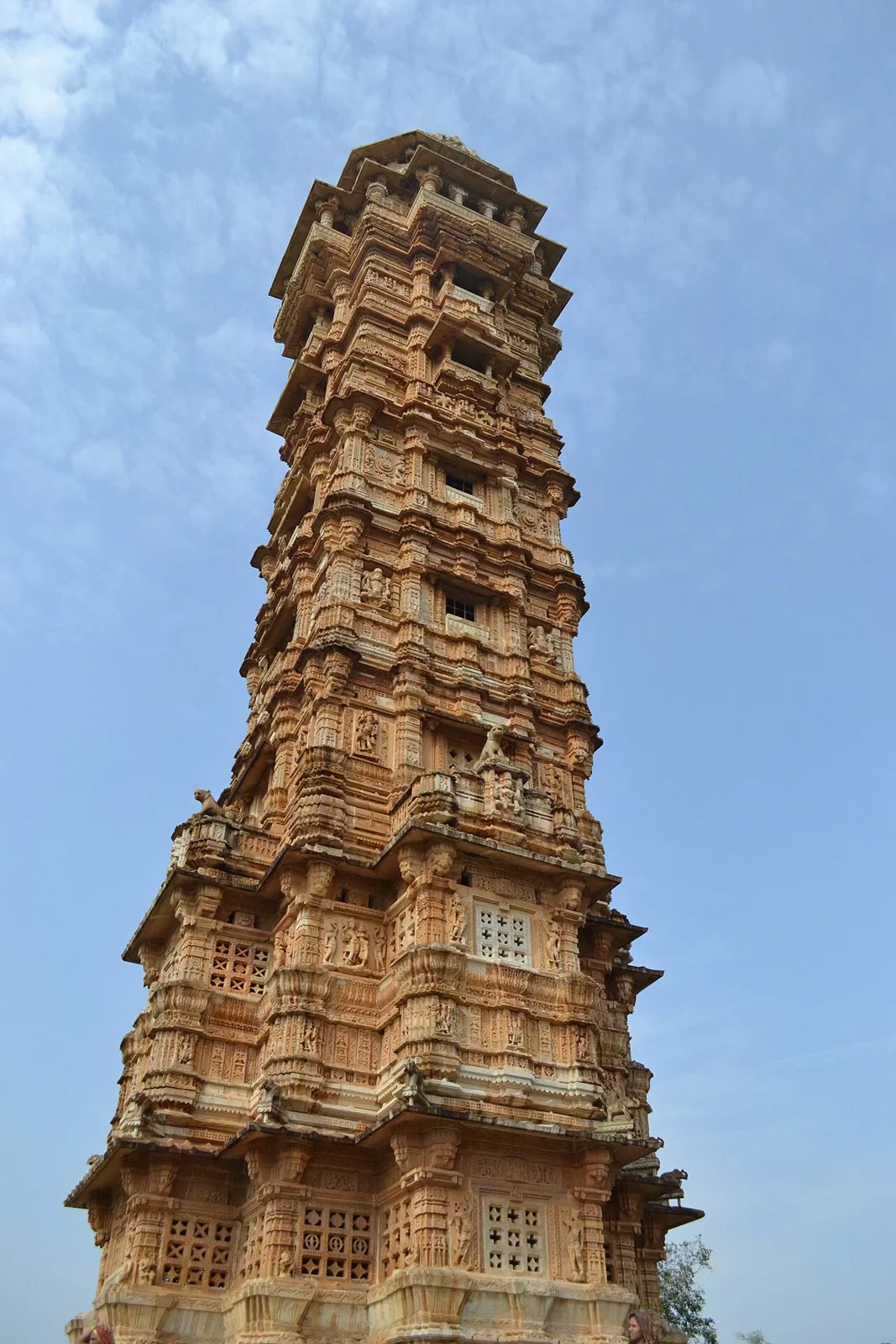
Vijaya Stambha is a victory tower in Chittor Fort, Chittorgarh district, Rajasthan. Visitors come to see its Rajput architecture and its association with Rana Kumbha’s 1448 triumph.

Akola (Dabu Print Village)

65 km away · Chittorgarh district

Akola (Dabu Print Village)

Akola, also called Chhipo ka Akola, is a village in Rajasthan’s Chittorgarh district. Visitors are drawn by its Dabu print, known across India.

Menal

72 km away · Bhilwara district

Menal

Menal is a village in Rajasthan linked with Begun Taluk and both Chittorgarh and Bhilwara districts; no particular attraction or reason for visiting is specified.

Rajsamand Lake

81 km away · Rajsamand district

Rajsamand Lake

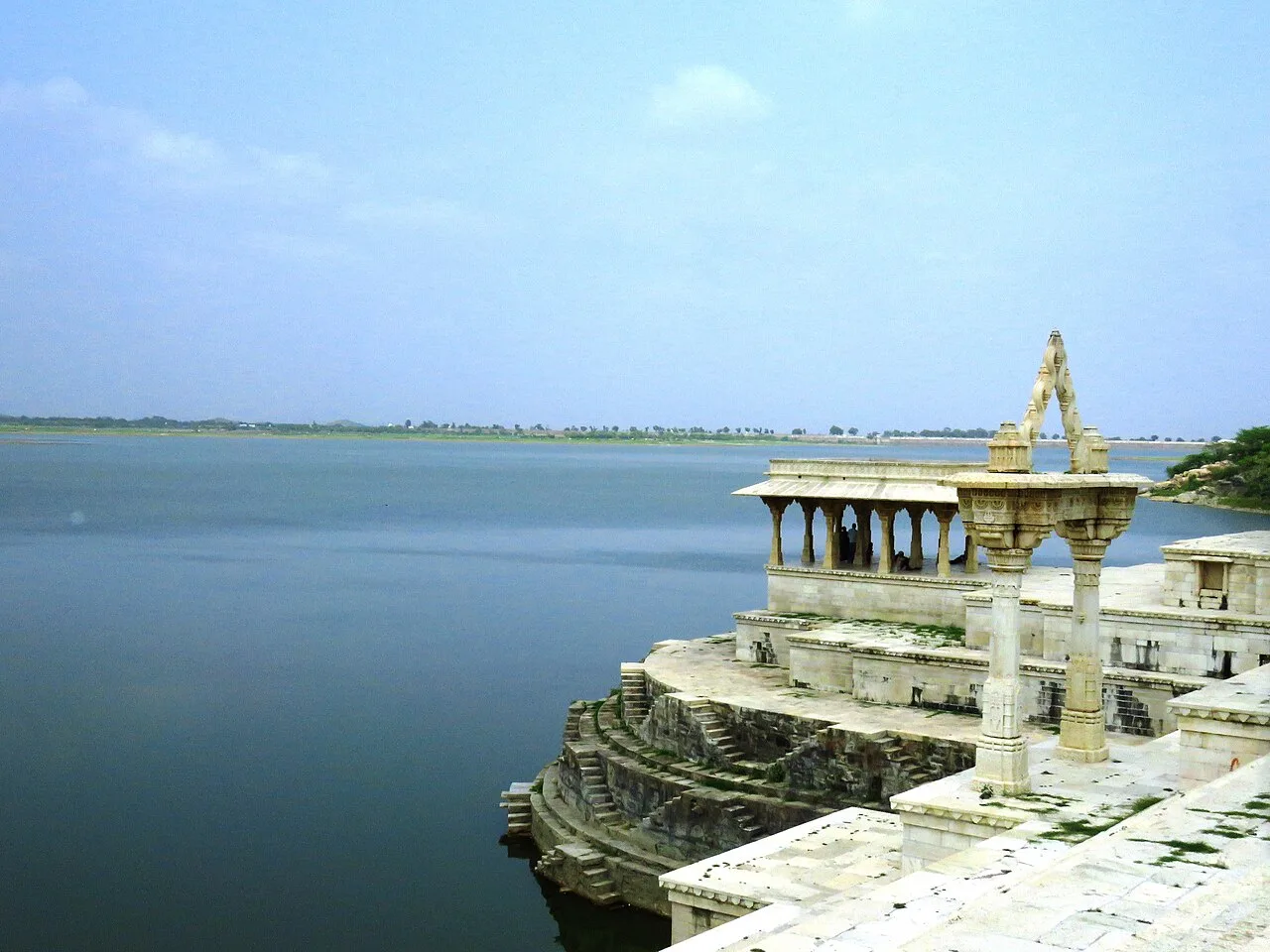
A large reservoir in Rajasthan’s Rajsamand district, Rajsamand Lake is also called Rajsamudra. Visitors come to see its scale and the historic work associated with Rana Raj Singh.

Nathdwara

94 km away · Rajsamand district

Nathdwara

Nathdwara is a city in Rajasthan known for its Shrinathji shrine and its place in the Vaishnavite Pushti Marg tradition, drawing devotees from Rajasthan, Gujarat and beyond.

Kumbhalgarh

105 km away · Rajsamand district

Kumbhalgarh

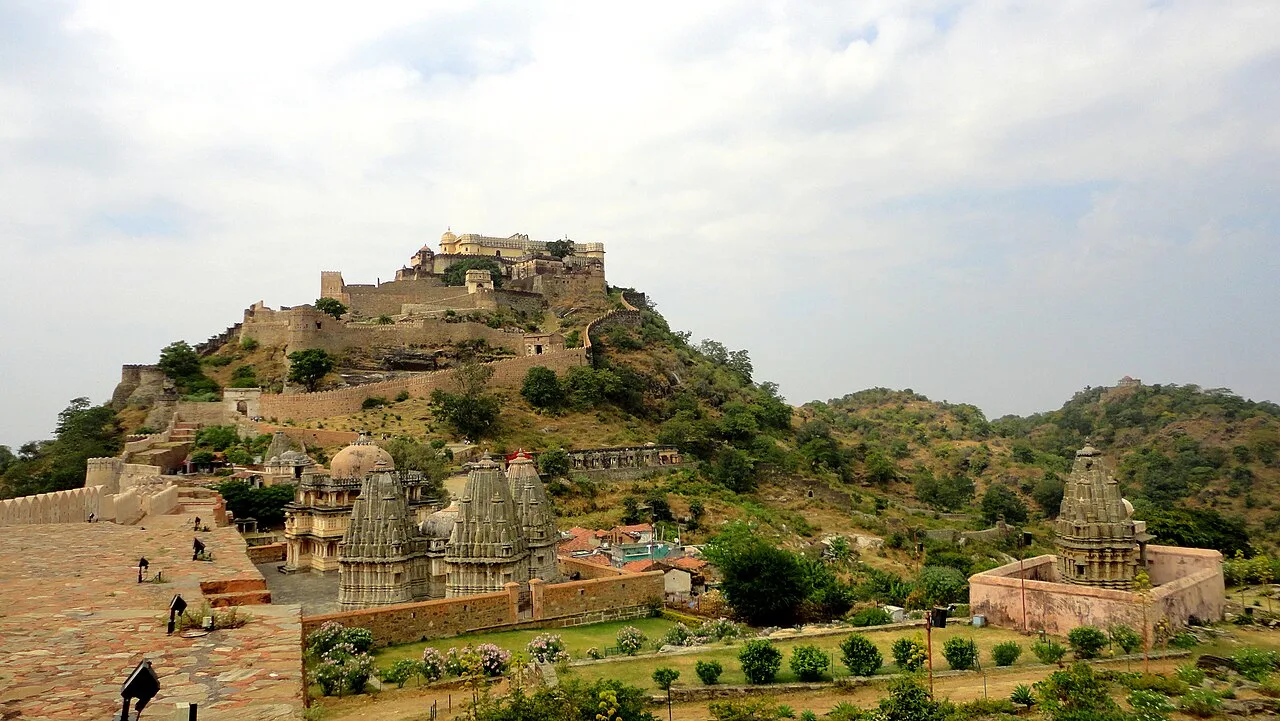
Kumbhalgarh, often called the Great Wall of India, is a 15th-century fortress in Rajasthan’s Aravalli Hills, visited for its fortifications, historical associations and UNESCO World Heritage status.

Bundi

107 km away · Bundi district

Bundi

Bundi is a city in Rajasthan’s Hadoti region, within Bundi district. Visitors come to explore the city and its setting in north-western India.

Map

Māndal on the map

  1. 1Chittor Fort
  2. 2Vijaya Stambha
  3. 3Akola (Dabu Print Village)
  4. 4Menal
  5. 5Rajsamand Lake
  6. 6Nathdwara
  7. 7Kumbhalgarh
  8. 8Bundi

Rajasthan

Other cities to explore