Ghumoopedia — Explore, Discover, Experience
Sign in
Sambhar Salt Lake, near Makrana

City guide · Rajasthan

Makrana

Makrana, in Rajasthan’s Didwana-Kuchaman district, is best known for the distinctive white marble quarried from the Aravalli ranges around the city. The stone has an international heritage recognition as a Global Heritage Stone Resource, and its use in the Taj Mahal has made Makrana’s name familiar well beyond Rajasthan.

Famous for

  • Makrana marble
  • Taj Mahal marble
  • Marble carving and stonework
  • Marble processing industry
  • Charbhuja Mandir

Why Makrana matters

Makrana, in Rajasthan’s Didwana-Kuchaman district, is best known for the distinctive white marble quarried from the Aravalli ranges around the city. The stone has an international heritage recognition as a Global Heritage Stone Resource, and its use in the Taj Mahal has made Makrana’s name familiar well beyond Rajasthan. Marble from the area has also been used in prominent temples and memorials across India.

Quarrying, cutting and finishing marble remain central to the local economy, supporting workshops, traders and skilled stoneworkers. The city serves as a commercial and transport centre for nearby settlements, with rail and road links connecting it to other parts of Rajasthan. Visitors come to understand the marble trade, see the work of stone craftsmen and visit local places of worship, including Charbhuja Mandir. Makrana is not primarily a conventional sightseeing destination: its appeal lies in the relationship between its landscape, stone industry and the monuments built with its marble.
Famous for: crafts, trade & products

Makrana is chiefly associated with its calcitic marble, valued for its whiteness, quality and suitability for carving. The stone is linked to the Taj Mahal and other notable buildings, including Kolkata’s Victoria Memorial and the Dilwara Jain temples. Its heritage-stone recognition is not the same as a GI tag. Marble varieties from the surrounding ranges include white stone, pink marble and patterned material with darker or brown-grey markings.

Quarrying and processing shape the city’s trade. Marble is cut and finished in local factories and workshops, where visitors may be able to see slabs, carved pieces and the work involved in preparing stone for construction or decoration. Marble yards and processing areas are the most relevant places to browse or speak with sellers; availability and visitor access vary, so ask locally before entering a workshop or quarry. Purchases may require arranging transport, especially for large pieces. Makrana is not especially known for textiles or a separate handicraft market: its defining product is stone, and its skilled craft tradition is closely tied to marble cutting, polishing and carving.

History

Makrana was part of Jodhpur State during the British period. Its importance grew with the discovery and working of marble deposits in the Aravalli ranges. The stone and the expertise of local craftsmen became associated with major Indian buildings; Makrana marble is particularly well known for its use in the Taj Mahal, as well as in temples and public monuments elsewhere.

A local account connects the city’s name with artisans said to have arrived from Makran, a coastal region in what is now southern Iran. The story is part of local tradition rather than a firmly established account of the name’s origin. Over time, quarrying expanded into a wider trade involving stone extraction, cutting, finishing and transport. Makrana developed as a service and trading centre for nearby villages, supported by rail and road connections. Today it lies within Didwana-Kuchaman district and remains closely identified with the marble industry, while its older religious sites preserve a different strand of the town’s history.

Food, festivals & culture

Rajasthani is widely spoken in Makrana, alongside Hindi. Everyday food reflects the broader cuisine of Rajasthan: visitors may find dal baati churma, gatte ki sabzi and seasonal ker sangri, as well as familiar sweets such as ghevar. Availability varies between eateries, and local menus may also include everyday North Indian dishes.

Holi is celebrated in spring, while Teej and Gangaur are associated with the changing seasons and the monsoon period. Diwali is another major occasion. These festivals bring family gatherings, worship and community celebrations; the scale and programme vary from year to year. Rajasthani folk music and dance traditions, including forms such as ghoomar, are part of the region’s wider cultural life rather than a performance guaranteed in town. Charbhuja Mandir is an important local place of worship. Local tradition says its deity’s image was found in an old stepwell, and the temple remains a point of interest for visitors wishing to learn about the town’s religious life.

Visiting the city

The cooler months, roughly October to March, are generally the most comfortable time to visit; summer can be very hot. Kishangarh Airport is a nearby air option, while Jaipur International Airport offers another connection. Makrana Junction is the main railway station serving the city, and road connections link Makrana with other towns in Rajasthan.

Auto-rickshaws and local taxis are useful for getting around town; confirm arrangements locally for journeys beyond the centre. Explore the central area and Charbhuja Mandir, then visit marble yards or workshops to see stone being cut and finished. Quarry sites and industrial work areas are not ordinary visitor attractions: access may be restricted, so seek permission and follow safety guidance. Allow time for travel between the town and any marble-working areas you plan to visit.

Trips from the city

Nearest places to visit from Makrana

Our closest destination guides, by straight-line distance.

Sambhar Salt Lake

37 km away · Jaipur district

Sambhar Salt Lake

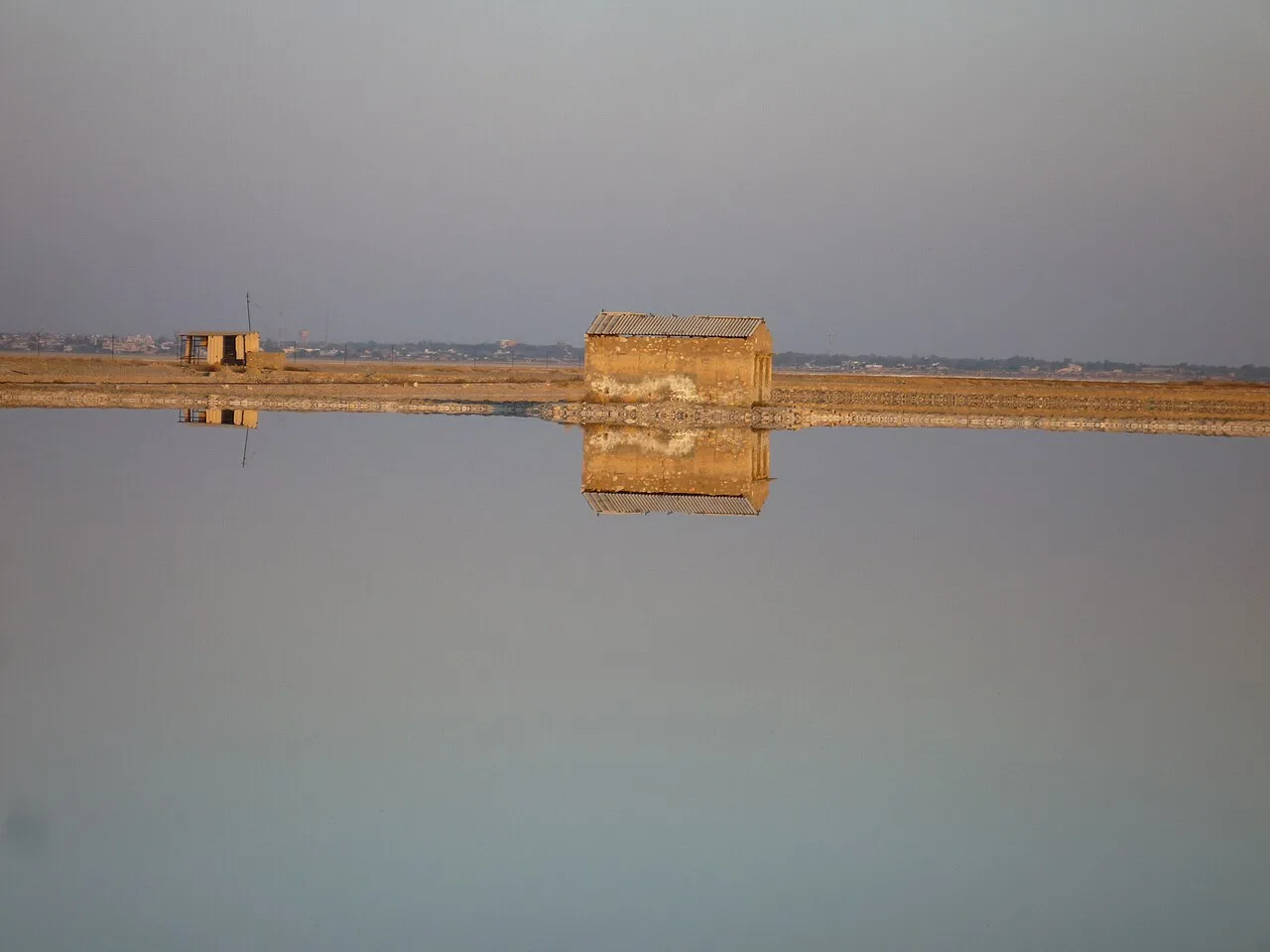
Sambhar Salt Lake is Rajasthan’s largest inland salt lake, in Jaipur district. Visitors come to see the lake and the historic settlement of Sambhar Lake Town, which it surrounds.

Ana Sagar Lake

64 km away · Ajmer district

Ana Sagar Lake

Ana Sagar is a man-made lake in Ajmer, Rajasthan, associated with its builder Arnoraja, also called Ana. Visitors come to see this historic water body, which extends across 13 km.

Brahma Temple

64 km away · Ajmer district

Brahma Temple

Located in Pushkar, Rajasthan, the Brahma Temple is a Hindu shrine near Pushkar Lake and among India’s few temples for Brahma. Pilgrims especially gather there on Kartik Poornima.

Pushkar

64 km away · Ajmer district

Pushkar

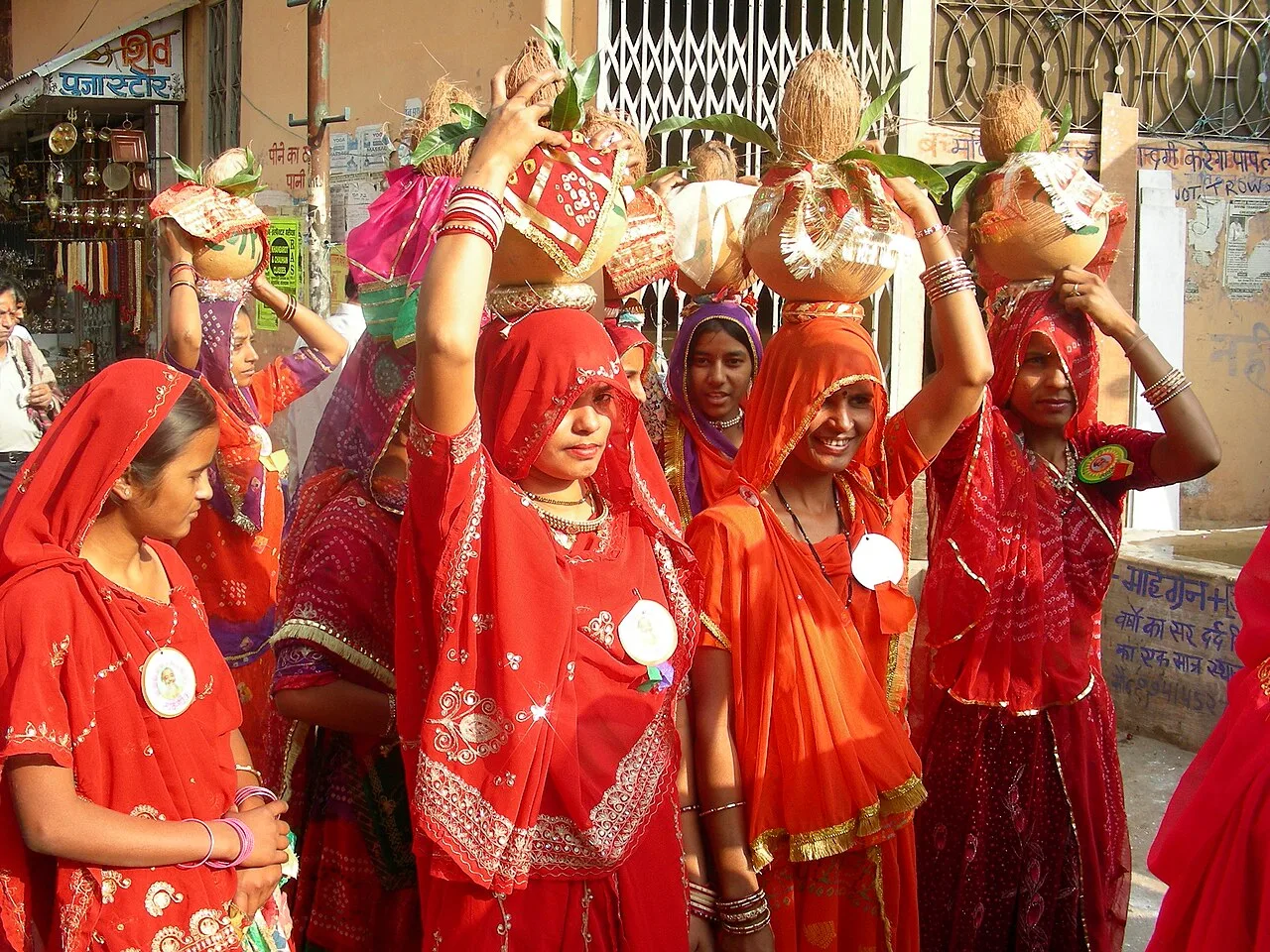
Pushkar is a historic pilgrimage town in Rajasthan, centred on a sacred lake and temples, including one of the few shrines to Brahma. Visitors come for worship, ritual bathing and its heritage.

Pushkar Lake

64 km away · Ajmer district

Pushkar Lake

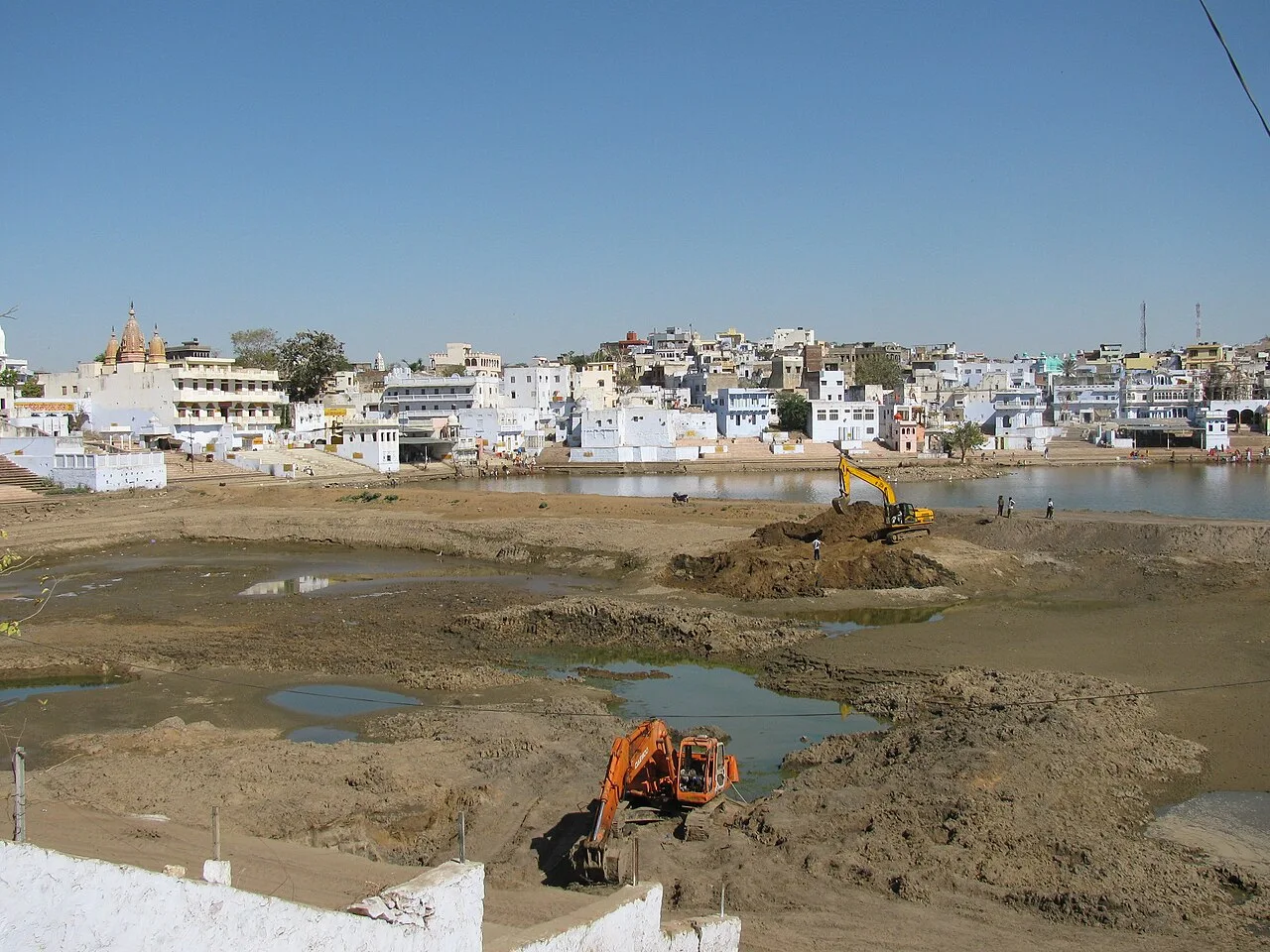
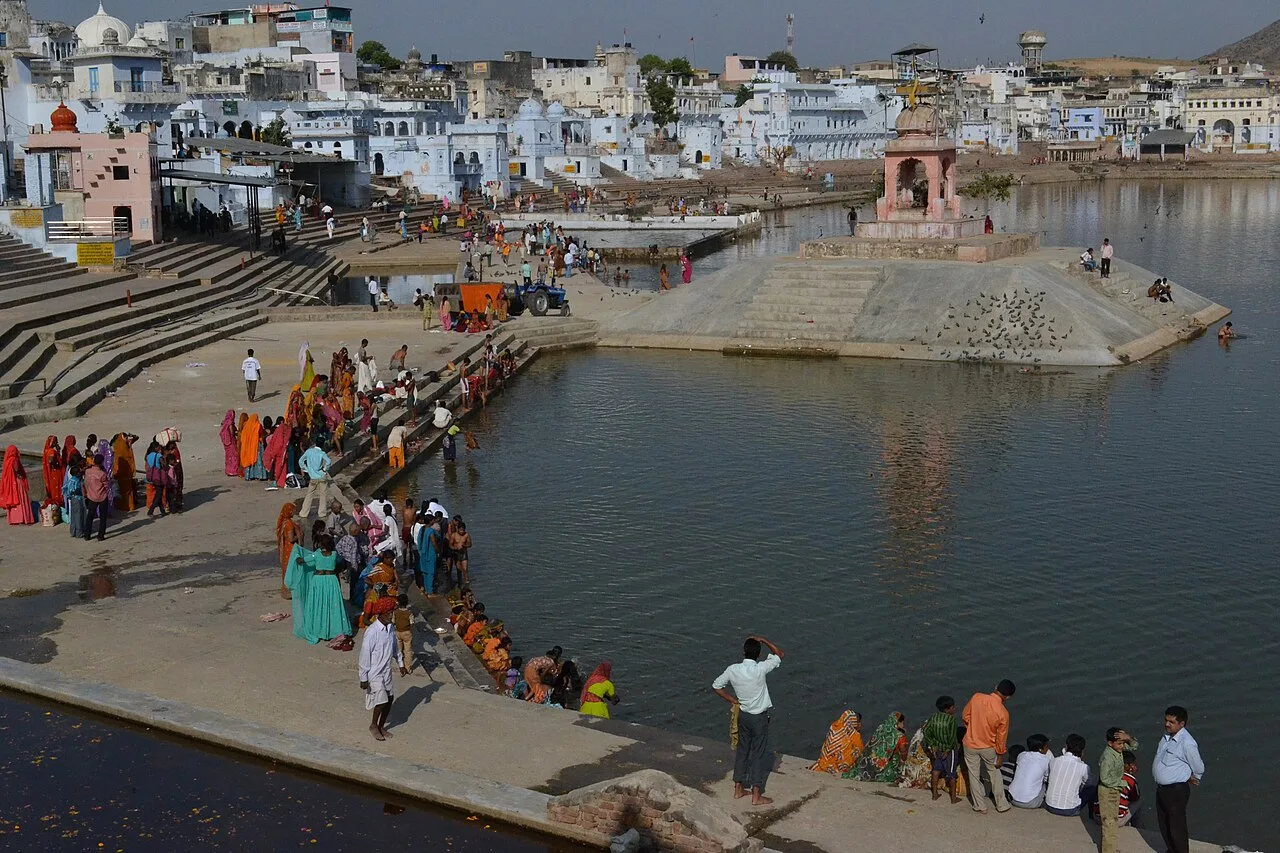
Pushkar Lake, also called Pushkar Sarovar, is a sacred lake in Rajasthan’s Ajmer district. Pilgrims come to bathe at its ghats, especially around Kartik Poornima, when the Pushkar Fair takes place.

Adhai Din Ka Jhonpra

66 km away · Ajmer district

Adhai Din Ka Jhonpra

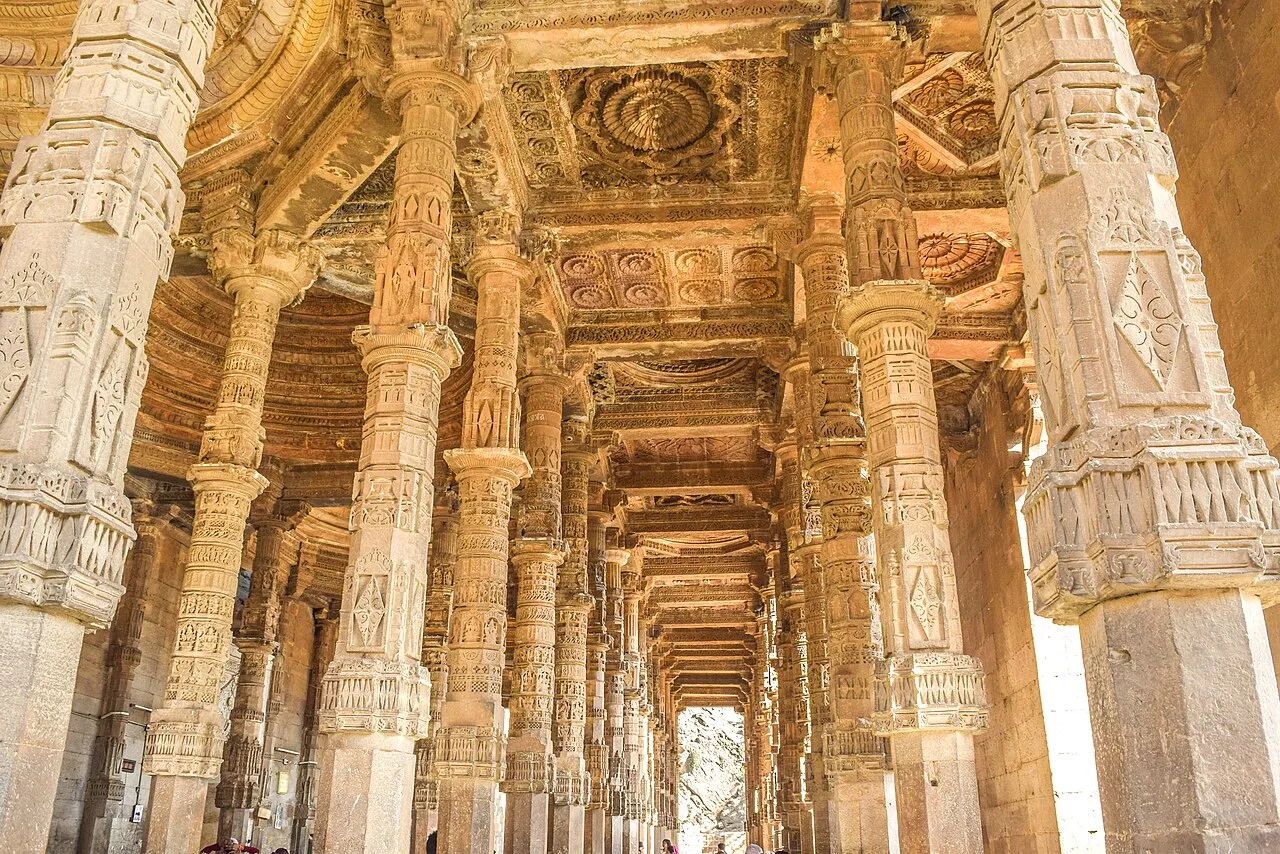
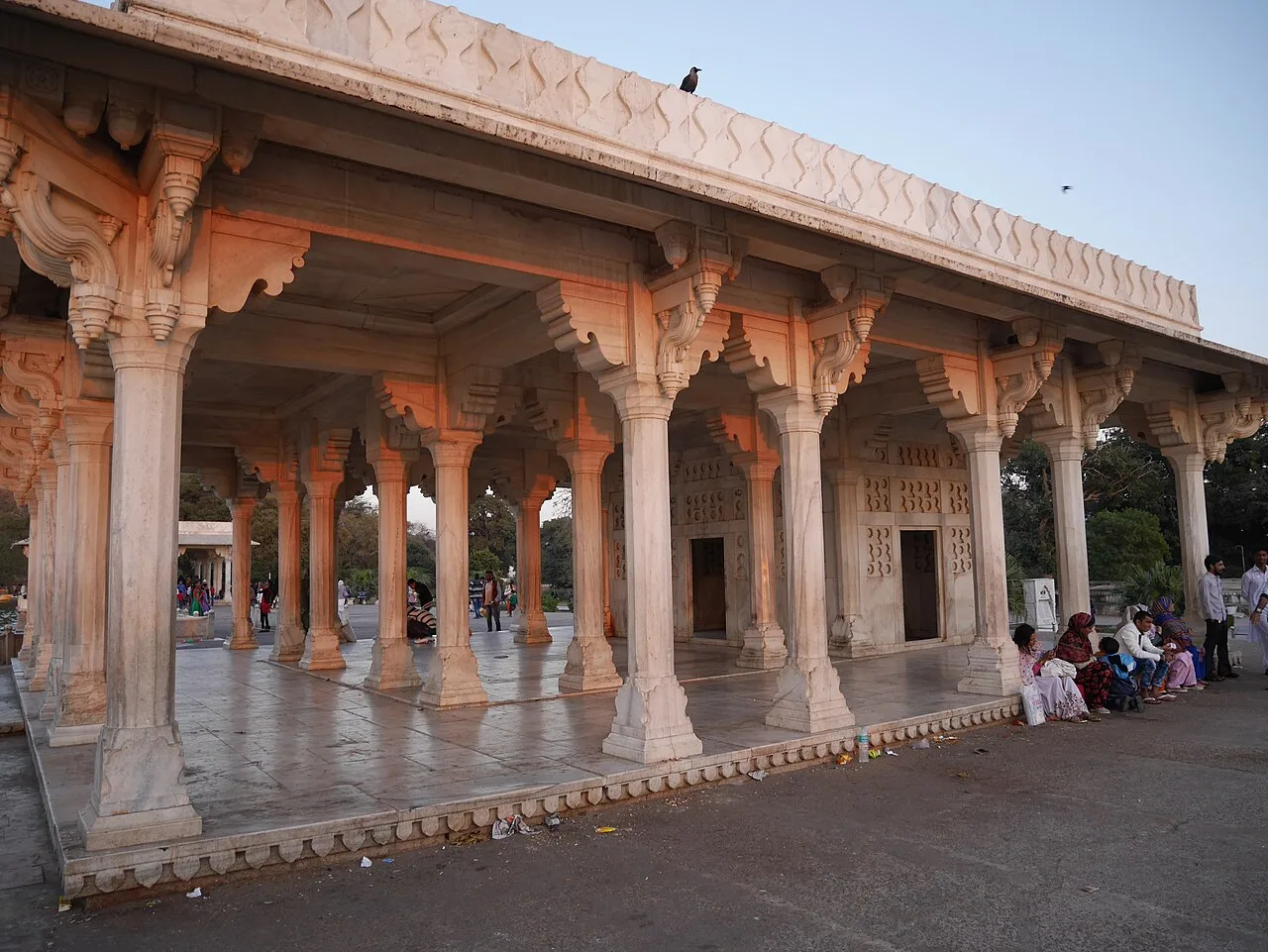
This former mosque in Ajmer, Rajasthan, is among India’s oldest mosques and the city’s oldest surviving monument. Visitors come to see its early Indo-Islamic design and its Hindu, Jain and Islamic architectural elements.

Shrine of Mu'in al-Din Chishti

66 km away · Ajmer district

Shrine of Mu'in al-Din Chishti

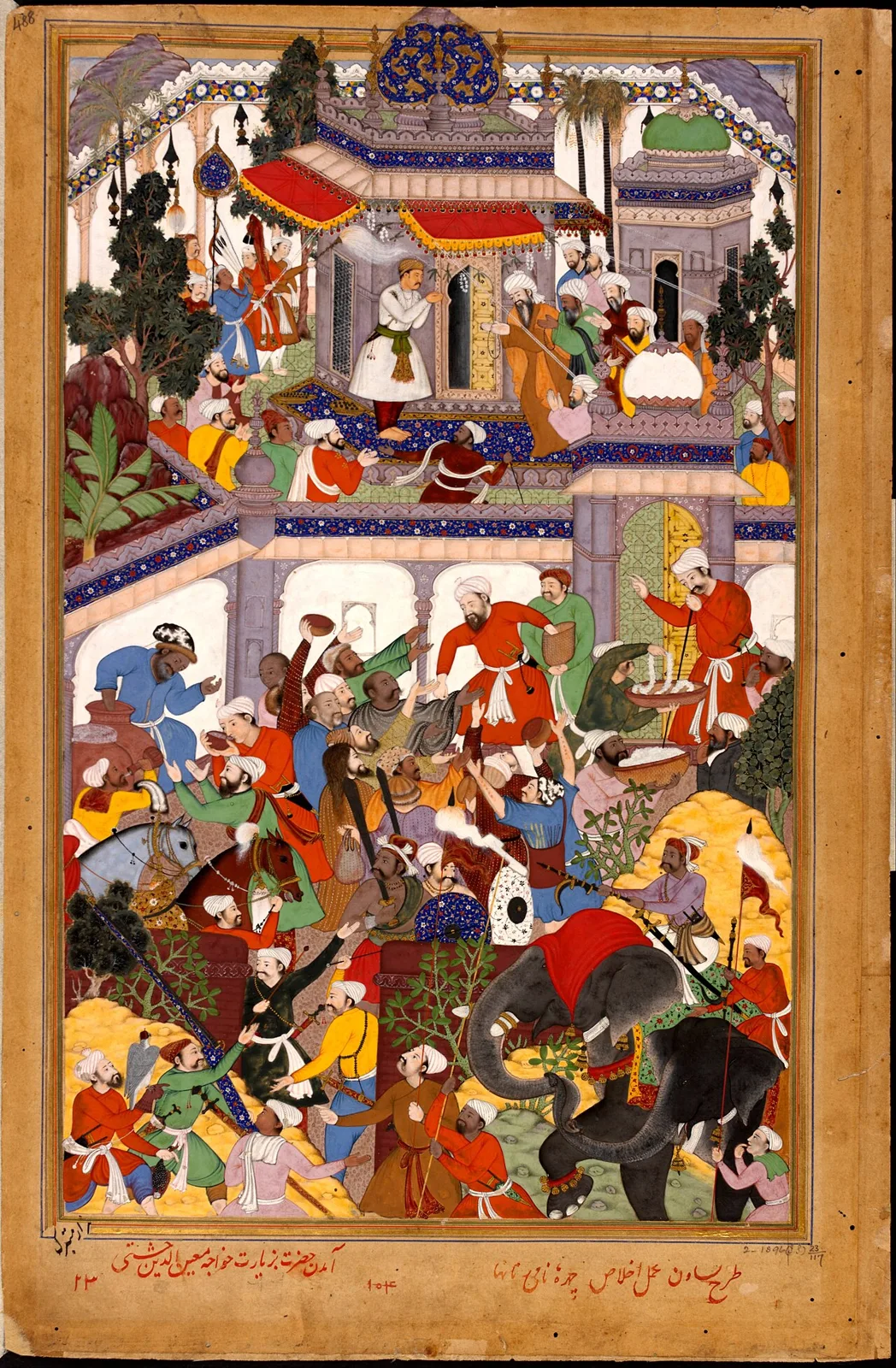
A Sufi pilgrimage complex in Ajmer, Rajasthan, centred on Mu'in al-Din Chishti’s shrine and including tombs and a mosque. Sunni Muslims visit in large numbers, particularly for Chishti’s urs.

Taragarh Fort, Ajmer

68 km away · Ajmer district

Taragarh Fort, Ajmer

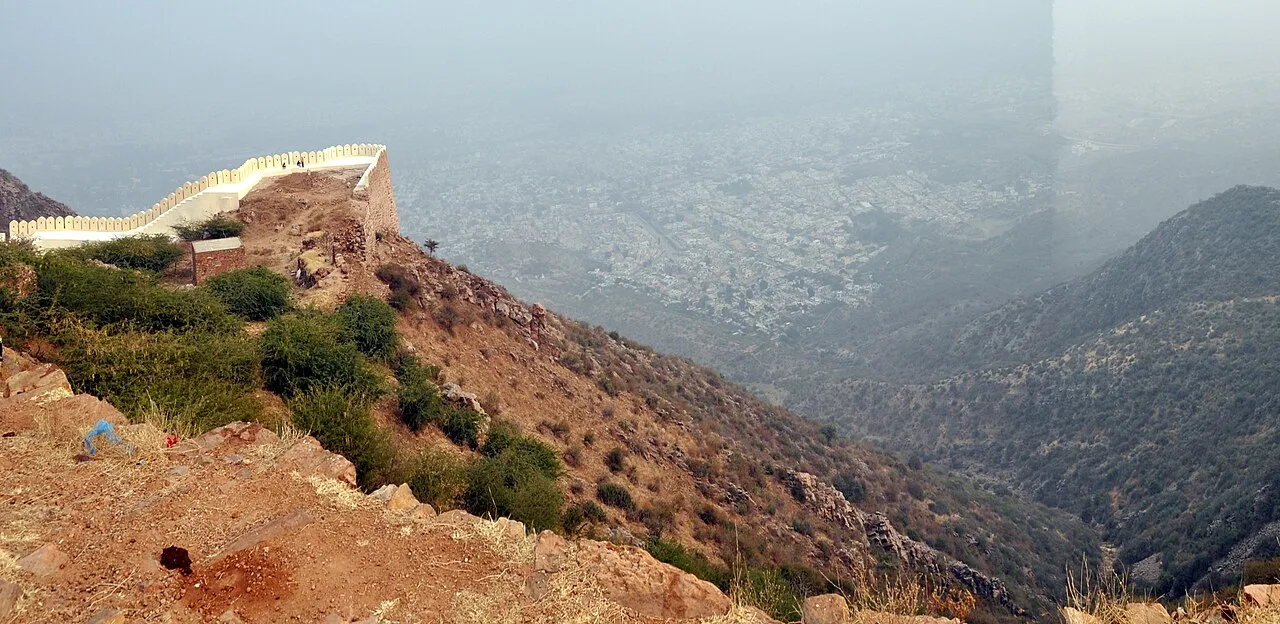
Set on a steep slope in Ajmer, Rajasthan, Taragarh Fort is a historic stronghold associated with the Parmar Rajputs and Ajayaraja Chauhan. Visitors come to see the fortress and learn about its earlier name, Ajaymeru Durg.

Map

Makrana on the map

  1. 1Sambhar Salt Lake
  2. 2Ana Sagar Lake
  3. 3Brahma Temple
  4. 4Pushkar
  5. 5Pushkar Lake
  6. 6Adhai Din Ka Jhonpra
  7. 7Shrine of Mu'in al-Din Chishti
  8. 8Taragarh Fort, Ajmer

Rajasthan

Other cities to explore