Ghumoopedia — Explore, Discover, Experience
Sign in
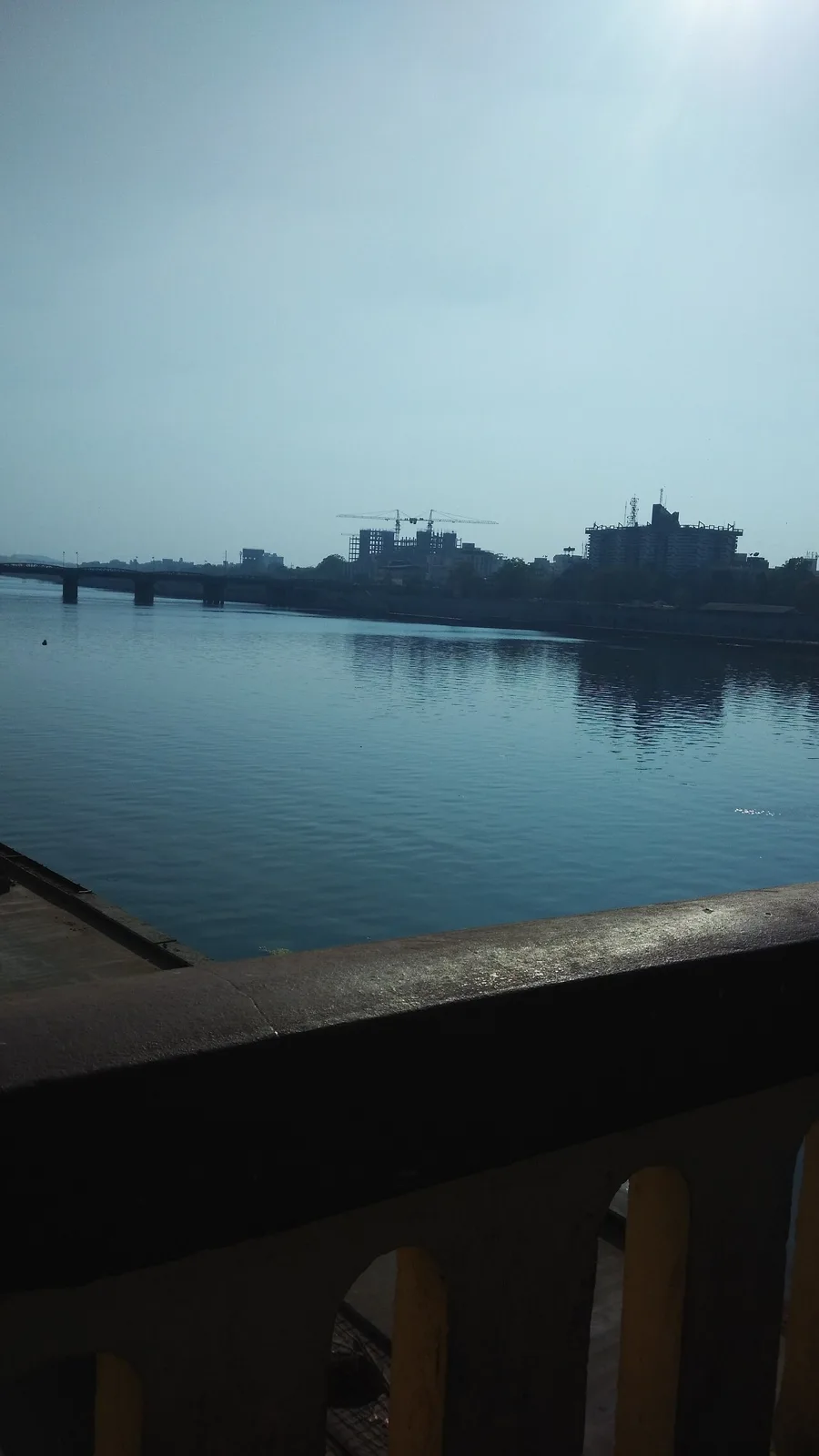
Dhebar Lake, near Dungarpur

City guide · Rajasthan

Dungarpur

Dungarpur is the administrative headquarters of its district and a historic centre of the Vagad region in southern Rajasthan. Its setting of hills, lakes and old stone buildings gives it a quieter character than the state’s major tourist cities, while its royal heritage and strong Bhil cultural presence make it a rewarding stop for travellers interested in regional history and living traditions.

Famous for

  • Juna Mahal palace
  • Udai Bilas Palace
  • Gaib Sagar Lake
  • Bhil and Vagad culture
  • Baneshwar tribal fair
  • Green marble and stonework

Why Dungarpur matters

Dungarpur is the administrative headquarters of its district and a historic centre of the Vagad region in southern Rajasthan. Its setting of hills, lakes and old stone buildings gives it a quieter character than the state’s major tourist cities, while its royal heritage and strong Bhil cultural presence make it a rewarding stop for travellers interested in regional history and living traditions.

The city’s best-known landmarks include the fortified Juna Mahal, the palace complex of Udai Bilas and the temples beside Gaib Sagar Lake. Visitors also use Dungarpur as a base for exploring nearby shrines, villages and the wider Vagad landscape. The winter Baneshwar fair, held in the region, draws large gatherings for worship, trade and community celebration. Dungarpur is especially associated with its former princely house, distinctive palace architecture and the cultures of the tribal communities who have shaped life in this part of Rajasthan.
Famous for: crafts, trade & products

Dungarpur is better known for its palaces, stonework and regional culture than for a signature saree or textile tradition. The wider district is associated with green marble and other stone, used in construction and decorative work. Visitors interested in local materials can ask about stone products at established dealers in the city, while the central bazaar and nearby shops are practical places to browse everyday clothing, printed fabrics, household goods and regional provisions.

Bhil and other local communities sustain craft and decorative traditions, though Dungarpur does not have a large, dedicated tourist craft market. Small shops may carry locally made items alongside goods brought in from elsewhere in Rajasthan. The city is not widely identified with a specific GI-tagged textile or craft, so shoppers should check the origin of any item sold as local. For a sense of the region’s built craftsmanship, the old palaces and temples are more distinctive than its retail scene; local guides can help visitors understand the stone details and architectural features.

History

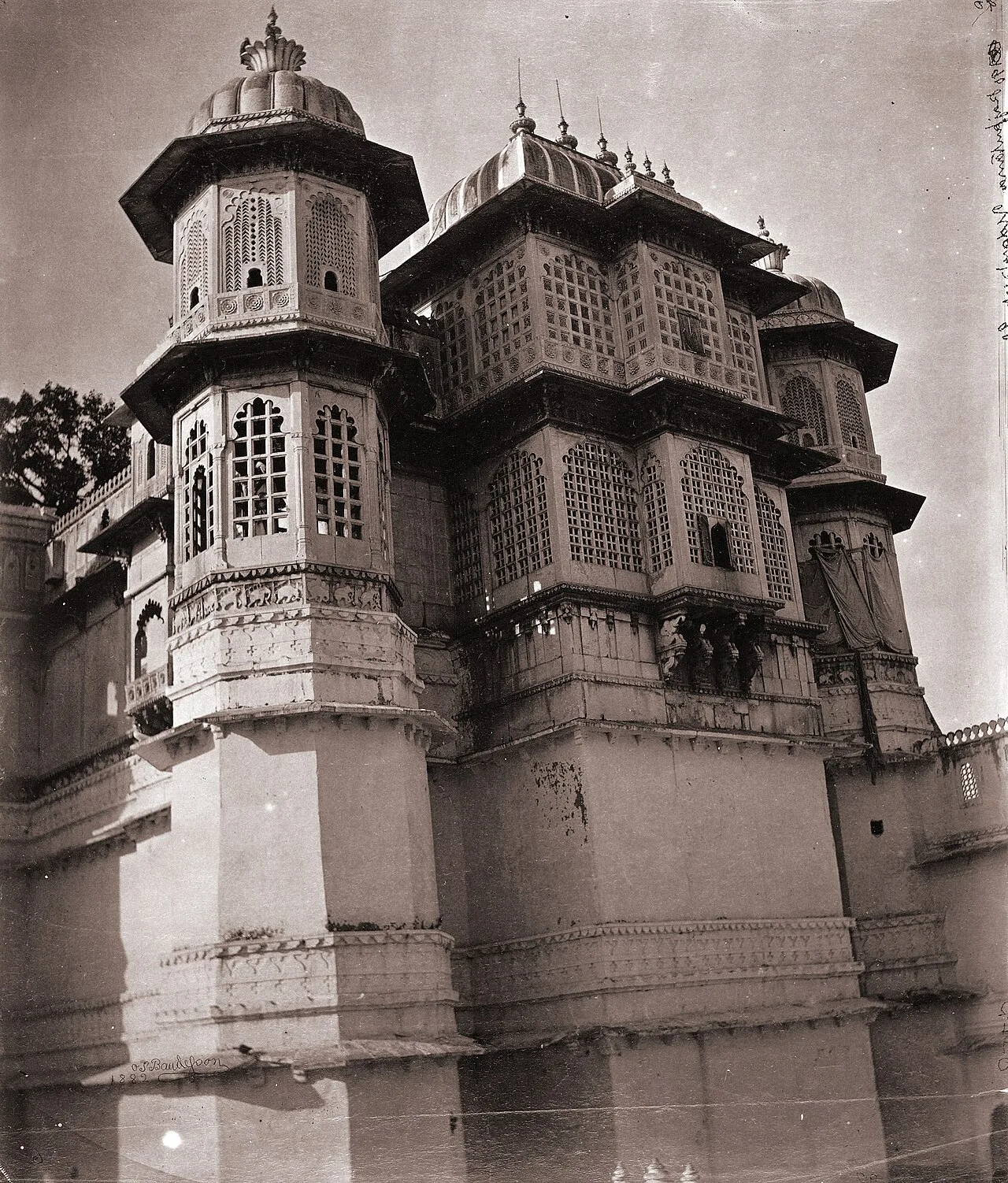
Dungarpur’s history is closely tied to the Guhilot rulers of Mewar. Its foundation is traditionally traced to Rawal Veer Singh in 1282, and its name is linked to Dungaria, a Bhil chieftain. The ruling house became known by the title Maharawal and claimed descent from the elder branch of the Mewar family. Dungarpur developed as the capital of a princely state in the Vagad region.

After Rawal Udai Singh of Bagar died fighting alongside Rana Sanga at the Battle of Khanwa in 1527, his territories were divided into Dungarpur and Banswara. The state later came under Mughal and Maratha influence, and entered a treaty relationship with the British in 1818. The princely state ended with India’s independence; its former territory became part of Rajasthan. Today, Dungarpur serves as the district headquarters, while its palaces and historic quarters preserve traces of its royal past.

Food, festivals & culture

Food in Dungarpur reflects both Rajasthan’s shared culinary traditions and the maize- and grain-based cooking common in the tribal south. Meals may include bajra or maize breads, lentils, seasonal vegetables and spicy chutneys; sweets such as laddoo and malpua are found at local sweet shops. Recipes and ingredients vary between households and villages, so visitors may find the region’s everyday cooking more revealing than a single signature dish.

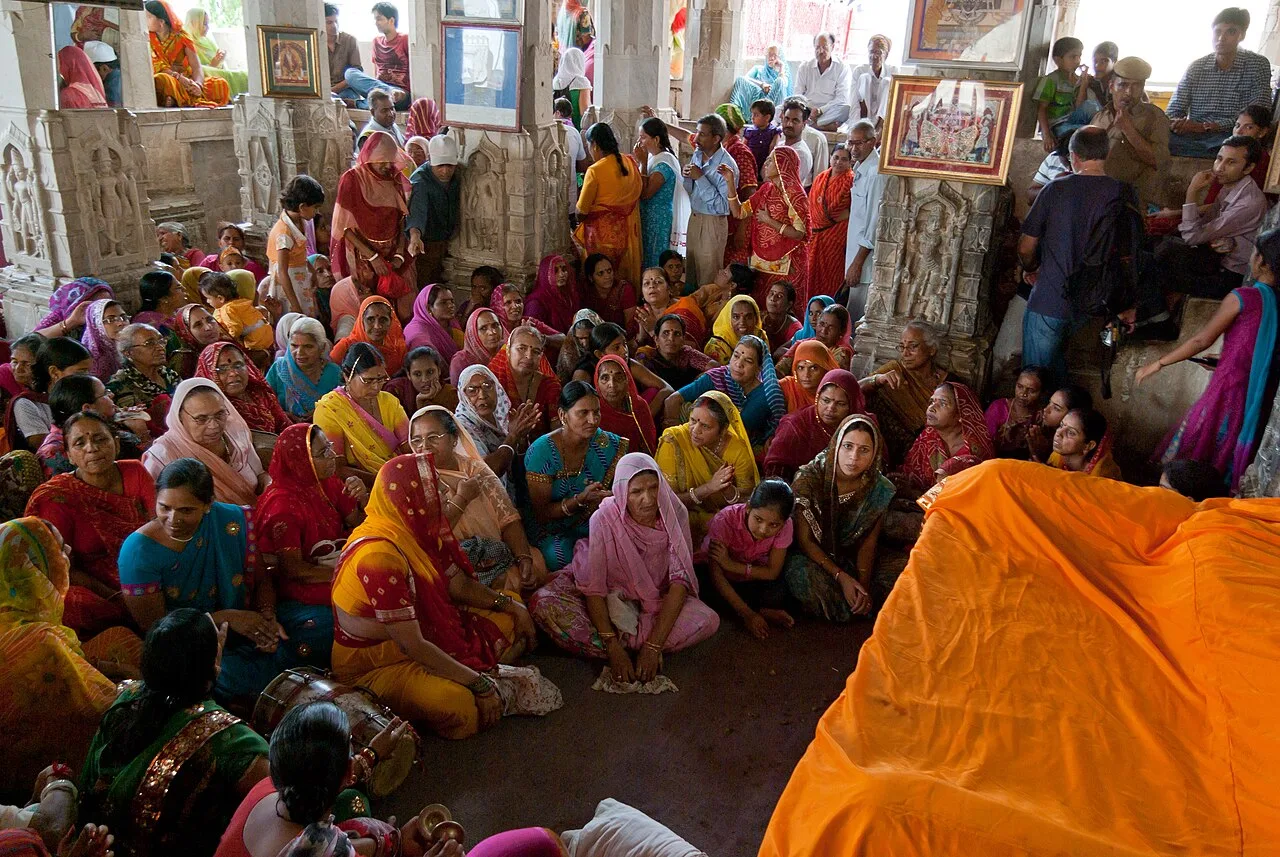
Holi, Diwali, Navratri and Gangaur are observed alongside community and temple celebrations. The Baneshwar fair, held in winter around Magh Purnima, is a major gathering for Bhil communities from the surrounding region. Folk songs, devotional music and energetic group dances are part of local celebrations, including Gair performances around Holi. Wagdi, also called Wagri, is widely associated with the region; Hindi and other Rajasthani varieties are also heard. Places of worship include the temples around Gaib Sagar Lake, while nearby Baneshwar and Galiyakot are important regional pilgrimage destinations.

Visiting the city

October to March is generally the most comfortable season to visit, with cooler weather for exploring the old city and nearby sites. The nearest major airport is Maharana Pratap Airport in Udaipur; Dungarpur also has its own railway station, Dungarpur railway station. Confirm onward connections before travelling, as services and road conditions can vary.

Auto-rickshaws and taxis are useful for short trips around town, while hired vehicles make it easier to reach sites beyond the centre. Explore the old-city lanes and palace area, then spend time around Gaib Sagar Lake and its temple precinct. The central bazaar offers a look at everyday local commerce. Baneshwar, Galiyakot and other outlying places are best planned as separate excursions.

Trips from the city

Nearest places to visit from Dungarpur

Our closest destination guides, by straight-line distance.

Dhebar Lake

55 km away · Udaipur district

Dhebar Lake

Dhebar Lake, also called Jaisamand, is a large reservoir in Rajasthan, known for its marble dam, islands and adjoining wildlife sanctuary. Visitors come to see its natural setting and historic links with Mewar.

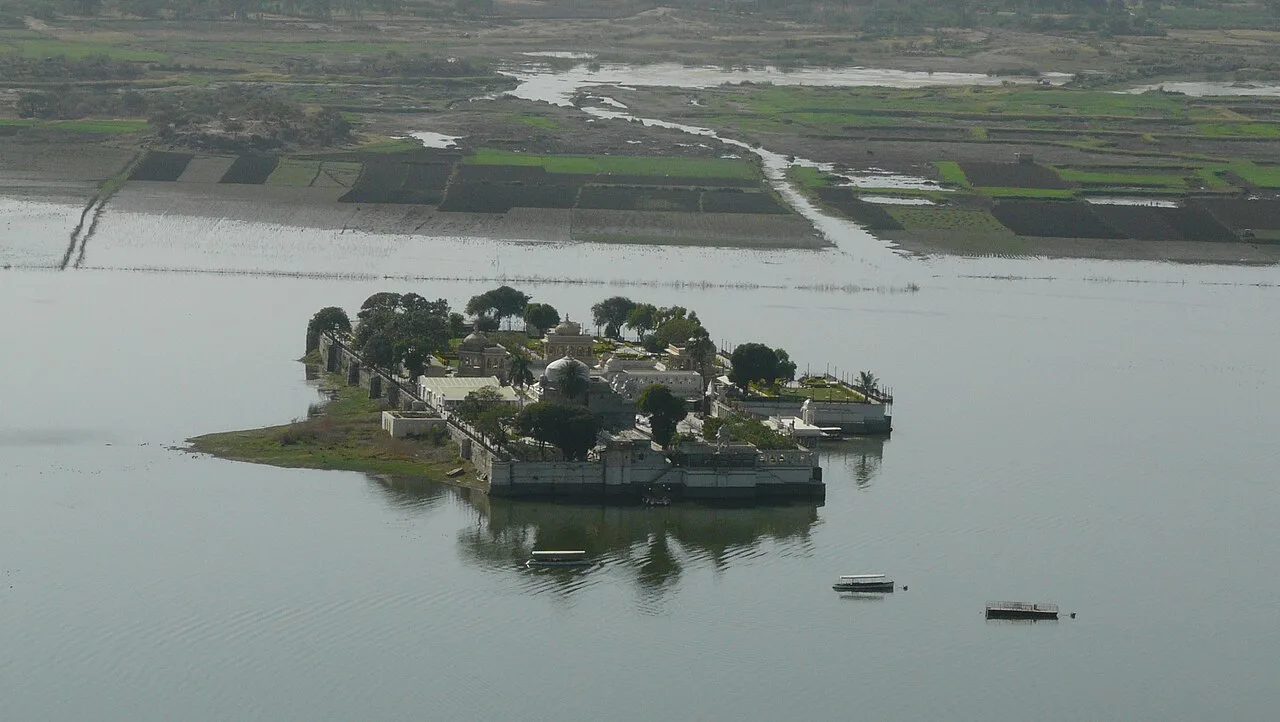
Jag Mandir Palace

81 km away · Udaipur district

Jag Mandir Palace

Set within Lake Pichola in Udaipur, Jag Mandir Palace is a royal island residence. Visitors are drawn to its history, Mughal-influenced design and past as a retreat, celebration venue and place of refuge.

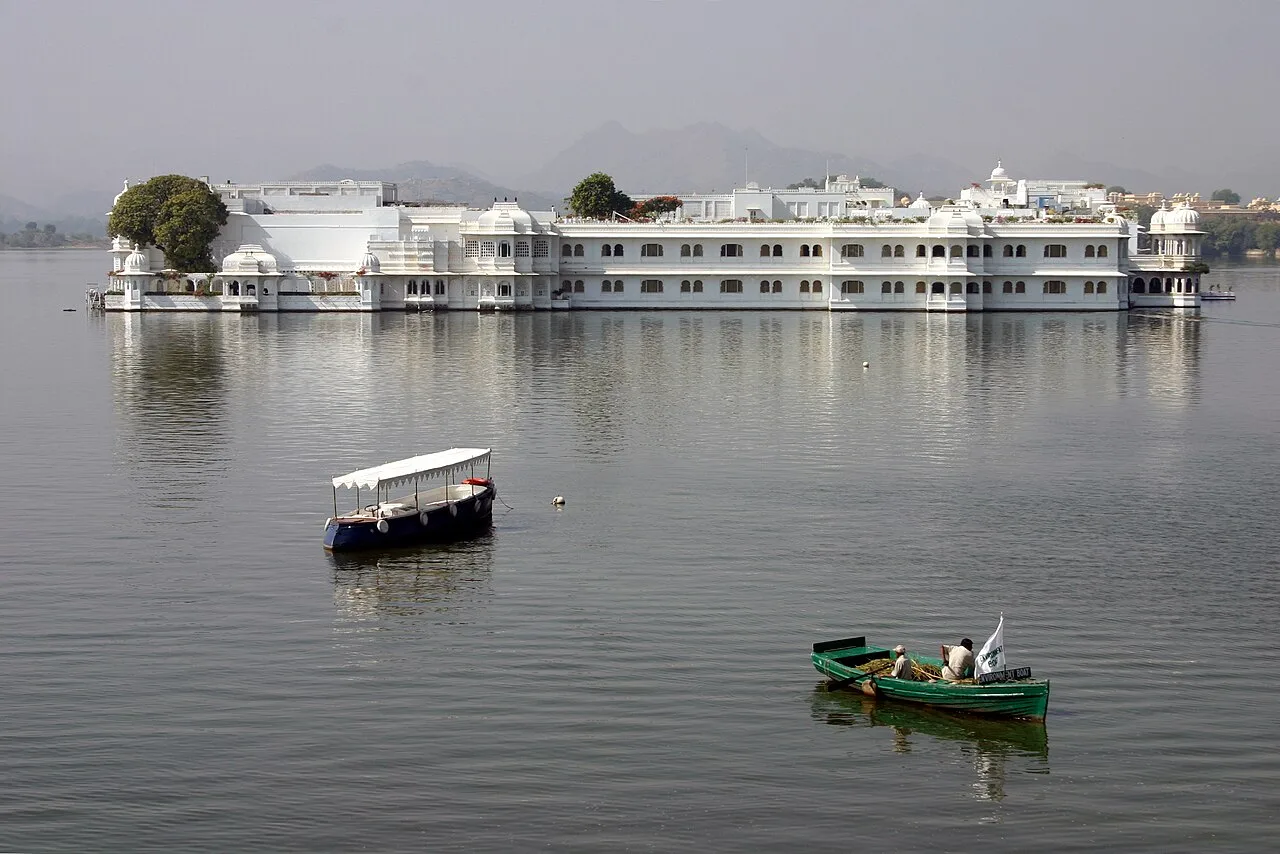
Lake Palace

81 km away · Udaipur district

Lake Palace

Lake Palace is a former Mewar royal summer residence on an island in Udaipur’s Lake Pichola, now a hotel. Visitors recognise it for its lake setting and appearances in several hit films.

Lake Pichola

81 km away · Udaipur district

Lake Pichola

Lake Pichola, in Udaipur city in the Indian state of Rajasthan, is an artificial freshwater lake, created in the year 1362, named after the nearby Picholi village.

City Palace, Udaipur

82 km away · Udaipur district

City Palace, Udaipur

Udaipur’s City Palace is a historic royal complex shaped by successive Mewar rulers. Visitors come to see its architecture, hilltop setting and views over Lake Pichola.

Jagdish Temple

82 km away · Udaipur district

Jagdish Temple

Jagdish Temple is a large Hindu place of worship in central Udaipur, Rajasthan, beside the royal palace. Visitors come to see this prominent city monument and its long-standing place of worship.

Fateh Sagar Lake

84 km away · Udaipur district

Fateh Sagar Lake

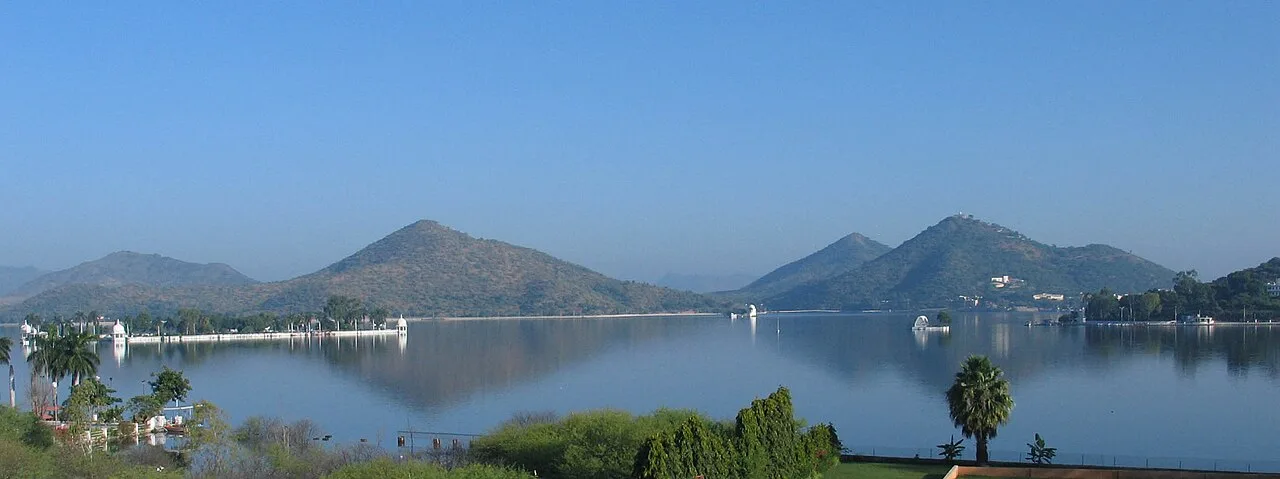
Fateh Sagar Lake is an artificial lake in Udaipur, Rajasthan. Visitors come to see its three islands, including parkland and the Udaipur Solar Observatory, while the lake also serves several water needs.

Monsoon Palace

84 km away · Udaipur district

Monsoon Palace

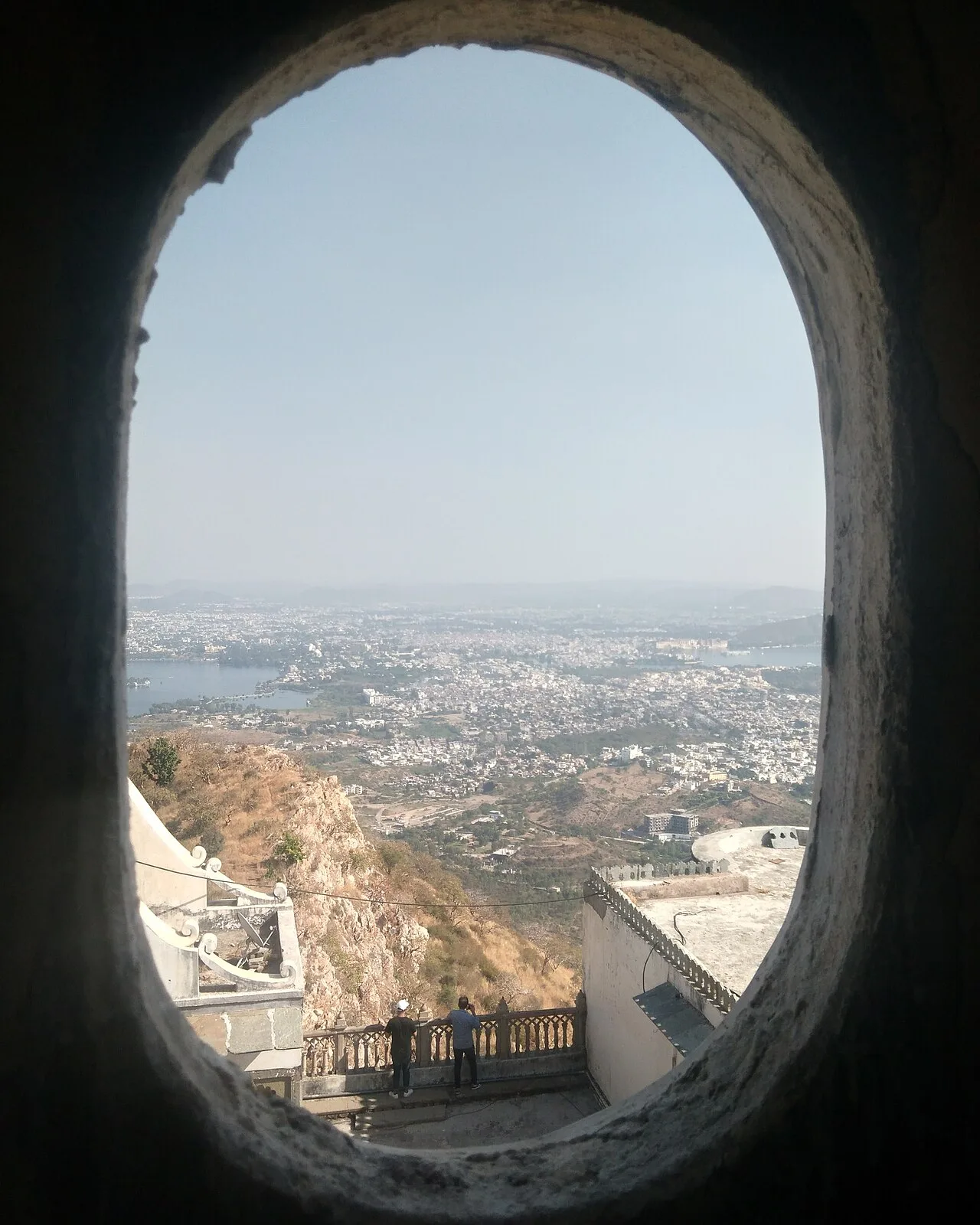
Above Udaipur in Rajasthan, Monsoon Palace, also known as Sajjangarh, was built for Maharana Sajjan Singh. Visitors come for its outlook over lakes, palaces and countryside, and for sunset views.

Map

Dungarpur on the map

  1. 1Dhebar Lake
  2. 2Jag Mandir Palace
  3. 3Lake Palace
  4. 4Lake Pichola
  5. 5City Palace, Udaipur
  6. 6Jagdish Temple
  7. 7Fateh Sagar Lake
  8. 8Monsoon Palace

Rajasthan

Other cities to explore