Ghumoopedia — Explore, Discover, Experience
Sign in
Deeg Palace, near Nagar

City guide · Rajasthan

Nagar

Nagar, also known as Brij Nagar, is a small town in eastern Rajasthan with a role that reaches beyond its local markets. It serves as the administrative headquarters of Nagar tehsil in Deeg district, among a wide network of surrounding villages.

Famous for

  • Oversized Nagar jaleba
  • Ram Navami fair
  • Braj–Mewat cultural meeting point
  • Ram Rath Yatra

Why Nagar matters

Nagar, also known as Brij Nagar, is a small town in eastern Rajasthan with a role that reaches beyond its local markets. It serves as the administrative headquarters of Nagar tehsil in Deeg district, among a wide network of surrounding villages. Set between Bharatpur, Alwar and Mathura, it lies in a cultural transition zone where Braj and Mewat influences meet. Residents describe it as a confluence of the two regions, reflected in local speech, customs and religious life.

The town’s best-known draw is its jaleba: a large, thick spiral sweet that is a distinctive local variation on jalebi. In spring, the Ram Navami fair brings people to the town for a chariot procession, performances and gatherings around the Ram temple. Nagar is not a major heritage-tourism centre, but it offers a close-up of everyday life in rural eastern Rajasthan and a useful stop for travellers exploring the Braj–Mewat belt. Its tehsil headquarters role also makes it a service and trading centre for nearby villages.
Famous for: crafts, trade & products

Nagar’s clearest product identity is its oversized jaleba, a larger, more substantial spiral than the familiar jalebi. Sweet shops in the main market are the natural place to look for it; customers also carry it beyond the town. The sweet is closely tied to Nagar’s reputation, rather than to a large-scale food-processing industry or a formal shopping district.

The town is not especially known for a signature textile, handicraft or GI-tagged product. Its market mainly serves local residents and people from the surrounding villages, with everyday shops and food sellers clustered around the central bazaar. Visitors can explore the market streets for the jaleba and a feel for local commerce, but should not expect a dedicated craft bazaar or specialist export market. Nagar’s other notable institution is its role as the tehsil headquarters, which supports administrative and public services for the surrounding area. For a more varied retail selection, larger nearby centres such as Bharatpur or Mathura offer broader markets.

History

The settlement grew as a local centre in the Braj–Mewat borderland, where routes and communities connected the plains around Bharatpur, Alwar and Mathura. In the eighteenth and nineteenth centuries, the wider area formed part of Bharatpur State, a Jat-ruled princely state whose principal centres included Bharatpur and Deeg. During the colonial period, Bharatpur remained a princely state under British paramountcy rather than becoming a directly administered British province.

Following Indian independence, the region was incorporated into Rajasthan, and Nagar became part of Bharatpur district. Its administrative importance continued as the headquarters of Nagar tehsil, serving nearby villages as well as the town. In 2023, Deeg district was formed from part of Bharatpur district, and Nagar tehsil was included in the new district. The town remains a local service centre, while its markets and annual religious gathering sustain its public life. Nagar is also part of the Nagar Assembly constituency and the Bharatpur parliamentary constituency.

Food, festivals & culture

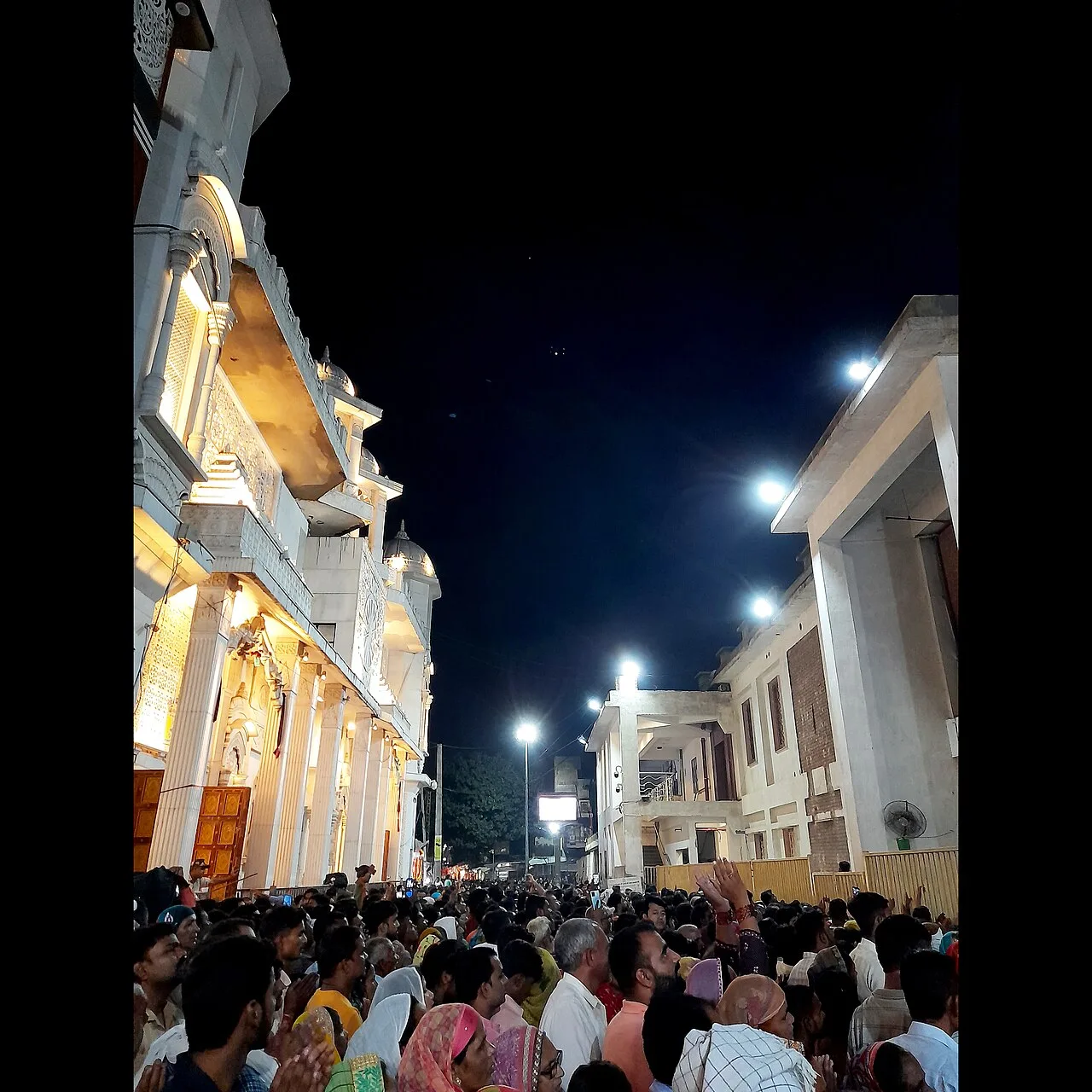
Food is central to Nagar’s public identity, especially its oversized jaleba, sold by local sweet shops and often shared or carried away for others. The town’s most prominent annual event is the Ram Navami fair, held in spring. A Ram Rath Yatra travels through the main market towards the town’s Ram temple, accompanied by local cultural programmes. Nautanki theatre and kavi sammelan, or poets’ gatherings, are among the performances associated with the celebrations.

Everyday speech reflects the town’s position between cultural regions: Hindi and Braj are heard, alongside Mewati influences. Religious observance centres on the Ram temple and Hindu festivals, with Ram Navami drawing a particularly visible gathering. The fair brings together residents of Nagar and nearby villages, combining worship, entertainment and market activity. Rather than a single formal dance or music tradition defining the town, its cultural life is expressed through devotional processions, local performance and community events.

Visiting the city

The cooler months from October to March are generally the most comfortable for exploring Nagar; spring is a good time to experience the Ram Navami fair, whose date varies each year. Agra’s Kheria Airport is a nearby airport option, while Delhi’s Indira Gandhi International Airport offers a larger gateway. Deeg railway station is a nearby rail stop; Mathura Junction is a larger interchange for broader rail connections. Check current onward transport before setting out.

Nagar is most easily explored on foot around the central market and the Ram temple, especially during festival activity. Local buses and road transport connect the town with nearby settlements; taxis or hired cars can be useful for visiting the wider region. Allow time for the bazaar and surrounding streets, where sweet shops and everyday trade are concentrated. Bharatpur, Deeg and Mathura make useful regional companions for a longer journey.

Trips from the city

Nearest places to visit from Nagar

Our closest destination guides, by straight-line distance.

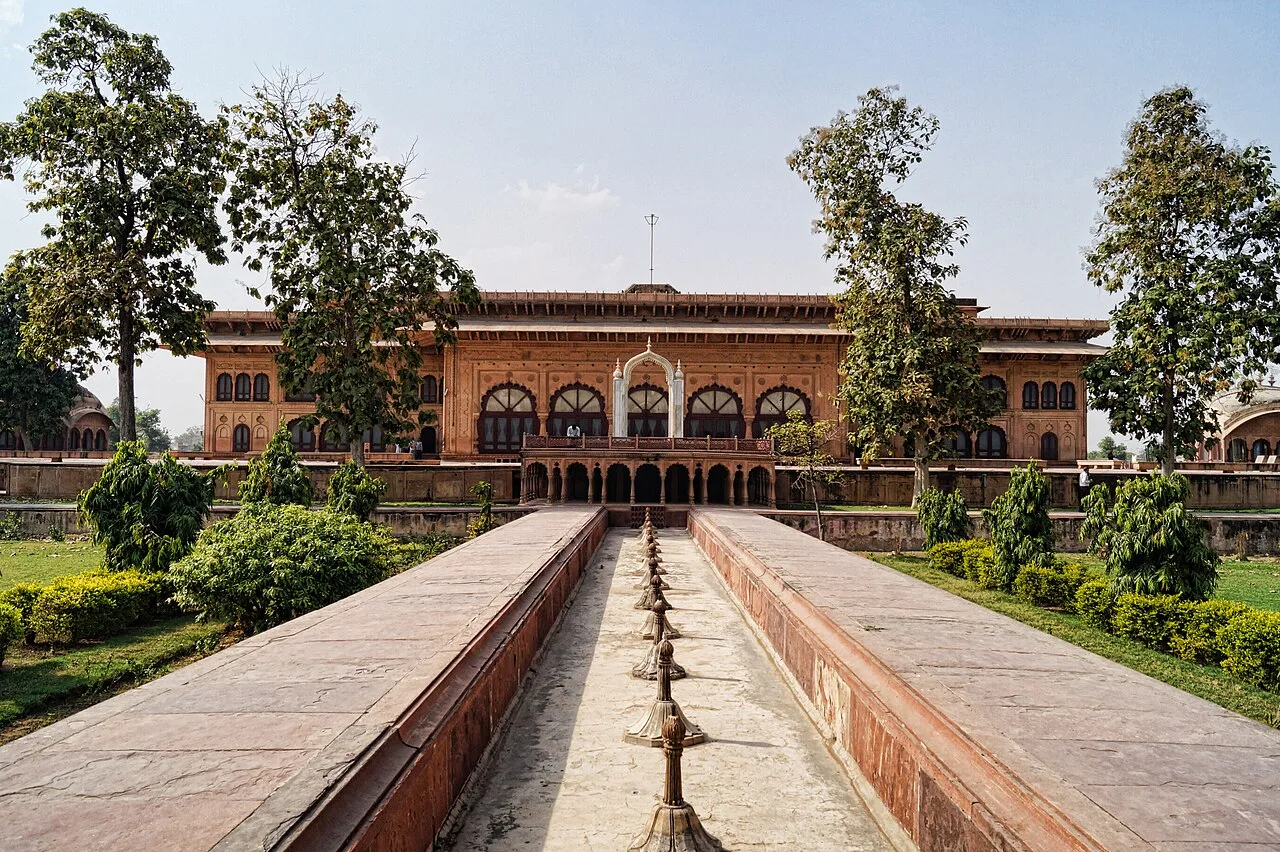
Deeg Palace

23 km away · Bharatpur district

Deeg Palace

Deeg Palace is an eighteenth-century royal summer residence in Rajasthan; visitors come to see its Mughal and Rajput design and learn about its former defensive role.

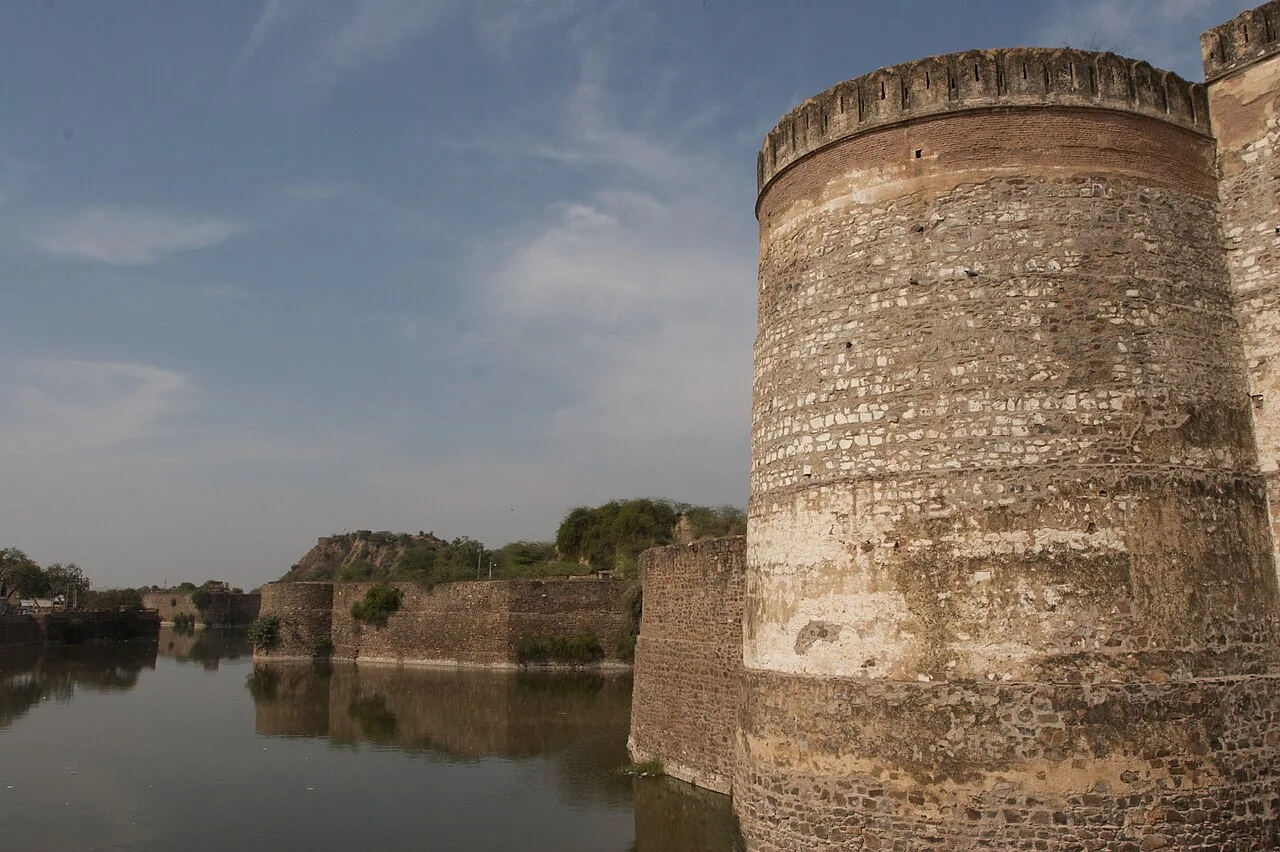
Lohagarh Fort

45 km away · Bharatpur district

Lohagarh Fort

Lohagarh Fort is an eighteenth-century stronghold in Bharatpur, Rajasthan, commissioned by Maharaja Suraj Mal in 1732. Visitors learn about its resistance to British attacks and its eventual capture.

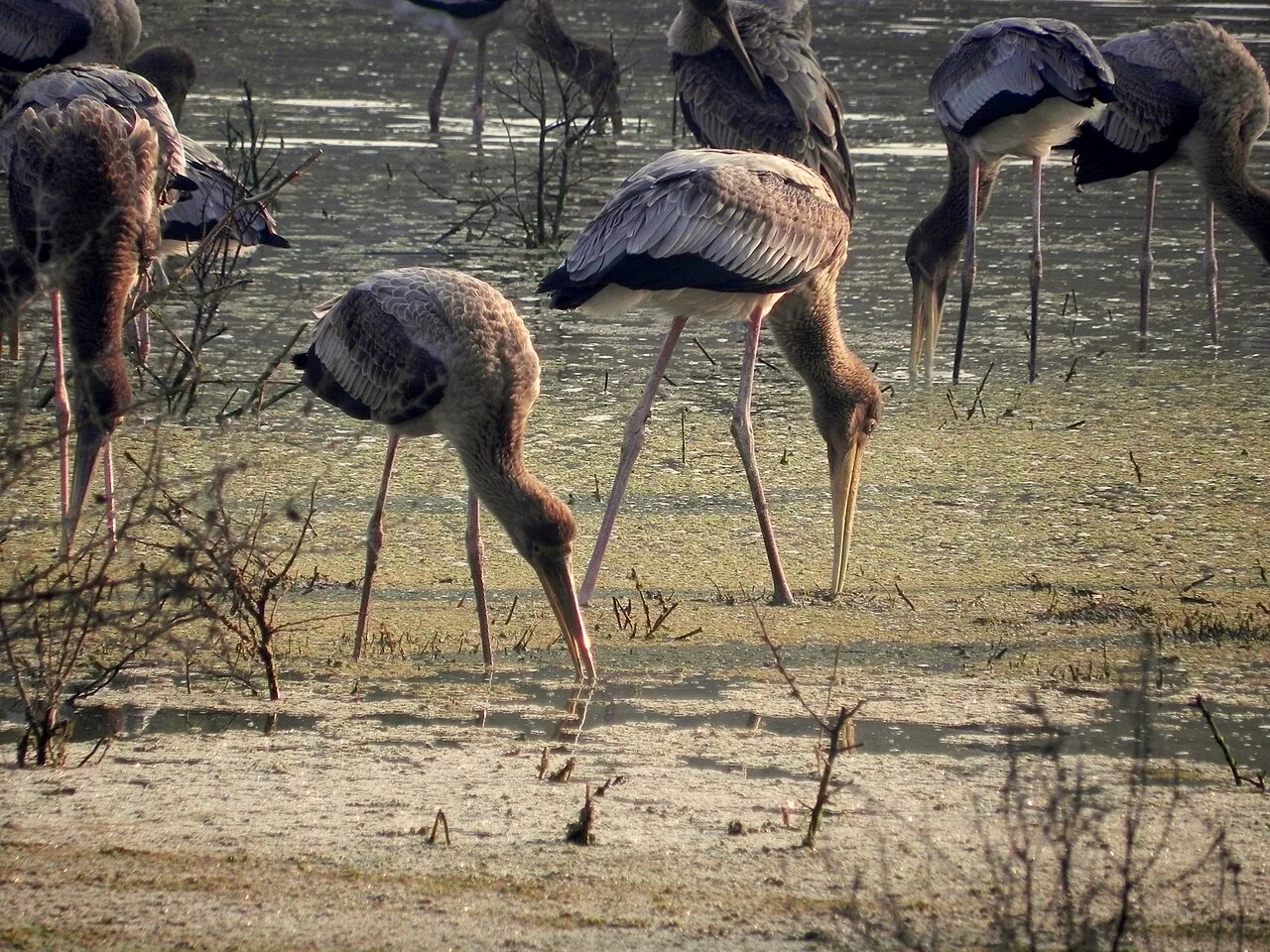
Keoladeo National Park

50 km away · Bharatpur district

Keoladeo National Park

Keoladeo National Park is a wetland and wildlife reserve in Bharatpur district, Rajasthan. Visitors come to see its varied birdlife, particularly the many species that gather there during winter.

Siliserh Lake

57 km away · Alwar district

Siliserh Lake

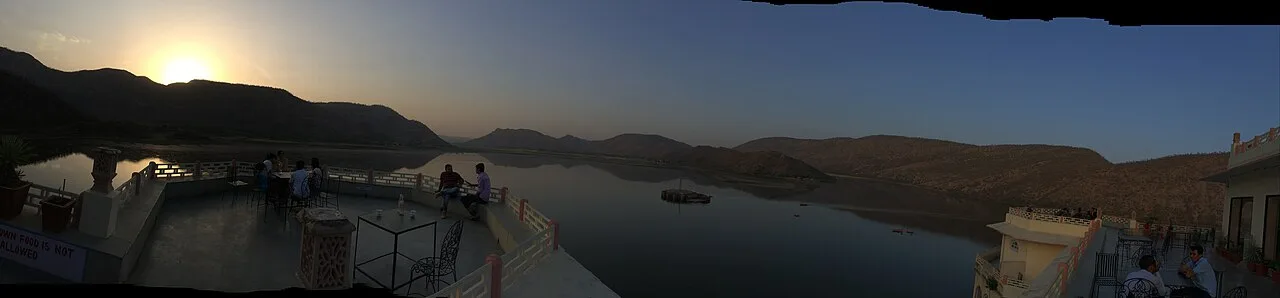
Siliserh Lake is an artificial lake in Rajasthan, southwest of Alwar, with wooded banks and cenotaphs along its embankment that visitors come to see.

Mehandipur Balaji Temple

62 km away · Dausa district

Mehandipur Balaji Temple

In Rajasthan’s Dausa district, Mehandipur Balaji Temple is a Hindu place of worship devoted to Hanuman. Pilgrims visit for its reputation for ritual healing and ceremonies to remove evil spirits.

Sariska Tiger Reserve

66 km away · Alwar district

Sariska Tiger Reserve

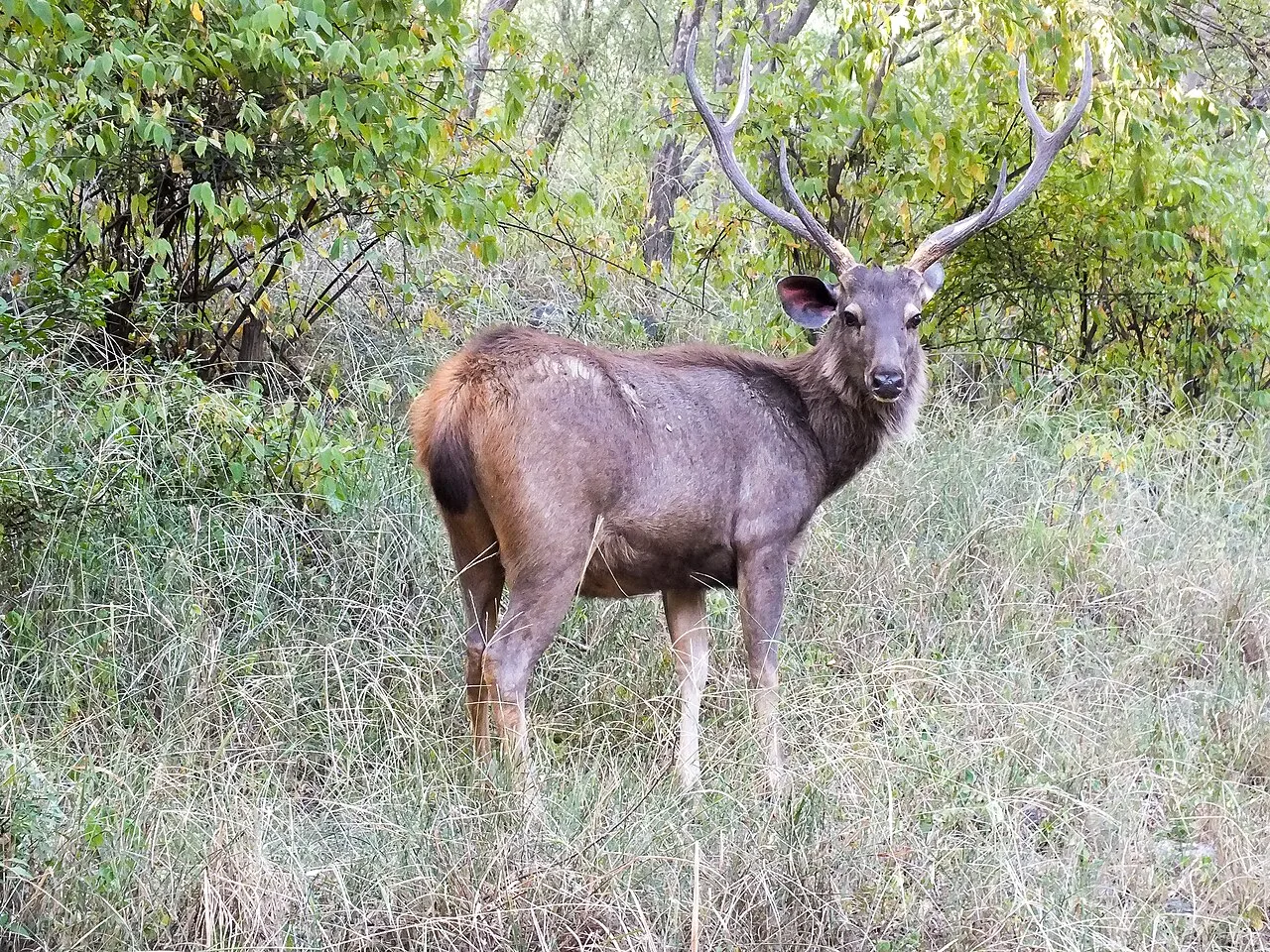
Sariska Tiger Reserve, in Rajasthan’s Alwar district, is a protected area with tiger-reserve status and varied forest, grassland and rocky habitats. Visitors come to experience its wildlife and conservation setting.

Chand Baori

67 km away · Dausa district

Chand Baori

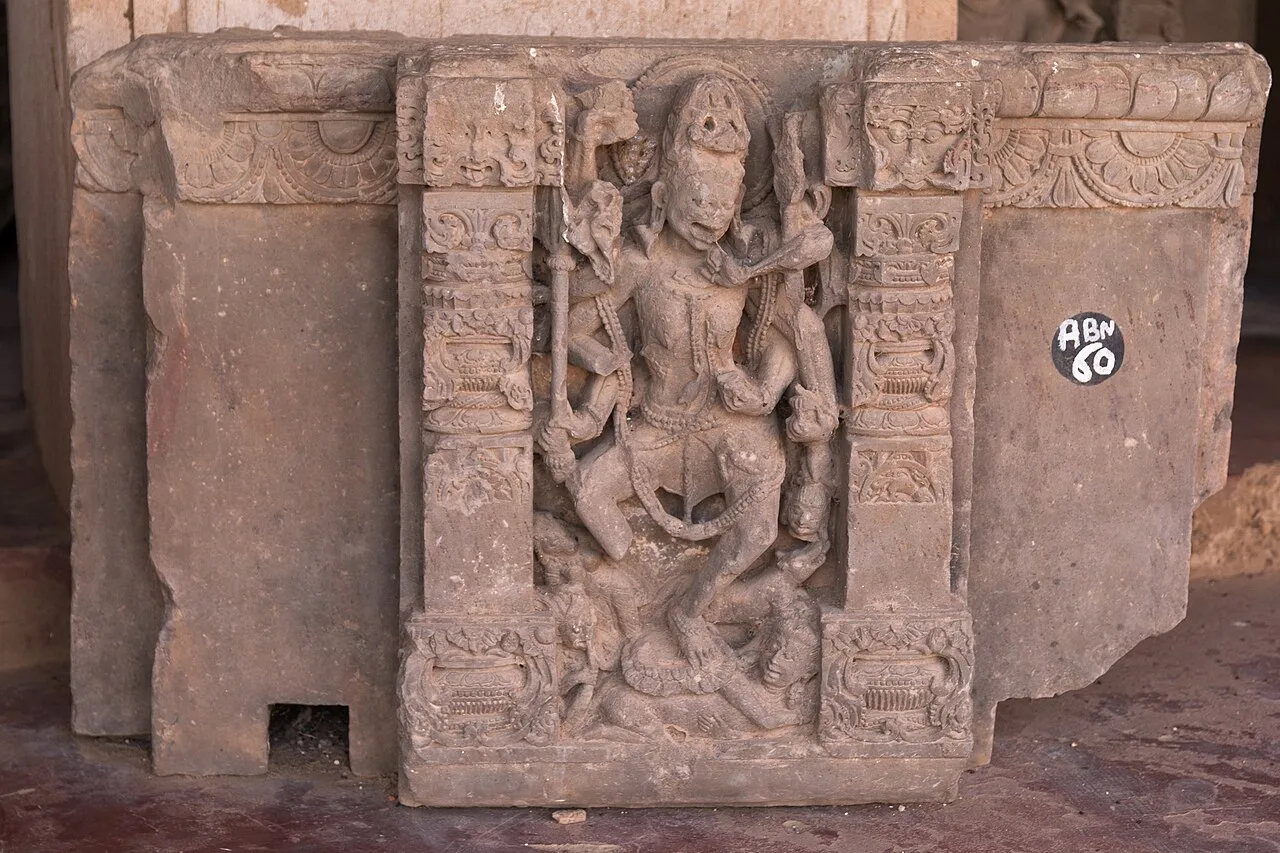
In Abhaneri, Chand Baori is a historic Rajasthan stepwell known for its depth and tiered stairways. Visitors come to see its inverted-pyramid layout and large reservoir.

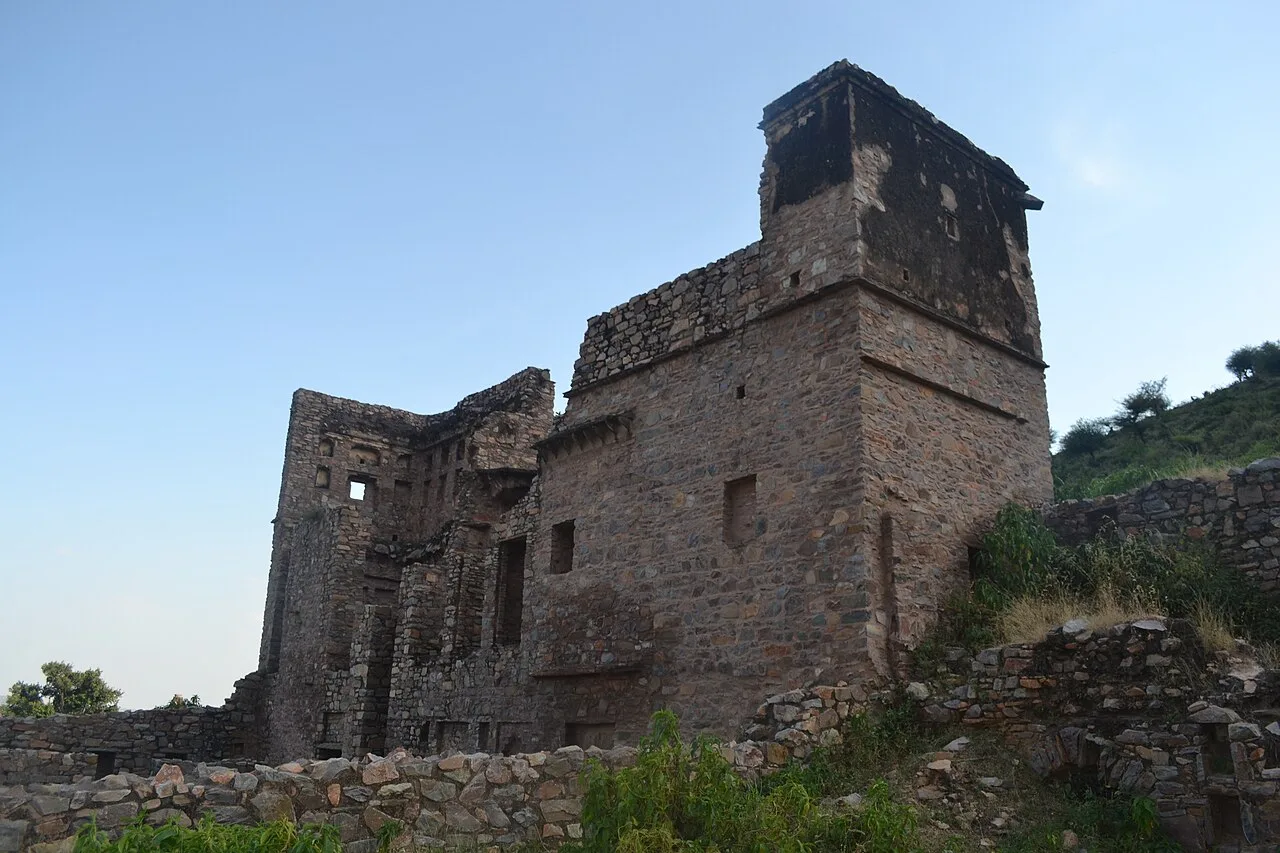
Bhangarh Fort

88 km away · Alwar district

Bhangarh Fort

Dating to the sixteenth century, Bhangarh Fort in Rajasthan is linked to Madho Singh’s residence. Visitors come to view the preserved fort and its surrounding precincts.

Map

Nagar on the map

  1. 1Deeg Palace
  2. 2Lohagarh Fort
  3. 3Keoladeo National Park
  4. 4Siliserh Lake
  5. 5Mehandipur Balaji Temple
  6. 6Sariska Tiger Reserve
  7. 7Chand Baori
  8. 8Bhangarh Fort

Rajasthan

Other cities to explore