Ghumoopedia — Explore, Discover, Experience
Sign in
Samode, near Ajeetgarh

City guide · Rajasthan

Ajeetgarh

Ajeetgarh, also spelled Ajitgarh, is a town in Shrimadhopur tehsil of Rajasthan’s Sikar district. Its principal importance is regional and administrative: it is a municipality and a sub-division within Sikar Division, serving residents and surrounding settlements with local civic and public services.

Famous for

  • Municipal town in Sikar district
  • Sub-divisional administrative centre
  • Shrimadhopur tehsil location
  • Shekhawati-region setting

Why Ajeetgarh matters

Ajeetgarh, also spelled Ajitgarh, is a town in Shrimadhopur tehsil of Rajasthan’s Sikar district. Its principal importance is regional and administrative: it is a municipality and a sub-division within Sikar Division, serving residents and surrounding settlements with local civic and public services. This makes it a useful stop for people travelling through the area, though it is not widely established as a major visitor destination in its own right.

The town sits within the wider Shekhawati landscape of northeastern Rajasthan, a region associated with historic settlements, rural life and strong Rajasthani traditions. Visitors may come for local connections, routine business or to experience everyday town life rather than for a nationally recognised monument or specialised attraction. Ajeetgarh is best understood as a working regional centre: its civic role, links with nearby communities and position in the Sikar district give it importance beyond its modest profile on tourist itineraries. For a broader sightseeing trip, travellers can use it as a base or transit point while planning separately for better-known destinations elsewhere in the region.
Famous for: crafts, trade & products

Ajeetgarh is not widely identified with a particular textile, saree, handicraft or food product, and no city-specific GI-tagged product is established here. Its most evident role is as a local administrative and service centre. The town’s shops and everyday market activity are primarily relevant to residents and people from nearby settlements; visitors looking for routine provisions or locally available goods should begin around the central bazaar and civic area. Individual stock and specialist products can vary, so it is sensible to ask locally rather than travel expecting a particular craft or brand.

The wider Sikar and Shekhawati region has a distinctive cultural landscape, but products associated with other towns should not automatically be attributed to Ajeetgarh. Nor should shoppers assume that an item sold locally carries a geographical indication unless its label and certification confirm this. For visitors, the market is most useful as a window into ordinary trade and daily life. Those seeking specialist handicrafts or regional souvenirs may need to plan stops in larger towns with established visitor markets.

History

Ajeetgarh’s documented profile is chiefly that of a local town and administrative centre in Shrimadhopur tehsil. Its present municipal and sub-divisional roles reflect the development of local government and public administration in modern Rajasthan. A specific founding date or well-established account of the town’s early rulers is not available in the commonly documented outline of its history, so claims about a named founder or a particular fort should be treated cautiously.

The broader Sikar district belongs to Shekhawati, a region whose history includes Rajput-ruled estates and the influence of the Jaipur princely state. During the colonial period, Jaipur remained a princely state under British paramountcy rather than becoming a directly administered British province. After independence and the formation of Rajasthan, administrative structures evolved to serve the district’s towns and rural communities. Ajeetgarh’s current municipal and sub-divisional functions are part of that modern regional framework. Its history is therefore best approached through the wider story of Shekhawati and Sikar, while distinguishing that regional background from town-specific events that are not firmly recorded.

Food, festivals & culture

Daily life in Ajeetgarh reflects the wider culture of northeastern Rajasthan. Hindi is used in public life, alongside local Rajasthani speech, including forms associated with the Shekhawati region. Meals commonly found across the region include bajre ki roti, dal baati churma, gatte-based dishes and seasonal preparations; sweets such as ghevar are especially associated with festive occasions. These are regional foods rather than specialties uniquely identified with Ajeetgarh.

Holi, Diwali, Teej and Gangaur are among the festivals observed across Rajasthan, with their usual celebrations falling in spring, autumn and the monsoon season according to the lunar calendar. Local observances may vary from year to year. Religious and community life is centred on neighbourhood places of worship and family gatherings; visitors should ask residents for guidance on specific local sites or events. Rajasthani folk singing and dance traditions form part of the broader cultural setting, though performances are generally tied to festivals and community occasions rather than a regular visitor programme. Ajeetgarh’s culture is best encountered through respectful everyday interaction and seasonal celebrations.

Visiting the city

The cooler months, roughly from October to March, are generally the most comfortable time to visit Rajasthan. Summers can be very hot, while monsoon conditions may bring rain and humidity. Jaipur International Airport is the nearest major airport for most travellers. Shrimadhopur railway station is a practical station to check for rail access; services and onward connections should be confirmed when planning a journey.

Within Ajeetgarh, local roads, auto-rickshaws where available and hired vehicles are the most practical ways to get around. The central market and municipal area are useful places to begin exploring everyday town life. There is no clearly established tourist neighbourhood or dedicated sightseeing circuit, so visitors should ask locally about current access to nearby places of interest. Ajeetgarh works best as a regional stop or a visit connected to family, local business or travel through Sikar district.

Trips from the city

Nearest places to visit from Ajeetgarh

Our closest destination guides, by straight-line distance.

Samode

24 km away · Jaipur district

Samode

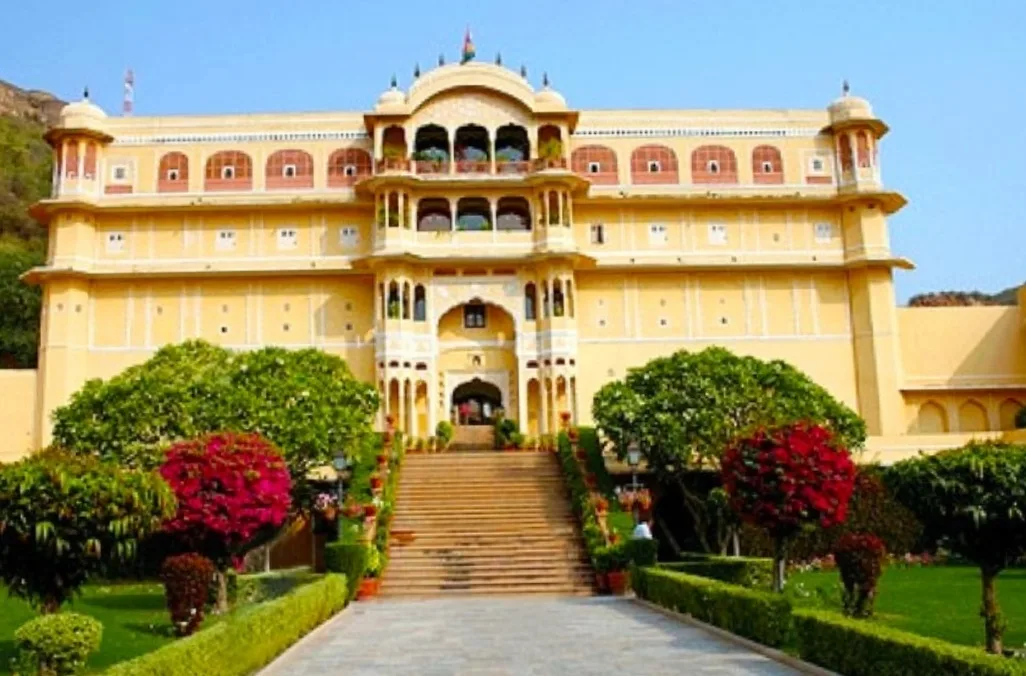
Samode is a village in Rajasthan’s Aravalli hills, north-west of Jaipur. Visitors come for its palace, haveli and garden, historic properties now operated as heritage hotels.

Khatu Shyam Temple

42 km away · Sikar district

Khatu Shyam Temple

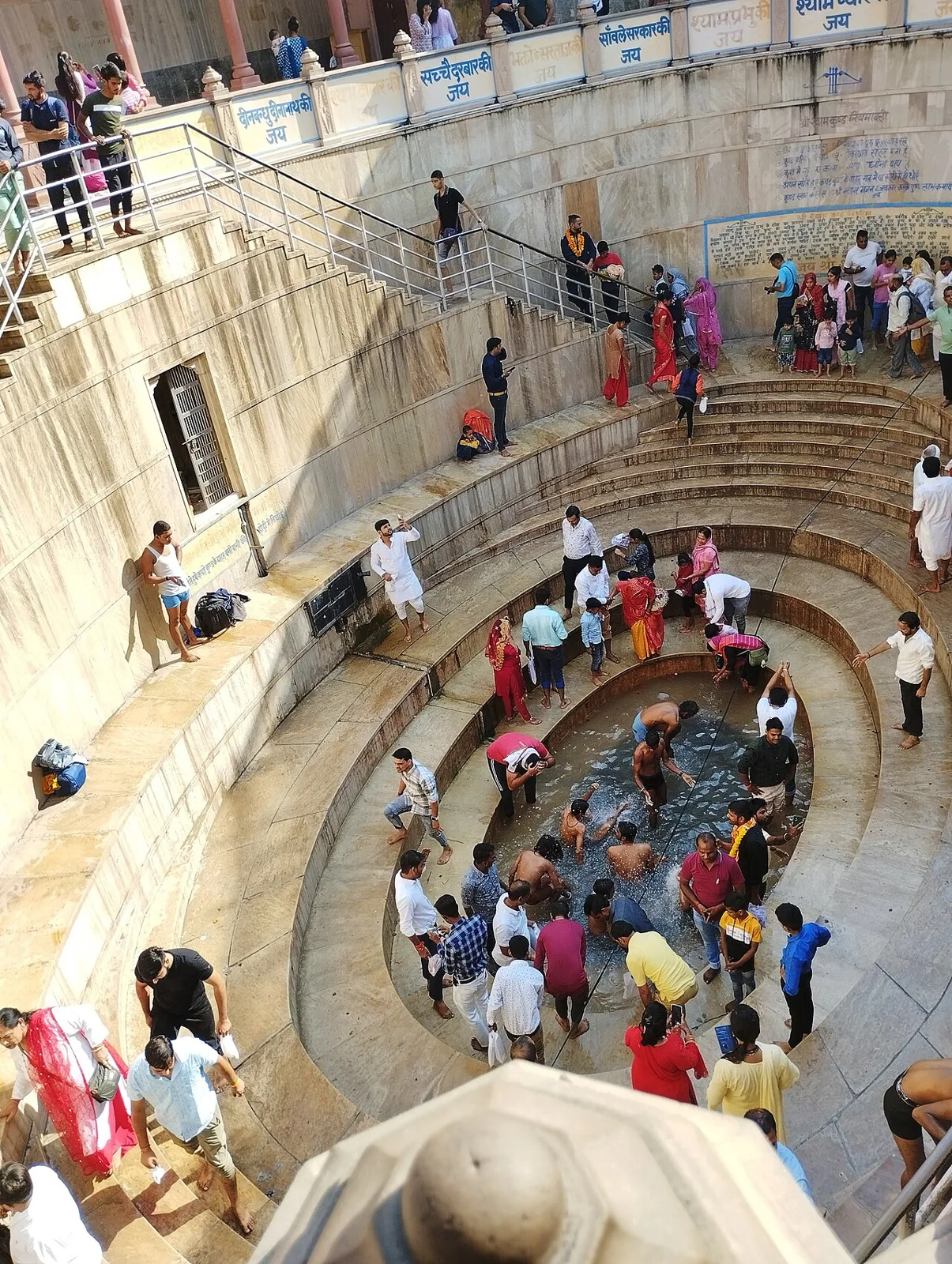
In KhatuShyamJi town, Rajasthan, this Hindu shrine honours Khatu Shyam, believed to be a divine manifestation of Barbareek from the Mahabharat. Pilgrims visit throughout the year, especially for the Falgun Mela.

Amber Fort

48 km away · Jaipur district

Amber Fort

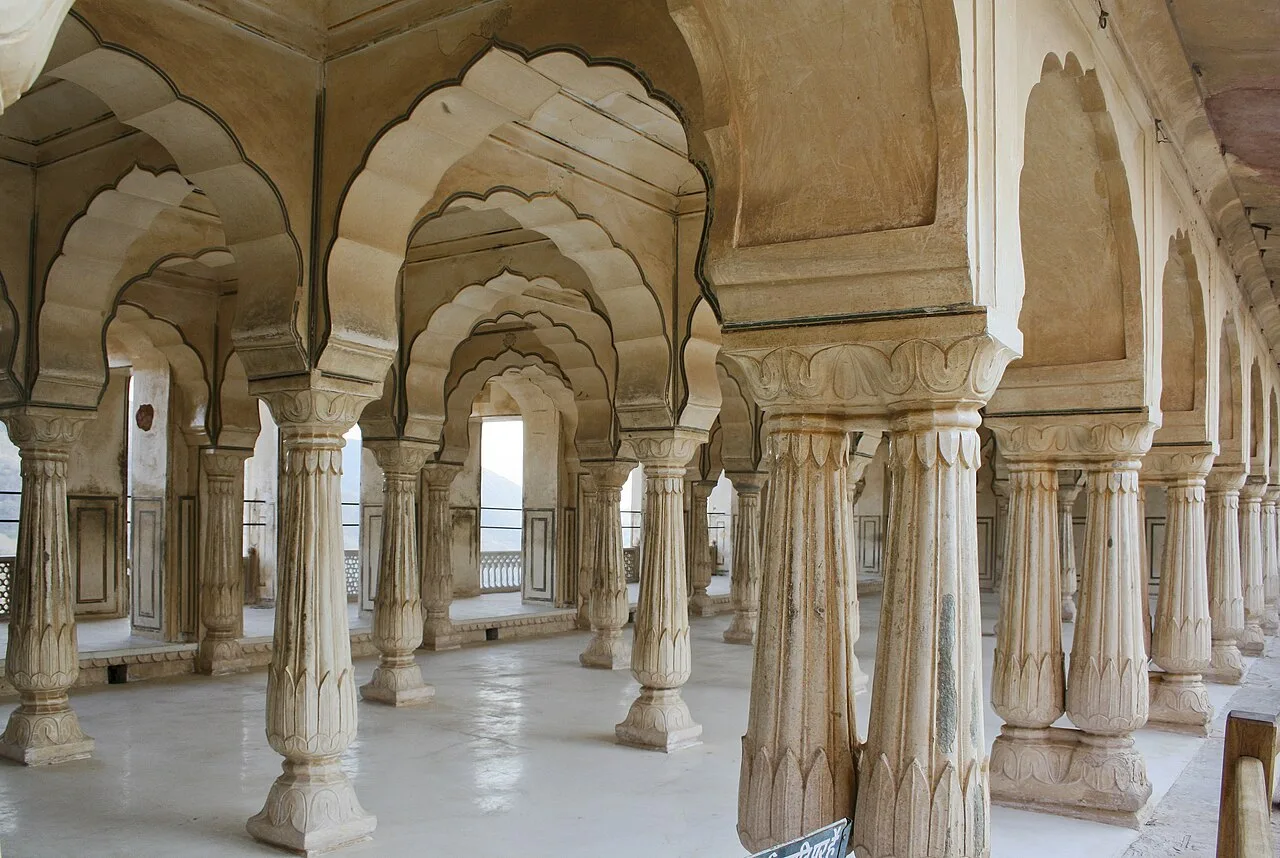
Amber Fort, also known as Amer Palace, is a hilltop fort in Amer, Rajasthan. Visitors explore its Rajput and Mughal-influenced design, palace halls and setting above Maota Lake.

Jaigarh Fort

48 km away · Jaipur district

Jaigarh Fort

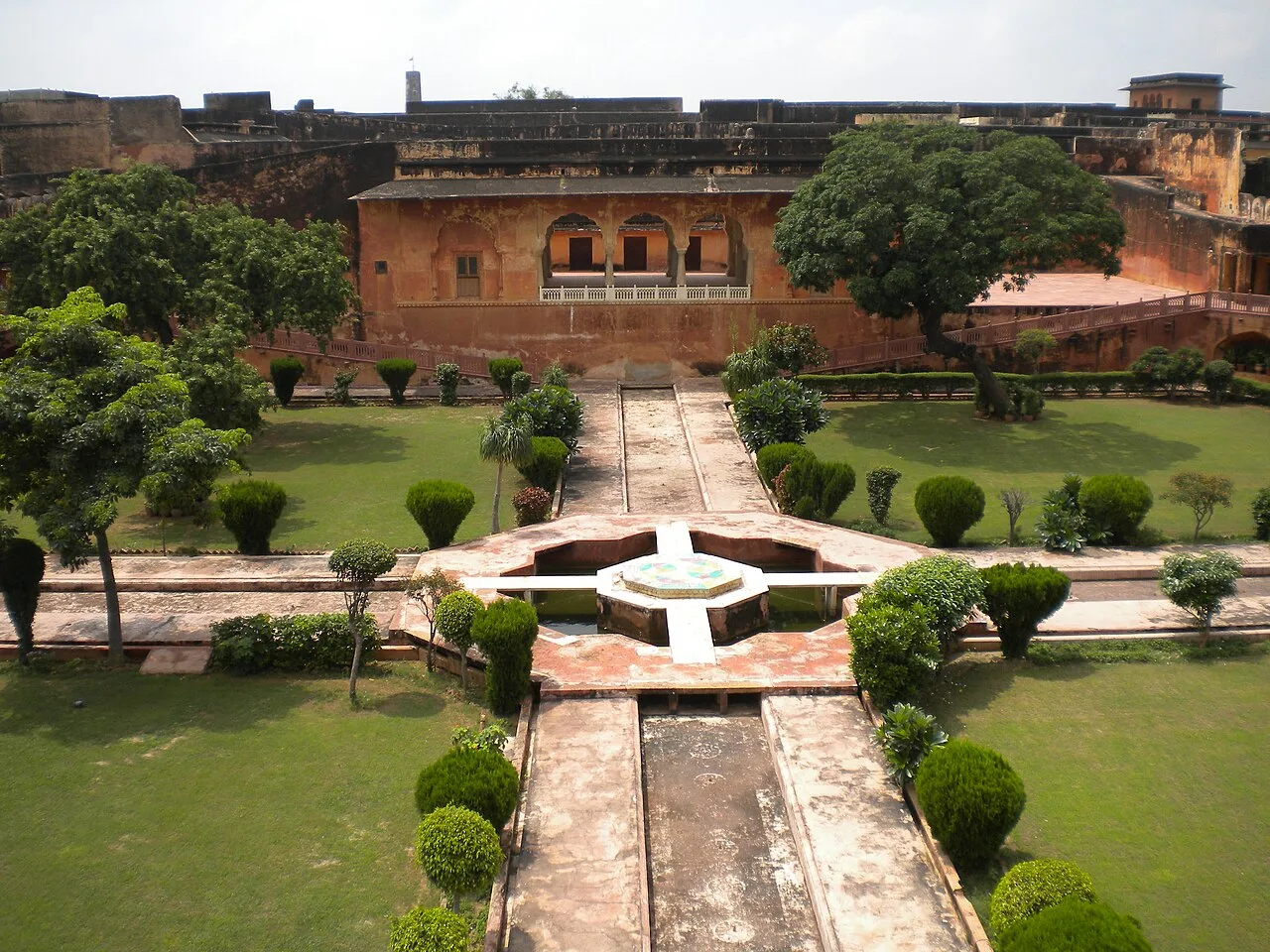
Near Amer in Rajasthan, Jaigarh Fort occupies a hilltop above Amer Fort and Maota Lake. Visitors come to see its historic fortifications, its connection to Amer Fort and the Jaivana cannon.

Jal Mahal

52 km away · Jaipur district

Jal Mahal

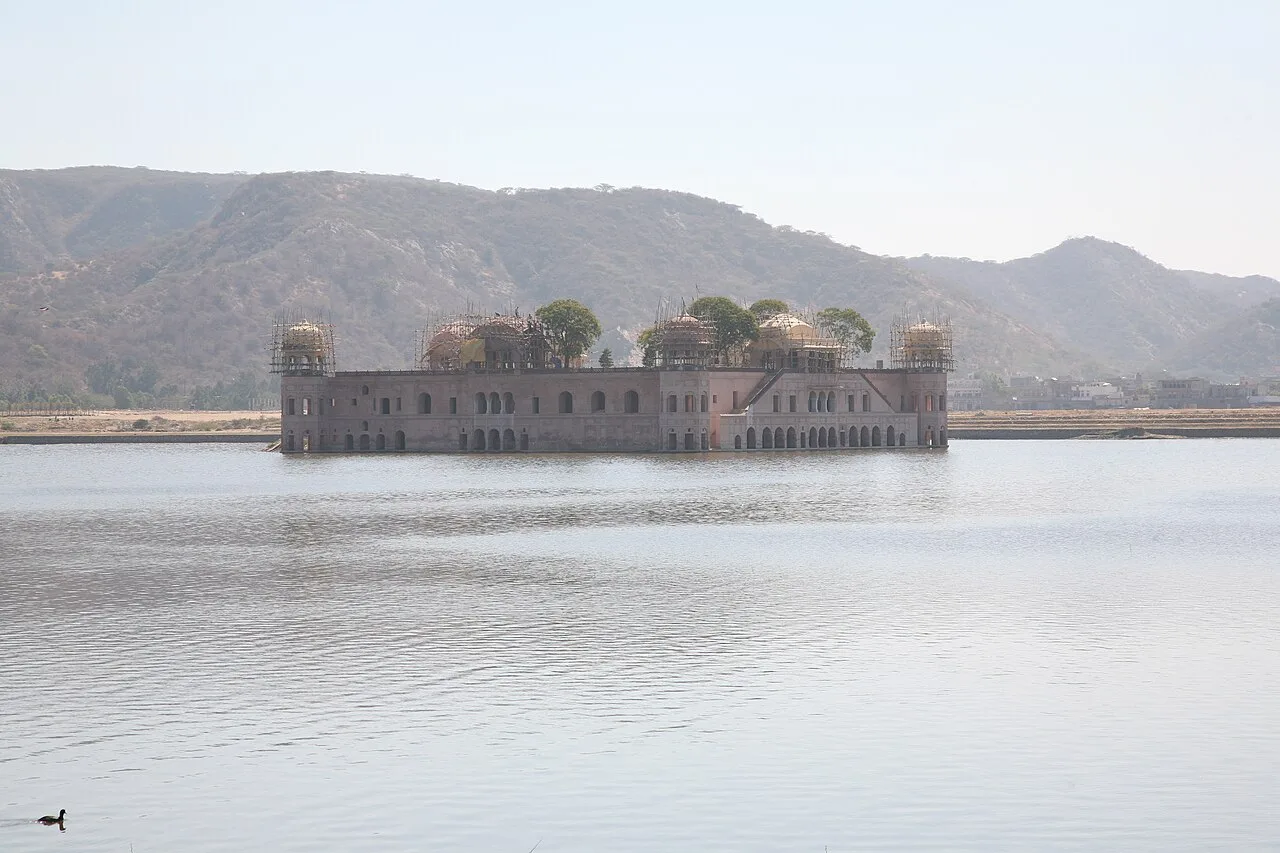
Jal Mahal is a historic palace set within Man Sagar Lake in Jaipur, Rajasthan. Visitors come to see the palace in its lake setting.

Nahargarh Fort

54 km away · Jaipur district

Nahargarh Fort

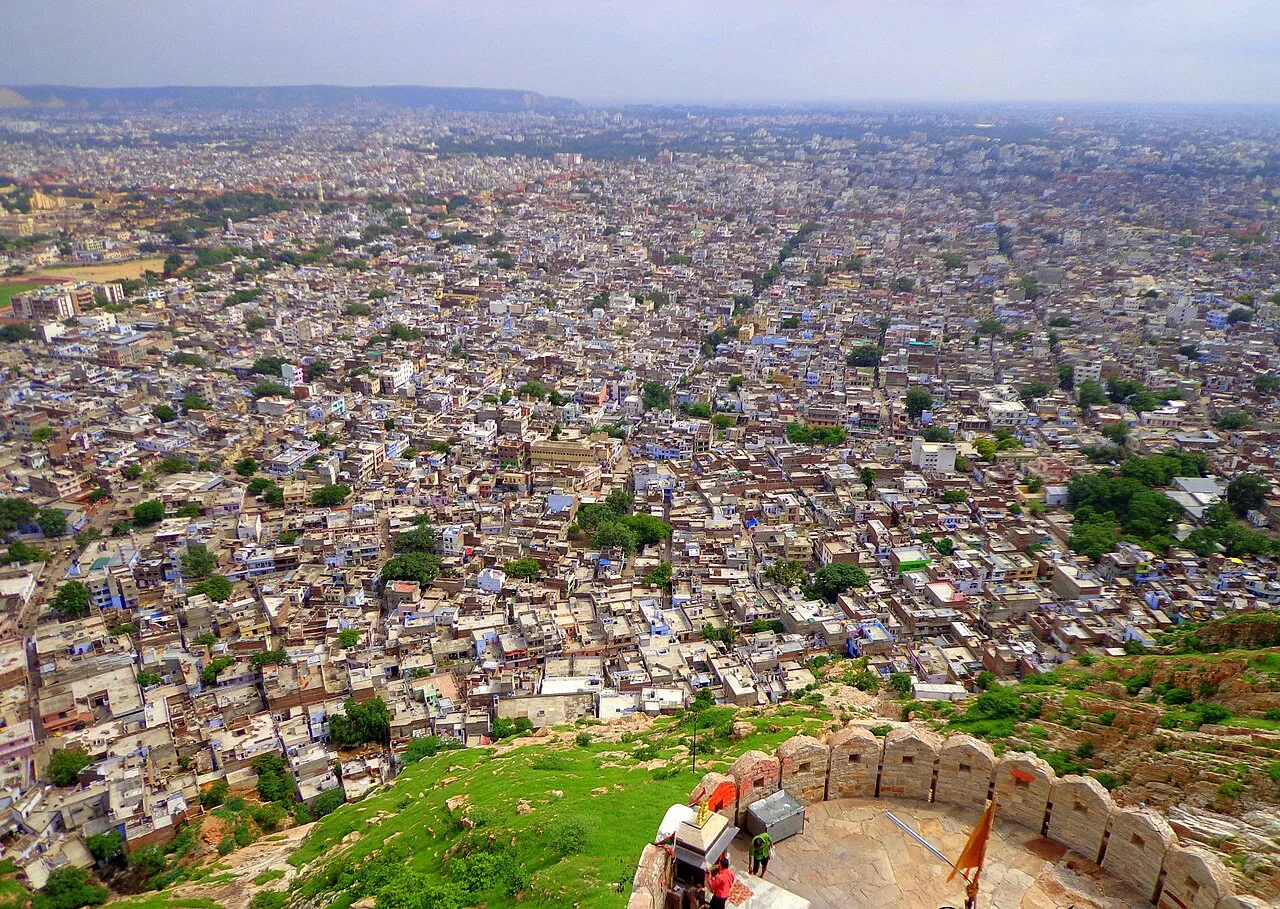
Nahargarh Fort is a historic stronghold in Jaipur, Rajasthan, overlooking the city from the Aravalli range. Visitors come for its elevated outlook and its role in Jaipur’s former defences.

City Palace, Jaipur

55 km away · Jaipur district

City Palace, Jaipur

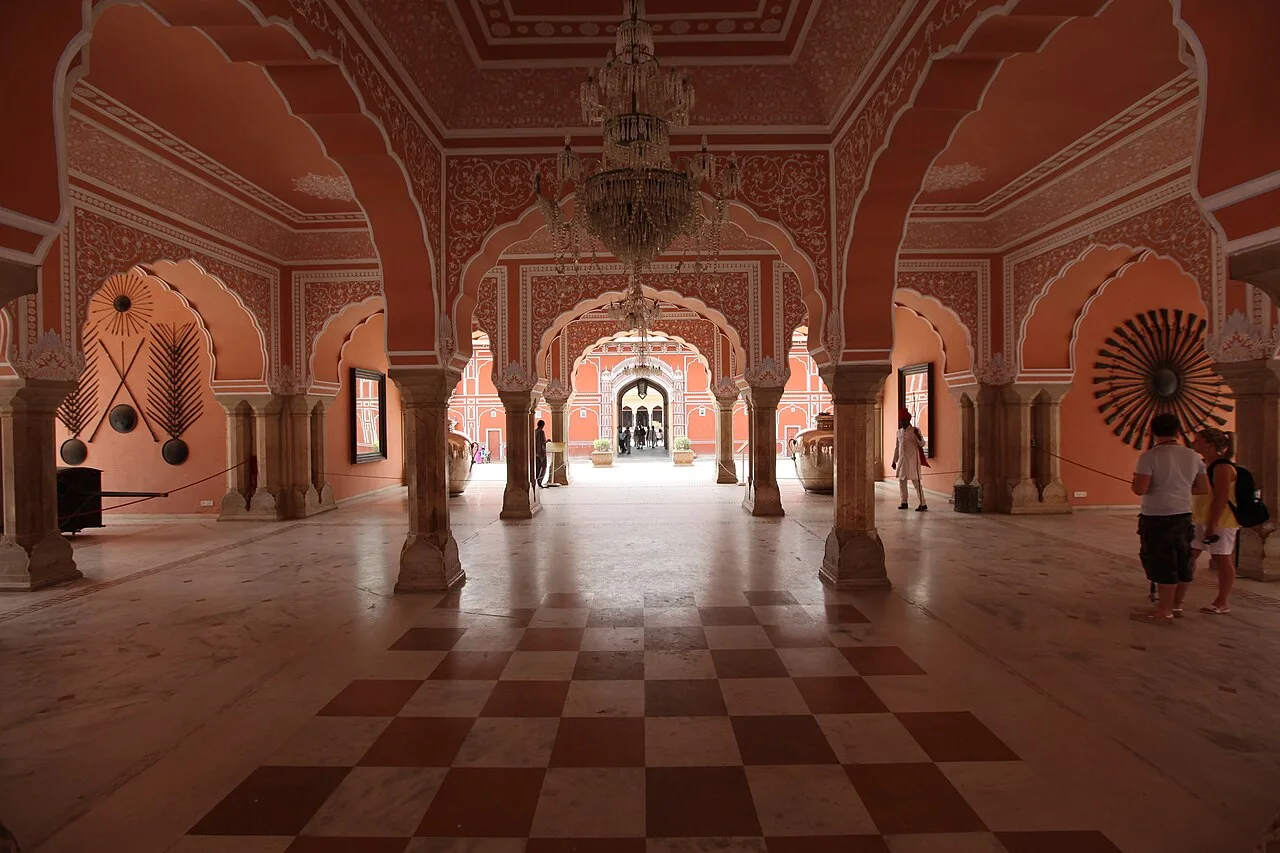
A historic royal complex in Jaipur, the City Palace served the city’s rulers and remains the royal family’s home. Visitors come to see its architecture and explore the museum.

Hawa Mahal

55 km away · Jaipur district

Hawa Mahal

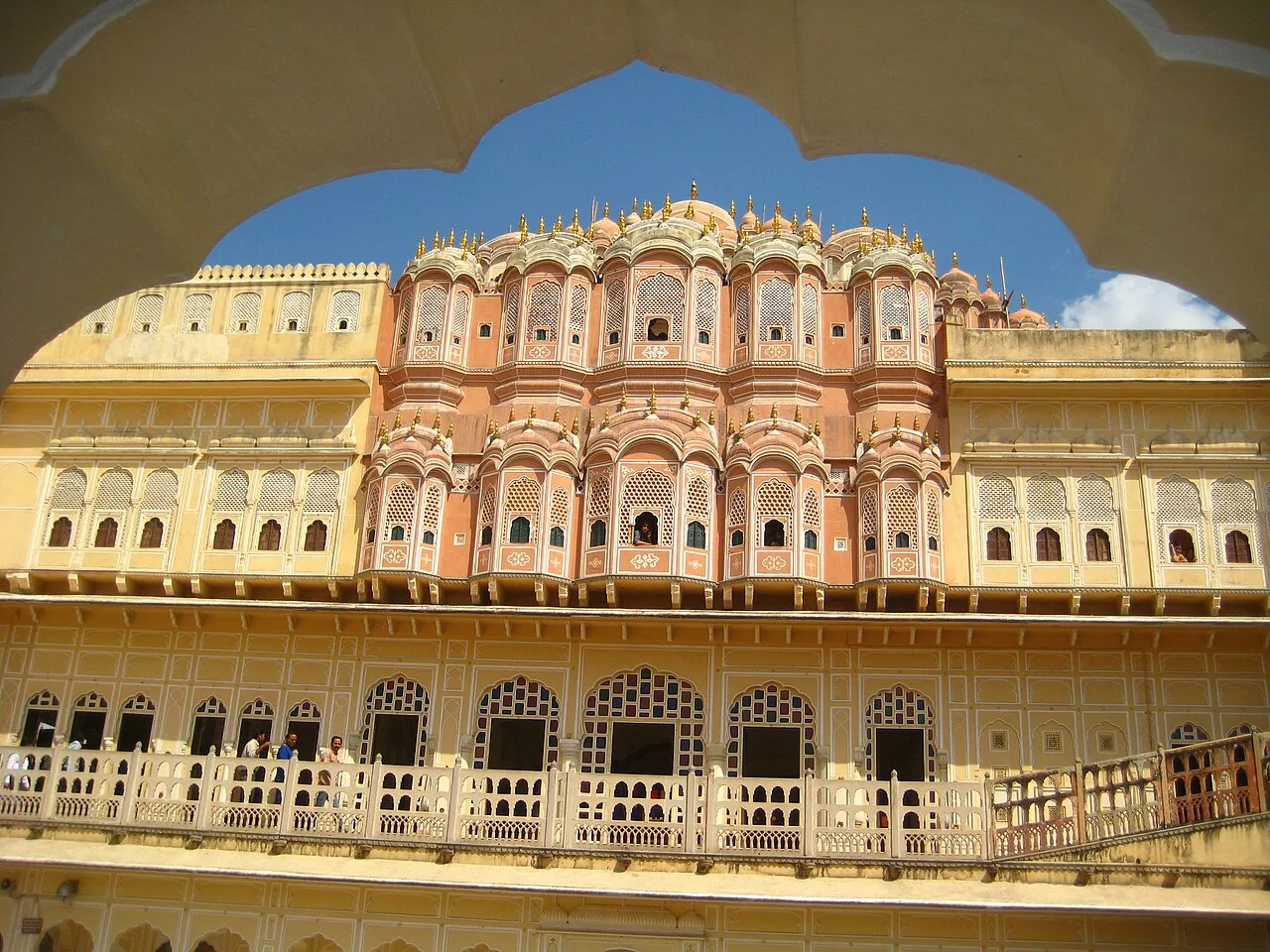
Hawa Mahal is a sandstone palace in Jaipur, recognised for its honeycomb façade and 953 lattice-screened jharokhas. Visitors come to see its distinctive design and learn how its openings provided privacy and ventilation.

Map

Ajeetgarh on the map

  1. 1Samode
  2. 2Khatu Shyam Temple
  3. 3Amber Fort
  4. 4Jaigarh Fort
  5. 5Jal Mahal
  6. 6Nahargarh Fort
  7. 7City Palace, Jaipur
  8. 8Hawa Mahal

Rajasthan

Other cities to explore