Ghumoopedia — Explore, Discover, Experience
Sign in
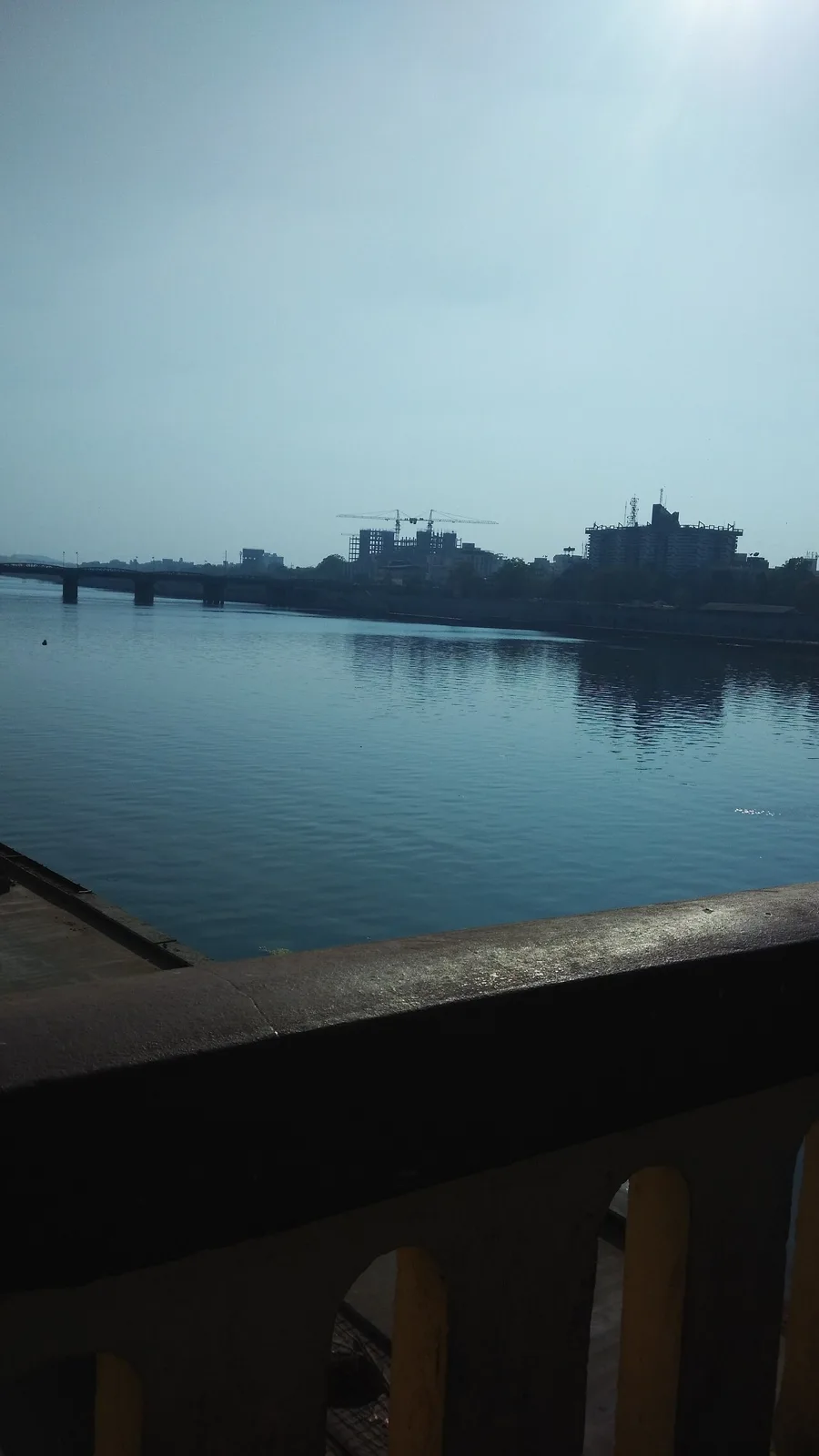
Dhebar Lake, near Kanor

City guide · Rajasthan

Kanor

Kanor, also spelled Kanore, is a small town in Udaipur district in southern Rajasthan. Its location places it within the wider Mewar region, an area shaped by distinctive local speech, foodways and traditions.

Famous for

  • Mewar-region setting
  • Mewari language and customs
  • Local bazaar life
  • Rural Rajasthan surroundings

Why Kanor matters

Kanor, also spelled Kanore, is a small town in Udaipur district in southern Rajasthan. Its location places it within the wider Mewar region, an area shaped by distinctive local speech, foodways and traditions. At about 469 metres above sea level, Kanor is a modest inland settlement rather than a large visitor centre, and it offers a glimpse of everyday town life beyond Udaipur’s better-known attractions.

The town’s importance is primarily local: it serves residents and surrounding settlements, while Udaipur is the larger regional hub for transport, services and tourism. Visitors may find Kanor useful as a stop while exploring the district or as a way to experience a quieter setting. There is no widely established landmark, signature product or major tourist attraction that defines the town nationally. Its appeal is instead its Mewar identity, neighbourhood markets and rural surroundings. Travellers should plan practical needs around the larger towns and confirm local arrangements before making a special trip.
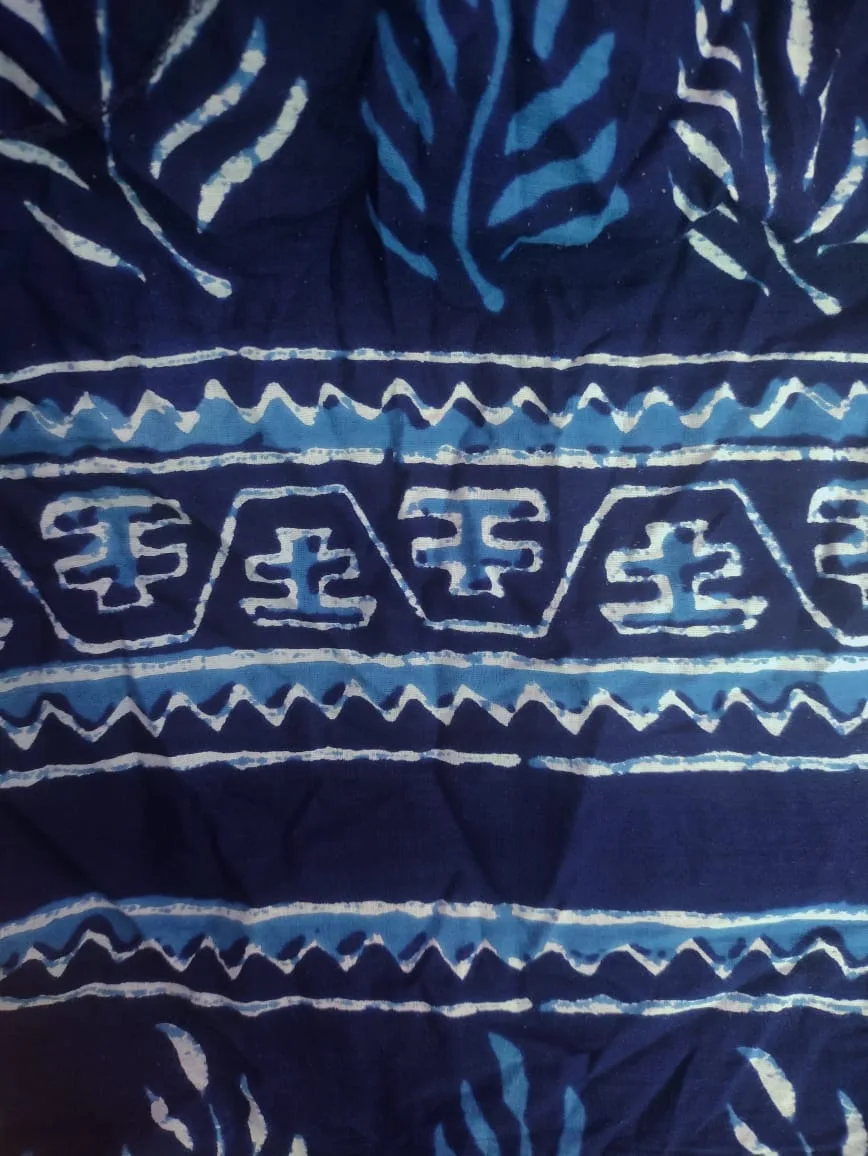
Famous for: crafts, trade & products

It is best approached as a local service and trading town, where small shops and market areas cater mainly to residents and nearby villages. Everyday goods, household supplies and seasonal produce are more representative of its commerce than a specialist shopping district.

For a broader selection of Mewar handicrafts, textiles and tourism-oriented shops, Udaipur is the more practical destination. Its markets offer items such as painted objects, metalwork, embroidered goods and regional clothing, though these should not be mistaken for products uniquely made in Kanor. In Kanor, ask locally about market days and the origin of any goods before buying; availability can vary. The town’s strongest commercial role is local, and visitors looking for a particular craft or certified regional product should verify its provenance with the seller.

History

Kanor belongs to the historic Mewar region, whose political and cultural centre for centuries was the kingdom of Mewar, based at different times in and around Chittorgarh and Udaipur. The town itself is not widely associated with a well-documented royal court, major battle or individually recorded monument, so its local history is best understood within this broader regional setting rather than through a detailed town chronology.

Mewar came under British paramountcy during the colonial period while retaining its princely-state administration. After independence, the former princely territories were integrated into Rajasthan, and Kanor became part of Udaipur district. In modern times, roads, public services and links with larger centres have shaped the lives of small towns across the district. Udaipur remains the principal regional hub for administration, tourism and transport, while Kanor’s development has chiefly served its local population and surrounding rural communities. Specific dates for the town’s founding or major phases of expansion are not firmly established in commonly available accounts.

Food, festivals & culture

Kanor shares the customs of the Mewar region. Mewari is widely spoken locally, alongside Hindi, which is useful for visitors. Everyday Rajasthani foods may include dal baati churma, gatte ki sabzi and ker sangri; sweets such as ghevar are associated with the wider region and festive occasions. These are regional foods rather than dishes uniquely identified with Kanor, and what is available will depend on local shops and the season.

Holi, usually in spring, and Diwali, in autumn, are observed across Rajasthan. Gangaur, generally celebrated in spring, and Teej, commonly falling during the monsoon season, are important women’s and community festivals in the region. Local observances may centre on family gatherings, processions, devotional songs and visits to places of worship. Neighbourhood temples and shrines form part of community life, although no single site is widely established as Kanor’s signature attraction. Folk music and dance traditions such as regional devotional singing and ghoomar belong to the broader Mewar cultural landscape; performances are more likely at celebrations than on a regular tourist programme.

Visiting the city

The cooler months, roughly October to March, are generally the most comfortable time to visit Rajasthan. Summers can be very hot, while monsoon conditions bring variable rain. Maharana Pratap Airport near Udaipur is the nearest major airport for most visitors. Udaipur City railway station is the principal rail hub for the district; check onward road connections to Kanor before travelling, as local transport options may vary.

A car or taxi arranged from Udaipur offers the simplest way to reach and explore the town and nearby settlements. Within Kanor, short trips are usually best handled on foot or by locally available transport. Spend time around the central market and residential streets for a sense of everyday town life, and ask residents about nearby places of worship or current market activity. Udaipur is the practical base for broader sightseeing, accommodation choices and transport connections.

Trips from the city

Nearest places to visit from Kanor

Our closest destination guides, by straight-line distance.

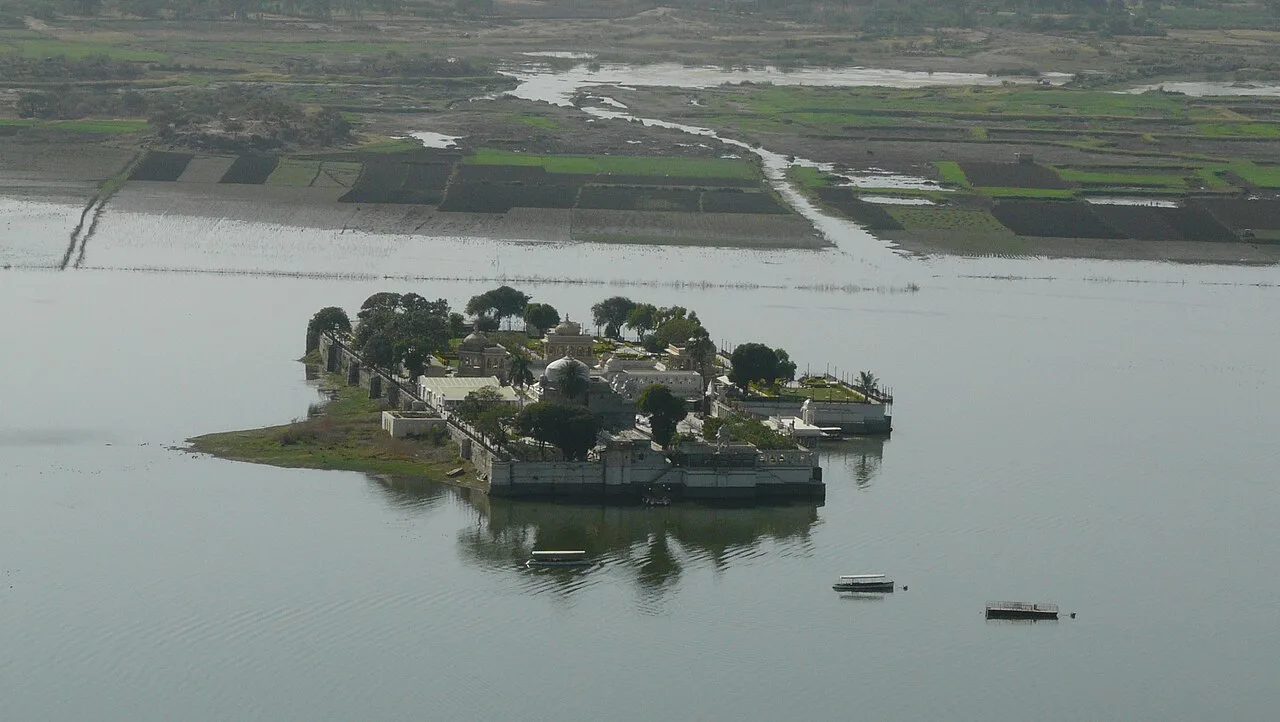
Dhebar Lake

33 km away · Udaipur district

Dhebar Lake

Dhebar Lake, also called Jaisamand, is a large reservoir in Rajasthan, known for its marble dam, islands and adjoining wildlife sanctuary. Visitors come to see its natural setting and historic links with Mewar.

Akola (Dabu Print Village)

52 km away · Chittorgarh district

Akola (Dabu Print Village)

Akola, also called Chhipo ka Akola, is a village in Rajasthan’s Chittorgarh district. Visitors are drawn by its Dabu print, known across India.

City Palace, Udaipur

61 km away · Udaipur district

City Palace, Udaipur

Udaipur’s City Palace is a historic royal complex shaped by successive Mewar rulers. Visitors come to see its architecture, hilltop setting and views over Lake Pichola.

Jag Mandir Palace

61 km away · Udaipur district

Jag Mandir Palace

Set within Lake Pichola in Udaipur, Jag Mandir Palace is a royal island residence. Visitors are drawn to its history, Mughal-influenced design and past as a retreat, celebration venue and place of refuge.

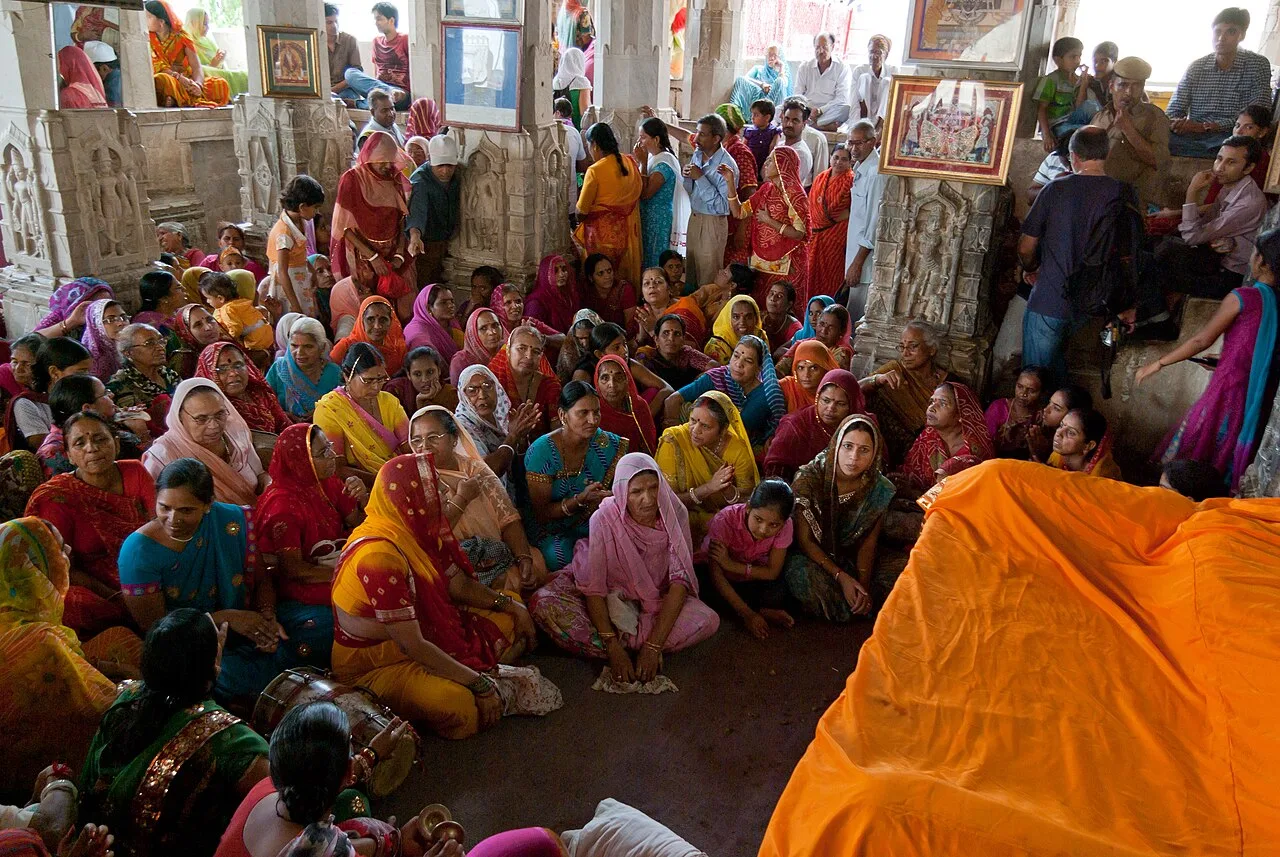
Jagdish Temple

61 km away · Udaipur district

Jagdish Temple

Jagdish Temple is a large Hindu place of worship in central Udaipur, Rajasthan, beside the royal palace. Visitors come to see this prominent city monument and its long-standing place of worship.

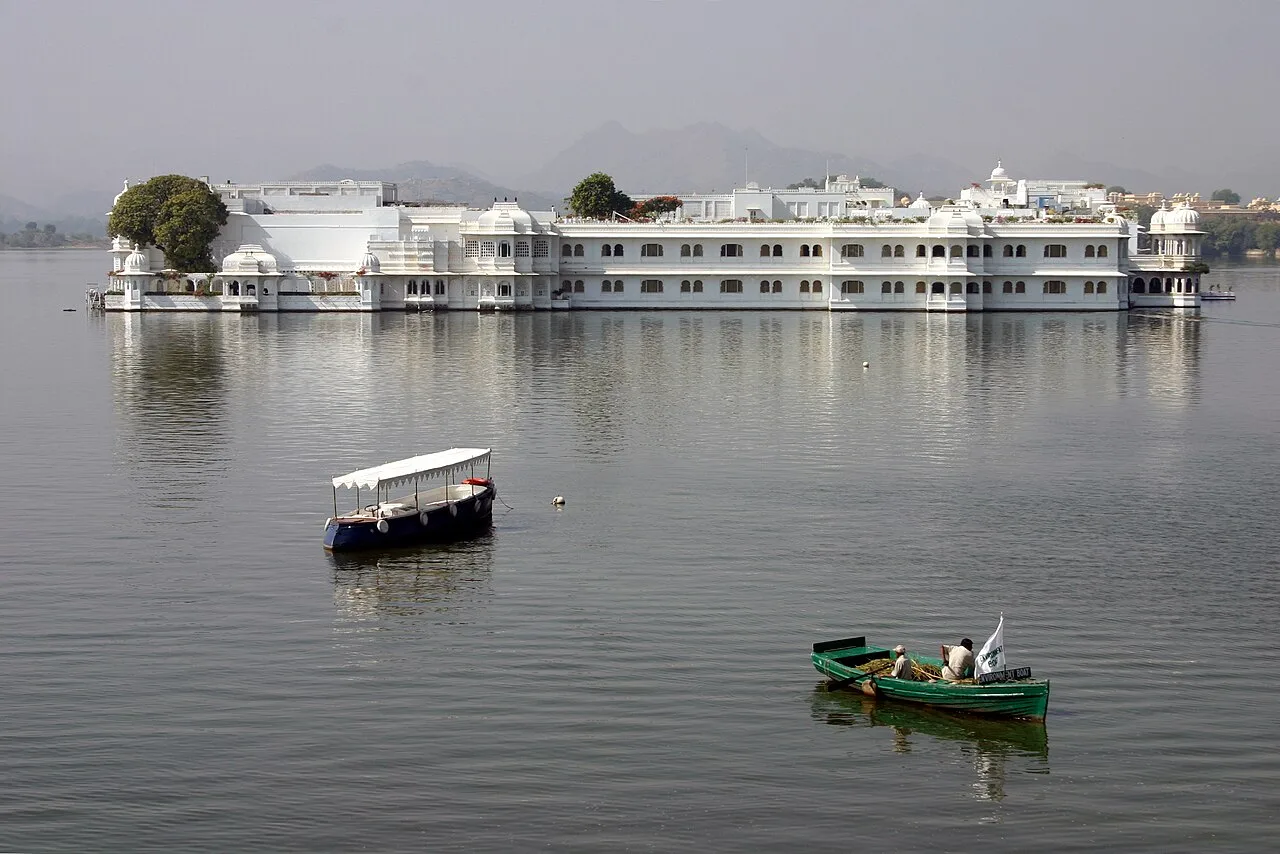
Lake Palace

61 km away · Udaipur district

Lake Palace

Lake Palace is a former Mewar royal summer residence on an island in Udaipur’s Lake Pichola, now a hotel. Visitors recognise it for its lake setting and appearances in several hit films.

Lake Pichola

61 km away · Udaipur district

Lake Pichola

Lake Pichola, in Udaipur city in the Indian state of Rajasthan, is an artificial freshwater lake, created in the year 1362, named after the nearby Picholi village.

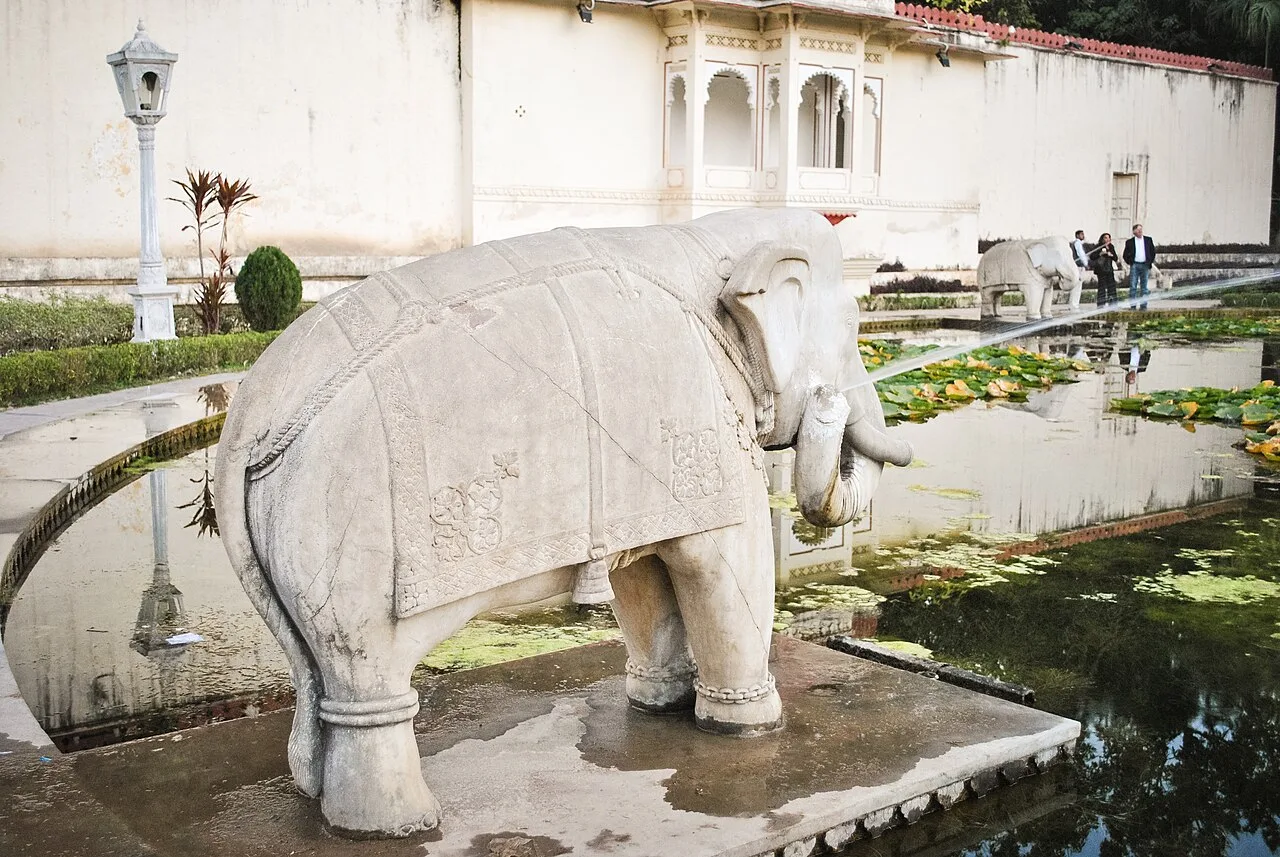
Saheliyon-ki-Bari

62 km away · Udaipur district

Saheliyon-ki-Bari

Saheliyon-ki-Bari is a garden in Udaipur, Rajasthan, where visitors can see fountains, a lotus pool and marble elephant figures, as well as a museum about Indian history.

Map

Kanor on the map

  1. 1Dhebar Lake
  2. 2Akola (Dabu Print Village)
  3. 3City Palace, Udaipur
  4. 4Jag Mandir Palace
  5. 5Jagdish Temple
  6. 6Lake Palace
  7. 7Lake Pichola
  8. 8Saheliyon-ki-Bari

Rajasthan

Other cities to explore