Ghumoopedia — Explore, Discover, Experience
Sign in
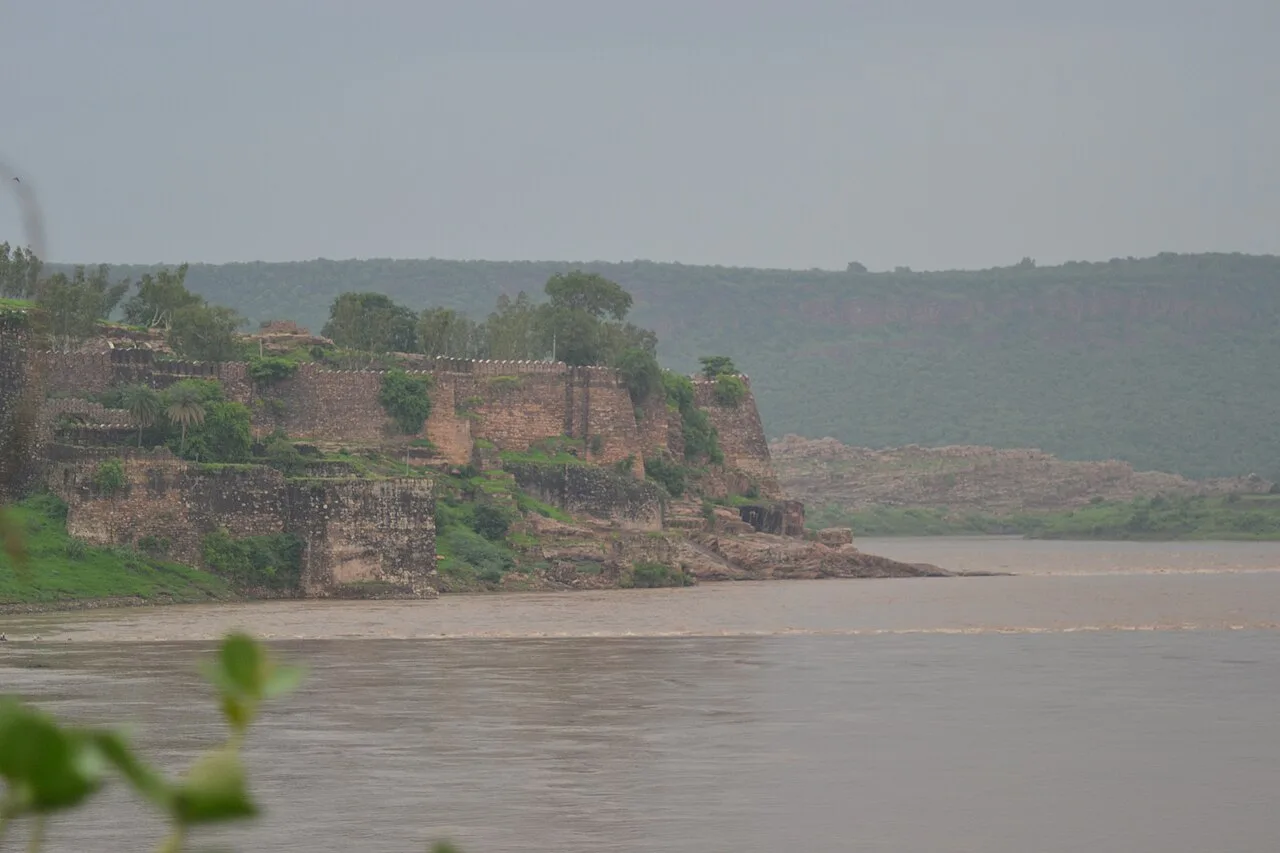
Gagron Fort, near Suket

City guide · Rajasthan

Suket

Suket is a small town in Kota district, set beside the Ahu River, a tributary of the Chambal. Its best-known role is tied to the region’s Kota Stone industry: yellow and green limestone from the area is quarried and traded for use in building and paving.

Famous for

  • Kota Stone mining
  • Ahu River setting
  • Pav kebab
  • Biryani and fried chicken
  • Local limestone trade

Why Suket matters

Suket is a small town in Kota district, set beside the Ahu River, a tributary of the Chambal. Its best-known role is tied to the region’s Kota Stone industry: yellow and green limestone from the area is quarried and traded for use in building and paving. This gives Suket a practical importance beyond its size, connecting local livelihoods with construction markets across Rajasthan and beyond.

For visitors, Suket offers a glimpse of an everyday town shaped by stone work, river landscapes and local commerce rather than a concentration of major tourist monuments. Its food scene is another point of interest. Residents know Hina Khan’s cloud kitchen for dishes including pav kebab, biryani, chicken chilli and fried chicken, adding a contemporary, street-style note to the town’s identity. Suket can also serve as a quieter stop for travellers exploring the Kota district and the wider Hadoti region. The Ahu’s banks and the town’s market areas provide a sense of local life; quarry and processing sites are working premises, not visitor attractions, and should only be approached with permission.
Famous for: crafts, trade & products

Suket is most closely associated with Kota Stone, a durable limestone found in yellow and green shades and used for flooring, paving and other construction work. Quarrying, cutting and stone trading are important parts of the local economy. Buyers looking for the material can enquire with stone merchants and processors in Suket or nearby commercial centres; check the stone’s finish, thickness and grade directly with the seller. Quarry yards and processing units are industrial sites, so visitors should not enter without permission.

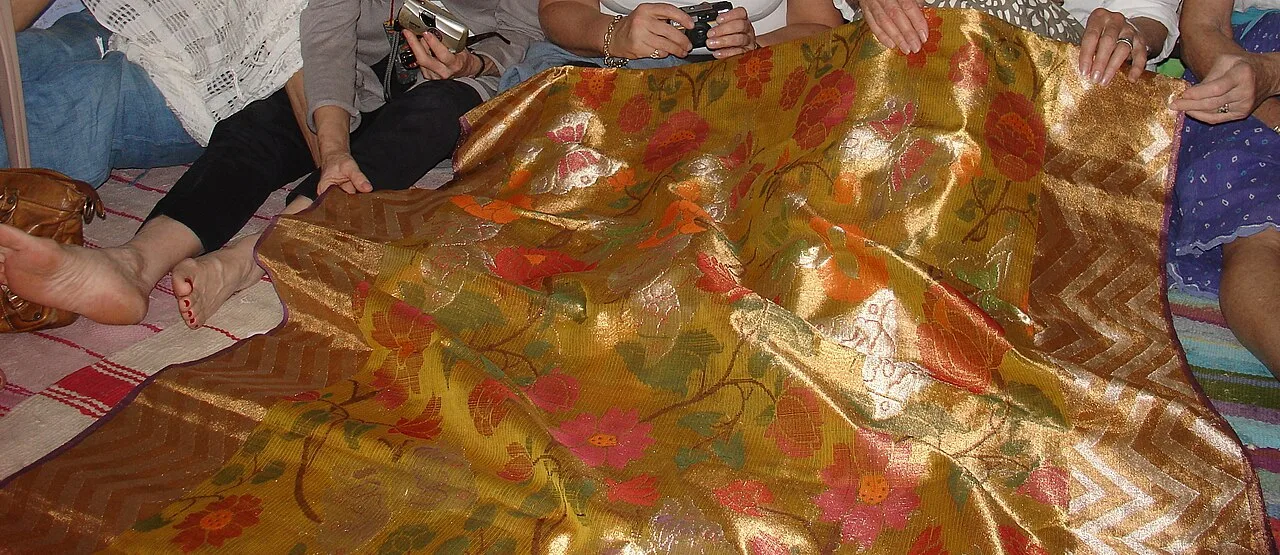
The town is not widely documented as a centre for textiles, sarees or a distinctive handicraft tradition, and there is no basis here for claiming a local GI-tagged product. Its contemporary food trade is more visible in everyday life. Hina Khan’s cloud kitchen has earned local recognition for non-vegetarian fare such as pav kebab, biryani, chicken chilli and fried chicken. Ask residents about current availability before making a special trip, as a cloud kitchen may not operate like a walk-in restaurant. For general shopping, the town’s local market is the most practical place to look for daily goods and prepared food.

History

Suket’s history is less widely recorded than that of Kota, the larger regional centre. Its setting places it within Hadoti, a southeastern Rajasthan region whose political history was shaped by the Kota princely state and the Hada Rajput rulers associated with it. During the colonial period, Kota remained a princely state under British paramountcy; Suket’s story is best understood within that wider regional setting rather than through a separately documented royal court or major political centre in the town.

The Ahu River has long been a defining feature of the local landscape, while settlement and trade have connected Suket to nearby towns. In more recent times, the extraction and processing of Kota Stone have given the town a distinctive economic role. The stone industry has supported work in quarrying, cutting, transport and sales, linking local activity with construction markets elsewhere. Today Suket remains a small town in Kota district, with its regional profile shaped chiefly by limestone production and local commerce. Specific details about its early founding and colonial-era development are not well established.

Food, festivals & culture

Daily life in Suket reflects the broader culture of Hadoti and Rajasthan. Hindi is widely used, alongside Hadoti and other regional forms of Rajasthani. Holi in spring and Diwali in autumn are among the main annual celebrations; Teej and Gangaur, observed during the monsoon season and spring respectively, are also part of the wider regional calendar. Family gatherings, community events and visits to places of worship are common ways festivals are marked. The town’s specific music and dance traditions are not well documented separately from those of the surrounding region.

Food is an increasingly visible part of Suket’s local character. Hina Khan’s cloud kitchen is known among residents for non-vegetarian dishes such as pav kebab, biryani, chicken chilli and fried chicken. Everyday meals and snacks also draw on familiar Rajasthani and north Indian flavours, though menus vary between households and vendors. The town has local places of worship serving residents, but no single major pilgrimage site is established as a defining attraction. Visitors should dress respectfully and follow local customs when entering religious spaces.

Visiting the city

The cooler months, roughly November to February, are generally the most comfortable time to visit; summer afternoons can be very hot, while the monsoon brings rain. Kota Airport is the geographically nearer airport, but it does not generally offer regular scheduled passenger flights; travellers seeking scheduled services may need to use Jaipur International Airport. Ramganj Mandi railway station is a nearby rail stop, while Kota Junction is the main regional rail hub.

Within Suket, local transport and hired vehicles can help with short trips; confirm availability locally. The town market is useful for seeing everyday commerce and finding food, while the Ahu River banks offer a quieter look at the landscape. Stone yards and quarries are active work sites, not casual sightseeing stops. Ask permission before visiting any industrial premises.

Trips from the city

Nearest places to visit from Suket

Our closest destination guides, by straight-line distance.

Gagron Fort

14 km away · Jhalawar district

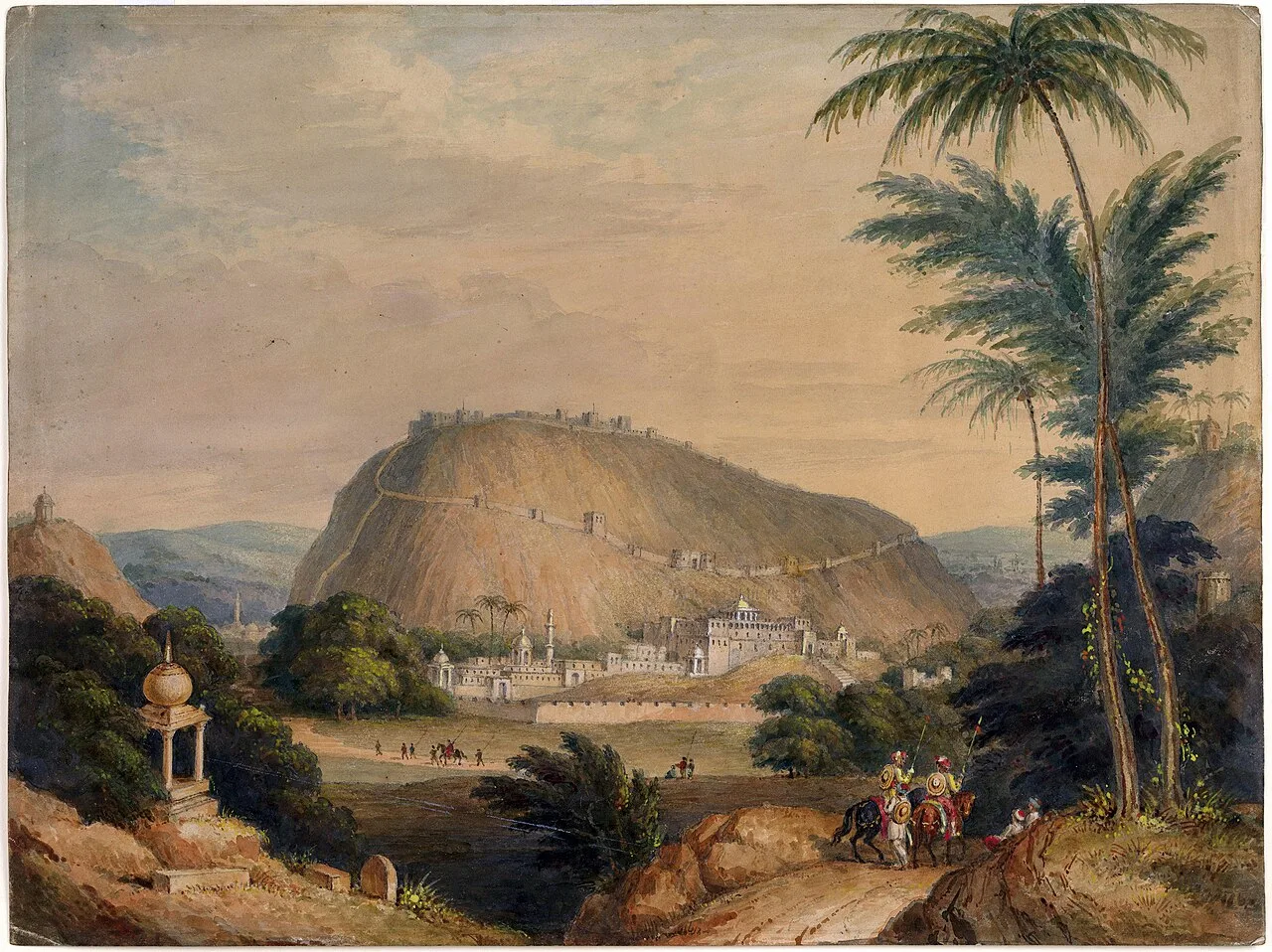
Gagron Fort

Gagron Fort is a historic stronghold in Rajasthan’s Hadoti region, known for its river defences and UNESCO recognition. Visitors come to explore its history and distinctive setting.

Mukundara Hills Tiger Reserve

31 km away · Kota district

Mukundara Hills Tiger Reserve

In southeastern Rajasthan, Mukundara Hills Tiger Reserve protects a landscape of forest, hills and wildlife habitat. Visitors can explore a reserve centred on a national park and several adjoining sanctuaries.

Kaithoon

55 km away · Kota district

Kaithoon

Kaithoon is a town and municipality in Rajasthan’s Kota district, known for its association with Kota Doria sarees, which are a reason for visitors’ interest.

Bundi

97 km away · Bundi district

Bundi

Bundi is a city in Rajasthan’s Hadoti region, within Bundi district. Visitors come to explore the city and its setting in north-western India.

Raniji ki Baori

97 km away · Bundi district

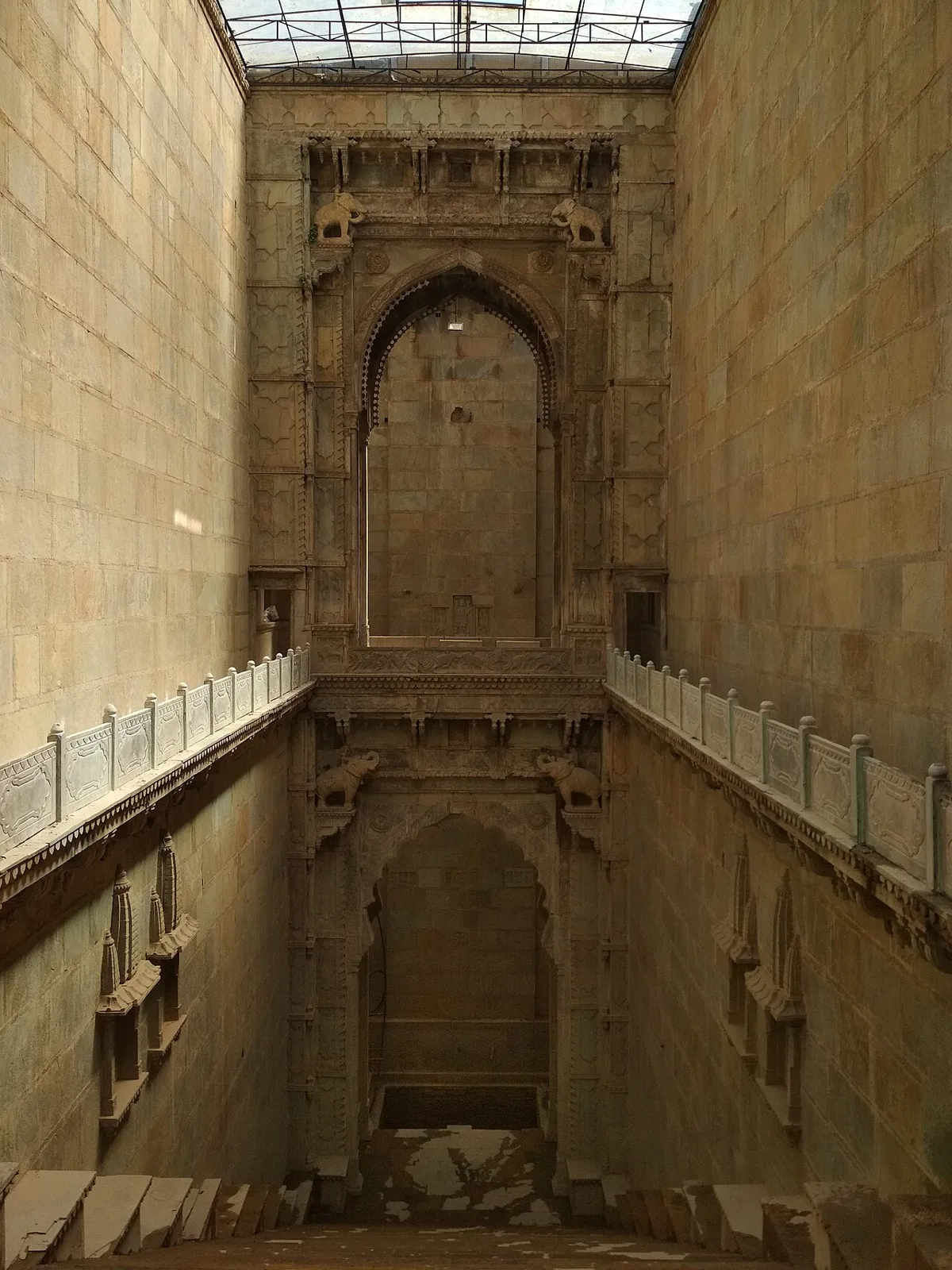
Raniji ki Baori

Raniji ki Baori is a multi-level stepwell in Bundi, Rajasthan, built by Rani Nathavati Solanki in 1699. Visitors come to see its deep stairwell, carved pillars and ornate arches.

Taragarh Fort, Bundi

98 km away · Bundi district

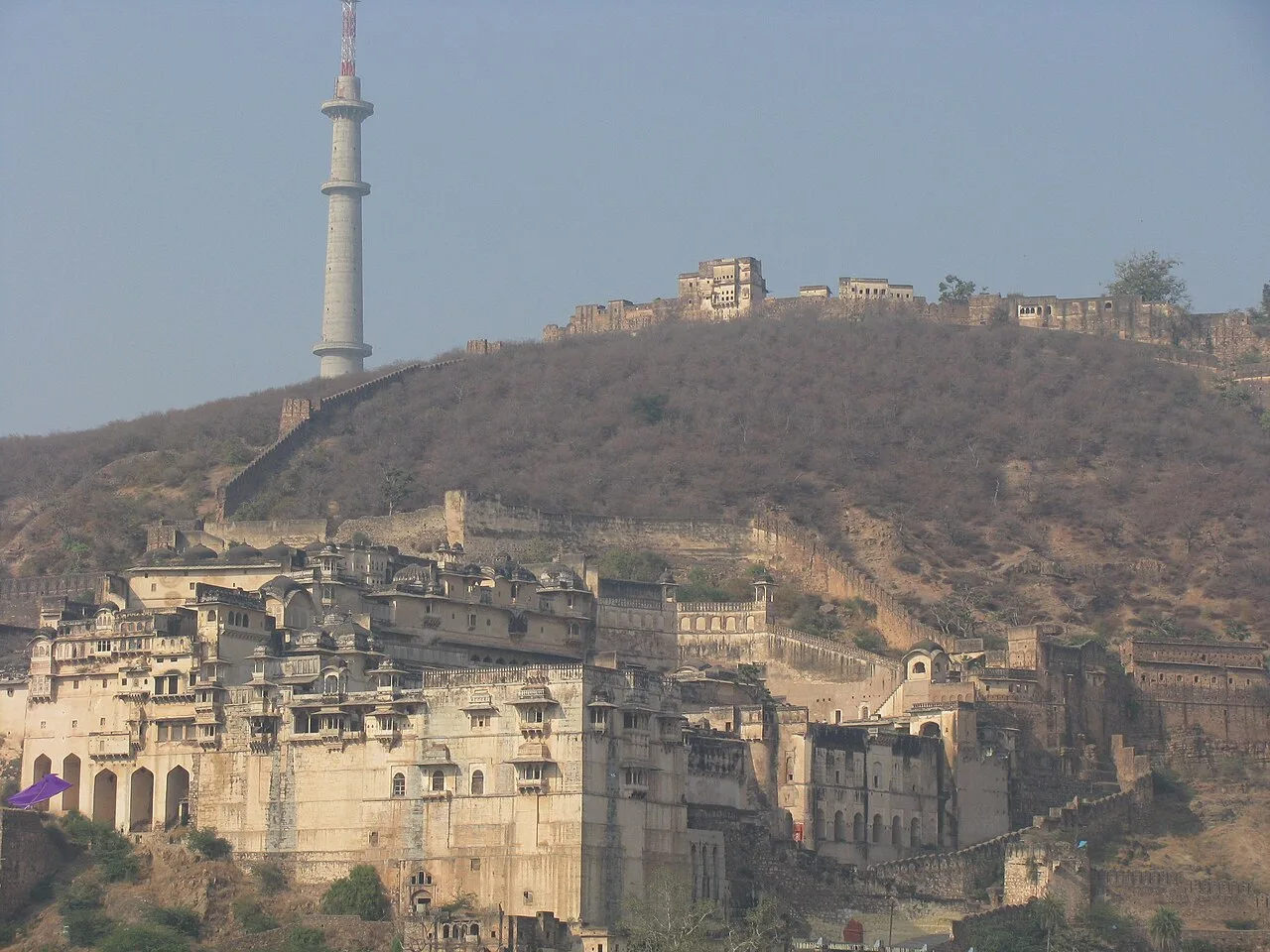
Taragarh Fort, Bundi

Taragarh Fort is a hilltop stronghold in Bundi, Rajasthan. Visitors come to see its Rajput architecture, elements influenced by Mughal design and passages made for wartime escape.

Menal

101 km away · Bhilwara district

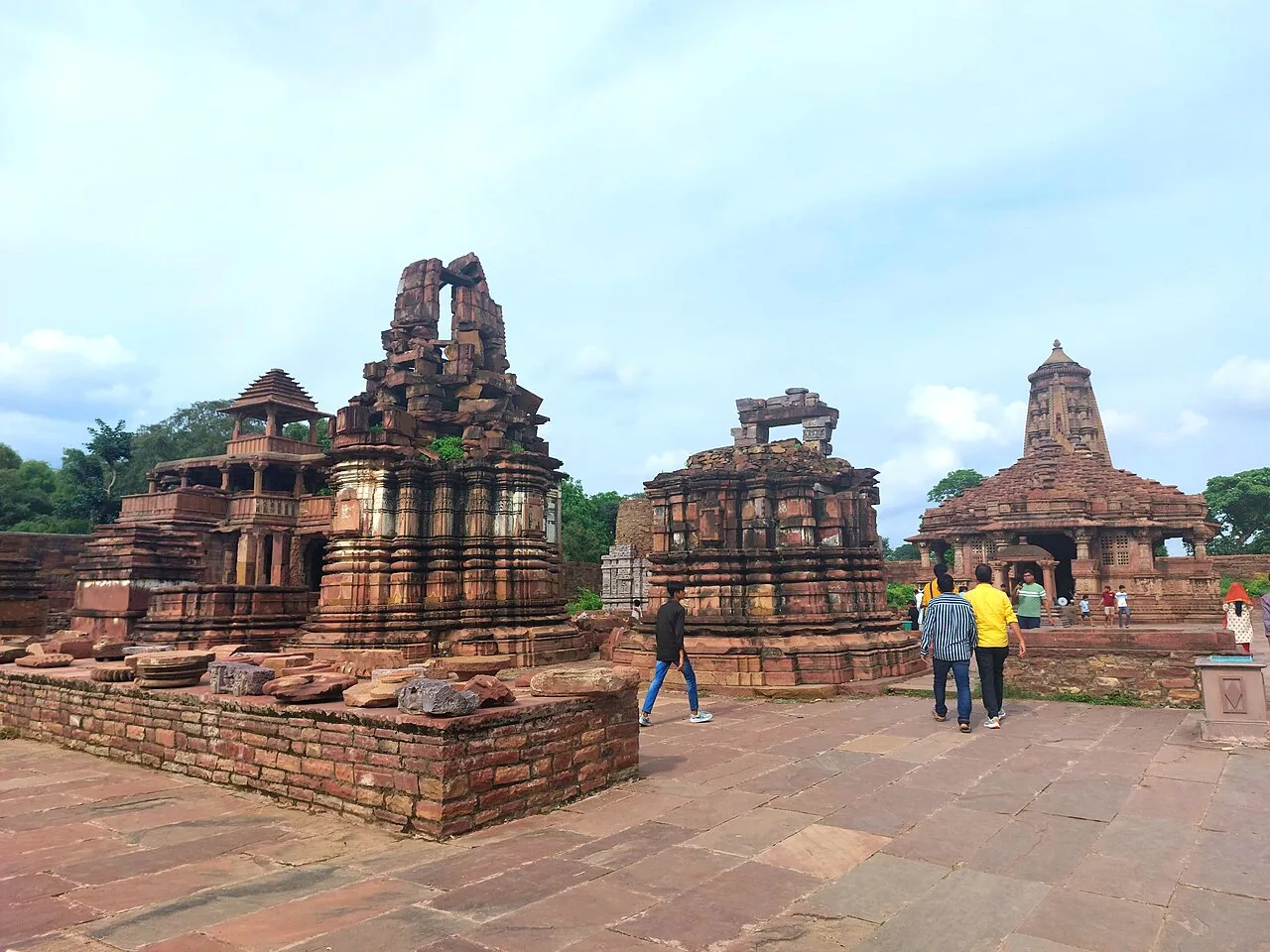
Menal

Menal is a village in Rajasthan linked with Begun Taluk and both Chittorgarh and Bhilwara districts; no particular attraction or reason for visiting is specified.

Chittor Fort

143 km away · Chittorgarh district

Chittor Fort

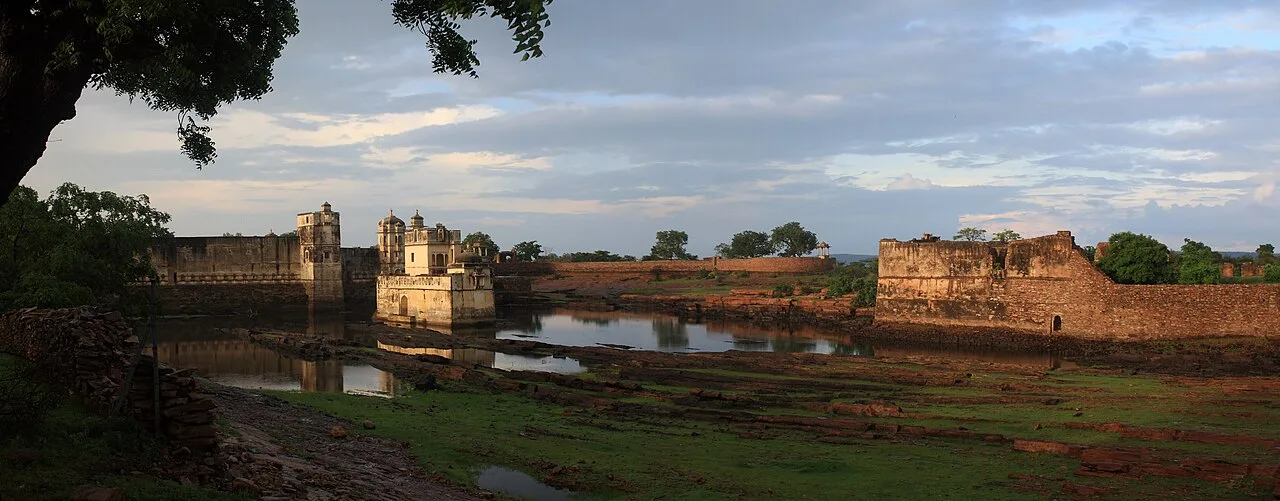
Chittor Fort, also called Chittod Fort, is among India’s largest forts and the former capital of Mewar. Visitors explore its historic palaces, temples, water bodies, memorials and towers.

Map

Suket on the map

  1. 1Gagron Fort
  2. 2Mukundara Hills Tiger Reserve
  3. 3Kaithoon
  4. 4Bundi
  5. 5Raniji ki Baori
  6. 6Taragarh Fort, Bundi
  7. 7Menal
  8. 8Chittor Fort

Rajasthan

Other cities to explore