Ghumoopedia — Explore, Discover, Experience
Sign in
Kaithoon, near Baran

City guide · Rajasthan

Baran

Baran is the administrative centre of Baran district in southeastern Rajasthan, close to the Madhya Pradesh border and within the wider Hadoti region. Its role as a district headquarters makes it a service and trading centre for surrounding towns and villages.

Famous for

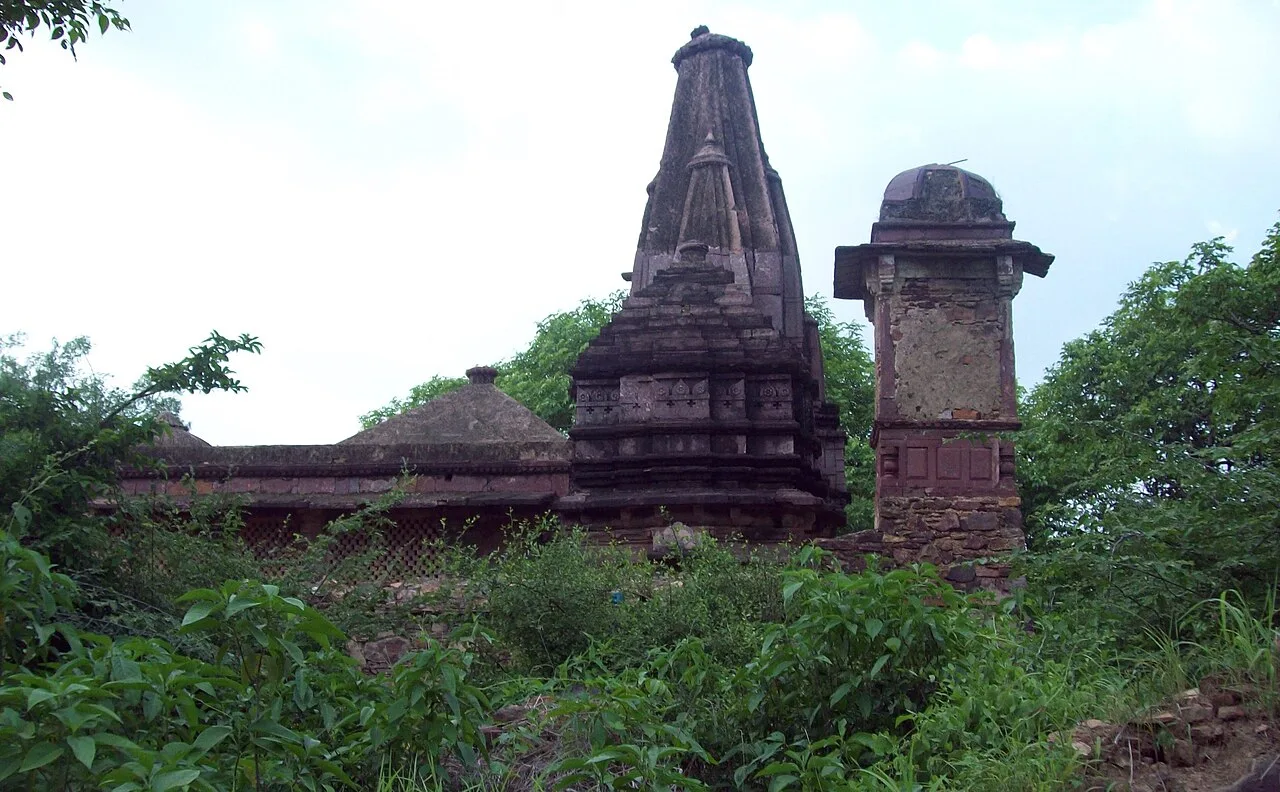
  • Bhand Devra Temple
  • Dol Mela
  • Ramgarh Crater
  • Hadoti Panorama
  • Shahabad Fort

Why Baran matters

Baran is the administrative centre of Baran district in southeastern Rajasthan, close to the Madhya Pradesh border and within the wider Hadoti region. Its role as a district headquarters makes it a service and trading centre for surrounding towns and villages. The district’s landscape is shaped by the Parban, Parbati and Kalisindh rivers, while the city provides a starting point for exploring nearby forts, temples and rural heritage sites.

Visitors are drawn particularly to Bhand Devra Temple, an 11th-century shrine beside the Ramgarh Crater, and to the district’s many places of worship and historic remains. The annual Dol Mela, held after Dol Gyaras, is another distinctive attraction, bringing a festive gathering to the city. The Hadoti Panorama near Gajanpura offers an introduction to the history and heritage of Baran and neighbouring Hadoti districts. Baran is less a single-monument destination than a convenient base for discovering this quieter corner of Rajasthan, with its religious landmarks, river country and regional traditions.
Famous for: crafts, trade & products

Baran is not especially known as a centre for a signature textile, saree or handicraft, and no widely recognised GI-tagged product is specifically associated with the city. Its identity is more closely tied to district administration, local commerce and the historic and religious sites spread across the surrounding region. The town’s shops and central bazaar serve residents and visitors with everyday goods, clothing, household items and food; travellers seeking locally made souvenirs should check with shopkeepers for current availability rather than expect a dedicated craft market.

For an introduction to regional heritage, visit the Hadoti Panorama complex at Gajanpura. Its displays are intended to present the history of Baran, Kota, Bundi and Jhalawar, including temples, forts and other historic sites. The complex uses stone and architectural details associated with the wider region, such as jharokhas and chhatris. It is a place to learn about local building traditions and history, rather than a market for purchasing crafts. Bhand Devra, Kakoni and the district’s forts also offer a sense of the architecture and artistic heritage that visitors may encounter around Baran.

History

Baran is associated in local historical accounts with the names Varah Nagari and Annapurna Nagari. The region’s early history is linked with Yaudheya and Tomar rulers, though the details of these associations span a wider area than the present city. Over time, Baran developed as a settlement in the Hadoti region, whose political fortunes were shaped by neighbouring Rajput states and later imperial powers.

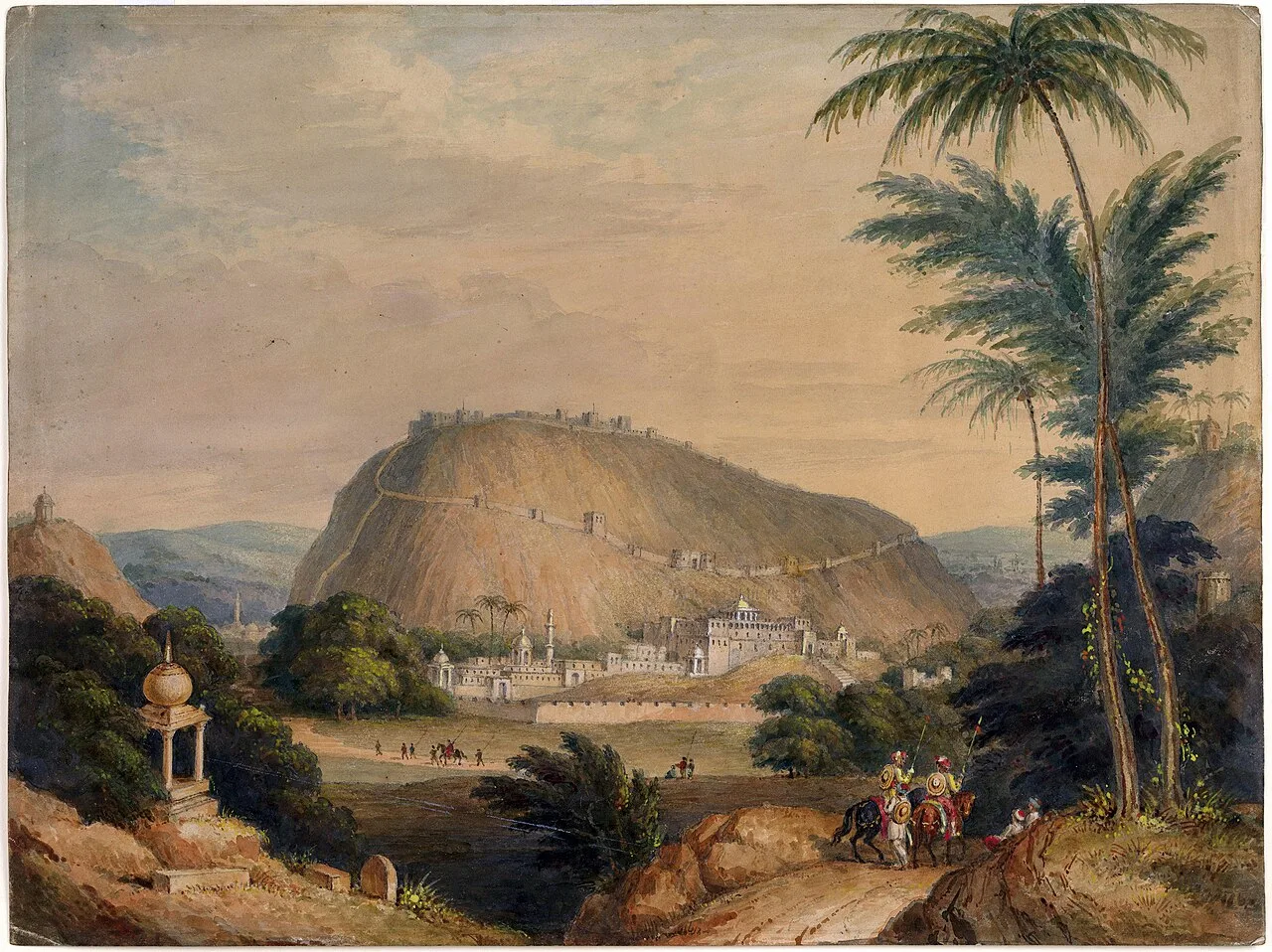
By the 17th century, Mughal authority had reached the area. Shahabad Fort, in Baran district, is associated with Mughal rule, and accounts of the fort record a visit by Aurangzeb. During the colonial era, the region formed part of the princely-state political landscape of southeastern Rajasthan. After independence, Baran became part of Rajasthan and served as an important local administrative centre. The district takes its name from the city, which today remains its headquarters, connecting nearby settlements with government services, transport and commerce.

Food, festivals & culture

Baran’s food reflects the familiar flavours of southeastern Rajasthan. Dal baati churma is a popular regional meal, while roti, aloo pudi, kachori, samosas and kheech are among the dishes enjoyed locally. Small eateries and market food stalls are convenient places to try everyday snacks and meals; particular offerings can vary by season and shop.

Dol Mela is the city’s best-known festival gathering. It takes place after Dol Gyaras and continues for around two to three weeks, with devotional observances and a lively fair atmosphere. Gangaur, usually celebrated in spring, and Teej during the monsoon season are also part of the wider Rajasthani calendar, alongside Diwali and other Hindu festivals. Hindi and the Hadoti variety of Rajasthani are commonly heard. Devotional singing and regional folk music form part of festival and temple life. Places of worship around the city and district include Ramgarh Mata Ji Mandir, Manihara Mahadev Mandir and the Bhand Devra temple complex.

Visiting the city

The most comfortable period to visit is generally October to February, when days are milder; summer can be very hot, while the monsoon brings rain and greener surroundings. Jaipur International Airport is a major air gateway for Baran, though it is a long road journey. Baran railway station, on the Kota–Bina rail route, is the principal station for the city; Kota Junction is a larger nearby rail hub.

Auto-rickshaws and local taxis are useful for getting around town, while a hired vehicle is practical for visiting sites spread across the district. Explore the central market area for everyday shopping and food, then plan excursions to Bhand Devra and the Ramgarh Crater, or to the Hadoti Panorama at Gajanpura. Forts and temples farther from the city are best treated as separate day trips.

Trips from the city

Nearest places to visit from Baran

Our closest destination guides, by straight-line distance.

Kaithoon

55 km away · Kota district

Kaithoon

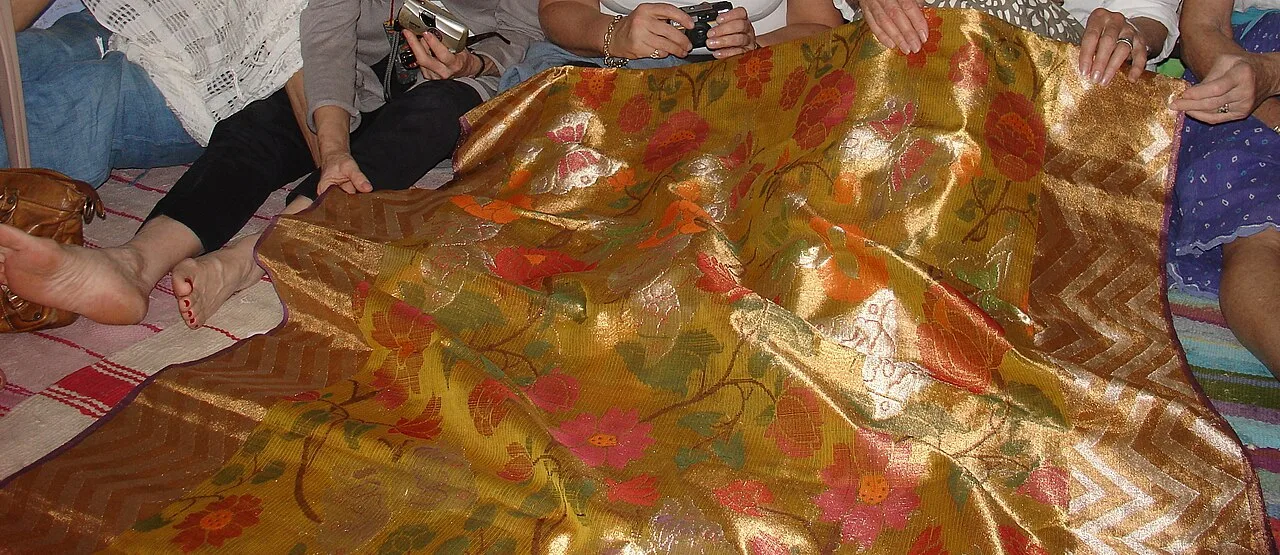
Kaithoon is a town and municipality in Rajasthan’s Kota district, known for its association with Kota Doria sarees, which are a reason for visitors’ interest.

Gagron Fort

62 km away · Jhalawar district

Gagron Fort

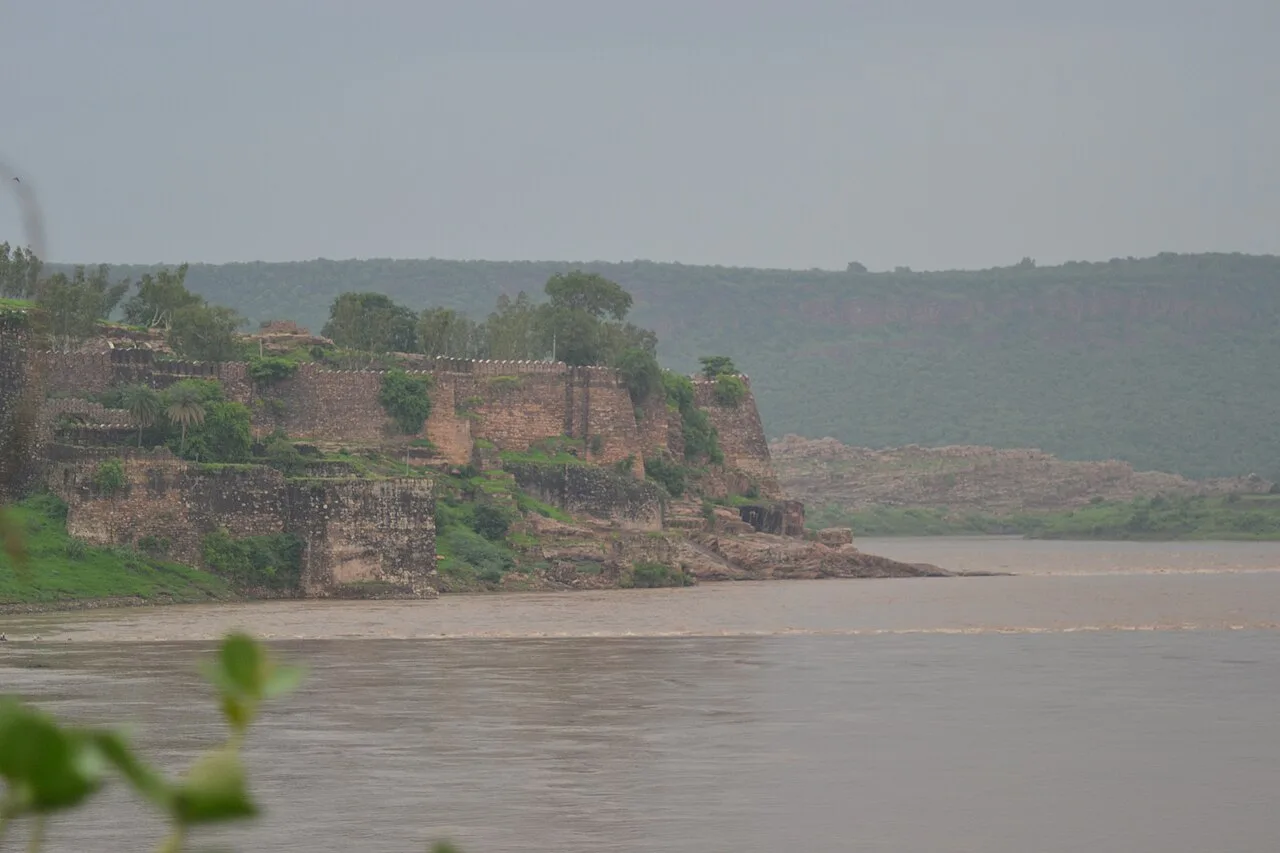
Gagron Fort is a historic stronghold in Rajasthan’s Hadoti region, known for its river defences and UNESCO recognition. Visitors come to explore its history and distinctive setting.

Mukundara Hills Tiger Reserve

71 km away · Kota district

Mukundara Hills Tiger Reserve

In southeastern Rajasthan, Mukundara Hills Tiger Reserve protects a landscape of forest, hills and wildlife habitat. Visitors can explore a reserve centred on a national park and several adjoining sanctuaries.

Bundi

96 km away · Bundi district

Bundi

Bundi is a city in Rajasthan’s Hadoti region, within Bundi district. Visitors come to explore the city and its setting in north-western India.

Raniji ki Baori

96 km away · Bundi district

Raniji ki Baori

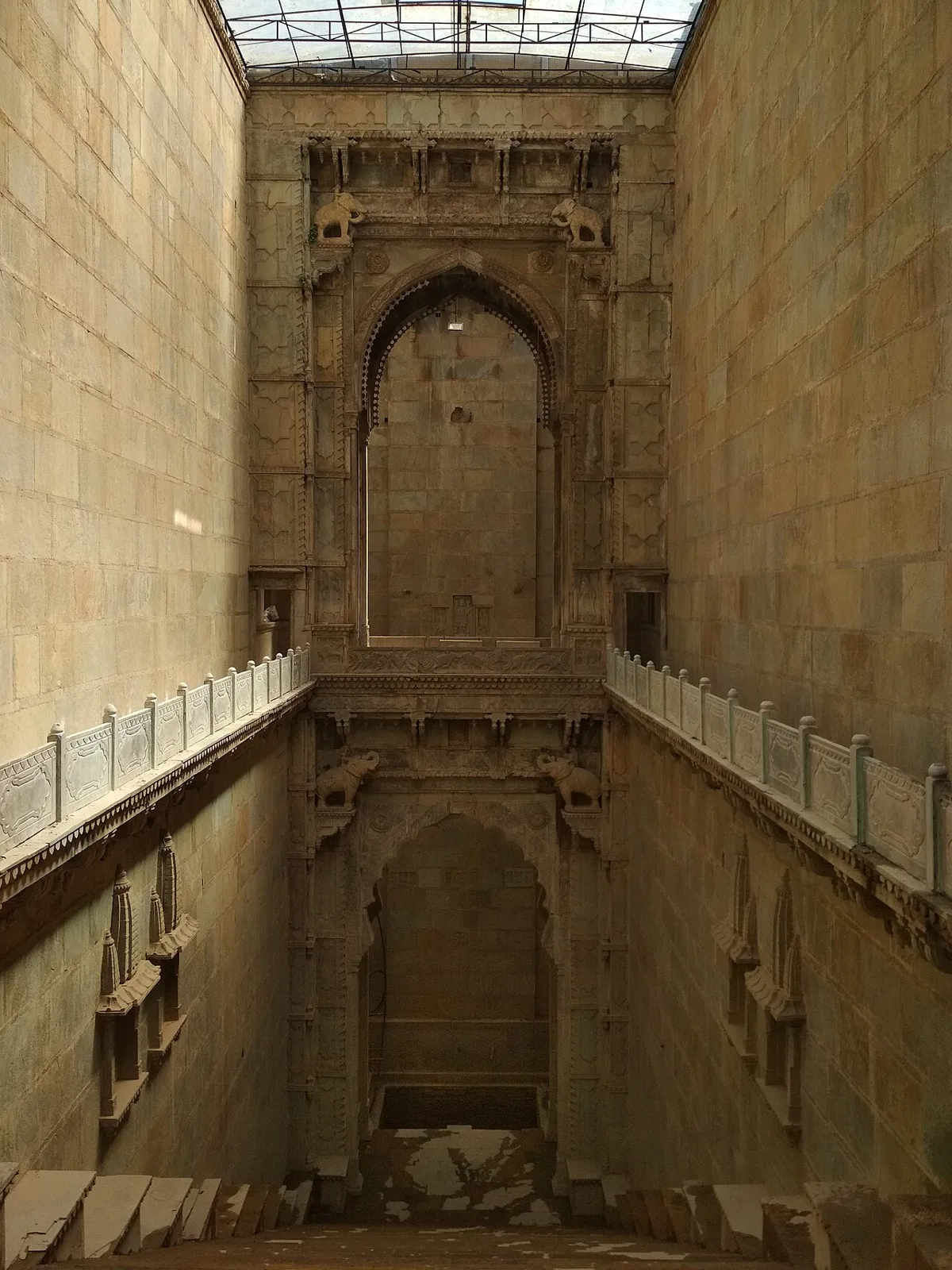
Raniji ki Baori is a multi-level stepwell in Bundi, Rajasthan, built by Rani Nathavati Solanki in 1699. Visitors come to see its deep stairwell, carved pillars and ornate arches.

Taragarh Fort, Bundi

97 km away · Bundi district

Taragarh Fort, Bundi

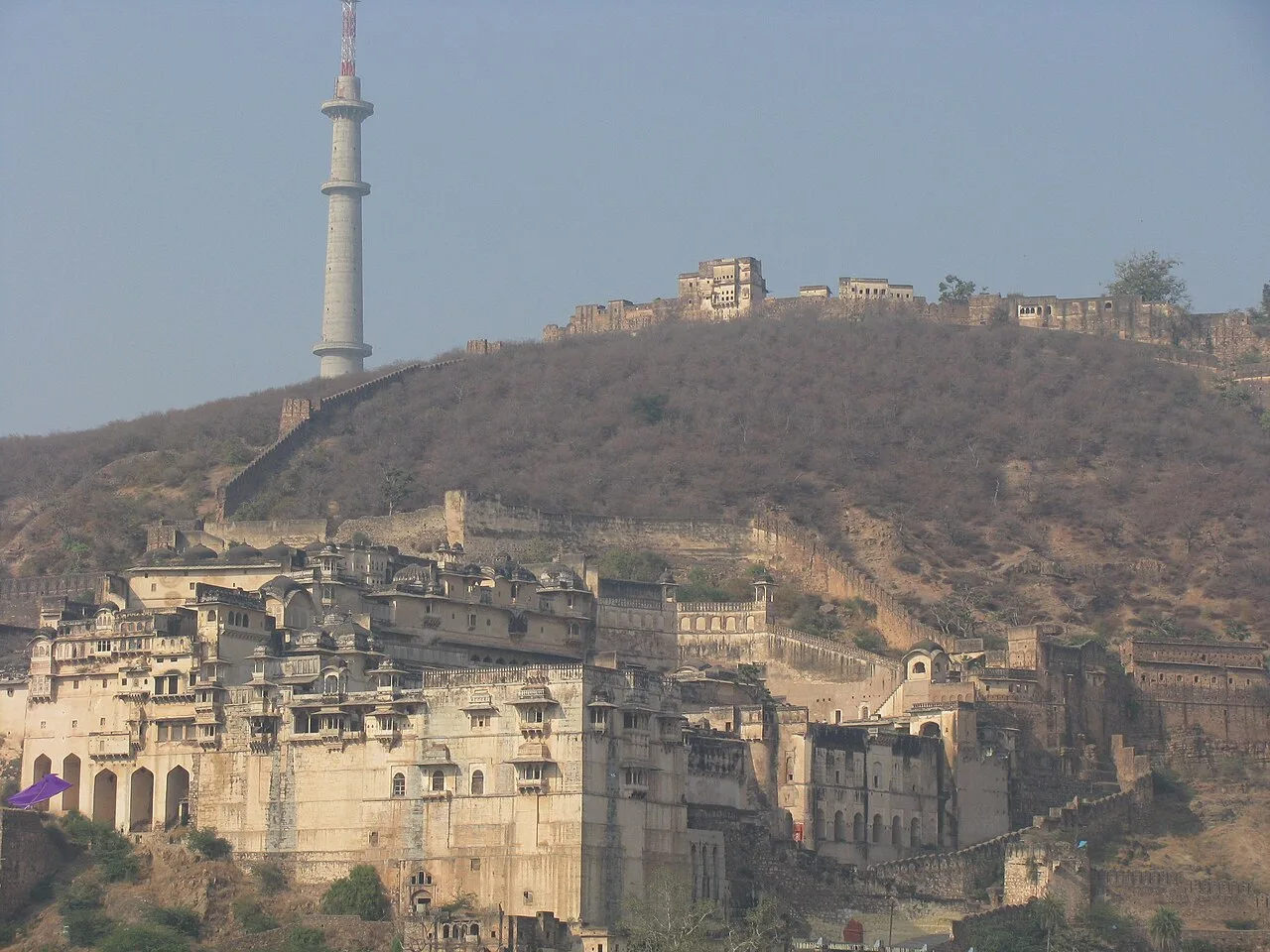
Taragarh Fort is a hilltop stronghold in Bundi, Rajasthan. Visitors come to see its Rajput architecture, elements influenced by Mughal design and passages made for wartime escape.

Ranthambore National Park

102 km away · Sawai Madhopur district

Ranthambore National Park

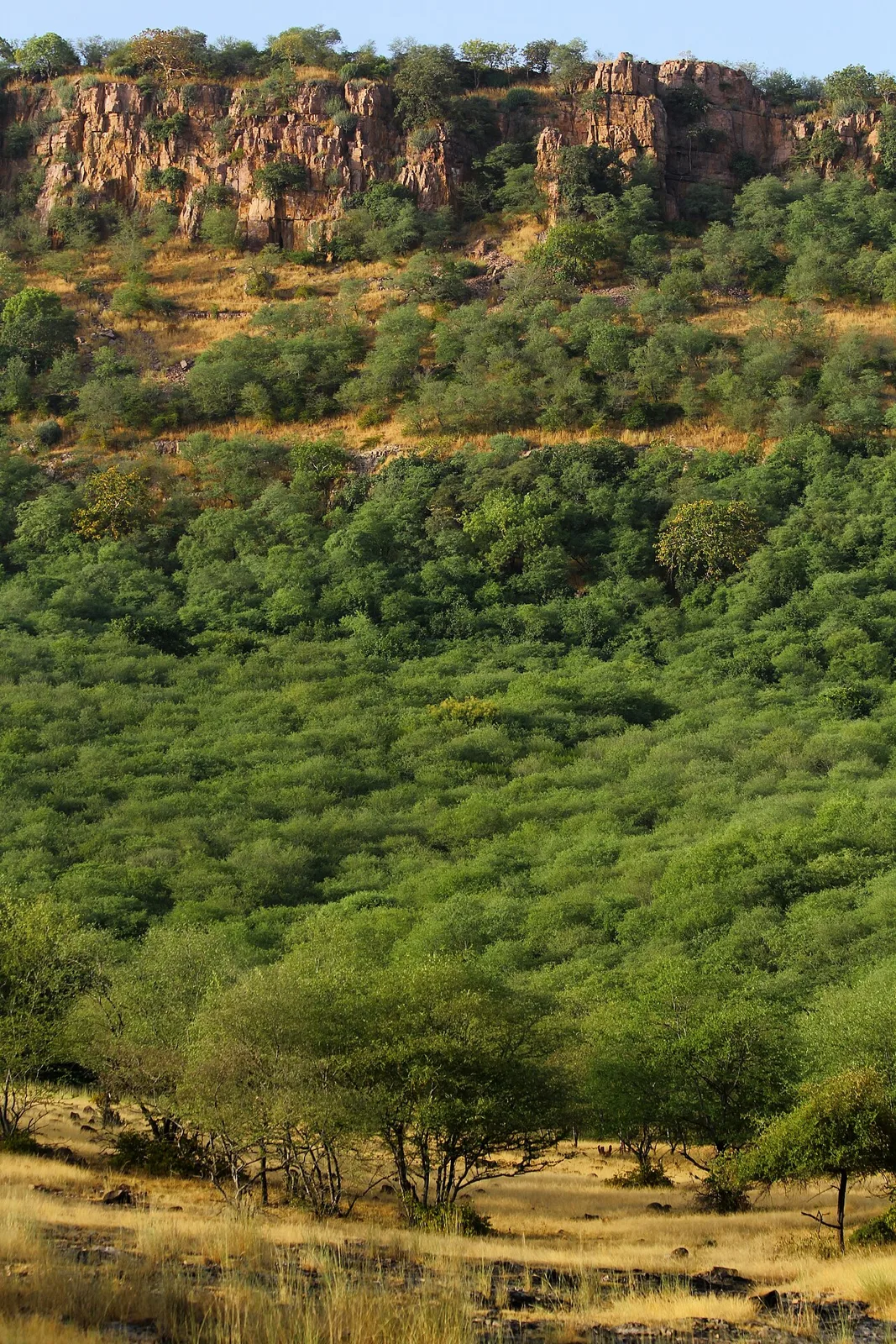
Ranthambore is a national park in Rajasthan’s Sawai Madhopur district, attracting visitors to its historic fort and its location between the Banas and Chambal rivers.

Ranthambore Fort

103 km away · Sawai Madhopur district

Ranthambore Fort

Set within Ranthambore National Park near Sawai Madhopur, this historic Rajasthan fort draws visitors for its past, elevated views over the park and UNESCO World Heritage status.

Map

Baran on the map

  1. 1Kaithoon
  2. 2Gagron Fort
  3. 3Mukundara Hills Tiger Reserve
  4. 4Bundi
  5. 5Raniji ki Baori
  6. 6Taragarh Fort, Bundi
  7. 7Ranthambore National Park
  8. 8Ranthambore Fort

Rajasthan

Other cities to explore