Ghumoopedia — Explore, Discover, Experience
Sign in
Kalibangan, near Sri Ganganagar

City guide · Rajasthan

Sri Ganganagar

Sri Ganganagar is Rajasthan’s northernmost major city, near the international border with Pakistan and close to the state’s boundary with Punjab. It serves as the administrative centre of Sri Ganganagar district and as a regional hub for farming, trade and public services.

Famous for

  • Gang Canal irrigation
  • Kinnow growing and trade
  • Grain and cotton markets
  • Planned canal-side city
  • Rajasthan’s northern borderland

Why Sri Ganganagar matters

Sri Ganganagar is Rajasthan’s northernmost major city, near the international border with Pakistan and close to the state’s boundary with Punjab. It serves as the administrative centre of Sri Ganganagar district and as a regional hub for farming, trade and public services. Its broad, ordered blocks and agricultural marketplace reflect its origins as a planned town rather than an old fort city.

The city’s defining story is the transformation of dry land through canal irrigation. Water brought by the Gang Canal and, later, other canal systems supports fields of wheat, cotton, mustard and kinnow in the surrounding region. This has earned the district a reputation as a food-producing area of Rajasthan and shaped its economy and everyday life. Visitors come to see the canal-fed landscape, browse the busy markets and experience a border region where Rajasthani and Punjabi influences meet. Sri Ganganagar is also a practical base for exploring nearby towns and rural landscapes, though travel close to the international border may be restricted.
Famous for: crafts, trade & products

Sri Ganganagar’s best-known products come from agriculture rather than a signature craft tradition. The irrigated district produces wheat, cotton, mustard and kinnow, the citrus fruit widely grown across this part of northern Rajasthan. Seasonal produce and farm goods pass through the city’s agricultural mandi, while local shops and traders supply residents and surrounding villages.

Agro-processing is an important part of the local economy, with activities such as cotton ginning, grain milling and oil processing linked to the region’s harvests. The central commercial streets and market areas are the most useful places to look for everyday goods, regional snacks and seasonal fruit. Sri Ganganagar is not especially known for a distinctive local textile, handicraft or widely recognised GI-tagged product; visitors seeking Rajasthan’s famous craft traditions will find more specialised offerings in other parts of the state. Its commercial character is instead closely tied to farming, transport and the exchange of goods between Rajasthan and neighbouring Punjab.

History

The area now covered by Sri Ganganagar district formed part of the former Bikaner State in Rajputana. Maharaja Ganga Singh established the city and gave it his name. The region’s growth was closely tied to the search for a reliable water supply after severe famine affected Bikaner State in 1899–1900. Engineers developed plans to bring Sutlej water into the arid western areas, although negotiations with neighbouring Bahawalpur delayed the project.

An agreement among the states concerned was reached in 1920, and canal works were completed in 1927. Irrigation transformed the surrounding landscape and helped make the planned town a centre for farming and trade. Its layout included residential blocks and a commercial area with an agricultural marketplace. Sri Ganganagar district was formed in 1949 from irrigated parts of the former Bikaner State. In 1994, its southern area was separated to create Hanumangarh district. Today, the city’s economy and identity remain closely connected to canal agriculture.

Food, festivals & culture

Food in Sri Ganganagar reflects both Rajasthani and Punjabi influences. Everyday meals may include dal, seasonal vegetables, roti and dishes such as gatte; Punjabi favourites such as makki di roti and sarson da saag are also familiar. Sweets and snacks are widely available in local shops, while kinnow is a seasonal highlight, enjoyed fresh or as juice. Recipes and menus vary across households, so the city has no single dish that defines its food culture.

Diwali and Holi are widely observed, while Gangaur and Teej bring Rajasthani seasonal traditions into the calendar. Lohri and Baisakhi are also celebrated, reflecting the area’s connections with Punjab and the agricultural cycle. Hindi, Bagri and Punjabi are commonly heard. Folk music and dance traditions from both Rajasthan and Punjab appear at community gatherings and festival events. Hindu temples, Sikh gurdwaras and other places of worship serve the city’s diverse communities; visitors should dress respectfully and follow local customs.

Visiting the city

The most comfortable time to visit is generally October to March, when days are cooler than during the intense summer heat. Sri Ganganagar Junction is the city’s main railway station. Bathinda Airport is the nearest airport, though scheduled passenger services may be limited; travellers can also consider larger airports such as Amritsar and check current connections before setting out.

Auto-rickshaws, e-rickshaws and taxis are useful for getting around. Explore the central bazaar and agricultural market to see the city’s commercial life, and take a drive through its planned residential blocks and canal-side surroundings. The surrounding countryside is most rewarding during the growing season, when irrigated fields and orchards are visible. Check access rules before planning travel near the international border, as some areas may be restricted.

Trips from the city

Nearest places to visit from Sri Ganganagar

Our closest destination guides, by straight-line distance.

Kalibangan

55 km away · Hanumangarh district

Kalibangan

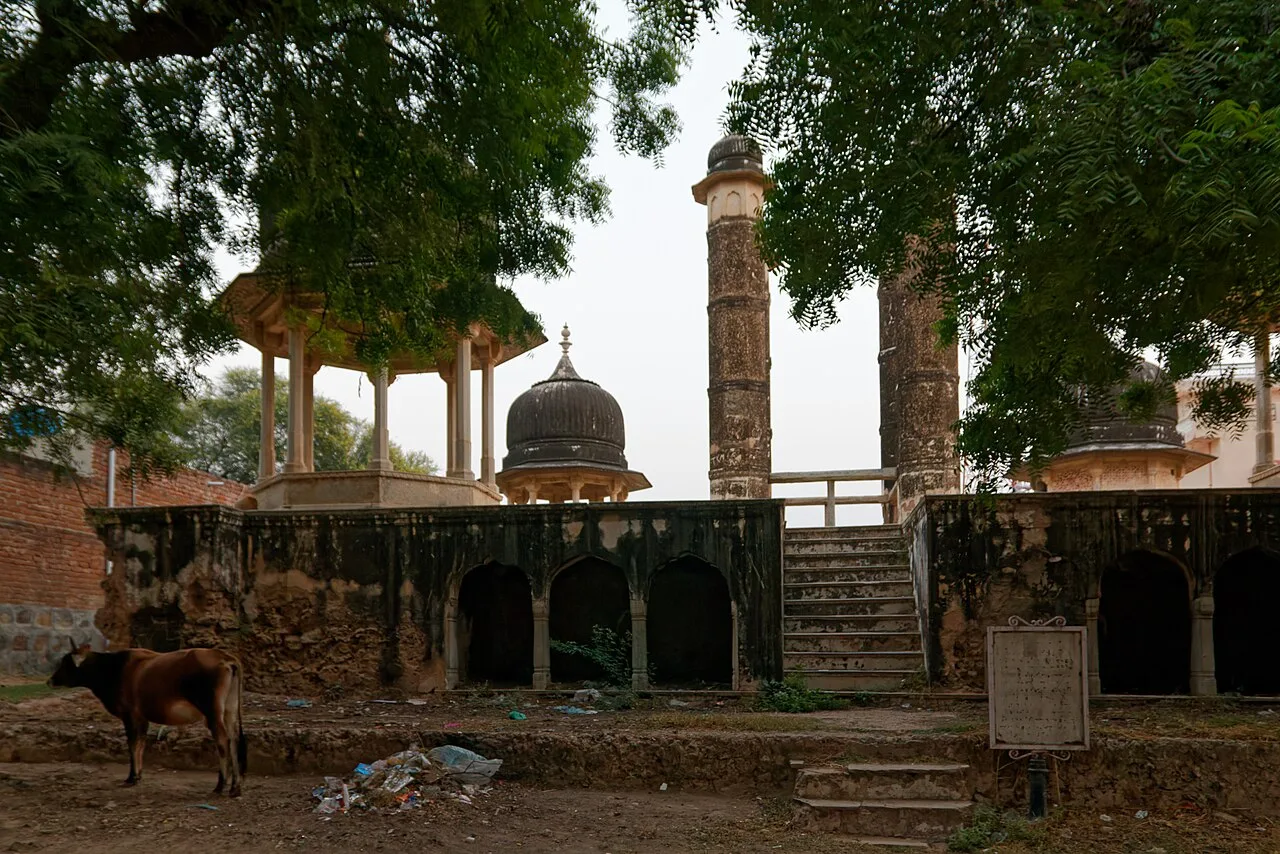
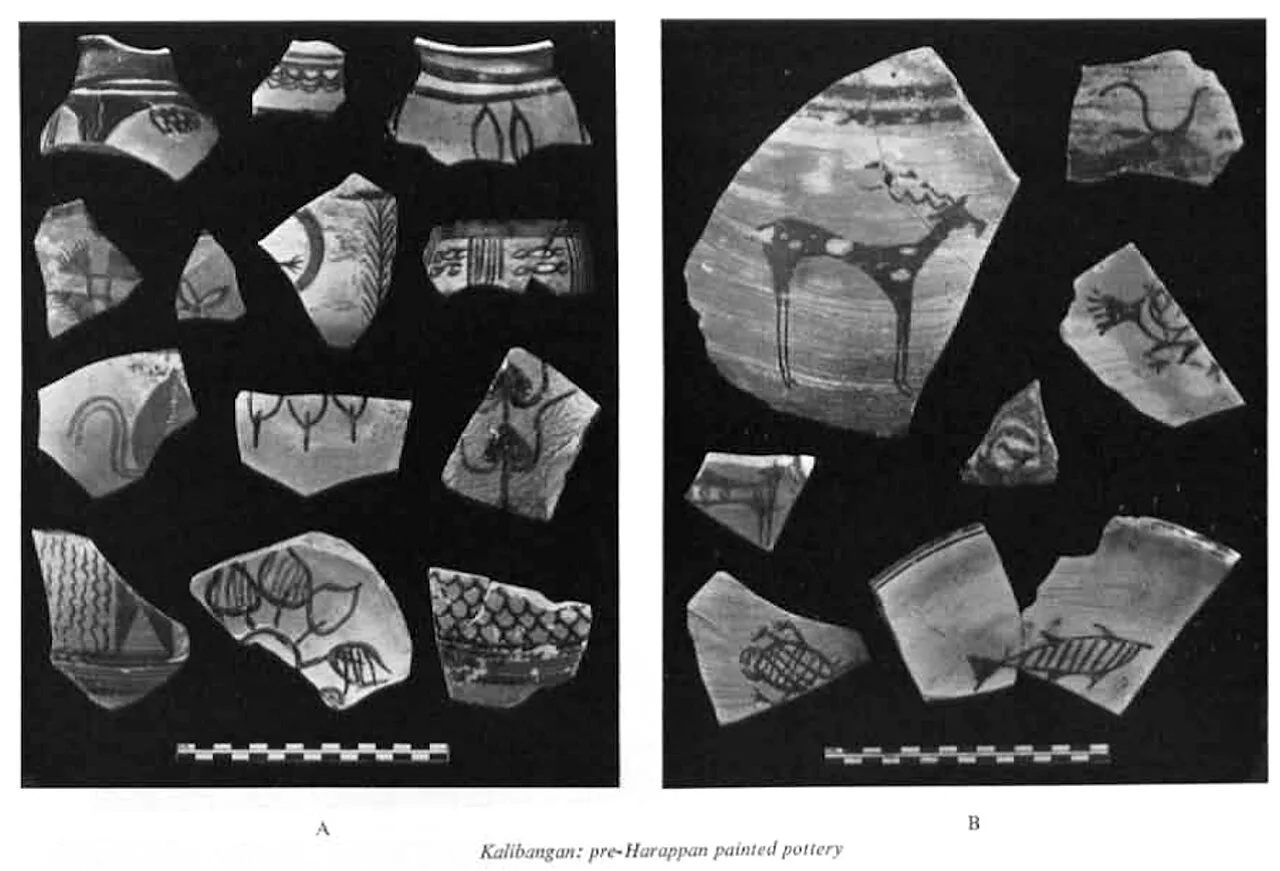
Kalibangan is an archaeological town in Hanumangarh district, Rajasthan, beside the Ghaggar. Visitors come to explore its Indus Valley Civilization remains, including fire altars and evidence of an ancient ploughed field.

Bhatner fort

57 km away · Hanumangarh district

Bhatner fort

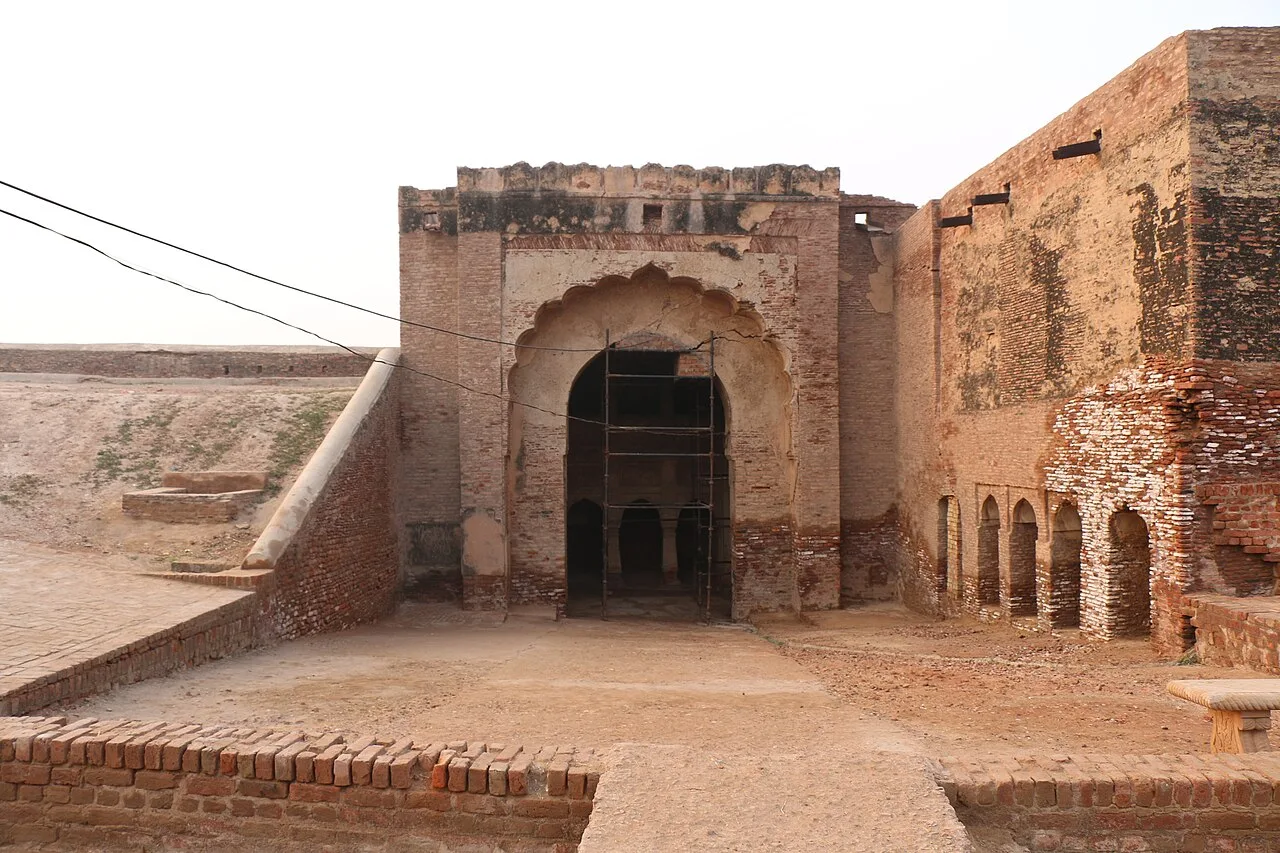
Bhatner Fort is an ancient stronghold in Hanumangarh district, Rajasthan. Visitors are drawn by its association with the Bhati lineage, its believed age and its protected status.

Lalgarh Palace

216 km away · Bikaner district

Lalgarh Palace

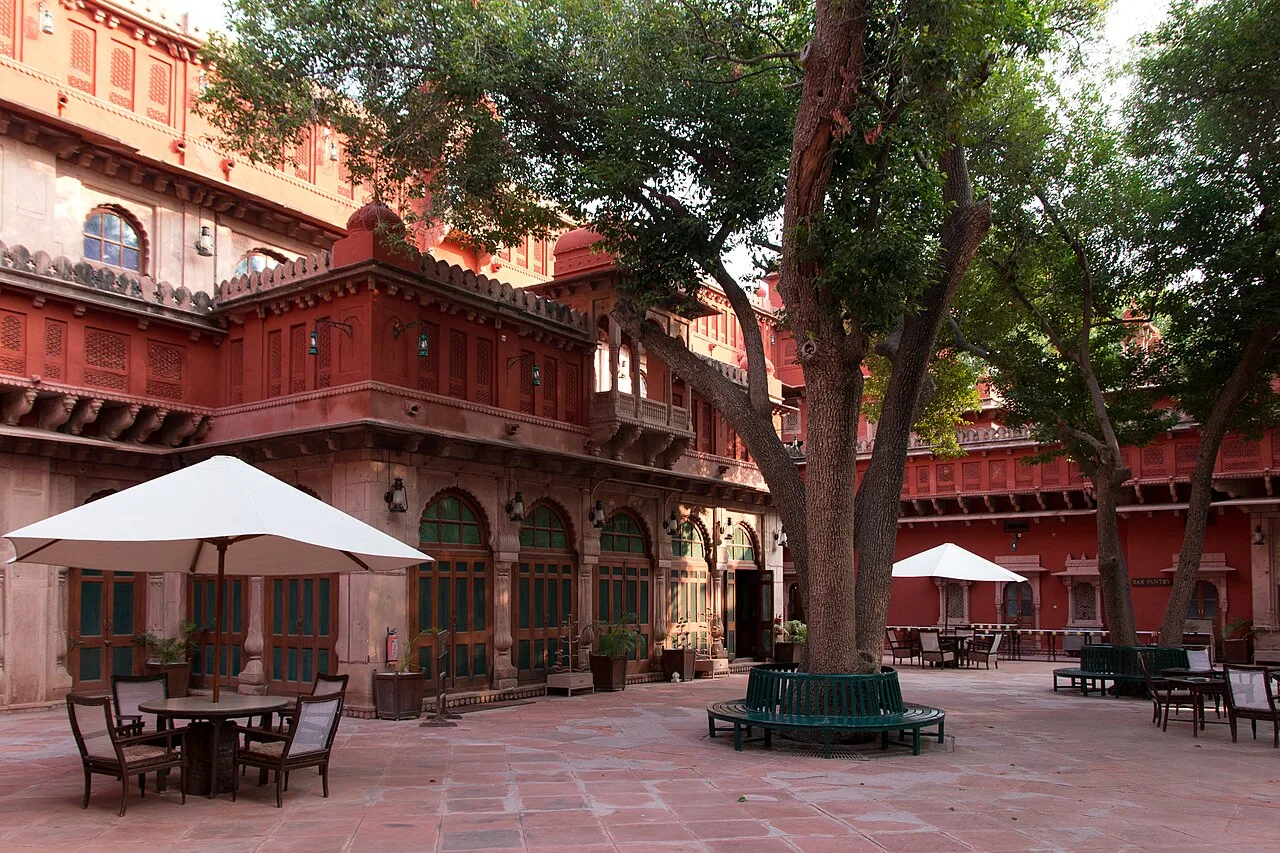
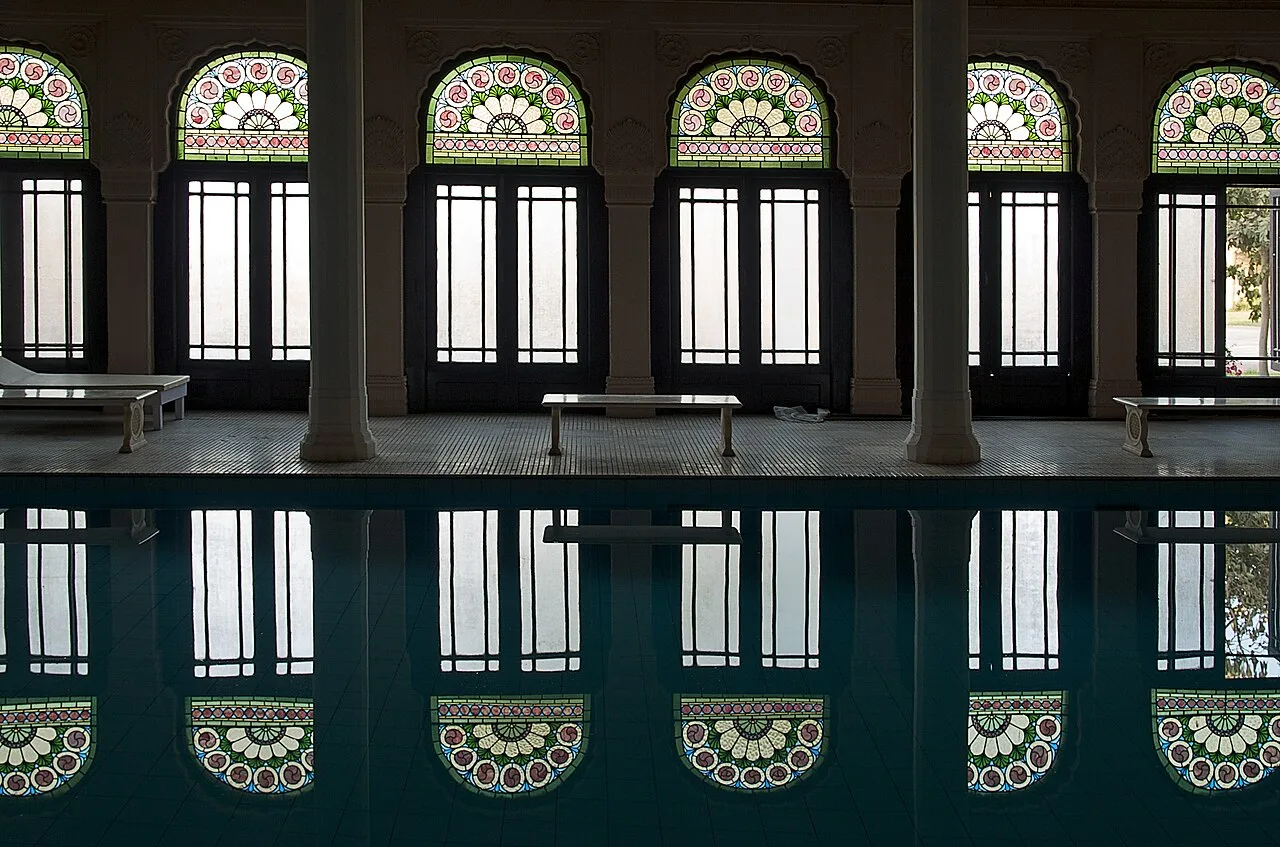
Lalgarh Palace is a palace and heritage-hotel property in Bikaner, Rajasthan, created for Maharaja Sir Ganga Singh. Visitors come to see the residence and its links to Bikaner’s royal history.

Junagarh Fort

218 km away · Bikaner district

Junagarh Fort

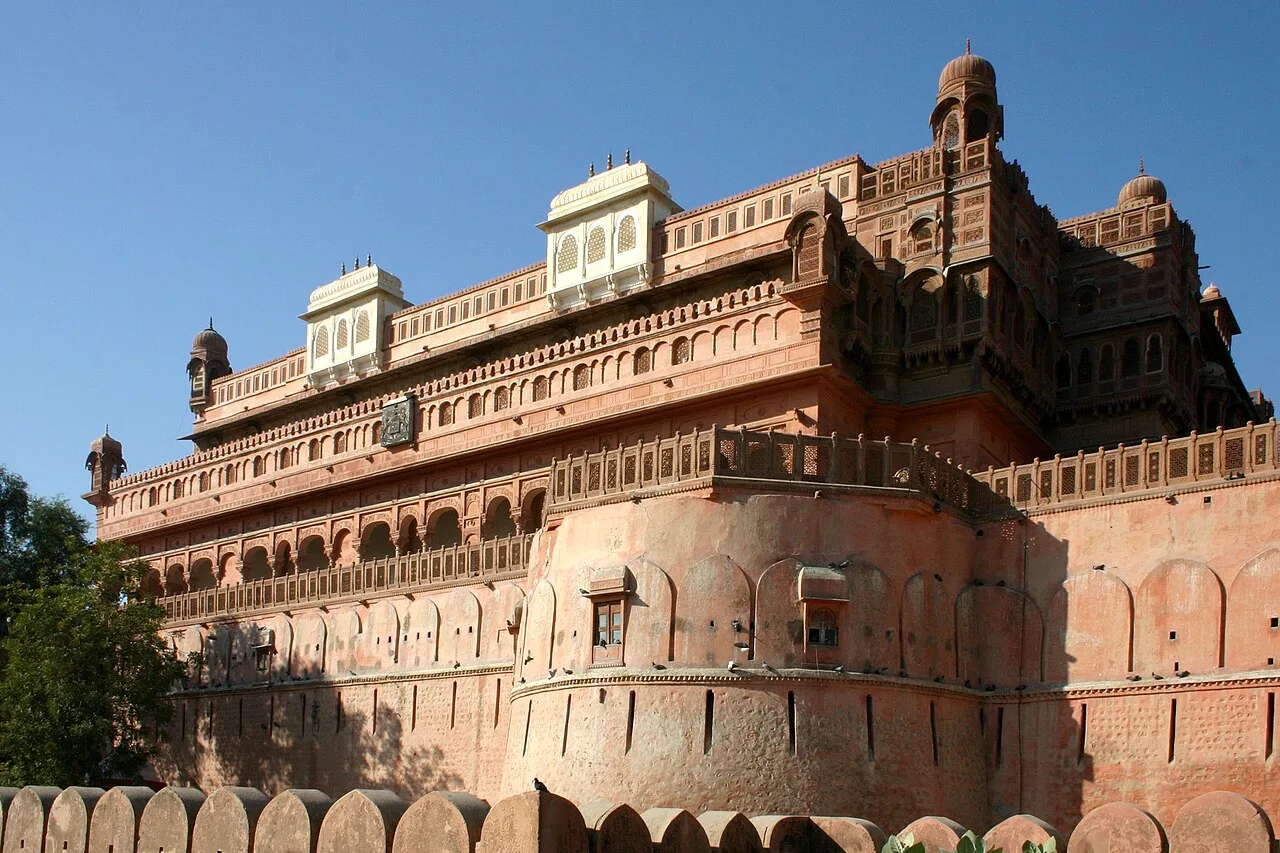
Junagarh Fort is a historic complex in Bikaner, Rajasthan, known for its palaces, temples and pavilions. Visitors can explore its layered history and blend of architectural traditions.

Gajner Palace

234 km away · Bikaner district

Gajner Palace

Gajner Palace, in Rajasthan’s Bikaner district, was used by the maharajas of Bikaner as a hunting lodge and now operates as a heritage hotel. Visitors come to stay at the palace.

Karni Mata Temple

242 km away · Bikaner district

Karni Mata Temple

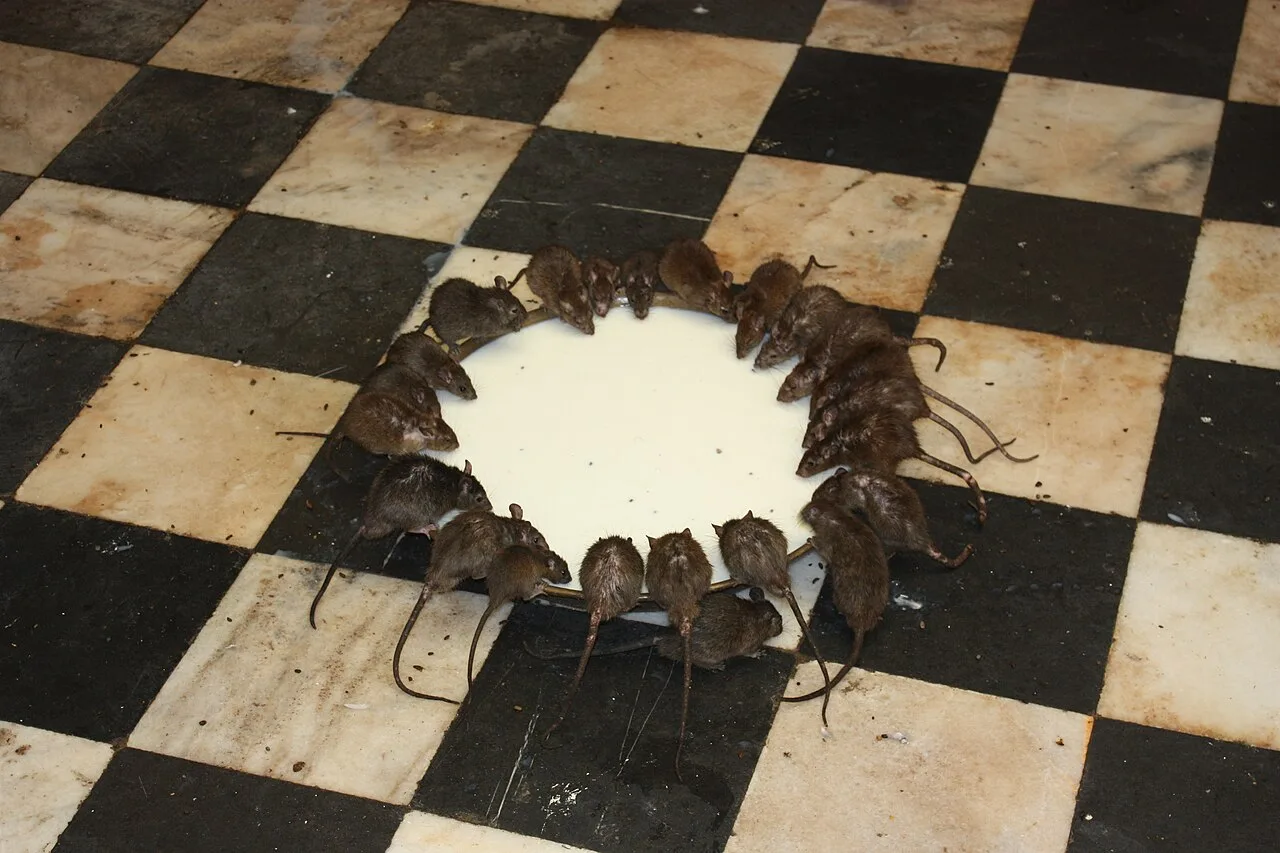
Karni Mata Temple is a Hindu shrine in Deshnoke, Rajasthan, associated with Karni Mata and sacred kābā rodents. Pilgrims seek blessings there, while visitors come to see its distinctive rat population.

Mandawa

242 km away · Jhunjhunu district

Mandawa

Mandawa is a town in Rajasthan’s Jhunjhunu district, within the Shekhawati region. Travellers visit it as part of journeys through the region and nearby Jhunjhunu.

Tal Chhapar Sanctuary

242 km away · Churu district

Tal Chhapar Sanctuary

Tal Chhapar is a wildlife sanctuary in Rajasthan’s Churu district, known for blackbucks and birdlife. Visitors come to see its wildlife in a setting near the Great Indian Desert.

Map

Sri Ganganagar on the map

  1. 1Kalibangan
  2. 2Bhatner fort
  3. 3Lalgarh Palace
  4. 4Junagarh Fort
  5. 5Gajner Palace
  6. 6Karni Mata Temple
  7. 7Mandawa
  8. 8Tal Chhapar Sanctuary

Rajasthan

Other cities to explore