Ghumoopedia — Explore, Discover, Experience
Sign in

City guide · Rajasthan

Sojat

Sojat is a municipality and tehsil headquarters in Rajasthan’s Pali district, set in the Marwar region on the left bank of the Sukri River. Its strongest modern identity comes from mehendi: farms and local processing link the surrounding countryside with buyers seeking henna for personal care, ceremonial use and colouring.

Famous for

  • Sojat mehendi (henna)
  • Mehendi farms and processing
  • Hilltop Sojat Fort
  • Sukri River setting
  • Marwar market town

Why Sojat matters

Sojat is a municipality and tehsil headquarters in Rajasthan’s Pali district, set in the Marwar region on the left bank of the Sukri River. Its strongest modern identity comes from mehendi: farms and local processing link the surrounding countryside with buyers seeking henna for personal care, ceremonial use and colouring. Sojat mehendi has a Geographical Indication tag, giving the town’s agricultural product a distinct place in India’s craft and produce landscape.

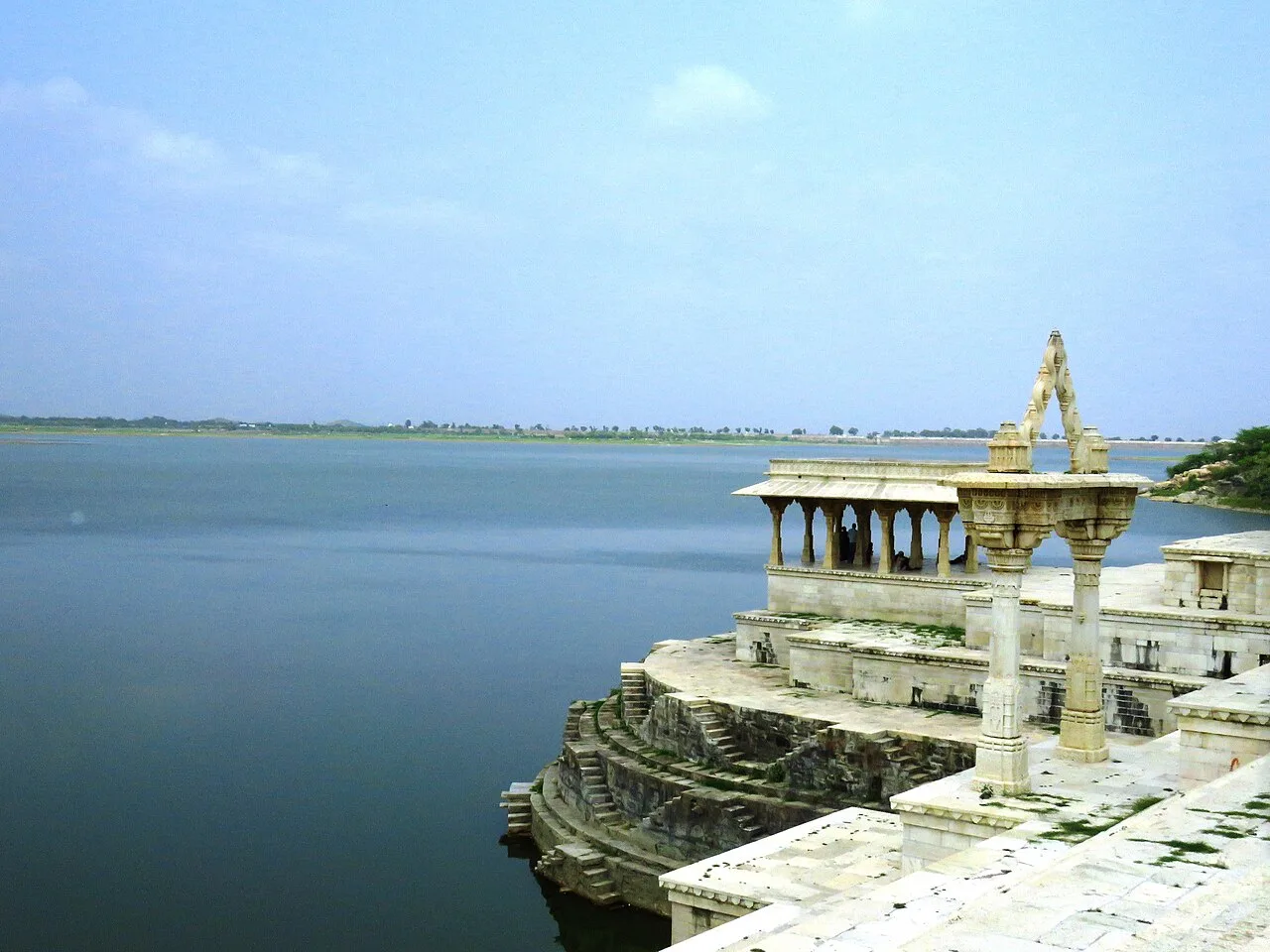
Visitors can pair an introduction to this trade with a look at Sojat’s hilltop fort, whose grounds include a large reservoir and several temples. The town’s setting, at the edge of the Aravalli hill region, also offers a sense of the dry landscapes and rural settlements of western Rajasthan. Sojat is chiefly a working regional centre rather than a resort destination: its shops, services and road links serve nearby villages as well as residents. That combination of a recognised local product, historic architecture and everyday Marwari town life is what makes Sojat worth a stop.
Famous for: crafts, trade & products

Sojat is best known for mehendi, or henna, cultivated in the surrounding area and processed for sale. Sojat mehendi holds a Geographical Indication tag, recognising its association with this place. The crop is used in preparations for hair and skin, as well as for traditional henna designs at celebrations. Farms and processing activity are spread across the local area; visitors interested in the trade can ask locally about arranging a respectful visit rather than assuming farms are open to the public.

The town’s shops and market streets are the practical places to look for packaged henna and everyday goods, though stock and labelling vary. Check packaging for the producer, ingredients and origin if seeking Sojat-grown product. Sojat is not especially identified with a signature saree or textile tradition, and its main commercial distinction is agricultural rather than a large handicraft industry. The fort and its temples are notable local landmarks, but the available background does not point to a specific museum, craft institution or named bazaar devoted to mehendi. Buying directly from a reputable local seller can help visitors understand how the crop moves from farm to finished product.

History

Sojat’s history is closely tied to its position in Marwar and to the settlements and routes of the Pali region. The hilltop fort is the most visible reminder of its older strategic role. It stands above the town and contains a large reservoir and several temples, features that speak to the importance of defence, water storage and worship in a dry landscape. The exact chronology of the fort’s construction and later alterations is not firmly established here, so specific builders or dates should not be assumed.

During the colonial era, Sojat lay within the wider Marwar territory governed by the princely State of Jodhpur, under British paramountcy. Following Indian independence and the formation of Rajasthan, the town continued to develop as a local administrative centre. Its present role as a municipality and tehsil headquarters supports public services and trade for surrounding settlements. In recent decades, cultivation and processing of mehendi have remained central to Sojat’s economic identity, while roads and rail connections link it with other towns in Pali district and the wider state.

Food, festivals & culture

Sojat’s everyday culture is shaped by Marwari and broader Rajasthani customs. Marwari is widely used in local life, alongside Hindi, which is useful for visitors in shops and public settings. Meals in the region commonly draw on lentils, grains, dairy and preserved vegetables; dishes such as dal baati churma, gatte ki sabzi and ker sangri are familiar Rajasthani choices. Sweets including ghevar may be found around festive periods, though menus differ between households and eateries.

Holi in spring and Diwali in autumn are widely observed, while Gangaur, usually celebrated in spring, and Teej during the monsoon season are important across Rajasthan. Local observances may vary from year to year. Folk music and dance traditions associated with Marwar, including devotional singing and forms such as ghoomar, belong to the wider cultural setting. The temples within the fort and neighbourhood places of worship are focal points for prayer and community gatherings. Visitors should dress modestly at religious sites and ask before photographing worshippers or ceremonies.

Visiting the city

The cooler months, roughly October to March, are generally the most comfortable for exploring Sojat; summer can be very hot, while monsoon brings changing conditions. Jodhpur Airport is the nearest major airport. Sojat Road railway station is the main rail stop serving the town; check current connections before planning onward travel.

Auto-rickshaws, local taxis and buses can help with journeys within town and to nearby places. The fort and its temples are natural starting points, followed by the central market streets, where visitors can look for locally sold mehendi. The surrounding countryside offers a closer view of the agricultural setting, but arrange access with a farm or local guide in advance and respect private property. Sojat is compact enough for a short visit, though heat and distances between attractions can make a vehicle useful.

Trips from the city

Nearest places to visit from Sojat

Our closest destination guides, by straight-line distance.

69 km away · Jodhpur district

Salawas

Salawas is a village 22 km from Jodhpur, known for durries, or rugs, produced by local craftspeople. Visitors are drawn by its association with this traditional craft.

Umaid Bhawan Palace

73 km away · Jodhpur district

Umaid Bhawan Palace

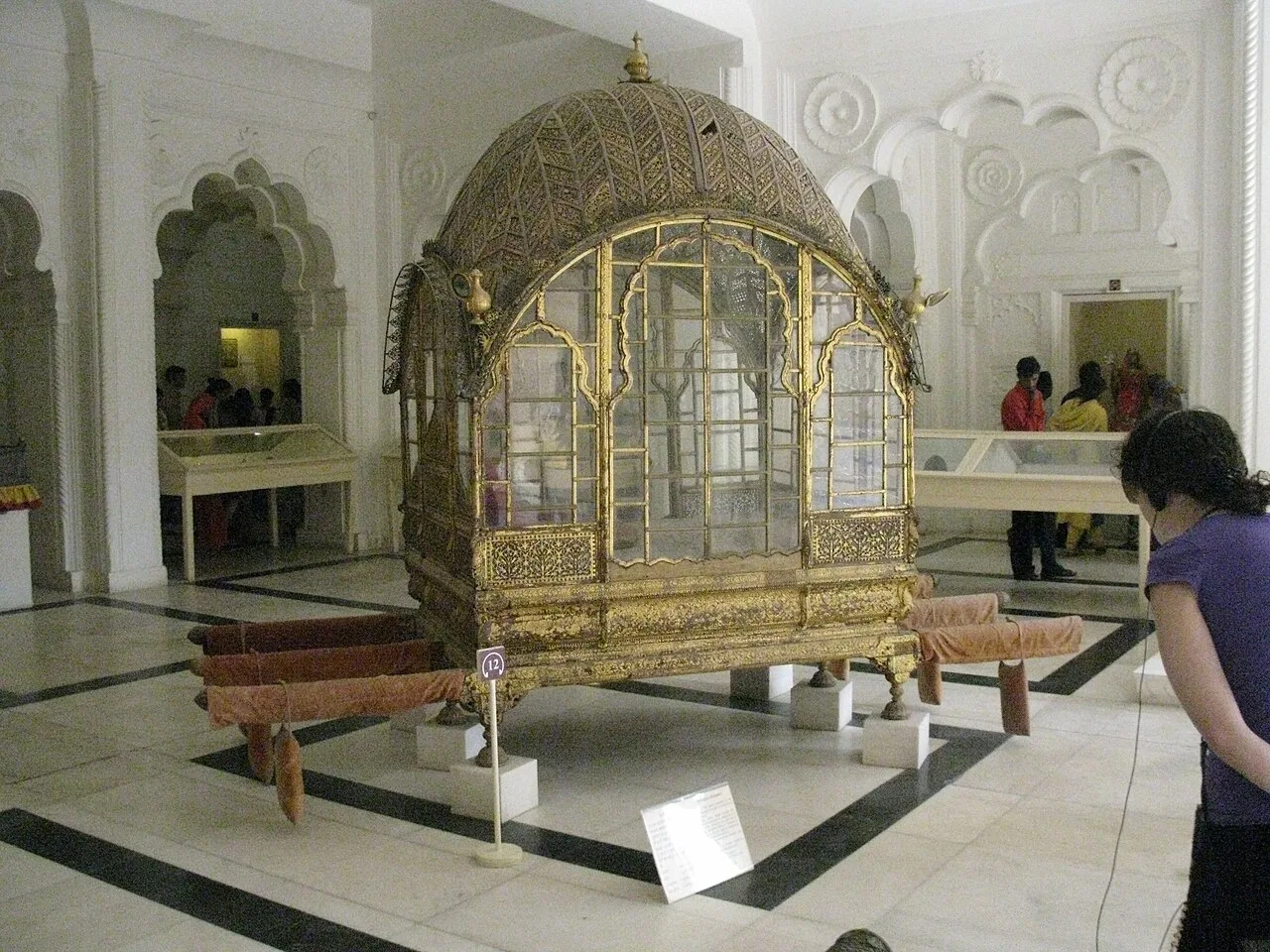
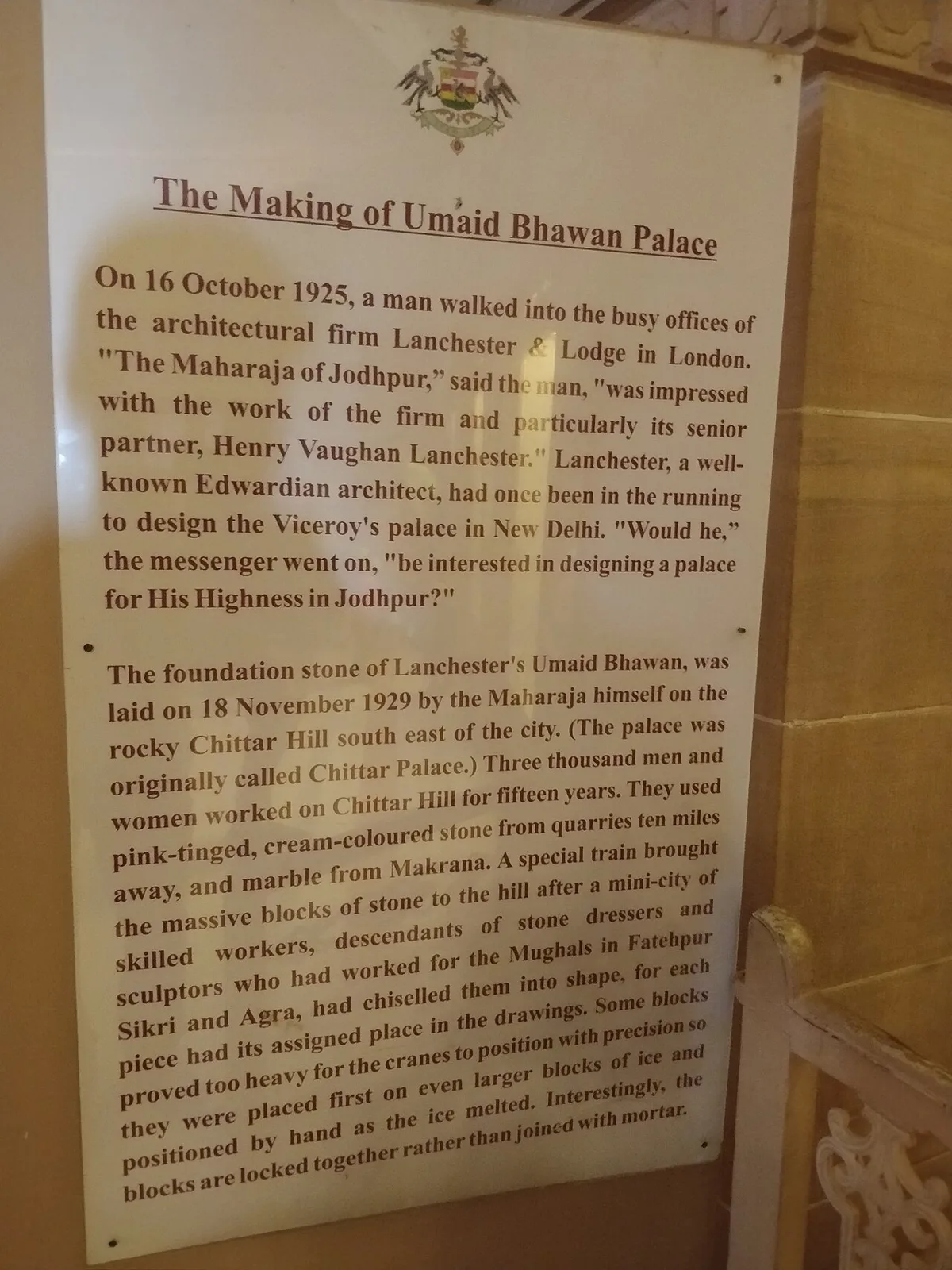
Umaid Bhawan Palace is a major residence in Jodhpur, Rajasthan, with a hotel-managed section and a museum. Visitors come to see the royal home and its museum.

Jaswant Thada

77 km away · Jodhpur district

Jaswant Thada

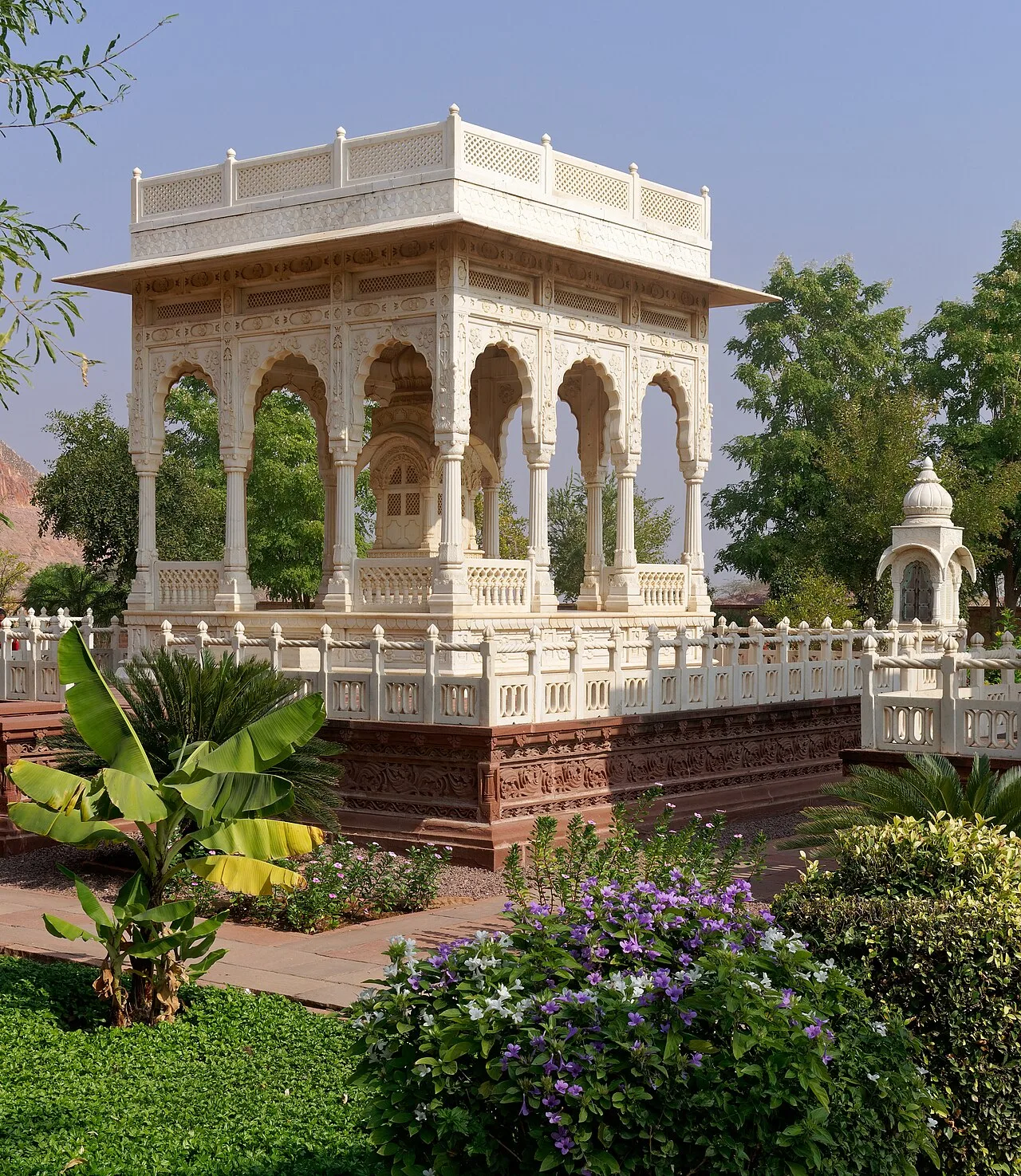
Jaswant Thada is a marble memorial in Jodhpur, Rajasthan, built in honour of Maharaja Jaswant Singh II. Visitors come to see its carved stonework, landscaped grounds and royal portraits.

Mehrangarh

77 km away · Jodhpur district

Mehrangarh

Mehrangarh is a historic hilltop fort in Jodhpur, Rajasthan. Visitors explore its palaces, temple and museum, and see the gates and memorials associated with its history.

Mandore

79 km away · Jodhpur district

Mandore

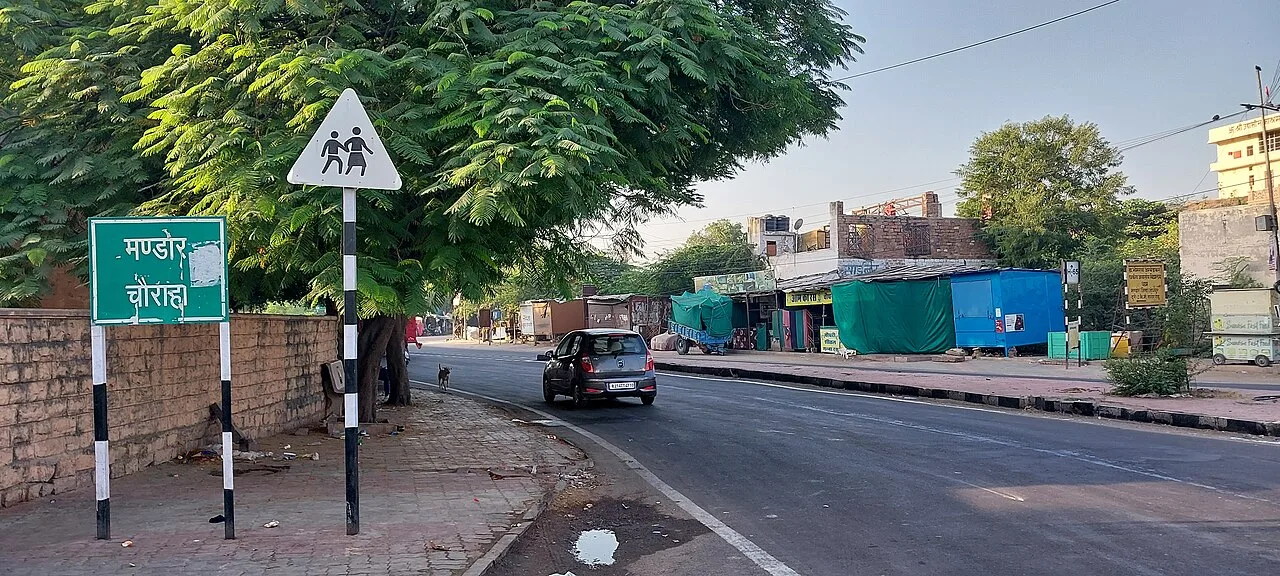
Mandore is a historic settlement and suburb in Rajasthan’s Jodhpur district, about nine kilometres north of Jodhpur. Visitors may be drawn by its historical character and proximity to the city.

Kumbhalgarh

87 km away · Rajsamand district

Kumbhalgarh

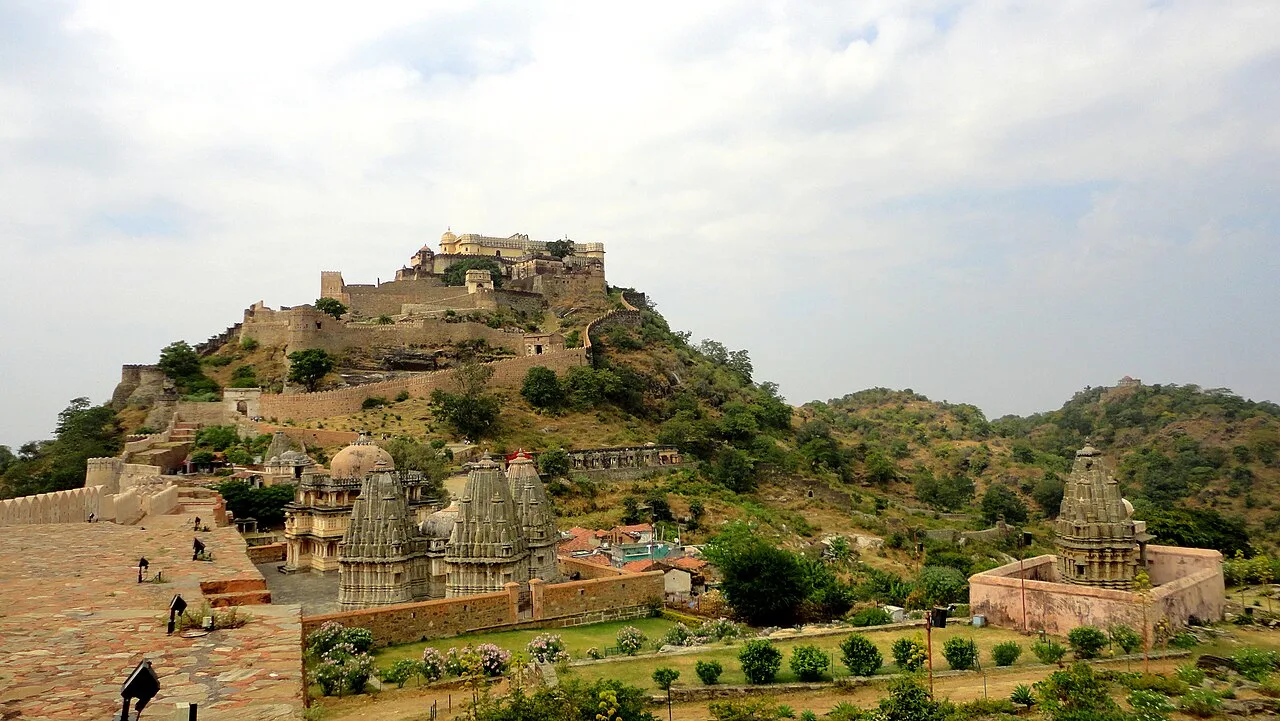
Kumbhalgarh, often called the Great Wall of India, is a 15th-century fortress in Rajasthan’s Aravalli Hills, visited for its fortifications, historical associations and UNESCO World Heritage status.

Ranakpur Jain temple

92 km away · Pali district

Ranakpur Jain temple

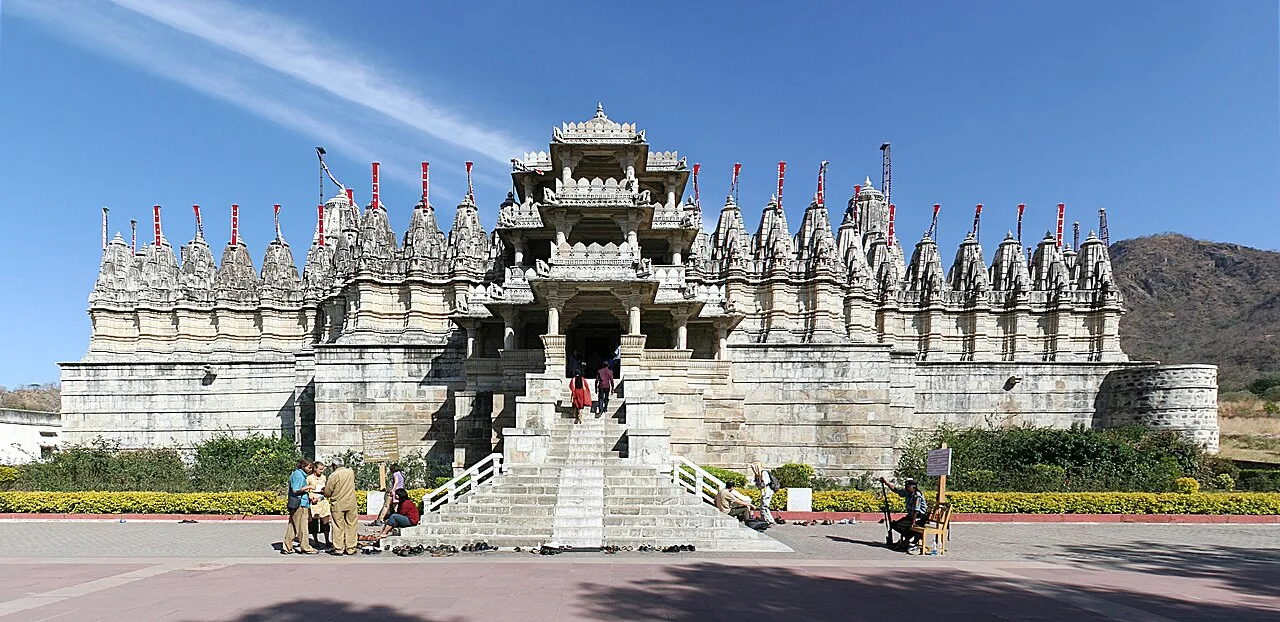
The Ranakpur Jain temple, also known as Chaturmukha Dharana Vihara, is a Śvētāmbara shrine devoted to Rishabhanatha. Jain pilgrims visit this important religious site and its group of associated temples.

Rajsamand Lake

97 km away · Rajsamand district

Rajsamand Lake

A large reservoir in Rajasthan’s Rajsamand district, Rajsamand Lake is also called Rajsamudra. Visitors come to see its scale and the historic work associated with Rana Raj Singh.

Map

Sojat on the map

  1. 1Salawas
  2. 2Umaid Bhawan Palace
  3. 3Jaswant Thada
  4. 4Mehrangarh
  5. 5Mandore
  6. 6Kumbhalgarh
  7. 7Ranakpur Jain temple
  8. 8Rajsamand Lake

Rajasthan

Other cities to explore