Ghumoopedia — Explore, Discover, Experience
Sign in
Mandawa, near Bissau

City guide · Rajasthan

Bissau

Bissau is a town and municipality in Jhunjhunu district, in Rajasthan’s Shekhawati region. Its importance today is chiefly local: it serves nearby communities with everyday services and connects visitors to the smaller towns and historic landscapes of the district.

Famous for

  • Shekhawati heritage
  • Painted haveli architecture
  • Rajasthani food traditions
  • Thikana-era history

Why Bissau matters

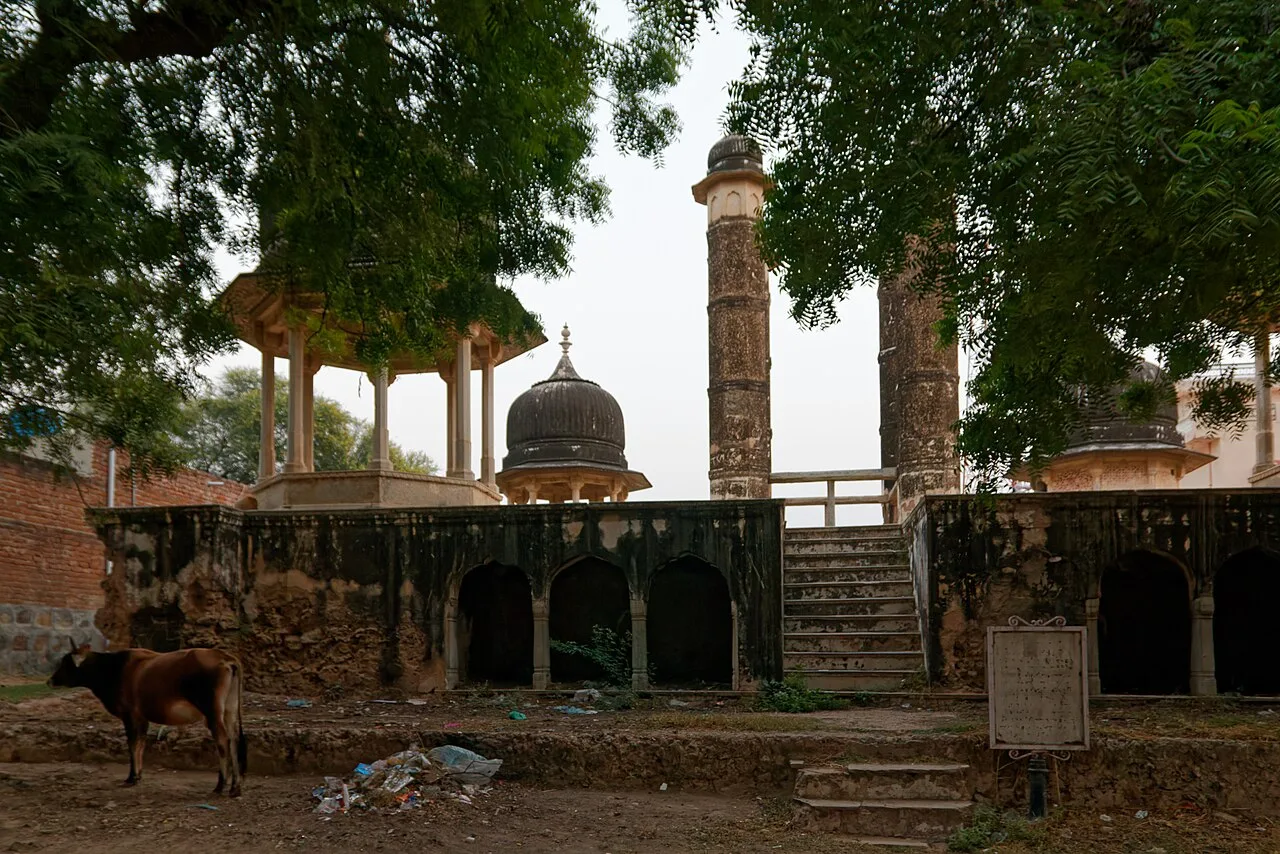
Bissau is a town and municipality in Jhunjhunu district, in Rajasthan’s Shekhawati region. Its importance today is chiefly local: it serves nearby communities with everyday services and connects visitors to the smaller towns and historic landscapes of the district. For travellers, Bissau offers a quieter stop within a region better known for its old merchant havelis, painted façades and forts than for large, purpose-built tourist attractions.

The wider Shekhawati setting is the main draw. Visitors interested in traditional architecture can look for historic homes and other old buildings, while the town’s streets and markets offer a glimpse of daily life in rural Rajasthan. Bissau is also a useful point for exploring the district by road, including nearby towns with more extensively documented heritage sites. It is best approached as part of a broader Shekhawati itinerary rather than as a destination with a large, established visitor infrastructure. Local customs, seasonal celebrations and regional food add to the experience.
Famous for: crafts, trade & products

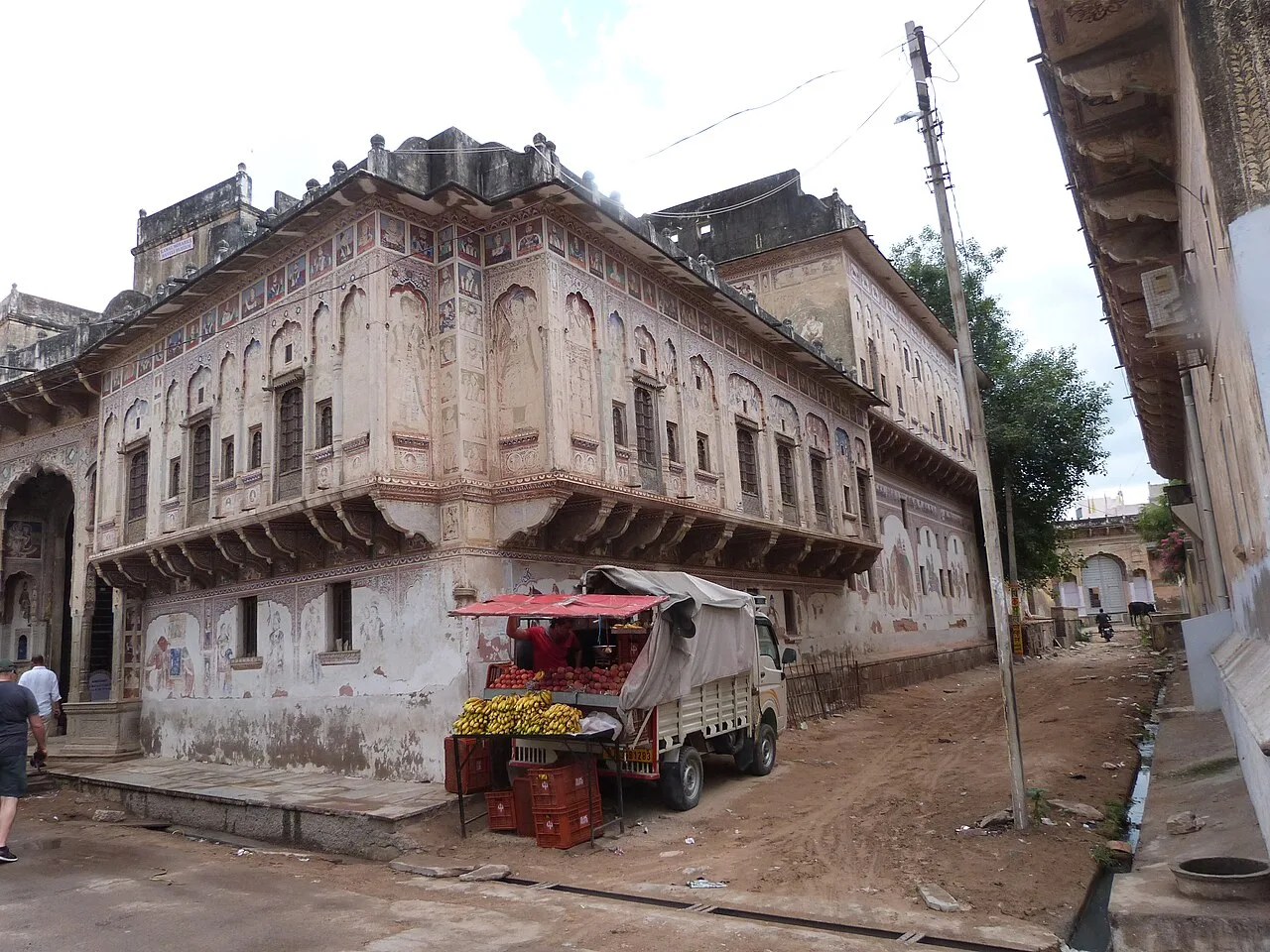
Bissau’s identity is more closely associated with Shekhawati’s built heritage than with a widely recognized textile, handicraft or industrial specialty. Historic havelis and painted architectural details are part of the wider regional character, though the condition and accessibility of individual buildings can vary. The town is not especially known for a city-specific GI-tagged product, and visitors should not assume that every old building is open to the public.

Local markets primarily serve residents and nearby villages. They are the practical places to look for everyday clothing, household goods, snacks and seasonal items; availability changes, and there is no established specialist shopping district to rely on for a particular craft. Regional Rajasthani goods may appear in shops, but Bissau is not a major destination for organized handicraft retail. Travellers seeking a broader selection of Shekhawati souvenirs or heritage-related shopping can compare options in larger nearby towns. Ask locally before visiting a private haveli, as access may require the owner’s permission.

History

Bissau’s past is connected with the thikana-era political landscape of Shekhawati, a region historically divided among local estates and princely authorities. Its heritage is best understood alongside that of Jhunjhunu district, where local rulers, merchants and their households shaped towns through residences, places of worship and community buildings. The name and development of Bissau belong to this regional history, though detailed accounts of individual buildings and local rulers are not consistently available.

During the colonial period, trade and migration helped merchant families across Shekhawati prosper. In several towns, that prosperity was expressed in elaborately painted havelis; Bissau shares the region’s architectural context, even if it is less widely documented than some better-known heritage centres. After Indian independence and the integration of princely territories into Rajasthan, local administration evolved within the modern district system. Today Bissau is a municipality in Jhunjhunu district, with its role centred on local services and its links to surrounding settlements.

Food, festivals & culture

Daily food in Bissau reflects the wider Shekhawati and Rajasthani kitchen. Visitors may encounter bajra roti, dal, gatte ki sabzi and seasonal preparations such as ker sangri, along with familiar sweets including ghevar or other locally available mithai. Menus vary between homes and eateries, so these are regional examples rather than guaranteed town specialties. Hindi is widely used, and local speech commonly includes Rajasthani varieties, including the Shekhawati dialect.

Holi, Diwali, Teej and Gangaur are observed in the seasonal calendar, with the scale and customs of celebration varying among households. Religious life includes neighbourhood temples and other places of worship; visitors should dress respectfully and follow local etiquette. Folk songs and devotional music are part of regional gatherings, while dances such as ghoomar are associated with Rajasthan’s broader cultural repertoire. Local performances are not necessarily scheduled for visitors, so it is worth asking residents about community events during a stay.

Visiting the city

The cooler months, roughly October to March, are generally the most comfortable time to visit. Summers can be very hot, while monsoon conditions may affect road journeys. Bissau railway station is the local rail stop; Churu Junction is another station to consider for wider onward connections. For flights, Bikaner’s Nal Airport may be geographically closer, but services can be limited; Jaipur International Airport is a larger option, so check current connections before planning.

Within town, walking can suit short visits, while local autos or hired vehicles are useful for longer distances and nearby excursions. Explore the central market and older residential lanes at a relaxed pace, keeping in mind that some heritage buildings are private. Bissau also works as a road stop for exploring other parts of Jhunjhunu district and the wider Shekhawati region.

Trips from the city

Nearest places to visit from Bissau

Our closest destination guides, by straight-line distance.

Mandawa

23 km away · Jhunjhunu district

Mandawa

Mandawa is a town in Rajasthan’s Jhunjhunu district, within the Shekhawati region. Travellers visit it as part of journeys through the region and nearby Jhunjhunu.

Nawalgarh

48 km away · Jhunjhunu district

Nawalgarh

Nawalgarh is a heritage city in Rajasthan’s Shekhawati region, within Jhunjhunu district. Visitors are drawn by its heritage character, and it is 30.5 km from Sikar and 39.2 km from Jhunjhunu.

Tal Chhapar Sanctuary

80 km away · Churu district

Tal Chhapar Sanctuary

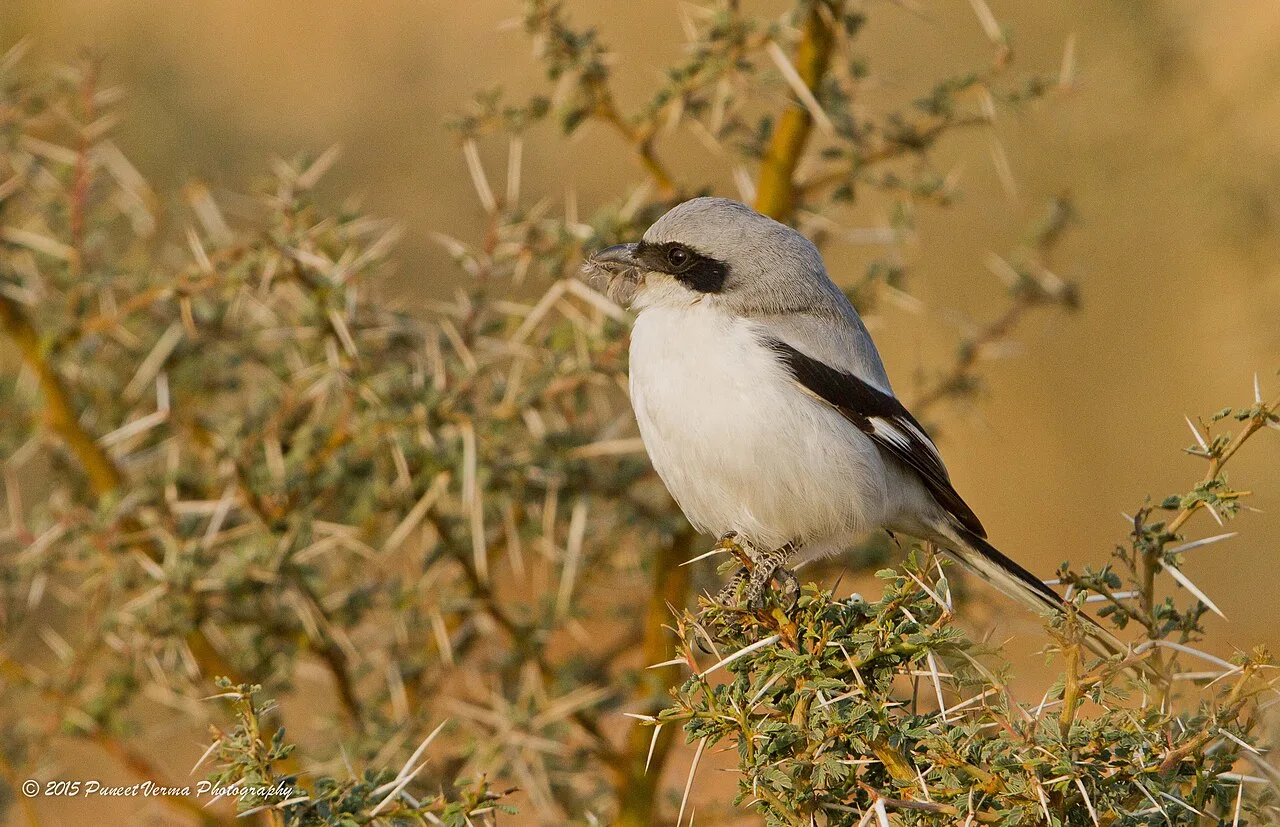
Tal Chhapar is a wildlife sanctuary in Rajasthan’s Churu district, known for blackbucks and birdlife. Visitors come to see its wildlife in a setting near the Great Indian Desert.

Khatu Shyam Temple

103 km away · Sikar district

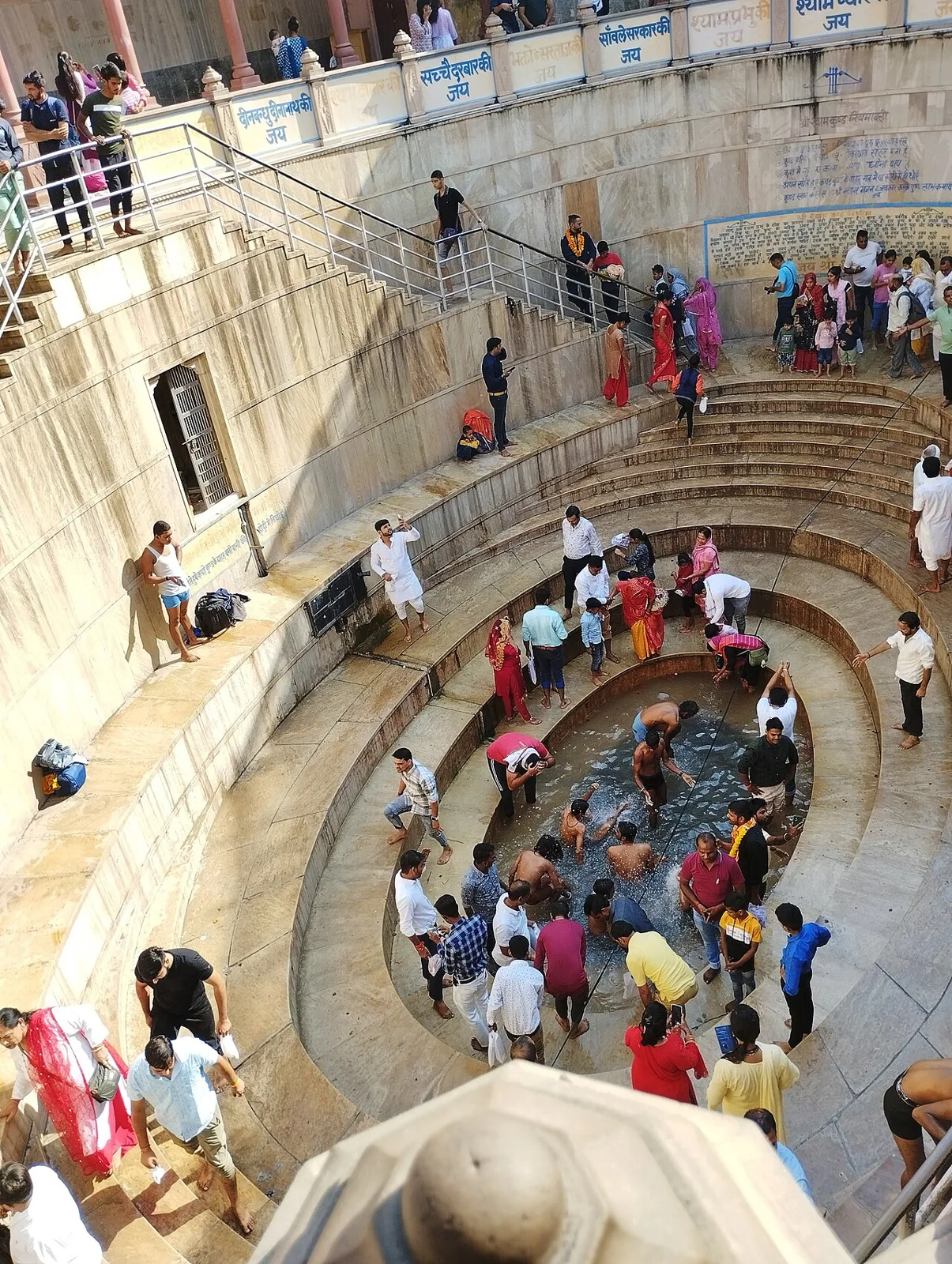
Khatu Shyam Temple

In KhatuShyamJi town, Rajasthan, this Hindu shrine honours Khatu Shyam, believed to be a divine manifestation of Barbareek from the Mahabharat. Pilgrims visit throughout the year, especially for the Falgun Mela.

Samode

136 km away · Jaipur district

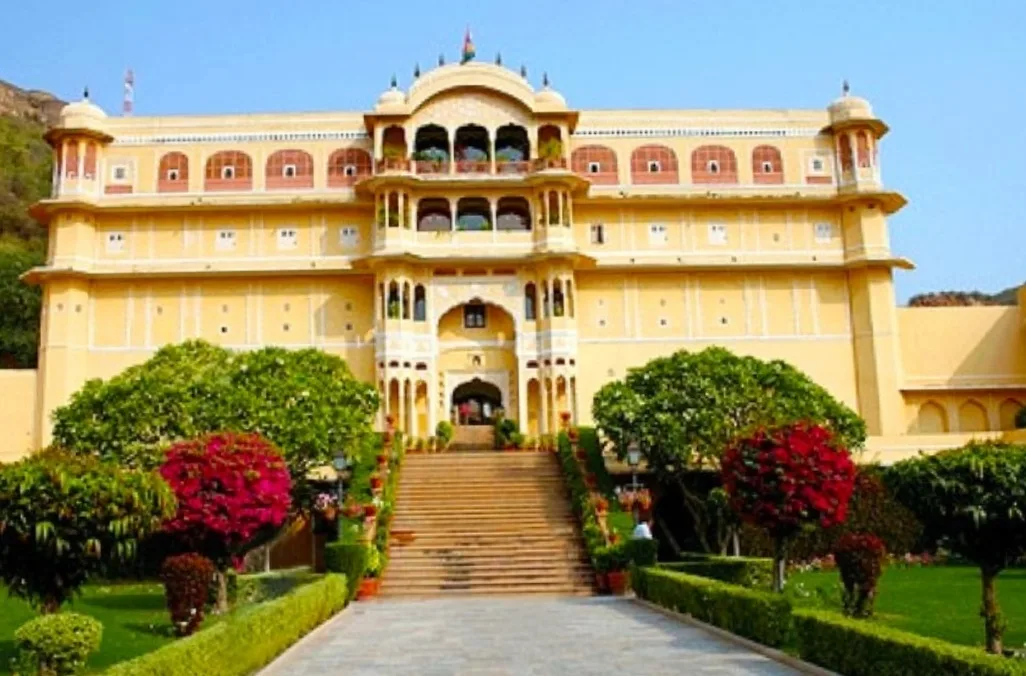
Samode

Samode is a village in Rajasthan’s Aravalli hills, north-west of Jaipur. Visitors come for its palace, haveli and garden, historic properties now operated as heritage hotels.

Sambhar Salt Lake

145 km away · Jaipur district

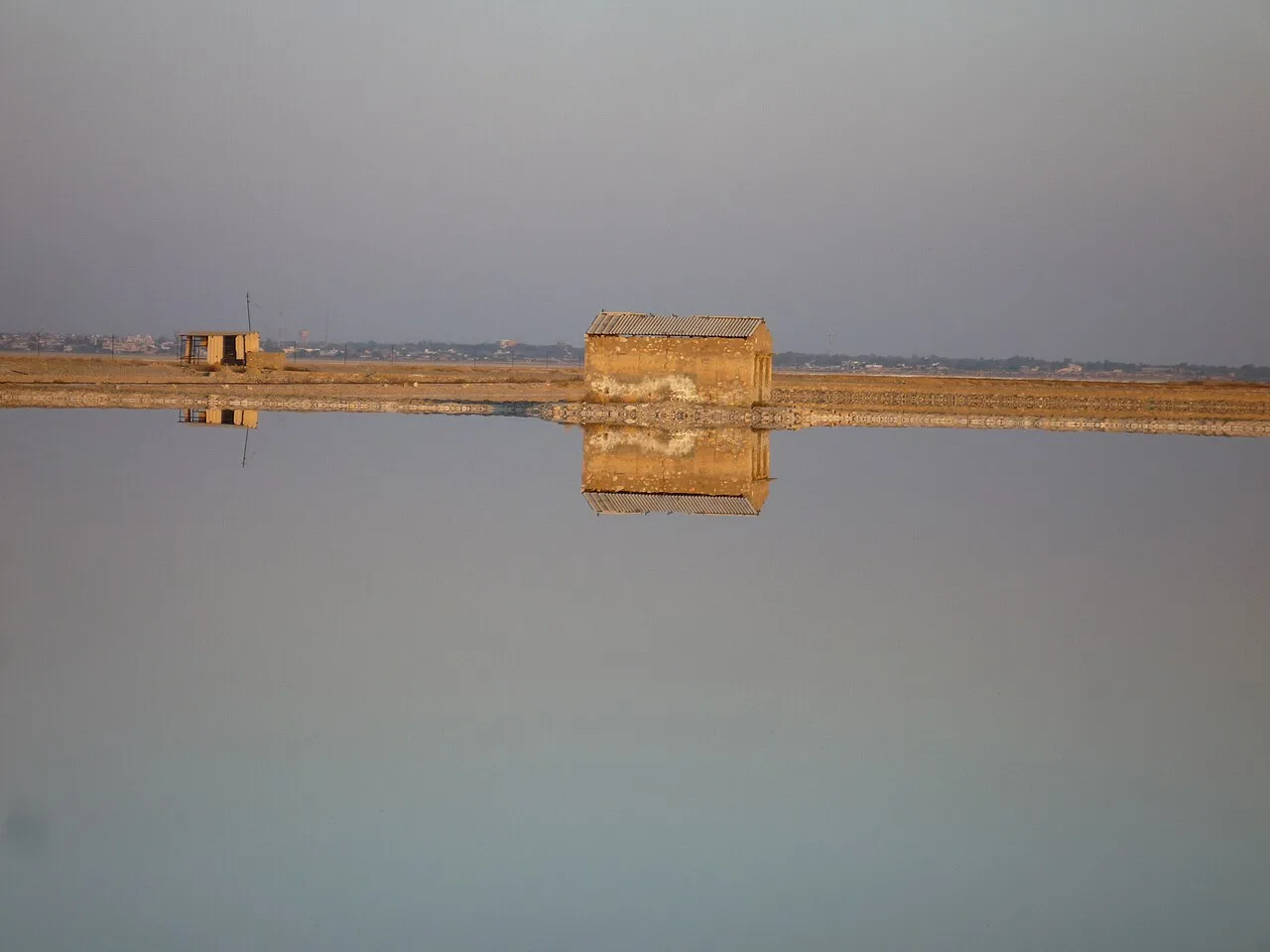
Sambhar Salt Lake

Sambhar Salt Lake is Rajasthan’s largest inland salt lake, in Jaipur district. Visitors come to see the lake and the historic settlement of Sambhar Lake Town, which it surrounds.

Amber Fort

160 km away · Jaipur district

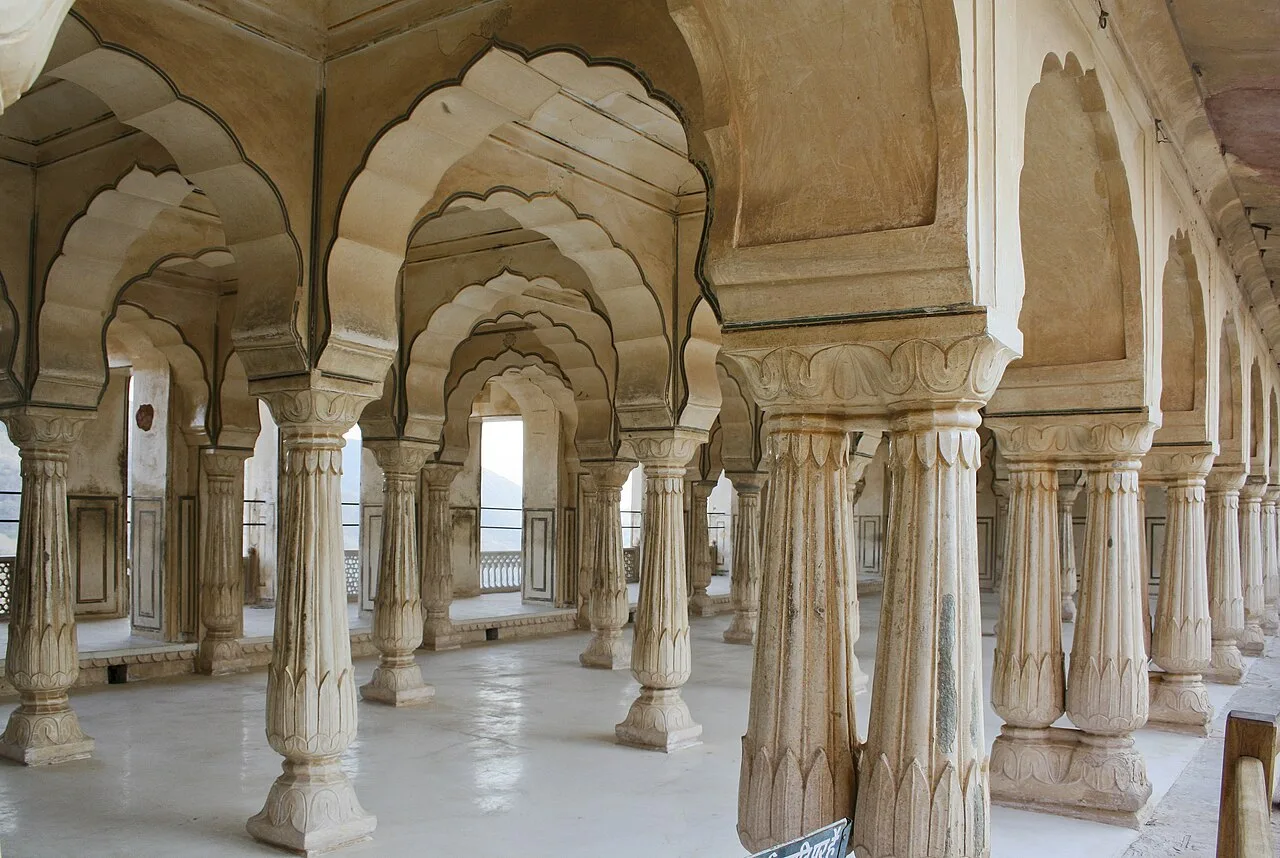
Amber Fort

Amber Fort, also known as Amer Palace, is a hilltop fort in Amer, Rajasthan. Visitors explore its Rajput and Mughal-influenced design, palace halls and setting above Maota Lake.

Jaigarh Fort

160 km away · Jaipur district

Jaigarh Fort

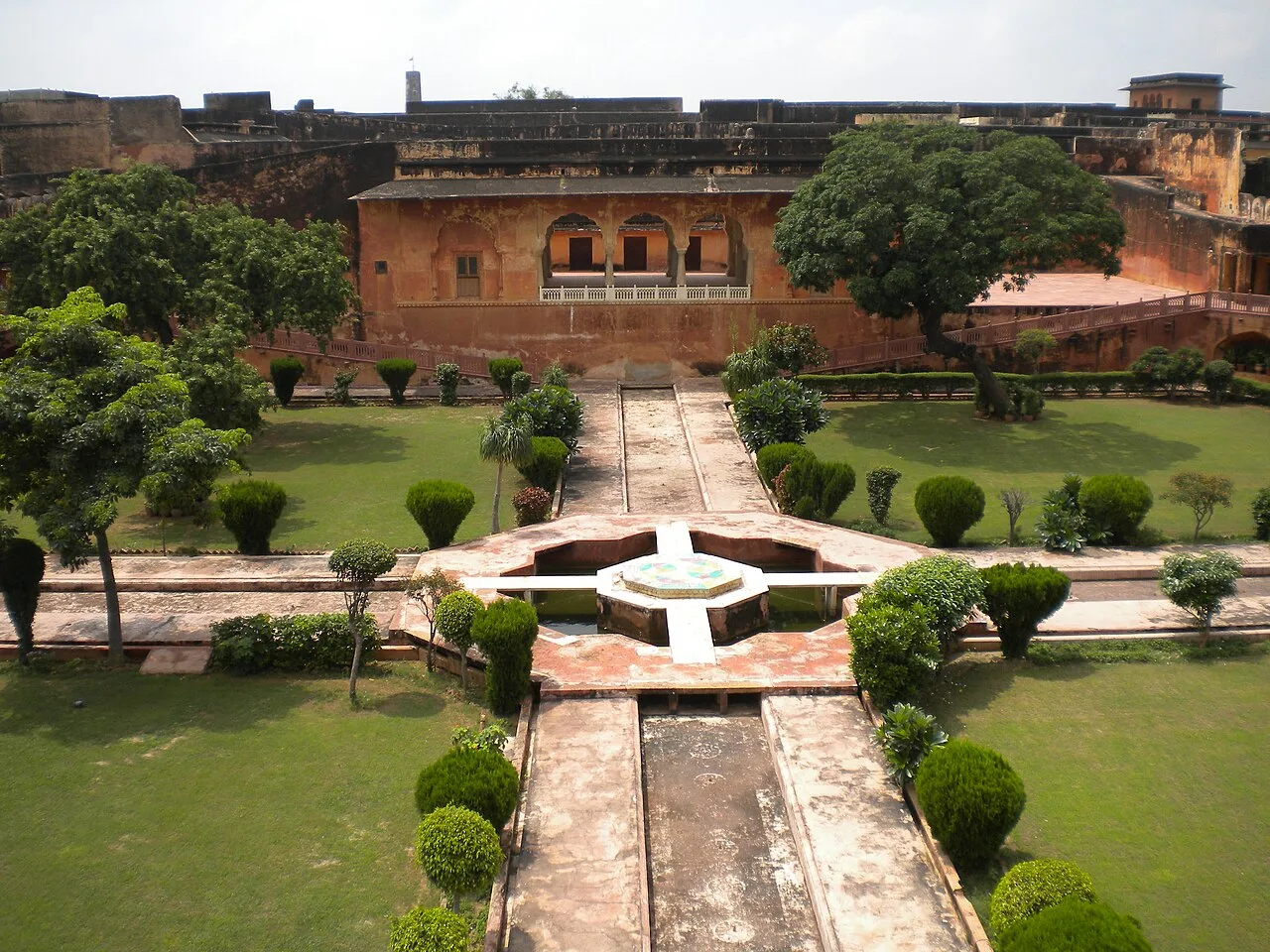
Near Amer in Rajasthan, Jaigarh Fort occupies a hilltop above Amer Fort and Maota Lake. Visitors come to see its historic fortifications, its connection to Amer Fort and the Jaivana cannon.

Map

Bissau on the map

  1. 1Mandawa
  2. 2Nawalgarh
  3. 3Tal Chhapar Sanctuary
  4. 4Khatu Shyam Temple
  5. 5Samode
  6. 6Sambhar Salt Lake
  7. 7Amber Fort
  8. 8Jaigarh Fort

Rajasthan

Other cities to explore