Ghumoopedia — Explore, Discover, Experience
Sign in
Taragarh Fort, Ajmer, near Bijaynagar

City guide · Rajasthan

Bijaynagar

Bijaynagar, also known as Sri Bijaynagar or Vijaynagar, is a municipality in Sri Ganganagar district in northern Rajasthan. Its importance is chiefly regional: it serves residents and surrounding villages as a place for everyday commerce, services and transport, within a landscape shaped by irrigated agriculture.

Famous for

  • Northern Rajasthan market town
  • Canal-irrigated farming region
  • Wheat and mustard trade
  • Hindi–Punjabi cultural mix

Why Bijaynagar matters

Bijaynagar, also known as Sri Bijaynagar or Vijaynagar, is a municipality in Sri Ganganagar district in northern Rajasthan. Its importance is chiefly regional: it serves residents and surrounding villages as a place for everyday commerce, services and transport, within a landscape shaped by irrigated agriculture. The town is part of Rajasthan’s northern borderland, where Rajasthani, Hindi and Punjabi influences meet in daily life and trade.

Bijaynagar is not widely associated with a single major monument, celebrated craft or large tourism attraction. Visitors are more likely to come for local connections, business or a stop while travelling through the district than for a conventional sightseeing itinerary. Its appeal lies in experiencing a working small town and the agricultural countryside around it. Nearby markets provide a window onto local routines and seasonal produce, while the wider district offers a sense of how irrigation and farming have shaped settlement in this part of Rajasthan. Travellers should plan around practical needs rather than expect a concentrated set of visitor attractions.
Famous for: crafts, trade & products

Bijaynagar is best understood as a local trading and service centre rather than a destination known for a signature textile, handicraft or GI-tagged product. Agriculture is central to the wider Sri Ganganagar region, and town markets serve surrounding communities with everyday goods and farm-related trade. Wheat and mustard are among the crops associated with the district’s agricultural landscape; what is available in local shops and markets changes with season and supply.

There is no widely established city-specific craft market or famous local saree tradition to seek out. For an everyday view of commerce, explore the central bazaar and shops around the town’s main roads and transport connections. These are practical places to look for groceries, household goods and seasonal produce, rather than curated souvenir shopping. Visitors hoping to buy specialist Rajasthani crafts or textiles may find a broader selection in larger regional centres. As in many small towns, ask locally about current market days and produce availability; do not assume that a product sold here is unique to Bijaynagar or carries a protected designation.

History

Bijaynagar’s history is best viewed within that of northern Rajasthan and the former Bikaner princely state. The area’s settlement and growth were closely connected to the transformation of dry country into productive farmland through irrigation. The Gang Canal, developed under Bikaner’s ruler Maharaja Ganga Singh and completed in the early twentieth century, helped reshape agriculture and settlement across the wider Sri Ganganagar region. This regional change provided an important setting for the growth of towns and local markets, though a distinct founding date or detailed early history for Bijaynagar is not firmly established.

During the colonial period, Bikaner remained a princely state under British paramountcy. After independence and the integration of princely territories into Rajasthan, administration and public services developed within the modern state and district system. Bijaynagar today functions as a municipality and local centre for nearby rural settlements. Its modern character reflects transport links, agricultural commerce and civic services more than the preservation of a prominent royal or colonial-era monument.

Food, festivals & culture

Everyday food in Bijaynagar draws on familiar northern Rajasthan and Punjabi-influenced home cooking. Roti, lentils, seasonal vegetables and dairy foods are common regional staples; visitors may also find snacks and sweets typical of North Indian market towns. There is no widely documented dish or sweet unique to Bijaynagar, so local menus and recipes may vary between households and eateries.

Hindi is widely used, alongside Rajasthani speech and Punjabi, reflecting the town’s northern setting and connections across the region. Holi in spring and Diwali in autumn are important parts of the annual calendar; Teej and Gangaur are also observed in Rajasthan, with local customs varying. Religious life is centred on neighbourhood places of worship, including temples and gurdwaras, which serve local communities rather than forming a major sightseeing circuit. Music and dance are generally part of family, community and festival gatherings; visitors should not expect regular staged performances. Respectful dress and asking permission before photographing worshippers are sensible courtesies.

Visiting the city

The cooler months, roughly October to March, are generally the most comfortable for exploring Bijaynagar; summers can be very hot, and monsoon conditions bring seasonal rain. Sri Bijaynagar railway station serves the town. Bathinda Airport is one nearby airport to check for current flight options, though services can be limited; Jaipur International Airport is a larger alternative farther away. Confirm connections before setting out.

Auto-rickshaws and local vehicles are useful for short journeys, while a hired car is more practical for exploring villages and the wider district. Begin around the central market and main roads to see everyday town life, then ask locally about access to nearby rural areas. Bijaynagar has no established tourist quarter or major cluster of attractions, so allow time for transport and plan visits around personal or business needs.

Trips from the city

Nearest places to visit from Bijaynagar

Our closest destination guides, by straight-line distance.

Taragarh Fort, Ajmer

57 km away · Ajmer district

Taragarh Fort, Ajmer

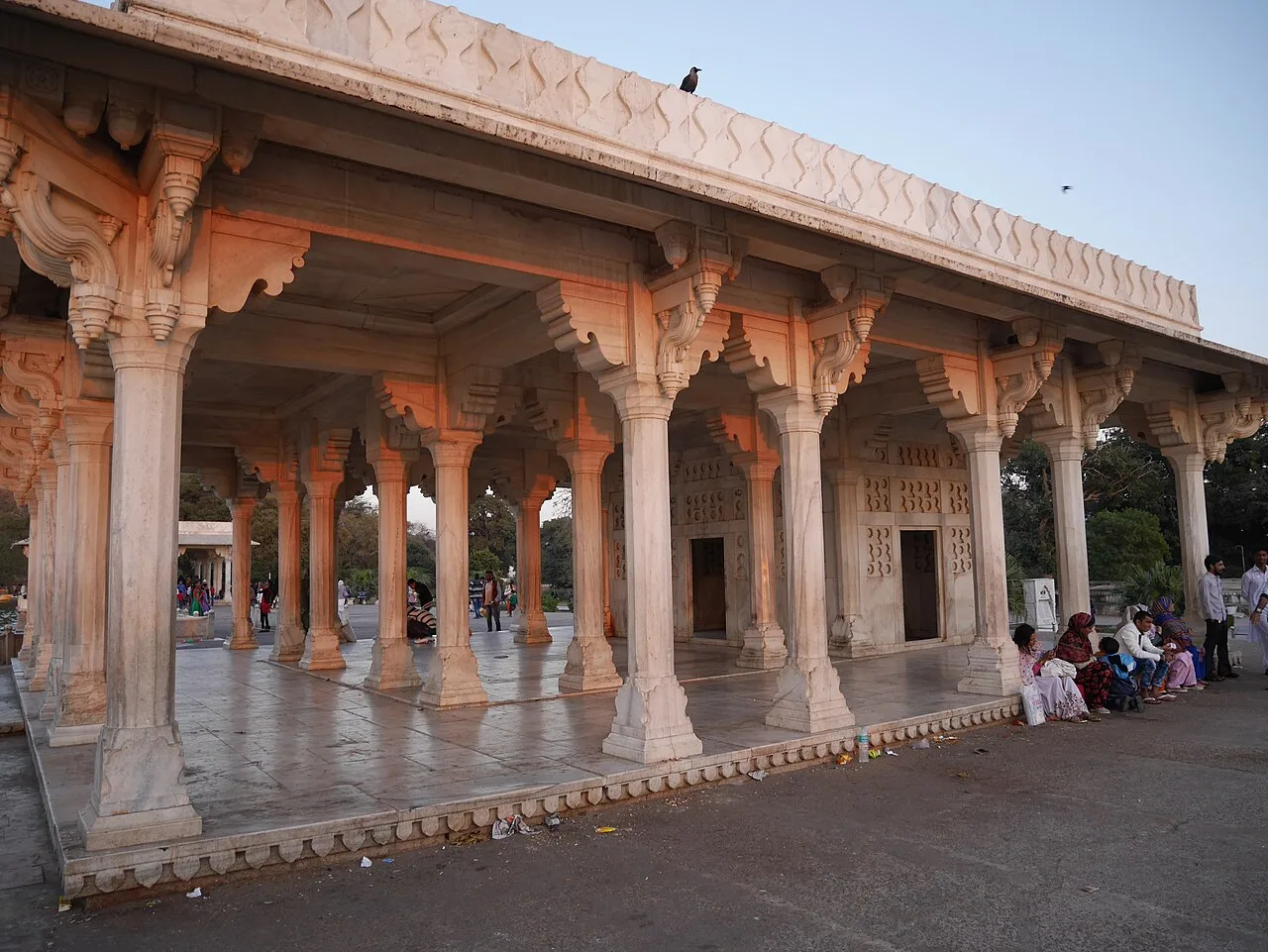
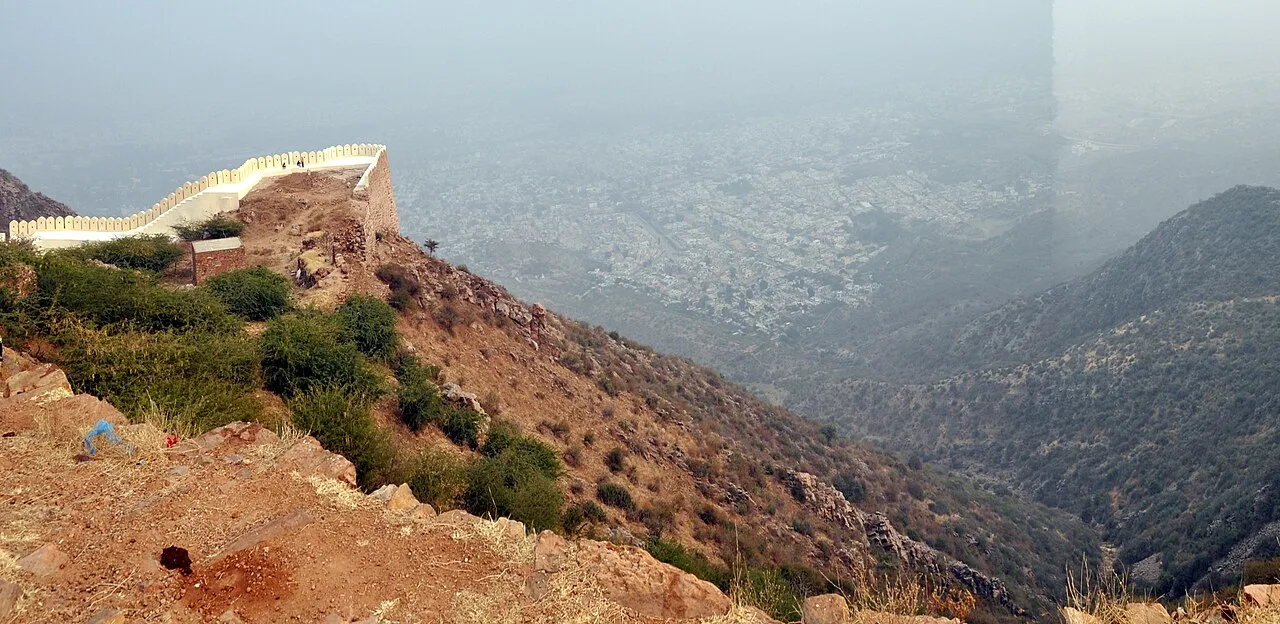
Set on a steep slope in Ajmer, Rajasthan, Taragarh Fort is a historic stronghold associated with the Parmar Rajputs and Ajayaraja Chauhan. Visitors come to see the fortress and learn about its earlier name, Ajaymeru Durg.

Adhai Din Ka Jhonpra

58 km away · Ajmer district

Adhai Din Ka Jhonpra

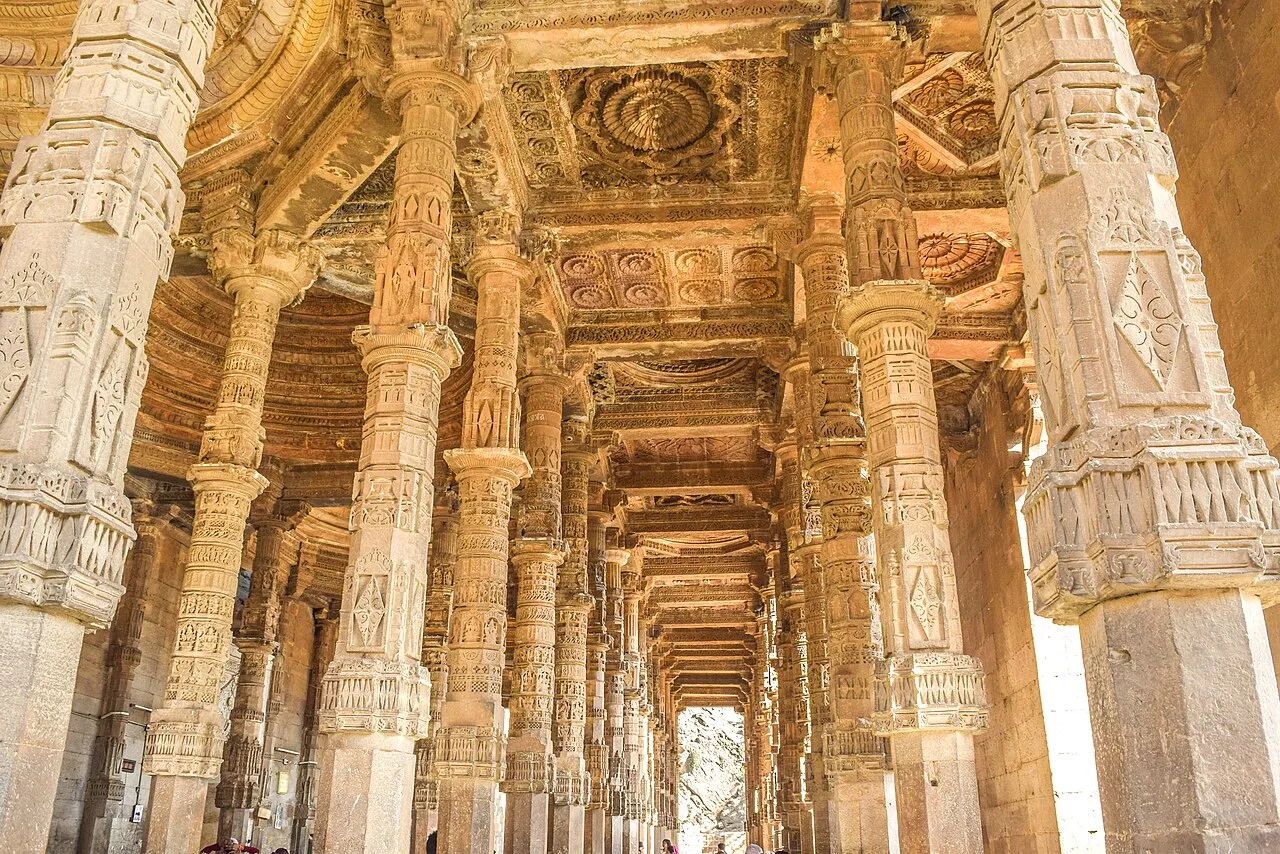
This former mosque in Ajmer, Rajasthan, is among India’s oldest mosques and the city’s oldest surviving monument. Visitors come to see its early Indo-Islamic design and its Hindu, Jain and Islamic architectural elements.

Shrine of Mu'in al-Din Chishti

59 km away · Ajmer district

Shrine of Mu'in al-Din Chishti

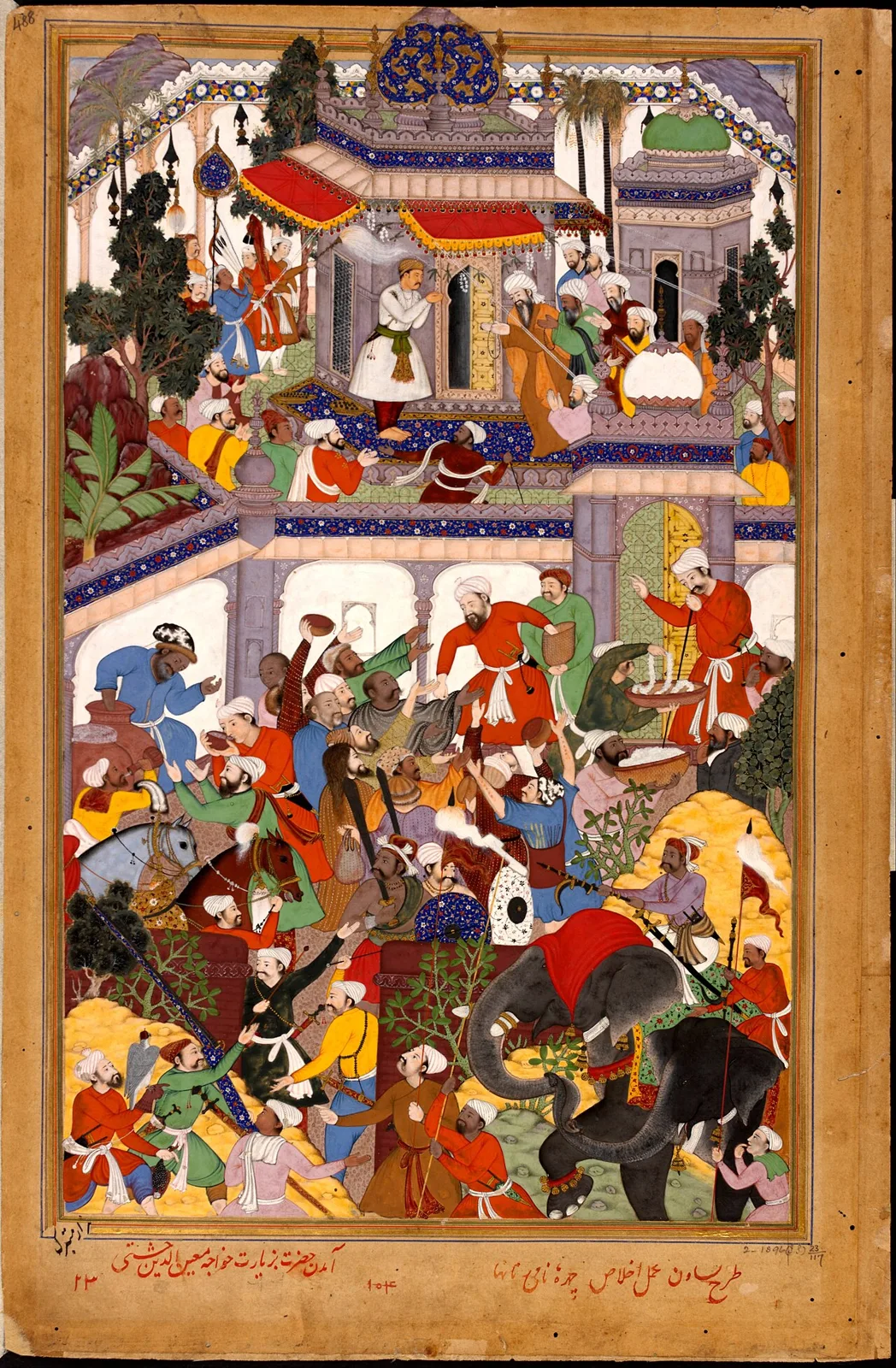
A Sufi pilgrimage complex in Ajmer, Rajasthan, centred on Mu'in al-Din Chishti’s shrine and including tombs and a mosque. Sunni Muslims visit in large numbers, particularly for Chishti’s urs.

Ana Sagar Lake

61 km away · Ajmer district

Ana Sagar Lake

Ana Sagar is a man-made lake in Ajmer, Rajasthan, associated with its builder Arnoraja, also called Ana. Visitors come to see this historic water body, which extends across 13 km.

Brahma Temple

63 km away · Ajmer district

Brahma Temple

Located in Pushkar, Rajasthan, the Brahma Temple is a Hindu shrine near Pushkar Lake and among India’s few temples for Brahma. Pilgrims especially gather there on Kartik Poornima.

Pushkar

63 km away · Ajmer district

Pushkar

Pushkar is a historic pilgrimage town in Rajasthan, centred on a sacred lake and temples, including one of the few shrines to Brahma. Visitors come for worship, ritual bathing and its heritage.

Pushkar Lake

63 km away · Ajmer district

Pushkar Lake

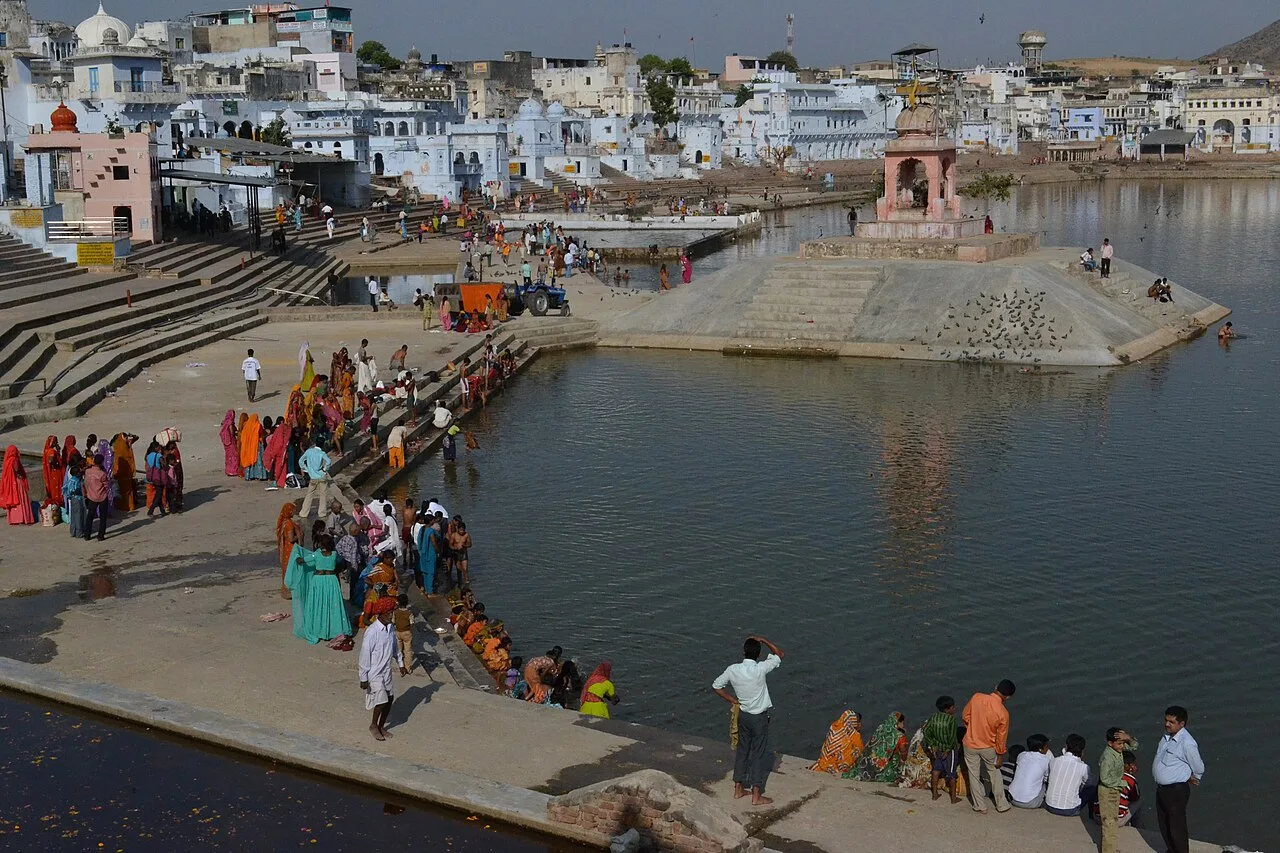
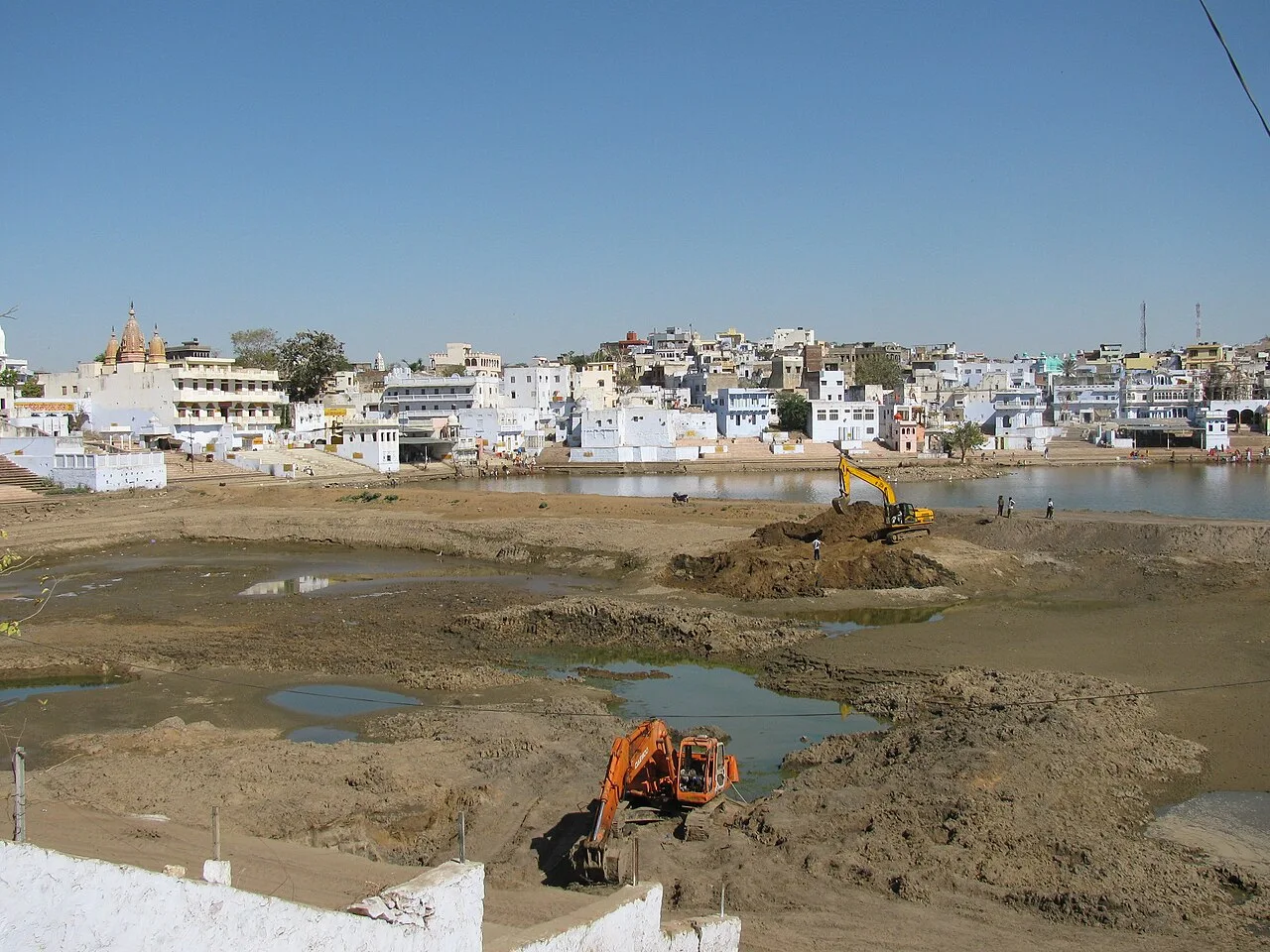
Pushkar Lake, also called Pushkar Sarovar, is a sacred lake in Rajasthan’s Ajmer district. Pilgrims come to bathe at its ghats, especially around Kartik Poornima, when the Pushkar Fair takes place.

Menal

107 km away · Bhilwara district

Menal

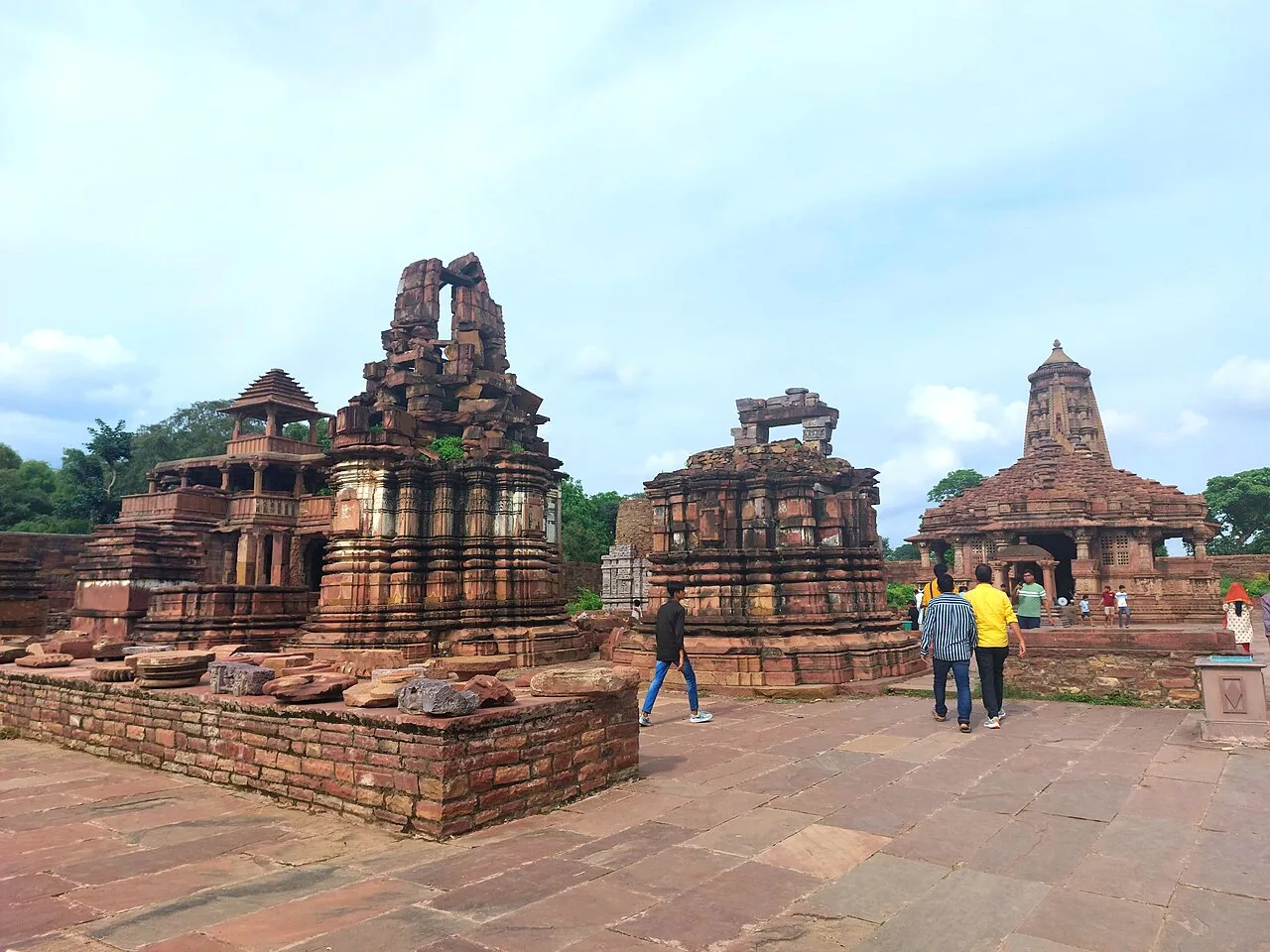
Menal is a village in Rajasthan linked with Begun Taluk and both Chittorgarh and Bhilwara districts; no particular attraction or reason for visiting is specified.

Map

Bijaynagar on the map

  1. 1Taragarh Fort, Ajmer
  2. 2Adhai Din Ka Jhonpra
  3. 3Shrine of Mu'in al-Din Chishti
  4. 4Ana Sagar Lake
  5. 5Brahma Temple
  6. 6Pushkar
  7. 7Pushkar Lake
  8. 8Menal

Rajasthan

Other cities to explore