Ghumoopedia — Explore, Discover, Experience
Sign in
Kalibangan, near Suratgarh

City guide · Rajasthan

Suratgarh

Suratgarh is an important market and service centre in northern Rajasthan’s Sri Ganganagar district. Its agricultural hinterland produces cotton and wheat, giving the city a strong connection to the region’s grain and cotton trade.

Famous for

  • Cotton and wheat production
  • Suratgarh Super Thermal Power Station
  • Ghaggar river landscapes
  • Thar desert-edge scenery
  • Regional grain markets

Why Suratgarh matters

Suratgarh is an important market and service centre in northern Rajasthan’s Sri Ganganagar district. Its agricultural hinterland produces cotton and wheat, giving the city a strong connection to the region’s grain and cotton trade. It is also known for the Suratgarh Super Thermal Power Station, a major landmark in the area’s modern industrial landscape.

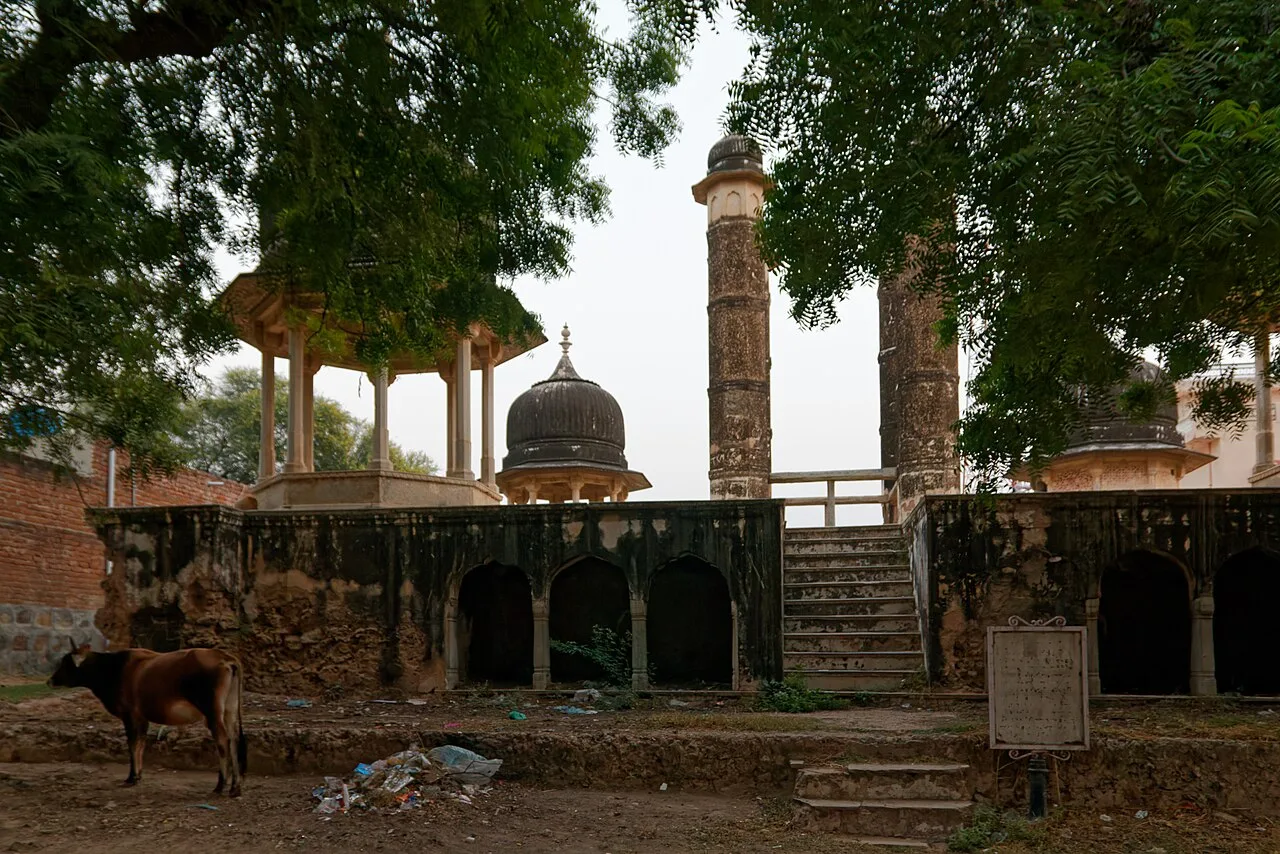
The setting offers a striking contrast: the seasonal Ghaggar river and greener cultivated land lie to the north, while sandy stretches and tibbas mark the southern edge of the Thar Desert. Visitors come for this changing landscape, the town’s everyday market life and glimpses of rural life in the surrounding tehsil. Suratgarh is less a conventional sightseeing destination than a practical base for exploring this part of Rajasthan. Hindi, Bagri and Rajasthani are widely spoken, and the city’s identity reflects both its agricultural surroundings and its position along important road and rail connections.
Famous for: crafts, trade & products

Suratgarh is best known locally for cotton and wheat rather than for a signature textile, handicraft or GI-tagged product. Cotton growing and grain cultivation support trading and agricultural activity across the surrounding region. Visitors can get a feel for this economy in the city’s everyday markets and commercial streets, where food shops, household goods and farm-related trade serve local residents and nearby villages. Products and availability vary by season, so the town is not a dependable destination for a particular craft or speciality purchase.

The Suratgarh Super Thermal Power Station is a prominent part of the city’s modern profile and an important industrial institution in the district. Its large-scale energy production contrasts with the agricultural landscape around town. Suratgarh is also associated with the broader northern Rajasthan cotton belt, but shoppers looking specifically for handloom sarees or specialist crafts may find a wider selection in larger cities. For regional produce and ordinary shopping, explore the central bazaar and local market streets; ask locally about seasonal arrivals rather than expecting a dedicated tourist market.

History

Suratgarh is traditionally associated with Maharaja Surat Singh, after whom the town is named. It developed within the former princely state of Bikaner, whose rulers governed much of this part of the desert region before Rajasthan’s formation. Its location between cultivated country and sandy terrain helped it serve surrounding settlements as a local market and administrative centre.

During the colonial period, Bikaner remained a princely state under British paramountcy rather than a directly ruled British province. Rail connections and the expansion of transport across the region strengthened Suratgarh’s role in moving people and agricultural goods. Irrigation and the growth of farming later transformed parts of the district, supporting cotton and wheat production. In modern times, the establishment of the Suratgarh Super Thermal Power Station added a major industrial presence to the city. Suratgarh now combines its older role as a regional trading centre with agriculture, transport links and energy infrastructure.

Food, festivals & culture

Everyday food reflects the flavours of northern Rajasthan: bajra roti, seasonal vegetables, pulses and dishes such as gatte and ker-sangri are familiar regional choices. Dal baati churma and sweets such as ghevar may be found in local eateries and sweet shops, though menus vary. For a simple taste of the area, look for freshly prepared breads and seasonal produce in neighbourhood restaurants and markets.

Holi, usually in spring, and Diwali, in autumn, are widely observed, alongside regional celebrations such as Teej and Gangaur. Local calendars and community events can add smaller fairs and religious gatherings. Hindi, Bagri and Rajasthani are widely spoken, and folk music and dance traditions from the wider Rajasthan region form part of celebrations, especially at weddings and festivals. Temples and other neighbourhood places of worship are part of daily community life; visitors should dress respectfully and check locally for any specific customs.

Visiting the city

The cooler months, roughly October to March, are generally the most comfortable time to visit. Summers can be very hot, while monsoon rainfall is variable. The nearest airport option commonly used for the area is Bikaner’s Nal Airport; civilian flight connections can be limited, so check current services and consider a larger airport if schedules do not suit. Suratgarh Junction is the city’s main railway station and a useful arrival point for rail travellers.

Auto-rickshaws, local taxis and buses help with getting around; agree on the destination before setting off. Explore the central bazaar for everyday shopping and food, then see the outskirts for the contrast between greener northern farmland and the sandy southern landscape. The Ghaggar river area is seasonal, so conditions change through the year. Ask locally about access and road conditions before heading out of town.

Trips from the city

Nearest places to visit from Suratgarh

Our closest destination guides, by straight-line distance.

Kalibangan

28 km away · Hanumangarh district

Kalibangan

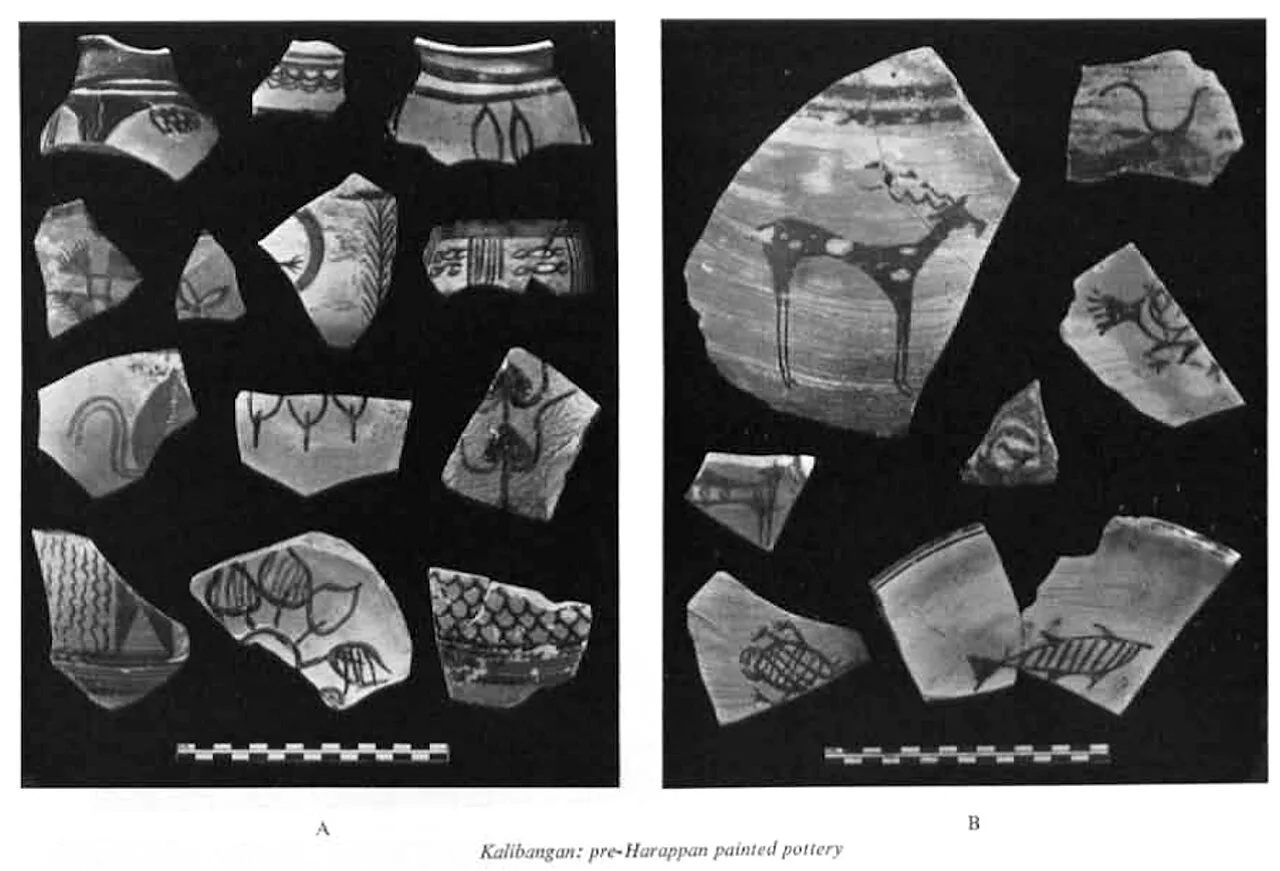
Kalibangan is an archaeological town in Hanumangarh district, Rajasthan, beside the Ghaggar. Visitors come to explore its Indus Valley Civilization remains, including fire altars and evidence of an ancient ploughed field.

Bhatner fort

51 km away · Hanumangarh district

Bhatner fort

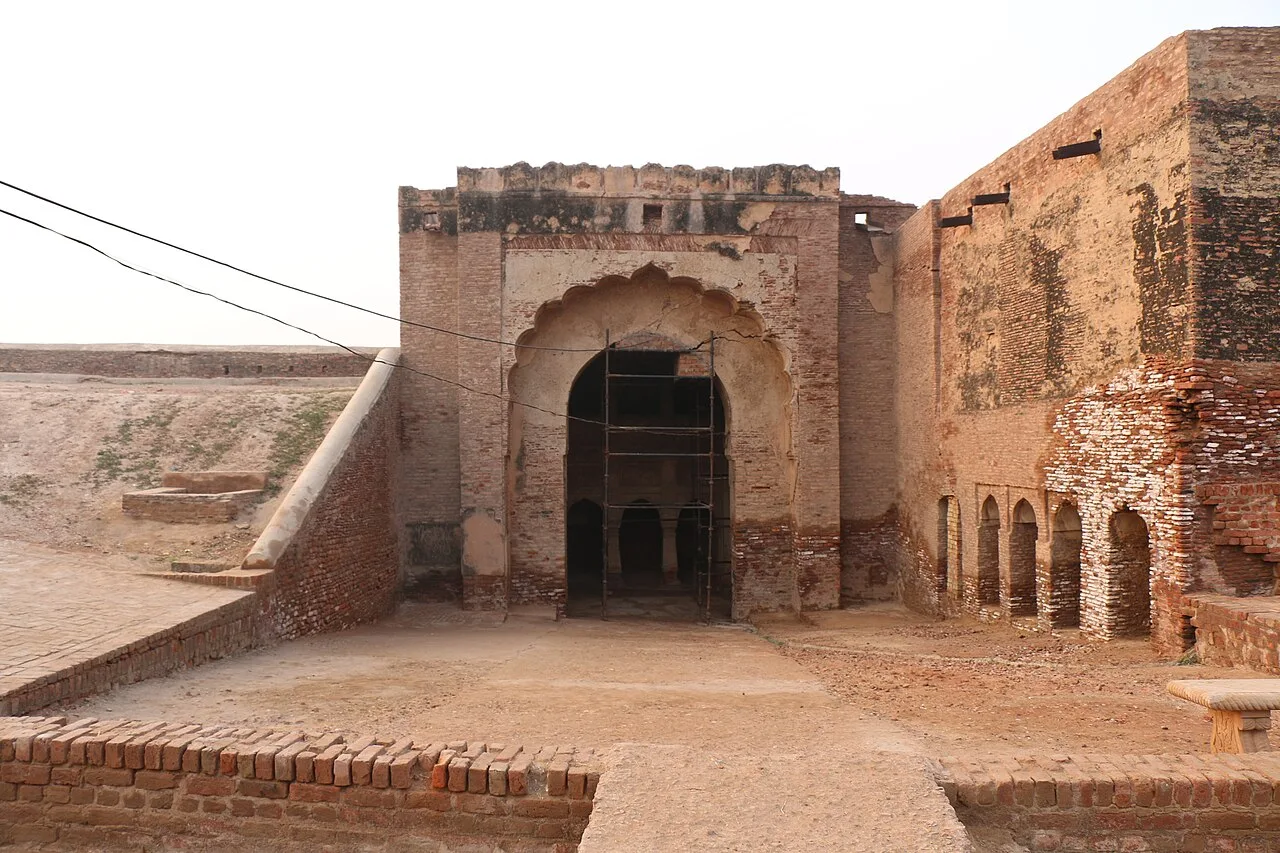
Bhatner Fort is an ancient stronghold in Hanumangarh district, Rajasthan. Visitors are drawn by its association with the Bhati lineage, its believed age and its protected status.

Lalgarh Palace

153 km away · Bikaner district

Lalgarh Palace

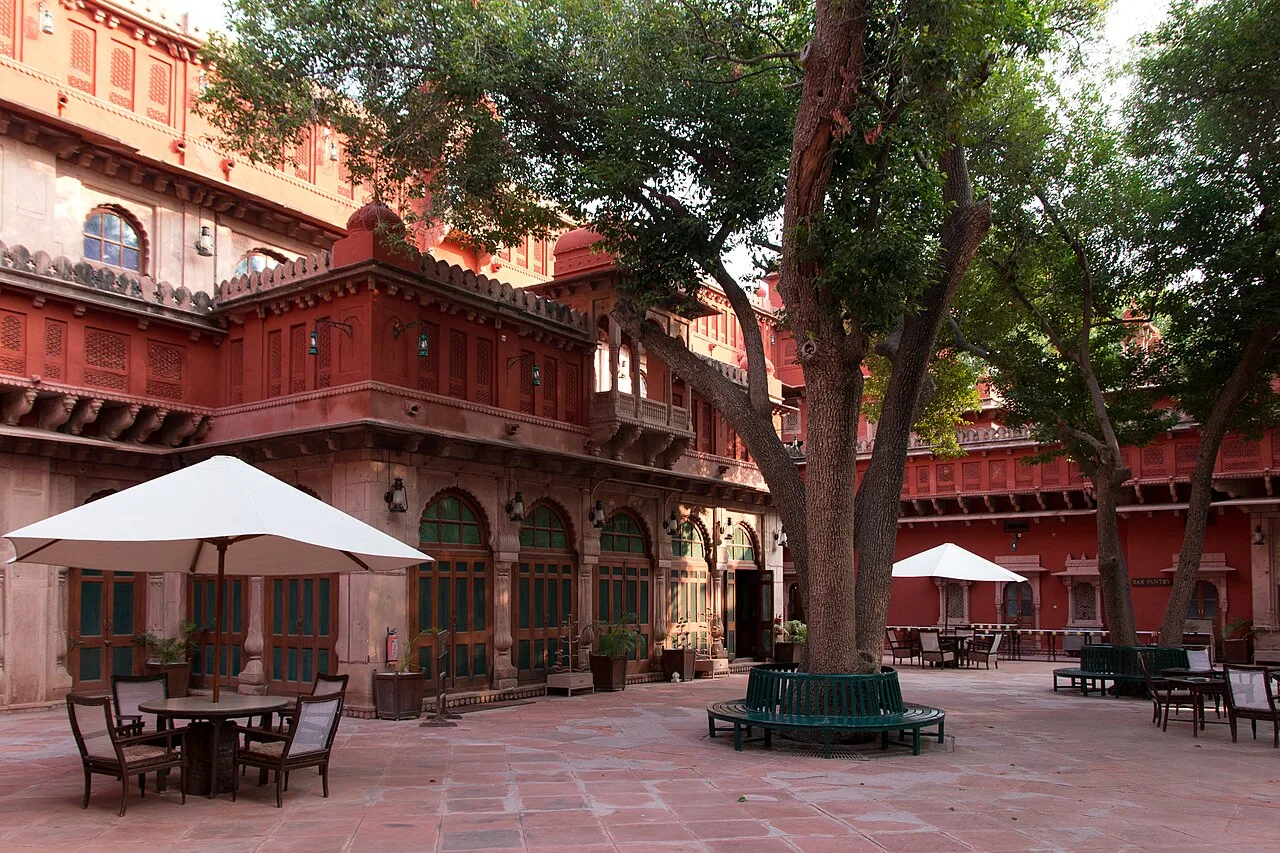
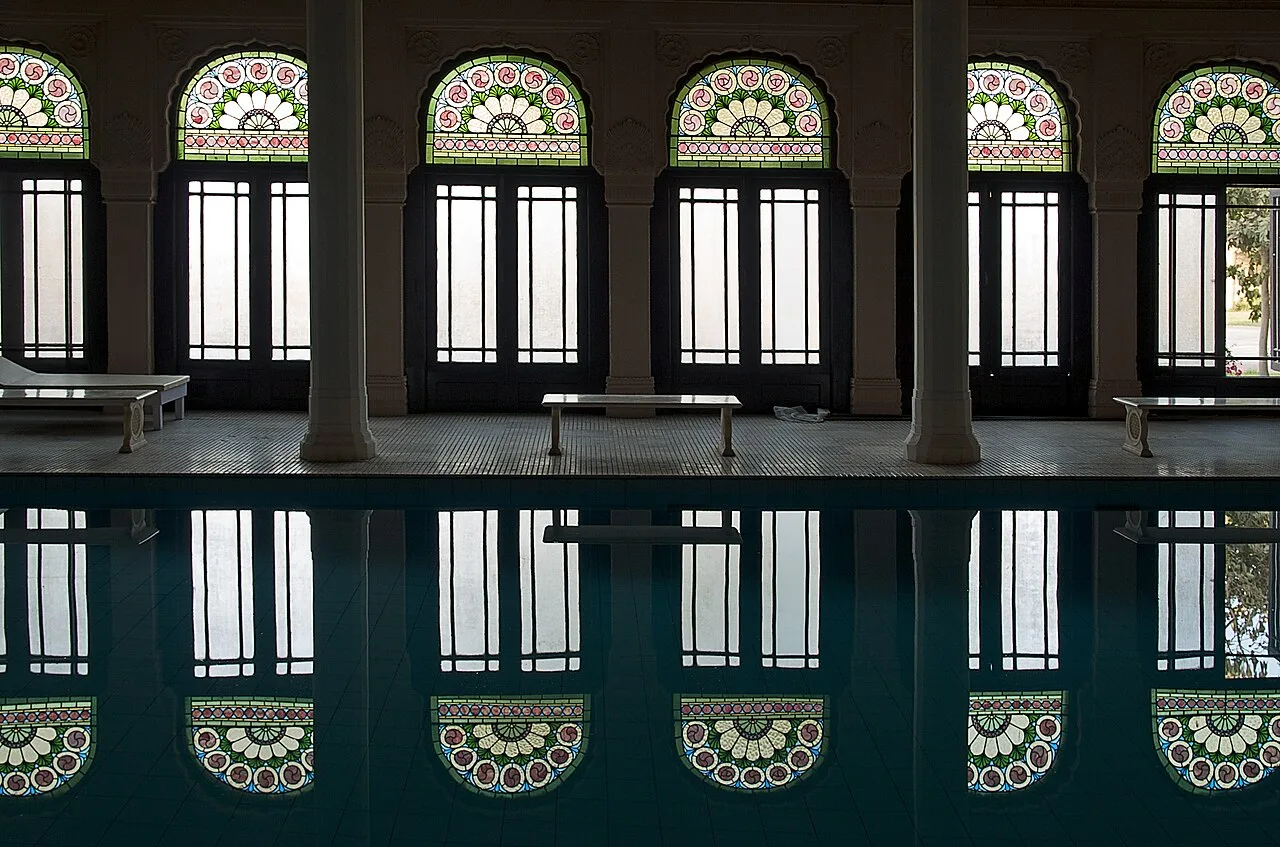
Lalgarh Palace is a palace and heritage-hotel property in Bikaner, Rajasthan, created for Maharaja Sir Ganga Singh. Visitors come to see the residence and its links to Bikaner’s royal history.

Junagarh Fort

155 km away · Bikaner district

Junagarh Fort

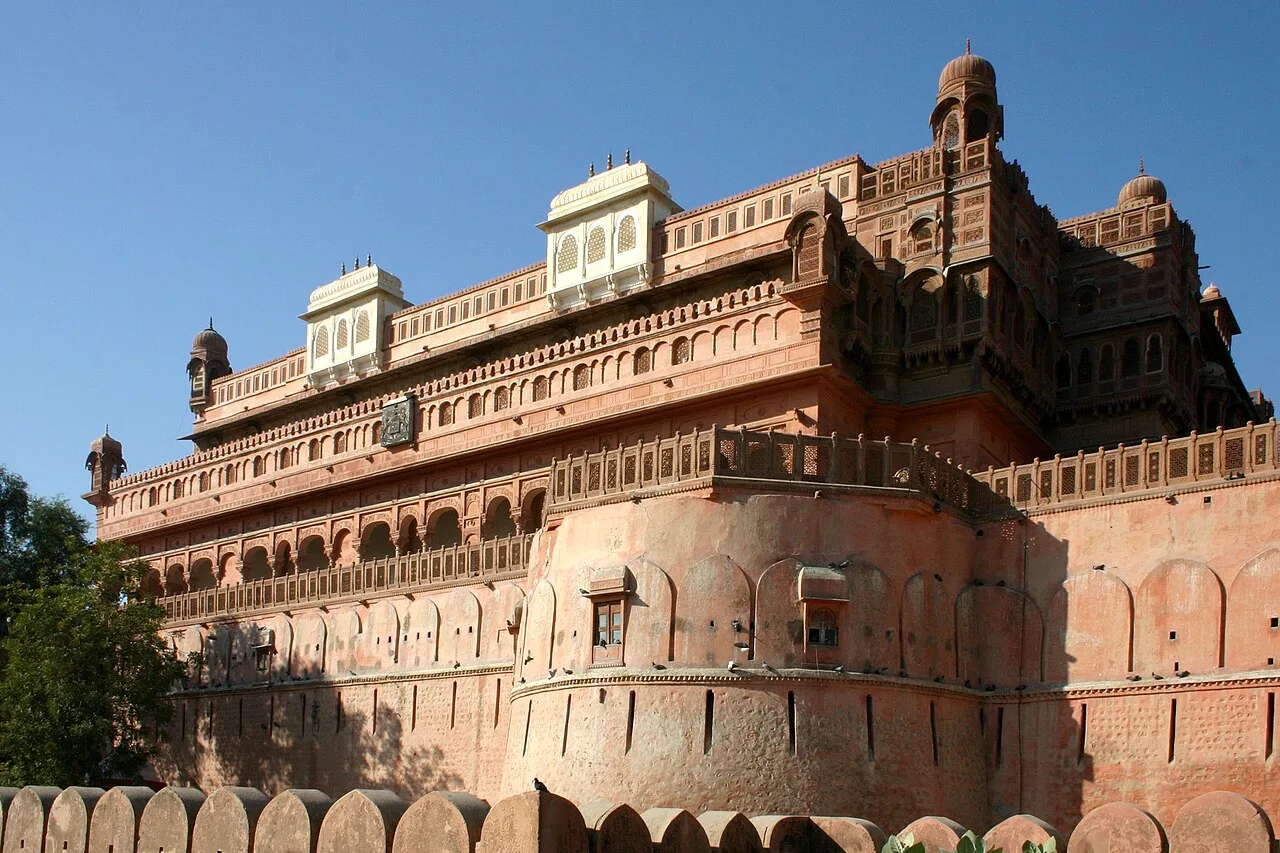
Junagarh Fort is a historic complex in Bikaner, Rajasthan, known for its palaces, temples and pavilions. Visitors can explore its layered history and blend of architectural traditions.

Gajner Palace

174 km away · Bikaner district

Gajner Palace

Gajner Palace, in Rajasthan’s Bikaner district, was used by the maharajas of Bikaner as a hunting lodge and now operates as a heritage hotel. Visitors come to stay at the palace.

Tal Chhapar Sanctuary

177 km away · Churu district

Tal Chhapar Sanctuary

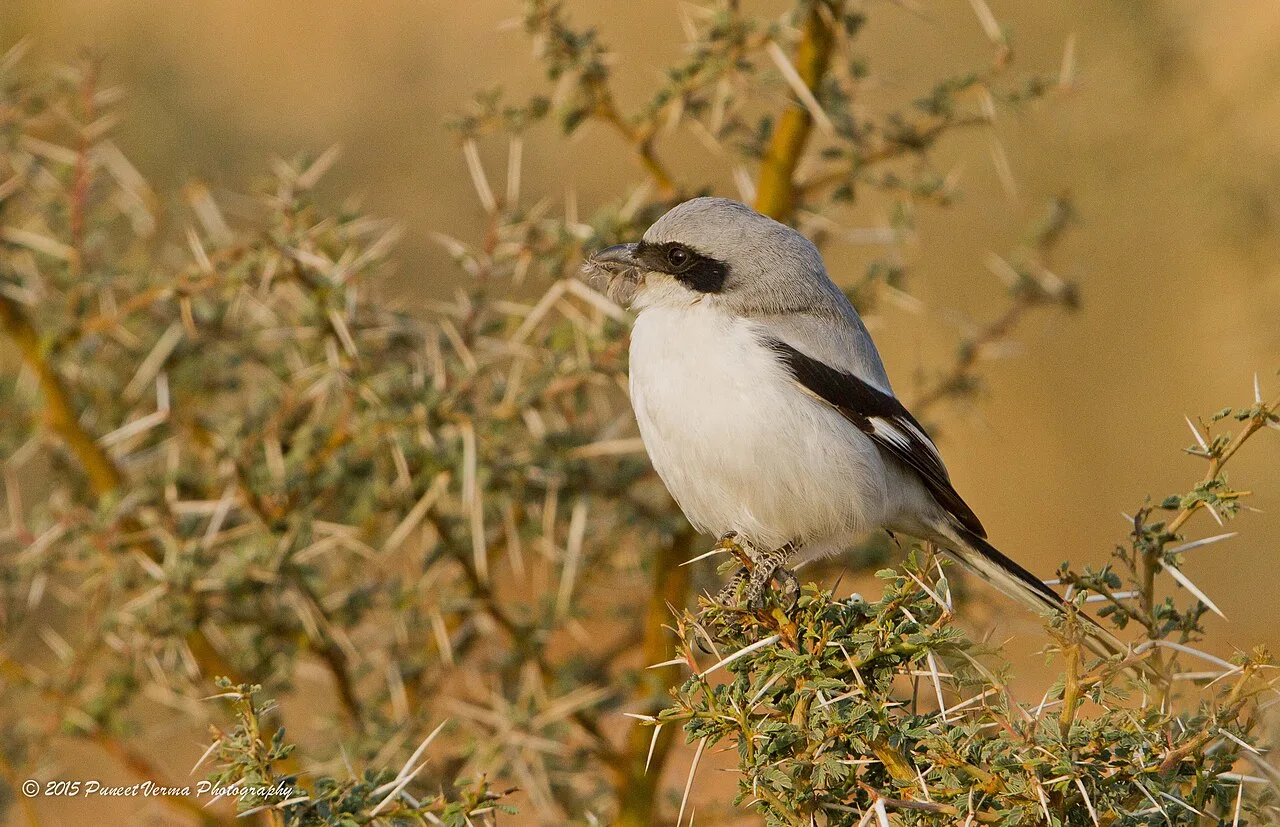
Tal Chhapar is a wildlife sanctuary in Rajasthan’s Churu district, known for blackbucks and birdlife. Visitors come to see its wildlife in a setting near the Great Indian Desert.

Karni Mata Temple

179 km away · Bikaner district

Karni Mata Temple

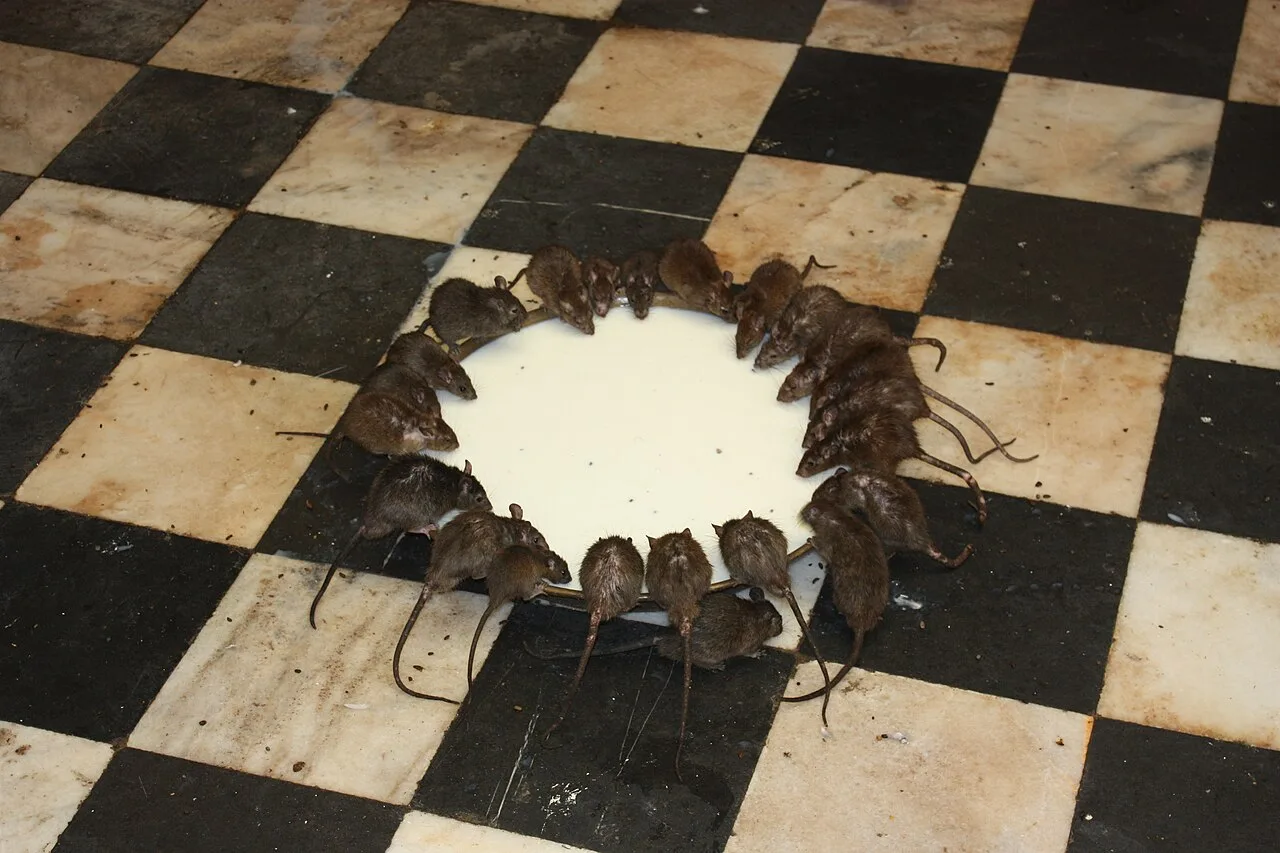
Karni Mata Temple is a Hindu shrine in Deshnoke, Rajasthan, associated with Karni Mata and sacred kābā rodents. Pilgrims seek blessings there, while visitors come to see its distinctive rat population.

Mandawa

187 km away · Jhunjhunu district

Mandawa

Mandawa is a town in Rajasthan’s Jhunjhunu district, within the Shekhawati region. Travellers visit it as part of journeys through the region and nearby Jhunjhunu.

Map

Suratgarh on the map

  1. 1Kalibangan
  2. 2Bhatner fort
  3. 3Lalgarh Palace
  4. 4Junagarh Fort
  5. 5Gajner Palace
  6. 6Tal Chhapar Sanctuary
  7. 7Karni Mata Temple
  8. 8Mandawa

Rajasthan

Other cities to explore