Ghumoopedia — Explore, Discover, Experience
Sign in

City guide · Rajasthan

Sardarshahar

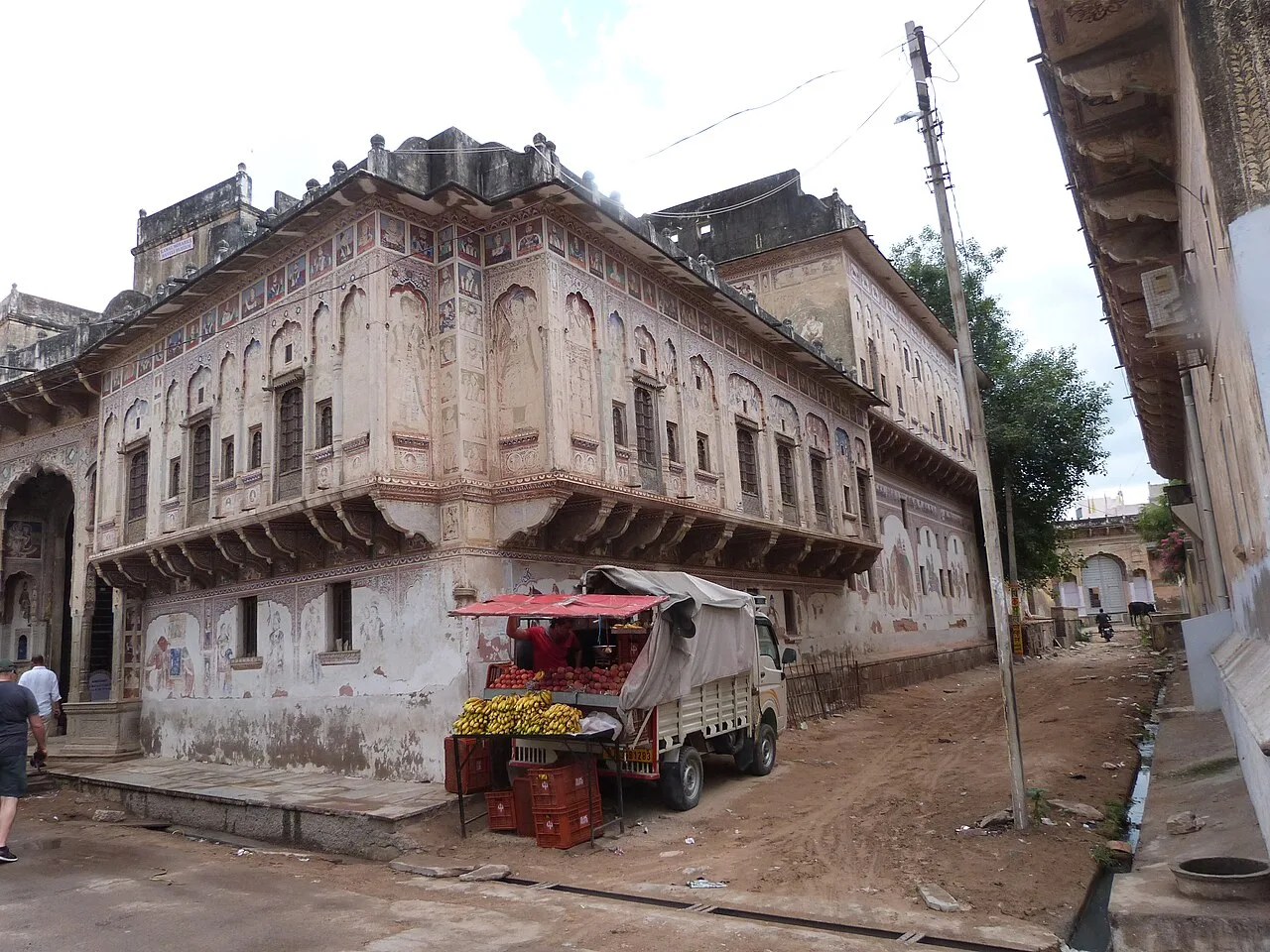
Sardarshahar is a historic town in Rajasthan’s Churu district and an important tehsil centre. Its old streets preserve a distinctive built heritage: merchant havelis decorated with frescoes and carved woodwork, and the Ghanta Ghar, a clock tower with streets passing beneath it in four directions.

Famous for

  • Fresco-painted havelis
  • Four-way Ghanta Ghar
  • Silver and woodwork
  • Rajasthani sweets
  • Gandhi Vidya Mandir

Why Sardarshahar matters

Sardarshahar is a historic town in Rajasthan’s Churu district and an important tehsil centre. Its old streets preserve a distinctive built heritage: merchant havelis decorated with frescoes and carved woodwork, and the Ghanta Ghar, a clock tower with streets passing beneath it in four directions. These landmarks make the town a rewarding stop for visitors interested in the architecture and commercial history of the Bikaner region.

The town also draws pilgrims and visitors to Shri Ichha Puran Balaji Mandir and Acharya Shri Mahapragya Samadhi Sthal, known as Shanti Peeth. It is associated with Acharya Shri Mahashramanji, a religious head of the Jain Terapanth tradition, and with Gandhi Vidya Mandir, a large educational institution that includes IASE Deemed University. Local silverwork, woodwork, handicrafts and sweets add to its appeal. Sardarshahar remains a working regional town as well as a heritage destination, connected by road and rail to other places in the Churu and Bikaner region.
Famous for: crafts, trade & products

Sardarshahar is best known for its fresco-painted havelis and artisanal work rather than for a major textile or saree industry. Local crafts include silver jewellery, utensils and decorative objects, along with carved and worked wood. These products can be sought in the town’s shops and older bazaar lanes; the historic centre around the Ghanta Ghar is a practical place to browse. The city is not especially associated with a specific GI-tagged textile or craft, so visitors should ask sellers about the maker and origin of individual items.

The haveli heritage is itself a notable local asset. The Jammar Haveli is known for painted walls, including scenes from Pabuji and the Mahabharata, while the Dugar havelis preserve ornate interiors and antique features. Some are privately owned, so access may need to be arranged locally. Sardarshahar is also known for sweets and other regional food products sold by local confectioners. Gandhi Vidya Mandir and its IASE Deemed University are prominent institutions and important parts of the town’s identity, though they are not retail destinations.

History

Sardarshahar developed under the princely state of Bikaner. The settlement was planned in the early nineteenth century as a new town, and Alwana village was renamed for Sardar Singh, a son of Bikaner ruler Ratan Singh. The town’s foundation is associated with 1838, when its fort was established. Merchants and residents built havelis that expressed the town’s growing commercial life, leaving the frescoes and carved details seen in the historic centre today.

Under Bikaner rule, Sardarshahar became a local administrative and trading centre. A British post office and an Anglo-vernacular school were present by the late nineteenth century, and a municipality was established in 1896. The railway connection to Ratangarh, begun under the Bikaner state in 1916, strengthened links with the wider region. In recent decades, road connections and educational institutions have supported the town’s regional role. Gandhi Vidya Mandir, whose campus foundation stone was laid in 1955 by President Rajendra Prasad, remains a significant part of its modern development.

Food, festivals & culture

Sardarshahar’s food reflects the desert setting and wider Rajasthani cooking traditions. Visitors will find regional savoury dishes, snacks and a strong tradition of sweets at local eateries and confectioners. Silver and woodwork, along with music and community gatherings, form part of the town’s cultural character. Bagri, a Rajasthani dialect, is widely spoken; Hindi is used in public life, while English is also used in official and educational settings.

Hindu festivals such as Holi and Diwali are observed, while Teej and Gangaur are celebrated in the usual monsoon and spring seasons across Rajasthan. Jain religious observances are also significant, reflecting the town’s association with the Terapanth community and Acharya Mahashraman. Shri Ichha Puran Balaji Mandir and Acharya Shri Mahapragya Samadhi Sthal, or Shanti Peeth, are important places of worship and reflection. Regional folk music and dance may be encountered at community celebrations, though programmes vary through the year.

Visiting the city

The cooler months, roughly October to March, are generally the most comfortable for exploring Sardarshahar; summer days can be very hot. The nearest airport listed for the town is Bikaner Airport, about 150 km away. Jaipur International Airport, around 267 km away, offers another option. Sardarshahar Railway Station is the town’s main station, with rail connection to Ratangarh Junction. RSRTC buses serve regional destinations, and auto-rickshaws are the main way to get around locally.

Begin in the old town around the Ghanta Ghar, then explore nearby haveli lanes and local shops. Shri Ichha Puran Balaji Mandir, Shanti Peeth and the Gandhi Vidya Mandir campus are other notable places to visit. Ask locally about access before entering privately owned havelis.

Trips from the city

Nearest places to visit from Sardarshahar

Our closest destination guides, by straight-line distance.

Tal Chhapar Sanctuary

72 km away · Churu district

Tal Chhapar Sanctuary

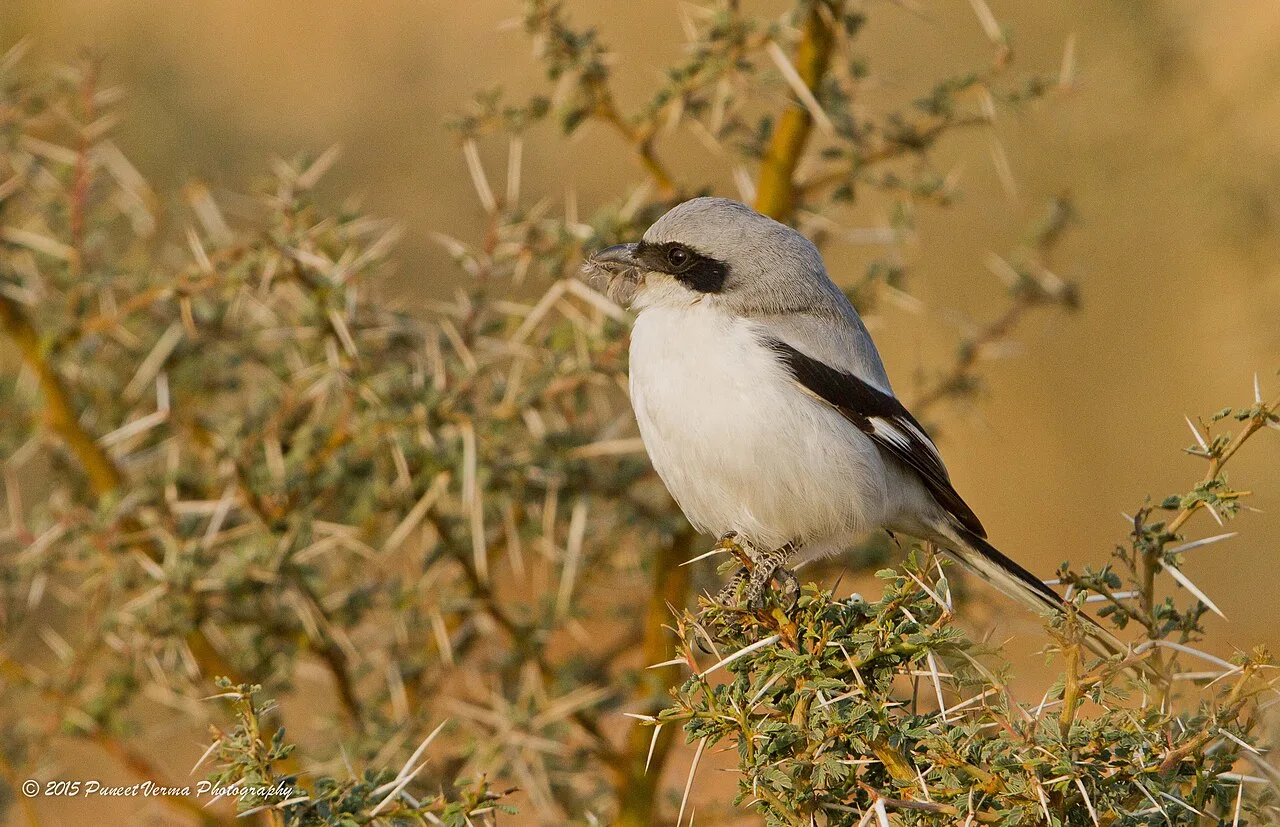
Tal Chhapar is a wildlife sanctuary in Rajasthan’s Churu district, known for blackbucks and birdlife. Visitors come to see its wildlife in a setting near the Great Indian Desert.

Mandawa

78 km away · Jhunjhunu district

Mandawa

Mandawa is a town in Rajasthan’s Jhunjhunu district, within the Shekhawati region. Travellers visit it as part of journeys through the region and nearby Jhunjhunu.

Nawalgarh

101 km away · Jhunjhunu district

Nawalgarh

Nawalgarh is a heritage city in Rajasthan’s Shekhawati region, within Jhunjhunu district. Visitors are drawn by its heritage character, and it is 30.5 km from Sikar and 39.2 km from Jhunjhunu.

Kalibangan

120 km away · Hanumangarh district

Kalibangan

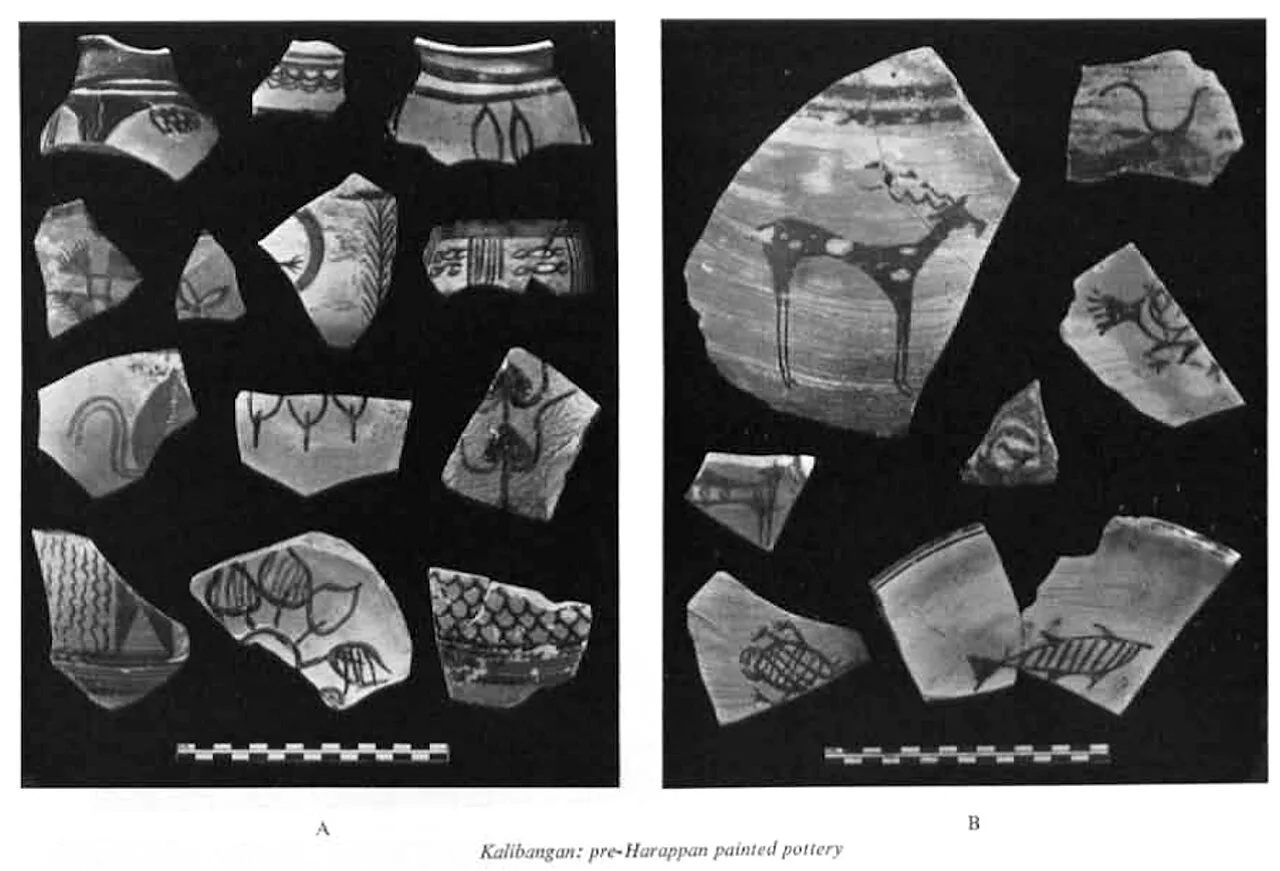
Kalibangan is an archaeological town in Hanumangarh district, Rajasthan, beside the Ghaggar. Visitors come to explore its Indus Valley Civilization remains, including fire altars and evidence of an ancient ploughed field.

Lalgarh Palace

122 km away · Bikaner district

Lalgarh Palace

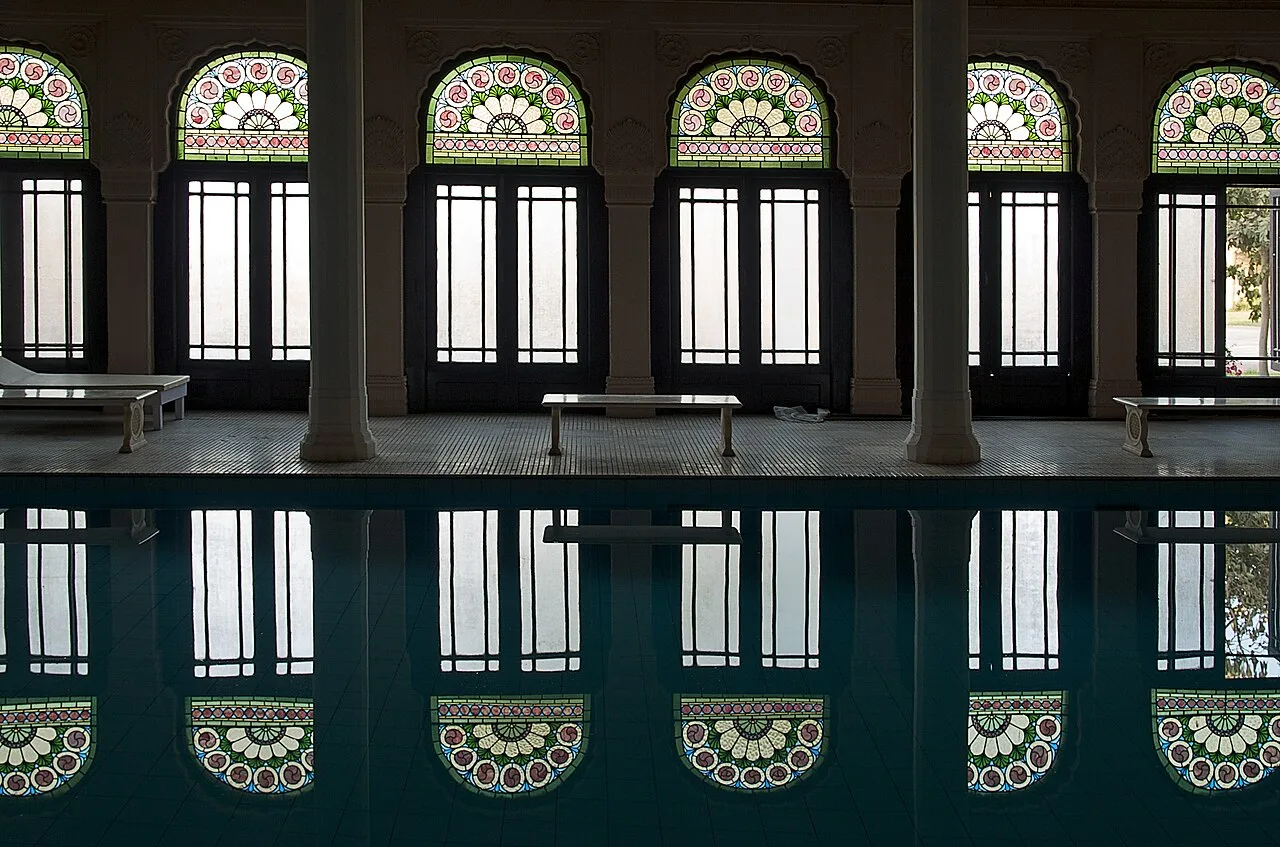
Lalgarh Palace is a palace and heritage-hotel property in Bikaner, Rajasthan, created for Maharaja Sir Ganga Singh. Visitors come to see the residence and its links to Bikaner’s royal history.

Junagarh Fort

124 km away · Bikaner district

Junagarh Fort

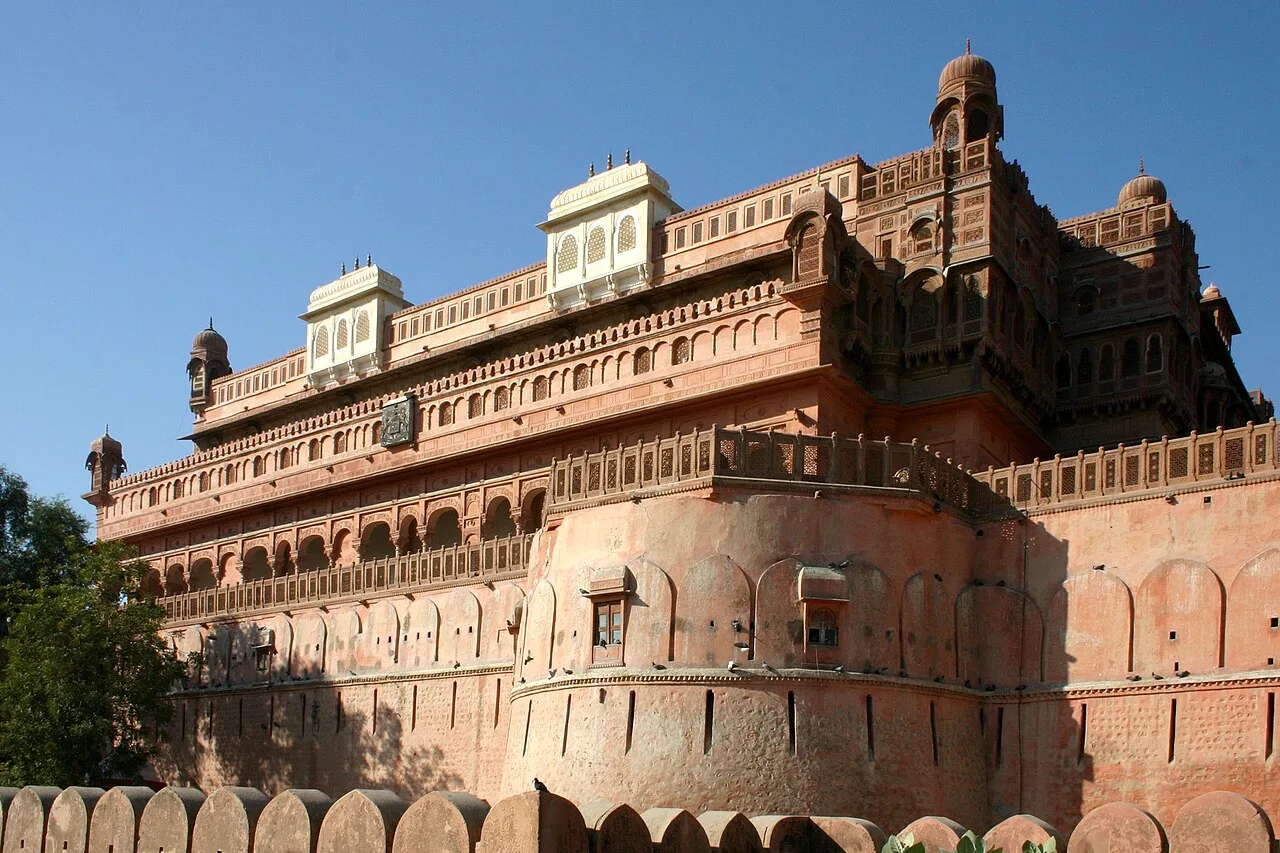
Junagarh Fort is a historic complex in Bikaner, Rajasthan, known for its palaces, temples and pavilions. Visitors can explore its layered history and blend of architectural traditions.

Bhatner fort

128 km away · Hanumangarh district

Bhatner fort

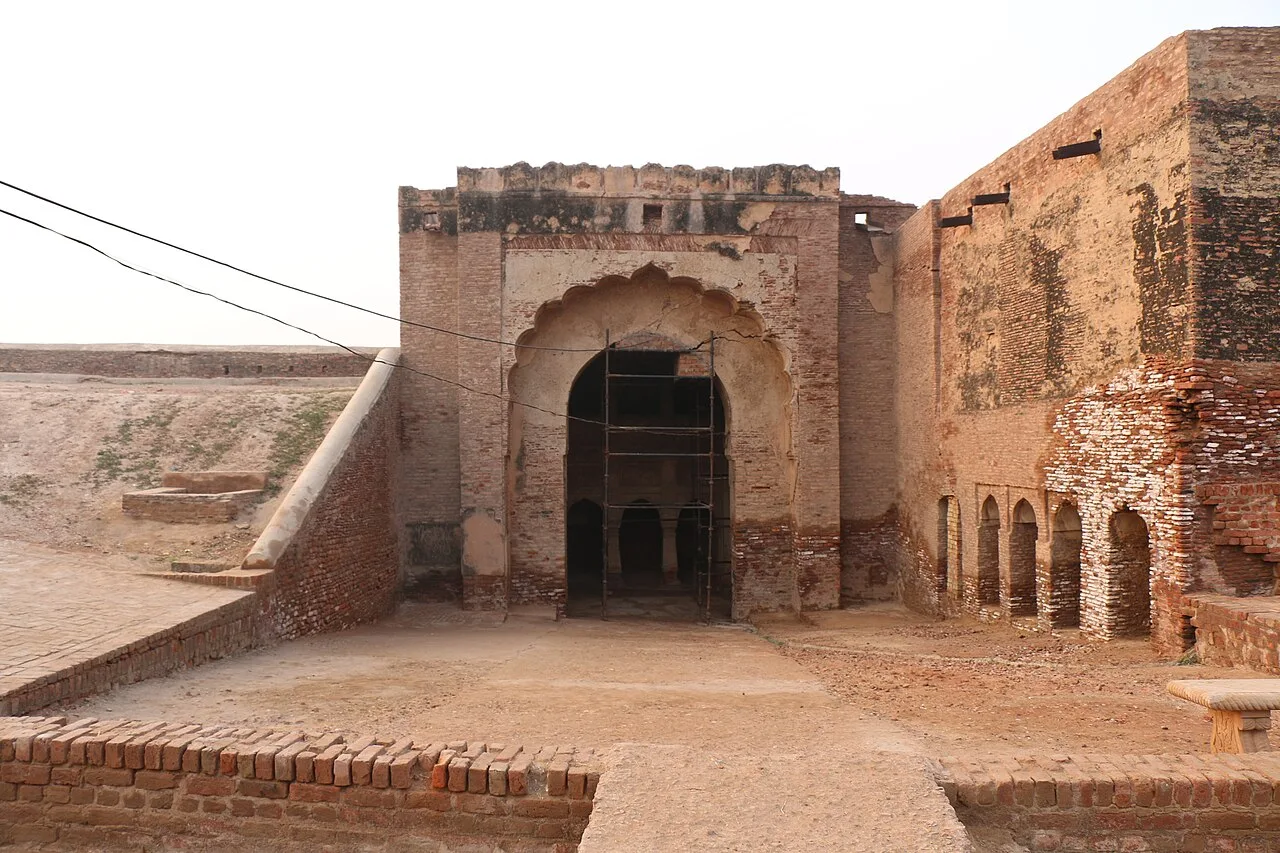
Bhatner Fort is an ancient stronghold in Hanumangarh district, Rajasthan. Visitors are drawn by its association with the Bhati lineage, its believed age and its protected status.

Karni Mata Temple

134 km away · Bikaner district

Karni Mata Temple

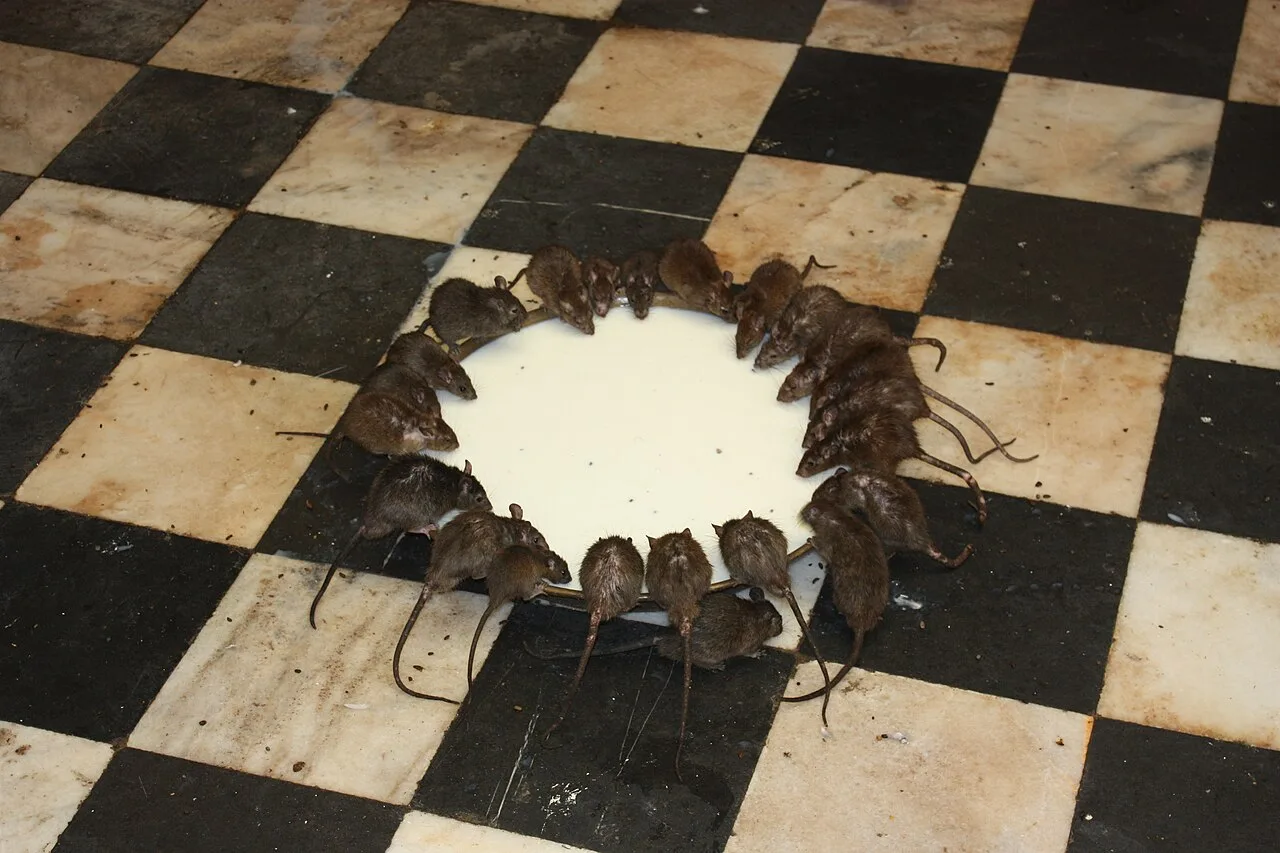
Karni Mata Temple is a Hindu shrine in Deshnoke, Rajasthan, associated with Karni Mata and sacred kābā rodents. Pilgrims seek blessings there, while visitors come to see its distinctive rat population.

Map

Sardarshahar on the map

  1. 1Tal Chhapar Sanctuary
  2. 2Mandawa
  3. 3Nawalgarh
  4. 4Kalibangan
  5. 5Lalgarh Palace
  6. 6Junagarh Fort
  7. 7Bhatner fort
  8. 8Karni Mata Temple

Rajasthan

Other cities to explore