Ghumoopedia — Explore, Discover, Experience
Sign in

City guide · Rajasthan

Bhadra

Bhadra is a municipality and tehsil centre in Hanumangarh district, in northern Rajasthan near the Haryana border. Its importance today lies in serving nearby villages with markets, education and everyday administrative services.

Famous for

  • Bhadra tile market
  • Bagri-speaking culture
  • Rail links across Rajasthan
  • Education in Hanumangarh district

Why Bhadra matters

Bhadra is a municipality and tehsil centre in Hanumangarh district, in northern Rajasthan near the Haryana border. Its importance today lies in serving nearby villages with markets, education and everyday administrative services. The tehsil is known locally as an education hub, while Bhadra’s rail connection and state-highway links make it a useful stop for travel between northern Rajasthan and neighbouring Haryana.

The town is best known commercially for its tile market, which draws people looking for building materials. Visitors interested in local history will encounter traditions linking Bhadra to ancient river confluences and the Mahabharata-era region of Kurupradesh; these are historical associations rather than established archaeological facts. Karanpura, a nearby village where traces of an ancient settlement have been reported, adds to the area’s historical interest. Bhadra is not a major sightseeing destination, but it offers a glimpse of a working market town and the Bagri-speaking culture of this part of Rajasthan.
Famous for: crafts, trade & products

Bhadra’s most distinctive commercial feature is its tile market. Shops in the town centre and market streets are the practical place to compare tiles and other building materials; the market is a retail focus, rather than evidence that Bhadra is a major tile-manufacturing centre. The town also serves residents of surrounding villages, with shops and services concentrated around its central bazaar.

Bhadra is not especially identified with a particular saree tradition, handicraft, or GI-tagged product, so visitors should not expect a specialist craft quarter or a recognised local souvenir industry. Everyday retail is more representative than heritage shopping. The town’s educational role is another part of its local identity: schools and other learning institutions serve the wider tehsil, though there is no single institution that functions as a major visitor attraction. For a sense of local commerce, explore the central market on foot and ask shopkeepers about the tile trade and goods sourced from nearby towns. The surrounding rural area is closely connected to Bhadra’s services and markets.

History

Local tradition traces Bhadra’s name to the Bagri word for “the city of grace” and associates its beginnings with the Bhadrak community and a confluence of rivers. Stories also place the area in the ancient territory of Kurupradesh. These accounts are part of regional memory; they should be distinguished from evidence that can be dated securely. Nearby Karanpura has yielded reported traces of an ancient settlement, while claims of a connection to the Saraswati River form part of the area’s broader historical landscape.

Medieval accounts associate Bhadra with Beniwal Jat rule, and the town is mentioned in the Ain-i-Akbari, compiled in the late sixteenth century. Later traditions connect the rebuilding of Bhadra with Labanas who moved into the region after the campaigns of Mahmud of Ghazni. The town’s more recent growth has followed its role as a tehsil and municipal centre. Rail and road connections, along with educational institutions and trade serving surrounding villages, have shaped its present-day importance. A detailed account of its colonial-era administration is not widely established.

Food, festivals & culture

Bagri is widely spoken in this part of northern Rajasthan, alongside Hindi; the town’s proximity to Haryana also brings regional linguistic and cultural overlap. Everyday food reflects the broader northwestern Rajasthan table: bajra roti, dal, gatte ki sabzi and churma are familiar choices, though menus vary between homes and eateries. Tea and locally prepared sweets are common accompaniments, but Bhadra is not especially known for a signature confection.

Holi in spring and Diwali in autumn are major occasions, while Teej and Gangaur are observed during the monsoon season in the wider Rajasthan region. Family gatherings, temple visits and community celebrations mark the festival calendar. Folk devotional singing and Rajasthani songs are part of local cultural life; Ghoomar is associated with the state’s broader dance tradition rather than being a Bhadra-specific performance. Neighbourhood temples and other places of worship serve residents, but the town is not known for a single major pilgrimage site. Visitors can experience local culture most naturally through the bazaar and everyday community life.

Visiting the city

October to March is generally the most comfortable season to visit; summers can be very hot, while monsoon weather may affect road travel. The nearest airport is Hisar Airport in Haryana, but scheduled flight availability can be limited, so check connections before planning. Bhadra railway station is the town’s main station, on the Sri Ganganagar–Sadulpur (Rajgarh)–Jaipur rail corridor.

State highways connect Bhadra with Hisar and Sirsa. Within town, the central market and tile-market streets are easiest to explore on foot; local autos or taxis can help with longer trips. The railway station area and main bazaar give a useful sense of the town’s daily life. Karanpura is a nearby point of historical interest, but check local access and facilities before making it an excursion.

Trips from the city

Nearest places to visit from Bhadra

Our closest destination guides, by straight-line distance.

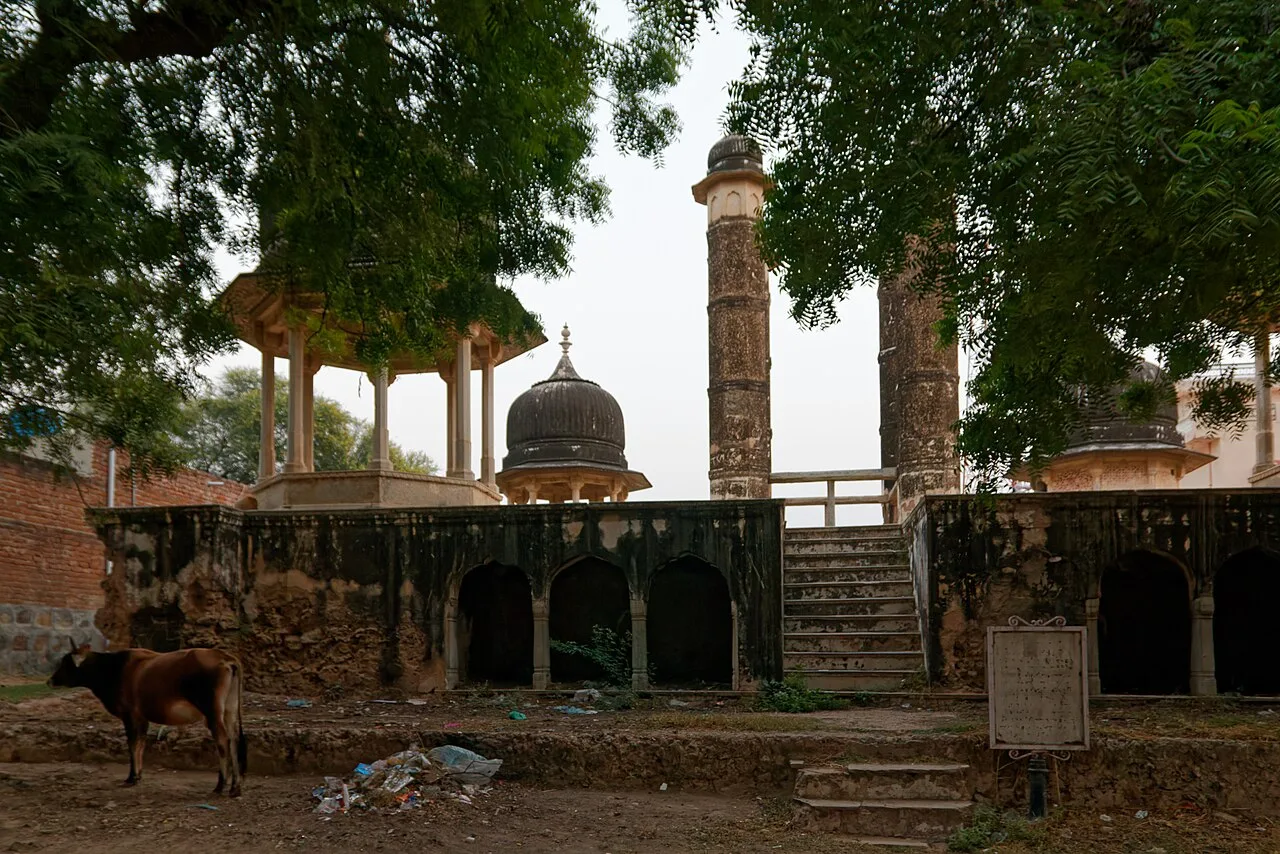
Bhatner fort

98 km away · Hanumangarh district

Bhatner fort

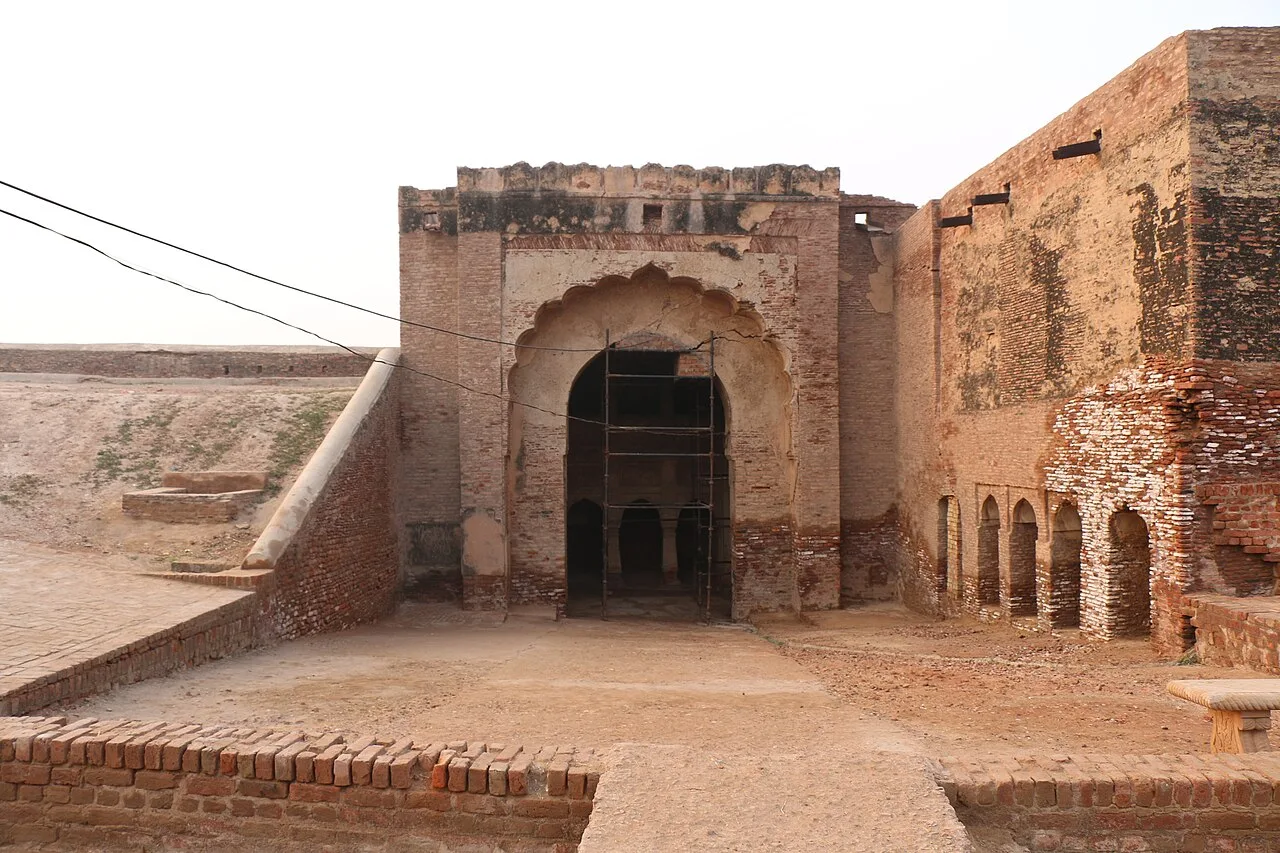
Bhatner Fort is an ancient stronghold in Hanumangarh district, Rajasthan. Visitors are drawn by its association with the Bhati lineage, its believed age and its protected status.

Kalibangan

109 km away · Hanumangarh district

Kalibangan

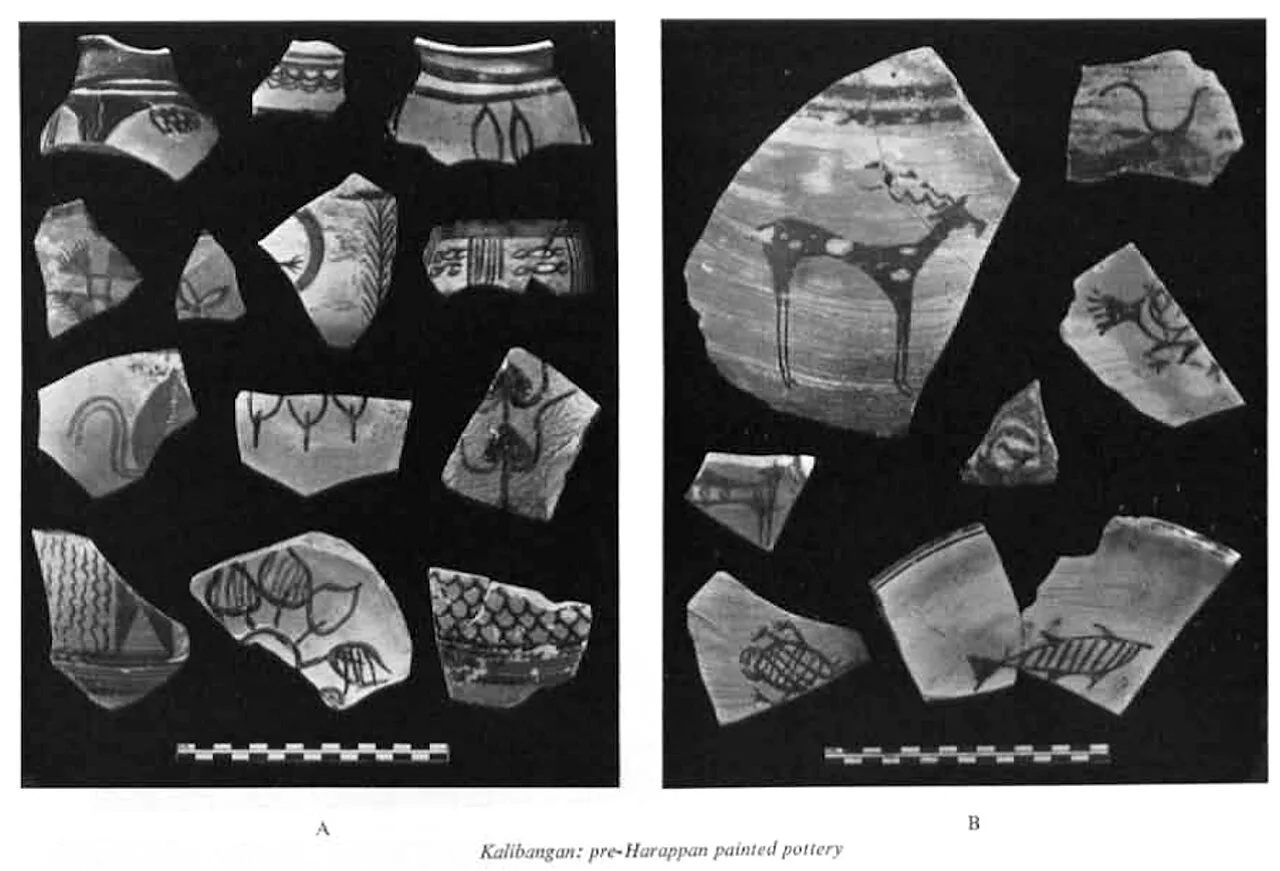
Kalibangan is an archaeological town in Hanumangarh district, Rajasthan, beside the Ghaggar. Visitors come to explore its Indus Valley Civilization remains, including fire altars and evidence of an ancient ploughed field.

Mandawa

117 km away · Jhunjhunu district

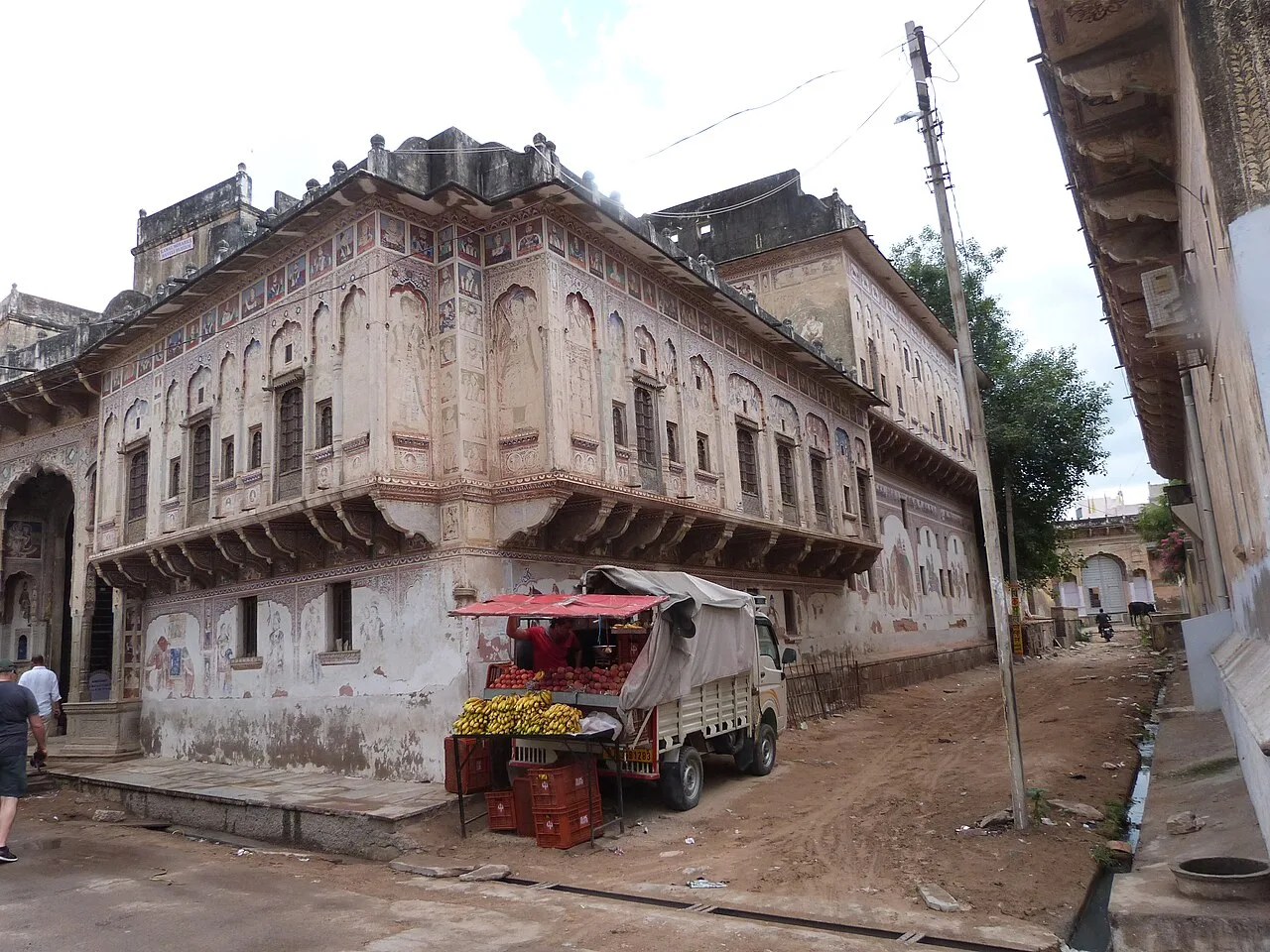
Mandawa

Mandawa is a town in Rajasthan’s Jhunjhunu district, within the Shekhawati region. Travellers visit it as part of journeys through the region and nearby Jhunjhunu.

Nawalgarh

140 km away · Jhunjhunu district

Nawalgarh

Nawalgarh is a heritage city in Rajasthan’s Shekhawati region, within Jhunjhunu district. Visitors are drawn by its heritage character, and it is 30.5 km from Sikar and 39.2 km from Jhunjhunu.

Tal Chhapar Sanctuary

162 km away · Churu district

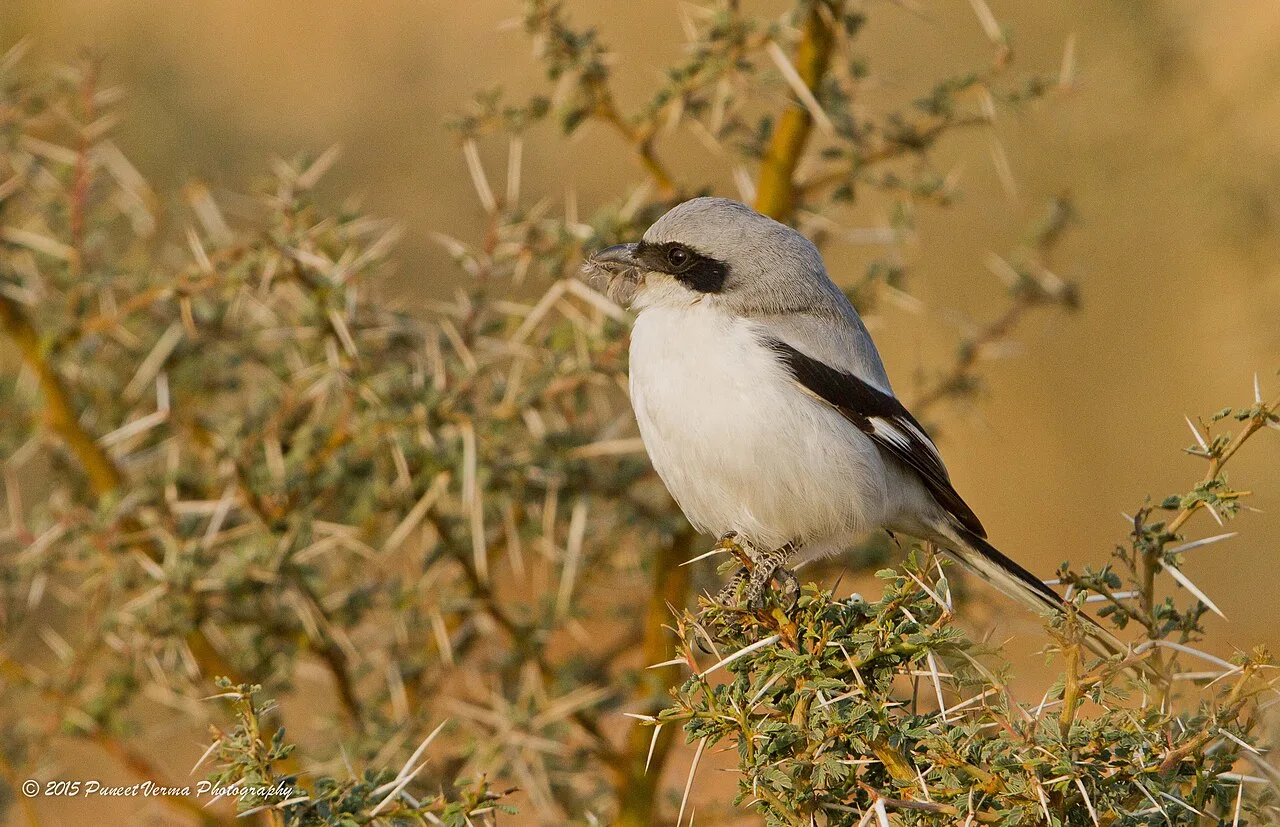
Tal Chhapar Sanctuary

Tal Chhapar is a wildlife sanctuary in Rajasthan’s Churu district, known for blackbucks and birdlife. Visitors come to see its wildlife in a setting near the Great Indian Desert.

Khatu Shyam Temple

195 km away · Sikar district

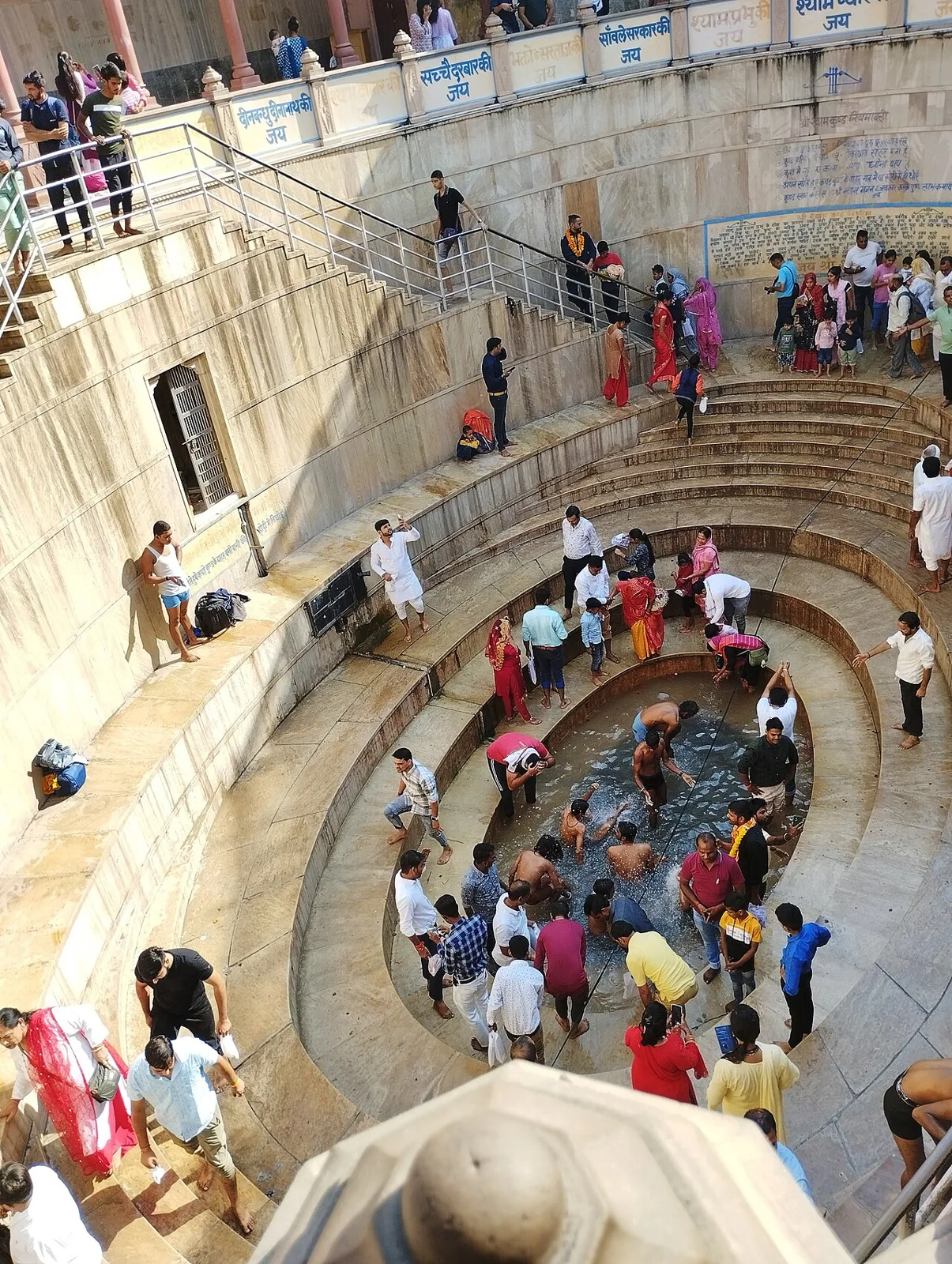
Khatu Shyam Temple

In KhatuShyamJi town, Rajasthan, this Hindu shrine honours Khatu Shyam, believed to be a divine manifestation of Barbareek from the Mahabharat. Pilgrims visit throughout the year, especially for the Falgun Mela.

Lalgarh Palace

215 km away · Bikaner district

Lalgarh Palace

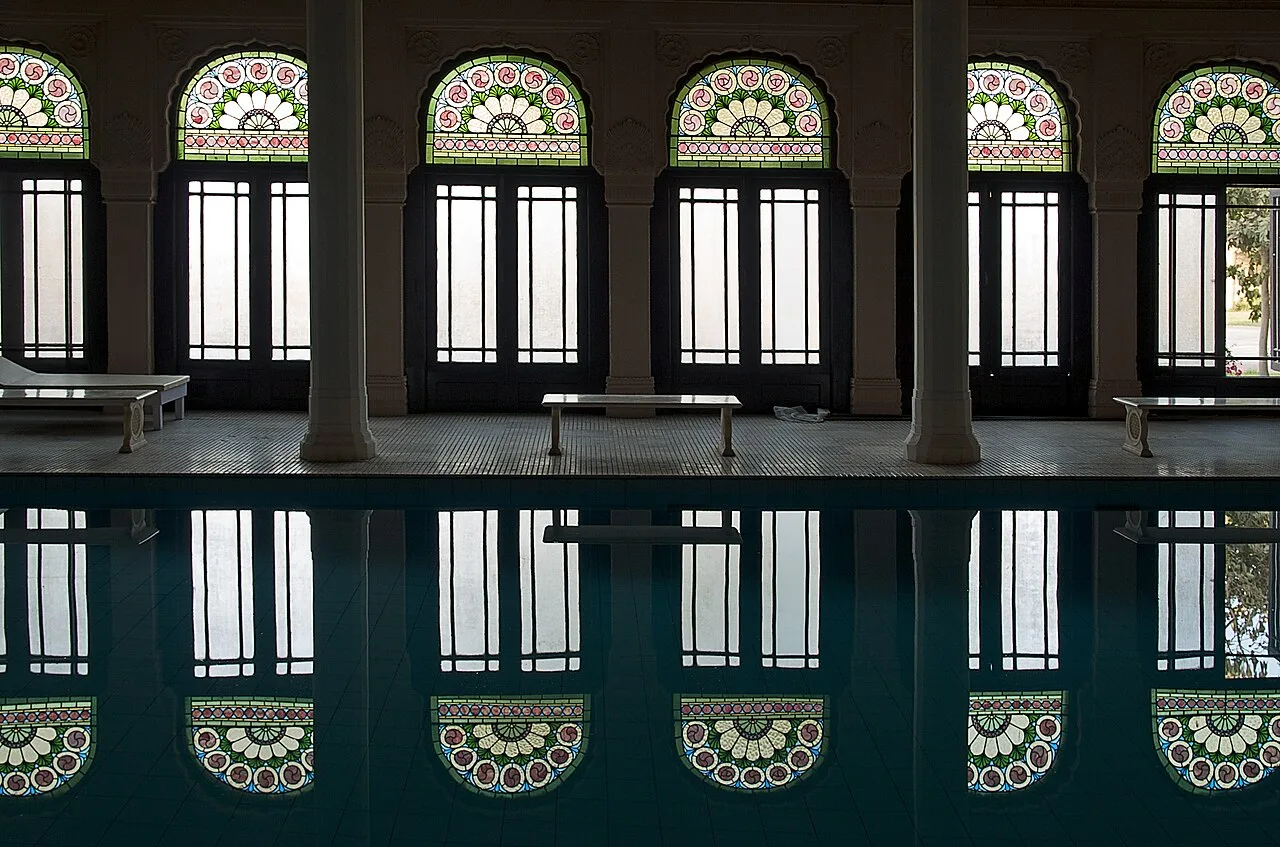
Lalgarh Palace is a palace and heritage-hotel property in Bikaner, Rajasthan, created for Maharaja Sir Ganga Singh. Visitors come to see the residence and its links to Bikaner’s royal history.

Junagarh Fort

217 km away · Bikaner district

Junagarh Fort

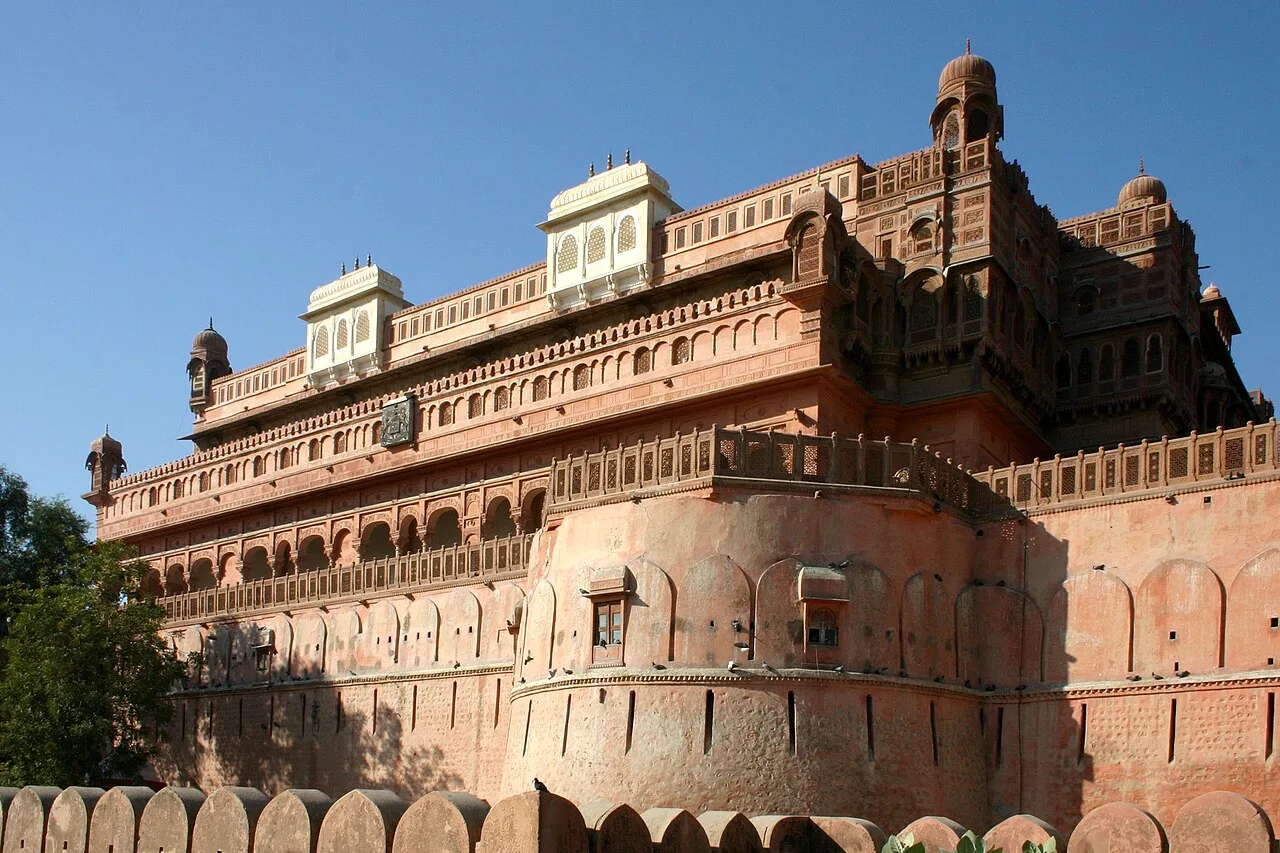
Junagarh Fort is a historic complex in Bikaner, Rajasthan, known for its palaces, temples and pavilions. Visitors can explore its layered history and blend of architectural traditions.

Map

Bhadra on the map

  1. 1Bhatner fort
  2. 2Kalibangan
  3. 3Mandawa
  4. 4Nawalgarh
  5. 5Tal Chhapar Sanctuary
  6. 6Khatu Shyam Temple
  7. 7Lalgarh Palace
  8. 8Junagarh Fort

Rajasthan

Other cities to explore