Ghumoopedia — Explore, Discover, Experience
Sign in
Kalibangan, near Rawatsar

City guide · Rajasthan

Rawatsar

Rawatsar is a municipality and tehsil centre in Hanumangarh district, in Rajasthan’s north. Its importance today is chiefly regional: it serves nearby settlements with local administration, shops and everyday services, while the surrounding countryside connects it to the district’s agricultural economy.

Famous for

  • Khetarpal Ji Temple
  • Historic Bikaner thikana
  • Kandhalot clan seat
  • Bhatner campaign history

Why Rawatsar matters

Rawatsar is a municipality and tehsil centre in Hanumangarh district, in Rajasthan’s north. Its importance today is chiefly regional: it serves nearby settlements with local administration, shops and everyday services, while the surrounding countryside connects it to the district’s agricultural economy. The town is also a place to encounter the history of the former Bikaner princely state and the Rawat family who held authority here.

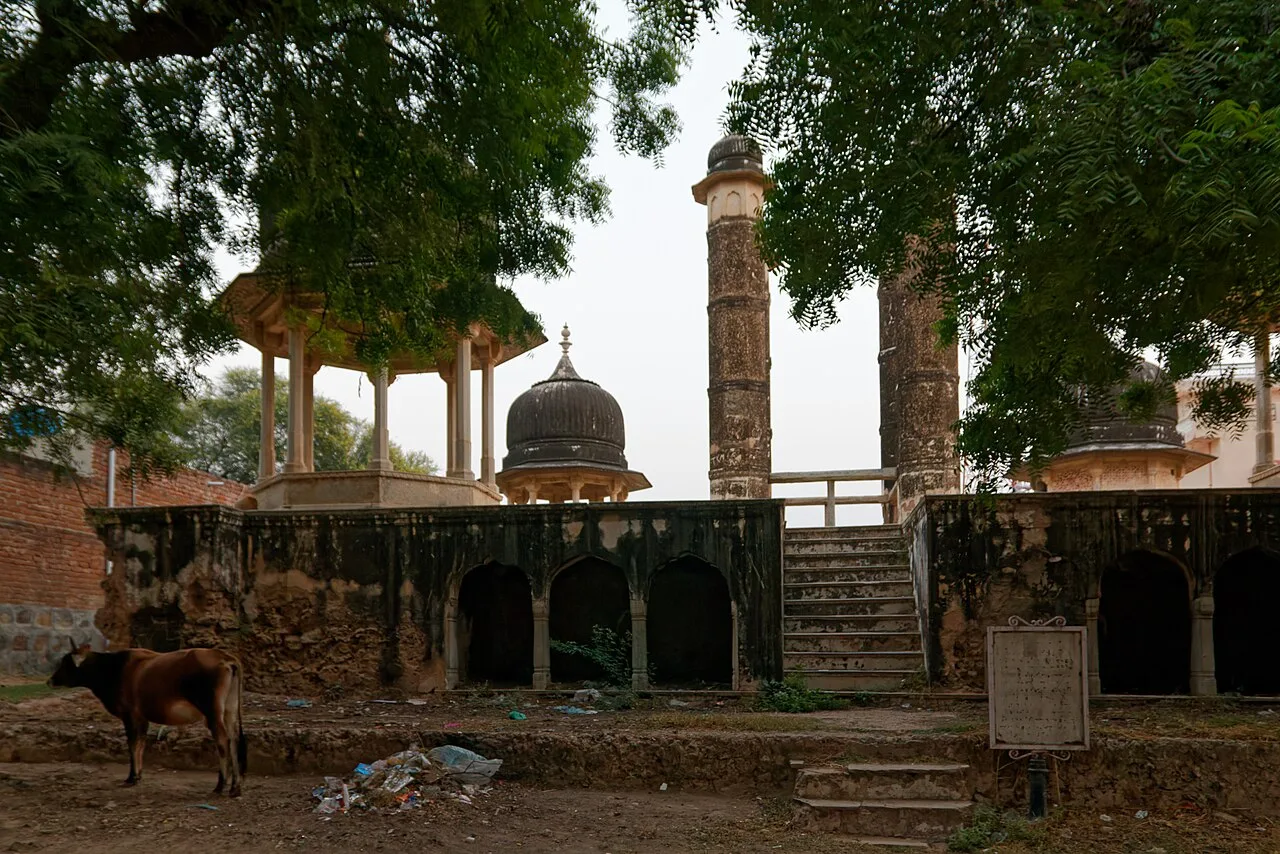
Visitors interested in heritage can seek out Khetarpal Ji Temple, associated with the town’s founder, Raghodas, and explore the older settlement and its market streets. Rawatsar is not a large resort destination, but it makes a quieter stop for travellers exploring Hanumangarh district. Its historical links to the campaigns around Bhatner Fort add context to a visit to Hanumangarh, where the fort stands. The town’s appeal lies in this combination of local religious life, regional trade and a layered history rather than a concentration of major tourist attractions.
Famous for: crafts, trade & products

Rawatsar is not widely identified with a particular textile, handicraft, GI-tagged product or large-scale manufacturing industry. Its commercial life is centred on everyday retail and services for residents and surrounding villages. The town’s shops and market area are the practical places to look for household goods, clothing, groceries and locally used supplies; visitors should not expect a specialised craft bazaar or a signature product associated uniquely with Rawatsar.

Agriculture is important to the wider Hanumangarh region, and local trade reflects the needs of farming communities, though particular crops and products vary by season. Small retailers and food shops provide a sense of ordinary town life, rather than a formal visitor shopping circuit. For heritage, the most distinctive local reference is Khetarpal Ji Temple, connected with the early history of the Rawatsar thikana. Travellers looking for recognised regional crafts or specialist shopping may find a broader selection in larger centres elsewhere in Rajasthan. Rawatsar is best approached as a service town with historical interest, not as a destination for a specific craft or branded local product.

History

Rawatsar’s recorded history as a settlement begins with Raghodas, who established the thikana in 1584 after defeating the Nawab of Rania, whose forces had raided the area. Raghodas received the title of Rawat, and the town became the principal seat of the Kandhalot branch, descendants of Rawat Kandhal. The clan’s seat moved here from Jaitpur. Raghodas is also credited with building Khetarpal Ji Temple. Rawatsar later rose from thikana status to sirayat, becoming one of the major estates of Bikaner.

The Rawats were involved in the struggle for Bhatner Fort, near present-day Hanumangarh. In 1799, forces sent by Bikaner ruler Maharaja Surat Singh fought to recover the fort. Bahadur Singh of Rawatsar briefly retook the nearby Fatehgarh position, but it was captured again and he was killed. Under the modern state system, Rawatsar developed as a municipality and tehsil centre in Hanumangarh district, serving the surrounding settlements.

Food, festivals & culture

Everyday food in Rawatsar reflects the dry northwestern Rajasthan setting and the wider region’s home cooking. Bajra roti, lentils, seasonal vegetables, and dishes such as gatte or ker-sangri are familiar across Rajasthan, though menus vary between households and eateries. Tea and simple sweets are easy to encounter, but Rawatsar is not especially known for a signature confection. The town’s market area is a practical place to find casual meals and snacks.

Hindi and Rajasthani are used in daily life, with Bagri and Punjabi influences present in the wider Hanumangarh region. Hindu festivals such as Diwali and Holi are observed, while Teej and Gangaur bring seasonal traditions associated with Rajasthan; harvest celebrations are also part of regional life. Folk music and dance traditions vary by occasion and community, and are more likely to be experienced at celebrations than as scheduled performances for visitors. Khetarpal Ji Temple is a notable place of worship and a link to Rawatsar’s founding history; local temples and household observances remain part of the town’s religious life.

Visiting the city

The cooler months, roughly October to March, are generally the most comfortable for exploring Rawatsar. Summers can be very hot, so outdoor visits are best kept to morning or evening. Bikaner’s Nal Airport is a nearby airport, but flight options may be limited; check current connections before planning around it. Hanumangarh Junction is the main railway station for reaching the district, with the onward journey to Rawatsar made by road.

Buses, taxis and other road transport connect the town with nearby settlements; local autos or hired vehicles can help with short trips. Begin around the central market streets for everyday town life, then visit Khetarpal Ji Temple. Rawatsar’s compact centre is more useful to explore than seeking a separate tourist quarter. Travellers with extra time can include Hanumangarh and Bhatner Fort in a wider district itinerary.

Trips from the city

Nearest places to visit from Rawatsar

Our closest destination guides, by straight-line distance.

Kalibangan

35 km away · Hanumangarh district

Kalibangan

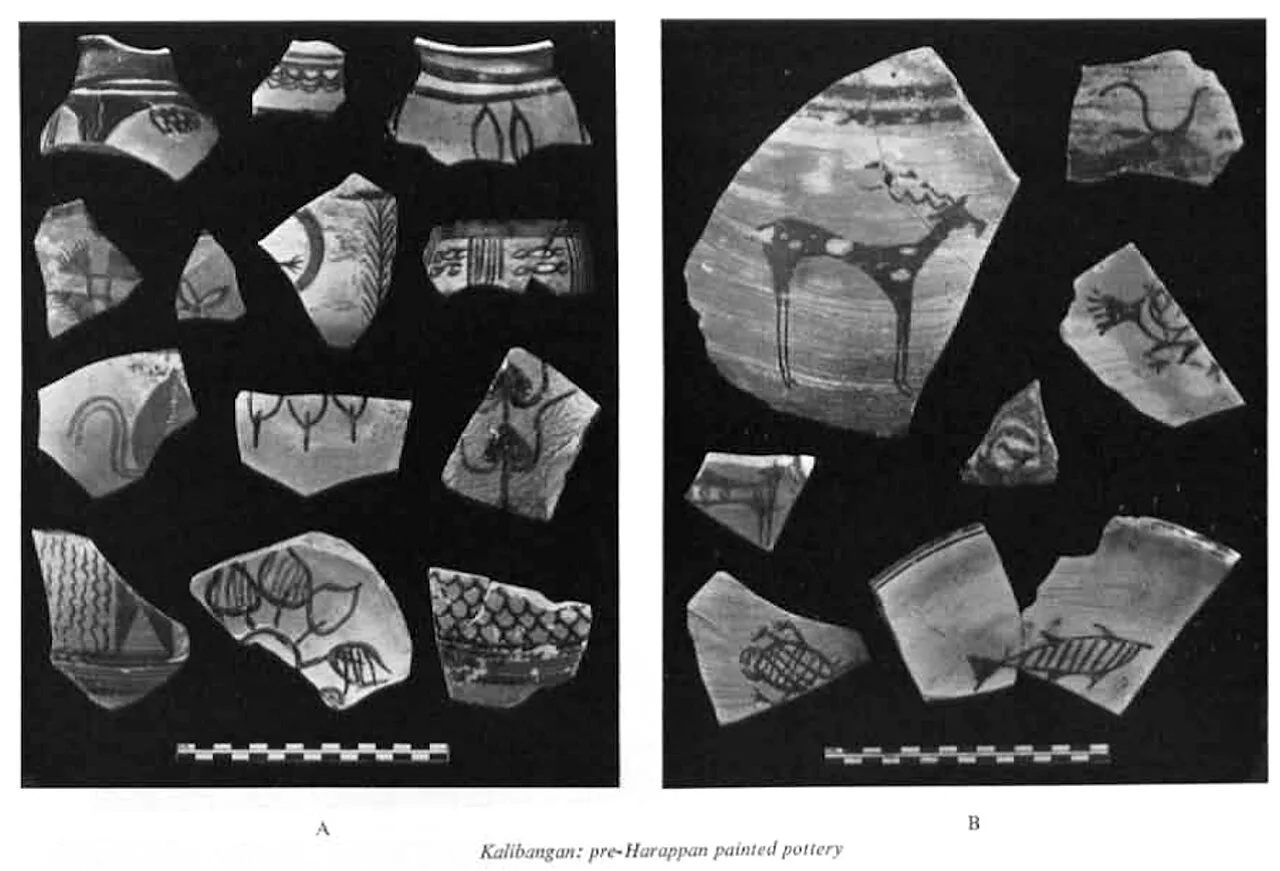
Kalibangan is an archaeological town in Hanumangarh district, Rajasthan, beside the Ghaggar. Visitors come to explore its Indus Valley Civilization remains, including fire altars and evidence of an ancient ploughed field.

Bhatner fort

36 km away · Hanumangarh district

Bhatner fort

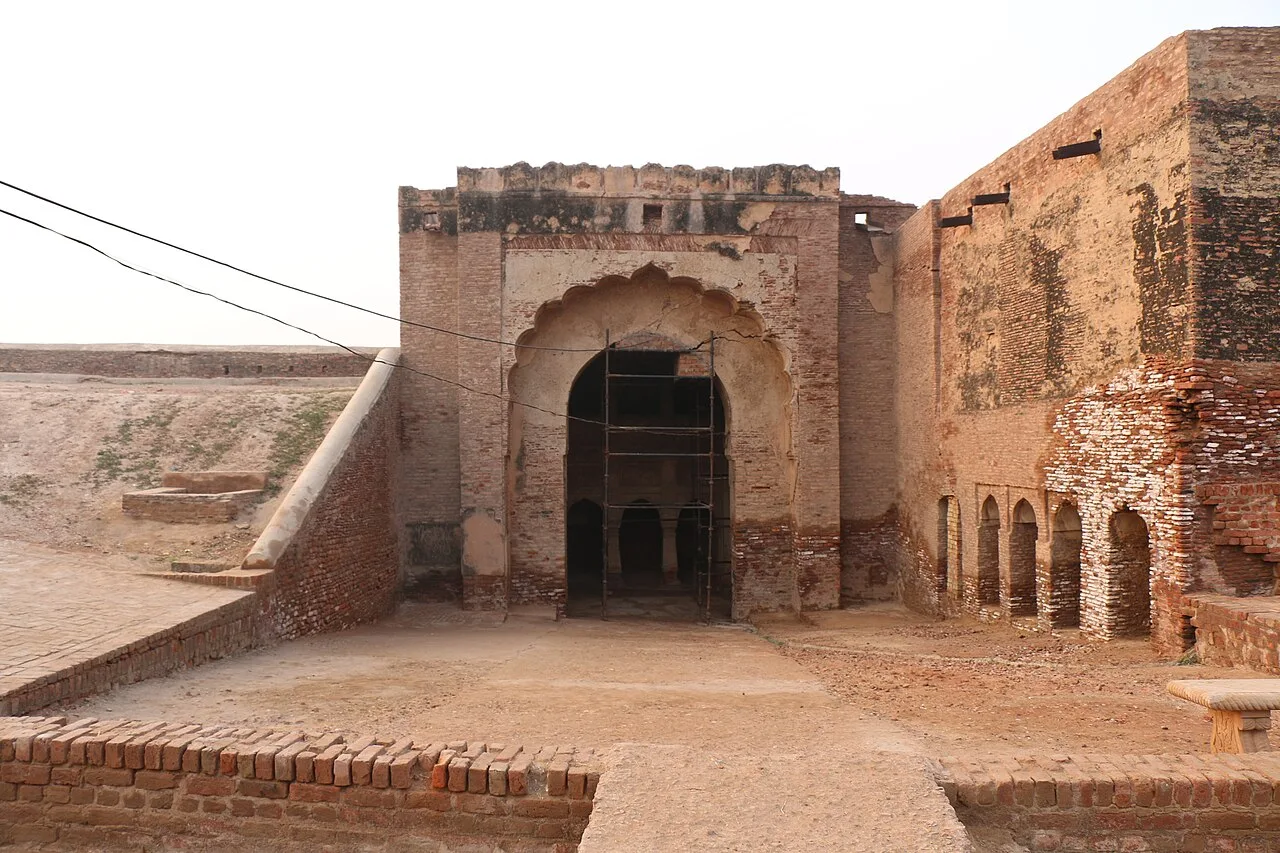
Bhatner Fort is an ancient stronghold in Hanumangarh district, Rajasthan. Visitors are drawn by its association with the Bhati lineage, its believed age and its protected status.

Mandawa

154 km away · Jhunjhunu district

Mandawa

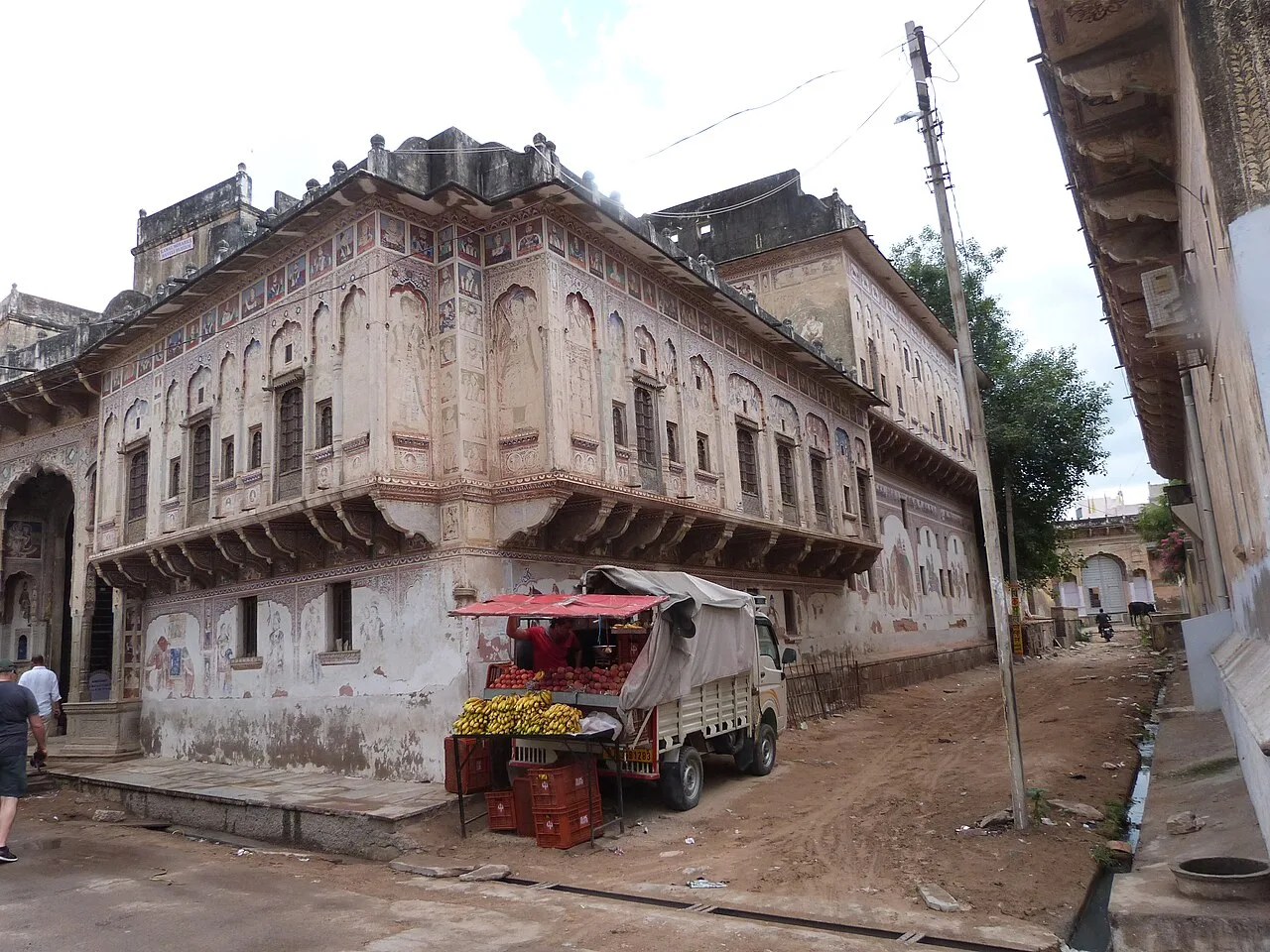
Mandawa is a town in Rajasthan’s Jhunjhunu district, within the Shekhawati region. Travellers visit it as part of journeys through the region and nearby Jhunjhunu.

Tal Chhapar Sanctuary

163 km away · Churu district

Tal Chhapar Sanctuary

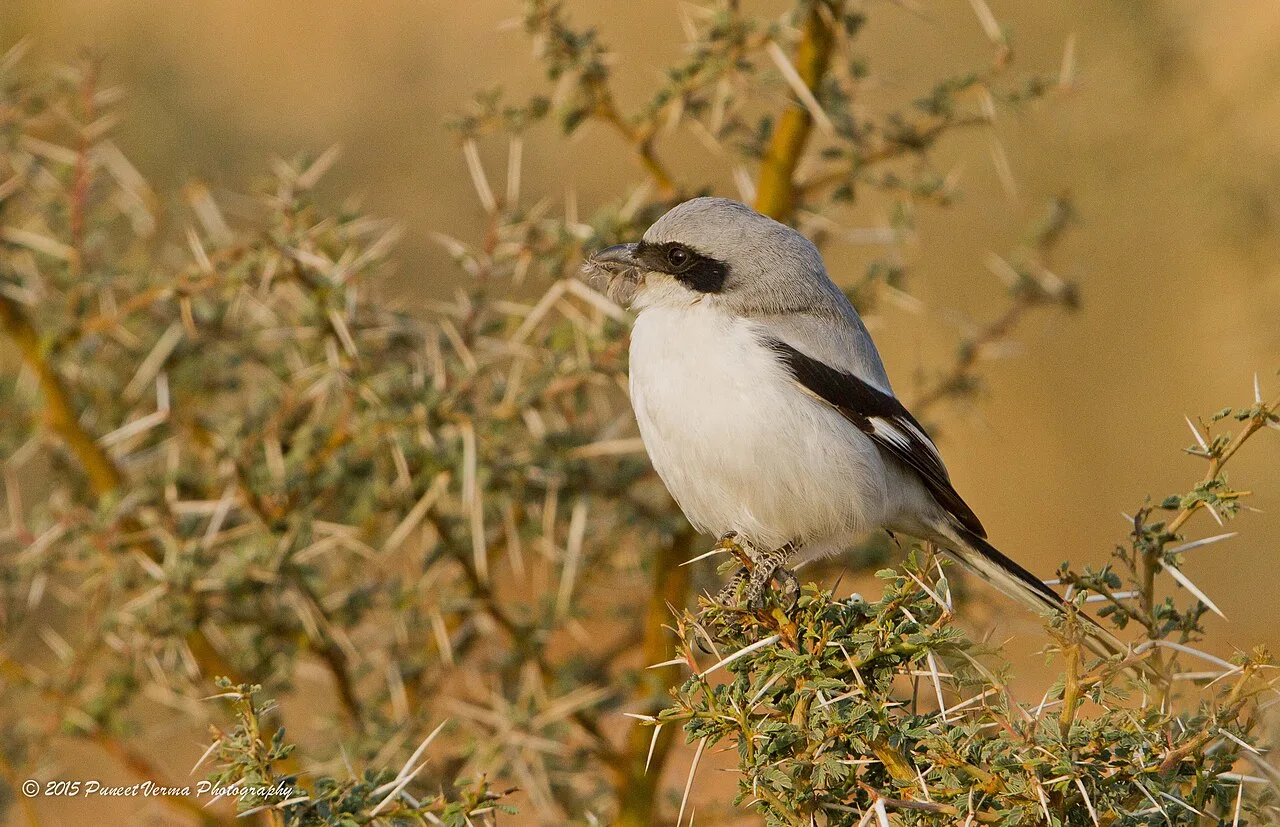
Tal Chhapar is a wildlife sanctuary in Rajasthan’s Churu district, known for blackbucks and birdlife. Visitors come to see its wildlife in a setting near the Great Indian Desert.

Lalgarh Palace

172 km away · Bikaner district

Lalgarh Palace

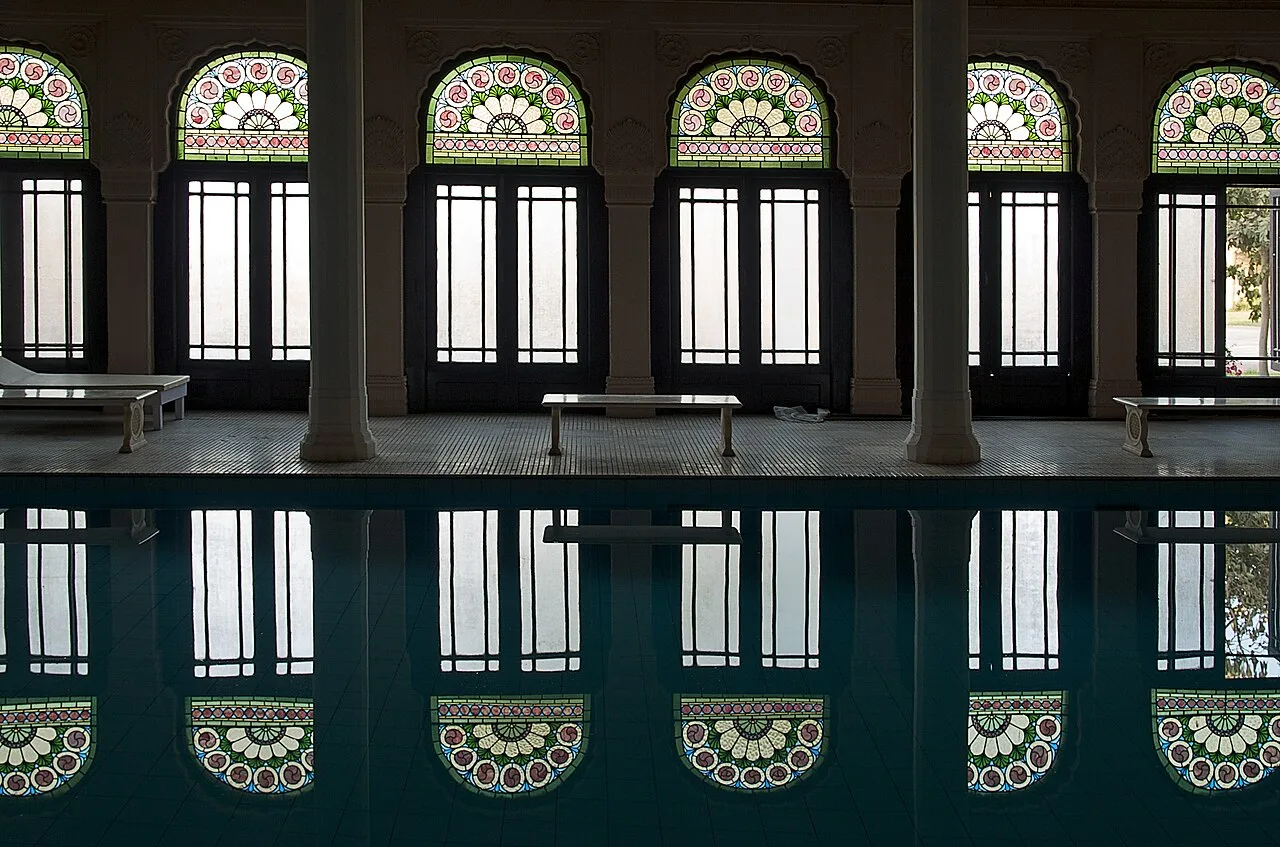
Lalgarh Palace is a palace and heritage-hotel property in Bikaner, Rajasthan, created for Maharaja Sir Ganga Singh. Visitors come to see the residence and its links to Bikaner’s royal history.

Junagarh Fort

174 km away · Bikaner district

Junagarh Fort

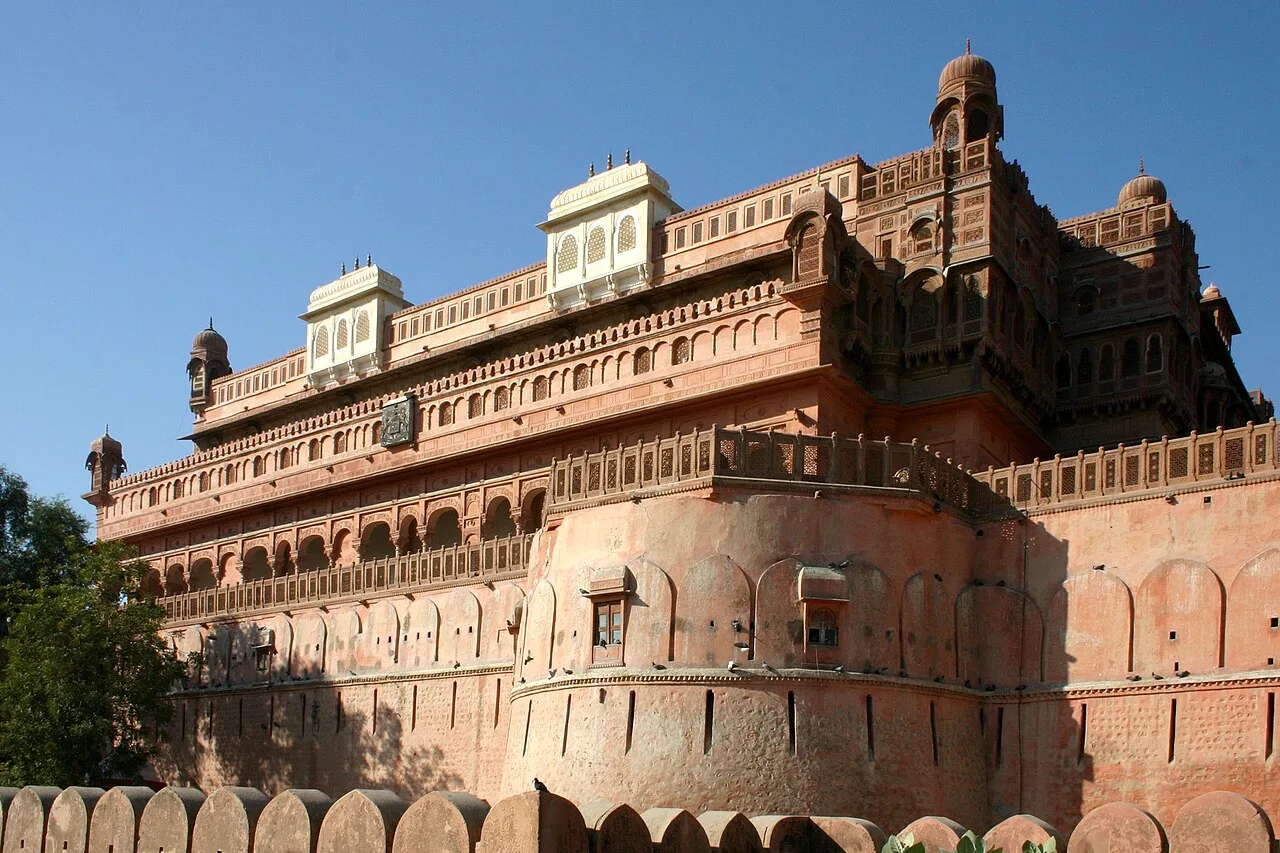
Junagarh Fort is a historic complex in Bikaner, Rajasthan, known for its palaces, temples and pavilions. Visitors can explore its layered history and blend of architectural traditions.

Nawalgarh

179 km away · Jhunjhunu district

Nawalgarh

Nawalgarh is a heritage city in Rajasthan’s Shekhawati region, within Jhunjhunu district. Visitors are drawn by its heritage character, and it is 30.5 km from Sikar and 39.2 km from Jhunjhunu.

Karni Mata Temple

194 km away · Bikaner district

Karni Mata Temple

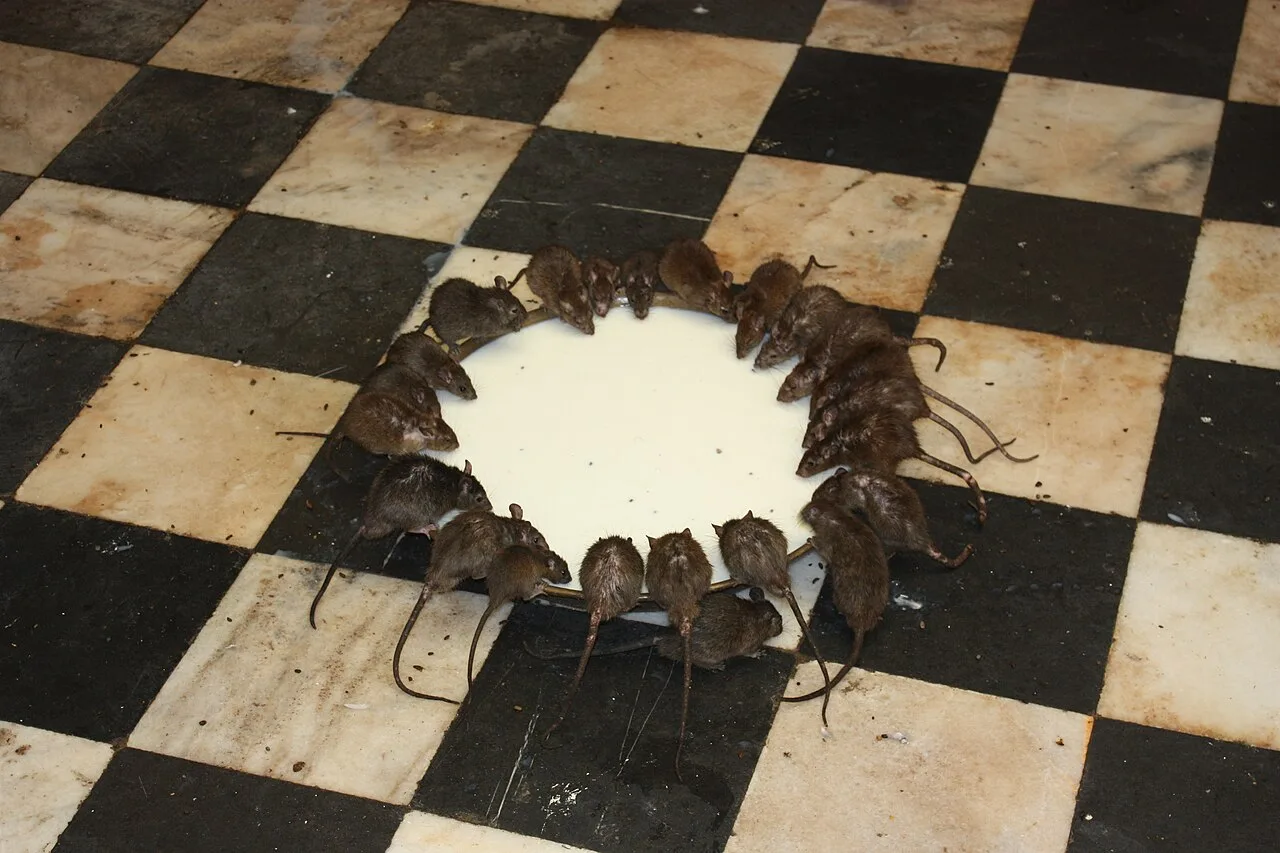
Karni Mata Temple is a Hindu shrine in Deshnoke, Rajasthan, associated with Karni Mata and sacred kābā rodents. Pilgrims seek blessings there, while visitors come to see its distinctive rat population.

Map

Rawatsar on the map

  1. 1Kalibangan
  2. 2Bhatner fort
  3. 3Mandawa
  4. 4Tal Chhapar Sanctuary
  5. 5Lalgarh Palace
  6. 6Junagarh Fort
  7. 7Nawalgarh
  8. 8Karni Mata Temple

Rajasthan

Other cities to explore