Ghumoopedia — Explore, Discover, Experience
Sign in
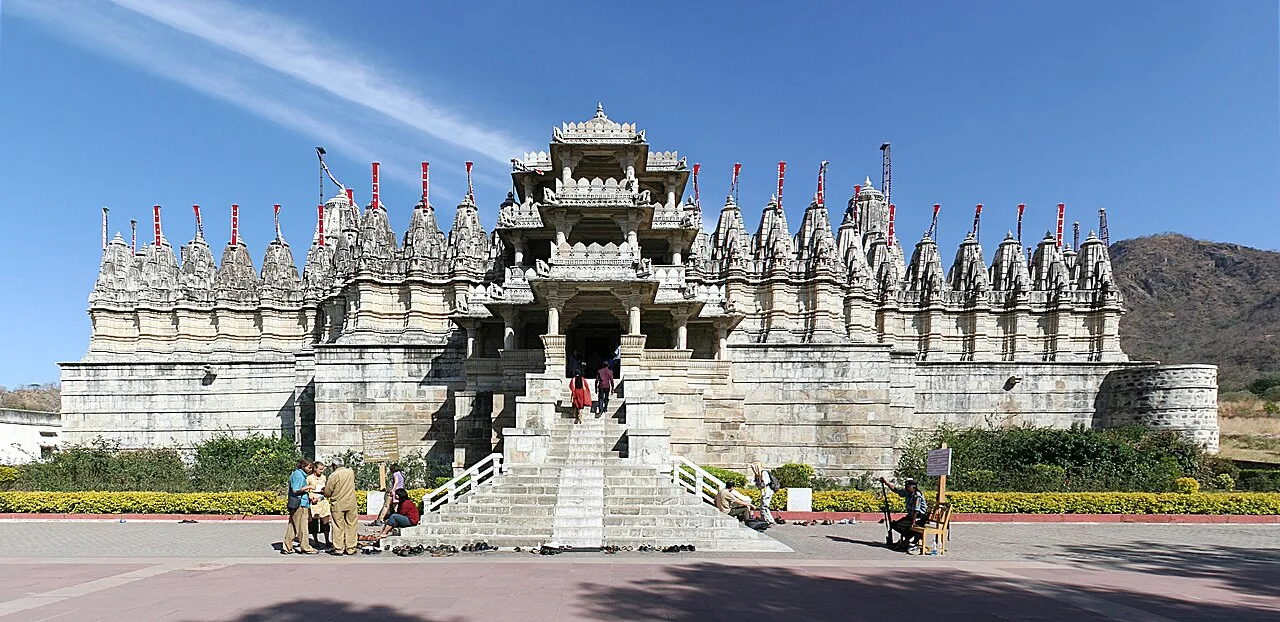
Ranakpur Jain temple, near Takhatgarh

City guide · Rajasthan

Takhatgarh

Takhatgarh is a small town in Pali district, in southern Rajasthan, near the border with Jalore district. Its importance today is chiefly regional: it is a municipality and an administrative centre for nearby settlements, and has served as an up-tehsil headquarters since 2023.

Famous for

  • Pali district municipality
  • Sumerpur sub-district administration
  • Jalore–Sanderao road corridor
  • Regional market-town role
  • Marwari cultural setting

Why Takhatgarh matters

Takhatgarh is a small town in Pali district, in southern Rajasthan, near the border with Jalore district. Its importance today is chiefly regional: it is a municipality and an administrative centre for nearby settlements, and has served as an up-tehsil headquarters since 2023. The town comes under Sumerpur tehsil and is represented in state and national legislatures through the Sumerpur and Pali constituencies respectively.

Set along the Jalore–Sanderao road, part of NH 325, Takhatgarh connects the surrounding rural area with larger service and trading centres. Visitors are more likely to stop for local business, family connections or a look at everyday life in a smaller Rajasthani town than for a major, widely publicised attraction. Its appeal lies in that quieter setting: neighbourhood temples, local shops and the rhythms of a regional town provide a glimpse of life beyond Rajasthan’s better-known tourist circuits. Takhatgarh is not especially associated with a nationally recognised craft or product, so it is best approached as a useful local centre rather than a destination built around a single landmark.
Famous for: crafts, trade & products

Takhatgarh is best understood as a local service and trading centre for the settlements around it, rather than as a specialist manufacturing or shopping destination. Visitors should therefore avoid expecting a dedicated craft bazaar or a recognised cluster of workshops.

The main road through town and the central market area are the natural places to look for everyday commerce: small retailers, food shops and services used by residents and travellers. Goods on offer are likely to reflect ordinary needs in this part of Pali district, but stock and business activity can vary. For a broader choice of regional products, larger commercial centres in the district may be more suitable. Takhatgarh’s institutional identity is more prominent than any particular product: it is a municipality and an administrative centre, with connections to Sumerpur and nearby villages. Ask locally for current shops or makers if seeking a particular item, since no established visitor-facing craft market is known here.

History

Takhatgarh’s documented history is particularly clear in its changing civic status. It was treated as a town in 1951, but a change in the definition used for towns meant it was classified as rural in 1961. It later became a Class IV municipality in 1974; Banshilal Baldiya was its first municipal chairman. Before municipal status, the first sarpanch was Saremal Kesarimal Sanghavi.

The town lies within a region shaped by princely-era administration and later by the formation of modern Rajasthan, but Takhatgarh is not widely associated with a separately documented royal court, colonial-era event or major monument. Its more recent growth reflects its role as a local centre serving surrounding settlements and as a stop on the Jalore–Sanderao road. Its administrative importance developed further when it became an up-tehsil headquarters in 2023. Today, municipal and sub-district functions remain central to the town’s identity.

Food, festivals & culture

Everyday culture in Takhatgarh reflects the wider Pali region and its Marwari and Rajasthani traditions. Hindi and Marwari are commonly used in daily life, with Rajasthani speech varying across families and nearby villages. Local meals draw on familiar regional cooking: dal, bajra rotla, gatte and seasonal preparations such as ker sangri may be found, while sweets vary by shop and occasion. These are regional foods rather than dishes uniquely identified with Takhatgarh.

Holi and Diwali bring household and neighbourhood observances, while Teej, Gangaur and Navratri are celebrated in keeping with broader Rajasthani practice. The timing follows the Hindu lunar calendar, so dates change each year. Religious life centres on neighbourhood temples and shrines, which are places for worship and community gatherings; visitors should ask locally about visiting customs. Folk music and dance traditions are part of the wider cultural landscape of Rajasthan, though Takhatgarh is not known as a major performance or festival destination. Local celebrations are generally best experienced through respectful participation and guidance from residents.

Visiting the city

The cooler months, roughly October to March, are generally the most comfortable time to visit. Summer can be very hot, while monsoon conditions may affect road journeys. Jodhpur Airport is the nearest major airport commonly used for reaching the area. Falna railway station is a practical railhead; check onward road connections before travelling, as the final leg is by road.

Within Takhatgarh, the central market and town centre are convenient areas to explore on foot, while auto-rickshaws or local vehicles can help with longer trips. The Jalore–Sanderao road provides the main approach and links the town with nearby settlements. There is no established tourist district, so plan around the centre, local places of worship and the surrounding countryside, and ask residents about access and local customs. Takhatgarh works well as a brief stop or base for nearby errands rather than a resort-style stay.

Trips from the city

Nearest places to visit from Takhatgarh

Our closest destination guides, by straight-line distance.

Ranakpur Jain temple

52 km away · Pali district

Ranakpur Jain temple

The Ranakpur Jain temple, also known as Chaturmukha Dharana Vihara, is a Śvētāmbara shrine devoted to Rishabhanatha. Jain pilgrims visit this important religious site and its group of associated temples.

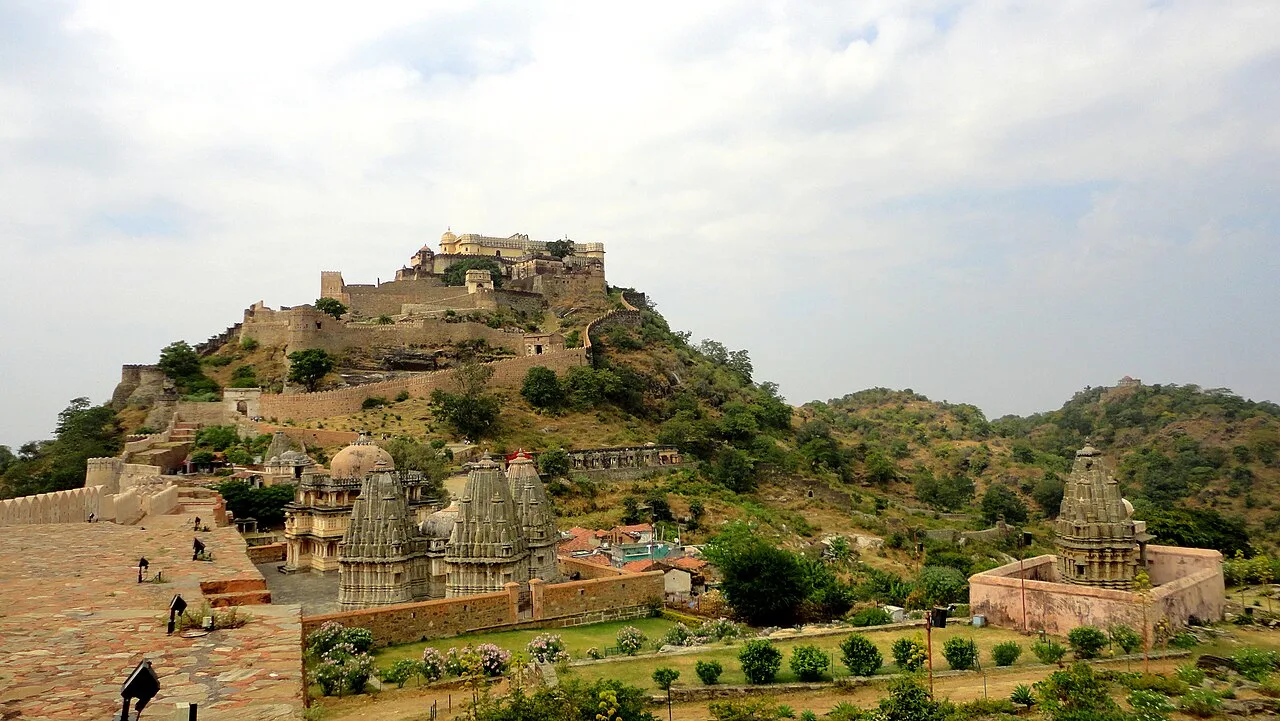
Kumbhalgarh

61 km away · Rajsamand district

Kumbhalgarh

Kumbhalgarh, often called the Great Wall of India, is a 15th-century fortress in Rajasthan’s Aravalli Hills, visited for its fortifications, historical associations and UNESCO World Heritage status.

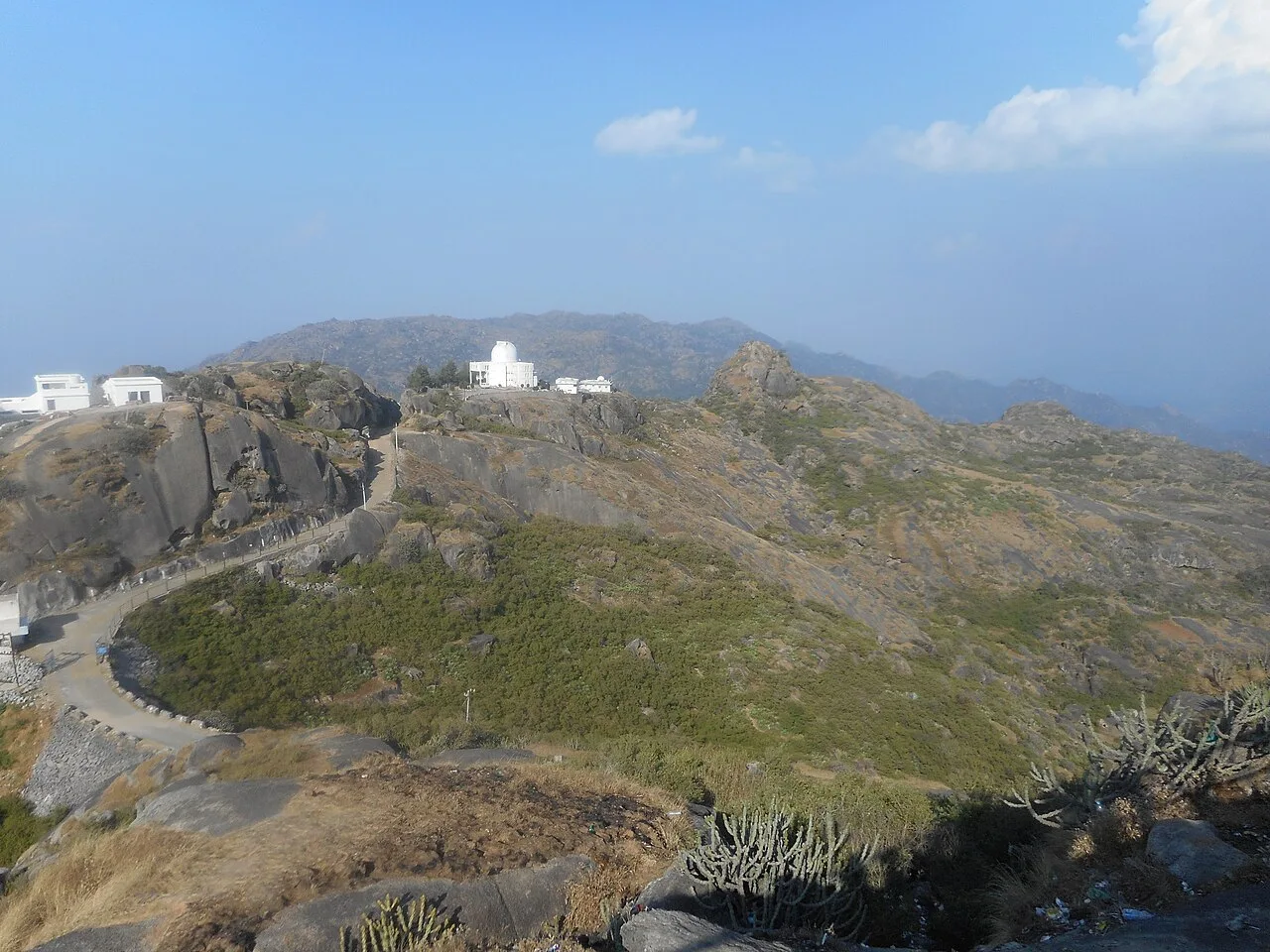
Guru Shikhar

78 km away · Sirohi district

Guru Shikhar

Guru Shikhar is a 1,722-metre summit in Rajasthan’s Arbuda Mountains, valued as the Aravalli Range’s highest point and visited for its hilltop shrines and nearby astronomical observatory.

Dilwara Temples

84 km away · Sirohi district

Dilwara Temples

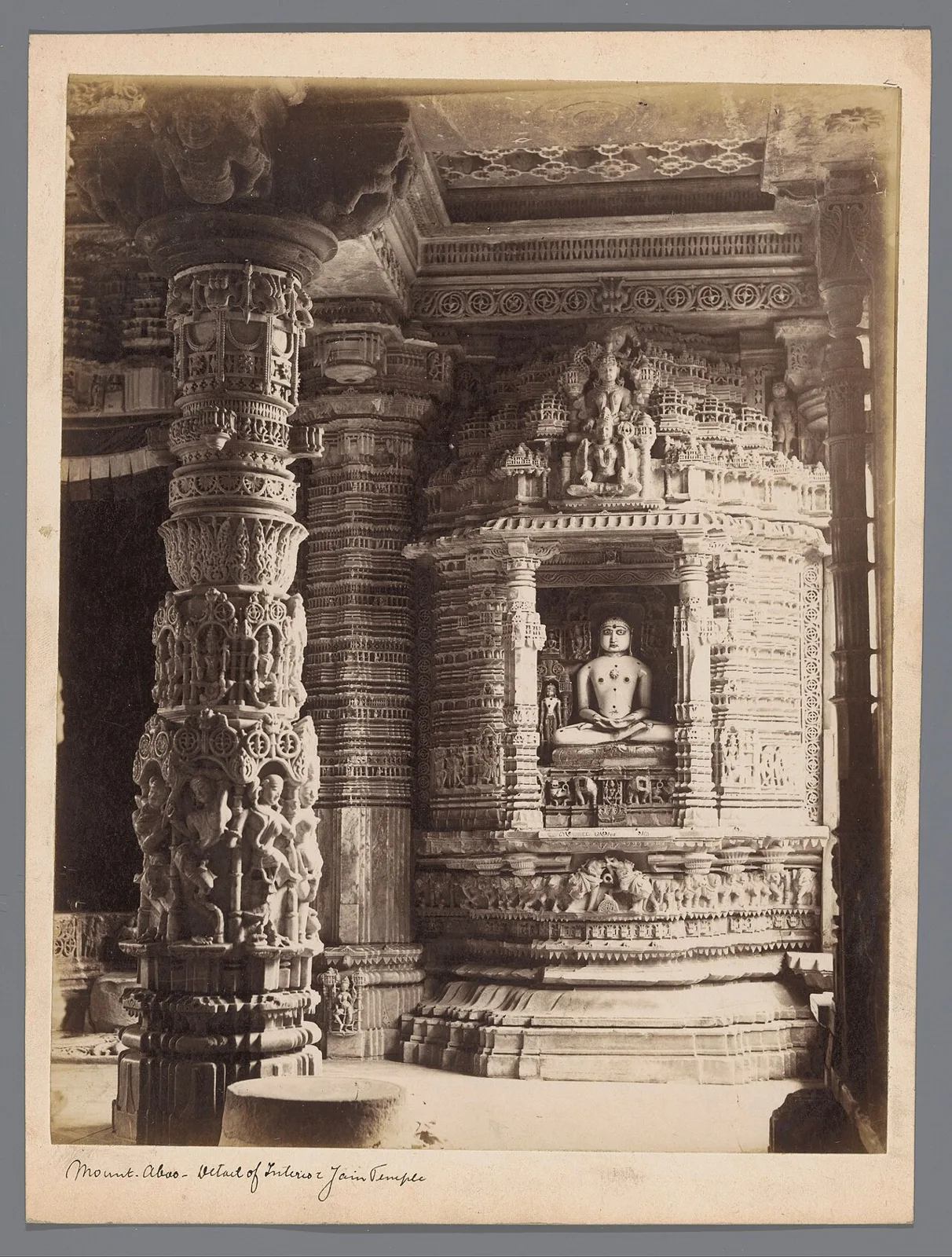
Dilwara Temples are a Śvetāmbara Jain complex near Mount Abu, Rajasthan, visited for pilgrimage and admired for their carved marble architecture.

Haldighati

85 km away · Rajsamand district

Haldighati

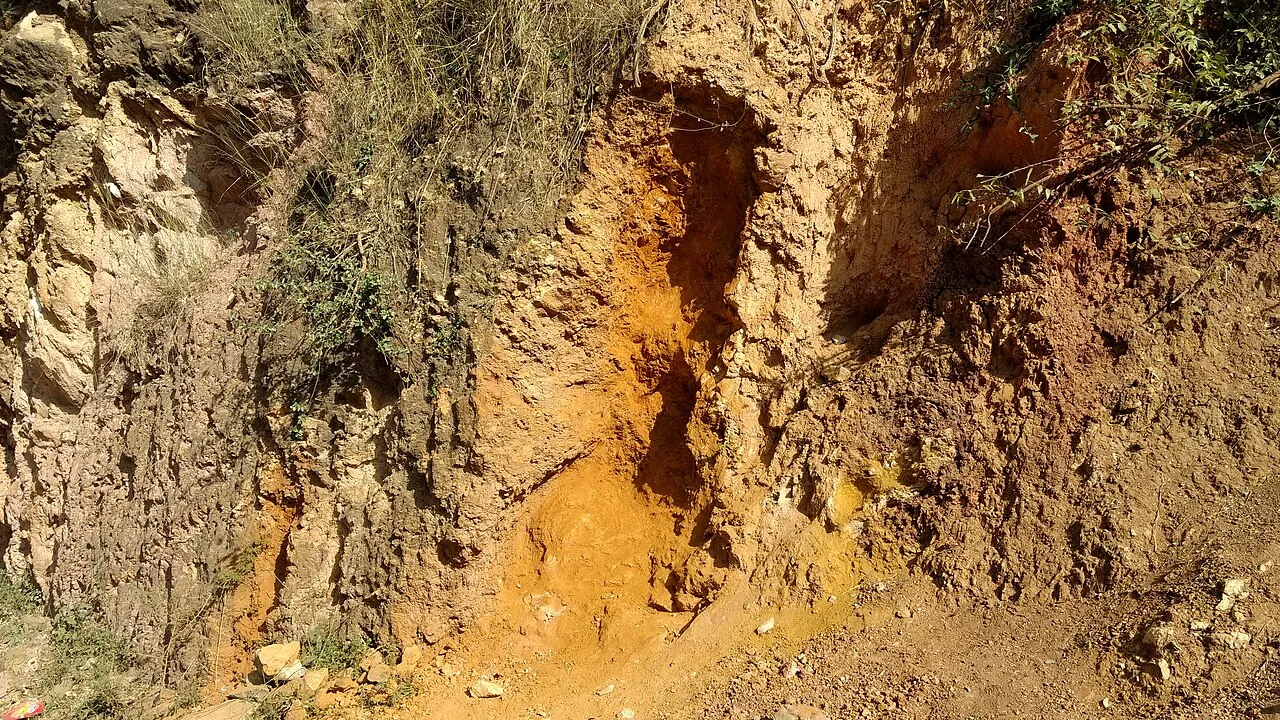
Haldighati is a historic route through Rajasthan’s Aravalli hills, connecting the Rajsamand and Udaipur districts. Visitors come to learn about its past and see the yellow soil associated with its name.

Mount Abu

86 km away · Sirohi district

Mount Abu

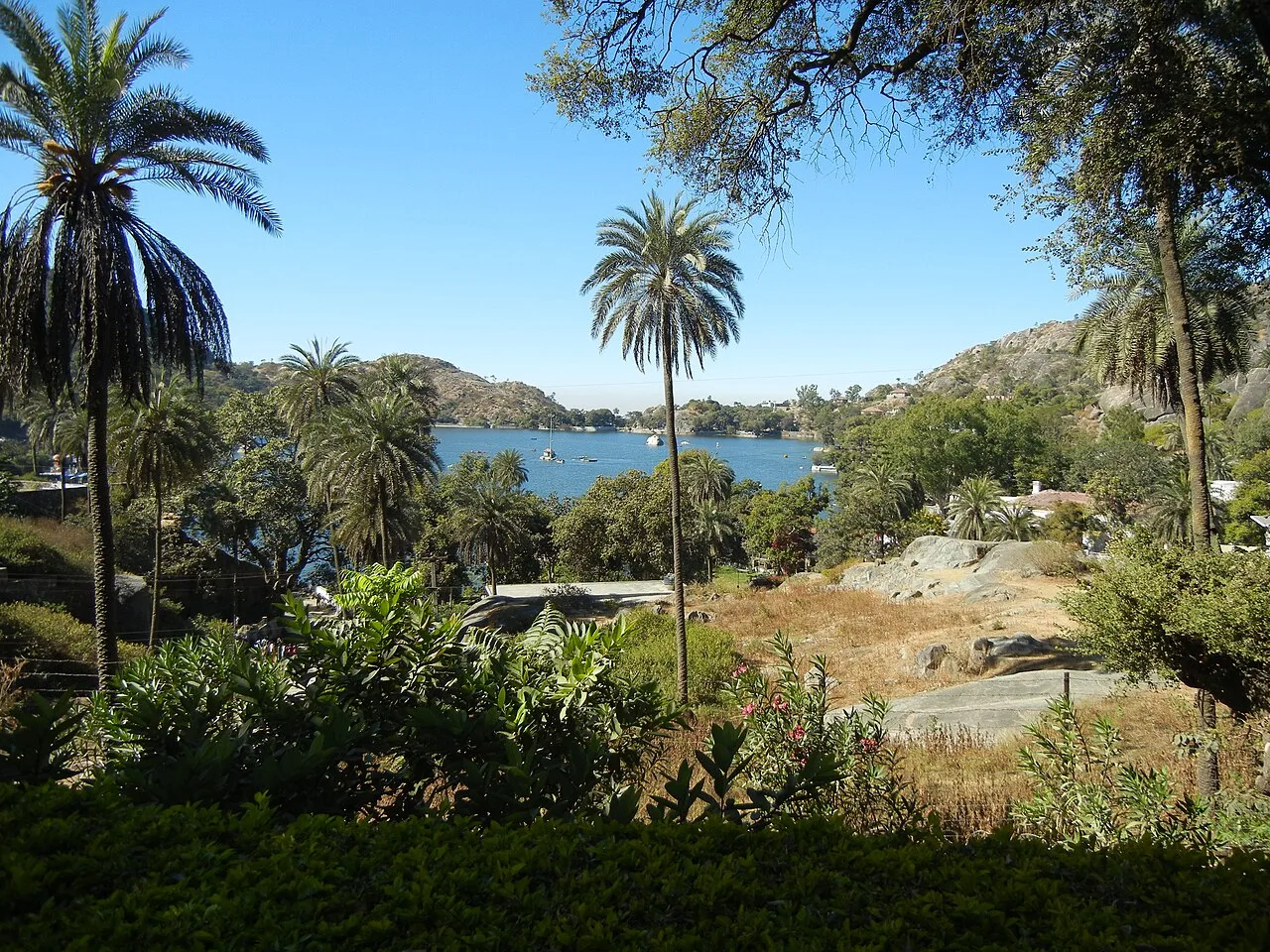
In Rajasthan’s Sirohi district, Mount Abu, also known as Abu Raj, is a hill station on a rocky plateau. Visitors come for its water features, evergreen forests and Hindu and Jain temples.

Nakki Lake

86 km away · Sirohi district

Nakki Lake

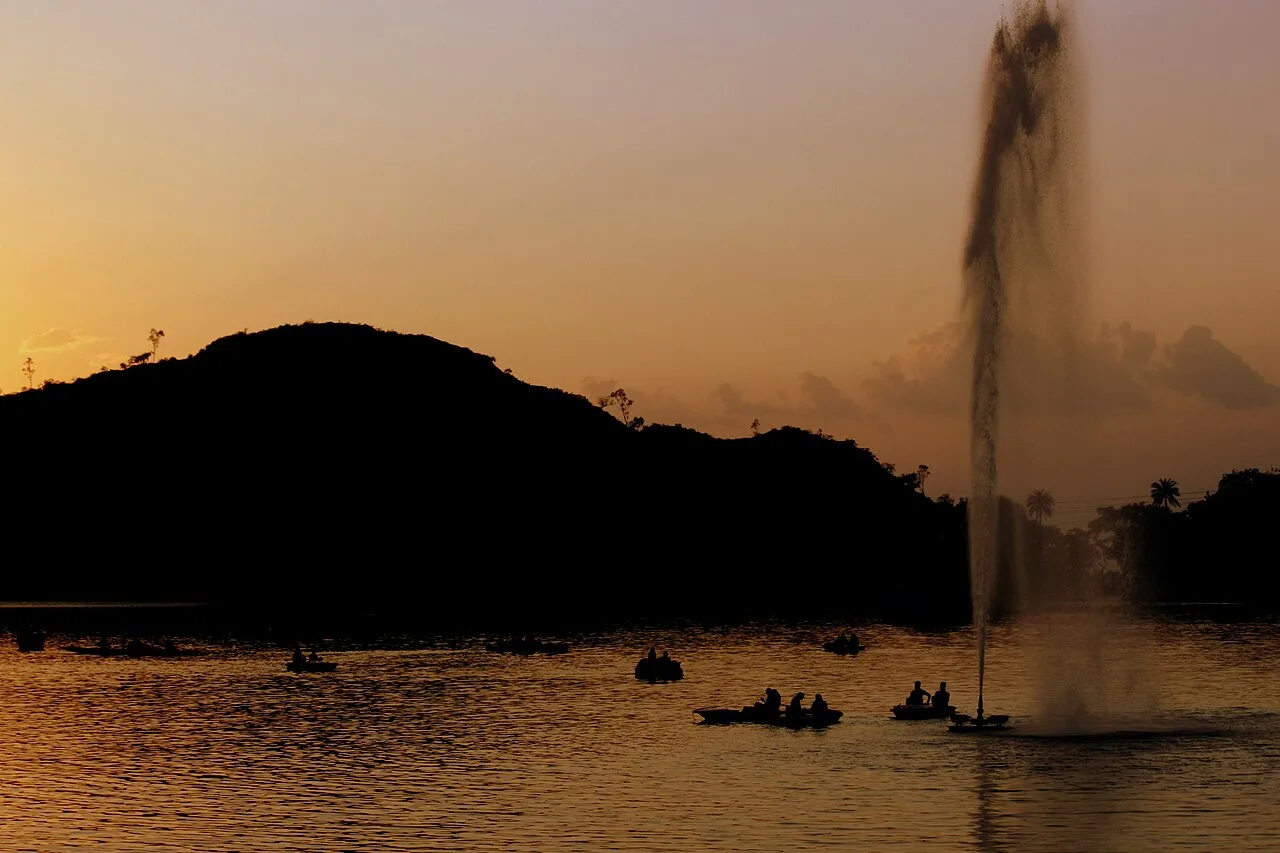
Nakki Lake is a lake at Mount Abu, a hill station in Rajasthan’s Sirohi district and the Aravalli range. Visitors come to see it while spending time at Mount Abu.

91 km away · Jodhpur district

Salawas

Salawas is a village 22 km from Jodhpur, known for durries, or rugs, produced by local craftspeople. Visitors are drawn by its association with this traditional craft.

Map

Takhatgarh on the map

  1. 1Ranakpur Jain temple
  2. 2Kumbhalgarh
  3. 3Guru Shikhar
  4. 4Dilwara Temples
  5. 5Haldighati
  6. 6Mount Abu
  7. 7Nakki Lake
  8. 8Salawas

Rajasthan

Other cities to explore