Ghumoopedia — Explore, Discover, Experience
Sign in
Mandawa, near Chirawa

City guide · Rajasthan

Chirawa

Chirawa is a municipal town and tehsil in Jhunjhunu district, in Rajasthan’s Shekhawati region. It serves as a local centre for surrounding settlements and is connected to the wider district by road and rail.

Famous for

  • Shekhawati havelis
  • Chirawa peda
  • Bavaliya Baba temple
  • Bavaliya Baba fair
  • Dalmia-Birla connections

Why Chirawa matters

Chirawa is a municipal town and tehsil in Jhunjhunu district, in Rajasthan’s Shekhawati region. It serves as a local centre for surrounding settlements and is connected to the wider district by road and rail. Set on the semi-arid plains of northeastern Rajasthan, the town stands at about 294 metres above sea level.

Visitors are drawn by the painted havelis that reflect Shekhawati’s mercantile past, as well as by the shrine of Pandit Paramhans Ganesh Narayan, widely known as Bavaliya Baba. His temple is especially visited on Thursdays, while his annual birthday fair attracts devotees from across India. Chirawa is also associated with the well-known sweet called Chirawa peda. The town’s connections with prominent business families, including the Dalmias and Birlas, add another strand to its story. Chirawa is best explored as part of a wider Shekhawati journey, with time for its lanes, local places of worship and everyday bazaar life.
Famous for: crafts, trade & products

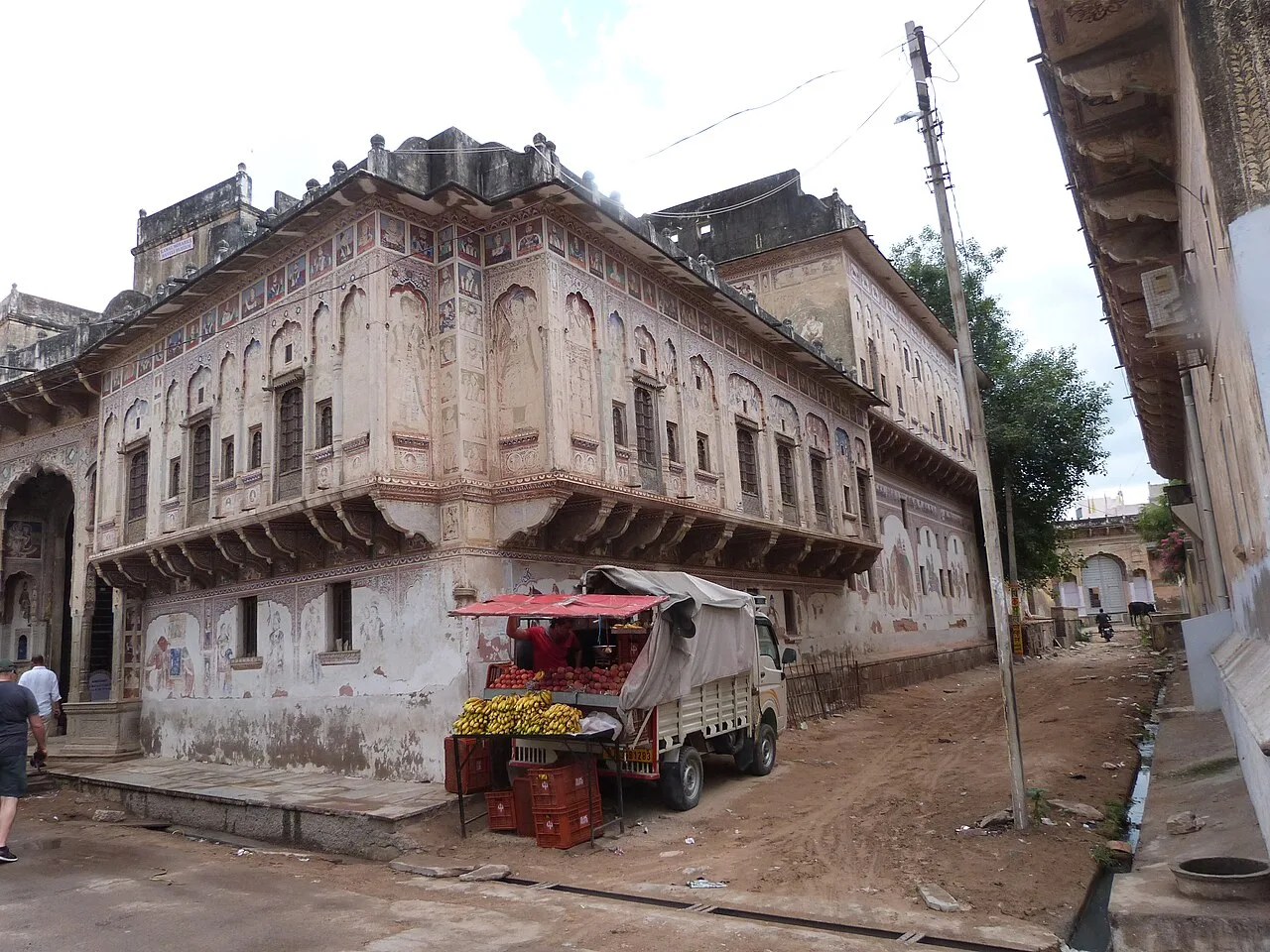
Chirawa is most closely associated with its havelis and with Chirawa peda. The havelis are part of the wider Shekhawati tradition of merchant-built homes, often recognised for their painted façades and courtyards. Their condition and accessibility vary, so visitors can look for historic buildings while walking through the older parts of town and should respect private property. The local bazaar is a practical place to ask about traditional sweets and other everyday goods.

Chirawa peda is the town’s signature sweet and a good choice for a local food souvenir; it is typically sought from sweet shops in town. Chirawa is not especially identified with a particular textile, saree, handicraft industry or GI-tagged product, so visitors should not assume that regional crafts are made locally. Rather, its identity rests on local commerce, its architectural heritage and its religious gathering at Bavaliya Baba’s temple. The town is also linked with business figures Ramkrishna Dalmia and Ghanshyam Das Birla. For a broader selection of Shekhawati crafts and painted architecture, travellers can combine Chirawa with other towns in the region.

History

Chirawa’s story is tied to the development of Shekhawati, a region shaped by Rajput rule and, over time, by the growth of towns and merchant communities. The area’s painted havelis reflect the prosperity of trading families who built homes and commissioned decorative work across the region. Chirawa’s association with business figures Ramkrishna Dalmia and Ghanshyam Das Birla points to the wider commercial networks that connected Shekhawati families with business centres elsewhere in India.

During the colonial period, Shekhawati remained part of the princely-state setting of the region, while trade and changing transport links influenced local town life. The surviving havelis offer visible reminders of this era, though individual buildings have different histories and states of preservation. In modern Rajasthan, Chirawa functions as a municipal town and tehsil headquarters within Jhunjhunu district. Road and rail connections support its role as a service and market centre for nearby communities, while its religious gatherings and architectural heritage continue to draw visitors.

Food, festivals & culture

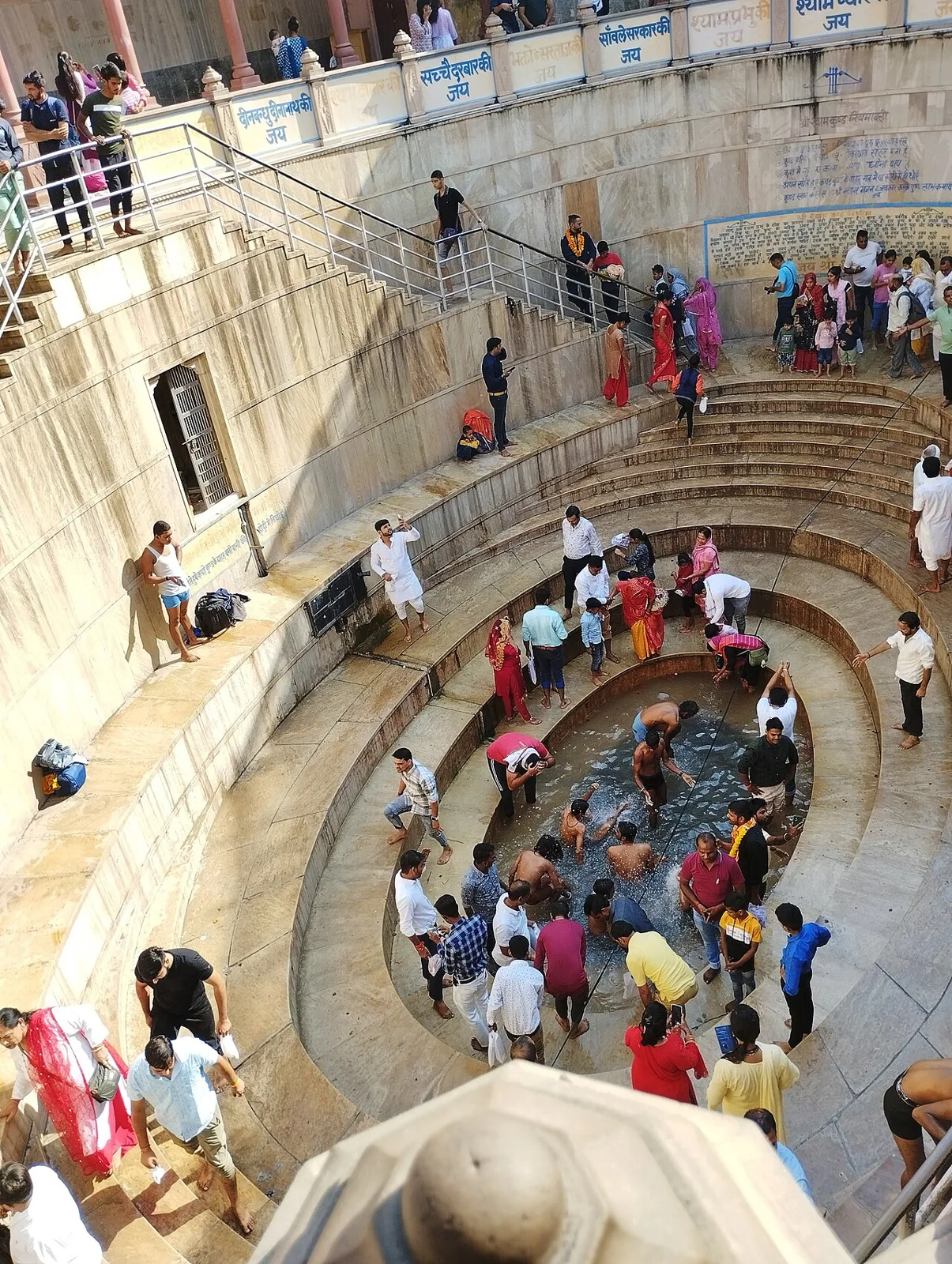
Chirawa’s most distinctive local treat is Chirawa peda, sold by sweet shops around town. Everyday food reflects the wider cuisine of Rajasthan and the Shekhawati region, where breads, pulses and seasonal ingredients are common. The town’s religious life centres in part on the temple of Pandit Paramhans Ganesh Narayan, known affectionately as Bavaliya Baba. Devotees often visit on Thursdays, and his birthday is marked by a large fair that brings pilgrims from many parts of India.

Holi, usually in spring, and Diwali, in autumn, are widely observed, alongside regional celebrations such as Gangaur and Teej. Dates follow the Hindu calendar and vary from year to year. Hindi is widely used; Rajasthani and local Shekhawati speech are also heard in daily conversation. Folk music and dance traditions, including forms familiar across Rajasthan, belong to the broader cultural setting, though performances are not guaranteed at any particular time. Visitors can experience the town’s character through its temple visits, fair days, older lanes and seasonal celebrations.

Visiting the city

The cooler months, roughly October to March, are generally the most comfortable time to explore Chirawa; summer afternoons can be very hot. The nearest major airport is Indira Gandhi International Airport in Delhi. Chirawa has its own railway station, which is the main rail stop for the town; check current connections before travelling. Buses, taxis and private vehicles link Chirawa with other towns in Jhunjhunu district and the wider Shekhawati region.

Within town, local auto-rickshaws and taxis can help with longer hops, while the older lanes are best explored on foot. Begin around the central bazaar and nearby historic streets to look for havelis, then visit Bavaliya Baba’s temple. Ask locally about access to individual buildings, as many havelis are privately owned or may not be open to visitors. Chirawa also works well as a stop on a broader Shekhawati itinerary.

Trips from the city

Nearest places to visit from Chirawa

Our closest destination guides, by straight-line distance.

Mandawa

52 km away · Jhunjhunu district

Mandawa

Mandawa is a town in Rajasthan’s Jhunjhunu district, within the Shekhawati region. Travellers visit it as part of journeys through the region and nearby Jhunjhunu.

Nawalgarh

57 km away · Jhunjhunu district

Nawalgarh

Nawalgarh is a heritage city in Rajasthan’s Shekhawati region, within Jhunjhunu district. Visitors are drawn by its heritage character, and it is 30.5 km from Sikar and 39.2 km from Jhunjhunu.

Khatu Shyam Temple

100 km away · Sikar district

Khatu Shyam Temple

In KhatuShyamJi town, Rajasthan, this Hindu shrine honours Khatu Shyam, believed to be a divine manifestation of Barbareek from the Mahabharat. Pilgrims visit throughout the year, especially for the Falgun Mela.

Samode

116 km away · Jaipur district

Samode

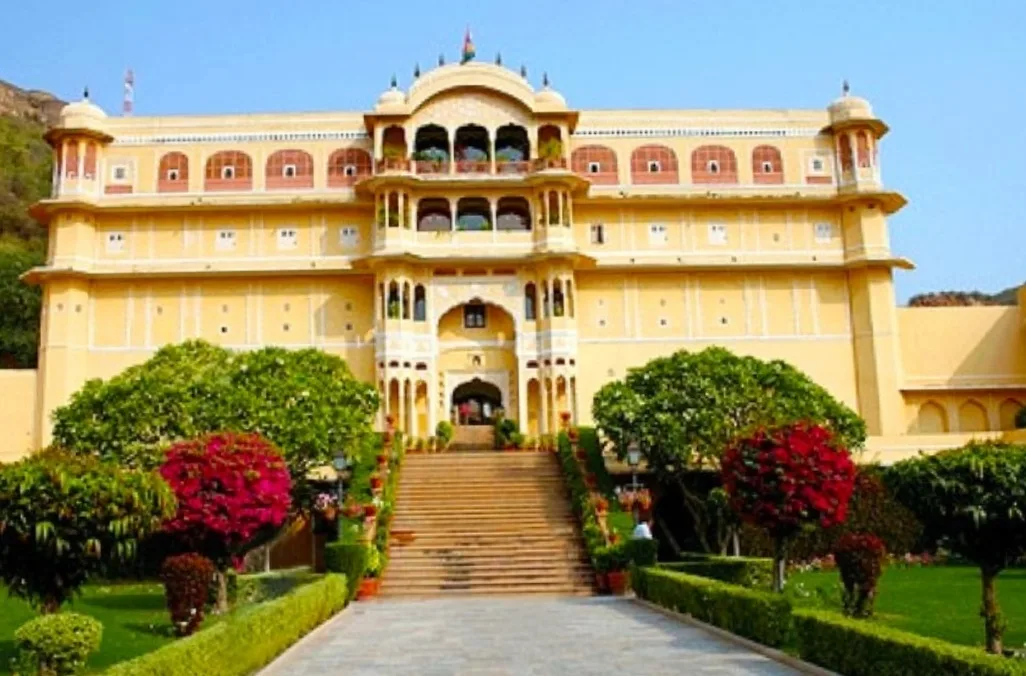
Samode is a village in Rajasthan’s Aravalli hills, north-west of Jaipur. Visitors come for its palace, haveli and garden, historic properties now operated as heritage hotels.

Siliserh Lake

118 km away · Alwar district

Siliserh Lake

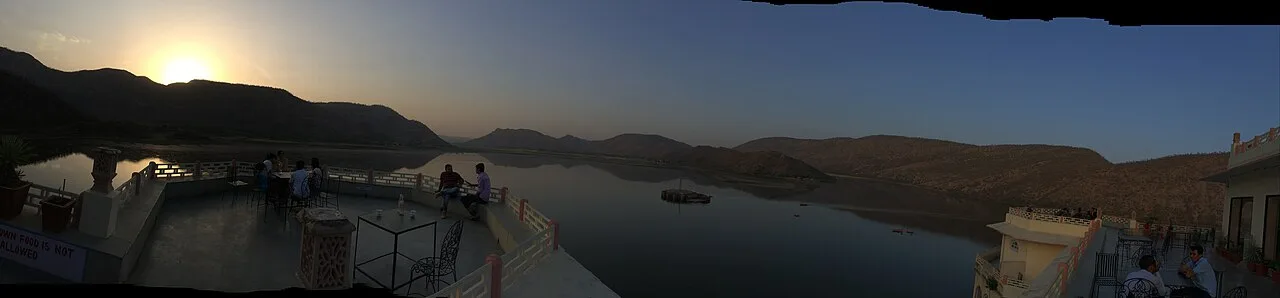
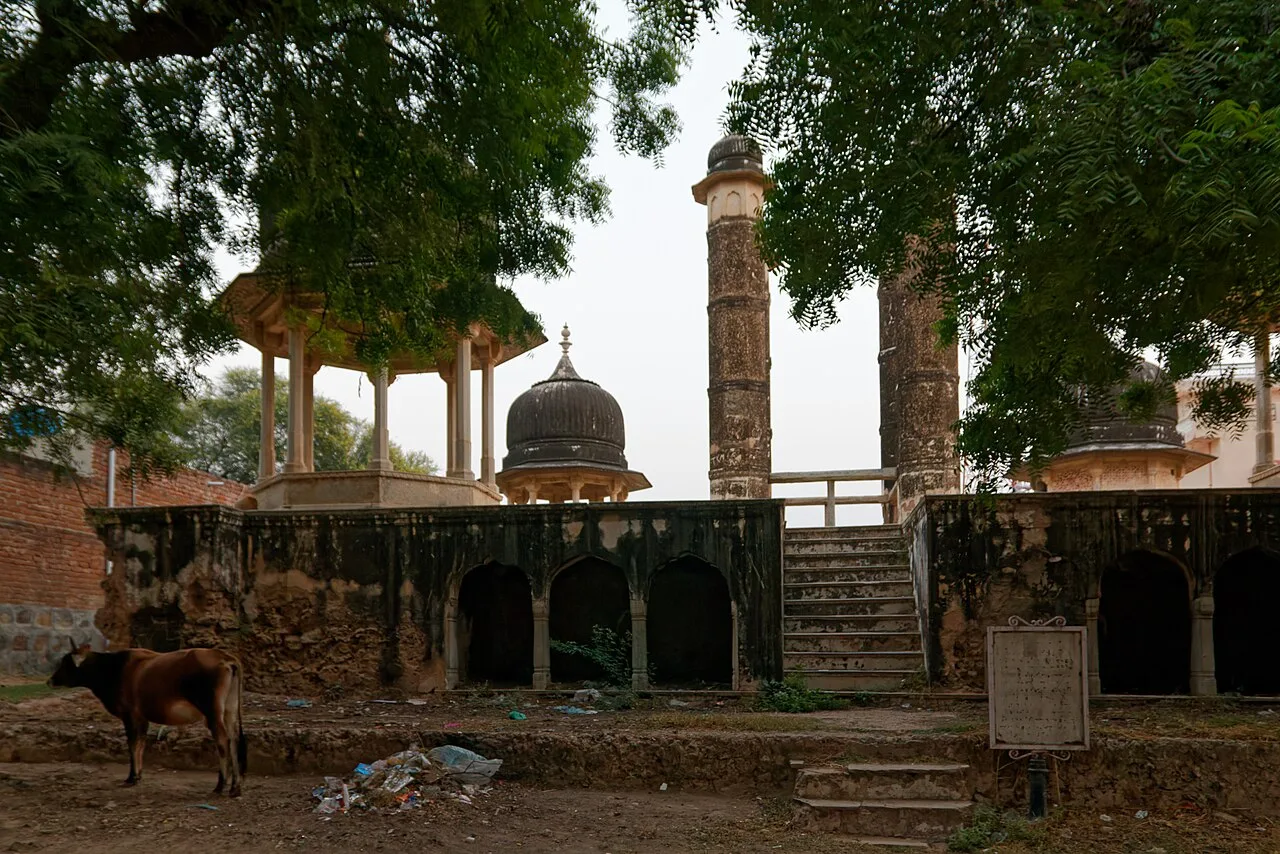
Siliserh Lake is an artificial lake in Rajasthan, southwest of Alwar, with wooded banks and cenotaphs along its embankment that visitors come to see.

Tal Chhapar Sanctuary

128 km away · Churu district

Tal Chhapar Sanctuary

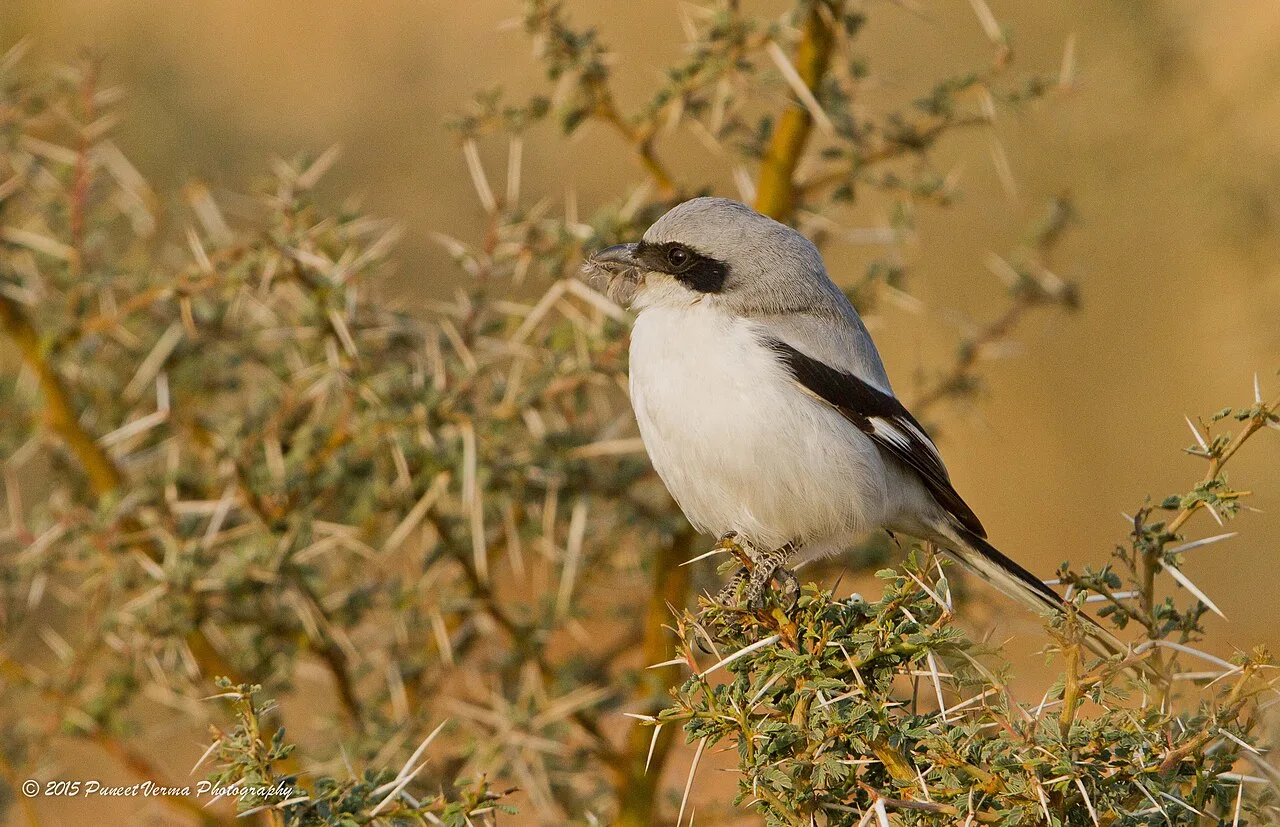
Tal Chhapar is a wildlife sanctuary in Rajasthan’s Churu district, known for blackbucks and birdlife. Visitors come to see its wildlife in a setting near the Great Indian Desert.

Sariska Tiger Reserve

129 km away · Alwar district

Sariska Tiger Reserve

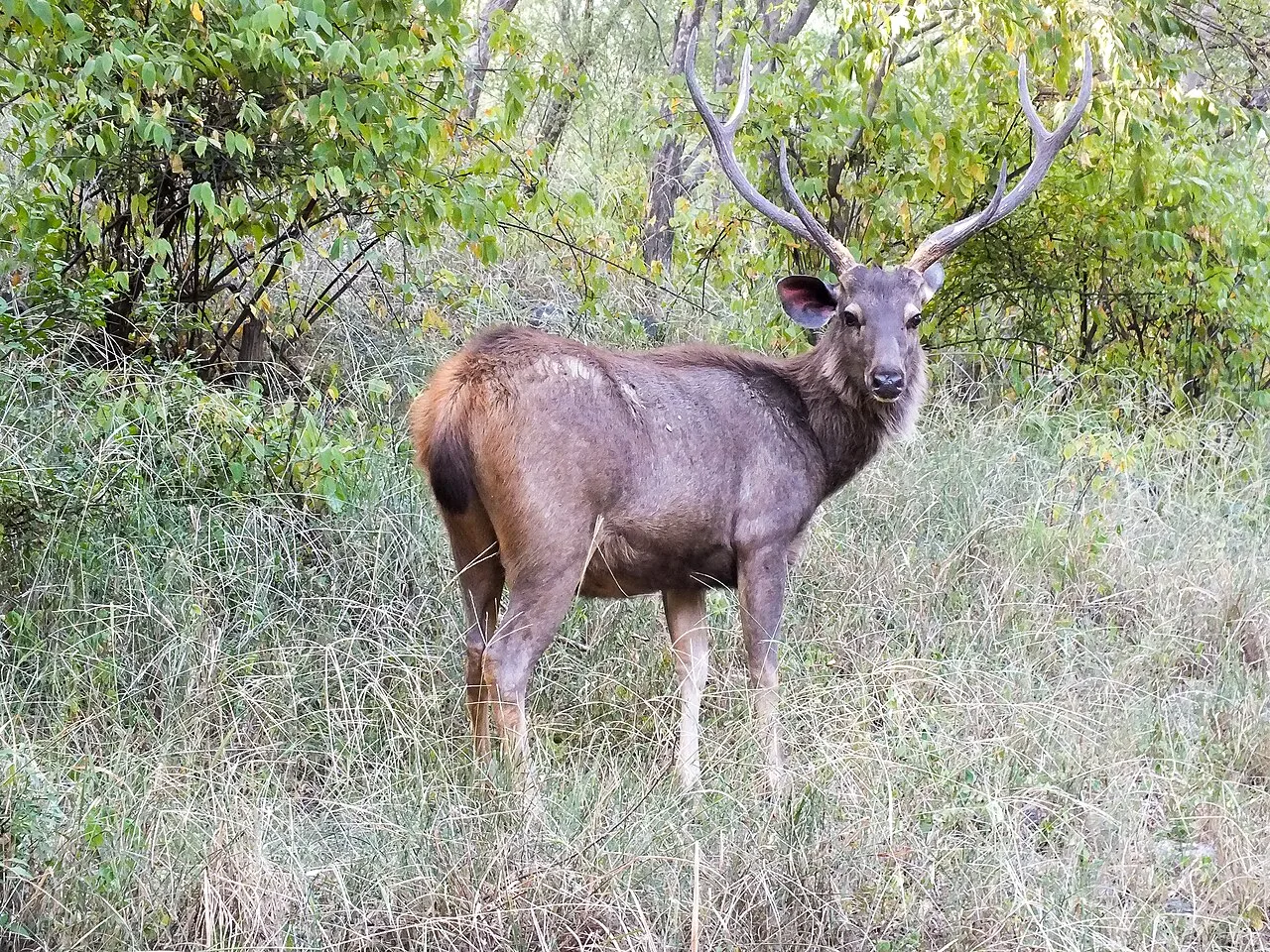
Sariska Tiger Reserve, in Rajasthan’s Alwar district, is a protected area with tiger-reserve status and varied forest, grassland and rocky habitats. Visitors come to experience its wildlife and conservation setting.

Amber Fort

141 km away · Jaipur district

Amber Fort

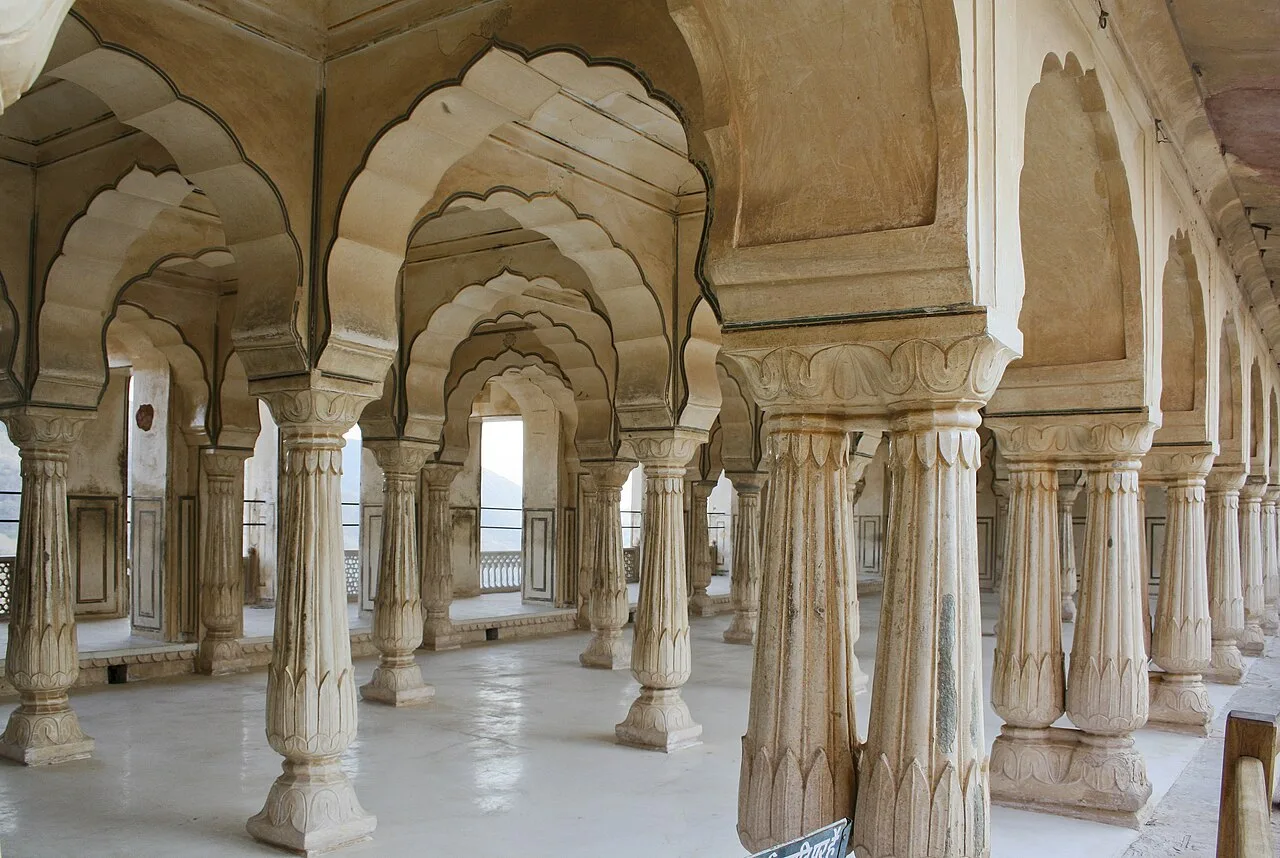
Amber Fort, also known as Amer Palace, is a hilltop fort in Amer, Rajasthan. Visitors explore its Rajput and Mughal-influenced design, palace halls and setting above Maota Lake.

Map

Chirawa on the map

  1. 1Mandawa
  2. 2Nawalgarh
  3. 3Khatu Shyam Temple
  4. 4Samode
  5. 5Siliserh Lake
  6. 6Tal Chhapar Sanctuary
  7. 7Sariska Tiger Reserve
  8. 8Amber Fort

Rajasthan

Other cities to explore