Ghumoopedia — Explore, Discover, Experience
Sign in

City guide · Rajasthan

Rajakhera

Rajakhera is a small municipal town in Dholpur district, eastern Rajasthan, set in a borderland where Rajasthan meets Uttar Pradesh and Madhya Pradesh. Its location gives it a practical role connecting nearby communities with Dholpur, Agra and Morena.

Famous for

  • Chambal River setting
  • Braj-influenced culture
  • Rajasthan–Uttar Pradesh border
  • Utangan River crossing

Why Rajakhera matters

Rajakhera is a small municipal town in Dholpur district, eastern Rajasthan, set in a borderland where Rajasthan meets Uttar Pradesh and Madhya Pradesh. Its location gives it a practical role connecting nearby communities with Dholpur, Agra and Morena. Agra is about 38 kilometres away, while Dholpur is at a similar distance, and the town also serves villages in its surrounding tehsil.

The area’s character reflects both its Rajasthan setting and its links with Braj, a cultural region whose influence is heard in local speech and seen in customs. The Chambal River is the best-known natural feature of the wider region, noted for its wildlife, including gharials, crocodiles and river dolphins. Rajakhera is not chiefly a resort town, but its appeal lies in this riverside landscape, its border-town atmosphere and its position near historic Agra. Visitors can use it as a base for understanding everyday life in this part of eastern Rajasthan or as a stop between larger regional centres.
Famous for: crafts, trade & products

Rajakhera is not widely identified with a particular textile, handicraft, GI-tagged product or specialist industry. Its commercial life is mainly local: shops and markets meet everyday needs for residents and people from nearby villages. The town is therefore better approached as a working regional centre than as a destination for a signature craft or branded product.

For routine shopping, look around the central town and its market streets, where general merchandise and household goods are the most practical finds. There is no well-established artisan quarter or specific market district to seek out for a named craft. Travellers wanting a broader choice of regional products can look in larger nearby centres such as Agra or Dholpur, while checking the origin and authenticity of any item described as locally made. Rajakhera’s strongest point of distinction is geographic and cultural: its position near the Chambal and the Rajasthan–Uttar Pradesh boundary, with Braj influences alongside local Rajasthani traditions.

History

Rajakhera’s growth is closely tied to its position between Dholpur and Agra and to the settlements and farms of the surrounding region. It lies in an area shaped by the historic connections of eastern Rajasthan with the Agra region and the Braj cultural belt. Dholpur developed as a princely state, while Agra was an important centre under successive north Indian powers and later British rule; however, Rajakhera itself is not widely documented as a major royal capital or colonial administrative centre.

In modern times, road links have helped connect the town with nearby cities and villages. A bridge over the Utangan River, built in 1964, improved travel between Rajakhera and the Agra side of the border. The town now functions as a municipal centre in Dholpur district, serving local residents and the surrounding rural area. Its present-day importance rests more on regional access and everyday commerce than on a surviving monumental or industrial legacy.

Food, festivals & culture

Local life draws on both Rajasthan and the Braj region. Hindi is widely used, and Braj Bhasha influences local speech. Everyday meals are generally in the north Indian style, with breads, lentils and seasonal vegetables; there is no single dish or sweet that is firmly established as Rajakhera’s signature. Nearby Agra and Dholpur offer a wider range of regional food choices.

Holi is especially resonant in the wider Braj cultural belt and is celebrated in spring; Diwali in autumn is another major festival. Teej and other seasonal or religious observances may also feature in community life. Devotional songs, folk music and dance belong to the wider regional tradition, though particular performances vary by occasion. Local temples, mosques and other places of worship serve residents, but Rajakhera is not known for a single nationally prominent shrine. Visitors will find its culture most readily in everyday market activity, neighbourhood gatherings and festival observances.

Visiting the city

The cooler months, roughly October to March, are generally the most comfortable time to visit; summer can be very hot, and monsoon weather may affect road journeys. The nearest major railway options are Dholpur Junction and Agra Cantonment. The nearest airports are Agra Airport and Gwalior Airport; check onward road connections when planning a trip, as the town has no airport of its own.

Rajakhera is reached mainly by road. Local auto-rickshaws and other local transport may be available for getting around, while a hired vehicle is useful for visiting nearby places. Explore the central market streets for a sense of town life, or follow the routes toward the Utangan River and surrounding countryside. The Chambal landscape is a regional highlight, but access to wildlife areas can be regulated, so confirm local arrangements before setting out. Agra, Dholpur and Shamsabad are useful nearby stops.

Trips from the city

Nearest places to visit from Rajakhera

Our closest destination guides, by straight-line distance.

Keoladeo National Park

71 km away · Bharatpur district

Keoladeo National Park

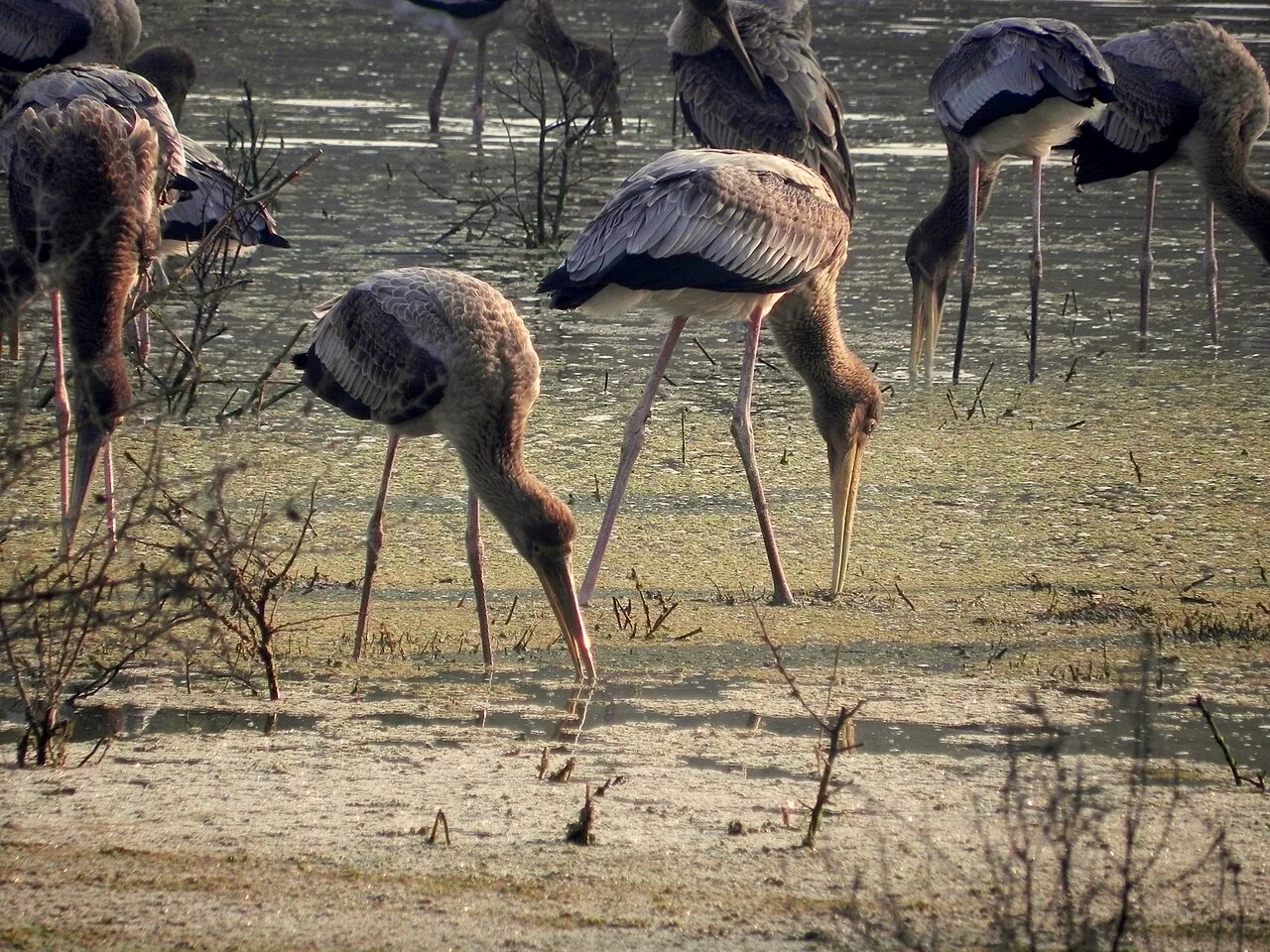
Keoladeo National Park is a wetland and wildlife reserve in Bharatpur district, Rajasthan. Visitors come to see its varied birdlife, particularly the many species that gather there during winter.

Lohagarh Fort

76 km away · Bharatpur district

Lohagarh Fort

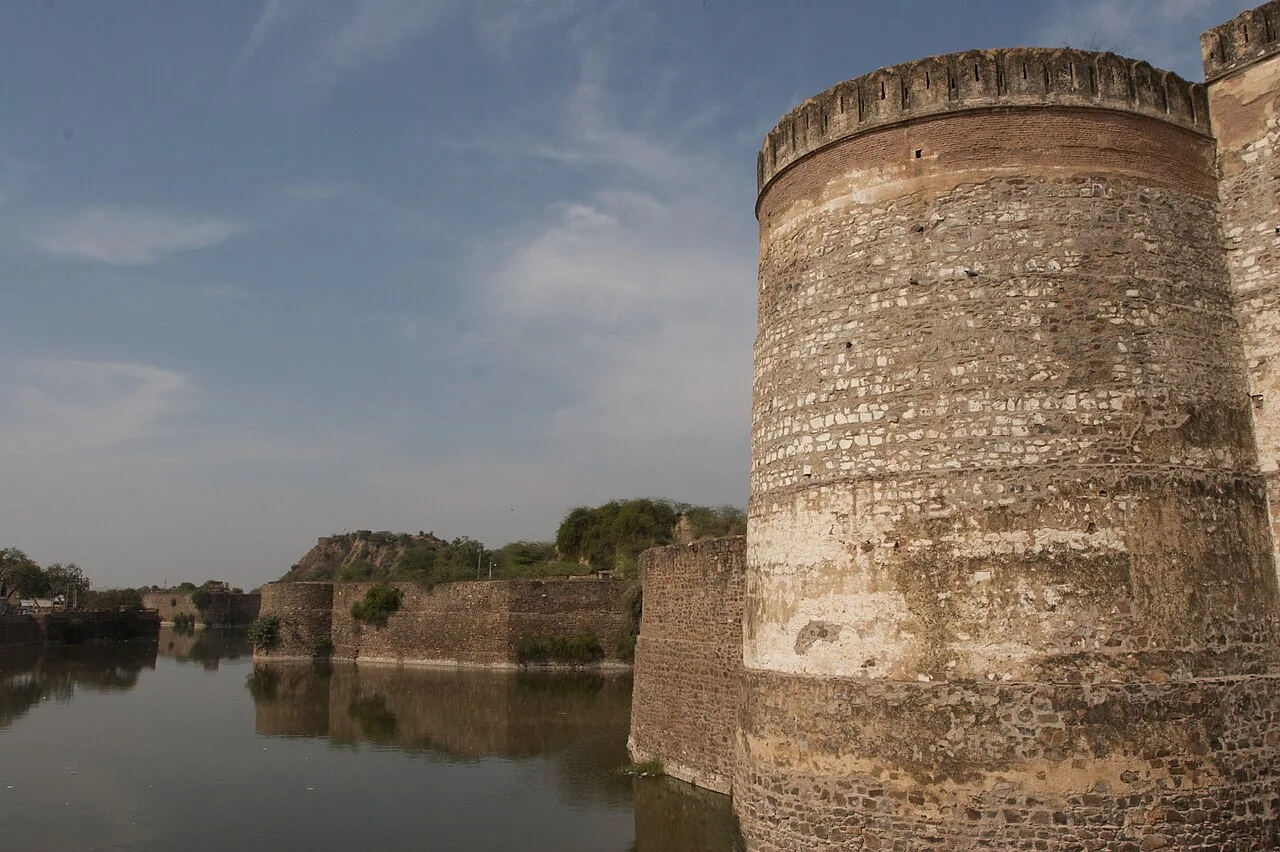
Lohagarh Fort is an eighteenth-century stronghold in Bharatpur, Rajasthan, commissioned by Maharaja Suraj Mal in 1732. Visitors learn about its resistance to British attacks and its eventual capture.

Deeg Palace

105 km away · Bharatpur district

Deeg Palace

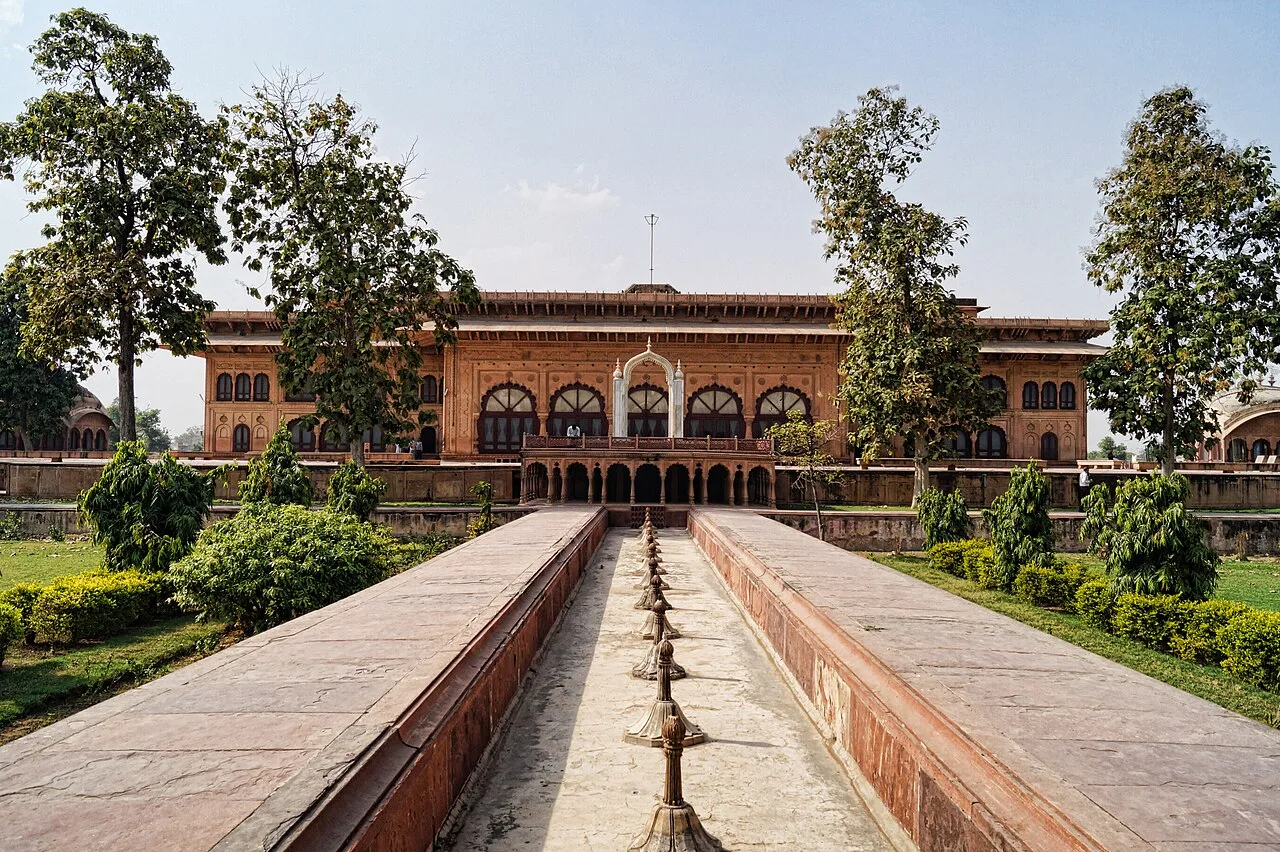
Deeg Palace is an eighteenth-century royal summer residence in Rajasthan; visitors come to see its Mughal and Rajput design and learn about its former defensive role.

Mehandipur Balaji Temple

137 km away · Dausa district

Mehandipur Balaji Temple

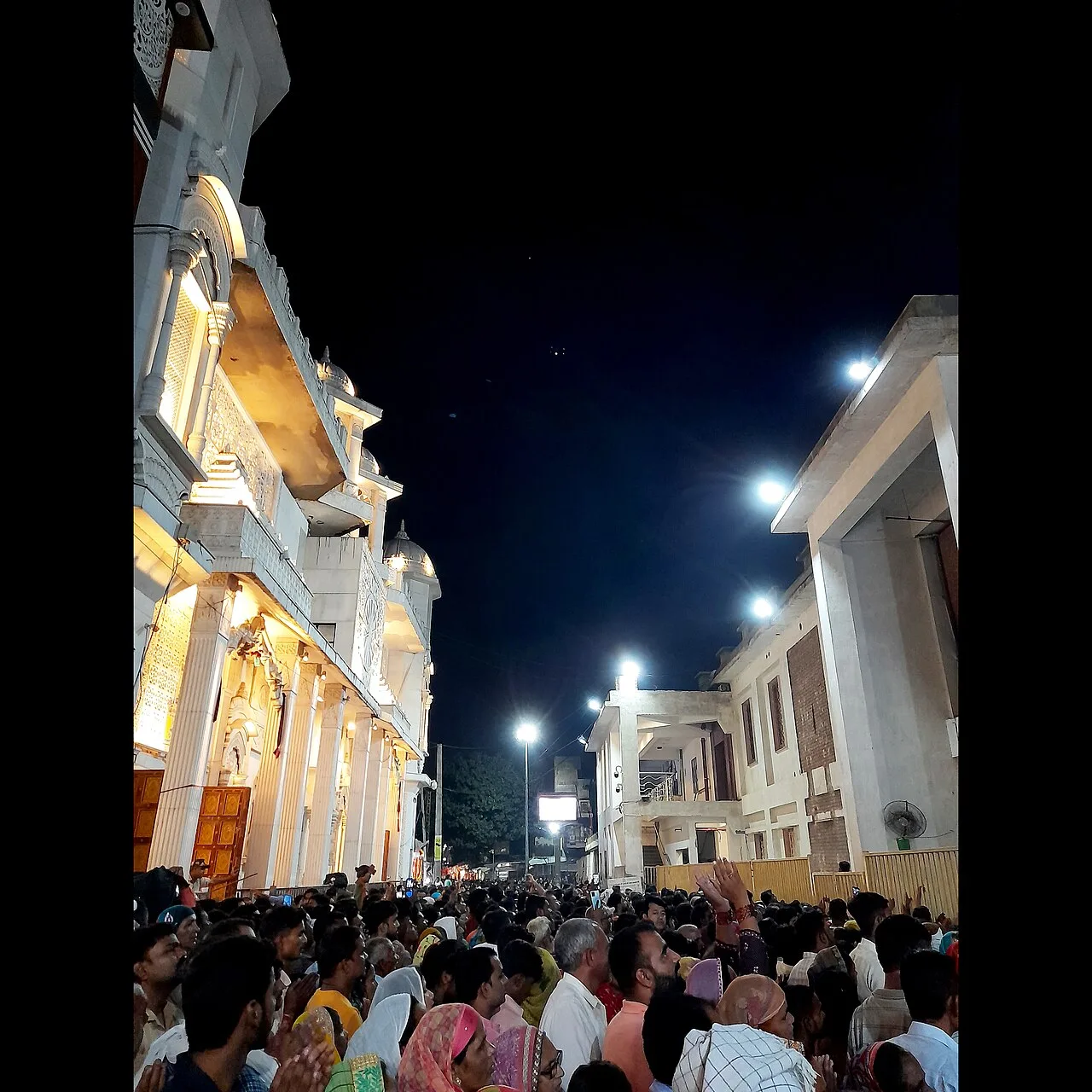
In Rajasthan’s Dausa district, Mehandipur Balaji Temple is a Hindu place of worship devoted to Hanuman. Pilgrims visit for its reputation for ritual healing and ceremonies to remove evil spirits.

Chand Baori

156 km away · Dausa district

Chand Baori

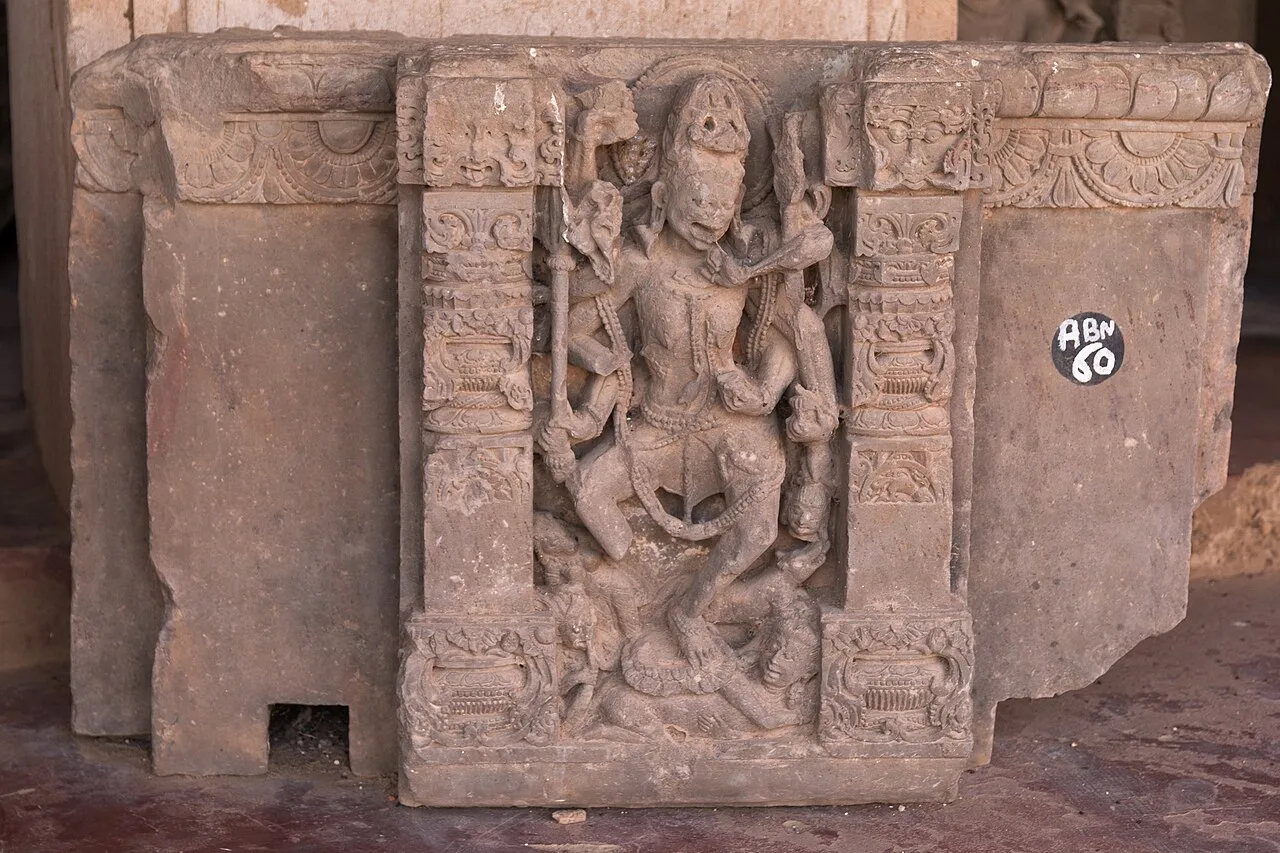
In Abhaneri, Chand Baori is a historic Rajasthan stepwell known for its depth and tiered stairways. Visitors come to see its inverted-pyramid layout and large reservoir.

Siliserh Lake

177 km away · Alwar district

Siliserh Lake

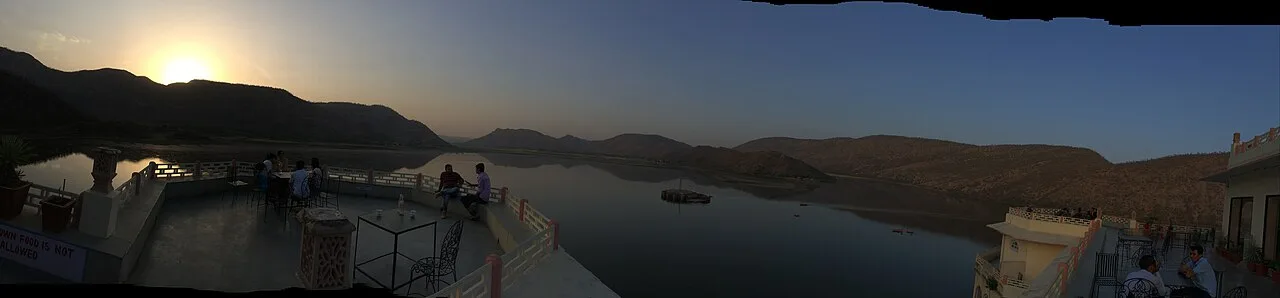
Siliserh Lake is an artificial lake in Rajasthan, southwest of Alwar, with wooded banks and cenotaphs along its embankment that visitors come to see.

Sariska Tiger Reserve

178 km away · Alwar district

Sariska Tiger Reserve

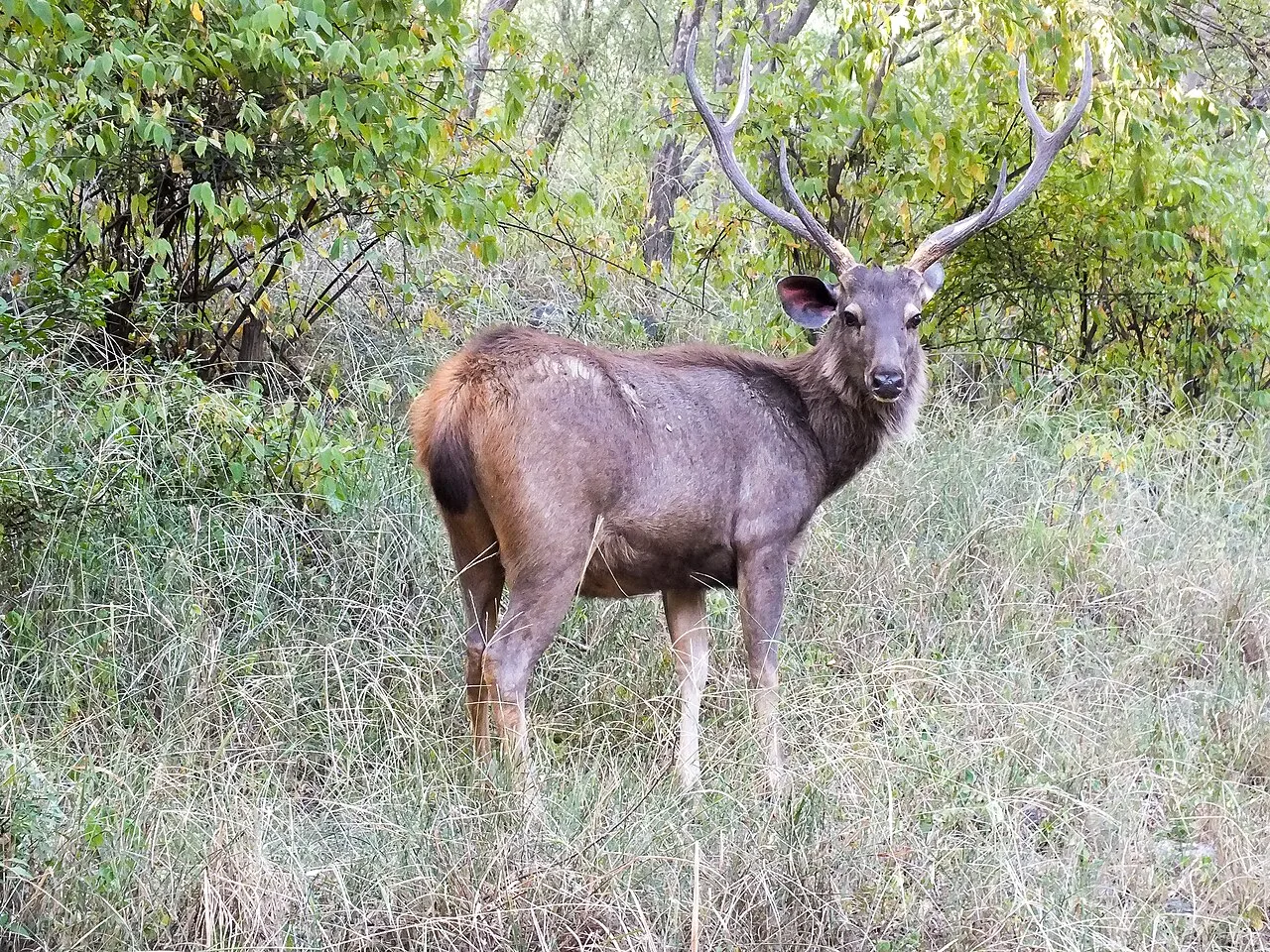
Sariska Tiger Reserve, in Rajasthan’s Alwar district, is a protected area with tiger-reserve status and varied forest, grassland and rocky habitats. Visitors come to experience its wildlife and conservation setting.

Bhangarh Fort

188 km away · Alwar district

Bhangarh Fort

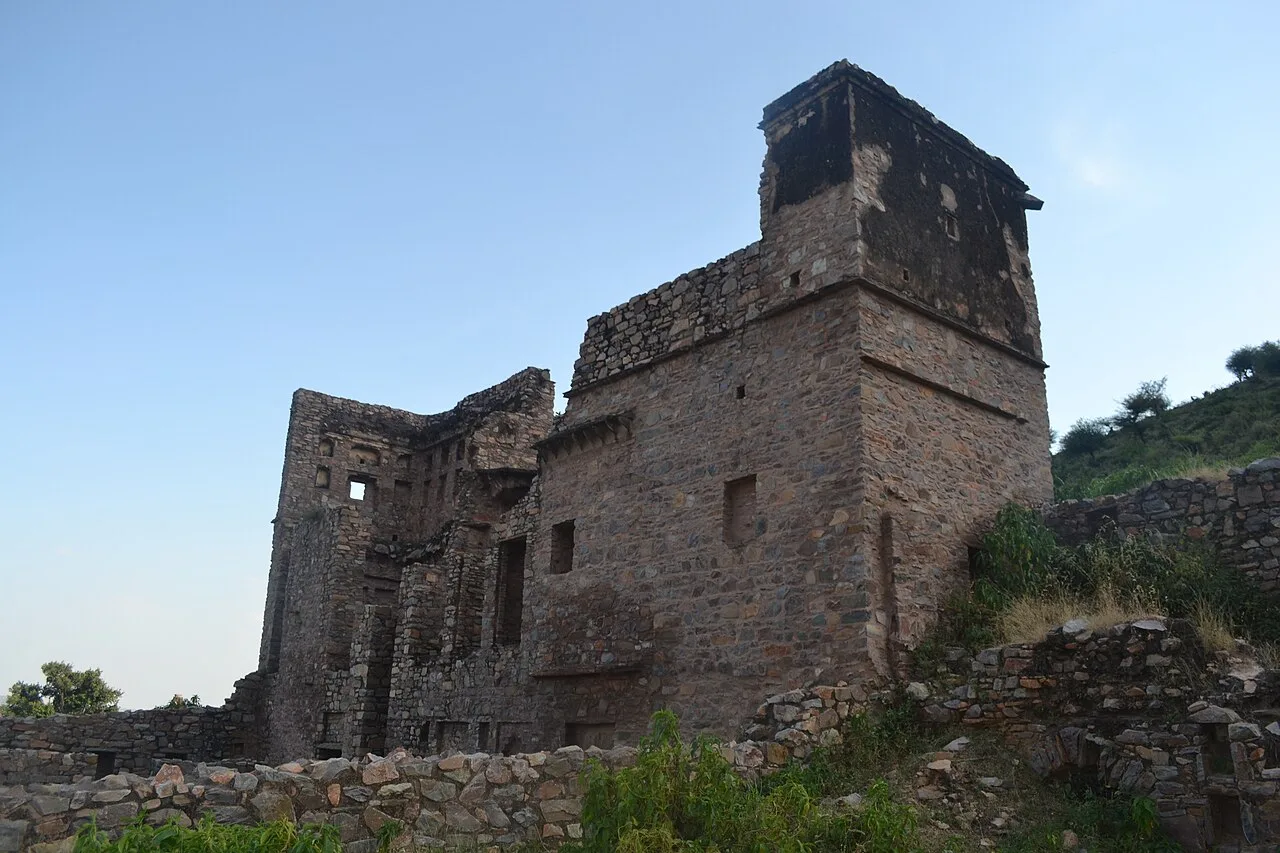
Dating to the sixteenth century, Bhangarh Fort in Rajasthan is linked to Madho Singh’s residence. Visitors come to view the preserved fort and its surrounding precincts.

Map

Rajakhera on the map

  1. 1Keoladeo National Park
  2. 2Lohagarh Fort
  3. 3Deeg Palace
  4. 4Mehandipur Balaji Temple
  5. 5Chand Baori
  6. 6Siliserh Lake
  7. 7Sariska Tiger Reserve
  8. 8Bhangarh Fort

Rajasthan

Other cities to explore