Ghumoopedia — Explore, Discover, Experience
Sign in
Deeg Palace, near Kaman

City guide · Rajasthan

Kaman

Kaman, also called Kamaban, is a pilgrimage town in Rajasthan’s Deeg district, within the cultural landscape of Braj and the historic region of Mewat. Its importance today rests chiefly on its links with Krishna traditions and its temples, which draw worshippers and visitors exploring Braj beyond the better-known centres of Mathura and Vrindavan.

Famous for

  • Adi Vrindavan pilgrimage
  • Gokulchandramaji Temple
  • Madanmohanji Temple
  • Chaurasi Khamba monument
  • Braj Van Yatra

Why Kaman matters

Kaman, also called Kamaban, is a pilgrimage town in Rajasthan’s Deeg district, within the cultural landscape of Braj and the historic region of Mewat. Its importance today rests chiefly on its links with Krishna traditions and its temples, which draw worshippers and visitors exploring Braj beyond the better-known centres of Mathura and Vrindavan. The town is sometimes called Adi Vrindavan, and local religious tradition associates its groves and sacred places with Krishna’s early life.

Among its principal destinations are the Gokulchandramaji and Madanmohanji temples, associated with the Vallabhacharya tradition, as well as Kameswara Mahadeva Temple, Govindaji Temple and Vimala Kunda. The old Chaurasi Khamba monument is another distinctive stop, known for its carved pillars and stories surrounding their number. Kaman’s setting near the Haryana and Uttar Pradesh borders gives it a regional character shaped by Braj, Mewat and Rajasthan. Visitors often come for temple worship, local legends and the seasonal Van Yatra, rather than for large-scale shopping or industry.
Famous for: crafts, trade & products

Kaman is better known for pilgrimage and historic sites than for a signature textile, handicraft, industrial product or GI-tagged good. There is no widely recognised local saree or craft tradition for which the town is a major destination, and visitors should not expect the specialist craft markets found in larger cities. Its most distinctive local identity is connected with Braj worship, temple offerings and the sacred landscape around its shrines and water sites.

The town’s everyday bazaar is the practical place to look for groceries, basic travel needs, snacks and customary puja supplies. Small shops near the central settlement and temple approaches may carry flowers, incense and other offerings, though selection and availability can vary. Kaman is not widely established as a dedicated shopping stop, so travellers seeking Rajasthan handicrafts, textiles or a broad range of regional products may find more choice in larger nearby towns. The most meaningful purchases here are usually modest devotional items rather than locally branded or formally certified goods.

History

Kaman’s history is layered with Braj religious tradition and Mewat’s regional past. Local accounts connect the town with Krishna’s childhood and say it was once called Brahampore before being renamed by Kamasen, identified in tradition as Krishna’s grandfather. These stories are important to the town’s sacred identity, though they are not the same as documented political history. The name Kadambawana is also associated with the area’s kadamba trees, while Adi Vrindavan reflects its place in Braj pilgrimage.

In medieval times, Kaman was part of a region shaped by changing Jat and Mughal power. The Chaurasi Khamba monument and the town’s temples reflect its varied religious and architectural heritage. During the colonial period, Kaman belonged to the wider political setting of the Bharatpur princely state. After independence it was administered within Rajasthan, and it is now part of Deeg district. Its growth has remained closely tied to local worship, pilgrimage and regional trade rather than to large-scale urban industry.

Food, festivals & culture

Kaman’s culture is strongly shaped by its place in Braj, where Krishna worship and temple visits are part of everyday religious life. Hindi and Braj Bhasha are commonly heard; Mewati influences also reflect the town’s wider regional setting. Visitors may encounter bhajans and devotional singing at shrines, especially during worship gatherings and pilgrimage seasons. There is no single performance tradition that defines the town as a major cultural centre, but its temples and sacred sites give religious observances a central role.

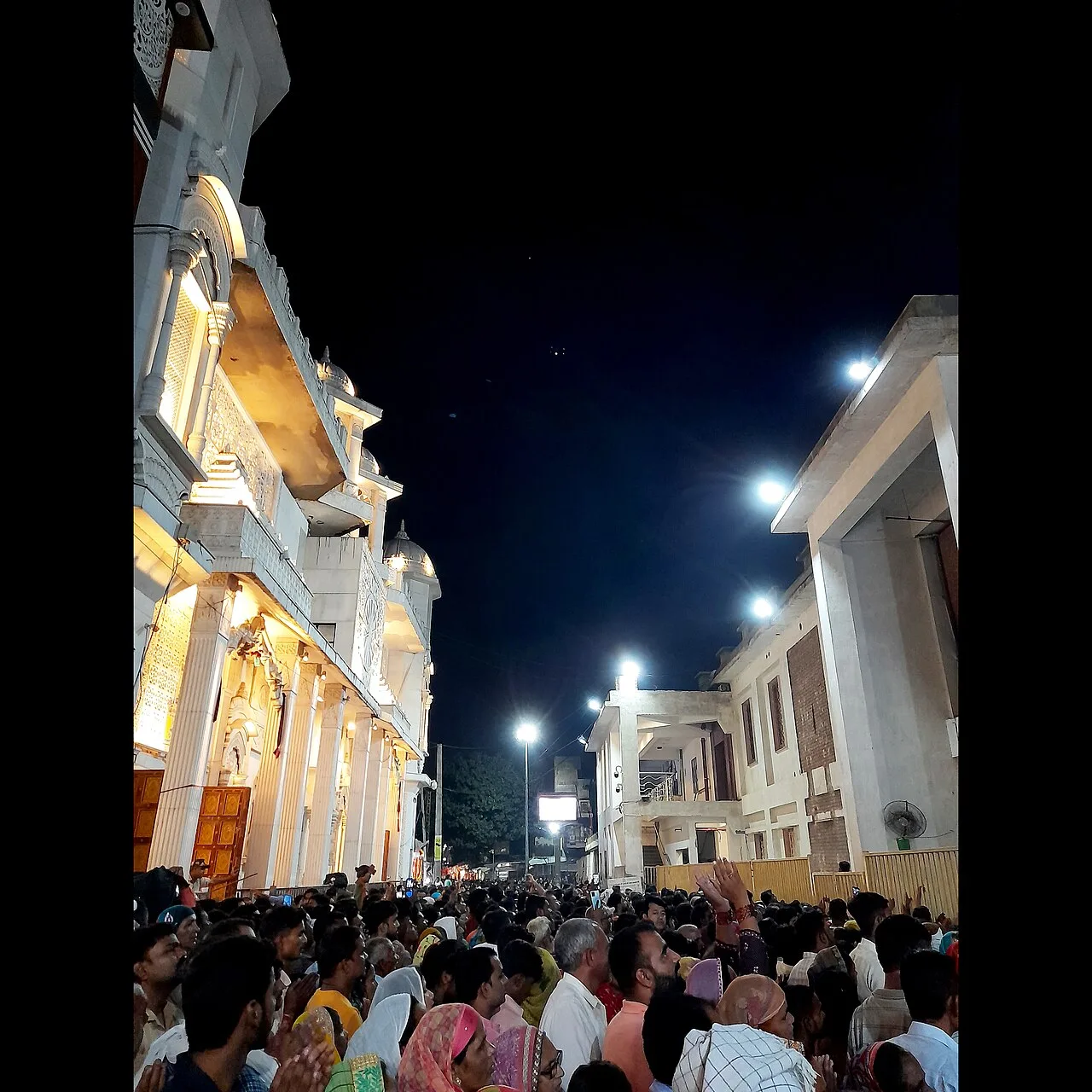
Janmashtami, usually in August or September, is observed in keeping with Krishna traditions across Braj. Holi, generally in February or March, is also an important regional festival. Bhadon, usually falling in August or September, is associated with the Van Yatra, when pilgrims visit sacred places and groves. Kameswara Mahadeva Temple, Govindaji Temple and the Vallabhacharya-linked Gokulchandramaji and Madanmohanji temples are among the places of worship. Local eating is rooted in everyday North Indian and Braj fare; visitors can look for simple meals and familiar sweets, rather than expecting a widely known Kaman-specific speciality.

Visiting the city

The cooler months, roughly October to March, are generally the most comfortable for visiting. The monsoon-season Van Yatra can bring a more active pilgrimage atmosphere, though rain may affect travel. Agra’s Kheria Airport is a nearby air option; Bharatpur Junction is a practical major railway station for onward road travel. Check current connections before setting out, as Kaman itself is best approached by road.

Local buses, taxis and hired vehicles connect the town with nearby regional centres; within Kaman, many temple visits are manageable on foot, while transport can help with sites farther from the centre. Explore the old town and its principal temples, then visit Vimala Kunda and the Chaurasi Khamba monument to see different sides of its religious and architectural heritage. Allow time for local roads and confirm site access locally.

Trips from the city

Nearest places to visit from Kaman

Our closest destination guides, by straight-line distance.

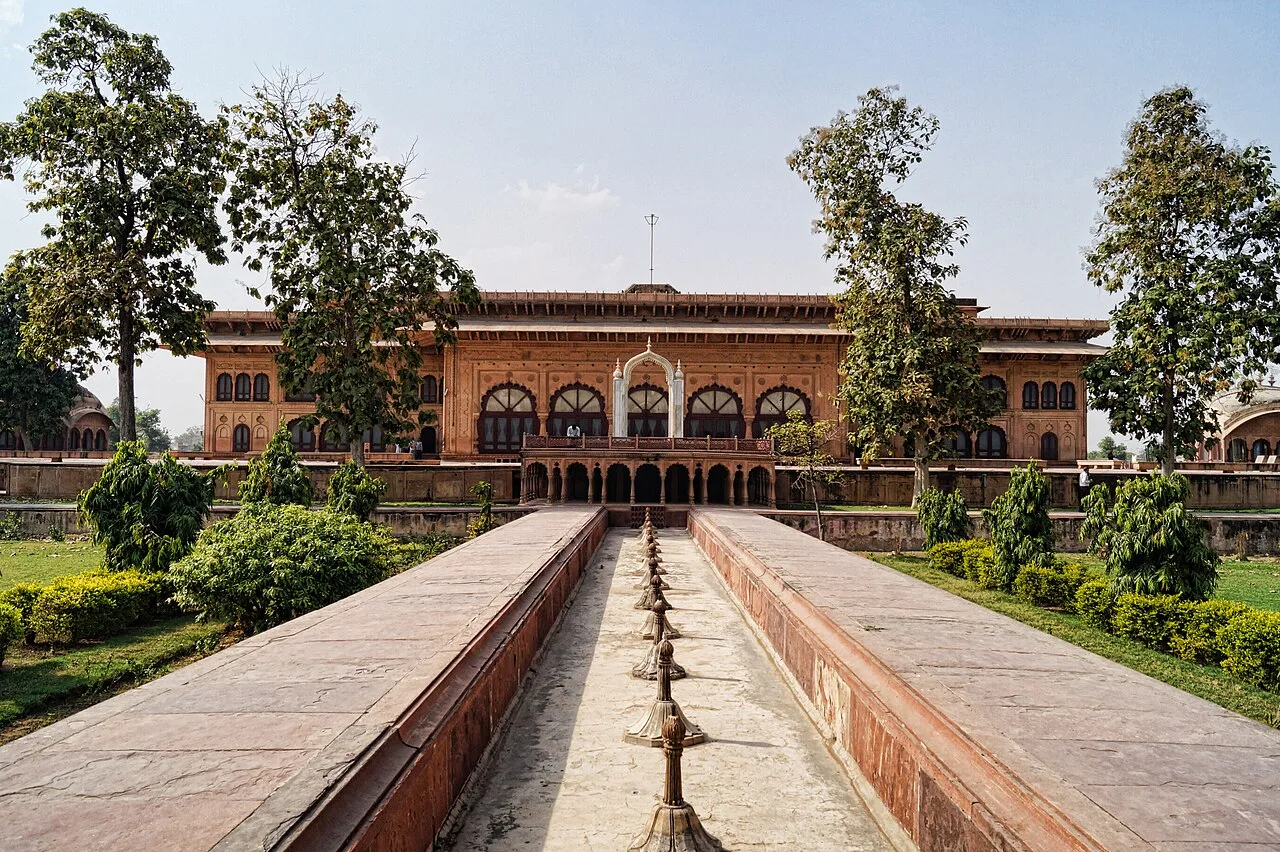
Deeg Palace

22 km away · Bharatpur district

Deeg Palace

Deeg Palace is an eighteenth-century royal summer residence in Rajasthan; visitors come to see its Mughal and Rajput design and learn about its former defensive role.

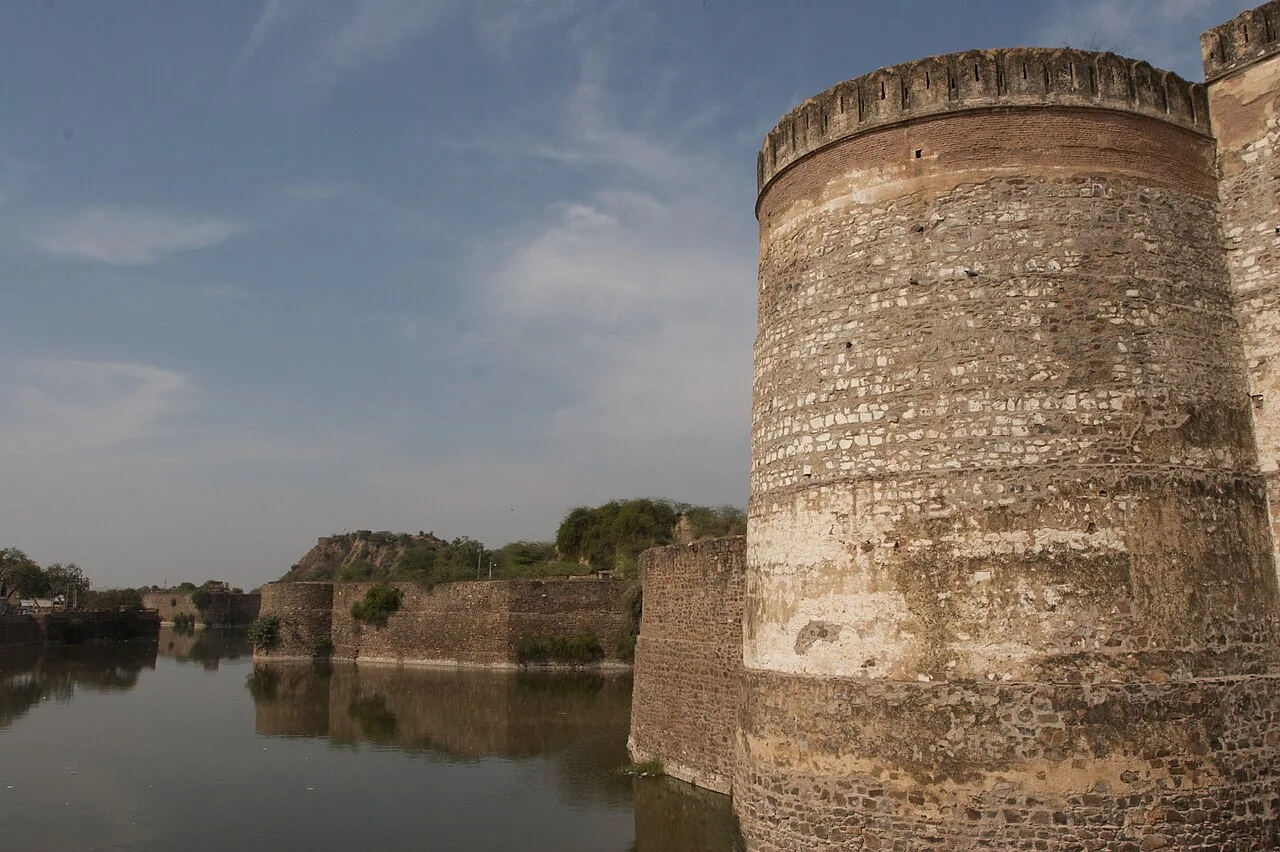
Lohagarh Fort

54 km away · Bharatpur district

Lohagarh Fort

Lohagarh Fort is an eighteenth-century stronghold in Bharatpur, Rajasthan, commissioned by Maharaja Suraj Mal in 1732. Visitors learn about its resistance to British attacks and its eventual capture.

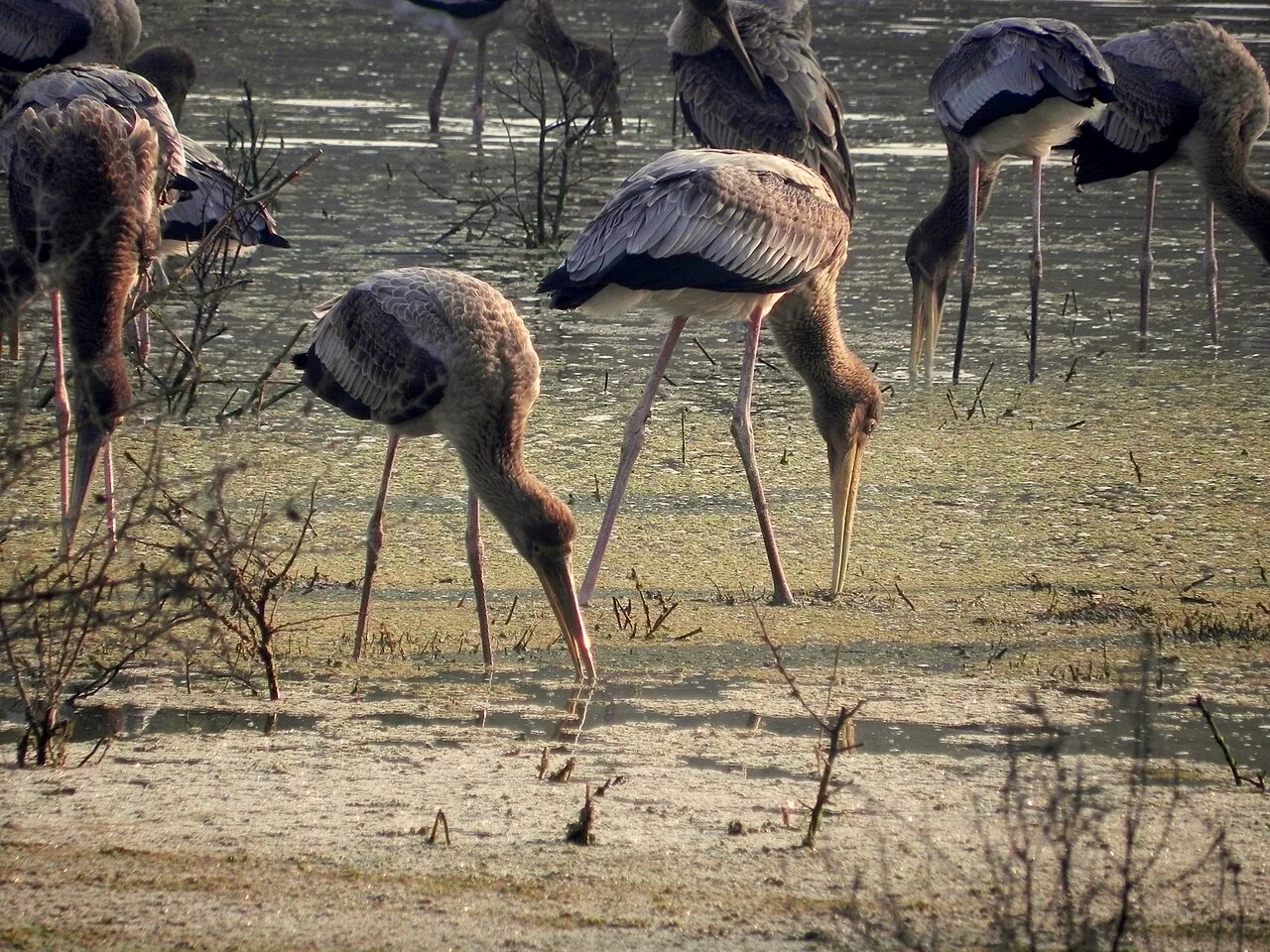
Keoladeo National Park

60 km away · Bharatpur district

Keoladeo National Park

Keoladeo National Park is a wetland and wildlife reserve in Bharatpur district, Rajasthan. Visitors come to see its varied birdlife, particularly the many species that gather there during winter.

Siliserh Lake

74 km away · Alwar district

Siliserh Lake

Siliserh Lake is an artificial lake in Rajasthan, southwest of Alwar, with wooded banks and cenotaphs along its embankment that visitors come to see.

Sariska Tiger Reserve

90 km away · Alwar district

Sariska Tiger Reserve

Sariska Tiger Reserve, in Rajasthan’s Alwar district, is a protected area with tiger-reserve status and varied forest, grassland and rocky habitats. Visitors come to experience its wildlife and conservation setting.

Mehandipur Balaji Temple

93 km away · Dausa district

Mehandipur Balaji Temple

In Rajasthan’s Dausa district, Mehandipur Balaji Temple is a Hindu place of worship devoted to Hanuman. Pilgrims visit for its reputation for ritual healing and ceremonies to remove evil spirits.

Chand Baori

98 km away · Dausa district

Chand Baori

In Abhaneri, Chand Baori is a historic Rajasthan stepwell known for its depth and tiered stairways. Visitors come to see its inverted-pyramid layout and large reservoir.

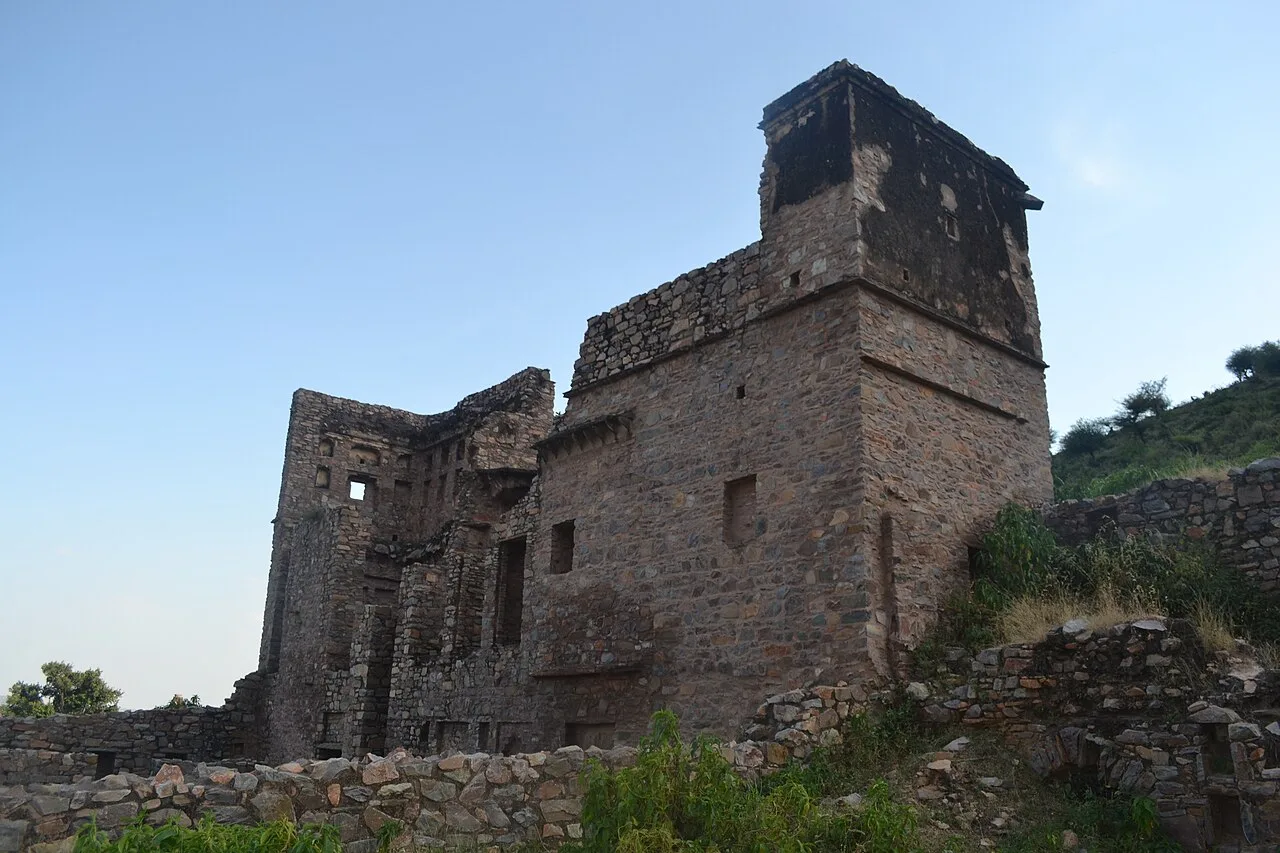
Bhangarh Fort

115 km away · Alwar district

Bhangarh Fort

Dating to the sixteenth century, Bhangarh Fort in Rajasthan is linked to Madho Singh’s residence. Visitors come to view the preserved fort and its surrounding precincts.

Map

Kaman on the map

  1. 1Deeg Palace
  2. 2Lohagarh Fort
  3. 3Keoladeo National Park
  4. 4Siliserh Lake
  5. 5Sariska Tiger Reserve
  6. 6Mehandipur Balaji Temple
  7. 7Chand Baori
  8. 8Bhangarh Fort

Rajasthan

Other cities to explore