Ghumoopedia — Explore, Discover, Experience
Sign in
Birla Mandir, near Bagru

City guide · Rajasthan

Bagru

Bagru is a town in Jaipur district, around 32 km southwest of Jaipur on the Jaipur–Ajmer Road. It is part of the wider Sanganer area and combines the character of a historic settlement with a lively craft tradition.

Famous for

  • Bagru block printing
  • Dabu resist-dyed textiles
  • Jugal Darbar temple
  • Jugal Darbar Lakkhi fair
  • Battle of Bagru
  • Dussehra mela

Why Bagru matters

Bagru is a town in Jaipur district, around 32 km southwest of Jaipur on the Jaipur–Ajmer Road. It is part of the wider Sanganer area and combines the character of a historic settlement with a lively craft tradition. Its name is especially associated with hand block-printed cloth, including textiles made with the dabu mud-resist technique. Visitors come to see the printing heritage, explore old places of worship and experience local fairs and festivals.

Bagru is also remembered for the Battle of Bagru, fought in 1748, and for the Jugal Darbar temple and its annual Lakkhi fair. The town’s temples, mosques and dargahs reflect a long history of Hindu and Muslim communities living alongside one another. The Baag, also known as the Dussehra Ground, is a focus of local celebration. Bagru’s craft workshops and community traditions make it a distinctive stop for travellers exploring the towns and heritage around Jaipur.
Famous for: crafts, trade & products

Bagru is best known for hand block printing on cotton. Artisans use carved wooden blocks to build repeating patterns, often drawing on floral, geometric and traditional motifs. The town is particularly associated with dabu, a mud-resist process in which selected areas are covered before dyeing to create patterned contrasts. Natural dyes have a long place in the craft, while contemporary makers may also use other dyes and colour techniques. The resulting fabrics are used for garments, scarves, furnishings and household textiles.

Visitors interested in the craft can look for printing workshops and textile sellers in Bagru, where they may see stages of the process and browse finished cloth. It is worth asking makers how a particular piece was printed and dyed, since methods and materials vary. Bagru is a production centre rather than a single, consolidated shopping district, so purchases are often made directly from workshops or local shops. The town’s textiles are its signature product; it is not especially known for a separate large-scale handicraft or industrial market.

History

Bagru’s history is closely connected with the rulers of Jaipur. Its Thakurs belonged to the Rajawat branch of the Chaturbhujot Rajputs, a lineage within the Kachwaha Rajputs and one of Jaipur’s prominent noble houses. The town entered wider political history during the Battle of Bagru in August 1748, when Ishwari Singh of Jaipur fought Madho Singh I, who was supported by Maratha and other Rajput allies. The outcome affected the balance of power in the region.

Bagru formed part of the Jaipur princely state during the colonial era, when the state was under British paramountcy. After independence, it became part of Rajasthan and developed as a municipality within Jaipur district. Its position on the Jaipur–Ajmer route has supported connections with the regional capital. A local landmark is the government school established in 1933, now Mahatma Gandhi Government School; its grounds contain a tamarind tree traditionally said to have been planted by Bagru’s king. The Jugal Darbar temple is regarded locally as older than the town’s establishment.

Food, festivals & culture

Bagru’s social life centres on its temples, annual fairs and neighbourhood celebrations. The Jugal Darbar temple draws devotees throughout the year, with a large Lakkhi fair held annually. Dussehra is marked by a mela at the Baag, or Dussehra Ground, while Diwali and Holi bring customary seasonal celebrations. Muslim residents observe occasions such as Eid, and the town’s mosques and dargahs are part of its shared religious landscape. Local accounts often point to the long-standing participation of Hindu and Muslim communities in one another’s festivities.

Hindi and local Rajasthani speech are commonly heard. Food is broadly in the Rajasthani tradition: visitors may find dal baati churma, seasonal sweets such as ghewar, and snacks including kachori, though menus vary. Devotional singing and music accompany worship and fair days; Dussehra celebrations may include performances and community gatherings. Notable places to visit include Jugal Darbar, Pal Wale Balaji, Sawa Ki Bagichi Wale Balaji, Tejaji and Bhomiya Ji temples, as well as local mosques and dargahs.

Visiting the city

October to March is generally the most comfortable season for exploring Bagru, while summer can be very hot. Jaipur International Airport is the nearest major airport, and Jaipur Junction is the main railway station for onward travel. Bagru lies about 32 km southwest of Jaipur on the Jaipur–Ajmer Road; visitors can reach it by road from the city. Local autos and other hired vehicles are useful for moving between the town’s sights, while short distances can be covered on foot.

Explore the Jugal Darbar temple and nearby old streets, then visit printing workshops or textile shops to learn about Bagru’s craft. The Baag, or Dussehra Ground, and the town’s other temples offer a sense of local life. During fair days, allow extra time for crowds and activity. Ask locally before visiting a workshop, as access and demonstrations may vary.

Trips from the city

Nearest places to visit from Bagru

Our closest destination guides, by straight-line distance.

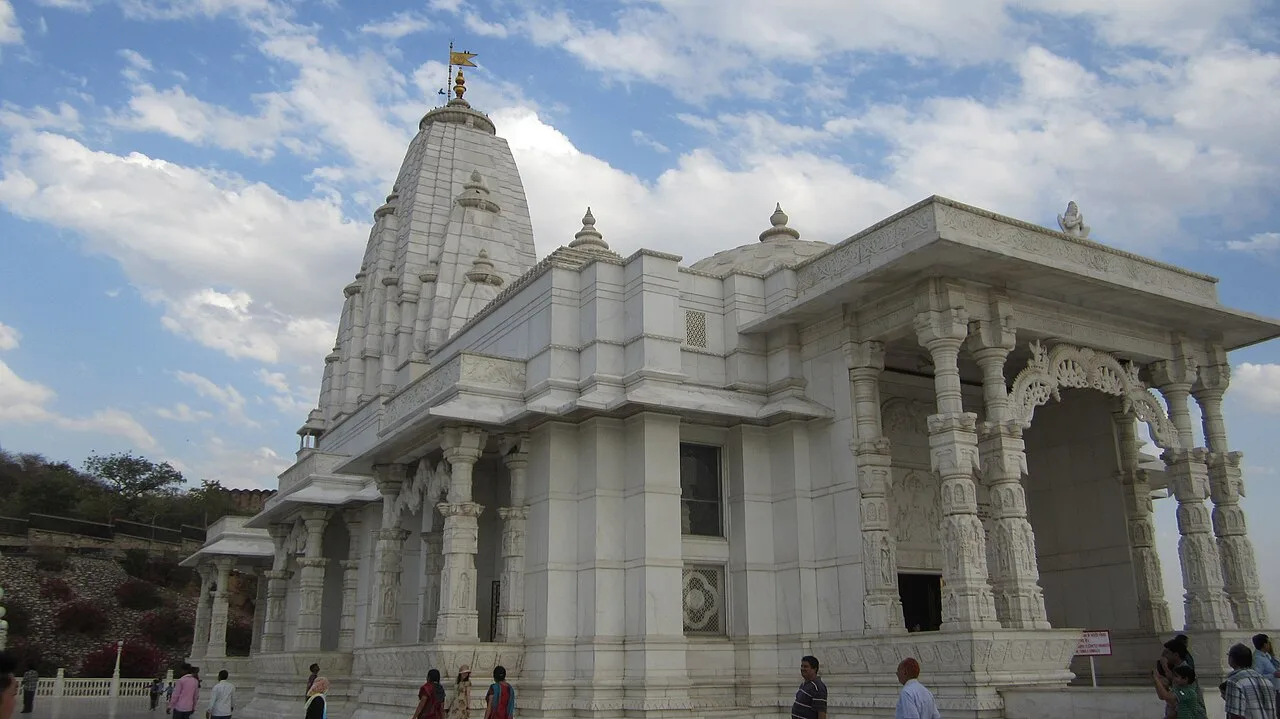
Birla Mandir

28 km away · Jaipur district

Birla Mandir

Birla Mandir, also known as Lakshmi Narayan Temple, is a Hindu place of worship in Jaipur, Rajasthan. Visitors come to worship and see its marble shrine and sacred images.

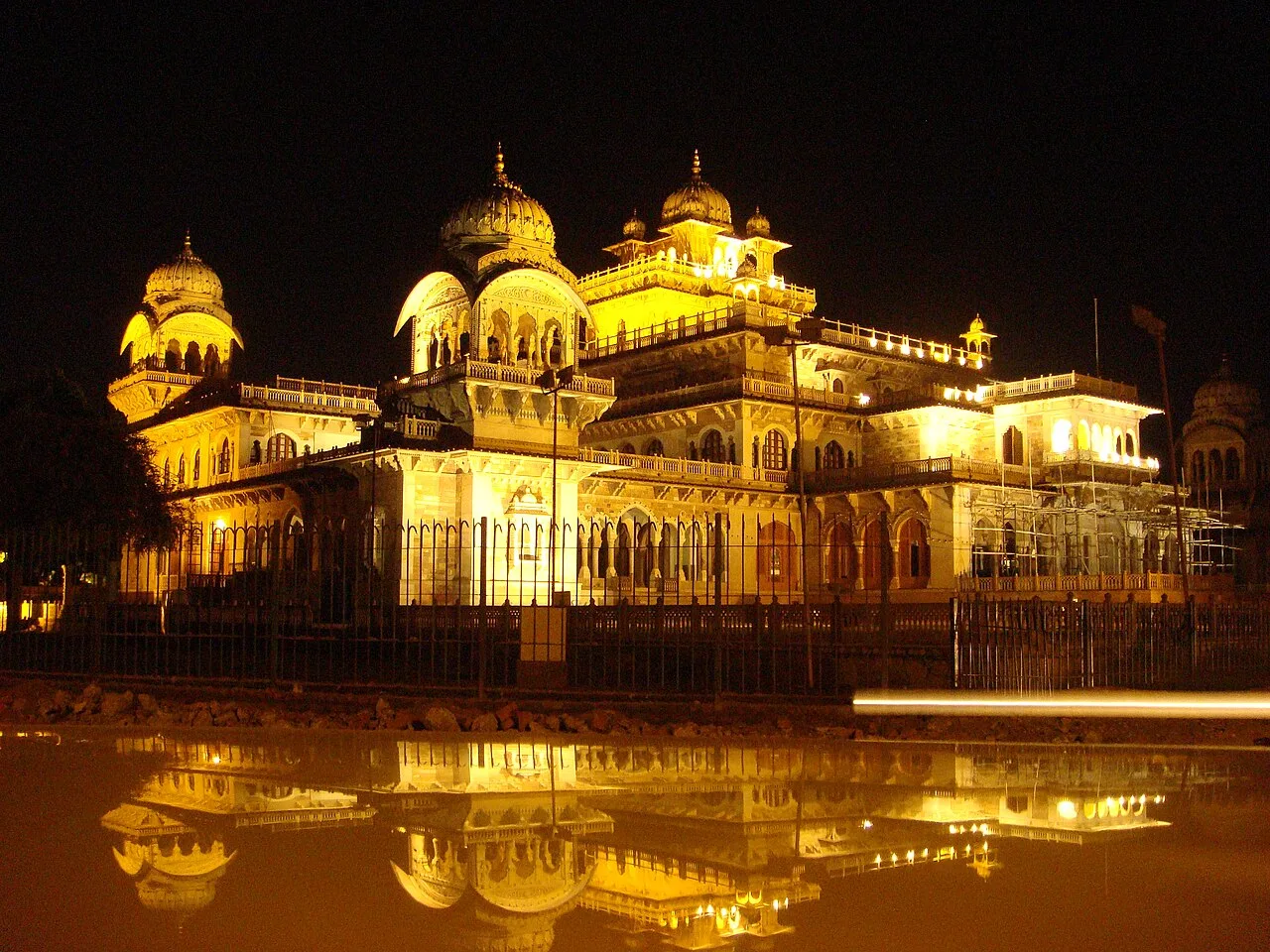
Albert Hall Museum

29 km away · Jaipur district

Albert Hall Museum

Set in Jaipur’s Ram Niwas Garden, Albert Hall Museum is Rajasthan’s state museum and its oldest museum. Visitors come to explore its varied collections and Indo-Saracenic architecture.

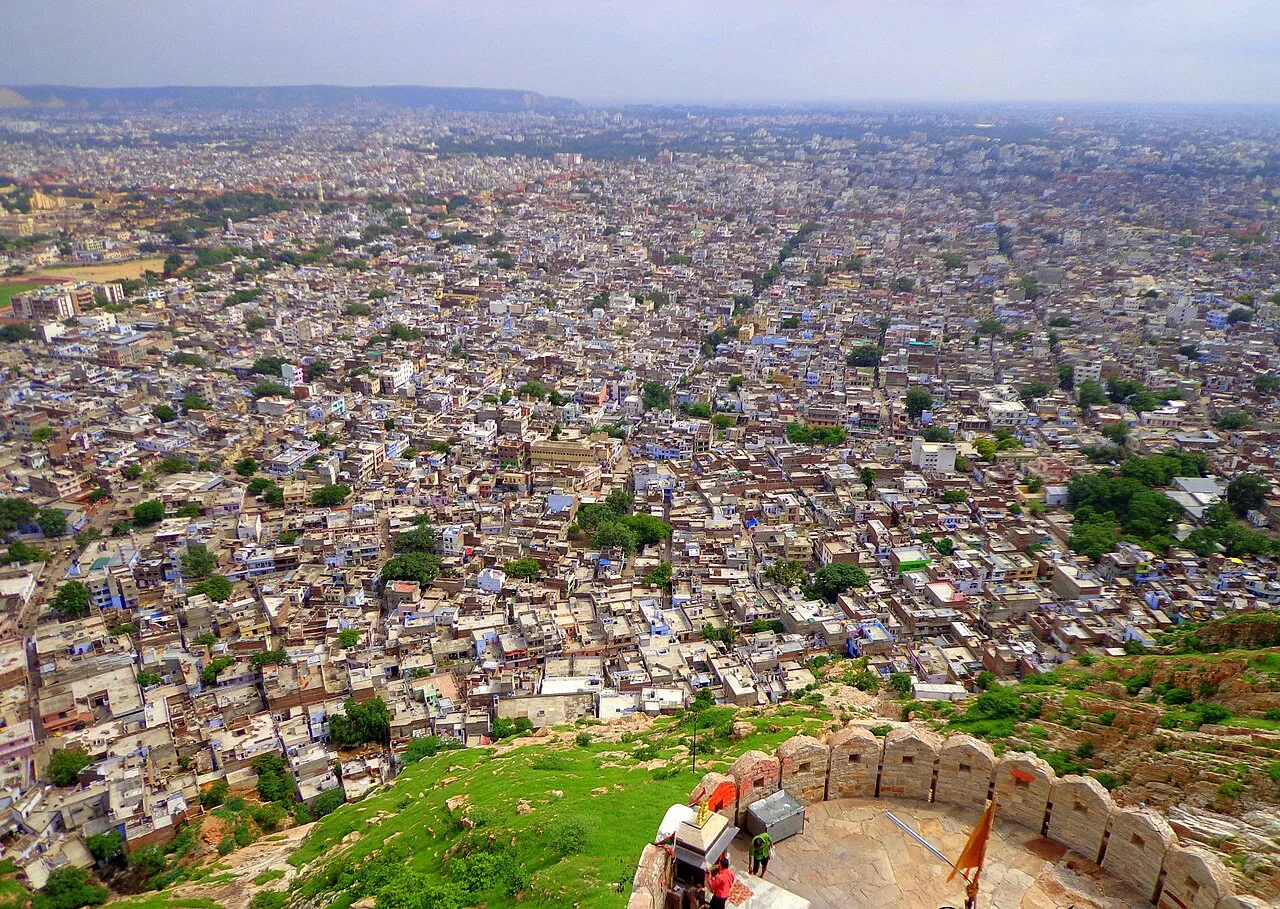
Nahargarh Fort

29 km away · Jaipur district

Nahargarh Fort

Nahargarh Fort is a historic stronghold in Jaipur, Rajasthan, overlooking the city from the Aravalli range. Visitors come for its elevated outlook and its role in Jaipur’s former defences.

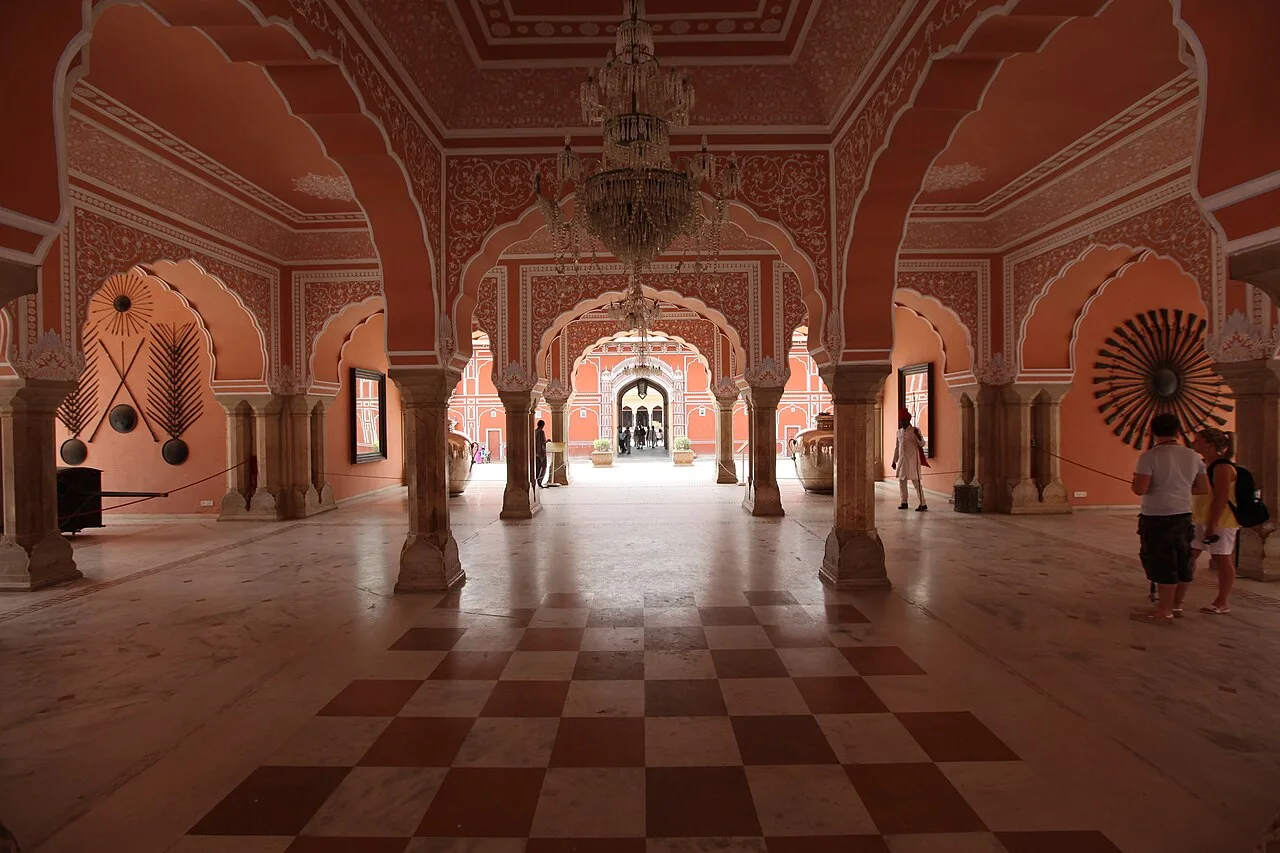
City Palace, Jaipur

30 km away · Jaipur district

City Palace, Jaipur

A historic royal complex in Jaipur, the City Palace served the city’s rulers and remains the royal family’s home. Visitors come to see its architecture and explore the museum.

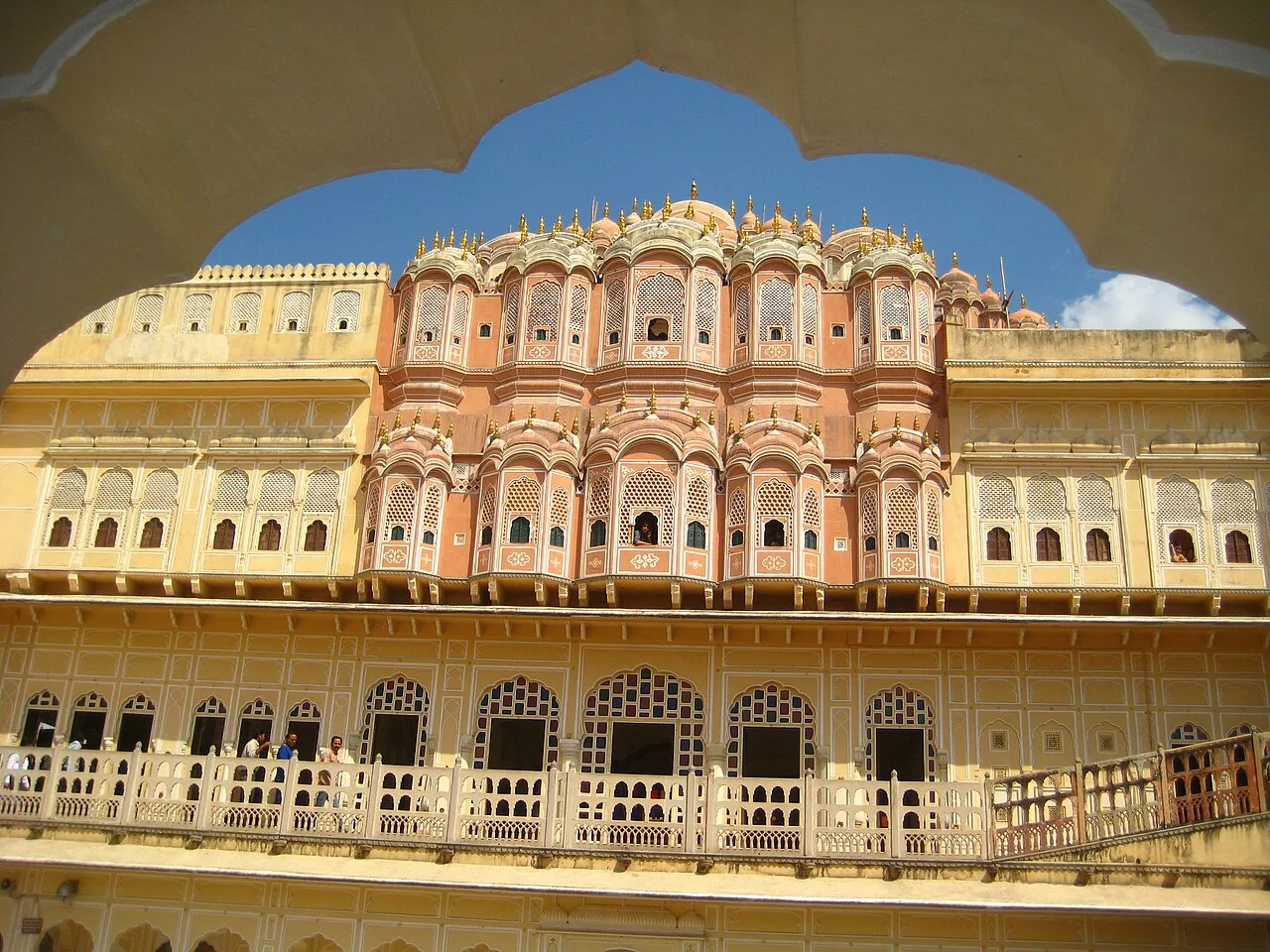
Hawa Mahal

30 km away · Jaipur district

Hawa Mahal

Hawa Mahal is a sandstone palace in Jaipur, recognised for its honeycomb façade and 953 lattice-screened jharokhas. Visitors come to see its distinctive design and learn how its openings provided privacy and ventilation.

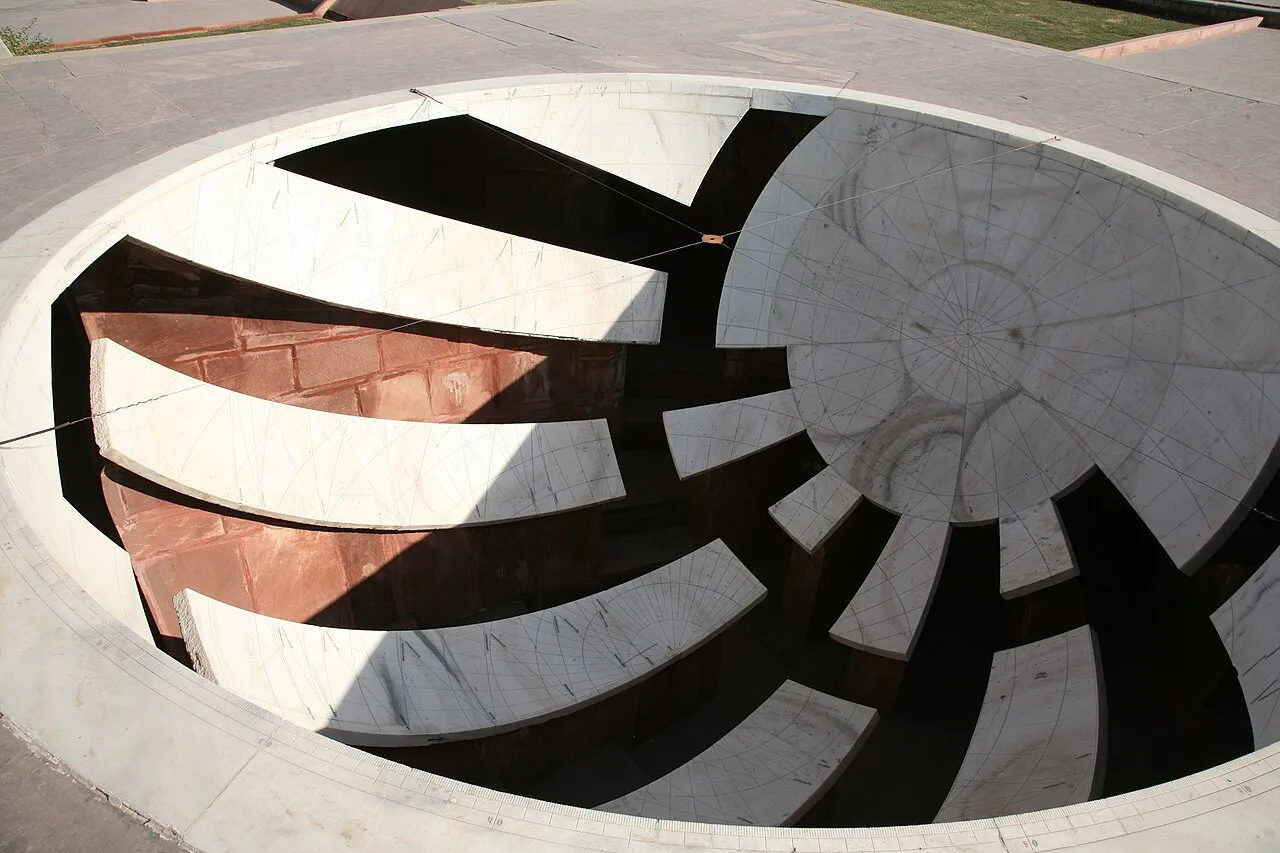
Jantar Mantar, Jaipur

30 km away · Jaipur district

Jantar Mantar, Jaipur

Jantar Mantar is an astronomical observatory in Jaipur, built under Sawai Jai Singh. Visitors come to see its monumental instruments, including a stone sundial, and learn how they were used to observe celestial positions.

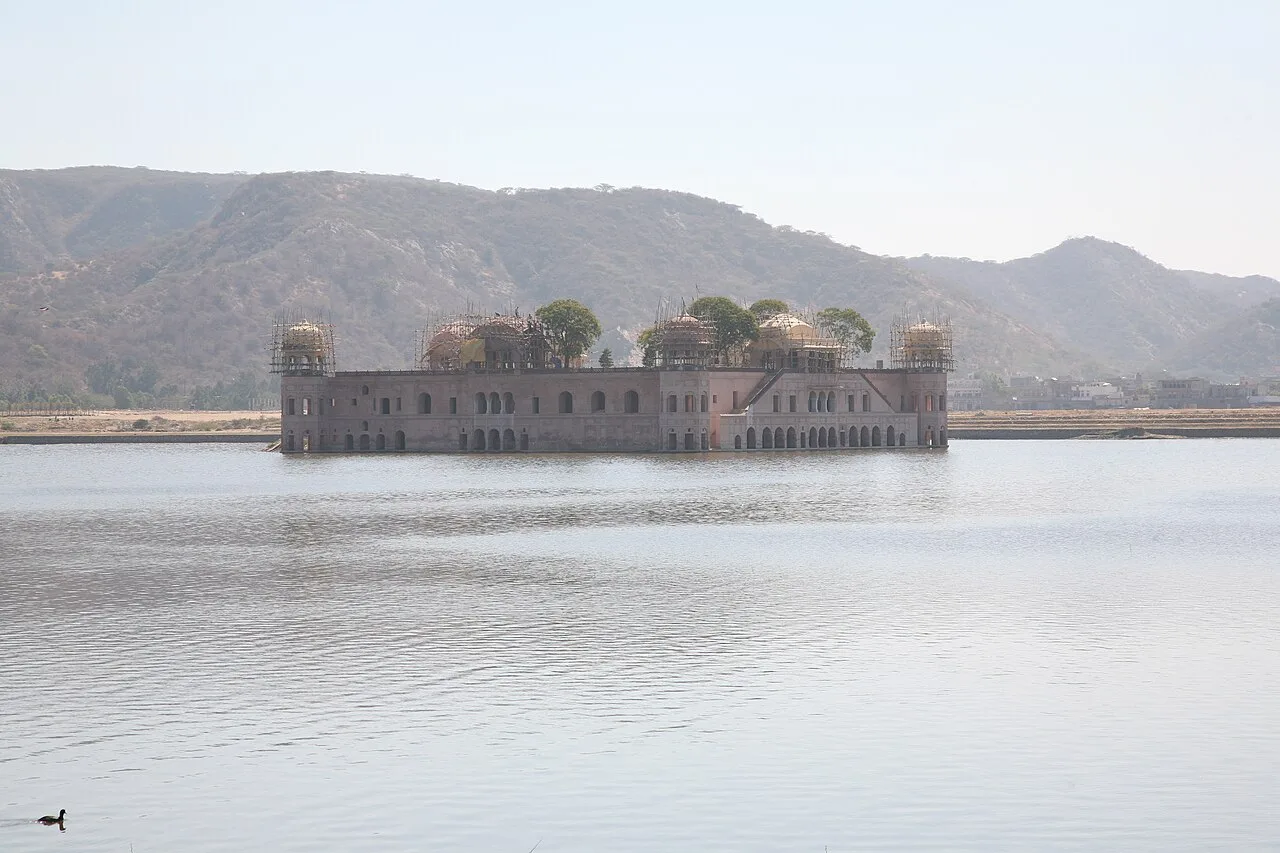
Jal Mahal

33 km away · Jaipur district

Jal Mahal

Jal Mahal is a historic palace set within Man Sagar Lake in Jaipur, Rajasthan. Visitors come to see the palace in its lake setting.

Amber Fort

35 km away · Jaipur district

Amber Fort

Amber Fort, also known as Amer Palace, is a hilltop fort in Amer, Rajasthan. Visitors explore its Rajput and Mughal-influenced design, palace halls and setting above Maota Lake.

Map

Bagru on the map

  1. 1Birla Mandir
  2. 2Albert Hall Museum
  3. 3Nahargarh Fort
  4. 4City Palace, Jaipur
  5. 5Hawa Mahal
  6. 6Jantar Mantar, Jaipur
  7. 7Jal Mahal
  8. 8Amber Fort

Rajasthan

Other cities to explore