Ghumoopedia — Explore, Discover, Experience
Sign in

City guide · Rajasthan

Sir Muttra

Sir Muttra, also commonly written as Sirmathura, is a town in Dholpur district in eastern Rajasthan. Its character is shaped by its position near the state’s borders with Uttar Pradesh and Madhya Pradesh, where Rajasthani and Braj-region influences meet.

Famous for

  • Dholpur sandstone
  • Sandstone quarrying
  • Eastern Rajasthan markets
  • Braj-influenced culture

Why Sir Muttra matters

Sir Muttra, also commonly written as Sirmathura, is a town in Dholpur district in eastern Rajasthan. Its character is shaped by its position near the state’s borders with Uttar Pradesh and Madhya Pradesh, where Rajasthani and Braj-region influences meet. The town is best known locally for sandstone quarrying and its connection with Dholpur’s distinctive red building stone. It offers a quieter, rural counterpoint to the better-known heritage cities of Rajasthan, with everyday life centred on local markets, transport links and surrounding villages.

Visitors may use Sirmathura as a base for exploring the wider Dholpur region, including its historic architecture and landscapes associated with the Chambal. The town itself is not a major monument destination, so it is most rewarding for travellers interested in regional life, stonework and routes through eastern Rajasthan. Local services are practical rather than geared to mass tourism; visitors should plan lodging and onward transport ahead, especially when travelling beyond the main town.
Famous for: crafts, trade & products

The best-known local product is sandstone quarried in the Sirmathura area and across Dholpur district. Dholpur red sandstone has long been used in buildings and architectural details, valued for its warm colour and workable texture. Quarrying and stone-related trade are important parts of the local economy, though active quarry sites are working areas rather than visitor attractions and should only be approached with permission.

For everyday shopping, look to the town’s central bazaar and roadside businesses for household goods, clothing, snacks and locally traded produce. Sirmathura is not widely known as a centre for a particular textile, saree tradition or specialist handicraft, and visitors should not expect the curated craft markets found in larger tourist cities. Stone yards and suppliers may be able to explain local varieties and uses, but availability and access differ. For a broader selection of regional crafts, food products and services, Dholpur city is the main nearby centre. Ask sellers about the stone’s origin and intended use, and arrange safe transport before purchasing bulky pieces.

History

Sirmathura lies within the historic Dholpur region, whose political fortunes were shaped by its position between the north Indian plains and the routes linking Rajasthan with central India. Dholpur developed as a princely state under Jat rulers and later came under British paramountcy. The former state joined the Indian Union after independence and became part of Rajasthan in 1949.

In the modern period, quarrying and the trade in Dholpur sandstone have helped connect the area to construction markets beyond the district. Roads and rail links support movement between Sirmathura, Dholpur and neighbouring regions. Today it remains a small service and market town rather than a major administrative or tourism centre. Its story is closely tied to the changing economy of eastern Rajasthan and to the continued use of local stone in building.

Food, festivals & culture

Daily life reflects eastern Rajasthan’s links with the Braj region. Hindi is widely used, alongside local speech forms influenced by Braj and the dialects of the Dholpur area. Food is generally based on familiar north Indian and Rajasthani home cooking, including wheat breads, lentils and seasonal vegetables; millet dishes are also part of the wider regional food tradition. Tea stalls and small eateries are the easiest places to sample everyday fare. Sweets such as jalebi and milk-based mithai are common across the region, though Sirmathura is not especially known for a signature sweet.

Holi, usually in spring, and Diwali, in autumn, are widely observed, while Teej and other monsoon-season celebrations are part of Rajasthan’s broader festive calendar. Religious life is centred on neighbourhood temples and mosques, with worship and community gatherings following local custom. Folk music and devotional singing are heard at social and religious occasions; performance traditions vary across villages and families. Visitors should be considerate at places of worship and ask before photographing people or ceremonies.

Visiting the city

The cooler months, roughly October to March, are generally the most comfortable time to visit. Summers can be very hot, while monsoon rain may affect road journeys. Sirmathura has a railway station on the Dholpur–Sirmathura line; Dholpur Junction is the main nearby broad-gauge station for wider rail connections. Agra Airport and Gwalior Airport are among the regional airport options, but onward travel by road should be arranged in advance.

Auto-rickshaws and local vehicles serve the town, while hired cars are useful for exploring the surrounding district. Start with the central bazaar for everyday activity and local food. The wider Dholpur area offers more historical and landscape excursions; quarry areas are working sites and should not be entered without permission. Services for visitors are limited, so confirm accommodation and transport before arrival.

Trips from the city

Nearest places to visit from Sir Muttra

Our closest destination guides, by straight-line distance.

Keoladeo National Park

74 km away · Bharatpur district

Keoladeo National Park

Keoladeo National Park is a wetland and wildlife reserve in Bharatpur district, Rajasthan. Visitors come to see its varied birdlife, particularly the many species that gather there during winter.

Mehandipur Balaji Temple

75 km away · Dausa district

Mehandipur Balaji Temple

In Rajasthan’s Dausa district, Mehandipur Balaji Temple is a Hindu place of worship devoted to Hanuman. Pilgrims visit for its reputation for ritual healing and ceremonies to remove evil spirits.

Lohagarh Fort

79 km away · Bharatpur district

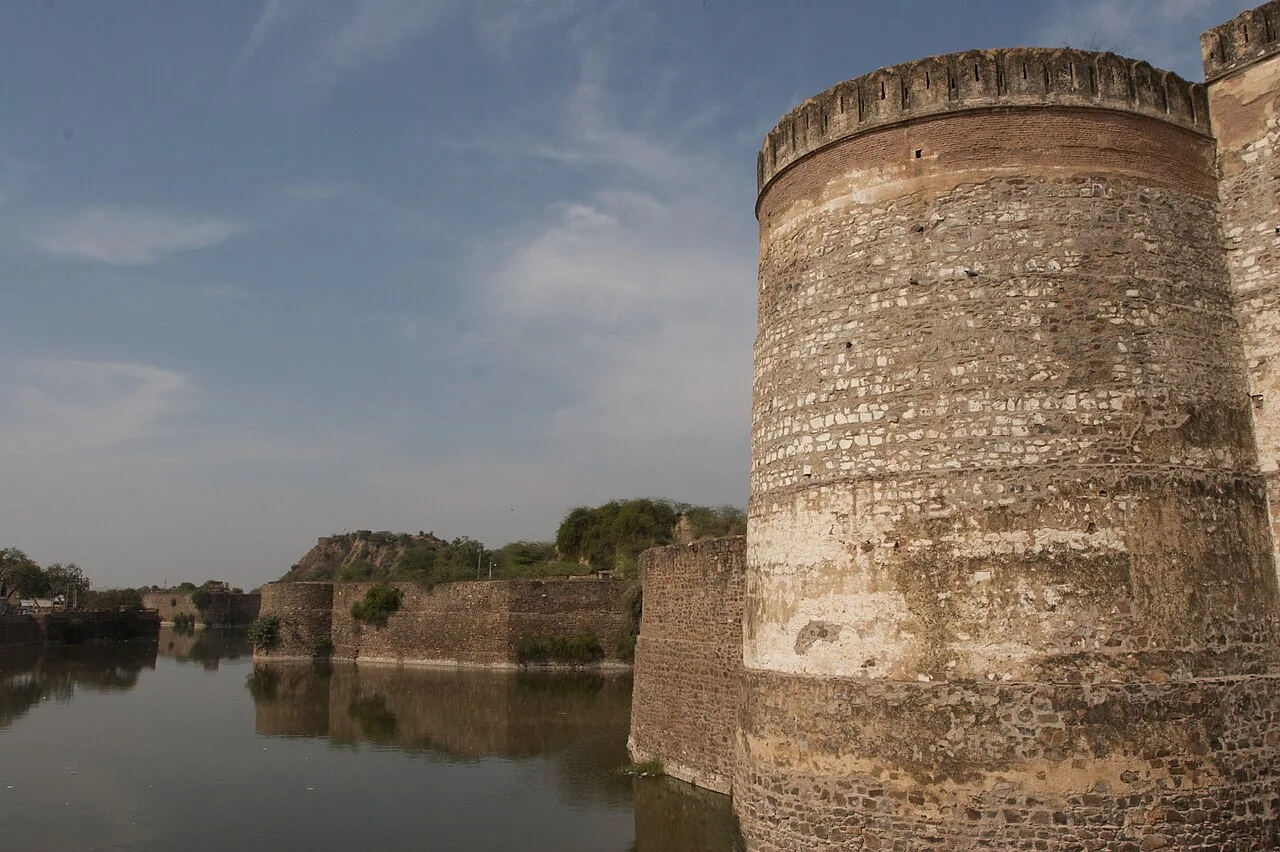
Lohagarh Fort

Lohagarh Fort is an eighteenth-century stronghold in Bharatpur, Rajasthan, commissioned by Maharaja Suraj Mal in 1732. Visitors learn about its resistance to British attacks and its eventual capture.

Chand Baori

94 km away · Dausa district

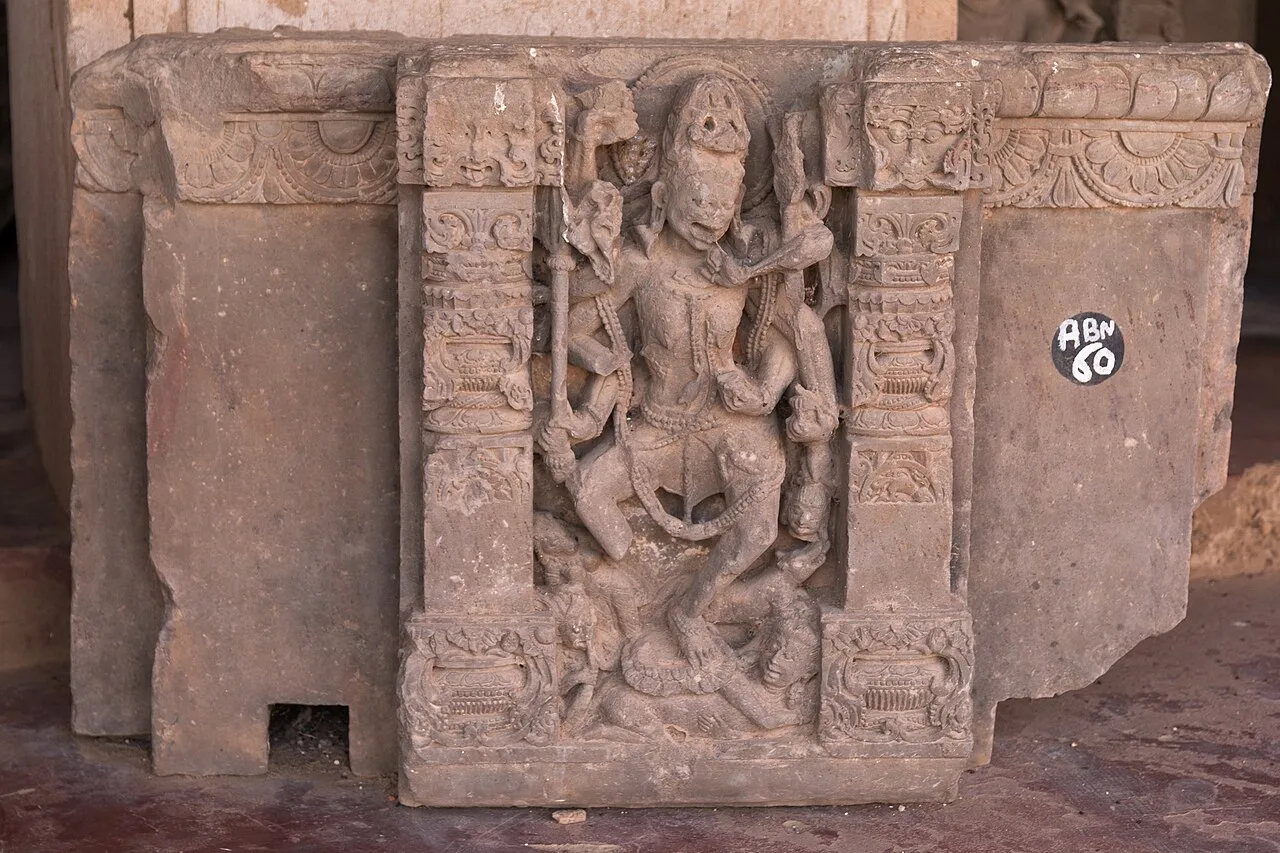
Chand Baori

In Abhaneri, Chand Baori is a historic Rajasthan stepwell known for its depth and tiered stairways. Visitors come to see its inverted-pyramid layout and large reservoir.

Ranthambore National Park

103 km away · Sawai Madhopur district

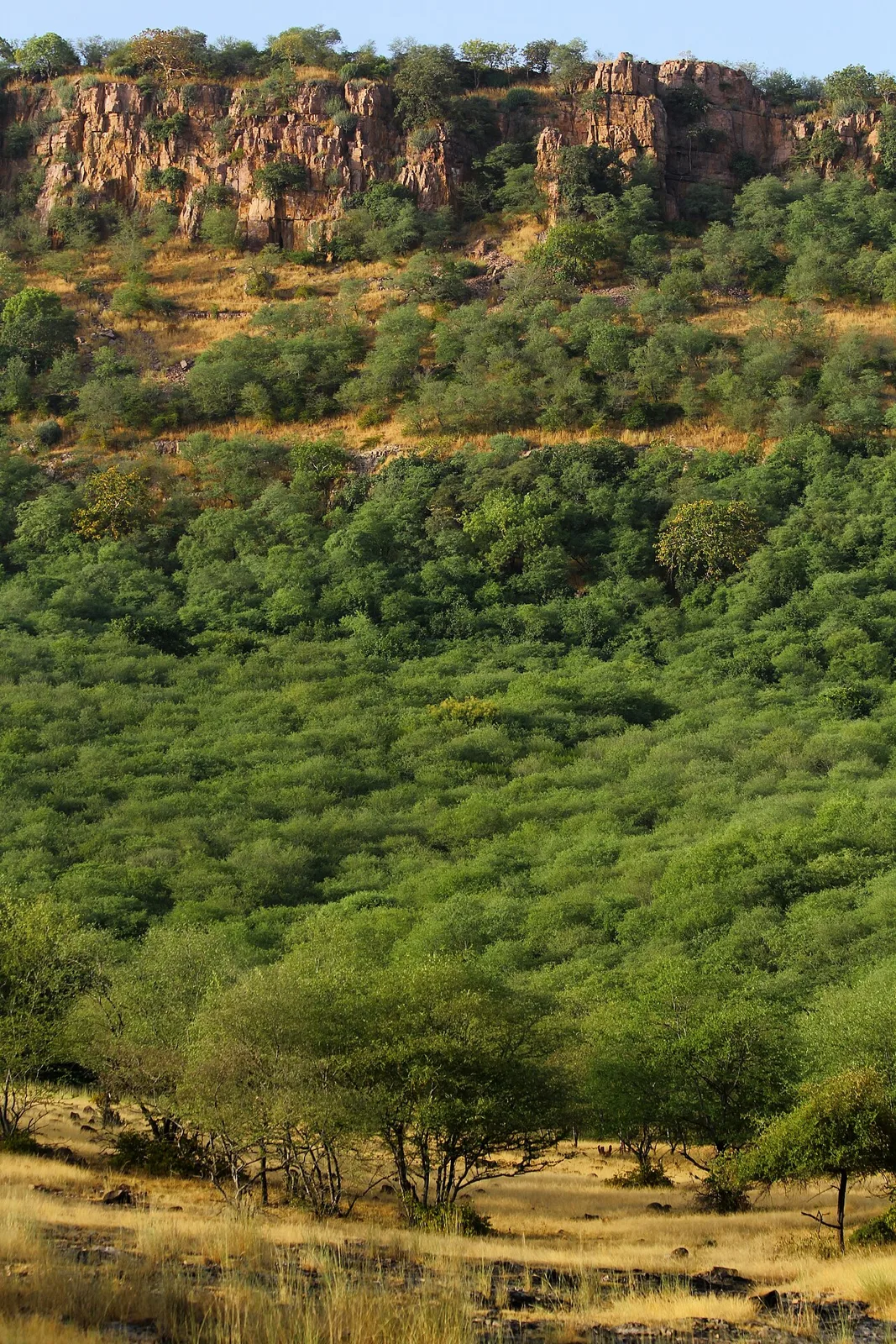
Ranthambore National Park

Ranthambore is a national park in Rajasthan’s Sawai Madhopur district, attracting visitors to its historic fort and its location between the Banas and Chambal rivers.

Deeg Palace

106 km away · Bharatpur district

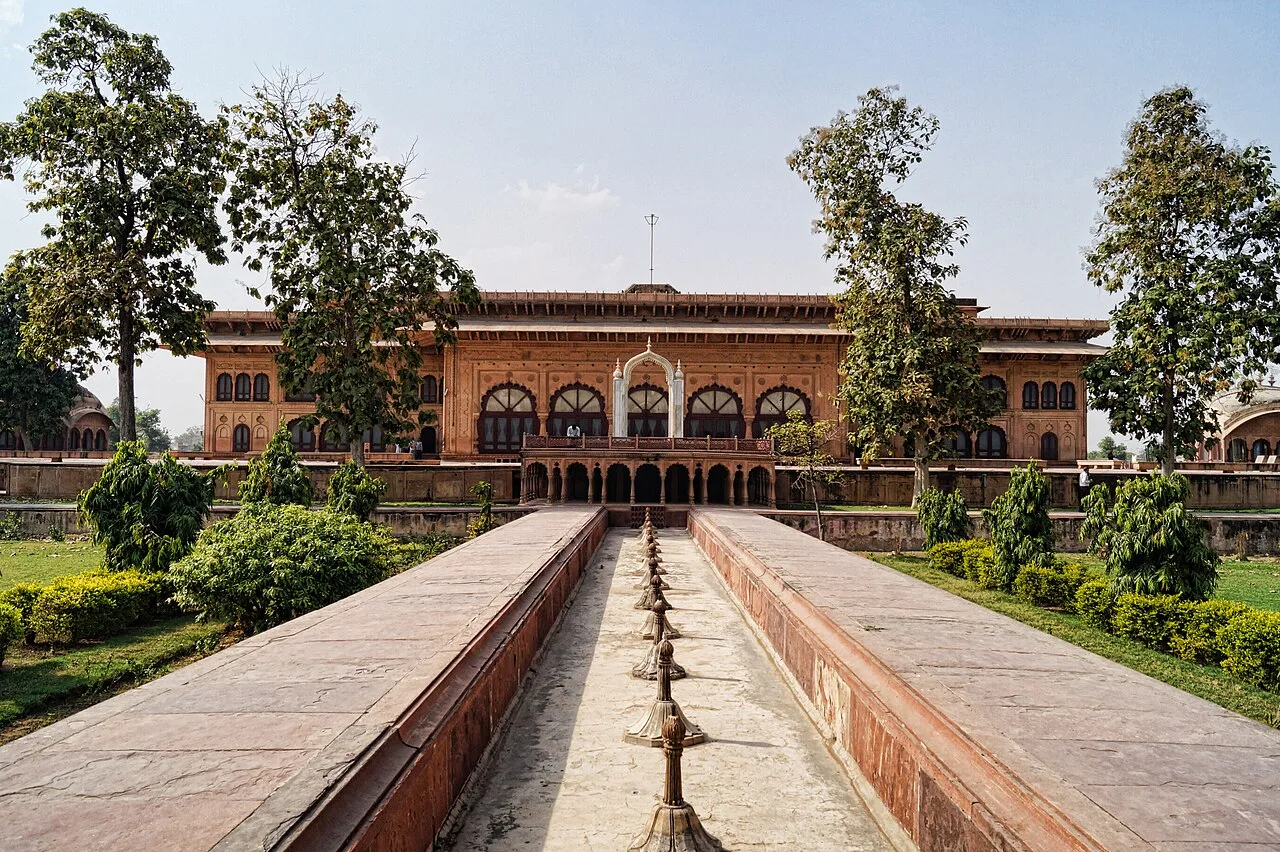
Deeg Palace

Deeg Palace is an eighteenth-century royal summer residence in Rajasthan; visitors come to see its Mughal and Rajput design and learn about its former defensive role.

Ranthambore Fort

107 km away · Sawai Madhopur district

Ranthambore Fort

Set within Ranthambore National Park near Sawai Madhopur, this historic Rajasthan fort draws visitors for its past, elevated views over the park and UNESCO World Heritage status.

Bhangarh Fort

126 km away · Alwar district

Bhangarh Fort

Dating to the sixteenth century, Bhangarh Fort in Rajasthan is linked to Madho Singh’s residence. Visitors come to view the preserved fort and its surrounding precincts.

Map

Sir Muttra on the map

  1. 1Keoladeo National Park
  2. 2Mehandipur Balaji Temple
  3. 3Lohagarh Fort
  4. 4Chand Baori
  5. 5Ranthambore National Park
  6. 6Deeg Palace
  7. 7Ranthambore Fort
  8. 8Bhangarh Fort

Rajasthan

Other cities to explore