Ghumoopedia — Explore, Discover, Experience
Sign in
Nawalgarh, near Laxmangarh

City guide · Rajasthan

Laxmangarh

Laxmangarh is a historic town in Sikar district, in Rajasthan’s Shekhawati region. Its best-known landmark is Laxmangarh Fort, built by Rao Raja Laxman Singh, the ruler of Sikar who founded the town.

Famous for

  • Laxmangarh Fort
  • Central market clock tower
  • Shekhawati heritage
  • Historic town bazaar

Why Laxmangarh matters

Laxmangarh is a historic town in Sikar district, in Rajasthan’s Shekhawati region. Its best-known landmark is Laxmangarh Fort, built by Rao Raja Laxman Singh, the ruler of Sikar who founded the town. The fort’s elevated setting gives it a strong presence in the townscape, while a clock tower at the centre of the market remains a familiar point of reference in daily life.

The town’s appeal is its combination of a notable early nineteenth-century fort and the everyday rhythms of a regional market town. Visitors interested in Shekhawati’s history can explore the fort and central bazaar, then use Laxmangarh as a base for understanding the smaller towns and settlements of Sikar district. It is not primarily a resort destination; its significance comes from its local role and historic built landmarks. The name can be confused with Lachhmangarh in Alwar district, a different town elsewhere in Rajasthan.
Famous for: crafts, trade & products

Laxmangarh is chiefly associated with its fort and historic market setting, rather than with a widely recognised textile, handicraft or GI-tagged product. The central bazaar is the most practical place to browse local shops and find everyday clothing, household goods, snacks and sweets. It serves residents and visitors, but should not be mistaken for a specialist craft market or a destination known for a particular saree tradition.

Rajasthan’s bandhani, block-printed textiles and other crafts may be encountered through regional retailers, but they are not distinctive products for which Laxmangarh itself is especially known. There is likewise no single locally prominent industrial product or craft institution that defines the town’s visitor identity. For shopping, explore the streets around the clock tower and ask shopkeepers about locally made goods rather than assuming an item is produced here. The fort and bazaar are the clearest places to connect the town’s heritage with its present-day commercial life.

History

Laxmangarh was founded in 1807 by Rao Raja Laxman Singh of Sikar, who also commissioned the fort that bears the town’s name. The fort became the defining landmark of the settlement, while the market developed around the town’s role as a local centre. A clock tower was later established in the middle of the market, creating another enduring civic landmark.

The town’s early history is linked to the Sikar ruling house and the wider political landscape of Shekhawati. During the colonial period, Sikar formed part of the princely-state order under British paramountcy; Laxmangarh’s local history remained closely connected to that regional setting. Following India’s independence and the reorganisation of Rajasthan, the town became part of Sikar district in the modern state. It has continued to serve as a local market and service centre, while its fort preserves a visible reminder of its foundation and princely-era past.

Food, festivals & culture

Everyday food in Laxmangarh reflects the wider cuisine of Rajasthan and Shekhawati. Visitors may find dishes such as dal baati churma, gatte ki sabzi and bajra roti, alongside tea-time savouries and familiar Indian sweets. Availability varies by restaurant and season, so the central market is a convenient place to look for snacks and local-style meals rather than expecting one dish to define the town.

Holi in spring, Teej and Gangaur around the monsoon season, and Diwali in autumn are widely observed across the region; Navratri and Eid are also part of the town’s annual calendar. Hindi is widely used, alongside Rajasthani speech and the Shekhawati dialect. Folk songs, devotional bhajans and seasonal community celebrations are part of local cultural life. Temples and mosques serve the town’s religious communities, though Laxmangarh is better known to visitors for its fort and market than for a single major pilgrimage site.

Visiting the city

October to March is generally the most comfortable period to visit, with cooler weather for exploring the fort and bazaar. Summers can be very hot, while the monsoon brings seasonal rain. The nearest major airport is Jaipur International Airport. Rail services are available at Laxmangarh-Sikar railway station; check current connections before travelling. Sikar is a useful regional centre for onward road connections.

Within town, auto-rickshaws and local taxis can help with short trips, while the central market is easiest to explore on foot. Begin around the clock tower, then visit Laxmangarh Fort and nearby streets. The bazaar area gives a sense of the town’s everyday character. If travelling onward through Shekhawati, plan road transport in advance, as local services and connections can vary.

Trips from the city

Nearest places to visit from Laxmangarh

Our closest destination guides, by straight-line distance.

Nawalgarh

24 km away · Jhunjhunu district

Nawalgarh

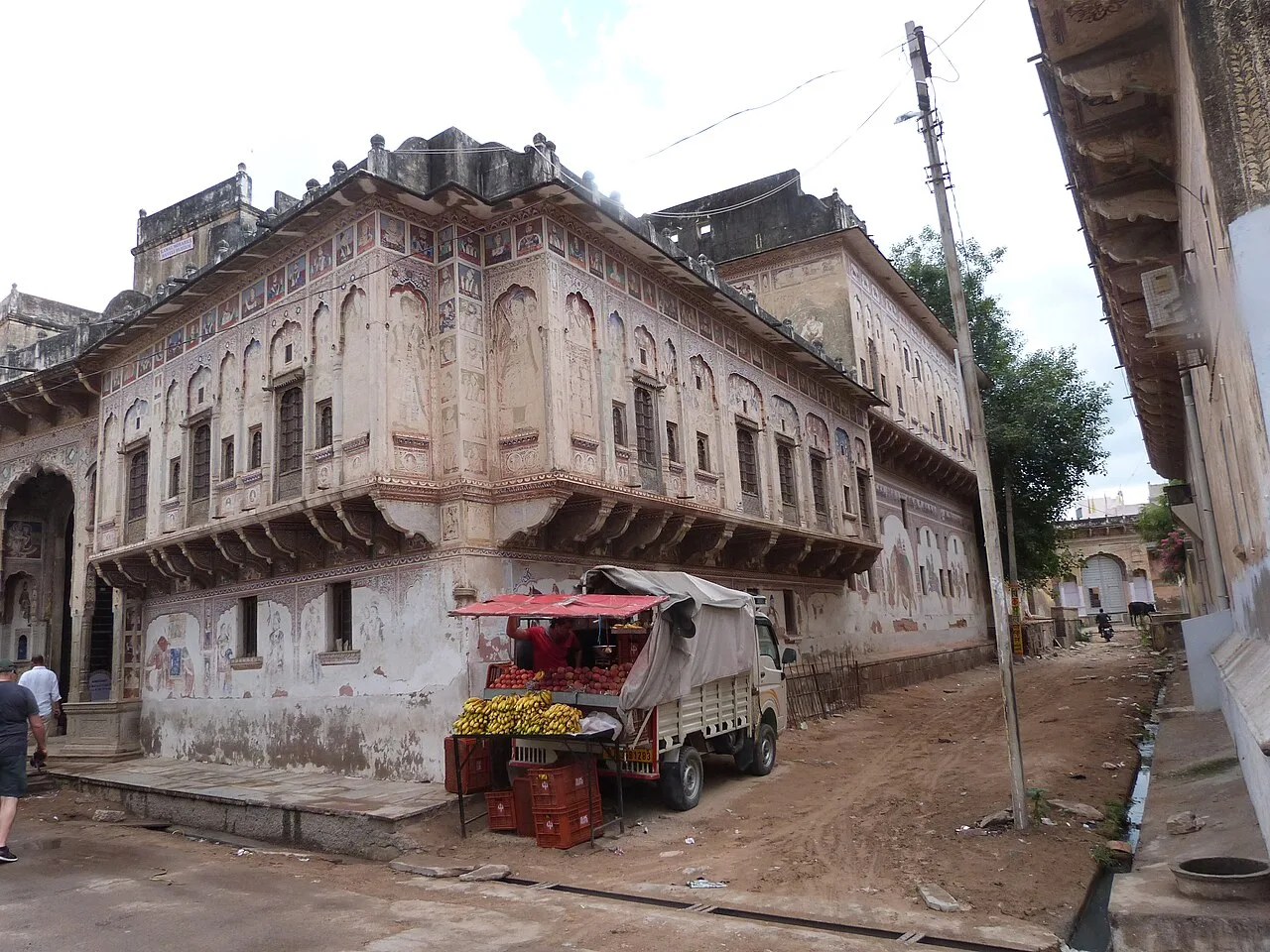
Nawalgarh is a heritage city in Rajasthan’s Shekhawati region, within Jhunjhunu district. Visitors are drawn by its heritage character, and it is 30.5 km from Sikar and 39.2 km from Jhunjhunu.

Mandawa

28 km away · Jhunjhunu district

Mandawa

Mandawa is a town in Rajasthan’s Jhunjhunu district, within the Shekhawati region. Travellers visit it as part of journeys through the region and nearby Jhunjhunu.

Tal Chhapar Sanctuary

58 km away · Churu district

Tal Chhapar Sanctuary

Tal Chhapar is a wildlife sanctuary in Rajasthan’s Churu district, known for blackbucks and birdlife. Visitors come to see its wildlife in a setting near the Great Indian Desert.

Khatu Shyam Temple

63 km away · Sikar district

Khatu Shyam Temple

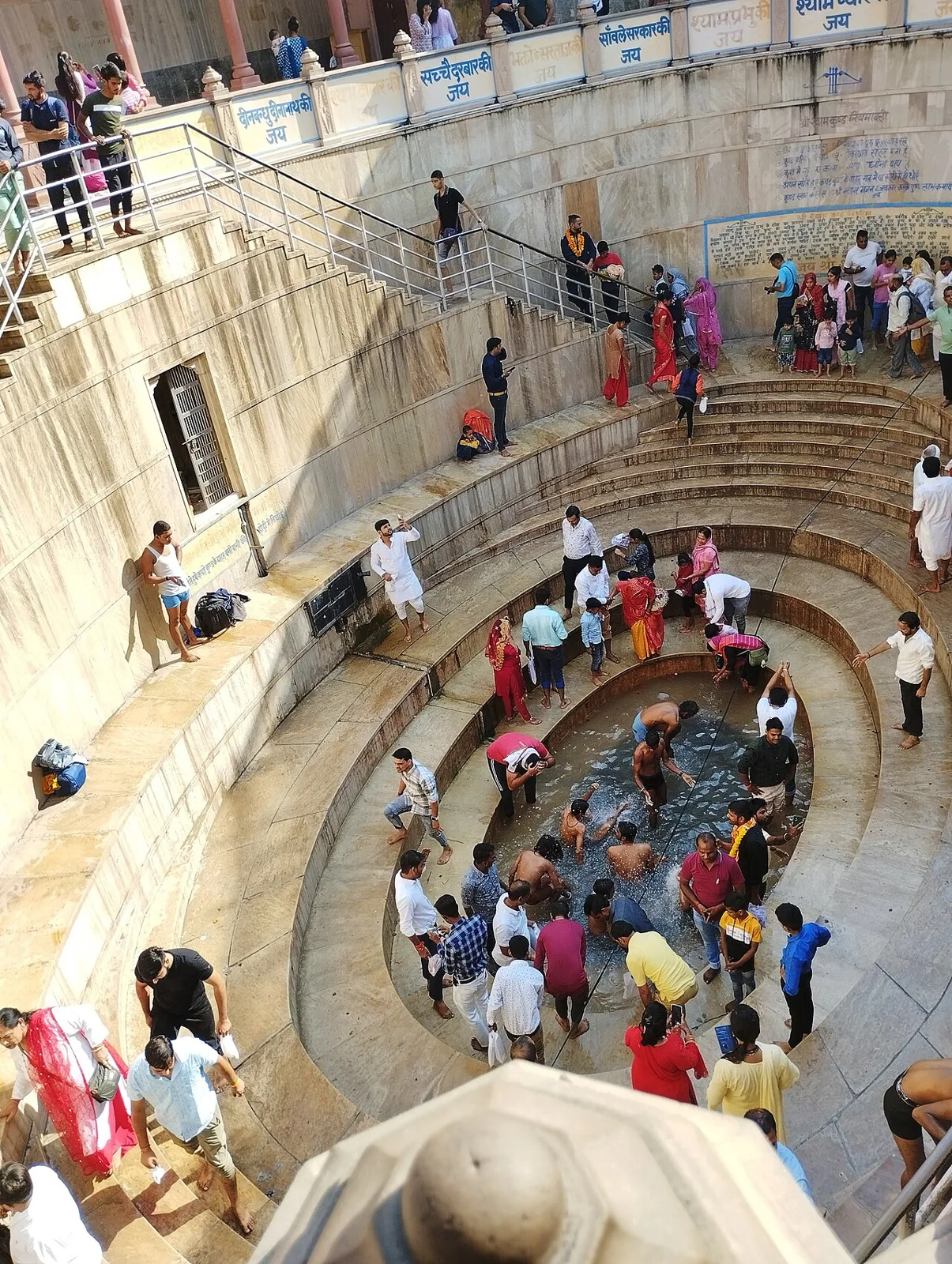
In KhatuShyamJi town, Rajasthan, this Hindu shrine honours Khatu Shyam, believed to be a divine manifestation of Barbareek from the Mahabharat. Pilgrims visit throughout the year, especially for the Falgun Mela.

Sambhar Salt Lake

98 km away · Jaipur district

Sambhar Salt Lake

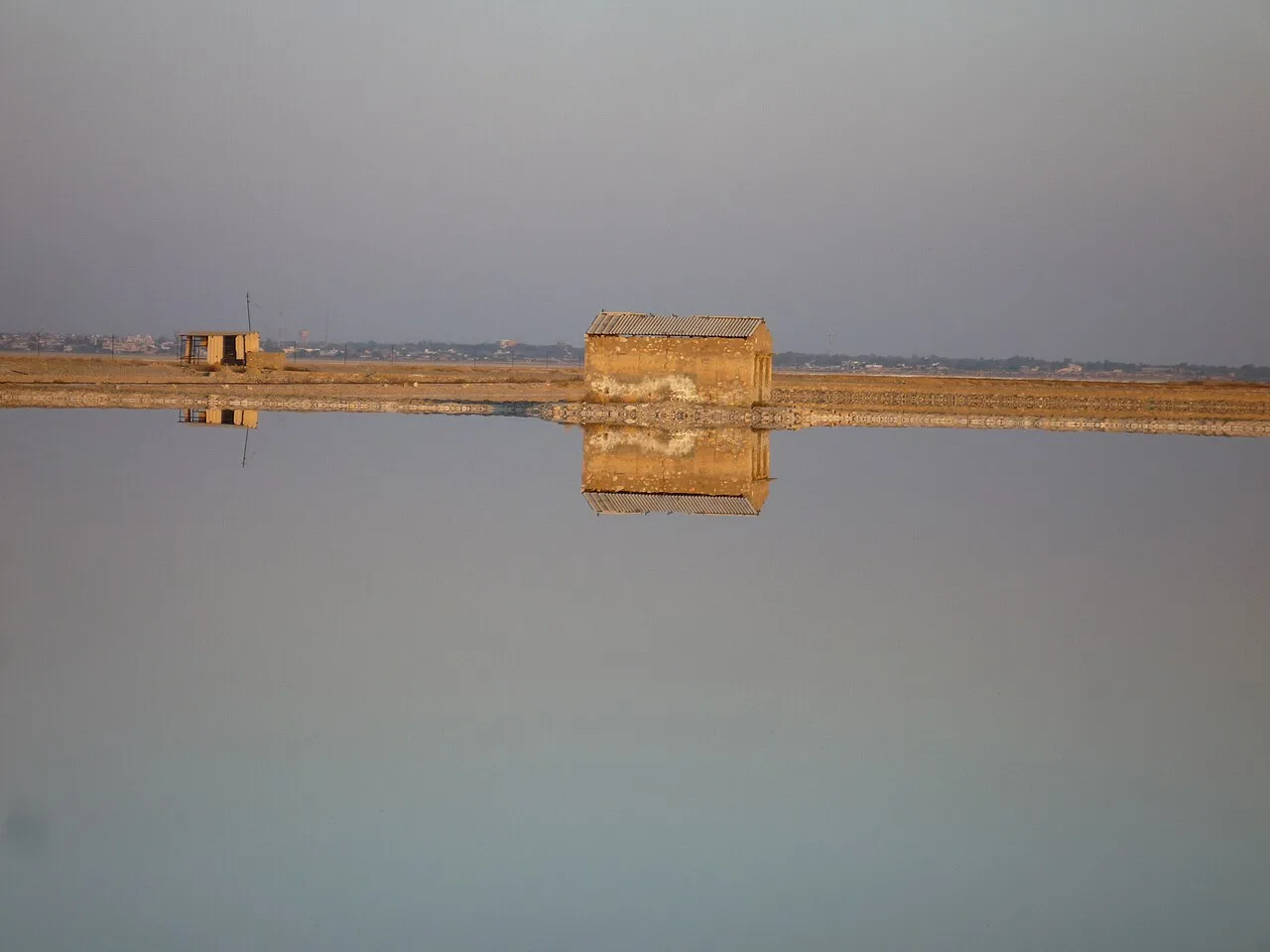
Sambhar Salt Lake is Rajasthan’s largest inland salt lake, in Jaipur district. Visitors come to see the lake and the historic settlement of Sambhar Lake Town, which it surrounds.

Samode

103 km away · Jaipur district

Samode

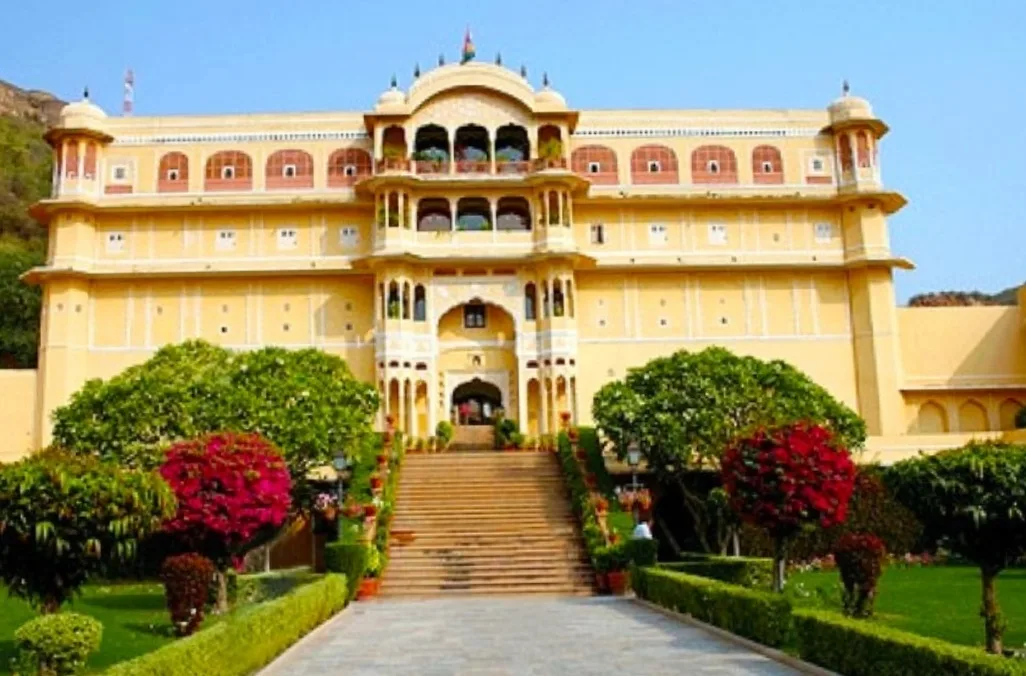
Samode is a village in Rajasthan’s Aravalli hills, north-west of Jaipur. Visitors come for its palace, haveli and garden, historic properties now operated as heritage hotels.

Amber Fort

124 km away · Jaipur district

Amber Fort

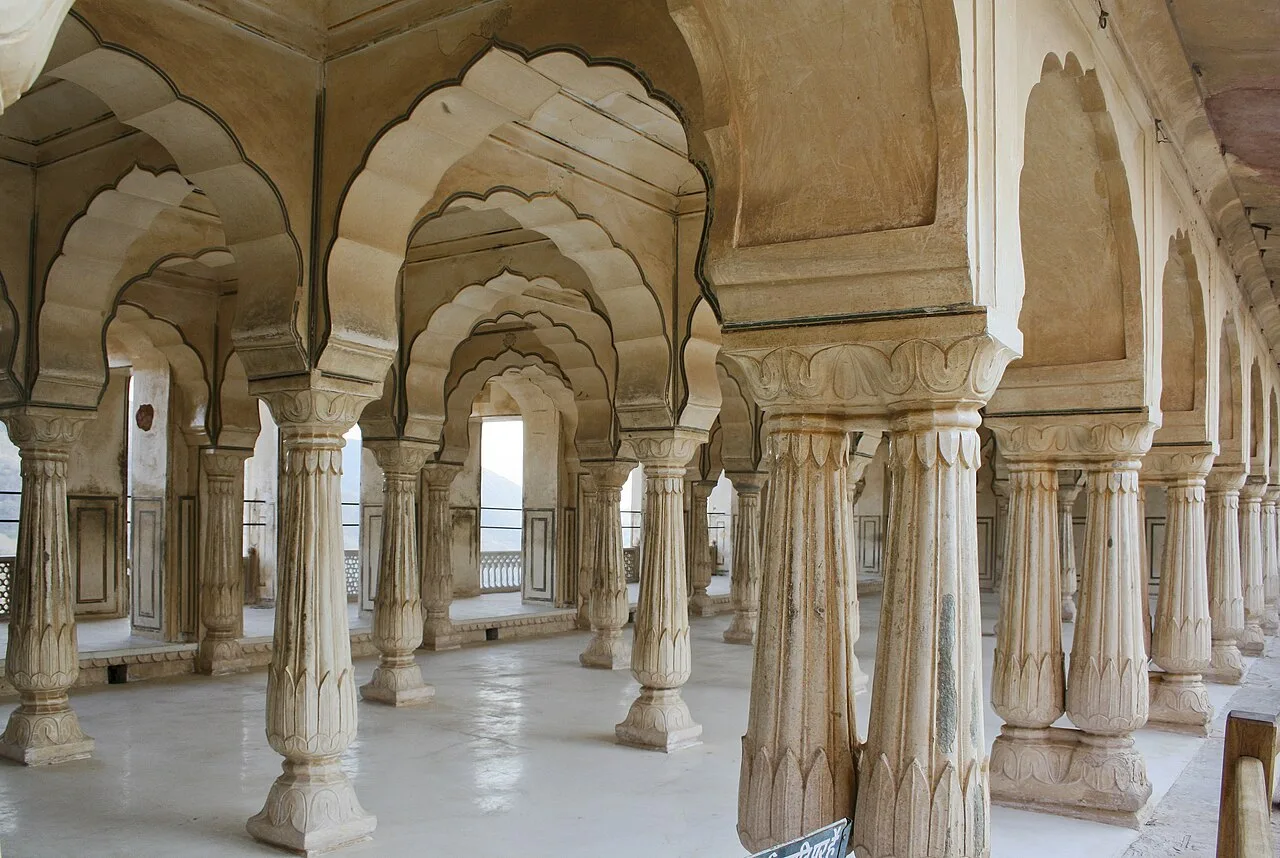
Amber Fort, also known as Amer Palace, is a hilltop fort in Amer, Rajasthan. Visitors explore its Rajput and Mughal-influenced design, palace halls and setting above Maota Lake.

Jaigarh Fort

124 km away · Jaipur district

Jaigarh Fort

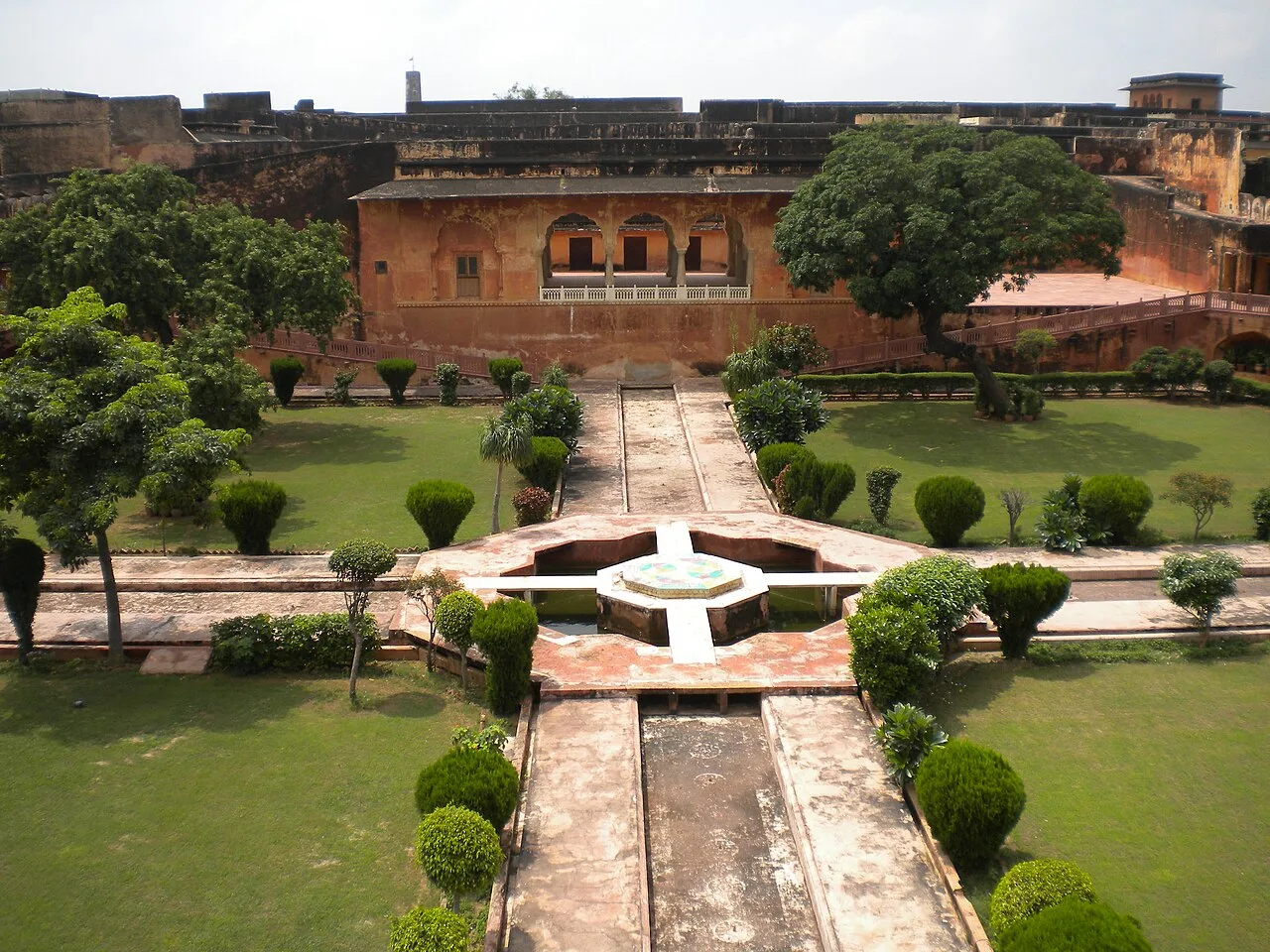
Near Amer in Rajasthan, Jaigarh Fort occupies a hilltop above Amer Fort and Maota Lake. Visitors come to see its historic fortifications, its connection to Amer Fort and the Jaivana cannon.

Map

Laxmangarh on the map

  1. 1Nawalgarh
  2. 2Mandawa
  3. 3Tal Chhapar Sanctuary
  4. 4Khatu Shyam Temple
  5. 5Sambhar Salt Lake
  6. 6Samode
  7. 7Amber Fort
  8. 8Jaigarh Fort

Rajasthan

Other cities to explore