Ghumoopedia — Explore, Discover, Experience
Sign in
Tal Chhapar Sanctuary, near Dungargarh

City guide · Rajasthan

Dungargarh

Dungargarh, also known as Shri Dungargarh, is a town and tehsil in Bikaner district, in the arid Thar Desert region of north-western Rajasthan. Its importance today comes chiefly from its role as a local administrative and market centre: it serves as a tehsil headquarters and the seat of a panchayat samiti, connecting surrounding settlements with services and trade.

Famous for

  • Thar Desert setting
  • Maharaja Dungar Singh-era origins
  • Bikaner–Ratangarh rail link
  • National Highway 11
  • Regional market-town role

Why Dungargarh matters

Dungargarh, also known as Shri Dungargarh, is a town and tehsil in Bikaner district, in the arid Thar Desert region of north-western Rajasthan. Its importance today comes chiefly from its role as a local administrative and market centre: it serves as a tehsil headquarters and the seat of a panchayat samiti, connecting surrounding settlements with services and trade.

The town is also a practical stop on the road and rail routes between Bikaner and Ratangarh. National Highway 11 passes through the area, while Dungargarh railway station links it to destinations including Bikaner and Ratangarh, with onward connections to other parts of Rajasthan and northern India. Visitors are more likely to come for a glimpse of everyday life in a desert-region town, local religious sites and the surrounding landscape than for a large collection of major tourist attractions. Its appeal lies in its regional character and its place within the wider Bikaner area.
Famous for: crafts, trade & products

Dungargarh is not especially known for a signature textile, handicraft or GI-tagged product of its own. Its everyday bazaars mainly serve local residents and nearby villages, with shops for groceries, clothing, household goods and regional snacks. For visitors, these market streets offer a modest way to see the town’s commercial life and pick up practical supplies or locally sold sweets and savoury foods.

The wider Bikaner region is associated with products such as Bikaneri bhujia, but that specialty is identified with Bikaner rather than being unique to Dungargarh. Packaged regional snacks may be available in town shops; look for clear product labelling if seeking a particular origin. There is no widely established craft market or dedicated shopping district to plan a visit around. Dungargarh’s better-known role is as a service and transport centre for its surrounding area, rather than as a manufacturing hub or destination for specialist shopping.

History

Dungargarh is believed to have been founded during the rule of Maharaja Dungar Singh of Bikaner, whose reign ran from 1872 to 1887. The town’s name reflects its association with the Bikaner ruler, and its early development was tied to the princely state’s administration and settlement of the region. Detailed accounts of its early urban growth are limited, so its history is best understood within the broader story of Bikaner and its desert hinterland.

During the colonial period, Bikaner remained a princely state under British paramountcy. Dungargarh continued to serve local communities as a settlement and market point. After Indian independence and the integration of princely states, it became part of Rajasthan and developed further as an administrative centre. Its status as a tehsil headquarters and panchayat-samiti centre, together with road and railway connections, has shaped its modern role. Today it supports nearby villages through local services, commerce and transport links.

Food, festivals & culture

Daily life reflects the wider Marwari and Rajasthani culture of the Bikaner region. Hindi and Marwari are commonly used, with local speech heard in markets and neighbourhoods. Food traditions draw on ingredients suited to a dry climate: meals may include bajra roti, pulses, ker-sangri and other savoury dishes. Sweets and snacks are part of festive and family gatherings; Bikaneri-style savouries are associated with the wider district, though they are not unique to Dungargarh.

Holi, Diwali, Teej and Gangaur are observed in their usual seasonal periods, alongside religious and family occasions. Community celebrations may include regional folk music and dance, although performances are not a guaranteed visitor attraction. Neighbourhood temples and local shrines are part of the town’s religious life. Visitors should approach worship spaces respectfully and check locally about access or any special observances.

Visiting the city

The cooler months, roughly October to March, are generally the most comfortable time to visit; summers can be intensely hot, and monsoon rain is limited and variable. The nearest airport is Bikaner Airport at Nal, though scheduled services may be limited; Jaipur is a larger alternative for air connections. The main railway station is Shri Dungargarh, also shown as Dungargarh, on the Bikaner–Ratangarh line.

National Highway 11 provides road access. Within town, local autos and taxis may be available, while short distances can often be covered on foot. Explore the central bazaar and streets around the railway station for a sense of everyday town life, and ask locally about nearby temples or places of interest. Dungargarh works well as a brief stop or a base for local travel rather than as a major sightseeing hub.

Trips from the city

Nearest places to visit from Dungargarh

Our closest destination guides, by straight-line distance.

Tal Chhapar Sanctuary

53 km away · Churu district

Tal Chhapar Sanctuary

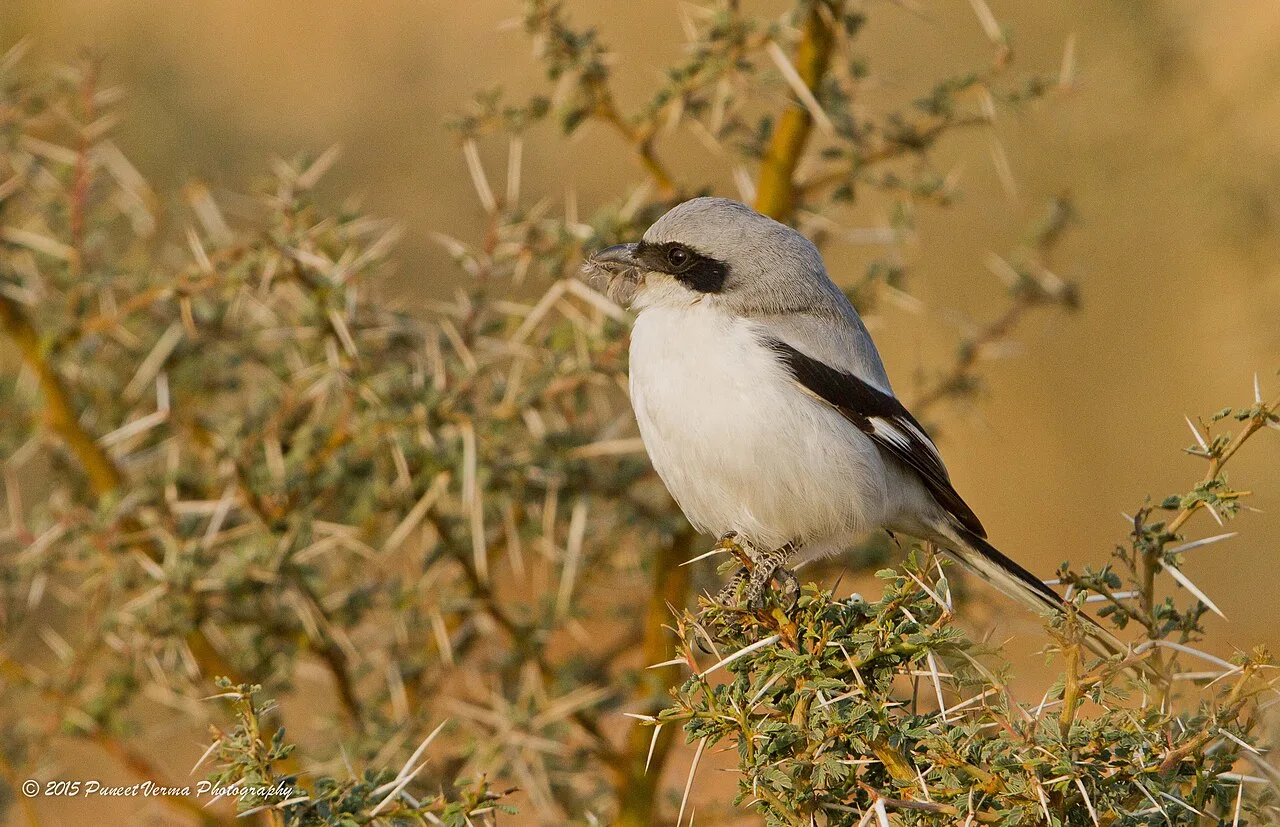
Tal Chhapar is a wildlife sanctuary in Rajasthan’s Churu district, known for blackbucks and birdlife. Visitors come to see its wildlife in a setting near the Great Indian Desert.

Lalgarh Palace

67 km away · Bikaner district

Lalgarh Palace

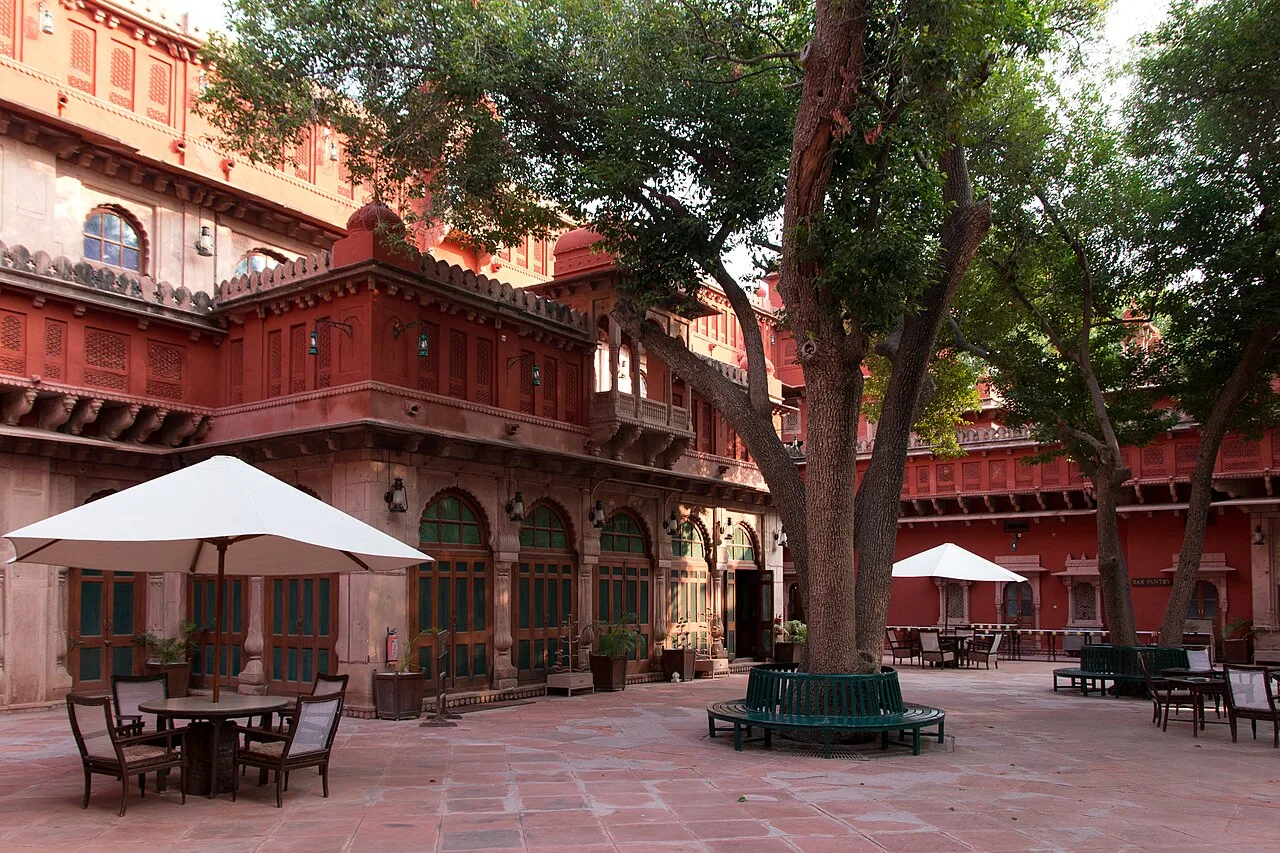
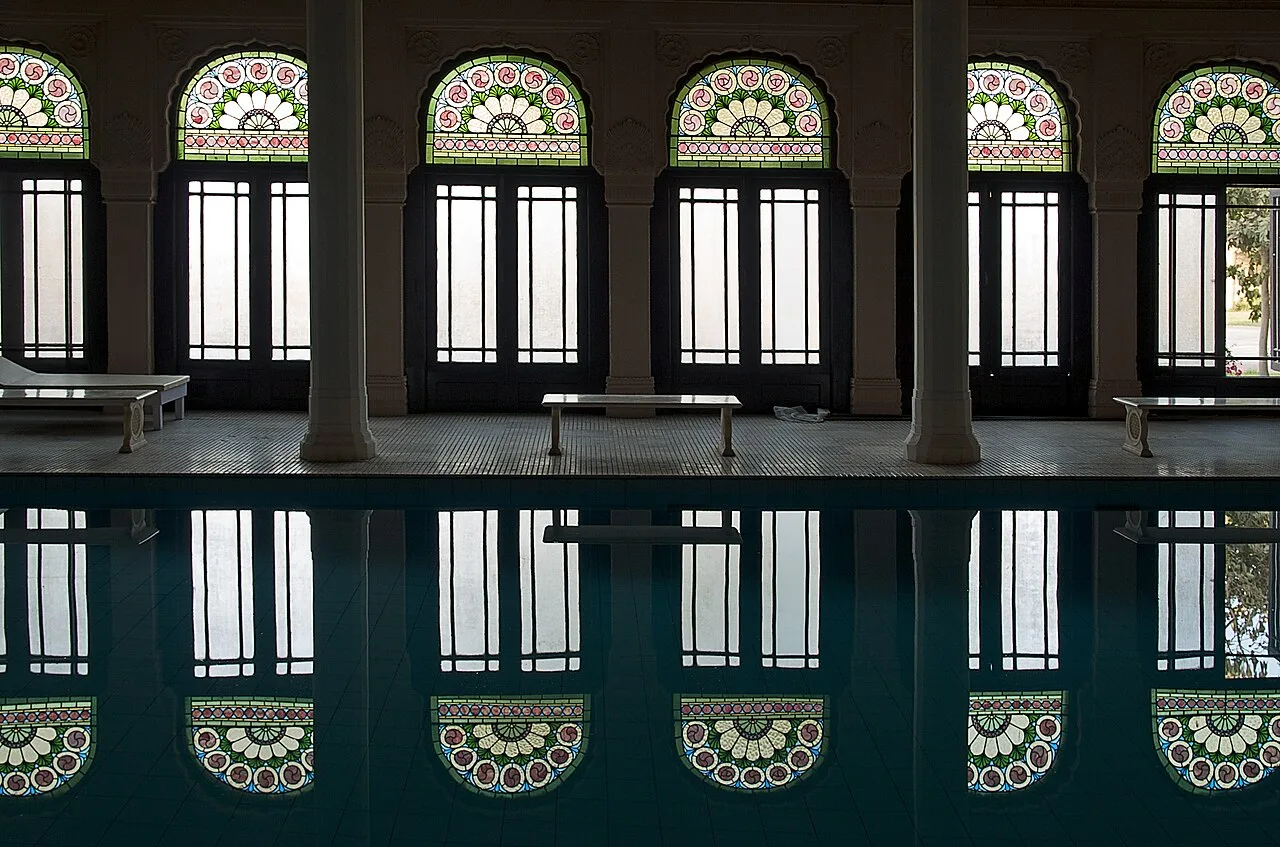
Lalgarh Palace is a palace and heritage-hotel property in Bikaner, Rajasthan, created for Maharaja Sir Ganga Singh. Visitors come to see the residence and its links to Bikaner’s royal history.

Junagarh Fort

68 km away · Bikaner district

Junagarh Fort

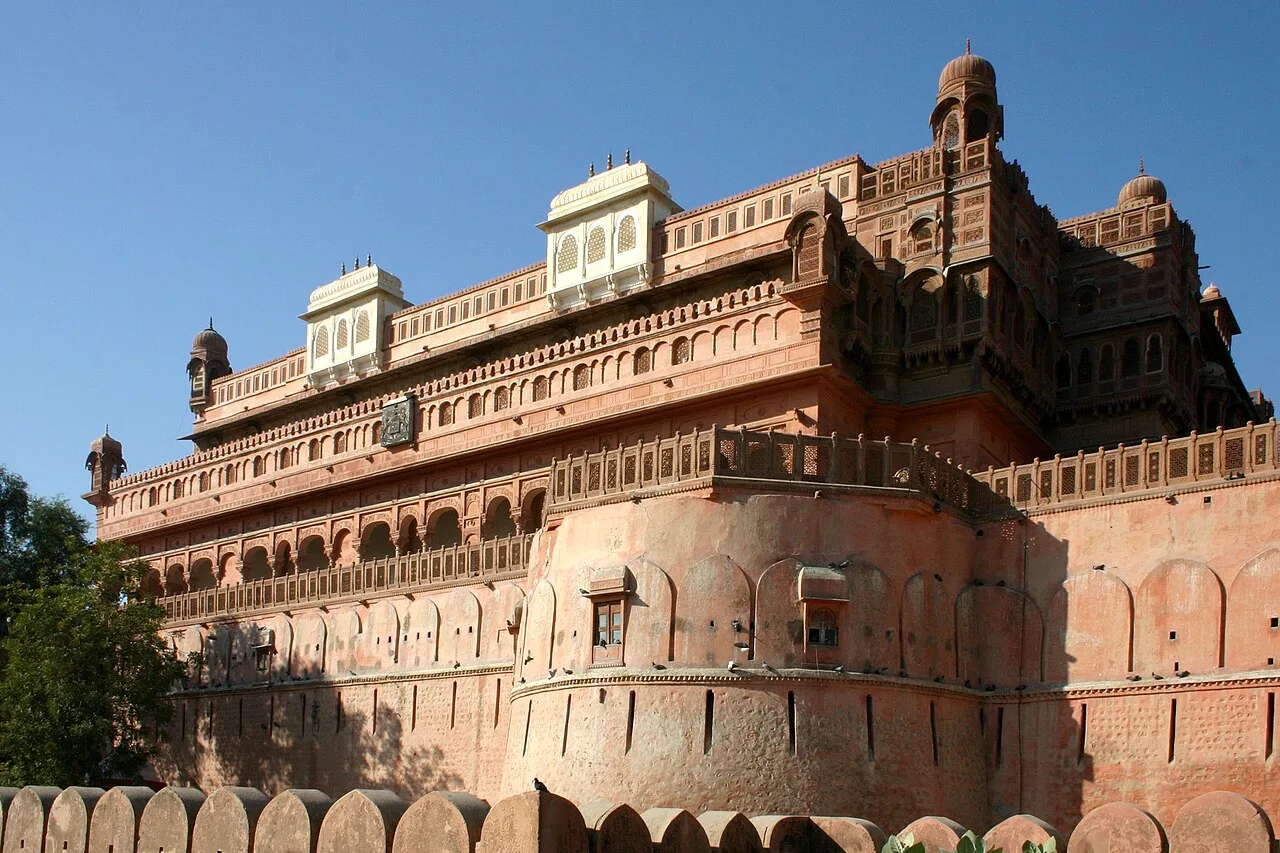
Junagarh Fort is a historic complex in Bikaner, Rajasthan, known for its palaces, temples and pavilions. Visitors can explore its layered history and blend of architectural traditions.

Karni Mata Temple

74 km away · Bikaner district

Karni Mata Temple

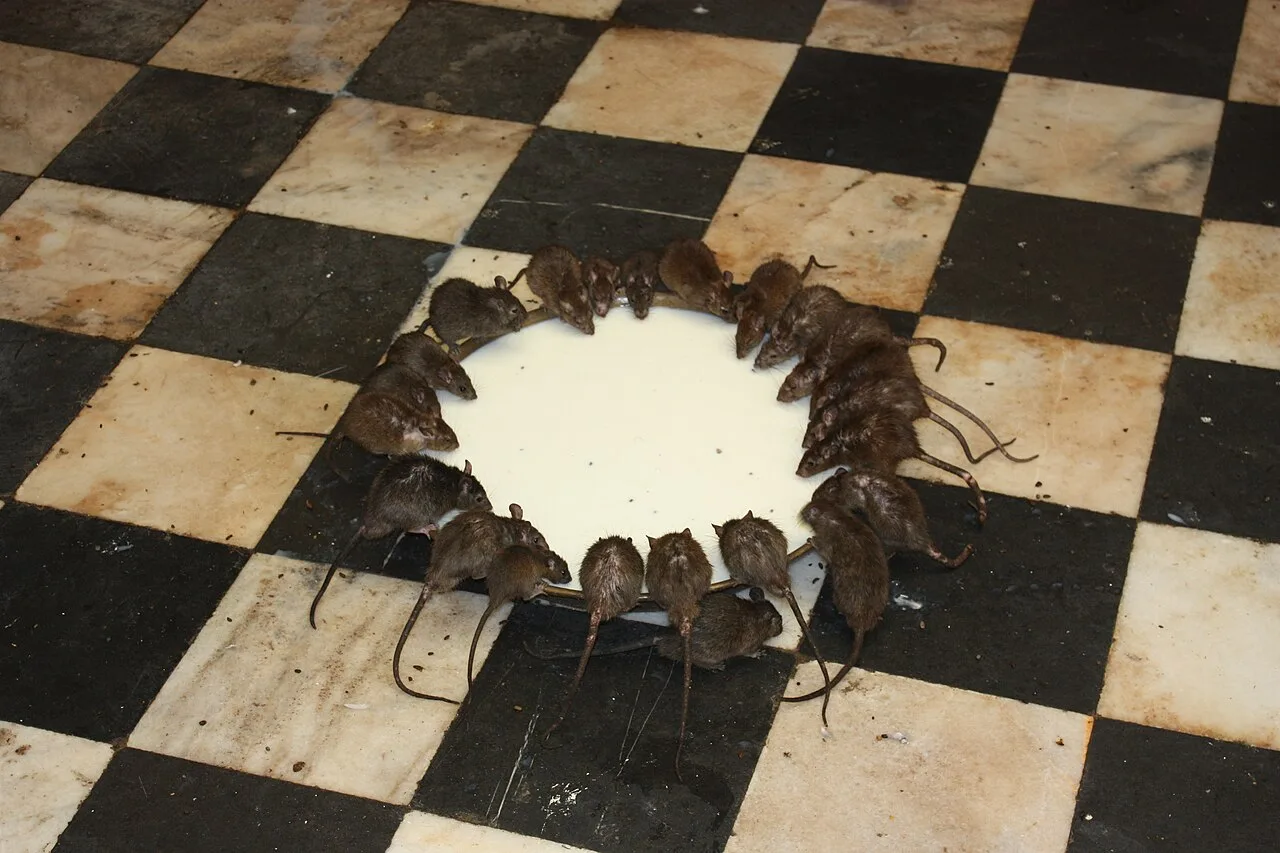
Karni Mata Temple is a Hindu shrine in Deshnoke, Rajasthan, associated with Karni Mata and sacred kābā rodents. Pilgrims seek blessings there, while visitors come to see its distinctive rat population.

Gajner Palace

95 km away · Bikaner district

Gajner Palace

Gajner Palace, in Rajasthan’s Bikaner district, was used by the maharajas of Bikaner as a hunting lodge and now operates as a heritage hotel. Visitors come to stay at the palace.

Mandawa

112 km away · Jhunjhunu district

Mandawa

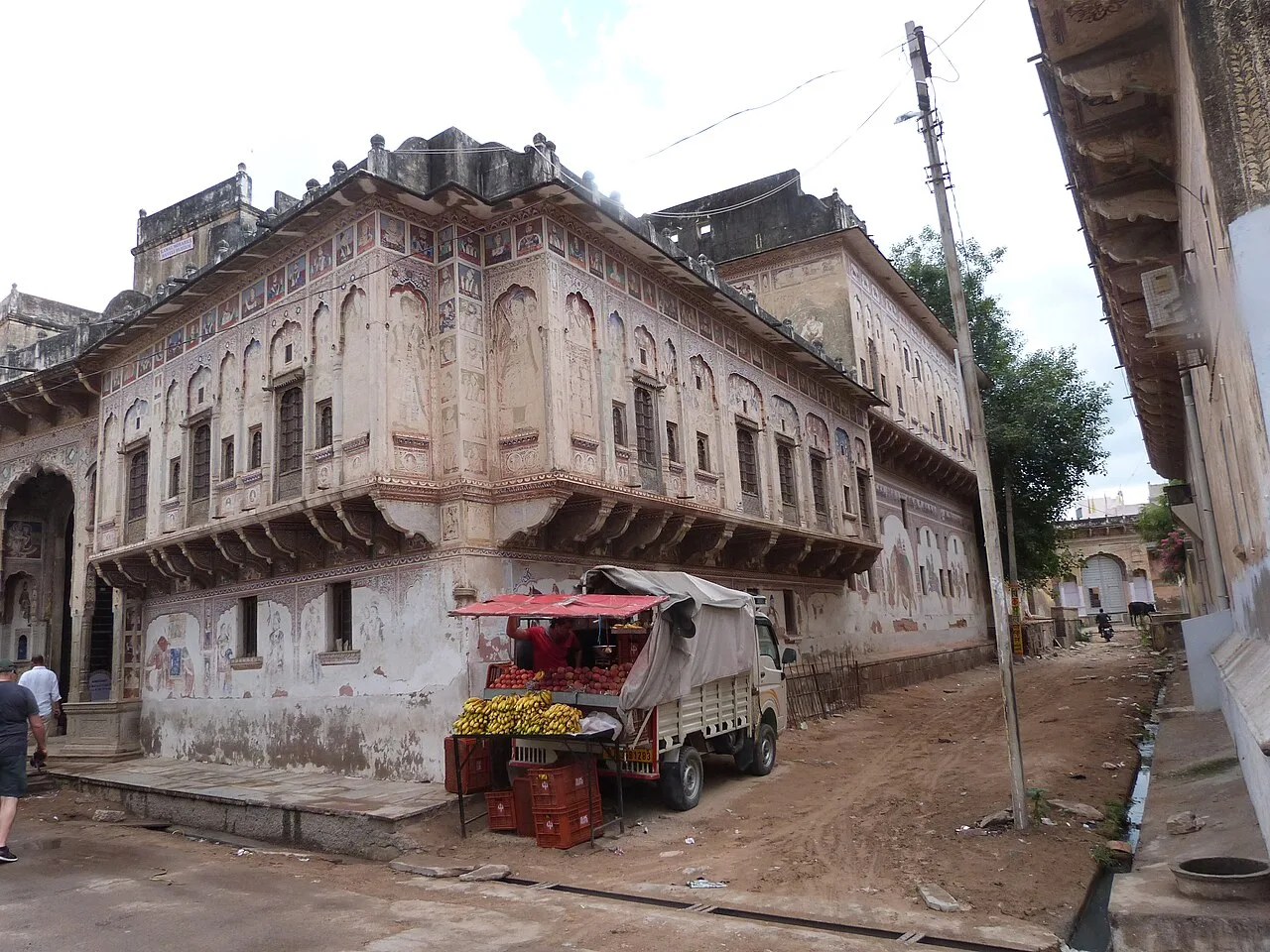
Mandawa is a town in Rajasthan’s Jhunjhunu district, within the Shekhawati region. Travellers visit it as part of journeys through the region and nearby Jhunjhunu.

Nawalgarh

127 km away · Jhunjhunu district

Nawalgarh

Nawalgarh is a heritage city in Rajasthan’s Shekhawati region, within Jhunjhunu district. Visitors are drawn by its heritage character, and it is 30.5 km from Sikar and 39.2 km from Jhunjhunu.

Kalibangan

154 km away · Hanumangarh district

Kalibangan

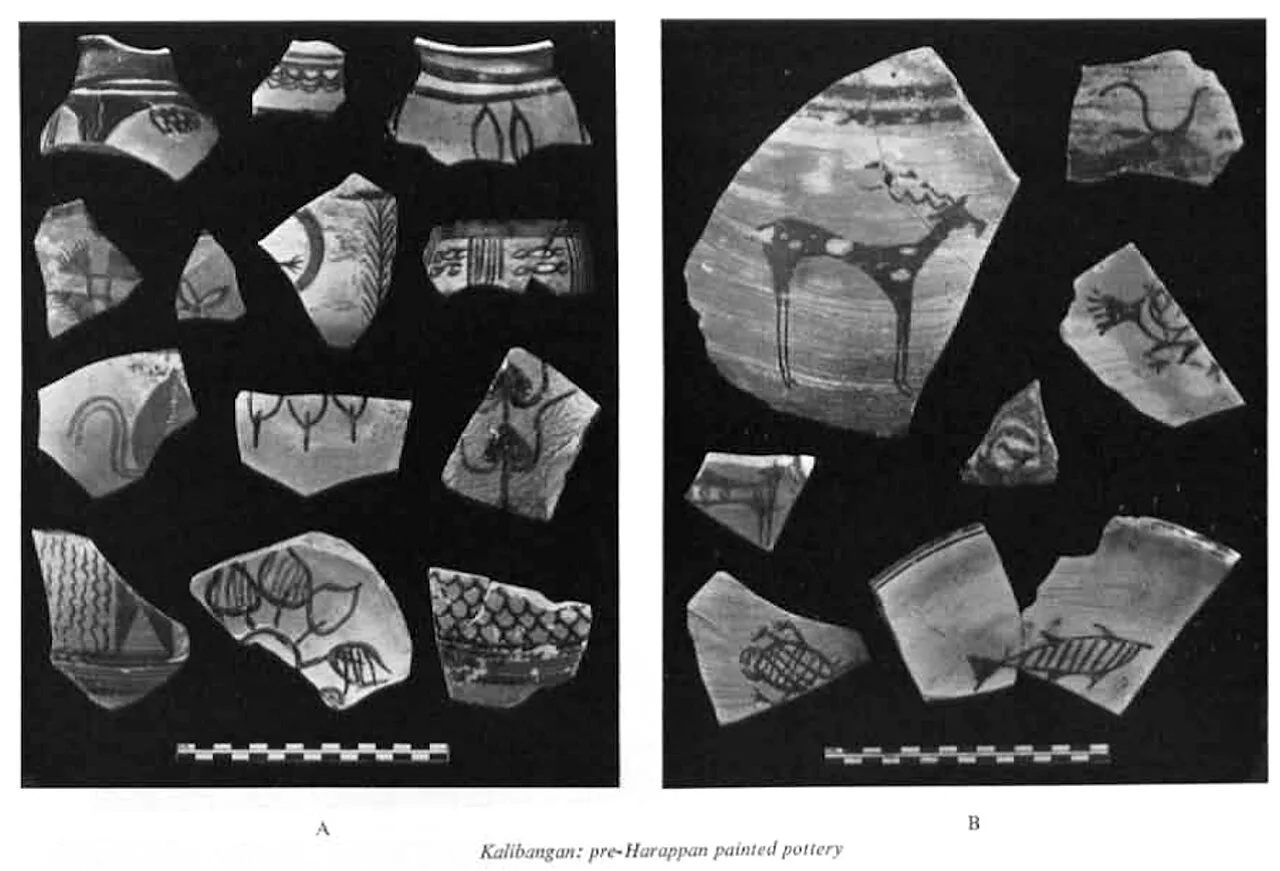
Kalibangan is an archaeological town in Hanumangarh district, Rajasthan, beside the Ghaggar. Visitors come to explore its Indus Valley Civilization remains, including fire altars and evidence of an ancient ploughed field.

Map

Dungargarh on the map

  1. 1Tal Chhapar Sanctuary
  2. 2Lalgarh Palace
  3. 3Junagarh Fort
  4. 4Karni Mata Temple
  5. 5Gajner Palace
  6. 6Mandawa
  7. 7Nawalgarh
  8. 8Kalibangan

Rajasthan

Other cities to explore