Ghumoopedia — Explore, Discover, Experience
Sign in

City guide · Rajasthan

Phalodi

Phalodi is a historic desert town in western Rajasthan and the headquarters of Phalodi district. Its position between Jodhpur, Bikaner and Jaisalmer has made it a regional centre for administration, trade and transport.

Famous for

  • Phalodi salt production
  • Latiyal Mata Temple
  • Khichan Demoiselle Cranes
  • Parshvanath Jain architecture
  • Plaster of Paris industry

Why Phalodi matters

Phalodi is a historic desert town in western Rajasthan and the headquarters of Phalodi district. Its position between Jodhpur, Bikaner and Jaisalmer has made it a regional centre for administration, trade and transport. The surrounding arid landscape and nearby salt-producing areas shape both the town’s economy and its distinctive setting.

Visitors come for Phalodi’s old temples, fort and traditional townscape, as well as for Khichan, a village about four kilometres away renowned for the seasonal arrival of Demoiselle Cranes, locally called kurjan. The Latiyal Mata Temple is an important place of worship, while the town’s Jain temples are noted for their stonework and historic interiors. Salt and plaster-of-Paris production remain among Phalodi’s best-known industries. Summers can be exceptionally hot: a temperature of 51°C was recorded here in 2016, a verified national high. Phalodi is therefore best explored in the cooler months, when its religious heritage, desert surroundings and birdlife can be enjoyed more comfortably.
Famous for: crafts, trade & products

Phalodi’s best-known trade is salt production. Salt works in the surrounding region, including the area known as Rin, supply a significant part of the local economy. The town is also associated with plaster of Paris and other small-scale industries. These are practical, working industries rather than visitor-facing craft attractions; there is no widely established Phalodi specialty in textiles, sarees or a GI-tagged handicraft. For a sense of local commerce, explore the town’s central market streets and ask locally about salt and building-material producers, as individual outlets and access to production sites can vary.

The town’s most distinctive architectural legacy is found in its religious buildings. Phalodi has several Jain temples and dadabaris; the Parshvanath Jain temple is especially noted for its stone construction and decorative old Belgian glass. Latiyal Mata Temple is another prominent landmark, with a silver throne made for the goddess. These temples are places of worship, so visitors should follow local customs and check on access before planning a visit. For a nearby nature experience rather than shopping, Khichan is known for the seasonal cranes that gather there.

History

Phalodi’s history is reflected in older temple inscriptions and changing regional rule. An inscription at the Kalyanji temple refers to Vijay Nagar Patan, suggesting an earlier settlement in the area. The town is also associated with the name Phalvardhika and a foundation tradition linked to Brahmin Siddhuji Kalla and the goddess Maa Latiyal. The name Phalodi is said to have followed a contribution by Kalla’s widowed daughter, Phala, toward the town fort. A fort was built in 1488 by Hamir Singh, a grandson of Rao Suja.

Phalodi was initially part of Bikaner State. In 1615 it came under the Jodhpur state, under Rao Sur Singh, during the Mughal period, and remained associated with Jodhpur thereafter. Under British rule, the railway reached the town in 1914, strengthening its links with the wider region. In modern Rajasthan, Phalodi has developed as a district headquarters and a centre for administration, transport, salt production and other small industries.

Food, festivals & culture

Phalodi’s food reflects the dry climate and wider Marwari cooking traditions. Visitors may find hearty dishes such as dal baati churma, bajra roti, gatte ki sabzi and ker sangri, along with familiar Rajasthani sweets including ghevar or mawa-based treats in local shops. Menus vary, and these foods are regional rather than exclusive to Phalodi. Tea and simple vegetarian meals are easy to seek out around the market area.

Hindu festivals, Jain observances and local temple traditions shape the town’s calendar. Navratri brings particular activity at Latiyal Mata Temple, while Holi and Diwali are widely observed; Teej is also celebrated in the broader region, usually during the monsoon season. Hindi and Marwari are commonly heard, with Rajasthani speech traditions part of everyday life. Folk music and dance forms from the Marwar region may be encountered at community celebrations, though performances are not a daily tourist attraction. The town’s temples—including Latiyal Mata and its Jain shrines—remain central places of worship and community life. Khichan’s seasonal crane gatherings are another distinctive part of the area’s local identity.

Visiting the city

The most comfortable time to visit is generally October to March. April through June can bring severe heat, while the monsoon usually falls from late June to September. Phalodi Railway Station, also known as Phalodi Junction, is the main rail stop on the Jodhpur–Jaisalmer route. The nearest civilian airport is Jodhpur Airport, roughly 130 kilometres away; Phalodi’s nearby airfield is not open for general passenger use.

Buses and taxis connect Phalodi with Jodhpur, Bikaner and Jaisalmer. Within town, local taxis and auto-rickshaws are useful, while the central area can be explored on foot in cooler weather. Spend time around the old town, the fort and its temples, including Latiyal Mata and the Jain shrines. Khichan, about four kilometres away, is a worthwhile nearby outing, especially during the crane season.

Trips from the city

Nearest places to visit from Phalodi

Our closest destination guides, by straight-line distance.

Osian

71 km away · Jodhpur district

Osian

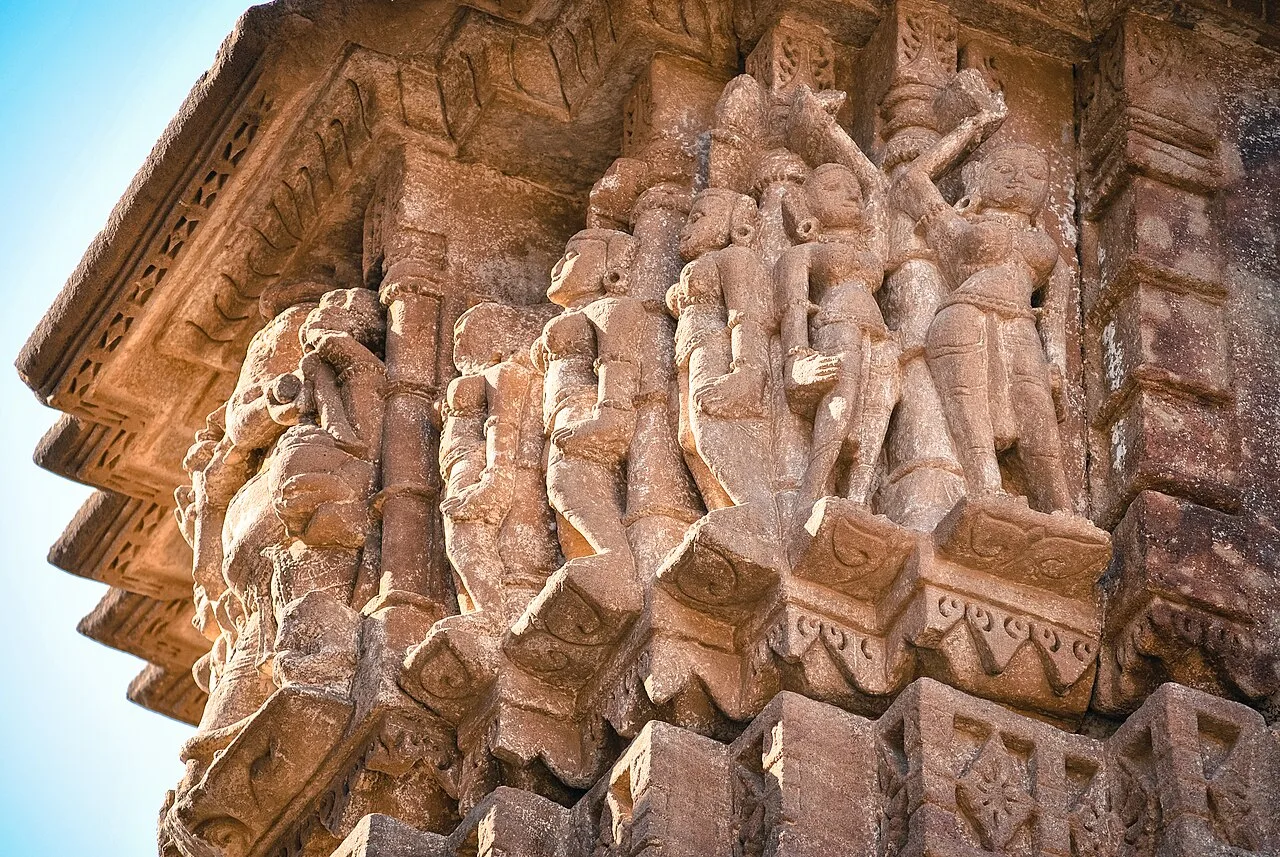
Osian is an ancient settlement and tehsil headquarters in Rajasthan’s Jodhpur district, known for its eighth- to twelfth-century Hindu and Jain temples and its history as a trading and religious centre.

Mandore

109 km away · Jodhpur district

Mandore

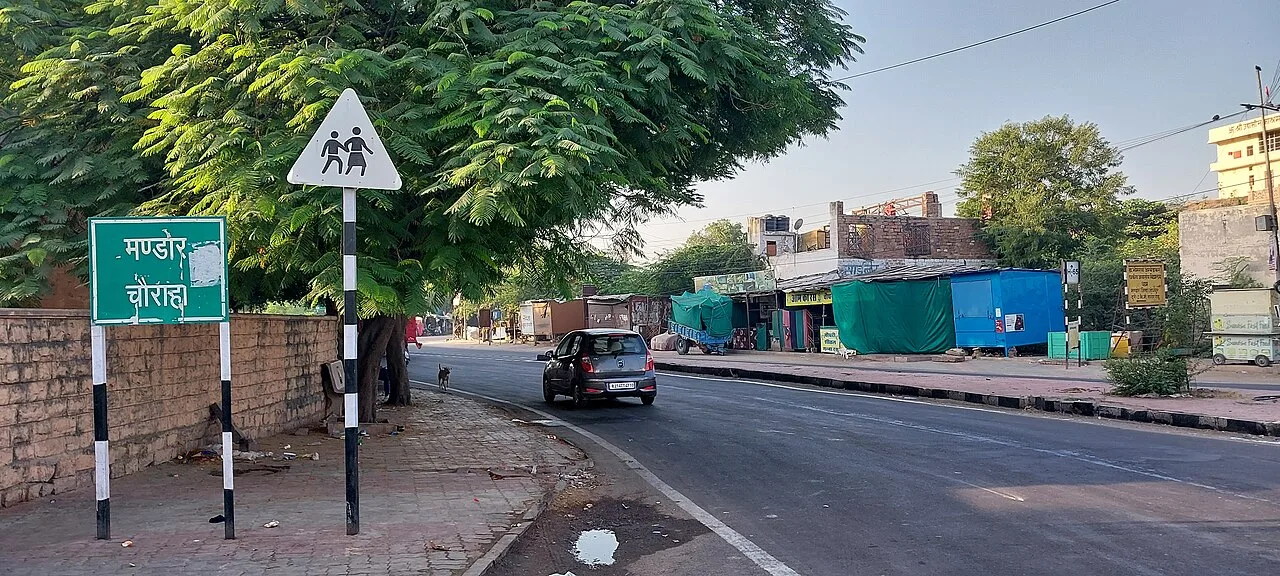
Mandore is a historic settlement and suburb in Rajasthan’s Jodhpur district, about nine kilometres north of Jodhpur. Visitors may be drawn by its historical character and proximity to the city.

Gajner Palace

113 km away · Bikaner district

Gajner Palace

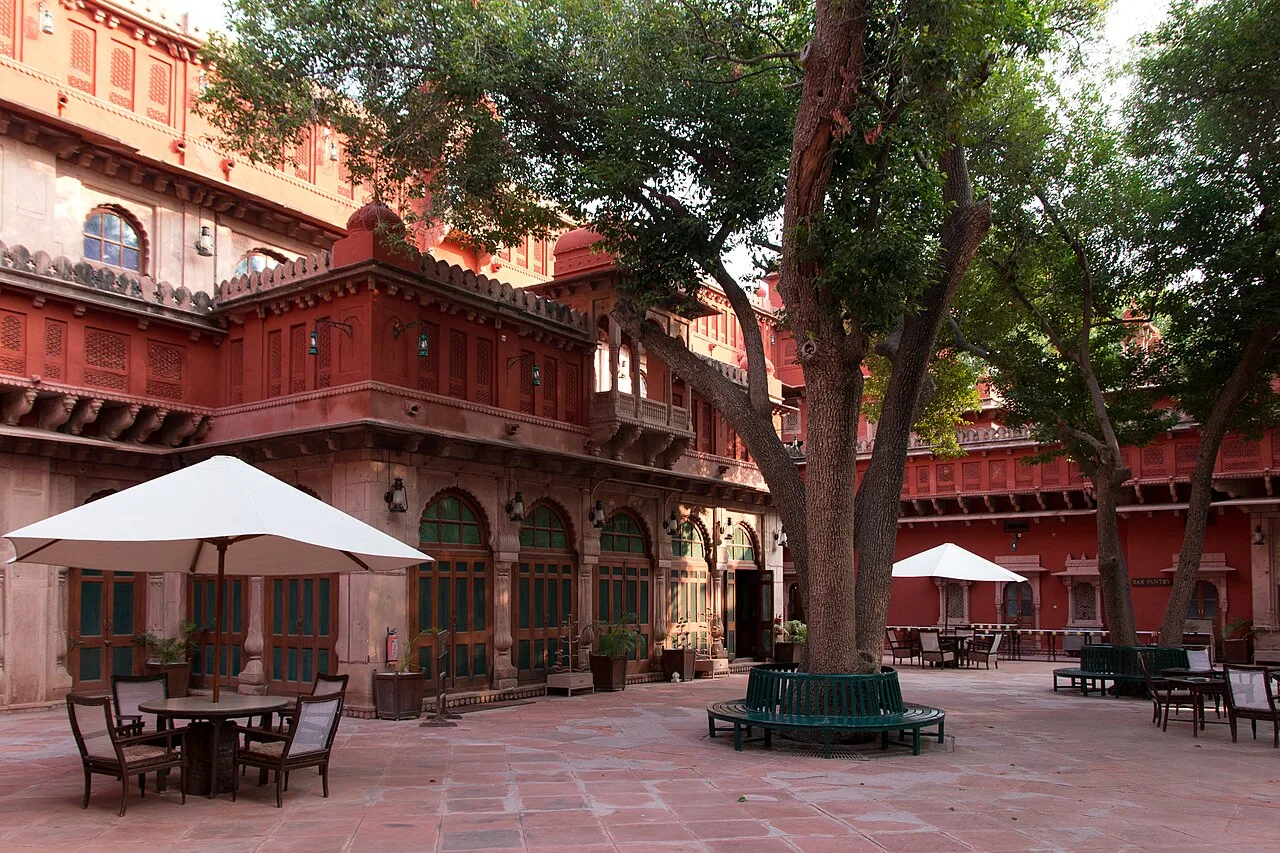
Gajner Palace, in Rajasthan’s Bikaner district, was used by the maharajas of Bikaner as a hunting lodge and now operates as a heritage hotel. Visitors come to stay at the palace.

Jaswant Thada

113 km away · Jodhpur district

Jaswant Thada

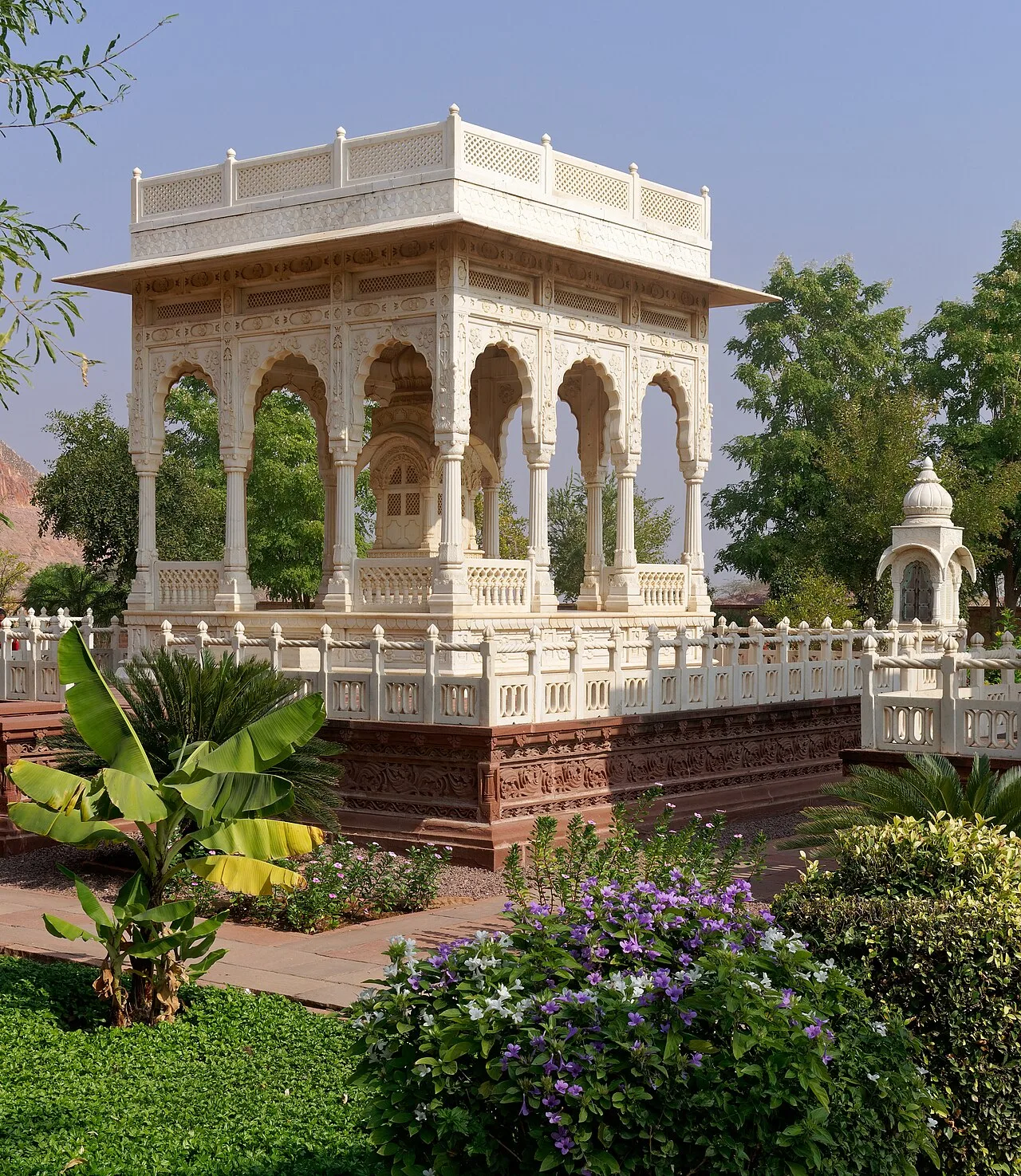
Jaswant Thada is a marble memorial in Jodhpur, Rajasthan, built in honour of Maharaja Jaswant Singh II. Visitors come to see its carved stonework, landscaped grounds and royal portraits.

Mehrangarh

113 km away · Jodhpur district

Mehrangarh

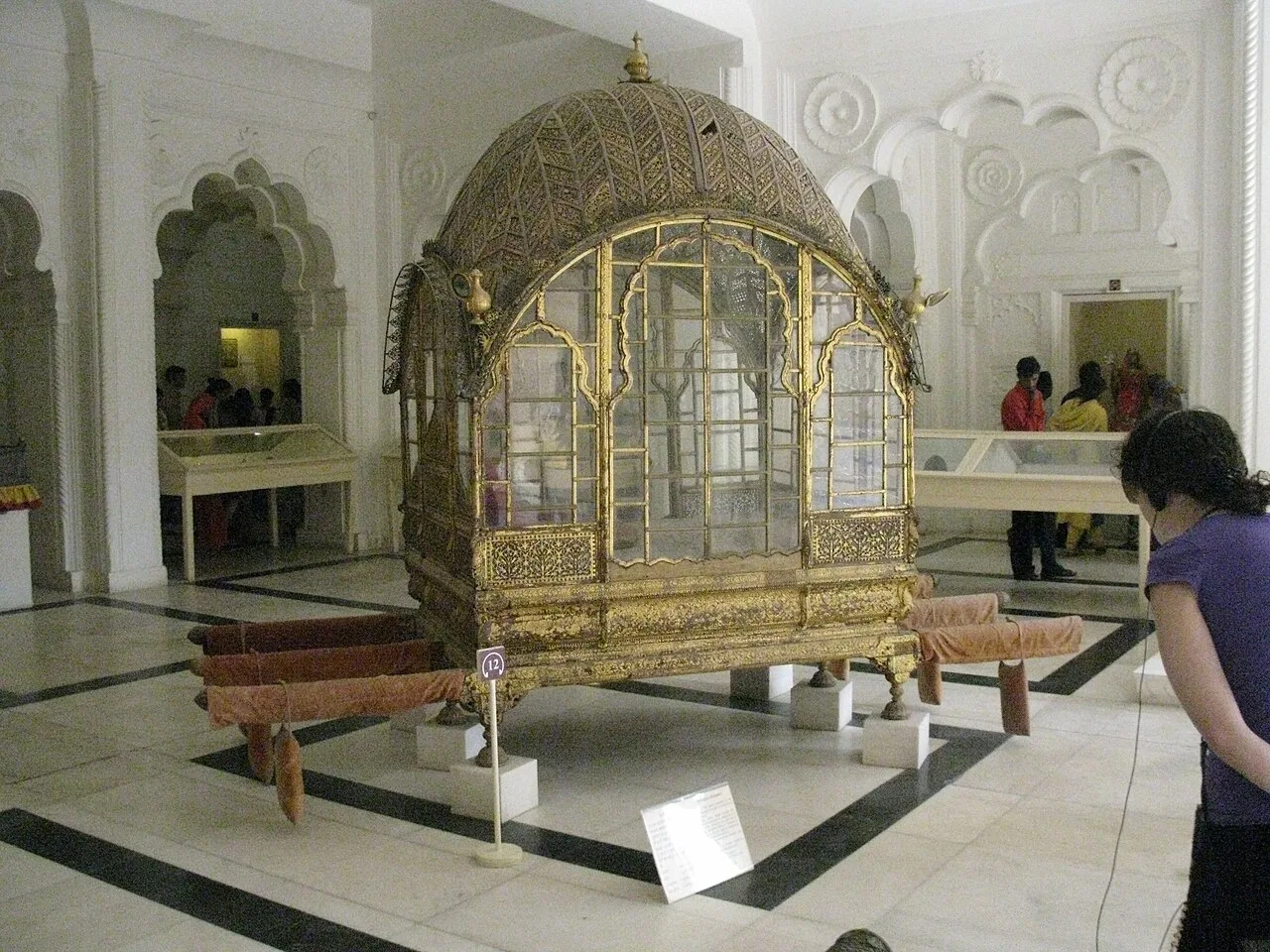
Mehrangarh is a historic hilltop fort in Jodhpur, Rajasthan. Visitors explore its palaces, temple and museum, and see the gates and memorials associated with its history.

Umaid Bhawan Palace

116 km away · Jodhpur district

Umaid Bhawan Palace

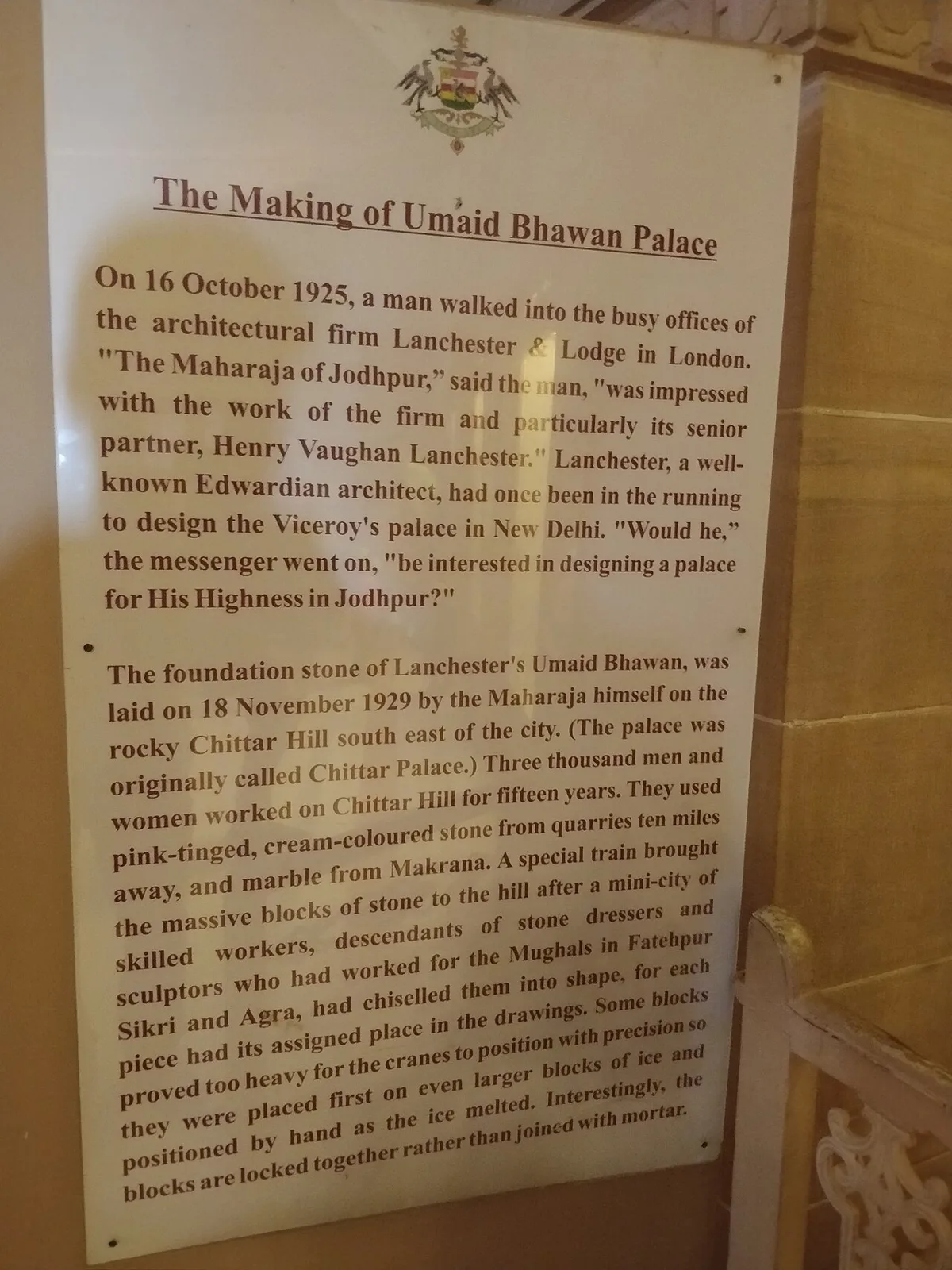
Umaid Bhawan Palace is a major residence in Jodhpur, Rajasthan, with a hotel-managed section and a museum. Visitors come to see the royal home and its museum.

Karni Mata Temple

121 km away · Bikaner district

Karni Mata Temple

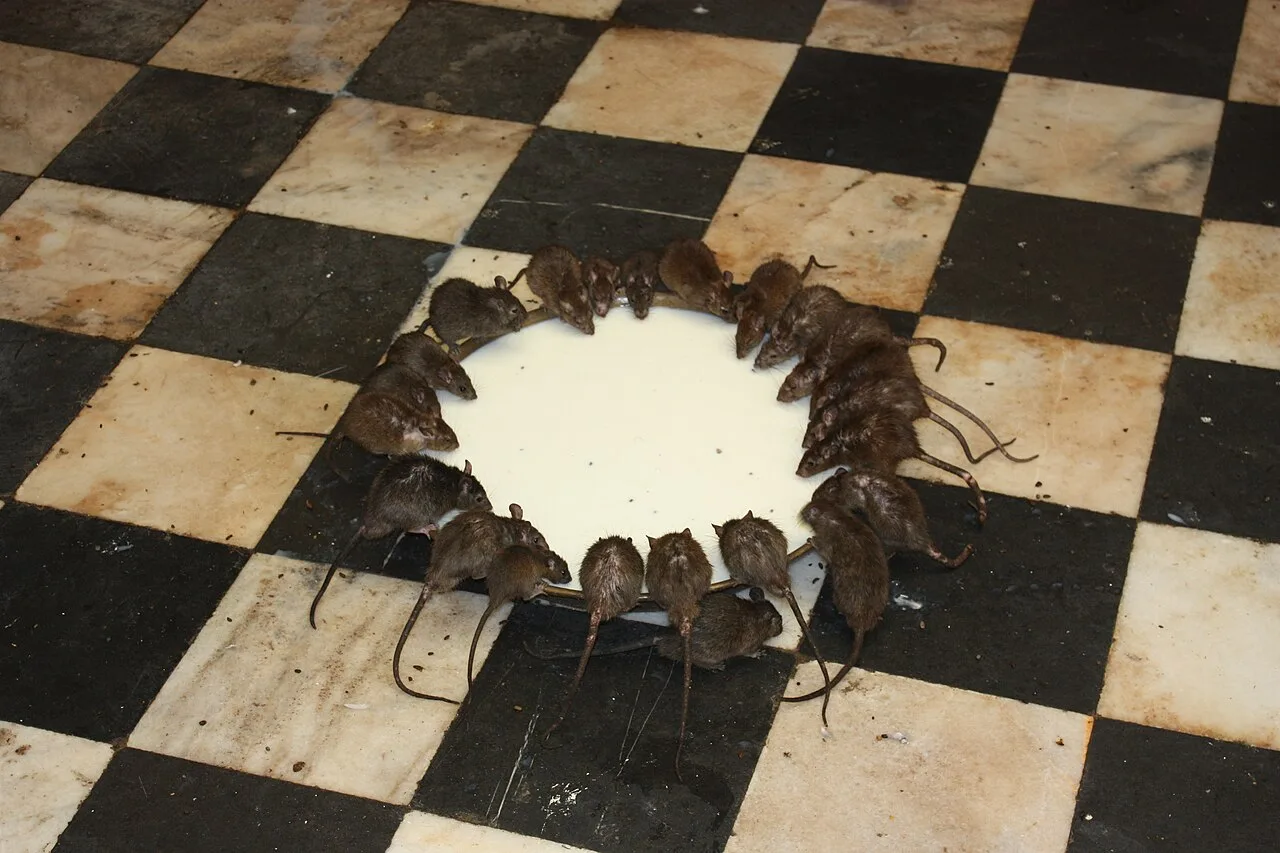
Karni Mata Temple is a Hindu shrine in Deshnoke, Rajasthan, associated with Karni Mata and sacred kābā rodents. Pilgrims seek blessings there, while visitors come to see its distinctive rat population.

128 km away · Jodhpur district

Salawas

Salawas is a village 22 km from Jodhpur, known for durries, or rugs, produced by local craftspeople. Visitors are drawn by its association with this traditional craft.

Map

Phalodi on the map

  1. 1Osian
  2. 2Mandore
  3. 3Gajner Palace
  4. 4Jaswant Thada
  5. 5Mehrangarh
  6. 6Umaid Bhawan Palace
  7. 7Karni Mata Temple
  8. 8Salawas

Rajasthan

Other cities to explore