Ghumoopedia — Explore, Discover, Experience
Sign in

City guide · Rajasthan

Banswara

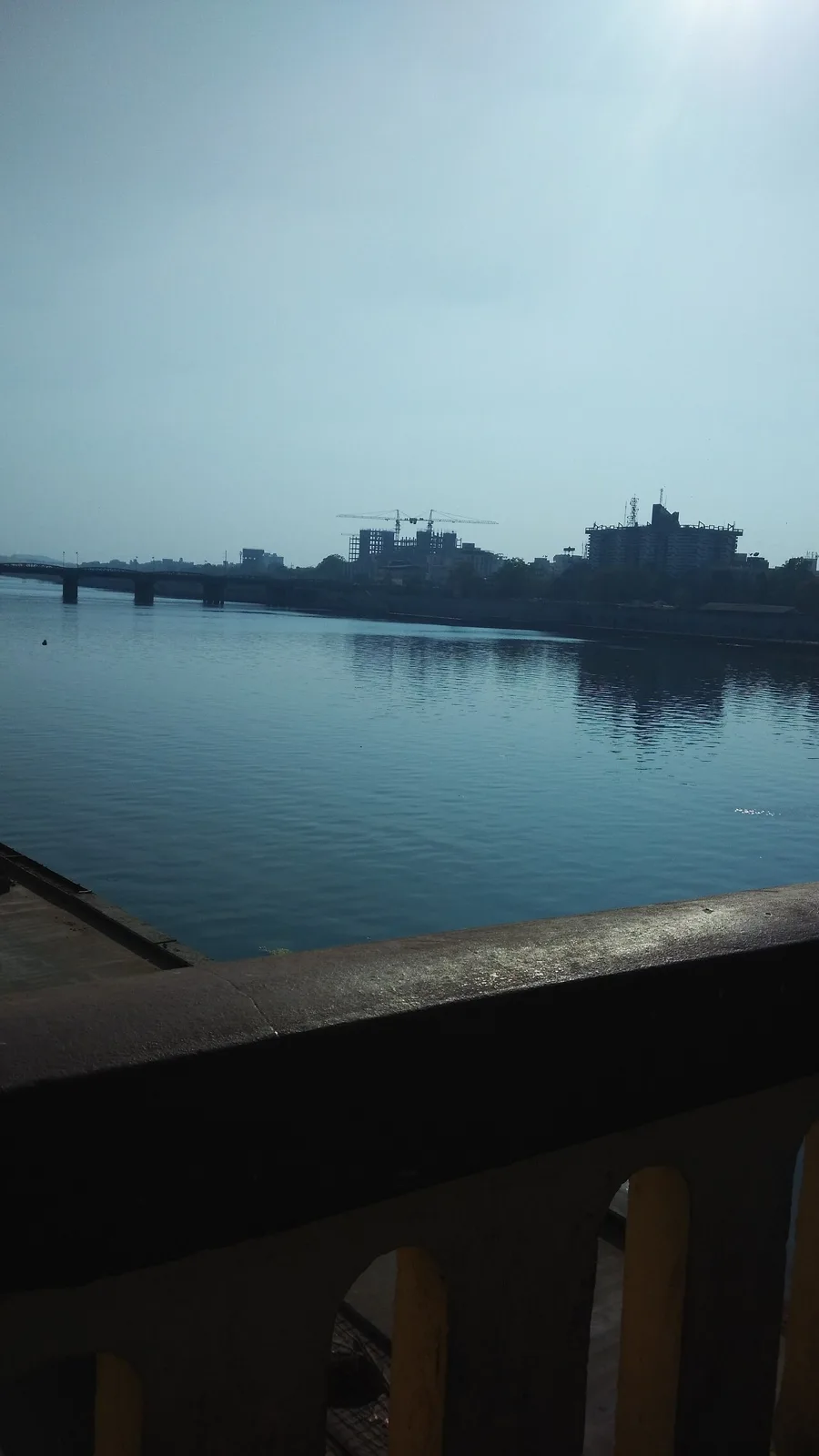
Banswara is a regional centre in southern Rajasthan, at the heart of the culturally distinctive Vagad region. Its setting differs from the arid image often associated with Rajasthan: monsoon rains green the surrounding countryside, while the Mahi River and the Mahi Bajaj Sagar reservoir shape a landscape of water, hills and small islands.

Famous for

  • Mahi Bajaj Sagar islands
  • Bhil and Wagdi heritage
  • Tripura Sundari Temple
  • Mangarh Dham history
  • Banswara textile industry
  • Monsoon-green landscapes

Why Banswara matters

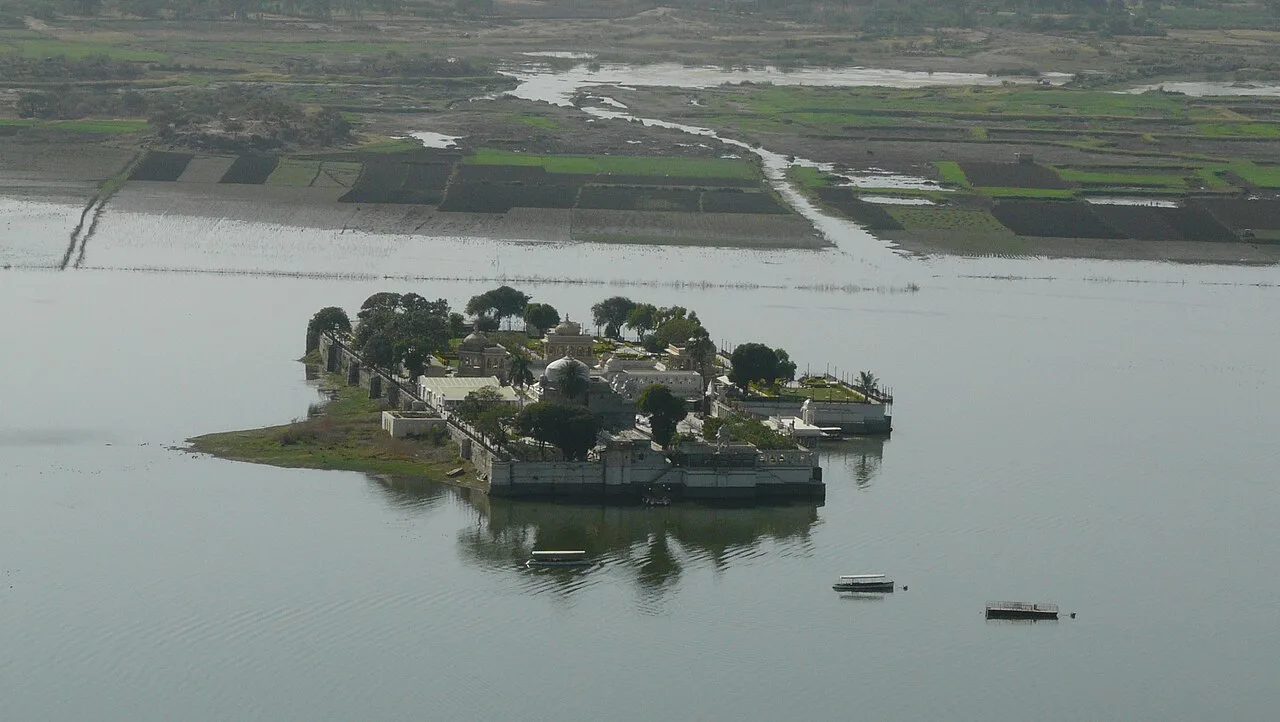
Banswara is a regional centre in southern Rajasthan, at the heart of the culturally distinctive Vagad region. Its setting differs from the arid image often associated with Rajasthan: monsoon rains green the surrounding countryside, while the Mahi River and the Mahi Bajaj Sagar reservoir shape a landscape of water, hills and small islands. The reservoir’s many islands have earned the area the nickname “City of a Hundred Islands.”

Visitors come for the region’s Bhil and Wagdi heritage, temples such as Tripura Sundari, and the history of Mangarh Dham, a memorial site associated with a major tribal uprising under Govind Guru. Banswara is also known for its textile industry and serves as a gateway to rural communities and sights across the district. The “Green City” and “Cherrapunji of Rajasthan” labels reflect its relatively abundant rainfall and seasonal greenery, rather than a guarantee of wet weather year-round. Together, its tribal history, religious sites and reservoir scenery give the city a character distinct from Rajasthan’s desert destinations.
Famous for: crafts, trade & products

Banswara has an established textile presence, including Banswara Syntex, a manufacturer associated with yarn, fabrics and blended textiles. This makes the city relevant to the wider textile trade, though it is not especially known for a signature saree tradition. For everyday textiles and locally traded goods, visitors can browse the central town’s general markets; specialist stock and factory-linked products may vary, so it is sensible to check locally before making a dedicated trip.

Bamboo is part of the region’s history and identity, and visitors may come across locally made tribal or bamboo crafts. Availability can be seasonal, and Banswara is not widely associated with a nationally recognised GI-tagged craft or textile product. The district also has mineral resources, including limestone, dolomite and soapstone, but these are part of regional extraction rather than typical visitor purchases. For a sense of local production, explore the town’s markets and ask about work by nearby artisans; for textiles, seek out established cloth retailers or the company’s own current sales channels rather than assuming a particular craft bazaar or product range.

History

Banswara was once a princely state ruled by the Maharavals and formed part of the Vagad region. The name is traditionally linked to Bansiya Bhil, while the area is also associated with abundant bamboo. Its history is closely connected to the Bhil communities who have long lived across the surrounding hills and forests.

A defining chapter in the region’s modern history is the 1913 firing at Mangarh Hill, near the Rajasthan–Gujarat border. British forces fired on a gathering of tribal followers led by Govind Guru, who had encouraged social reform and resistance to oppressive taxes and forced labour. The site, now known as Mangarh Dham, is remembered as a place of tribal sacrifice and political resistance.

After the princely era, Banswara became part of Rajasthan and developed as the administrative and commercial centre of its district. Irrigation and power generation linked to the Mahi Bajaj Sagar project, along with textile manufacturing and regional trade, have contributed to its contemporary economy.

Food, festivals & culture

Banswara’s cultural life reflects its Bhil and Wagdi roots as well as wider Rajasthani influences. Wagdi, Bhili and Hindi are commonly heard. Maize is an important regional staple; meals may include maize breads, lentils and seasonal vegetables, alongside familiar Rajasthani dishes such as dal baati churma. Recipes and ingredients vary between households, and food in smaller communities may be simpler and more seasonal than restaurant menus suggest.

Holi and Diwali are widely celebrated, while Navratri draws worshippers to Tripura Sundari Temple. Local religious gatherings and fairs bring together communities from across the district. Tribal devotional songs, drum-led music and community dances are part of cultural occasions, though performances are often tied to particular events rather than regular tourist programmes. Places of worship and heritage include Tripura Sundari, Madareshwar Mahadev and the historic temple remains at Arthuna. Mangarh Dham is an important site for remembering Govind Guru and the tribal movement associated with him.

Visiting the city

October to March is generally the most comfortable period for visiting, with milder weather and easier travel. The monsoon, usually from June into September, brings greener scenery around the Mahi reservoir but can also mean heavy rain. Banswara has no major commercial airport; Maharana Pratap Airport at Udaipur is a commonly used air gateway. Ratlam Junction in Madhya Pradesh and Dahod in Gujarat are practical railheads for onward road travel.

Auto-rickshaws, taxis and local buses serve the town, while a hired vehicle is useful for reaching sites outside the centre. Explore the central bazaar for everyday shopping and local life, then visit Kagdi Pick-up Weir and Anand Sagar for nearby waterside scenery. Tripura Sundari Temple and Madareshwar Mahadev are popular excursions; allow additional road time for Mangarh Dham and Arthuna, which lie farther afield.

Trips from the city

Nearest places to visit from Banswara

Our closest destination guides, by straight-line distance.

Dhebar Lake

92 km away · Udaipur district

Dhebar Lake

Dhebar Lake, also called Jaisamand, is a large reservoir in Rajasthan, known for its marble dam, islands and adjoining wildlife sanctuary. Visitors come to see its natural setting and historic links with Mewar.

Jag Mandir Palace

138 km away · Udaipur district

Jag Mandir Palace

Set within Lake Pichola in Udaipur, Jag Mandir Palace is a royal island residence. Visitors are drawn to its history, Mughal-influenced design and past as a retreat, celebration venue and place of refuge.

Lake Pichola

138 km away · Udaipur district

Lake Pichola

Lake Pichola, in Udaipur city in the Indian state of Rajasthan, is an artificial freshwater lake, created in the year 1362, named after the nearby Picholi village.

City Palace, Udaipur

139 km away · Udaipur district

City Palace, Udaipur

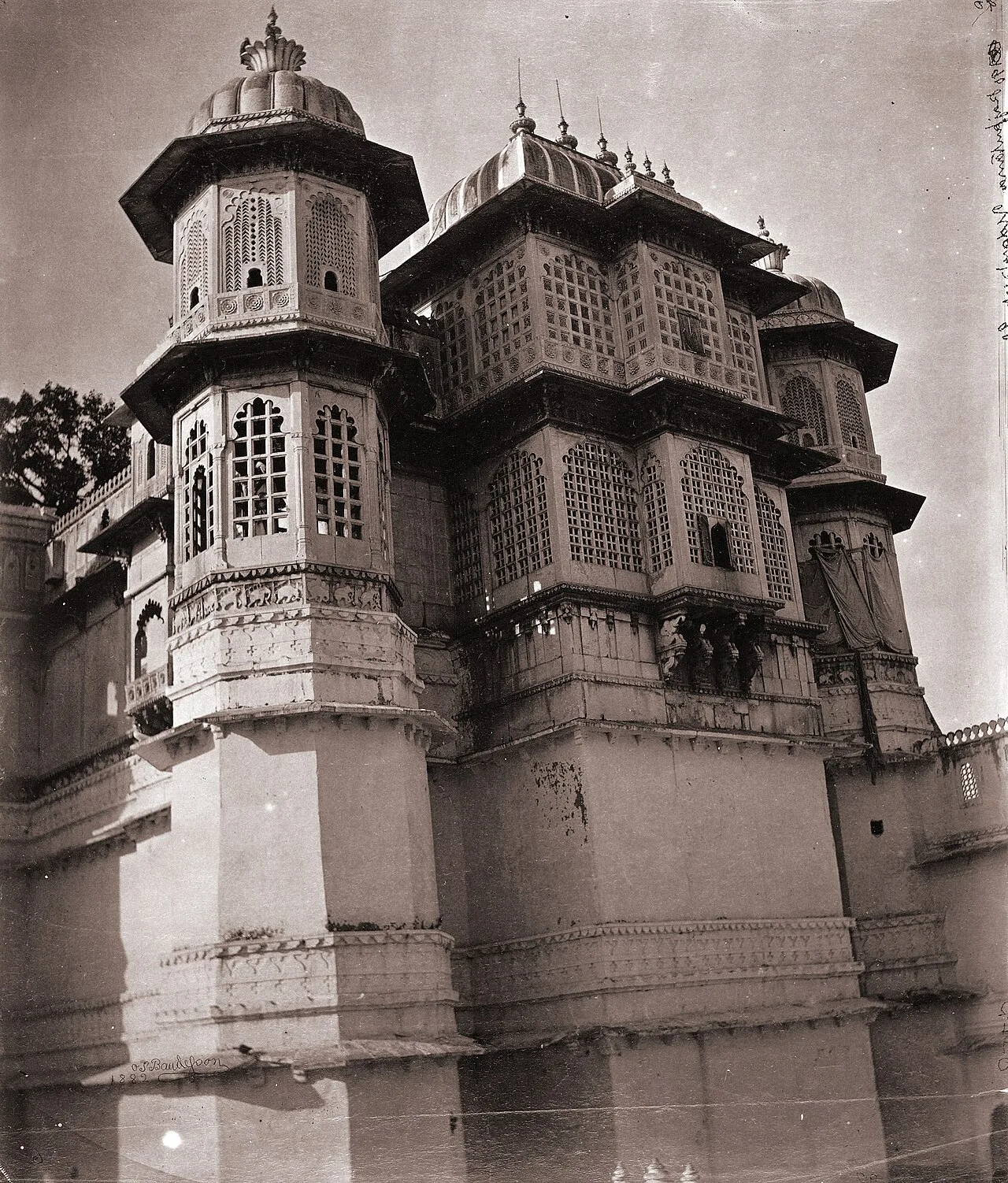
Udaipur’s City Palace is a historic royal complex shaped by successive Mewar rulers. Visitors come to see its architecture, hilltop setting and views over Lake Pichola.

Jagdish Temple

139 km away · Udaipur district

Jagdish Temple

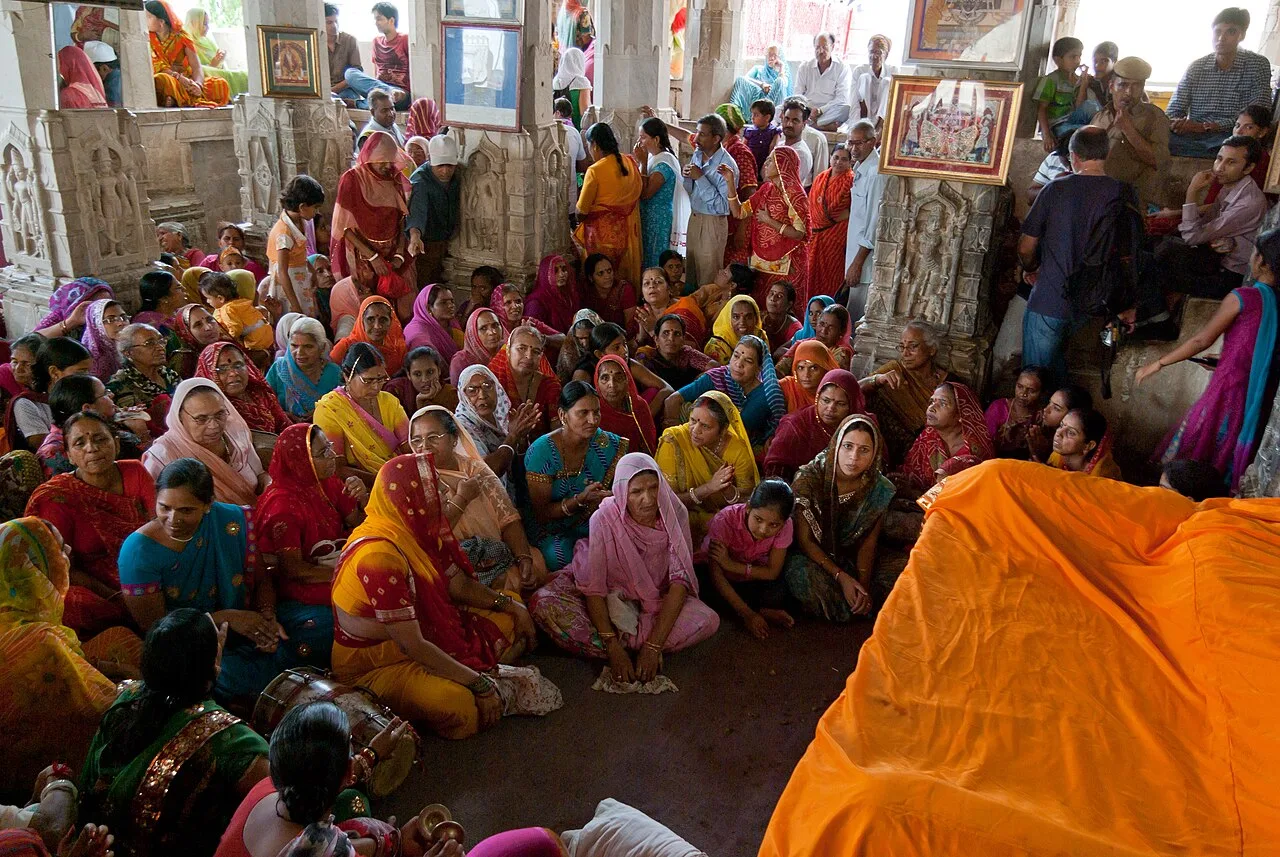
Jagdish Temple is a large Hindu place of worship in central Udaipur, Rajasthan, beside the royal palace. Visitors come to see this prominent city monument and its long-standing place of worship.

Lake Palace

139 km away · Udaipur district

Lake Palace

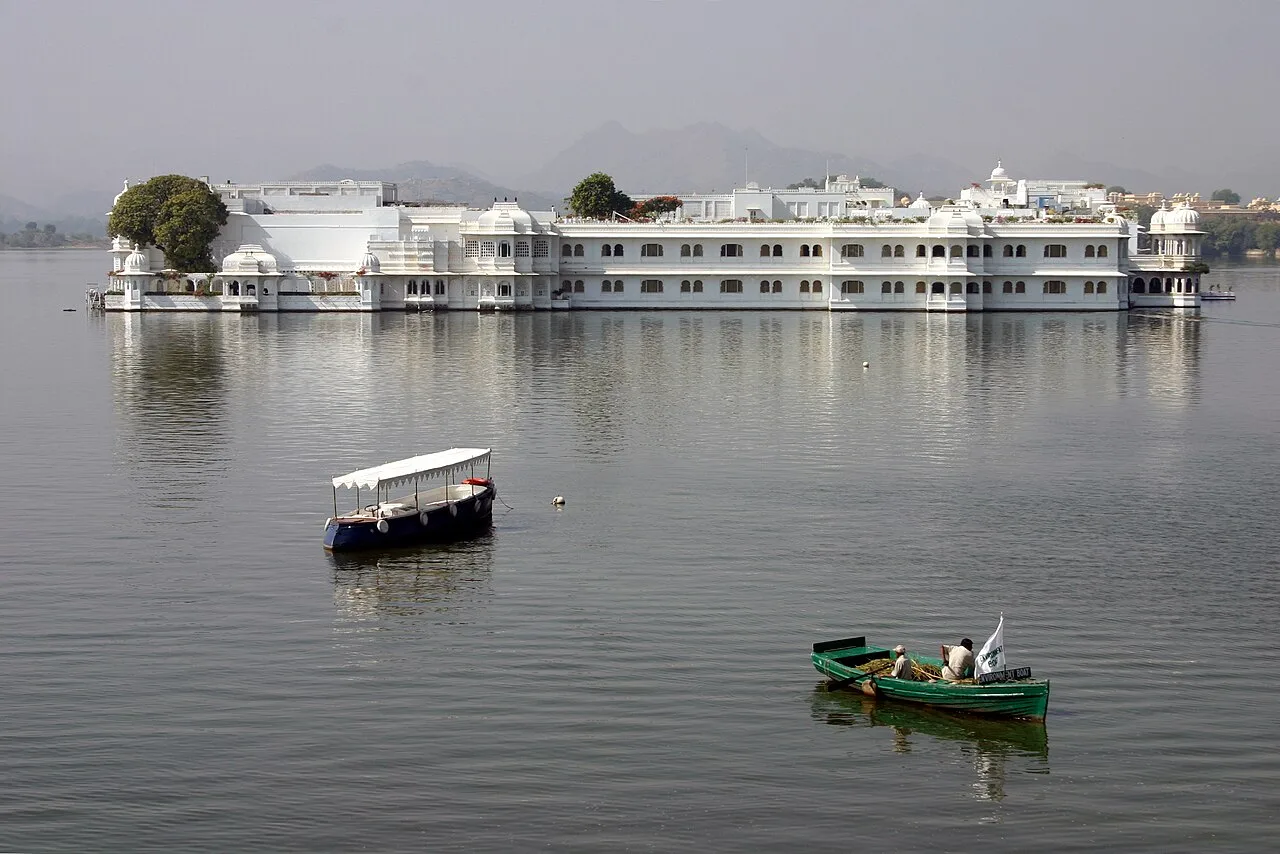
Lake Palace is a former Mewar royal summer residence on an island in Udaipur’s Lake Pichola, now a hotel. Visitors recognise it for its lake setting and appearances in several hit films.

Fateh Sagar Lake

141 km away · Udaipur district

Fateh Sagar Lake

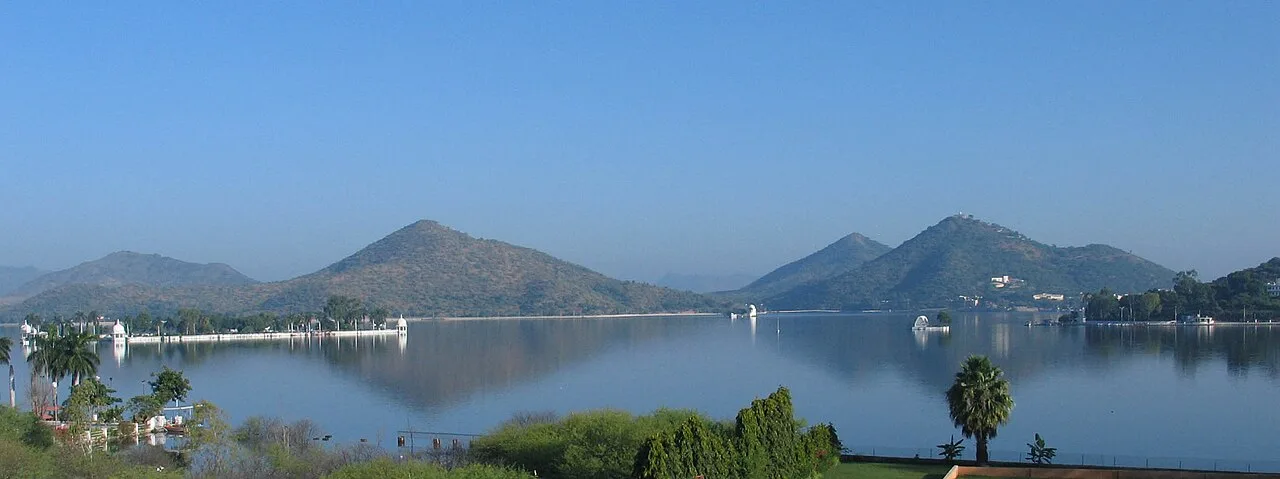
Fateh Sagar Lake is an artificial lake in Udaipur, Rajasthan. Visitors come to see its three islands, including parkland and the Udaipur Solar Observatory, while the lake also serves several water needs.

Saheliyon-ki-Bari

141 km away · Udaipur district

Saheliyon-ki-Bari

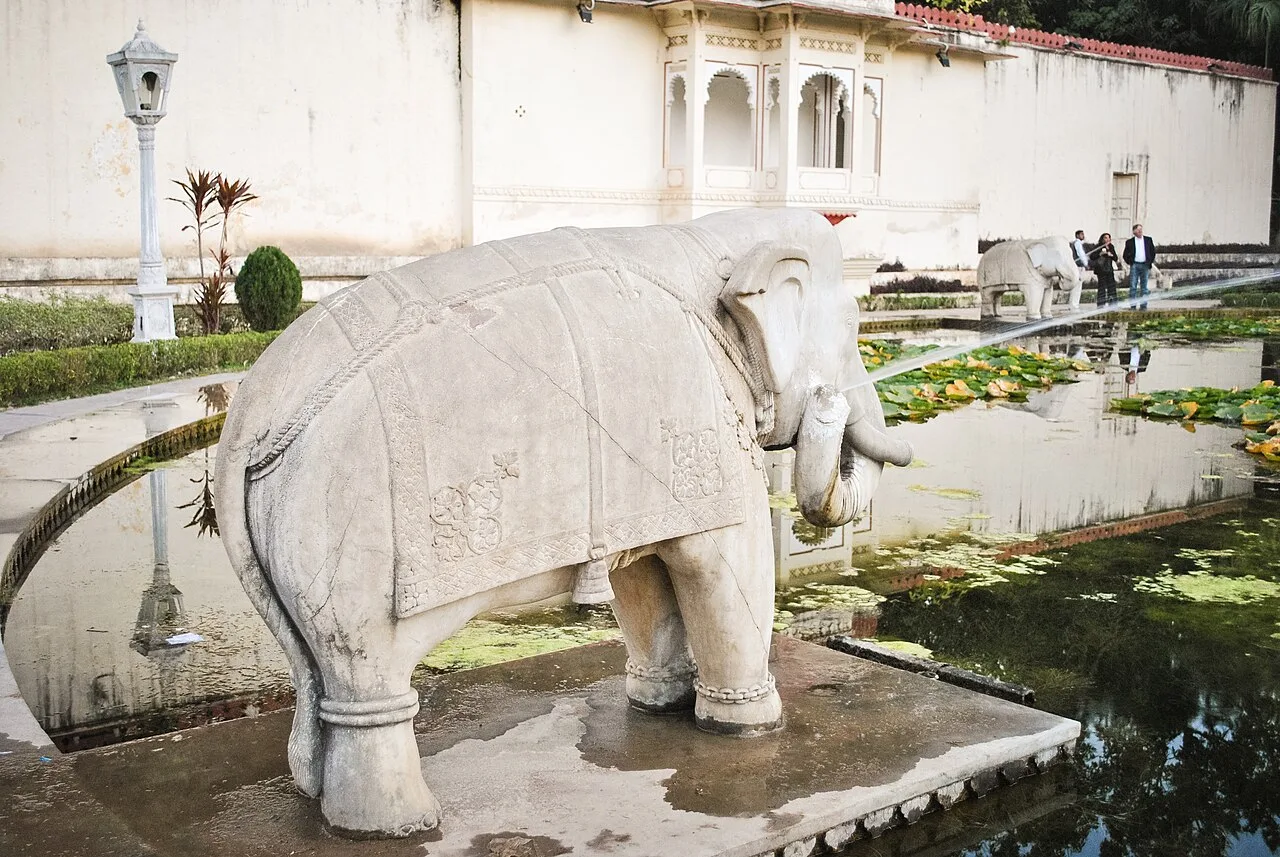
Saheliyon-ki-Bari is a garden in Udaipur, Rajasthan, where visitors can see fountains, a lotus pool and marble elephant figures, as well as a museum about Indian history.

Map

Banswara on the map

  1. 1Dhebar Lake
  2. 2Jag Mandir Palace
  3. 3Lake Pichola
  4. 4City Palace, Udaipur
  5. 5Jagdish Temple
  6. 6Lake Palace
  7. 7Fateh Sagar Lake
  8. 8Saheliyon-ki-Bari

Rajasthan

Other cities to explore