Ghumoopedia — Explore, Discover, Experience
Sign in

City guide · Rajasthan

Malpura

Malpura is a town in Rajasthan’s Tonk district, serving as a local centre for nearby communities and a stop for visitors interested in the region’s religious and built heritage. Its best-known landmark is the Jain Dadabadi, associated with the Shvetambara Khartargachchha tradition and dedicated to the memory of the third Dada Gurudev, Shri Jinkushalsurishwarji.

Famous for

  • Malpura Jain Dadabadi
  • Khartargachchha Jain heritage
  • Historic forts and palace
  • Tonk district market town

Why Malpura matters

Malpura is a town in Rajasthan’s Tonk district, serving as a local centre for nearby communities and a stop for visitors interested in the region’s religious and built heritage. Its best-known landmark is the Jain Dadabadi, associated with the Shvetambara Khartargachchha tradition and dedicated to the memory of the third Dada Gurudev, Shri Jinkushalsurishwarji. The town is also noted for its forts and palace heritage, though visitors should check locally about access to individual historic properties.

Malpura’s appeal is quieter than that of Rajasthan’s major tourist cities. A visit can combine time at the Dadabadi with a walk through the older town and its market streets, offering a glimpse of everyday life in the Tonk region. It is a useful base for understanding the district beyond its better-known centres, particularly for travellers exploring Jain places of worship and local history. Malpura is also a practical service town, with shops and amenities for residents and people from surrounding settlements.
Famous for: crafts, trade & products

Malpura is not widely identified with a particular textile, handicraft, or GI-tagged product. Its commercial role is mainly that of a local market town, where shops serve residents and surrounding villages with everyday goods, clothing, household items and provisions. Visitors can browse the central bazaar for locally available Rajasthani snacks and general shopping, but should not expect a dedicated craft quarter or a recognised Malpura speciality market.

The town’s clearest distinctive association is religious rather than industrial: the Jain Dadabadi is a significant place linked to the Khartargachchha Shvetambara community and the memory of Shri Jinkushalsurishwarji. The town is also known for historic forts and a palace, although specific sites, ownership and visitor access should be confirmed locally. For a wider range of Rajasthan-made textiles, crafts and regional products, travellers may find more choice in larger nearby cities. Malpura is best approached as a place to see local trade and heritage rather than as a specialist shopping destination.

History

Malpura’s history is part of the changing political landscape of Rajputana, where neighbouring princely territories and local authorities shaped towns, routes and markets. The town’s forts and palace heritage point to a past in which defence and regional administration mattered, but firm dates and patrons for individual structures should not be assumed without site-specific records. Its Jain Dadabadi reflects another important strand of local history: the continuing presence of Shvetambara Jain religious traditions and pilgrimage practices.

During the colonial period, the wider region was governed through the princely-state system under British paramountcy. Following independence and the reorganisation of Rajasthan, Malpura became part of Tonk district in the modern state. In recent decades it has continued to function chiefly as a local administrative and market centre. Its historic buildings and religious institutions remain important markers of identity, even as daily life is shaped by regional services, road connections and commerce.

Food, festivals & culture

Food in Malpura follows the broader Rajasthani pattern of hearty, often vegetarian meals. Visitors may come across dishes such as dal baati churma, gatte ki sabzi and kachori, along with sweets including ghevar, especially around festive periods. These are regional favourites rather than products unique to Malpura. Hindi is widely used, alongside local Rajasthani speech.

Diwali in autumn and Holi in spring are widely observed; Teej during the monsoon and Gangaur in spring are also celebrated across Rajasthan. Jain observances are important to the community connected with the Dadabadi, with devotional visits and ceremonies centred on the shrine. Hindu temples and mosques serve other local communities. Rajasthani folk music and dance form part of the wider cultural setting, though performances are more likely around community celebrations than as a regular tourist programme. Visitors should dress respectfully at places of worship and follow local guidance on photography and conduct.

Visiting the city

The cooler months, roughly October to March, are generally the most comfortable for exploring Malpura. Summers can be very hot, while monsoon brings rain and greener surroundings. Jaipur International Airport is the nearest major airport. For long-distance rail connections, Jaipur Junction is a principal hub; Banasthali Niwai may be a closer railhead, so check current services before planning. Road travel is a practical way to reach Malpura from Jaipur and other towns in Tonk district.

Within town, local buses, auto-rickshaws and hired vehicles can help with short journeys. Start with the Jain Dadabadi, then explore the old market streets and ask locally about visiting forts or palace buildings, as access may vary. Malpura is compact enough for some central areas to be explored on foot, but confirm local transport for outlying sites.

Trips from the city

Nearest places to visit from Malpura

Our closest destination guides, by straight-line distance.

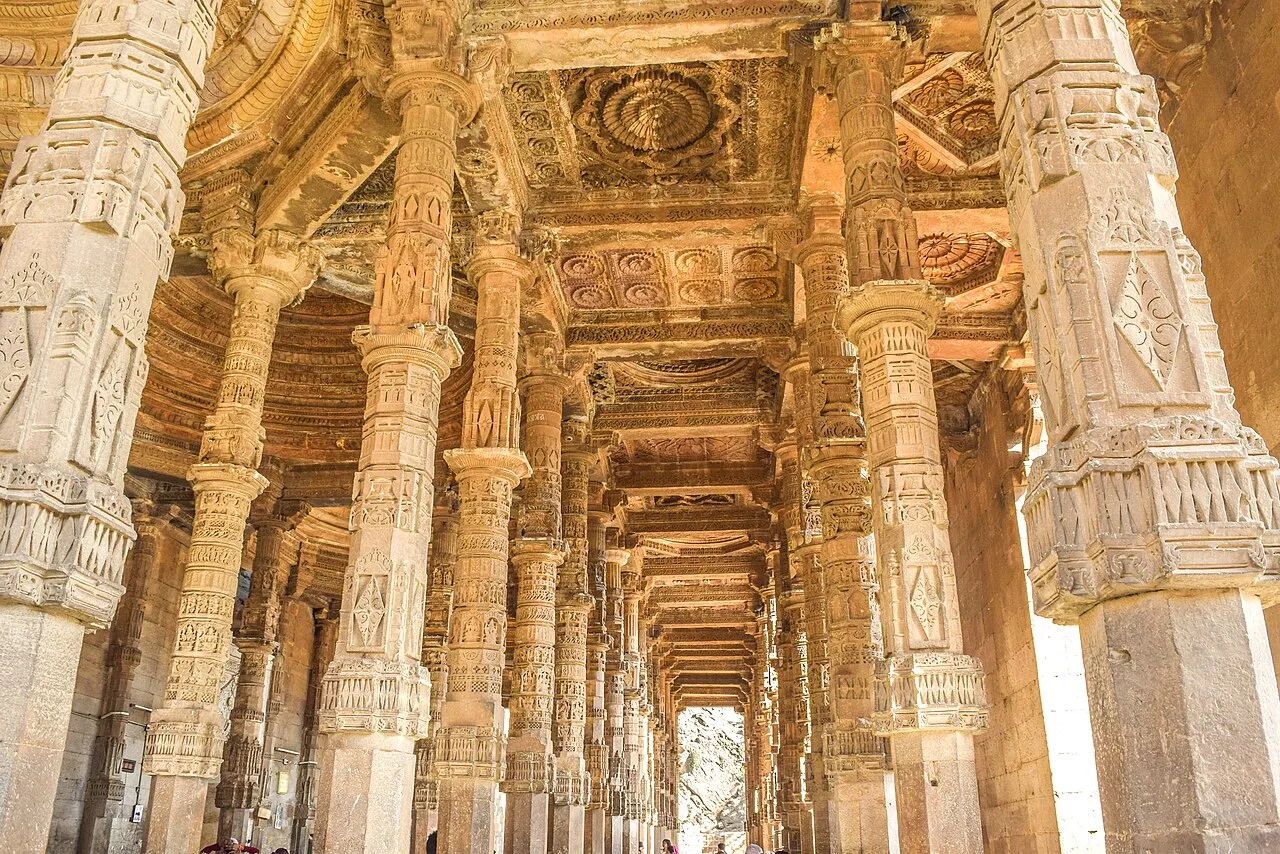
Adhai Din Ka Jhonpra

76 km away · Ajmer district

Adhai Din Ka Jhonpra

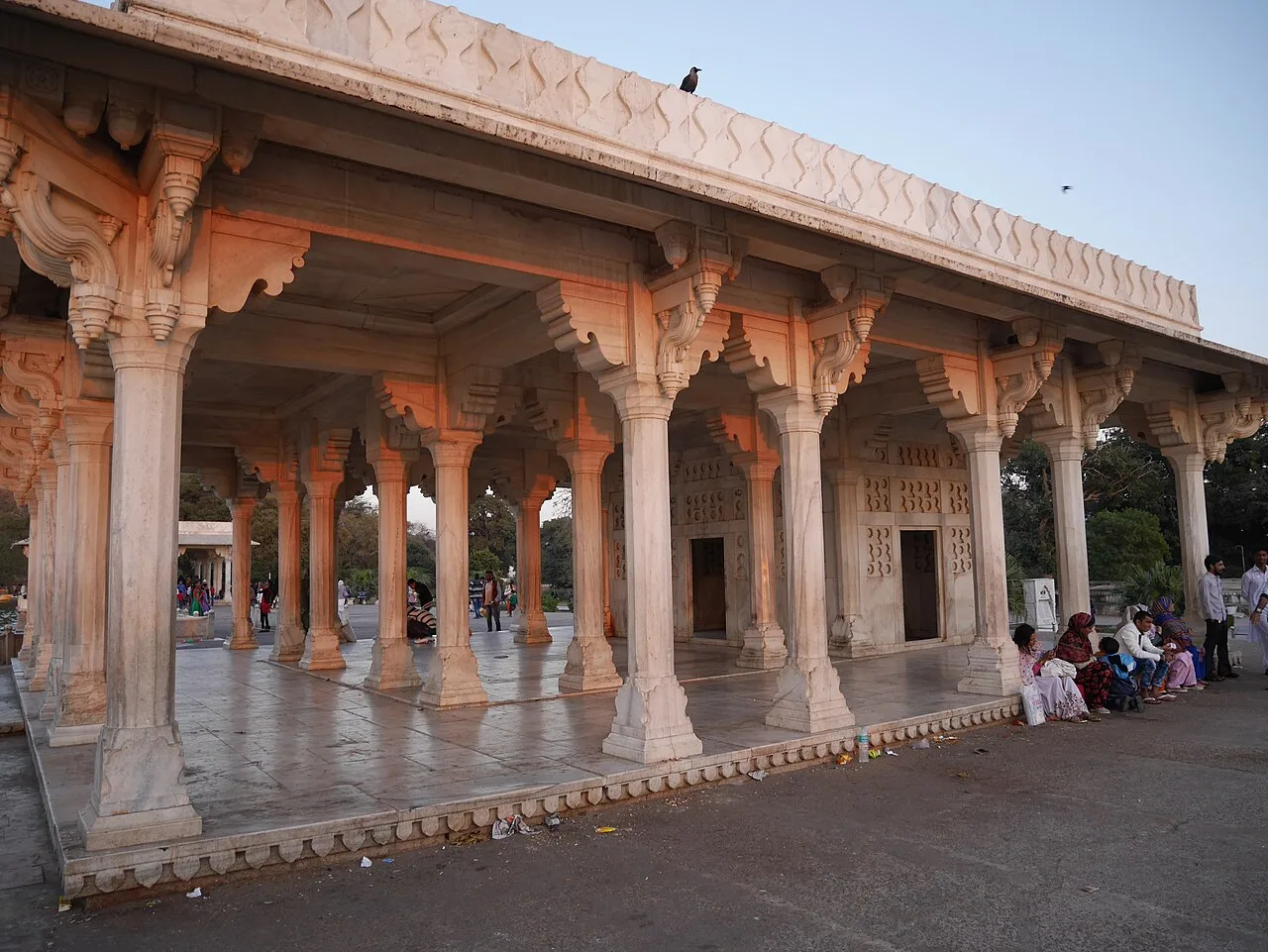
This former mosque in Ajmer, Rajasthan, is among India’s oldest mosques and the city’s oldest surviving monument. Visitors come to see its early Indo-Islamic design and its Hindu, Jain and Islamic architectural elements.

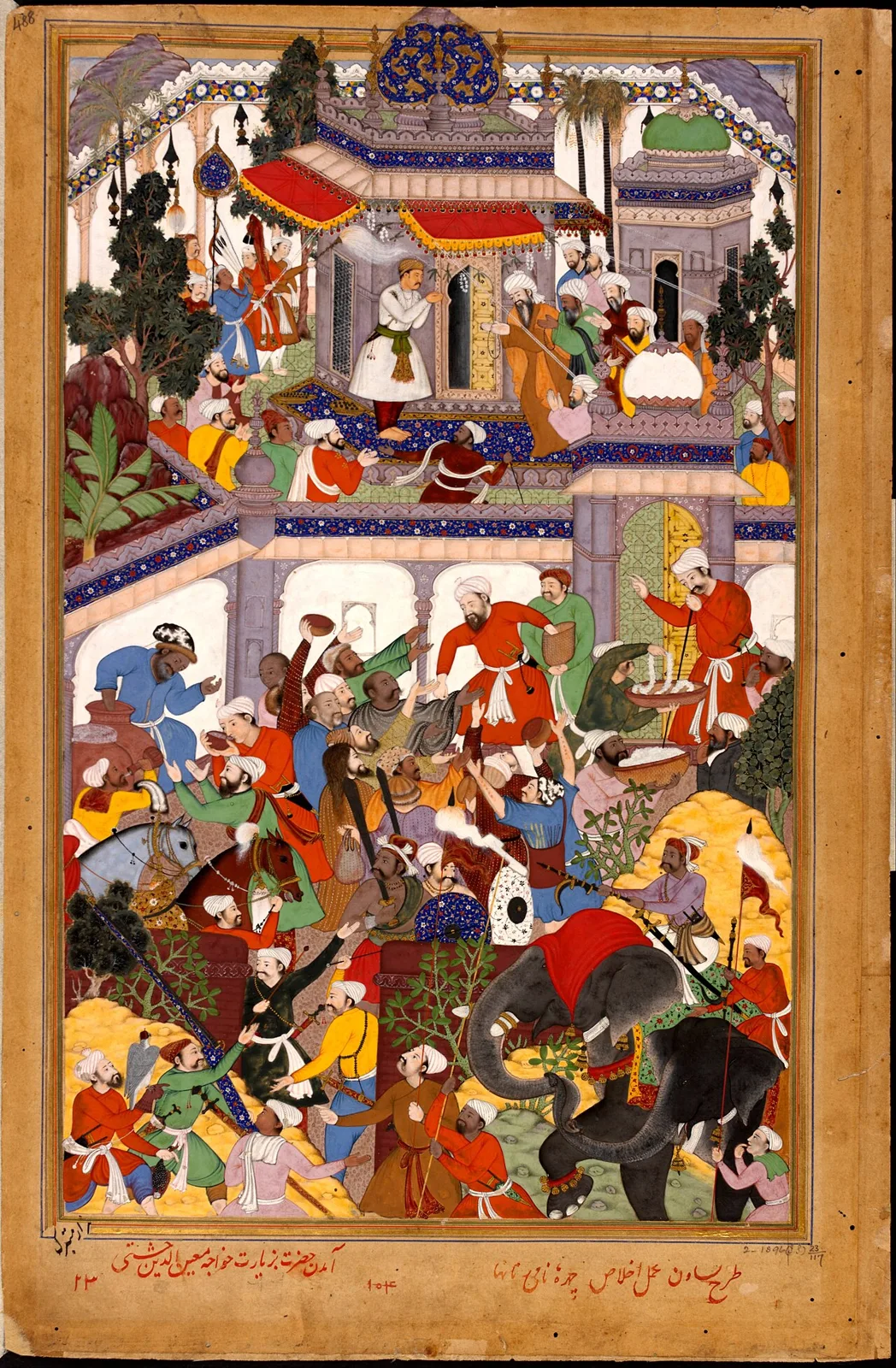
Shrine of Mu'in al-Din Chishti

76 km away · Ajmer district

Shrine of Mu'in al-Din Chishti

A Sufi pilgrimage complex in Ajmer, Rajasthan, centred on Mu'in al-Din Chishti’s shrine and including tombs and a mosque. Sunni Muslims visit in large numbers, particularly for Chishti’s urs.

Taragarh Fort, Ajmer

76 km away · Ajmer district

Taragarh Fort, Ajmer

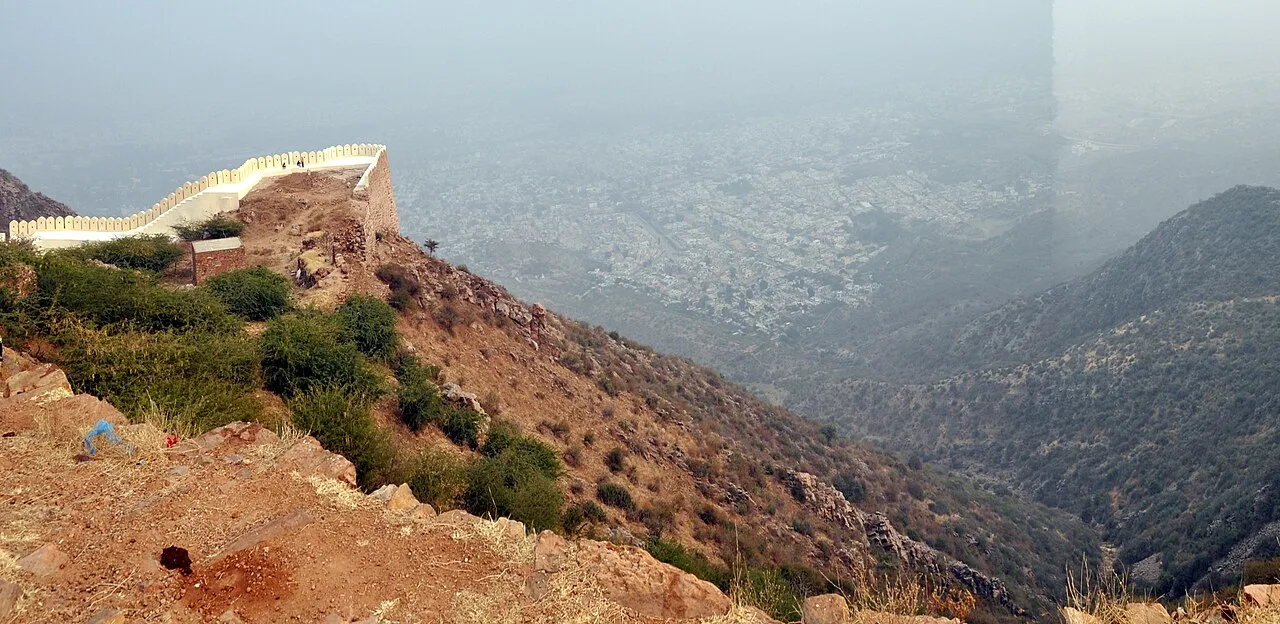
Set on a steep slope in Ajmer, Rajasthan, Taragarh Fort is a historic stronghold associated with the Parmar Rajputs and Ajayaraja Chauhan. Visitors come to see the fortress and learn about its earlier name, Ajaymeru Durg.

Ana Sagar Lake

77 km away · Ajmer district

Ana Sagar Lake

Ana Sagar is a man-made lake in Ajmer, Rajasthan, associated with its builder Arnoraja, also called Ana. Visitors come to see this historic water body, which extends across 13 km.

Sambhar Salt Lake

79 km away · Jaipur district

Sambhar Salt Lake

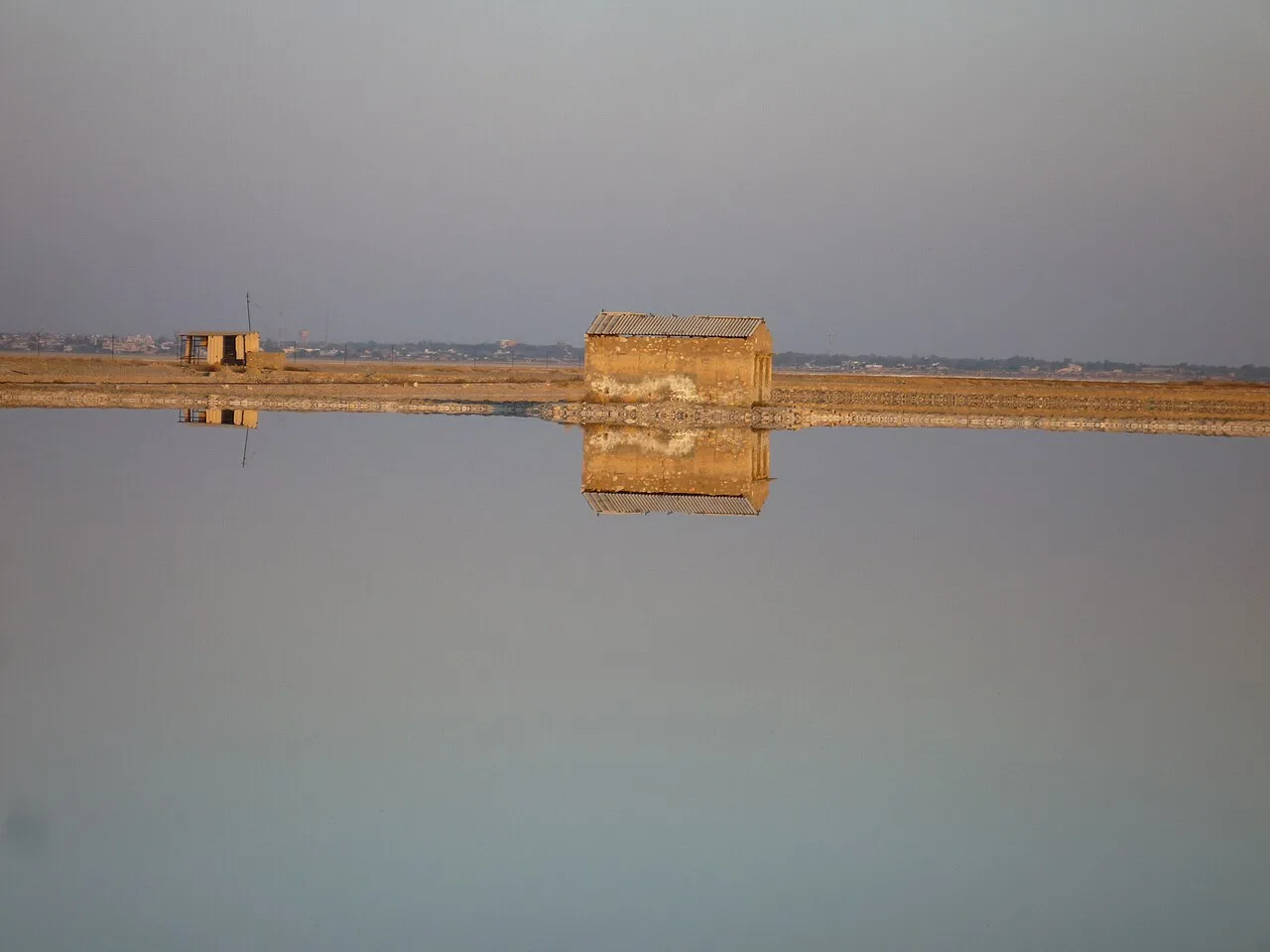
Sambhar Salt Lake is Rajasthan’s largest inland salt lake, in Jaipur district. Visitors come to see the lake and the historic settlement of Sambhar Lake Town, which it surrounds.

Birla Mandir

81 km away · Jaipur district

Birla Mandir

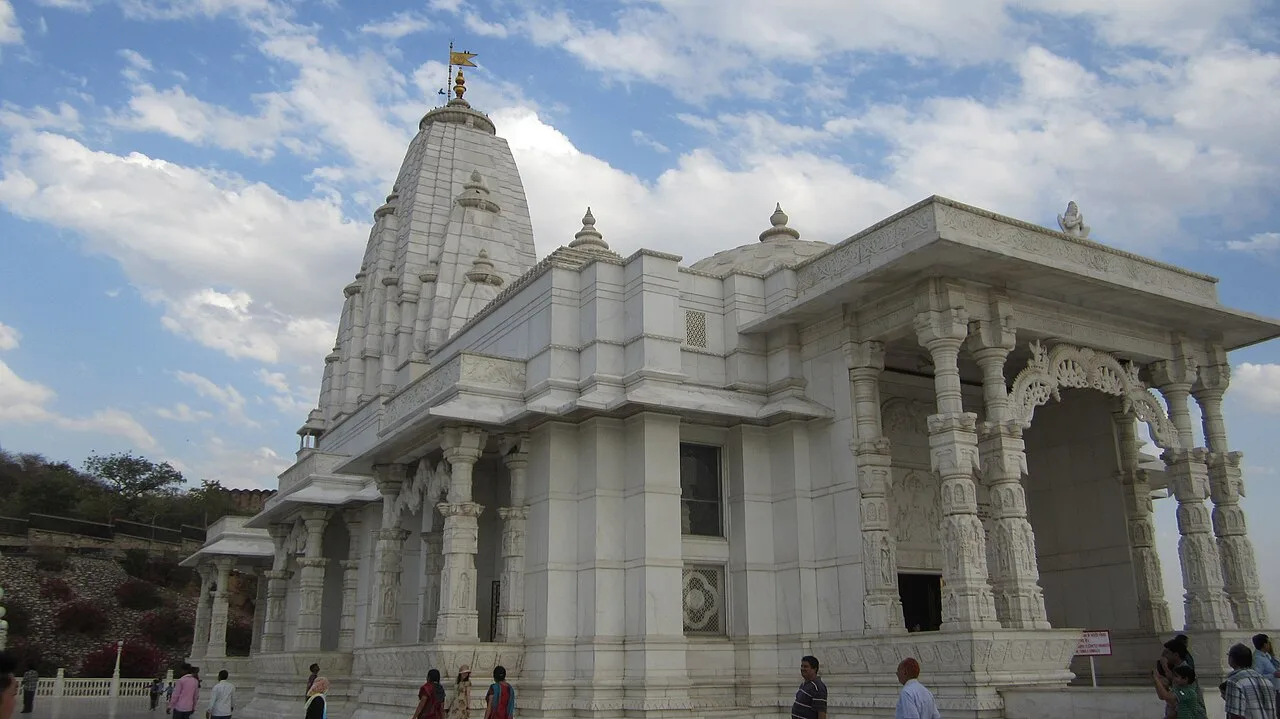
Birla Mandir, also known as Lakshmi Narayan Temple, is a Hindu place of worship in Jaipur, Rajasthan. Visitors come to worship and see its marble shrine and sacred images.

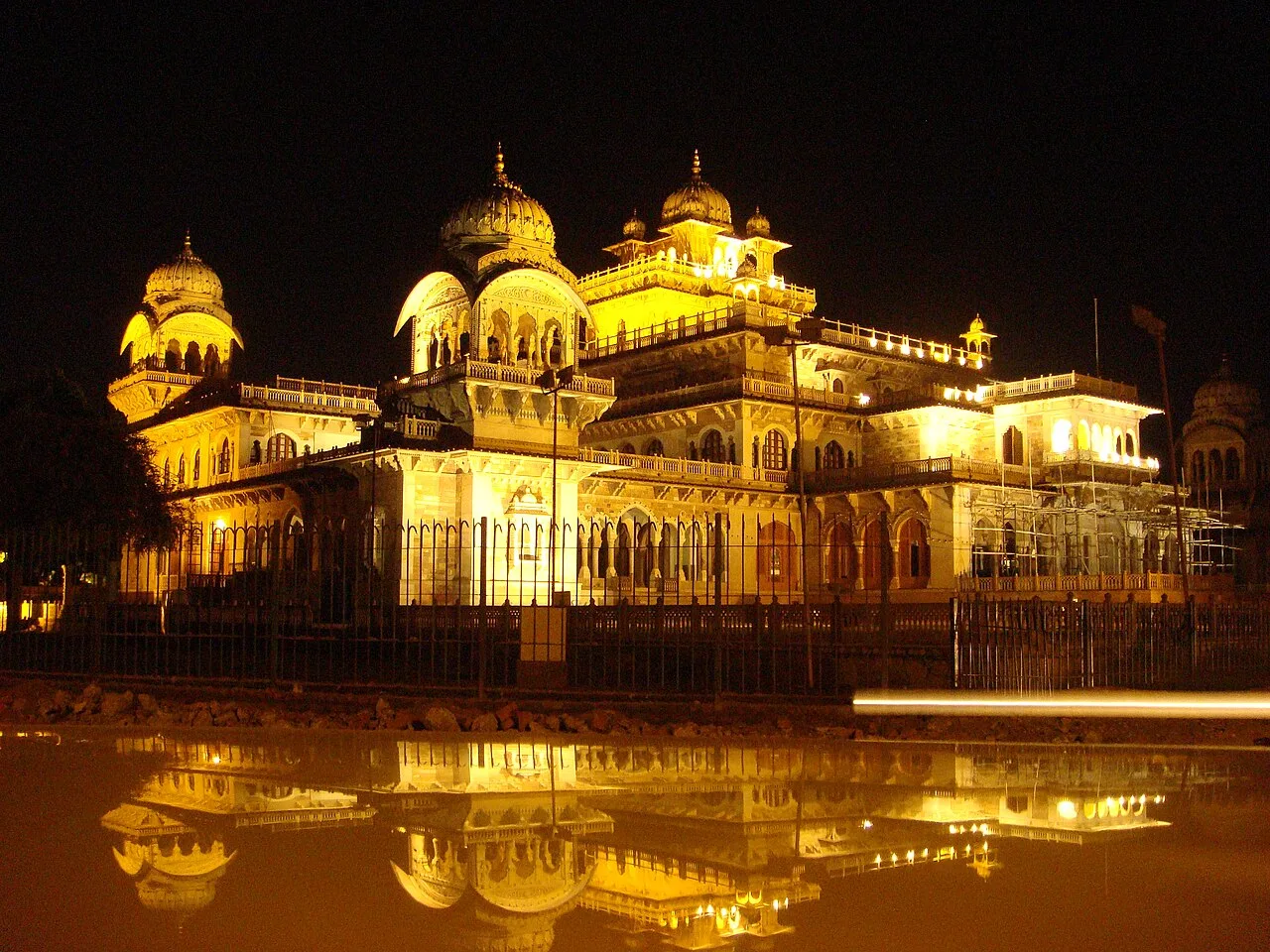
Albert Hall Museum

83 km away · Jaipur district

Albert Hall Museum

Set in Jaipur’s Ram Niwas Garden, Albert Hall Museum is Rajasthan’s state museum and its oldest museum. Visitors come to explore its varied collections and Indo-Saracenic architecture.

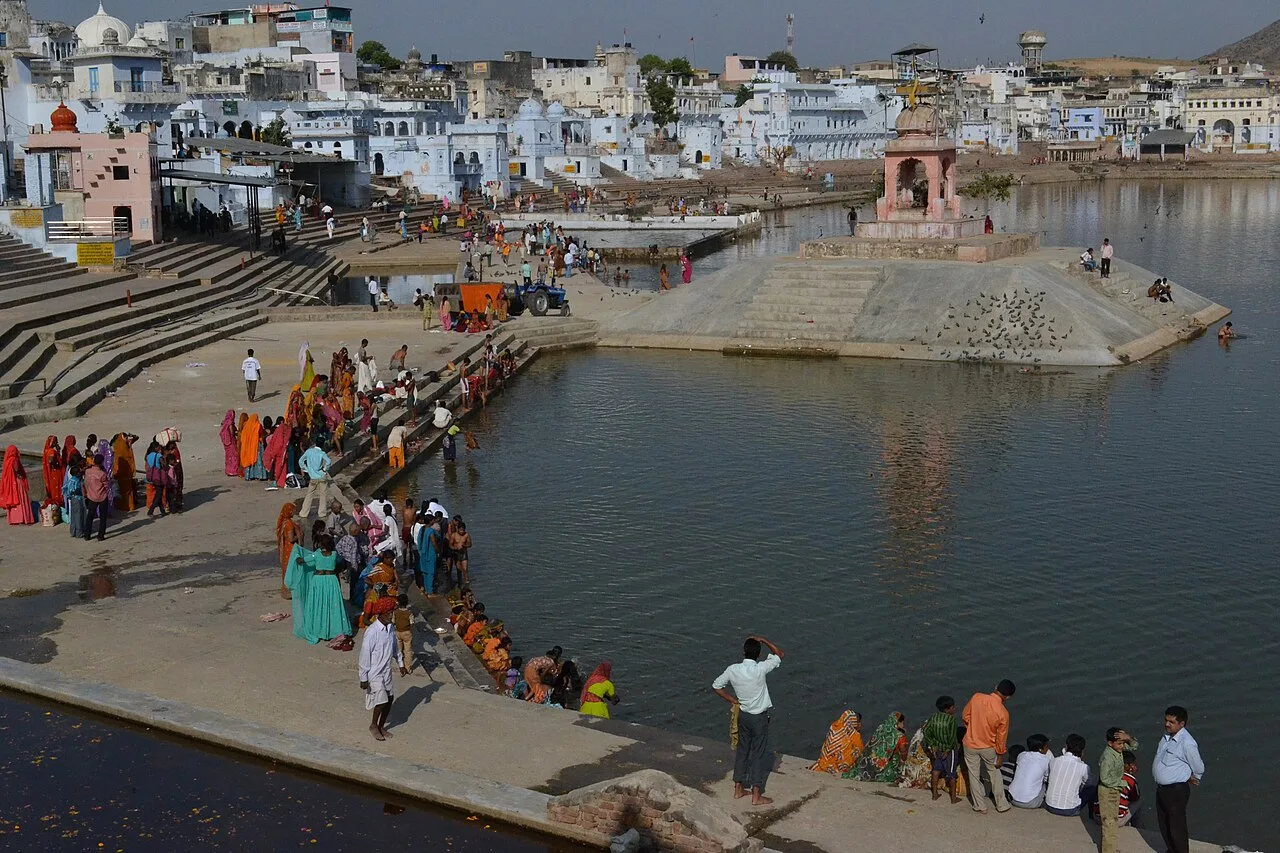
Brahma Temple

84 km away · Ajmer district

Brahma Temple

Located in Pushkar, Rajasthan, the Brahma Temple is a Hindu shrine near Pushkar Lake and among India’s few temples for Brahma. Pilgrims especially gather there on Kartik Poornima.

Map

Malpura on the map

  1. 1Adhai Din Ka Jhonpra
  2. 2Shrine of Mu'in al-Din Chishti
  3. 3Taragarh Fort, Ajmer
  4. 4Ana Sagar Lake
  5. 5Sambhar Salt Lake
  6. 6Birla Mandir
  7. 7Albert Hall Museum
  8. 8Brahma Temple

Rajasthan

Other cities to explore