Ghumoopedia — Explore, Discover, Experience
Sign in

City guide · Rajasthan

Dholpur

Dholpur is a district headquarters in eastern Rajasthan, set on the north bank of the Chambal River near the borders of Uttar Pradesh and Madhya Pradesh. Its position between Agra, Gwalior and Morena has long made it a regional crossing point; today the city is served by a railway junction and road links connecting the three states.

Famous for

  • Dholpur red sandstone
  • Machkund sacred tank
  • Chambal river setting
  • Historic Shiva temples

Why Dholpur matters

Dholpur is a district headquarters in eastern Rajasthan, set on the north bank of the Chambal River near the borders of Uttar Pradesh and Madhya Pradesh. Its position between Agra, Gwalior and Morena has long made it a regional crossing point; today the city is served by a railway junction and road links connecting the three states. It is also the administrative centre for surrounding towns and rural areas in Dholpur district.

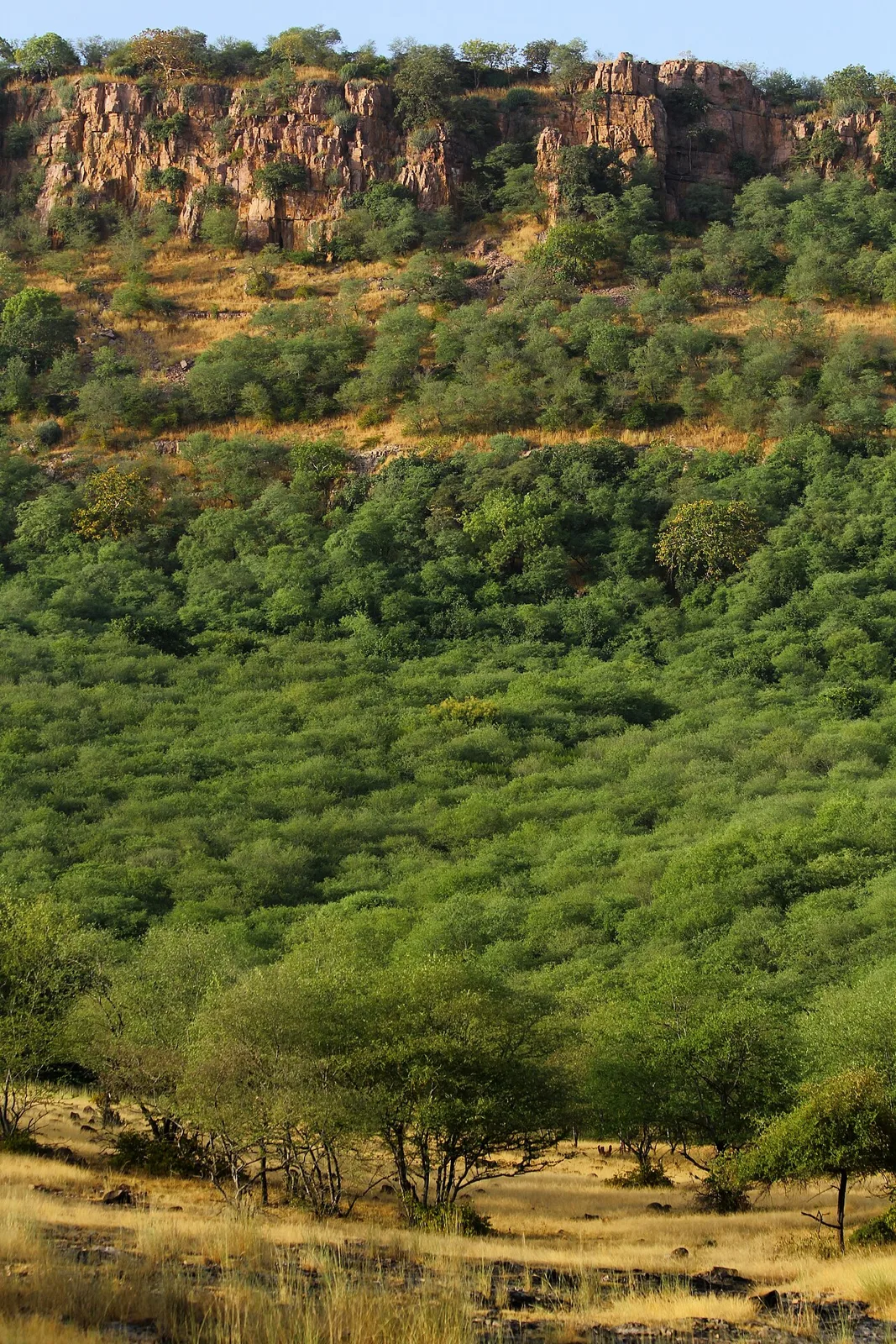
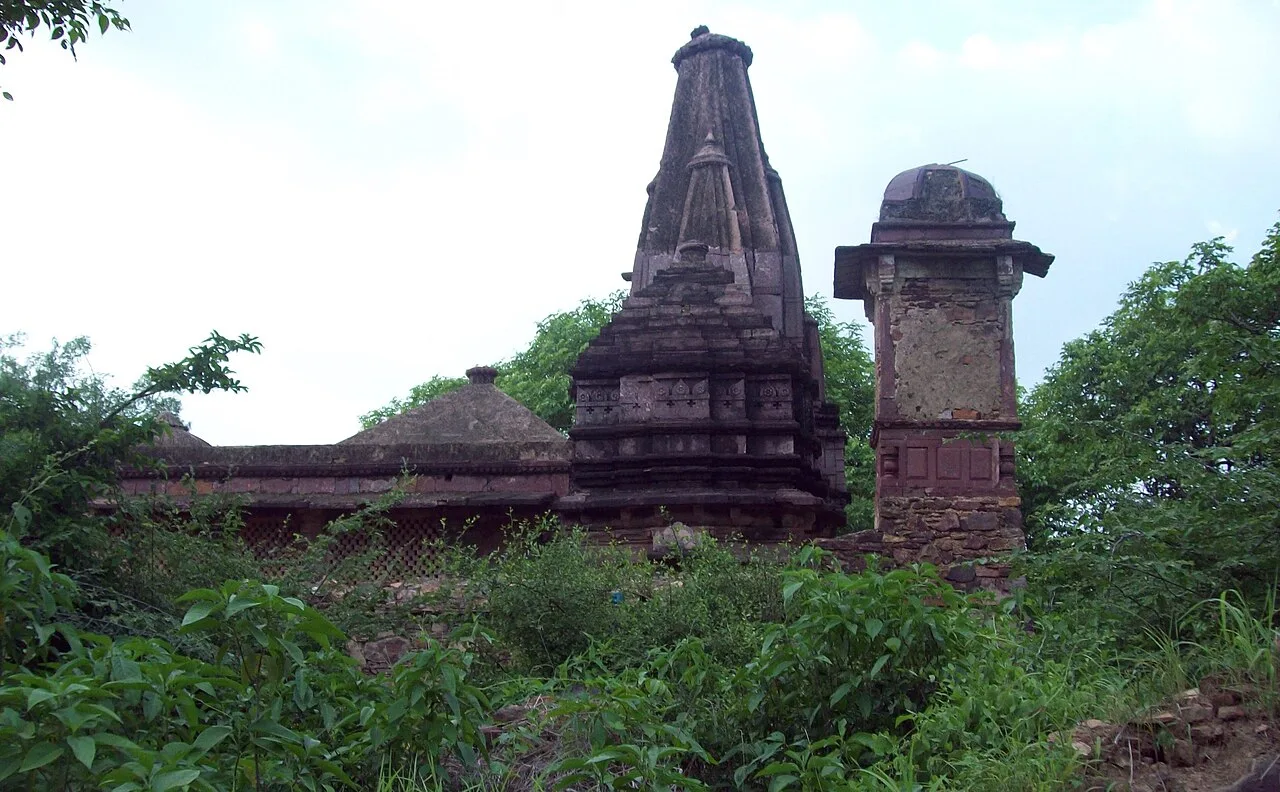
Visitors come for the area’s layered history, the red sandstone associated with Dholpur, and its religious landmarks. Machkund, a celebrated tank and pilgrimage site known by the epithet “Tirthon ka Bhanja,” is among the city’s best-known places. Temples dedicated to Shiva, including Mahakaal Shiv Temple and Bhooteshwar Mahadev Temple, add to its appeal. The nearby Chambal landscape offers a striking contrast to the built-up town. Dholpur is not a large resort destination; it is most rewarding for travellers interested in heritage, pilgrimage and a glimpse of eastern Rajasthan’s borderland character.
Famous for: crafts, trade & products

Dholpur is best known for its red sandstone, valued for its distinctive colour and used in buildings and construction. Stone remains the city’s clearest local product identity; it is not especially known for a signature textile, saree tradition or handicraft with a widely established GI tag. Travellers interested in the material can look for stonework and building details around town, while local traders and suppliers are the more relevant point of contact for commercial purchases. Confirm availability and transport arrangements directly before buying stone.

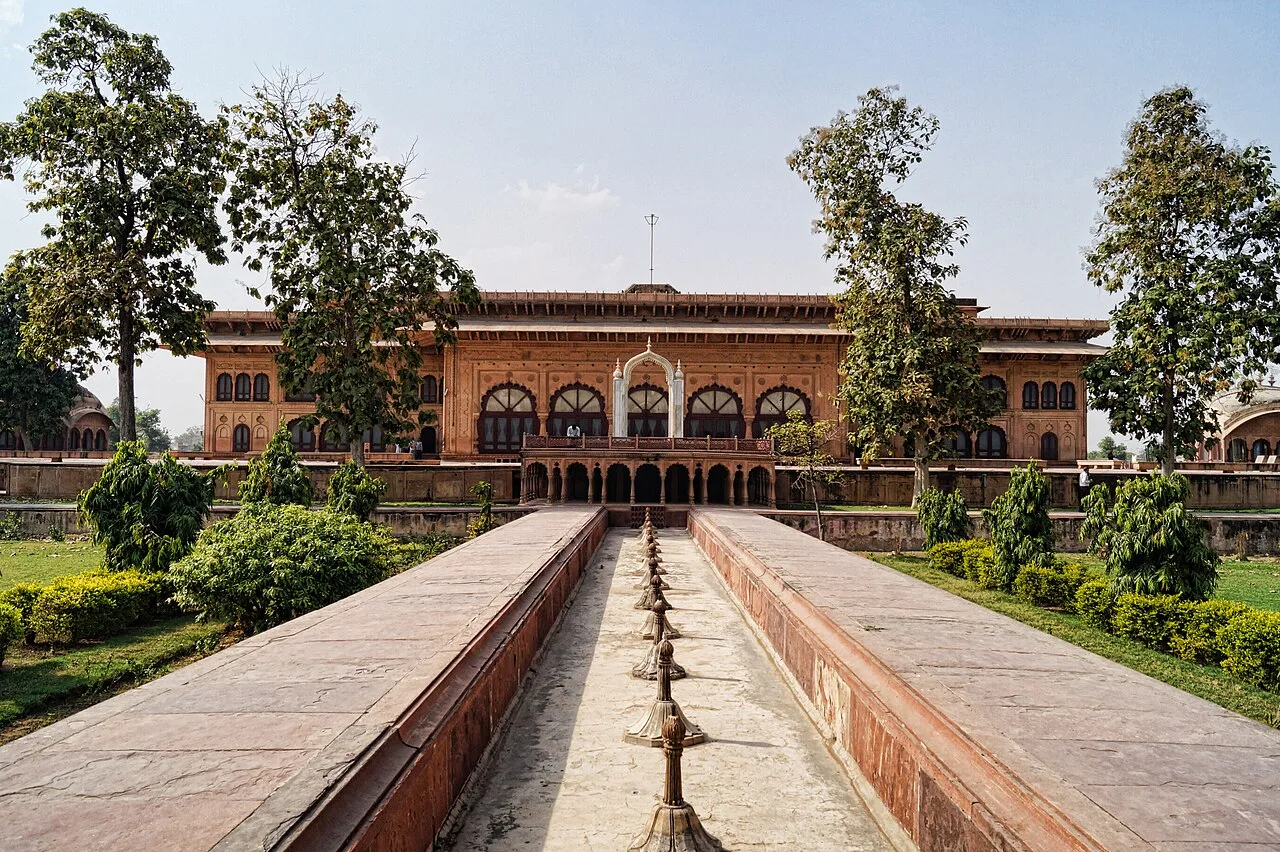
For everyday shopping, explore the central bazaars and market streets, where residents shop for clothing, household goods, snacks and daily necessities. These are useful places to browse ordinary regional merchandise rather than expect a dedicated craft market. The city’s heritage institutions also reflect its history: Kesarbagh Palace, the former rulers’ residence, now houses Dholpur Military School, and Dholpur House in New Delhi serves as the Union Public Service Commission’s headquarters. Neither should be assumed to operate as a general visitor attraction. For travellers, Machkund and the city’s temples are more accessible ways to encounter Dholpur’s local identity.

History

Dholpur’s name is associated with Dhavalpuri, and local historical tradition credits Tomar ruler Dhaval Dev with establishing the settlement in 1004. The region’s early political history involved several Rajput lineages. An inscription records a Chauhan presence at Dhavalpuri, while the Jadauns later held power and are associated with the construction of a fort in the twelfth century. Control shifted repeatedly as regional kingdoms and the Delhi Sultanate, Mughals and neighbouring powers competed for influence.

In the early modern period, Dholpur passed among Jat, Maratha and other rulers before coming under British influence. It became a princely state under the Jat rulers of Gohad in the nineteenth century and formed part of the Rajputana Agency during British rule. The region also saw resistance during the 1857 rebellion. After Independence, Dholpur joined Rajasthan; in 1982 it became a separate district. Its former royal palace, Kesarbagh, now serves as a military school, while the city’s railway and road connections support its modern administrative and commercial role.

Food, festivals & culture

Dholpur’s culture reflects its position at the meeting point of Rajasthan, Uttar Pradesh and Madhya Pradesh. Hindi is widely used, alongside regional speech shaped by nearby Braj and Rajasthani varieties. Everyday food is broadly North Indian and regional: visitors can look for familiar meals such as dal, roti, seasonal vegetable dishes and kachori, as well as local sweets in sweet shops. Recipes and availability vary, so the city is better approached as a place to sample everyday regional cooking than as a destination with one defining dish.

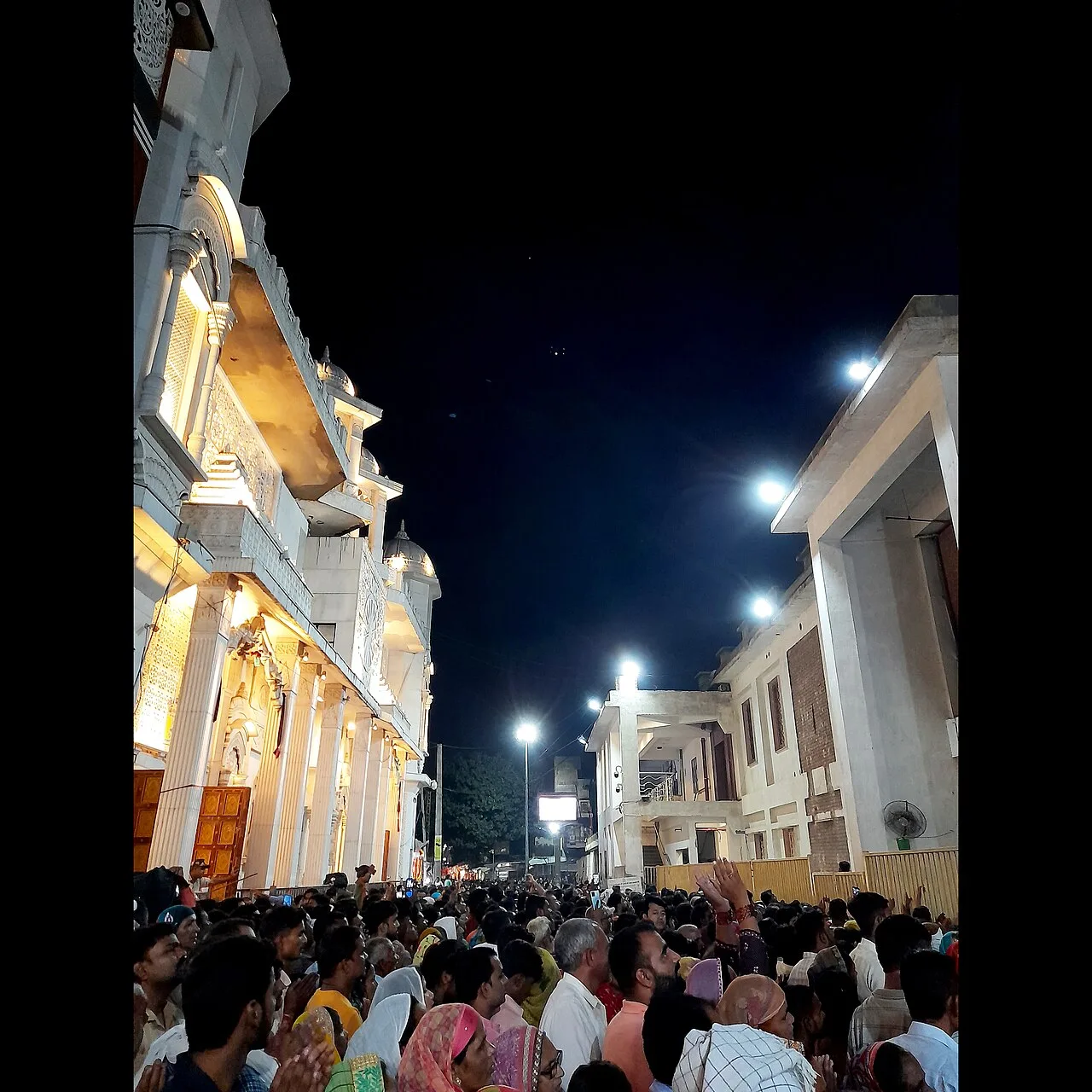
Holi in spring and Diwali in autumn are widely observed, while Navratri brings devotional activity during its spring and autumn seasons. Machkund is an important focus for pilgrimage and religious gatherings, and Shiva temples serve local worshippers throughout the year. Music and dance draw on the folk traditions of eastern Rajasthan and the neighbouring Braj region; performances are more likely around festivals and community occasions than as scheduled tourist shows. Visitors should dress respectfully at places of worship and follow local guidance during busy religious gatherings.

Visiting the city

The cooler months, roughly October to March, are generally the most comfortable for exploring Dholpur; summers can be very hot, and monsoon travel may involve rain. The main railway station is Dholpur Junction, on the North Central Railway. Agra Airport, also known as Kheria Airport, and Gwalior Airport are the nearest air options, though services and onward connections should be checked before travel.

Auto-rickshaws and local taxis are useful for moving between the station, markets, temples and Machkund. The central market area offers a sense of everyday city life, while Machkund is a key stop for pilgrimage and heritage. Allow time for the Chambal-side setting and local temples; access to river areas can vary, so follow local advice. Kesarbagh Palace is now a military school, not a regular public attraction.

Trips from the city

Nearest places to visit from Dholpur

Our closest destination guides, by straight-line distance.

Keoladeo National Park

64 km away · Bharatpur district

Keoladeo National Park

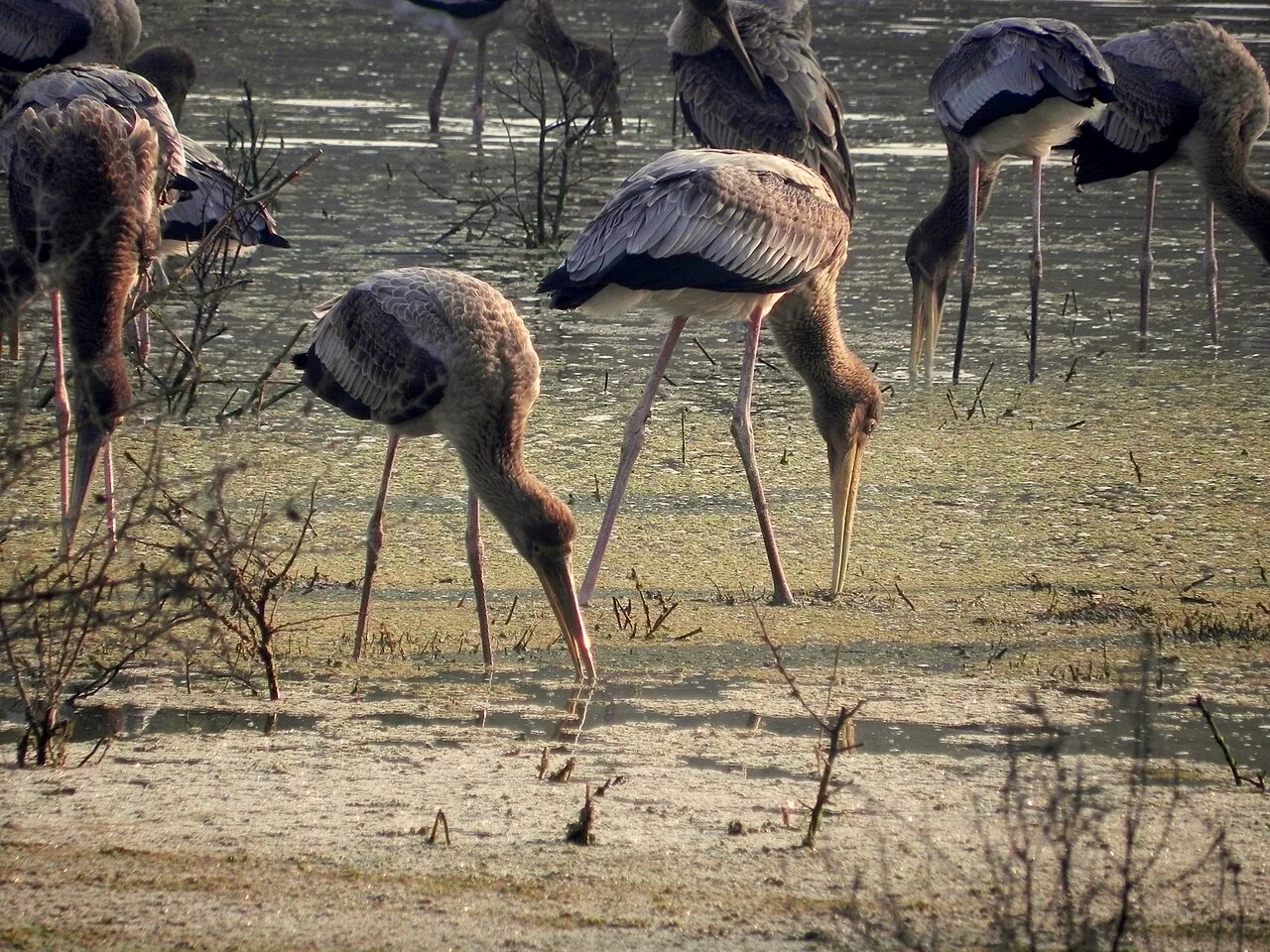
Keoladeo National Park is a wetland and wildlife reserve in Bharatpur district, Rajasthan. Visitors come to see its varied birdlife, particularly the many species that gather there during winter.

Lohagarh Fort

70 km away · Bharatpur district

Lohagarh Fort

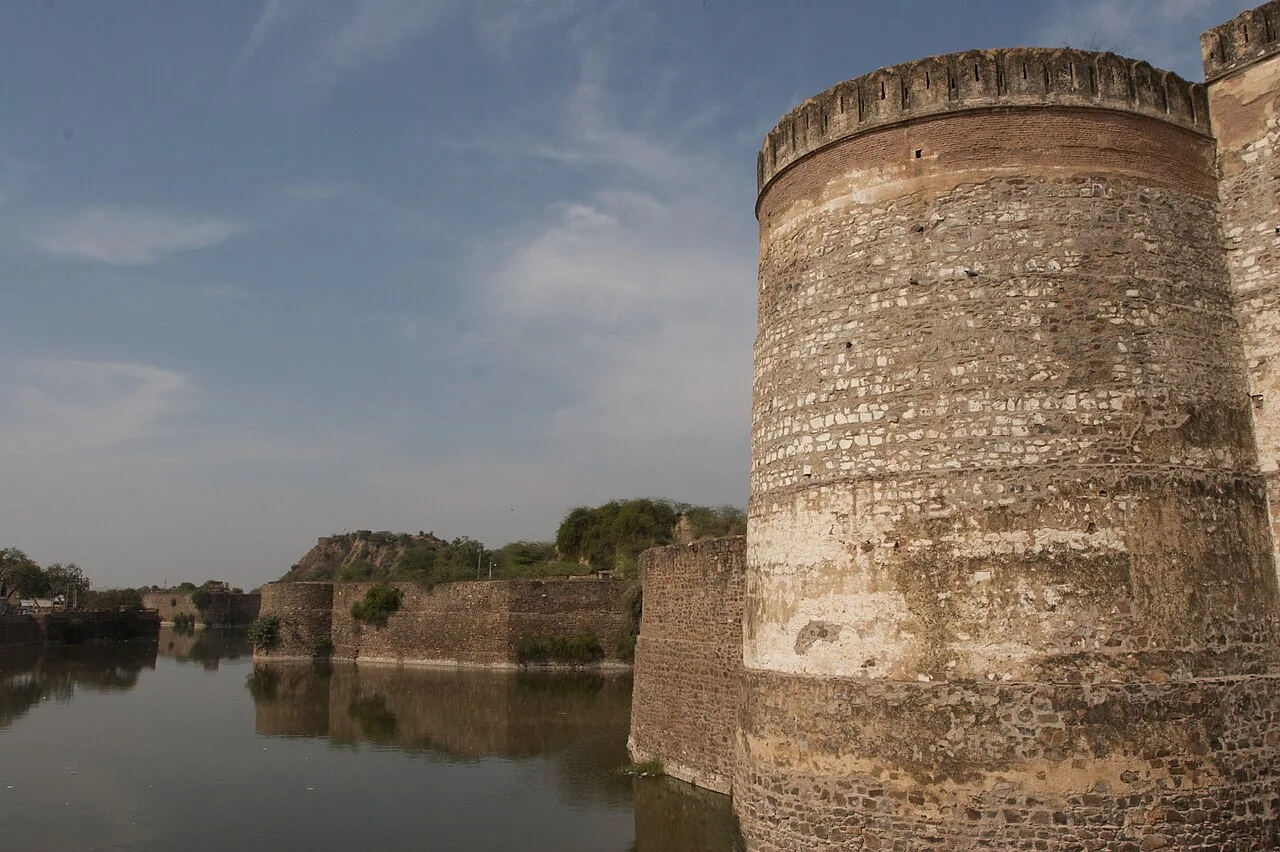
Lohagarh Fort is an eighteenth-century stronghold in Bharatpur, Rajasthan, commissioned by Maharaja Suraj Mal in 1732. Visitors learn about its resistance to British attacks and its eventual capture.

Deeg Palace

102 km away · Bharatpur district

Deeg Palace

Deeg Palace is an eighteenth-century royal summer residence in Rajasthan; visitors come to see its Mughal and Rajput design and learn about its former defensive role.

Mehandipur Balaji Temple

112 km away · Dausa district

Mehandipur Balaji Temple

In Rajasthan’s Dausa district, Mehandipur Balaji Temple is a Hindu place of worship devoted to Hanuman. Pilgrims visit for its reputation for ritual healing and ceremonies to remove evil spirits.

Chand Baori

131 km away · Dausa district

Chand Baori

In Abhaneri, Chand Baori is a historic Rajasthan stepwell known for its depth and tiered stairways. Visitors come to see its inverted-pyramid layout and large reservoir.

Ranthambore National Park

156 km away · Sawai Madhopur district

Ranthambore National Park

Ranthambore is a national park in Rajasthan’s Sawai Madhopur district, attracting visitors to its historic fort and its location between the Banas and Chambal rivers.

Sariska Tiger Reserve

159 km away · Alwar district

Sariska Tiger Reserve

Sariska Tiger Reserve, in Rajasthan’s Alwar district, is a protected area with tiger-reserve status and varied forest, grassland and rocky habitats. Visitors come to experience its wildlife and conservation setting.

Ranthambore Fort

160 km away · Sawai Madhopur district

Ranthambore Fort

Set within Ranthambore National Park near Sawai Madhopur, this historic Rajasthan fort draws visitors for its past, elevated views over the park and UNESCO World Heritage status.

Map

Dholpur on the map

  1. 1Keoladeo National Park
  2. 2Lohagarh Fort
  3. 3Deeg Palace
  4. 4Mehandipur Balaji Temple
  5. 5Chand Baori
  6. 6Ranthambore National Park
  7. 7Sariska Tiger Reserve
  8. 8Ranthambore Fort

Rajasthan

Other cities to explore