Ghumoopedia — Explore, Discover, Experience
Sign in
Tal Chhapar Sanctuary, near Meethari Marwar

City guide · Rajasthan

Meethari Marwar

Meethari Marwar is a village in Ladnun tehsil of Rajasthan’s Didwana-Kuchaman district. Its importance is local and regional rather than that of a large tourist centre: it lies on the Salasar–Didwana route and is associated with an old water source that served people travelling through this dry landscape.

Famous for

  • Piparni Nadi water pond
  • Historic Shekhawati–Marwar route
  • Thar-region landscape
  • Rohida and khejari trees

Why Meethari Marwar matters

Meethari Marwar is a village in Ladnun tehsil of Rajasthan’s Didwana-Kuchaman district. Its importance is local and regional rather than that of a large tourist centre: it lies on the Salasar–Didwana route and is associated with an old water source that served people travelling through this dry landscape. The village’s name is linked in local accounts to the sweet, clean water found at Piparni Nadi, also called Pipaly Nadi, where travellers and their animals could rest.

The settlement offers a glimpse of rural life in the Marwar region and of the relationship between water, travel and habitation in Rajasthan’s arid belt. Visitors may be interested in the pond, the surrounding village and the hardy trees and plants of the landscape. Meethari Marwar is not especially known for a major monument, large visitor attraction or specialist shopping district; it is better approached as a small stop along a regional journey. Its appeal lies in its setting, its travel-route history and the everyday character of a village shaped by scarce water and seasonal rain.
Famous for: crafts, trade & products

Meethari Marwar is not widely identified as a centre for a particular textile, saree, handicraft, GI-tagged product or large industry. The village’s best-known local association is instead Piparni Nadi, a rain-fed pond remembered as a dependable source of drinking water for travellers and their animals. Its location on the Salasar–Didwana road also gives it a practical role as a small service stop for people moving through the surrounding countryside.

For everyday provisions, visitors can look to local shops and village businesses, though these should not be mistaken for a specialist craft market or a destination shopping area. More extensive shopping and services are generally found in larger towns in the region, including Ladnun and Didwana. Travellers seeking Rajasthan’s established craft traditions or regionally marketed goods should plan to explore larger towns and cities rather than expect a dedicated selection here.

History

The precise date when Meethari Marwar was founded, and the identity of its founders, are not clearly established. Local evidence and historical accounts suggest that settlement in the area may have begun around the 12th century, during the period of Rajput princely states. The pond known as Piparni Nadi or Pipaly Nadi is said to predate the village. Its rain-fed water made the site a useful resting place on a route connecting Shekhawati and Marwar.

Travellers, traders, soldiers and banjara groups reportedly stopped there to water themselves and their animals. Local explanations connect the name Meethari with the sweet water, and the addition of Marwar with the area’s position at the entrance to Marwar territory. These accounts describe the village’s growth around a natural resource and a regional route, rather than around a palace or major fort. Today, Meethari Marwar is administered as part of Didwana-Kuchaman district in Rajasthan.

Food, festivals & culture

Meethari Marwar shares the food and social traditions of rural Rajasthan’s arid region. Everyday cooking commonly draws on grains, pulses, dairy and ingredients that keep well in a hot, dry climate; regional dishes such as dal-baati-churma and ker-sangri are familiar across Rajasthan, though they are not unique to this village. Local shops may offer simple refreshments and provisions, but Meethari Marwar is not known as a dedicated food destination or for a signature sweet.

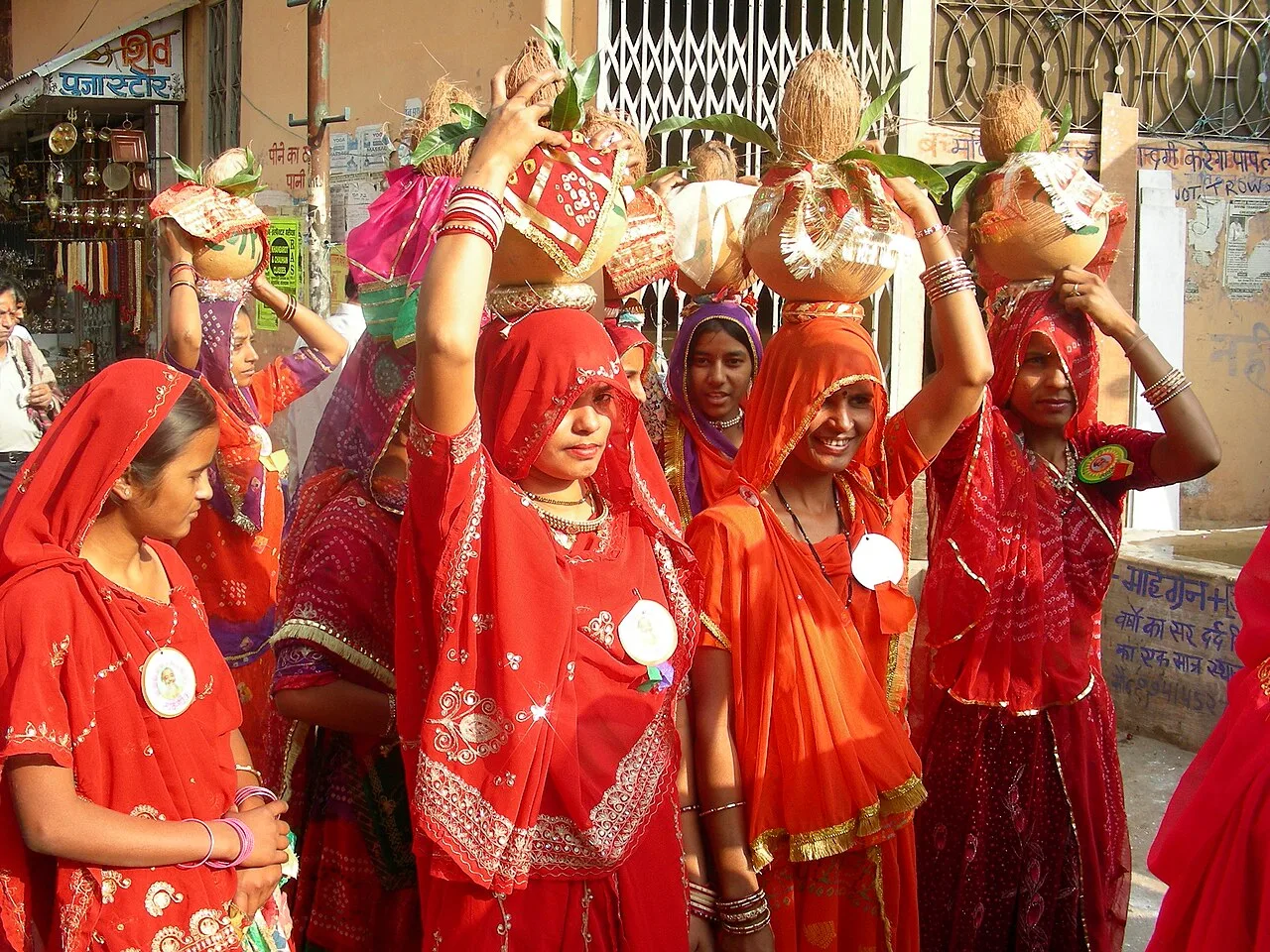
Rajasthani and Hindi are used across the wider region, with local speech reflecting the Marwari linguistic area. The main Hindu calendar festivals observed in Rajasthan, including Diwali in autumn and Holi in spring, are relevant to village life; seasonal gatherings and religious observances may vary locally. Folk music and dance traditions such as devotional singing and forms associated with Rajasthan are part of the broader cultural setting, but specific regular performances should not be assumed. Visitors should ask locally about worship places and community events, since no single major temple or annual festival is established here as a prominent visitor attraction.

Visiting the city

The cooler months, roughly October to March, are generally the most comfortable time to visit. Summers can be intensely hot, while rain is seasonal and may affect travel conditions. Meethari Marwar is on the Salasar–Didwana section of Rajasthan State Highway 60, so road travel is a practical way to reach the village. Jaipur International Airport is a major air gateway for the wider region; check current onward road and rail connections before setting out. Meethari Marwar railway station serves the village, while Ladnun is another regional rail and service point.

Within the village, walking or arranging local transport is the simplest way to explore. The pond and nearby settlement are natural places to begin, with the surrounding rural landscape offering a sense of the area’s dryland ecology. Shops and services are modest, so plan meals, onward transport and other requirements ahead. Treat the village as a brief stop or a base for exploring nearby towns rather than expecting a developed tourist district.

Trips from the city

Nearest places to visit from Meethari Marwar

Our closest destination guides, by straight-line distance.

Tal Chhapar Sanctuary

35 km away · Churu district

Tal Chhapar Sanctuary

Tal Chhapar is a wildlife sanctuary in Rajasthan’s Churu district, known for blackbucks and birdlife. Visitors come to see its wildlife in a setting near the Great Indian Desert.

Nawalgarh

65 km away · Jhunjhunu district

Nawalgarh

Nawalgarh is a heritage city in Rajasthan’s Shekhawati region, within Jhunjhunu district. Visitors are drawn by its heritage character, and it is 30.5 km from Sikar and 39.2 km from Jhunjhunu.

Mandawa

70 km away · Jhunjhunu district

Mandawa

Mandawa is a town in Rajasthan’s Jhunjhunu district, within the Shekhawati region. Travellers visit it as part of journeys through the region and nearby Jhunjhunu.

Khatu Shyam Temple

75 km away · Sikar district

Khatu Shyam Temple

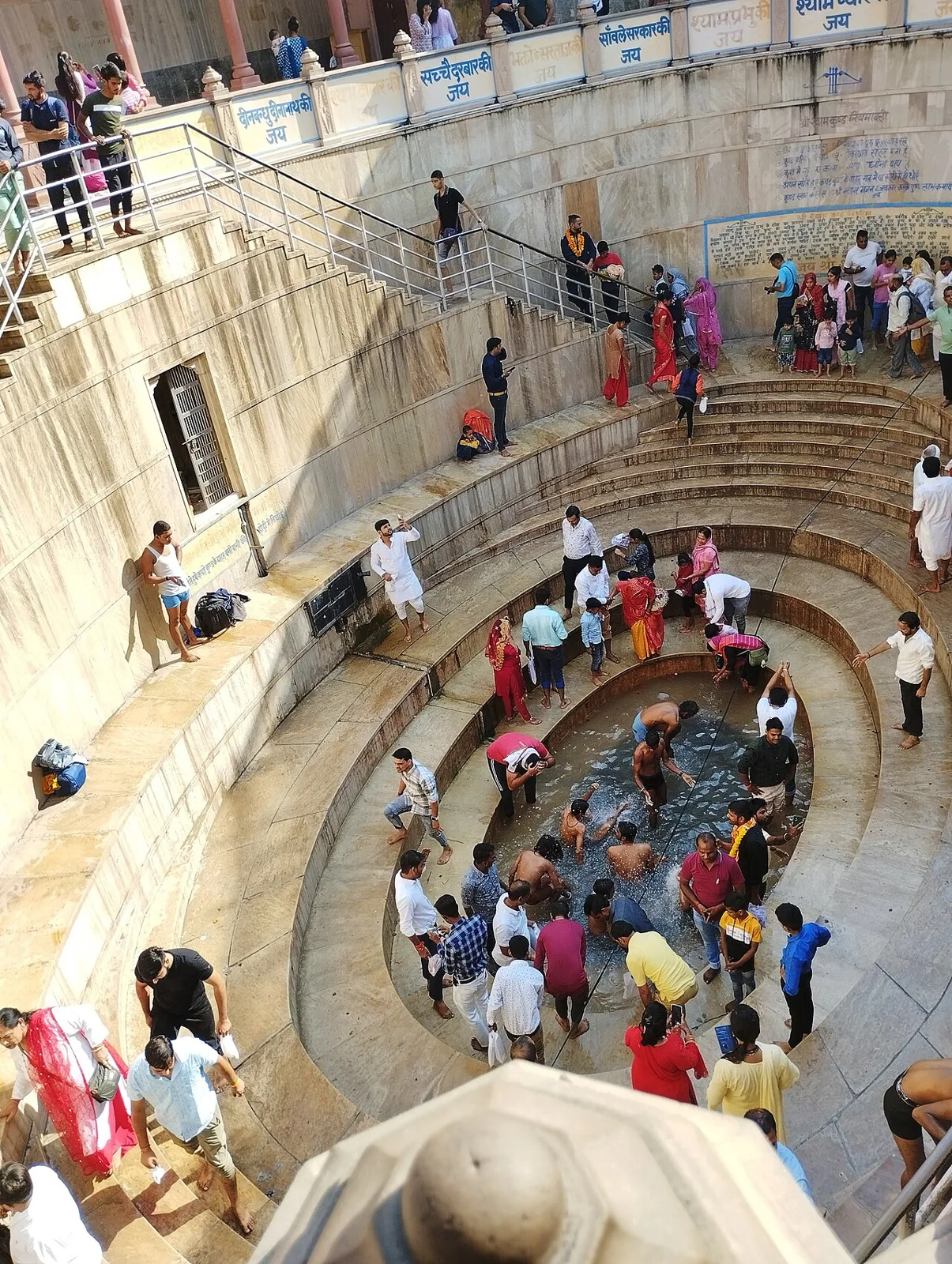
In KhatuShyamJi town, Rajasthan, this Hindu shrine honours Khatu Shyam, believed to be a divine manifestation of Barbareek from the Mahabharat. Pilgrims visit throughout the year, especially for the Falgun Mela.

Sambhar Salt Lake

80 km away · Jaipur district

Sambhar Salt Lake

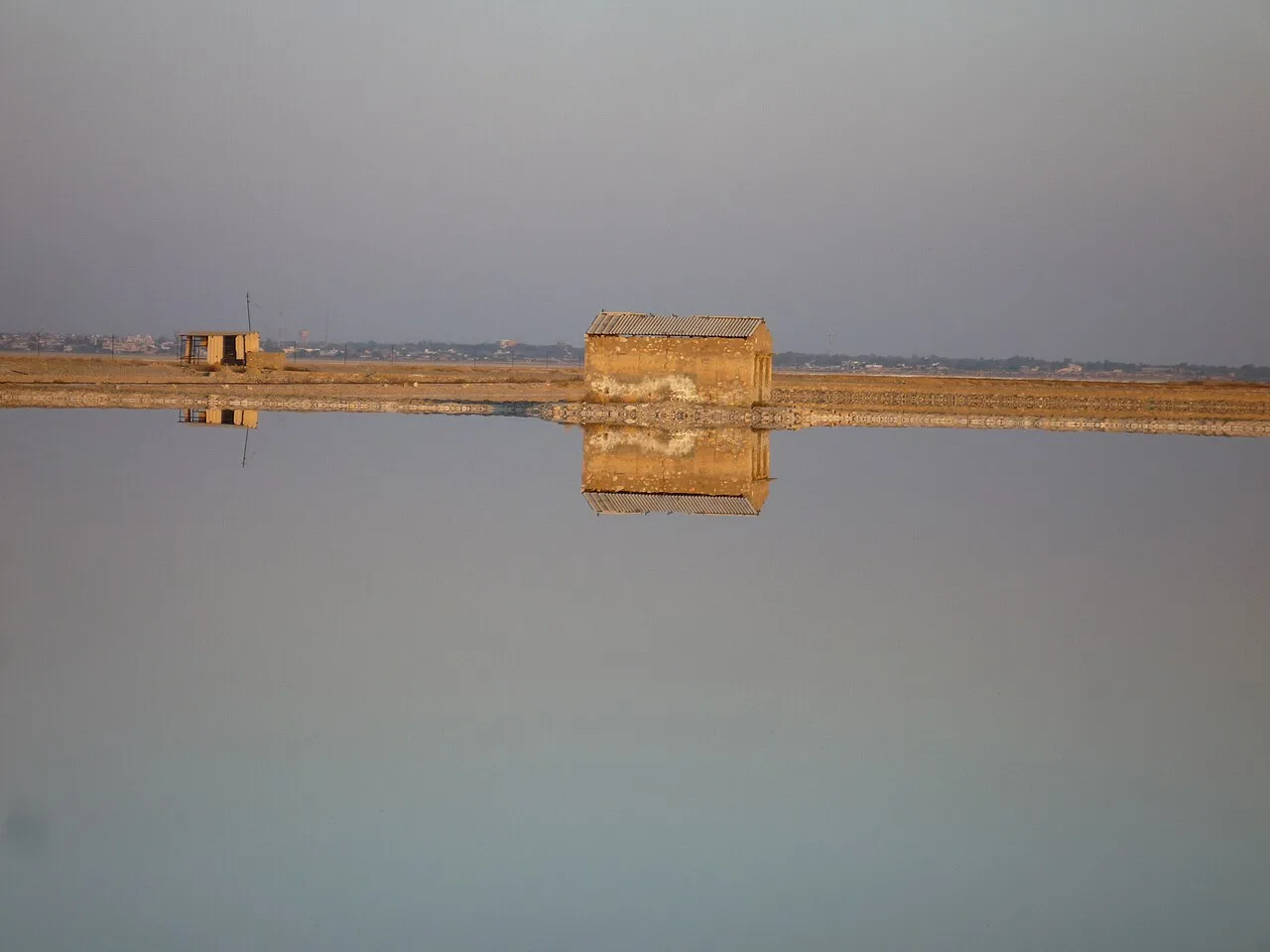
Sambhar Salt Lake is Rajasthan’s largest inland salt lake, in Jaipur district. Visitors come to see the lake and the historic settlement of Sambhar Lake Town, which it surrounds.

Samode

118 km away · Jaipur district

Samode

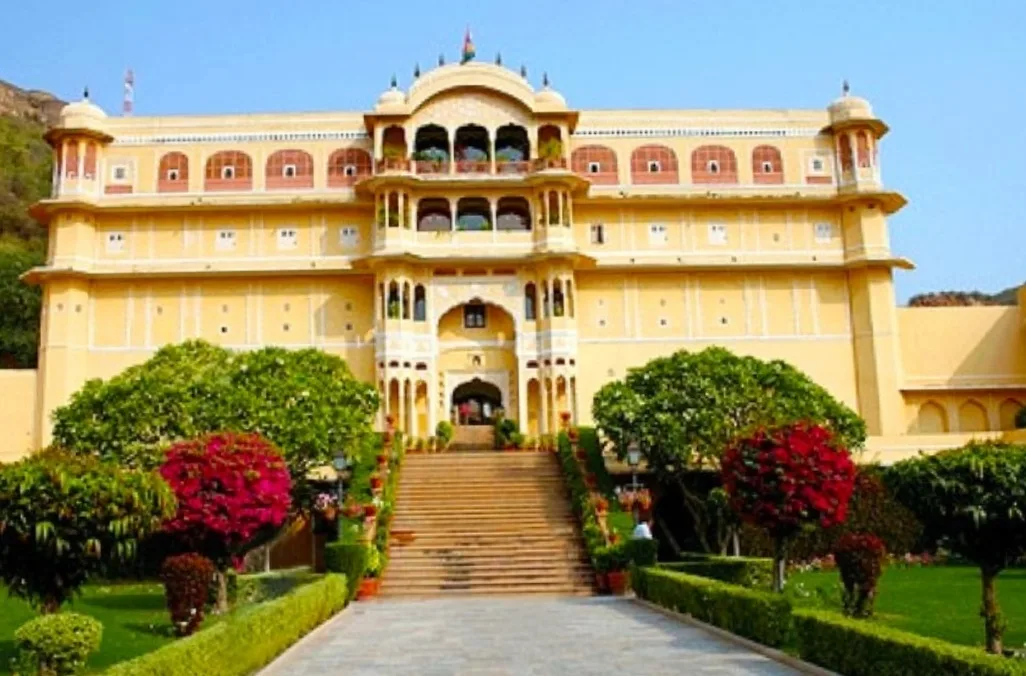
Samode is a village in Rajasthan’s Aravalli hills, north-west of Jaipur. Visitors come for its palace, haveli and garden, historic properties now operated as heritage hotels.

Brahma Temple

122 km away · Ajmer district

Brahma Temple

Located in Pushkar, Rajasthan, the Brahma Temple is a Hindu shrine near Pushkar Lake and among India’s few temples for Brahma. Pilgrims especially gather there on Kartik Poornima.

Pushkar

122 km away · Ajmer district

Pushkar

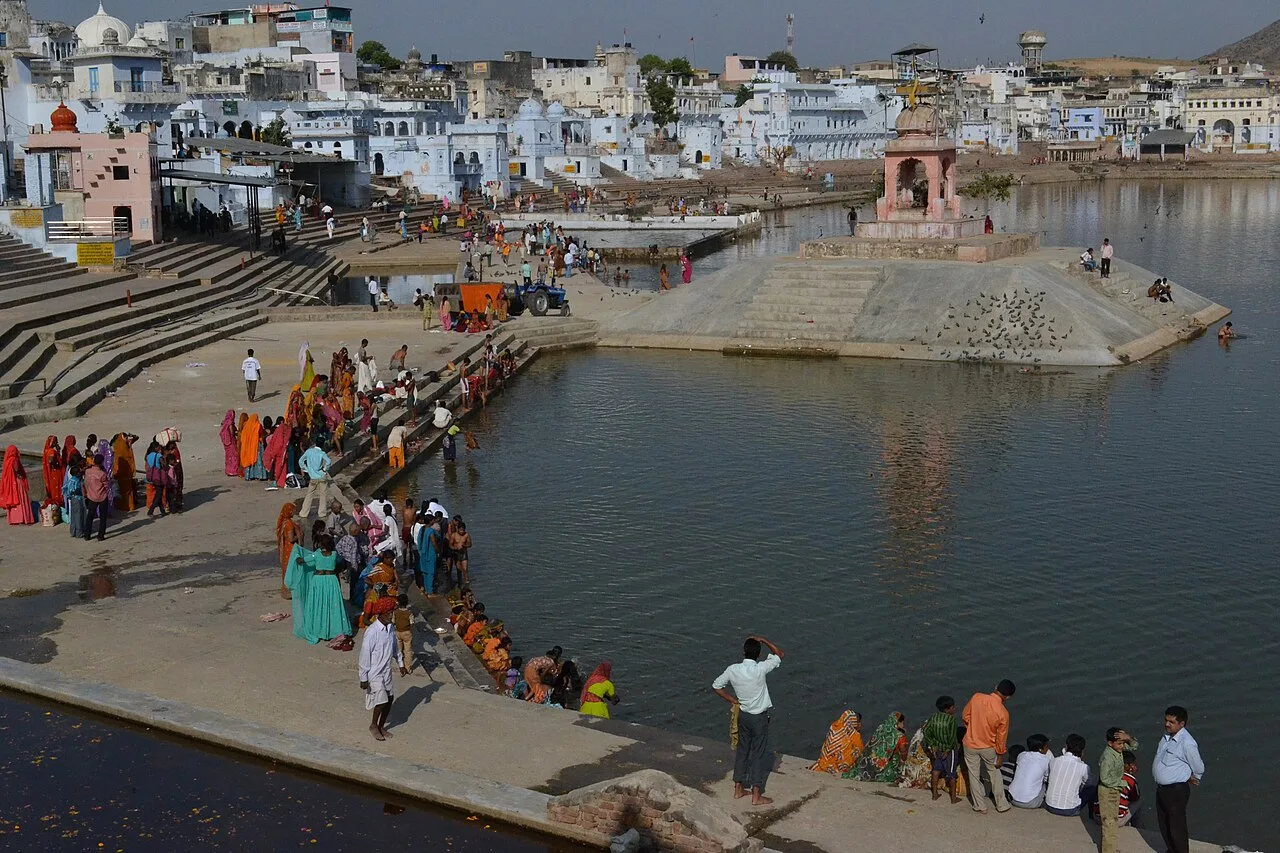
Pushkar is a historic pilgrimage town in Rajasthan, centred on a sacred lake and temples, including one of the few shrines to Brahma. Visitors come for worship, ritual bathing and its heritage.

Map

Meethari Marwar on the map

  1. 1Tal Chhapar Sanctuary
  2. 2Nawalgarh
  3. 3Mandawa
  4. 4Khatu Shyam Temple
  5. 5Sambhar Salt Lake
  6. 6Samode
  7. 7Brahma Temple
  8. 8Pushkar

Rajasthan

Other cities to explore